If you’re a dog owner, you know how important it is to keep your furry friend safe and comfortable. Fleas and ticks aren’t just annoying—they can cause serious health problems for your dog.
Finding the best flea and tick prevention can feel overwhelming with so many options out there. But don’t worry, this guide will help you discover the most effective and easy ways to protect your dog all year round. Keep reading to learn how you can stop these pests before they become a problem and keep your dog happy and healthy.
Common Flea And Tick Risks For Dogs
Fleas and ticks pose serious threats to dogs. These tiny pests can cause pain and health problems. Knowing the common risks helps protect your dog better.
Fleas are fast breeders. A few fleas can quickly turn into a big problem. They cause itching, skin irritation, and allergies. Some dogs may develop infections from scratching.
Ticks carry diseases that affect dogs and humans. They latch onto the dog’s skin and feed on blood. Diseases like Lyme disease and Rocky Mountain spotted fever are common.
Different environments have different flea and tick risks. Dogs that spend time outdoors face higher chances of exposure. Grass, bushes, and wooded areas are prime spots for ticks.
Flea Allergy Dermatitis
Many dogs get itchy from flea bites. This causes flea allergy dermatitis. The skin becomes red, swollen, and sore. Dogs scratch and bite, making the problem worse.
Tick-borne Diseases
Ticks spread several diseases to dogs. Lyme disease causes fever and joint pain. Ehrlichiosis leads to weakness and poor appetite. Early treatment is crucial for recovery.
Environmental Exposure
Outdoor dogs face more flea and tick exposure. Tall grass and leaf piles hide these pests. Checking dogs after walks helps catch ticks early.
Secondary Infections
Scratching flea or tick bites may break the skin. Open wounds can get infected by bacteria. Infections require veterinary care and treatment.
Credit: bridgesfest.eu
Signs Of Flea And Tick Infestations
Fleas and ticks cause many problems for dogs. They bite and irritate the skin. These pests can also spread diseases. Detecting them early helps keep your dog safe and healthy.
Look for signs on your dog’s body and behavior. Catching an infestation early makes treatment easier. Watch your dog closely for any changes.
Visible Fleas And Ticks On The Coat
Check your dog’s fur carefully. Fleas look like tiny, dark moving dots. Ticks appear as small bumps. They may be flat or swollen after feeding. Pay special attention to ears, neck, and belly areas.
Excessive Scratching And Biting
Your dog may scratch or bite itself a lot. This behavior shows irritation or pain. Fleas cause itchy skin and discomfort. Ticks can also cause localized irritation around bites.
Redness And Skin Irritation
Look for red spots or rashes on the skin. Flea bites often cause redness and inflammation. Tick bites may leave small wounds or scabs. These areas can become infected if untreated.
Hair Loss And Skin Damage
Infestations may cause hair to fall out. Continuous scratching or biting damages the skin. Bald patches or scabs may appear. This can lead to secondary infections.
Restlessness And Changes In Behavior
Your dog may seem restless or uncomfortable. Flea and tick bites cause pain and irritation. Dogs may also become anxious or tired. Watch for unusual behavior changes.
Top Oral Flea And Tick Medications
Oral flea and tick medications offer an easy way to protect dogs. These pills work from inside your dog’s body. They kill fleas and ticks fast. Many dog owners prefer oral treatments because they are simple to give. Usually, dogs take these medicines once a month. This helps keep pests away all the time.
These medications are safe for most dogs. They start working quickly after the dog swallows them. Some products also stop flea eggs from hatching. This helps stop infestations before they grow. Below are some top oral flea and tick medications to consider.
Fluralaner (bravecto)
Fluralaner is a popular choice for many dog owners. It kills fleas and ticks for up to 12 weeks. This means fewer doses and less hassle. Dogs usually like the taste, making it easy to give. Fluralaner works by affecting the pests’ nervous system.
Spinosad (comfortis)
Spinosad kills fleas quickly and stops their eggs from hatching. It works within 30 minutes of giving it to your dog. Comfortis is given once a month. It is chewable and has a flavor dogs enjoy. This medicine is safe for dogs over 14 weeks old.
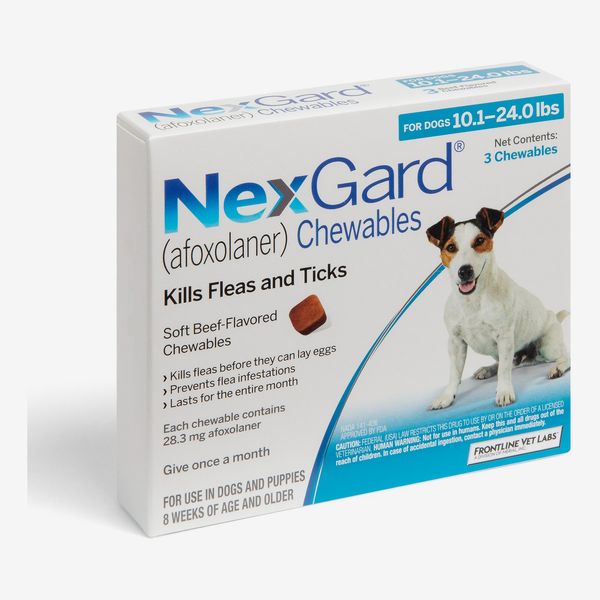
Afoxolaner (nexgard)
NexGard kills fleas and ticks in a few hours. It protects dogs for one month. This chewable treat tastes like beef. Afoxolaner targets the pests’ nervous system to stop them fast. Many vets recommend NexGard for its effectiveness.
Effective Spot-on Treatments
Spot-on treatments are a popular choice for flea and tick prevention in dogs. These treatments are easy to apply and work quickly. They protect your dog by killing pests on contact. The medicine spreads across the skin and fur to keep bugs away.
Spot-on treatments last for weeks. They provide continuous protection without daily effort. Many dog owners prefer this method for its convenience and effectiveness.
How Spot-on Treatments Work
Spot-on treatments contain chemicals that kill fleas and ticks. Apply the liquid directly to your dog’s skin, usually at the back of the neck. The medicine spreads with natural oils in the fur. This stops pests from biting and laying eggs.
Choosing The Right Spot-on Treatment
Select a product made for your dog’s weight and age. Some formulas target only fleas, while others also kill ticks. Check ingredients for safety and ask your vet if unsure. Always follow the product instructions carefully.
Applying Spot-on Treatments Safely
Apply the treatment to dry fur and skin. Part the fur to reach the skin surface. Avoid touching the liquid and keep your dog from licking the spot. Wash your hands after application. Apply monthly for best results.
Flea And Tick Collars That Work
Flea and tick collars offer a simple way to protect dogs from pests. They work by releasing small amounts of chemicals that kill or repel fleas and ticks. These collars provide long-lasting protection, often for several months. Dogs wearing these collars spend less time itching and scratching.
Choosing the right collar is important for safety and effectiveness. Some collars are waterproof, while others need to stay dry. Size and fit matter too. A well-fitted collar stays on and works better.
How Flea And Tick Collars Work
Collars slowly release active ingredients that stop fleas and ticks. These chemicals spread over the dog’s skin and fur. This creates a protective barrier against pests. Some collars kill fleas and ticks quickly. Others also prevent new infestations.
Types Of Flea And Tick Collars
There are natural and chemical collars. Natural collars use plant oils to repel pests. Chemical collars contain insecticides that kill fleas and ticks. Choose a collar based on your dog’s health and your preferences. Some dogs may react to certain chemicals.
Tips For Choosing The Best Collar
Pick a collar that fits your dog’s size. Check the label for how long it lasts. Look for collars safe for puppies or older dogs. Avoid collars with strong smells if your dog is sensitive. Regularly check the collar to ensure it is still working well.
Natural Remedies And Home Solutions
Natural remedies and home solutions offer gentle ways to protect dogs from fleas and ticks. Many pet owners prefer these methods to avoid harsh chemicals. These options can help reduce pests and soothe your dog’s skin.
Use natural ingredients carefully. Some plants and oils are safe for dogs and can repel bugs. Always watch your dog after applying any treatment.
Apple Cider Vinegar Spray
Apple cider vinegar is a common flea repellent. Mix equal parts water and apple cider vinegar in a spray bottle. Spray lightly on your dog’s fur, avoiding eyes and nose. This spray helps keep fleas away and soothes itchy skin.
Essential Oils For Flea Control
Some essential oils repel fleas and ticks. Lavender, cedarwood, and peppermint oils are popular choices. Dilute oils with water or a carrier oil before use. Never apply oils directly on your dog’s skin without dilution.
Herbal Flea Collars
Herbal flea collars use natural ingredients to block pests. These collars release a mild scent that bugs dislike. They offer a chemical-free option that is safe for many dogs. Replace the collar as instructed for best results.
Baking Soda And Salt Powder
Baking soda and salt can kill flea eggs in your home. Sprinkle the mixture on carpets and pet bedding. Leave it for a few hours, then vacuum thoroughly. This method helps reduce fleas in the environment.
Regular Grooming And Baths
Frequent grooming removes fleas and ticks from your dog’s coat. Use a fine-toothed flea comb to catch pests. Bathing with gentle, natural shampoos keeps skin clean and fresh. This routine supports overall flea prevention.
Choosing The Right Prevention Based On Dog Type
Choosing the right flea and tick prevention depends on your dog’s type. Dogs vary in size, breed, age, and health. Each factor can affect which product works best and stays safe. Understanding your dog’s needs helps protect them effectively.
Small dogs have different needs than large dogs. Puppies require gentle formulas made just for their age. Older dogs may need products that consider their health conditions. Breed type can also impact the choice, as some breeds have sensitive skin or allergies.
Small And Toy Breeds
Small dogs need milder flea and tick preventives. Their skin is thinner and more sensitive. Use products made for dogs under 20 pounds. Spot-on treatments with low doses work well. Avoid harsh chemicals that might cause irritation.
Puppies And Young Dogs
Puppies require safe and gentle flea control. Many products are not suitable for dogs under 8 weeks. Choose options labeled for puppies. Oral chews and topical drops designed for young dogs protect without harm.
Large And Giant Breeds
Large dogs need stronger doses to protect fully. Use products designed for their weight class. Oral medications often work well for big dogs. Ensure the product covers their size to prevent fleas and ticks effectively.
Sensitive Skin And Allergies
Some dogs have sensitive skin or allergies. Use hypoallergenic or natural flea preventives. Avoid products with harsh chemicals or strong scents. Consult a vet to find the safest option for sensitive dogs.

Credit: www.microcomenviro.com
How To Apply Flea And Tick Products Safely
Applying flea and tick products safely is key to protecting your dog and your home. These products work best when used correctly. Mistakes can cause skin irritation or reduce effectiveness. Follow simple steps to keep your dog safe and healthy.
Choose The Right Product For Your Dog
Pick a product made for your dog’s weight and age. Using the wrong type can harm your pet. Read labels carefully before buying. Consult your vet if you are unsure.
Prepare Your Dog Before Application
Make sure your dog is dry and calm. Avoid bathing your dog right before applying the product. Wet fur can stop the medicine from working well. Find a quiet spot to keep your dog still during application.
Apply The Product Correctly
Part your dog’s fur to expose the skin. Apply the product directly to the skin, not the fur. Use the full dose on one spot, usually at the back of the neck. Avoid touching the product with your hands.
Wash Your Hands After Application
Always wash your hands with soap after applying the product. This prevents accidental exposure to you and others. Keep the product away from children and pets until dry.
Watch For Side Effects
Check your dog for any signs of irritation or unusual behavior. Some dogs may react to flea and tick treatments. Contact your vet if you notice redness, swelling, or excessive scratching.
Preventing Fleas And Ticks In The Environment
Preventing fleas and ticks in the environment is key to keeping dogs safe. These pests often hide in yards, homes, and outdoor areas. Controlling their surroundings lowers the chance of bites and infections. It also helps stop infestations before they start.
Cleaning And Vacuuming Regularly
Vacuum floors, carpets, and furniture often. This removes flea eggs and larvae. Empty the vacuum bag or canister outside. Clean pet bedding and blankets in hot water weekly. This kills fleas and ticks hiding there.
Maintaining Yard And Outdoor Areas
Keep grass short and remove leaf piles. Fleas and ticks like tall grass and damp places. Trim bushes and clear debris near the house. Create dry, sunny spots to reduce pests. Consider using pet-safe outdoor sprays as a barrier.
Using Environmental Flea And Tick Treatments
Apply sprays or granules designed for yards and homes. Follow product instructions carefully for safety. Treat areas where pets rest and play. Repeat treatments as recommended to keep pests away.

Credit: megaprojects.com
When To Consult A Veterinarian
Knowing when to consult a veterinarian is key for your dog’s flea and tick prevention. Some signs need expert care fast. Early action can protect your dog’s health and comfort.
Signs Of Severe Infestation
Check for many fleas or ticks on your dog. Look for constant scratching or biting. Notice bald patches or red skin. These signs suggest a serious problem. A vet can provide strong treatments.
Allergic Reactions And Skin Issues
Dogs can get allergies from flea bites. Watch for swelling, redness, or sores. Persistent itching may cause skin infections. Vets can diagnose and treat these conditions.
Behavioral Changes
Your dog may act restless or tired. This can mean discomfort or illness from parasites. Sudden changes need veterinary attention. The vet will check for underlying causes.
Failed Over-the-counter Treatments
Sometimes, home products do not work well. Fleas or ticks may return quickly. If this happens, visit your vet. They can recommend effective prescription options.
Before Starting Any New Prevention
Consult your vet before using new flea and tick products. Some treatments may not suit your dog’s age or health. A vet ensures safety and proper use.
Frequently Asked Questions
What Are The Safest Flea And Tick Prevention Methods For Dogs?
Topical treatments and oral medications are the safest for most dogs. Natural options like flea combs can also help control pests. Always consult a vet before starting any treatment.
How Often Should I Apply Flea And Tick Prevention For Dogs?
Most treatments need to be applied monthly for full protection. Some oral medications last longer, up to three months. Follow the product instructions or vet advice closely.
Can Flea And Tick Collars Protect My Dog Effectively?
Yes, many collars provide good protection for several months. They slowly release chemicals that kill or repel pests. Choose collars with vet approval for safety.
Are Natural Flea And Tick Remedies Effective For Dogs?
Natural remedies may reduce pests but often don’t kill them fully. They work best combined with vet-approved treatments. Use caution and monitor your dog’s reaction.
What Symptoms Show My Dog Has Fleas Or Ticks?
Scratching, redness, or hair loss are common signs. You might see small bugs or black dirt on the skin. Check your dog regularly, especially after outdoor play.
Can Flea And Tick Prevention Harm My Dog?
Most products are safe when used as directed. Side effects are rare but may include itching or upset stomach. Contact your vet if you notice unusual behavior.
Should Puppies Get Flea And Tick Prevention Treatments?
Yes, but only products made for puppies and their age. Puppies are more sensitive, so use vet-recommended options. Early prevention helps avoid infestations and illness.
How Do Flea And Tick Preventions Work On Dogs?
They kill or repel fleas and ticks before they bite. Some stop pests from laying eggs on your dog. This breaks the pest life cycle and protects your pet.
Conclusion
Protecting your dog from fleas and ticks keeps them happy and healthy. Choose prevention methods that suit your dog’s needs and lifestyle. Regular checks and timely treatments reduce risks and discomfort. Stay consistent with prevention for the best results. Talk to your vet to find safe and effective options.
Small steps make a big difference in your dog’s well-being. Keep your furry friend safe and enjoy many joyful moments together.