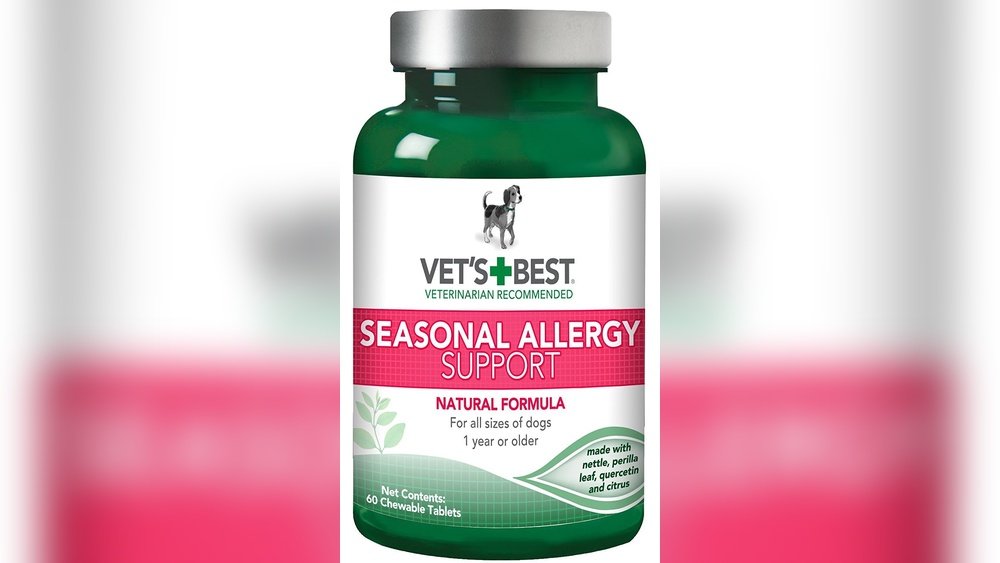
Is your dog constantly scratching, itching, or sneezing? It’s hard to see your furry friend uncomfortable and restless.
You want to help, but with so many products out there, choosing the right allergy supplement can feel overwhelming. What if there was a simple way to ease your dog’s discomfort and improve their quality of life? You’ll discover the best allergy supplements designed to bring relief quickly and naturally.
Keep reading to find the perfect solution that fits your dog’s needs and helps them feel their best again.
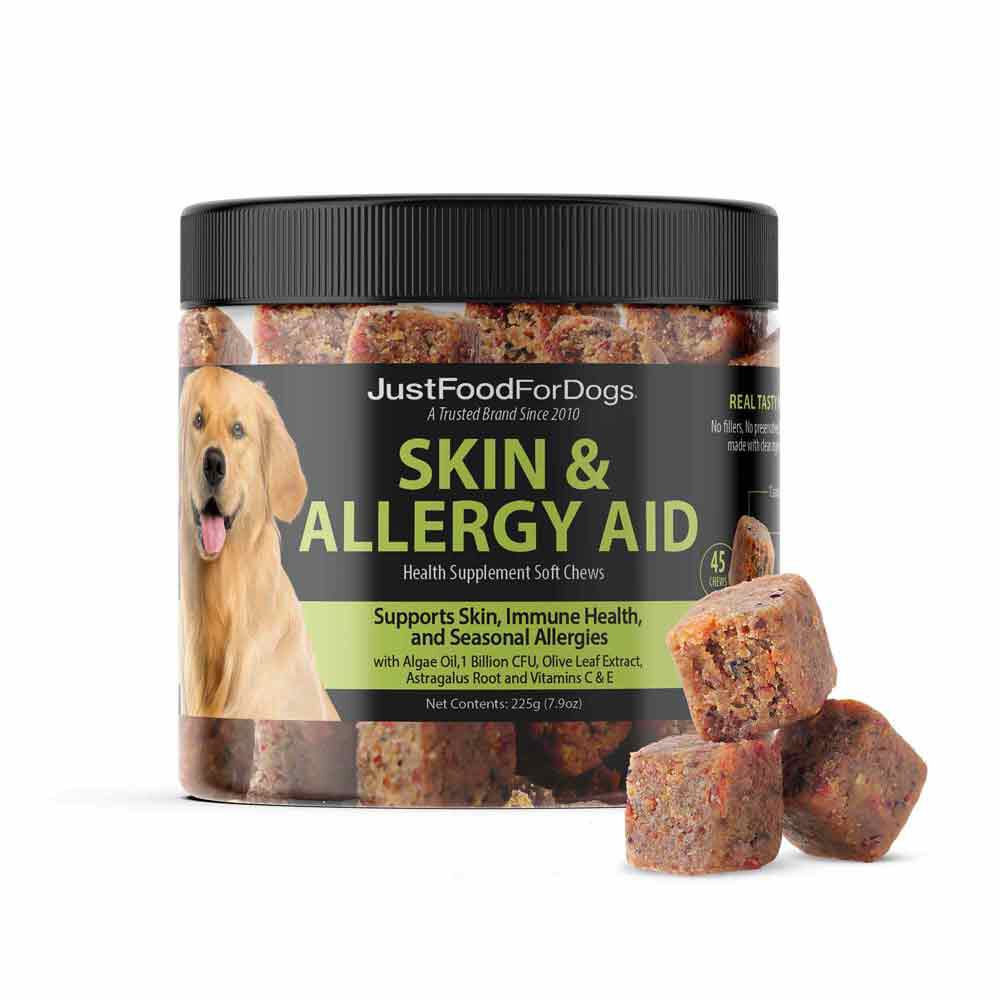
Credit: www.justfoodfordogs.com
Common Dog Allergies
Dogs can suffer from allergies just like people. These allergies cause itching, redness, and discomfort. Knowing common dog allergies helps in choosing the right supplements. It also aids in better care and relief for your pet.
Environmental Allergies
Many dogs react to pollen, dust, and mold. These allergens come from outside and indoors. Symptoms include sneezing, itchy skin, and watery eyes. Allergy supplements can help ease these reactions.
Food Allergies
Some dogs cannot tolerate certain foods. Common triggers are beef, chicken, and dairy. Food allergies cause stomach upset and skin problems. Supplements may support digestion and reduce inflammation.
Flea Allergies
Flea bites cause strong allergic reactions in some dogs. The skin becomes red, itchy, and inflamed. Flea allergy supplements can soothe the skin and reduce itching.
Contact Allergies
Dogs may react to materials like grass or cleaning products. This causes rash and itching on the skin. Supplements with calming ingredients can help manage these symptoms.
Signs Of Allergies In Dogs
Allergies in dogs can cause discomfort and affect their health. Recognizing the signs early helps you take action fast. Dogs cannot tell you when they feel itchy or sneezy. You must watch their behavior closely to spot allergy symptoms.
Allergy signs vary. Some dogs show skin problems, others have digestive issues. Knowing common signs guides you to the right allergy supplements for dogs. Keep an eye on changes in your dog’s habits and appearance.
Itching And Scratching
Itching is the most common allergy sign in dogs. They may scratch their skin more than usual. Look for constant paw licking or biting at the fur. This can lead to red or irritated skin spots.
Red Or Inflamed Skin
Allergies often cause redness or swelling on the skin. Check behind ears, under legs, and belly areas. These places get irritated easily from allergens. Your dog might also have dry, flaky patches.
Frequent Ear Infections
Dogs with allergies get ear infections often. Their ears may smell bad or look swollen. Scratching or shaking the head can indicate ear discomfort. Ear problems link closely to food or environmental allergies.
Watery Eyes And Sneezing
Watery or itchy eyes are allergy signs. Dogs may rub their face on furniture or the floor. Sneezing more than usual can also mean nasal allergies. These symptoms show your dog reacts to airborne irritants.
Digestive Issues
Some allergies affect your dog’s stomach. Vomiting or diarrhea may happen after eating certain foods. Watch for changes in appetite or sudden weight loss. Digestive problems often point to food allergies.
Benefits Of Natural Supplements
Natural supplements can help dogs with allergies feel better. These supplements use ingredients from plants and nature. They work gently and support your dog’s body without harsh chemicals. Natural options often cause fewer side effects. Many dog owners prefer natural supplements to keep their pets safe and healthy.
These supplements can reduce itching, redness, and swelling. They support the immune system to fight allergens. Natural ingredients often include omega fatty acids, herbs, and vitamins. These help improve skin health and coat quality. They also promote overall wellness for dogs with allergies.
Improved Skin And Coat Health
Natural supplements nourish the skin from inside. They provide essential nutrients like omega-3 and omega-6. These fats reduce dryness and flakiness. Dogs often show less scratching and irritation. Their coat becomes shinier and softer over time.
Supports Immune System Function
Natural ingredients strengthen the immune system. A strong immune system helps fight allergens better. Herbs like turmeric and echinacea boost immune response. This support helps dogs handle allergy triggers more easily.
Reduced Risk Of Side Effects
Natural supplements usually have fewer side effects. They avoid harsh chemicals and synthetic additives. This makes them safer for long-term use. Dogs tolerate natural products well, even in sensitive cases.
Holistic Approach To Allergy Relief
Natural supplements address more than just symptoms. They improve overall health and balance in the body. This holistic approach helps dogs feel better naturally. It supports lasting relief and better quality of life.

Credit: www.tractorsupply.com
Omega-3 Fatty Acids
Omega-3 fatty acids are important nutrients for dogs. They help reduce inflammation and support healthy skin. Dogs with allergies often have itchy, dry, or irritated skin. Omega-3s can soothe these symptoms and improve overall skin health.
These fatty acids also help the immune system. A strong immune system can better handle allergens. Omega-3s come from fish oils like salmon and sardines. They are easy to add to your dog’s diet with supplements.
Benefits Of Omega-3 Fatty Acids For Dogs
Omega-3s reduce redness and itching caused by allergies. They improve the skin barrier, preventing moisture loss. This keeps the skin hydrated and less prone to irritation. Omega-3s also support joint health, helping active dogs stay comfortable.
Sources Of Omega-3 Fatty Acids
Fish oil is the most common source of omega-3s for dogs. It contains EPA and DHA, two powerful fatty acids. Flaxseed oil is another option but contains ALA, which is less effective. Choose supplements made for dogs to ensure safety and proper dosage.
How To Give Omega-3 Supplements To Your Dog
Omega-3 supplements come in capsules, liquids, or chews. Follow the dosage instructions on the package carefully. Start with a small amount to see how your dog reacts. Consistent use over weeks shows the best results in allergy relief.
Probiotics For Immune Support
Probiotics play a key role in supporting your dog’s immune system. These good bacteria help balance the gut, which is vital for overall health. A strong immune system can reduce allergic reactions and improve your dog’s comfort.
Adding probiotics to your dog’s diet supports digestion and helps fight harmful bacteria. Healthy gut flora also reduces inflammation, which often causes allergy symptoms.
How Probiotics Boost Immune Health
Probiotics improve the gut barrier, preventing bad bacteria from entering the bloodstream. They increase the production of immune cells that fight infections and allergies. This helps your dog’s body respond better to allergens.
Choosing The Right Probiotic Supplement
Look for probiotics with multiple strains of bacteria for better results. Ensure the supplement is made specifically for dogs. Check for high-quality ingredients and proper storage instructions to keep the bacteria alive.
Signs Your Dog Needs Probiotics
Watch for symptoms like frequent itching, digestive upset, or recurring infections. These signs may mean your dog’s gut health is off balance. Probiotics can help restore this balance and reduce allergy problems.
Quercetin’s Role In Allergy Relief
Quercetin is a natural compound found in many plants. It acts like a natural antihistamine for dogs. This helps reduce allergy symptoms such as itching and swelling. Quercetin also has antioxidant properties. These protect cells from damage caused by allergens.
Many dog owners choose quercetin supplements to ease their pets’ allergies. It works by blocking histamine release. Histamine is the chemical that causes allergic reactions. This means quercetin can calm down the immune system’s overreaction.
How Quercetin Helps Dogs With Allergies
Quercetin stops the body from releasing too much histamine. It lowers inflammation and redness on the skin. Dogs with itchy skin or watery eyes find relief with quercetin. It supports a balanced immune response, so allergies feel less severe.
Natural Sources Of Quercetin For Dogs
Quercetin is found in apples, blueberries, and spinach. These foods can be added to a dog’s diet in small amounts. Supplements provide a higher, consistent dose. This helps dogs with stronger allergy symptoms get relief.
Safety And Dosage Tips For Quercetin
Quercetin is safe for most dogs in proper doses. Always follow the dosage on the supplement label. Consult a veterinarian before starting quercetin. They can advise the best amount based on your dog’s weight and health.
Herbal Remedies For Itching
Herbal remedies offer a natural way to ease itching in dogs. Many herbs have soothing properties that calm irritated skin. These remedies can support your dog’s health without harsh chemicals. They often work well alongside other treatments.
Chamomile
Chamomile helps reduce inflammation and itching. It has a gentle calming effect on the skin. You can use chamomile as a tea or in topical sprays. Many dog owners find it soothes redness and discomfort quickly.
Aloe Vera
Aloe vera is known for its cooling and healing effects. It helps soothe dry, itchy patches on your dog’s skin. Aloe gel can be applied directly to the affected area. It also supports skin repair and hydration.
Calendula
Calendula is a powerful herb for skin health. It reduces swelling and fights bacteria on the skin. Calendula creams or oils help with itchiness and promote healing. This herb is safe for most dogs and easy to use.
Oatmeal
Oatmeal baths provide relief from itching and irritation. It creates a protective barrier on the skin. This barrier locks in moisture and reduces dryness. Oatmeal is gentle and works well for sensitive skin.
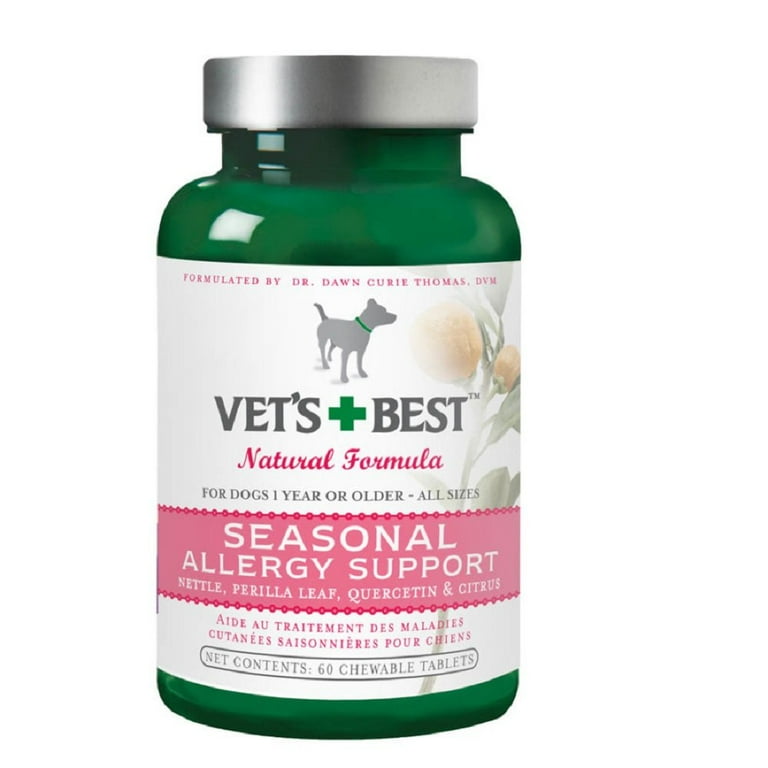
Credit: www.walmart.com
Vitamin E And Skin Health
Vitamin E plays a key role in maintaining healthy skin for dogs. It acts as an antioxidant, protecting skin cells from damage caused by free radicals. This helps reduce inflammation and supports the healing of irritated skin.
Many dogs with allergies suffer from dry, itchy, or flaky skin. Vitamin E helps to keep the skin moisturized and soft. It strengthens the skin barrier, making it harder for allergens to cause problems.
Adding Vitamin E supplements can improve the skin’s appearance. It promotes faster recovery from allergic reactions and prevents future flare-ups. Safe and effective, Vitamin E is a common ingredient in many allergy supplements for dogs.
How Vitamin E Supports Dog Skin Health
Vitamin E protects skin cells from oxidative stress. It reduces redness and swelling caused by allergies. The vitamin also boosts the immune system, helping the skin fight infections.
Best Sources Of Vitamin E For Dogs
Vitamin E is found in foods like fish oils and leafy greens. Many allergy supplements include Vitamin E in easy-to-give forms. Choose products with natural Vitamin E for best results.
Dosage And Safety Tips For Vitamin E
Always follow your vet’s advice on Vitamin E dosage. Too much Vitamin E can cause side effects. Start with low doses and watch your dog’s skin closely.
Choosing Safe Supplements
Choosing safe supplements for dogs with allergies is important. Dogs react differently to supplements. Some may help, while others might cause harm. Safety should always come first. Knowing what to check can protect your dog’s health and improve comfort.
Check Ingredient Quality
Look for supplements with natural ingredients. Avoid artificial colors and preservatives. High-quality ingredients reduce risks of side effects. Organic or pure extracts often work better. Read labels carefully for any harmful additives.
Consult Your Veterinarian
Talk with your vet before starting any supplement. They know your dog’s health history. Vets can recommend safe options based on allergies. This step prevents harmful interactions with other medicines.
Choose Reputable Brands
Pick brands with good reviews and clear labeling. Trusted companies test their products for safety. Avoid unknown or cheap brands that hide ingredient lists. Quality control matters for your dog’s well-being.
Observe For Side Effects
Watch your dog closely after giving a supplement. Look for itching, swelling, or upset stomach. Stop use immediately if you see bad reactions. Early action can prevent serious health problems.
Tips For Administering Supplements
Giving allergy supplements to dogs can be tricky. Some dogs resist pills or powders. Using the right methods makes the process easier. It helps your dog accept the supplements without stress. Here are some helpful tips for giving allergy supplements to your dog.
Hide Supplements In Food
Mix the supplement with your dog’s favorite food. Soft treats or wet food work best. This masks the taste and smell. Your dog will eat it without noticing the supplement.
Use Pill Pockets
Pill pockets are treats made to hold pills. They are soft and tasty. Simply place the pill inside and close it. Most dogs enjoy eating pill pockets as snacks.
Give Supplements At The Right Time
Offer supplements during mealtime. Your dog will be more willing to eat. Avoid giving supplements on an empty stomach unless advised.
Stay Calm And Patient
Dogs sense your feelings. Stay calm and gentle. Speak softly and reward your dog after giving supplements. Patience helps build trust.
Consult Your Veterinarian
Ask your vet for advice on dosing and timing. Follow their instructions closely. This ensures the supplement works well and stays safe.
Frequently Asked Questions
What Are The Best Supplements For Dog Allergies?
Top supplements include omega-3 fatty acids, probiotics, and quercetin. These help reduce inflammation and boost the immune system.
How Do Omega-3 Supplements Help Dogs With Allergies?
Omega-3s reduce skin inflammation and itching in allergic dogs. They support healthy skin and coat by balancing immune response.
Can Probiotics Improve My Dog’s Allergy Symptoms?
Probiotics boost gut health, which helps the immune system fight allergies. They may reduce allergy severity and improve digestion.
Are Natural Supplements Safer For Dogs With Allergies?
Natural supplements often have fewer side effects than medications. Still, consult a vet before starting any new supplement.
How Long Does It Take For Allergy Supplements To Work?
Most supplements need 4 to 8 weeks to show results. Consistent use is important for the best effect.
Can Allergy Supplements Replace My Dog’s Medication?
Supplements can support but usually do not replace prescribed allergy medicines. Always follow your vet’s advice on treatment.
What Should I Look For In Allergy Supplements For Dogs?
Look for high-quality ingredients, clear dosage, and vet approval. Avoid fillers and artificial additives for safety.
Are There Any Risks In Giving Allergy Supplements To Dogs?
Some supplements may cause mild side effects like upset stomach. Always start with a small dose and watch for reactions.
Conclusion
Choosing the right allergy supplement helps your dog feel better daily. Natural ingredients often support skin health and reduce itching. Always check labels for safe, trusted products. Talk with your vet to find the best fit. Keep watching your dog’s reaction to any new supplement.
Healthy dogs mean happy homes. Simple steps can ease your pet’s allergy troubles. Start small and observe changes carefully. Your dog deserves comfort and care every day.