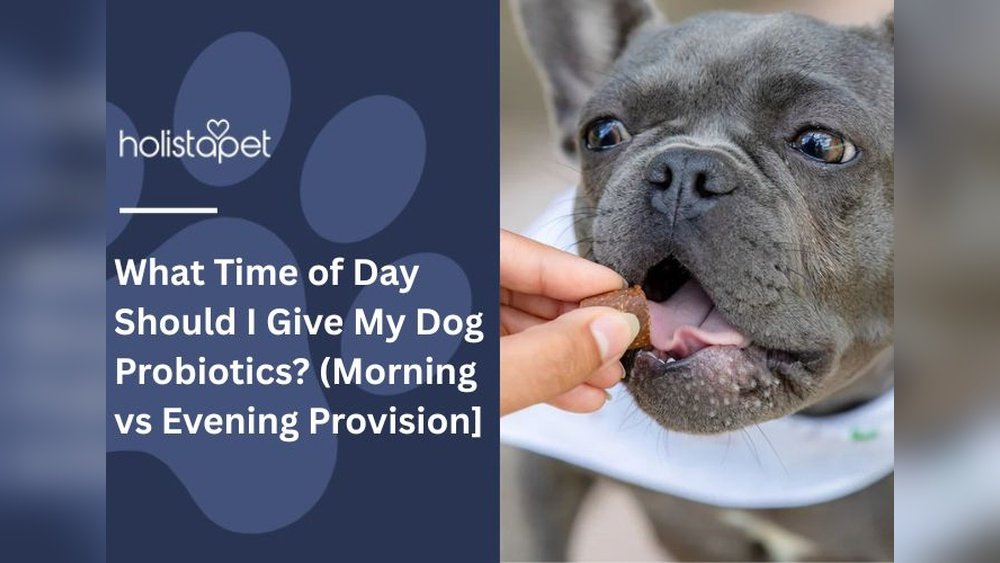
Are you looking for a simple way to boost your dog’s health and happiness? The best probiotics for dogs could be exactly what your furry friend needs.
These powerful supplements support digestion, strengthen the immune system, and can even improve your dog’s mood. But with so many options out there, how do you choose the right one? Keep reading to discover the top probiotics that can make a real difference in your dog’s life—and learn how to pick the perfect match for your pet’s unique needs.
Your dog’s wellbeing starts here.
Benefits Of Probiotics For Dogs
Probiotics help maintain your dog’s health in many ways. These good bacteria support digestion and boost the immune system. Giving probiotics to dogs can improve their quality of life. Healthy gut bacteria balance is key for overall wellness.
Dogs with digestive problems often benefit from probiotics. They can reduce diarrhea and gas. Probiotics also help absorb nutrients better from food. This means more energy and better health for your pet.
Improved Digestive Health
Probiotics help balance the bacteria in the gut. This balance prevents stomach upset and diarrhea. They support digestion by breaking down food more effectively. Dogs with sensitive stomachs feel better with probiotics.
Stronger Immune System
Good bacteria in probiotics help fight harmful germs. This keeps your dog from getting sick often. A strong immune system means fewer infections. Probiotics boost your dog’s natural defenses daily.
Better Nutrient Absorption
Probiotics help the gut absorb vitamins and minerals. This improves your dog’s energy and health. Strong bones, shiny coat, and good muscle tone result. Nutrient absorption is vital for active dogs.
Reduced Allergies And Skin Problems
Probiotics can calm inflammation that causes skin issues. They may reduce itching and redness in allergic dogs. Healthier skin means a happier and more comfortable dog. Probiotics support a clear and soft coat.
Support For Older Dogs
As dogs age, their digestion slows down. Probiotics help older dogs digest food better. They also support brain and joint health indirectly. This can improve mobility and mental sharpness in senior dogs.

Credit: petjope.com
Signs Your Dog Needs Probiotics
Probiotics can help keep your dog’s digestive system healthy. Dogs may need probiotics when their gut balance is off. Watch for certain signs that show your dog needs probiotics. These signs often relate to digestion and overall health. Understanding these signals helps you support your dog’s wellbeing.
Digestive Upset And Diarrhea
Frequent diarrhea or loose stools may mean your dog needs probiotics. Digestive upset can cause discomfort and dehydration. Probiotics help restore good bacteria and improve digestion. Persistent diarrhea is a clear sign to consider probiotics.
Bad Breath And Excess Gas
Strong bad breath or excessive gas can signal gut imbalance. Poor digestion leads to foul odors and bloating. Probiotics support better digestion and reduce these issues. Noticeable changes in breath or gas often mean a probiotic boost is needed.
Itchy Skin And Allergies
Itchy skin or allergy flare-ups may connect to gut health. A weak gut can affect the immune system and skin condition. Probiotics help strengthen immune defenses and soothe skin problems. Watch for scratching or redness as a sign.
Loss Of Appetite Or Weight Loss
A sudden loss of appetite or unexplained weight loss can indicate gut trouble. Poor digestion reduces nutrient absorption and energy. Probiotics support gut health and improve appetite. These symptoms suggest your dog may benefit from probiotics.
Frequent Infections
Dogs with frequent infections might have weak gut flora. A healthy gut supports the immune system to fight infections. Probiotics help balance gut bacteria and improve immunity. More infections mean your dog might need extra probiotic care.
Types Of Probiotics For Dogs
Probiotics help keep dogs’ digestive systems healthy. They support good bacteria in the gut. Different types of probiotics offer various benefits for dogs. Choosing the right kind can improve your dog’s digestion and overall health.
Lactobacillus
Lactobacillus is a common probiotic strain for dogs. It helps balance the gut by fighting bad bacteria. This type supports digestion and can reduce diarrhea. Many dog probiotics include Lactobacillus for better gut health.
Bifidobacterium
Bifidobacterium is another important probiotic. It lives naturally in the intestines. This strain helps break down food and absorb nutrients. It also strengthens the immune system. Bifidobacterium is helpful for dogs with sensitive stomachs.
Enterococcus
Enterococcus is less known but very useful. It helps maintain a healthy gut environment. This probiotic supports the growth of other good bacteria. Enterococcus can improve digestion and reduce harmful bacteria.
Saccharomyces Boulardii
Saccharomyces boulardii is a probiotic yeast. It works differently from bacteria-based probiotics. This yeast fights harmful bacteria and toxins in the gut. It can reduce diarrhea caused by infections or antibiotics.
Multi-strain Probiotics
Multi-strain probiotics combine several types in one product. This mix gives broad support to the gut. It helps different areas of digestion and immunity. Many dog supplements use multi-strain formulas for better results.
:strip_icc()/best-probiotics-for-dogs-4176495-304b8d5d0c374171bf5f79a1a596fb9e.jpg)
Credit: www.thesprucepets.com
How To Choose The Right Probiotic
Choosing the right probiotic for your dog can improve their health and happiness. Probiotics help balance the gut and support digestion. Not all probiotics are the same. Some work better for certain dogs than others. Understanding what to look for makes the choice easier.
Focus on quality, strain types, and dosage. These factors affect how well the probiotic works. Read labels carefully. Look for products made for dogs, not humans. Keep your dog’s size and health needs in mind.
Check The Probiotic Strains
Different probiotic strains serve different purposes. Some strains help with digestion. Others boost immunity or reduce allergies. Common good strains include Lactobacillus and Bifidobacterium. Choose a product with multiple strains for broader benefits.
Look For High Cfu Counts
CFU means colony-forming units. It shows how many live bacteria are in the product. A higher CFU count usually means better effectiveness. For dogs, a probiotic with at least 1 billion CFUs per serving works well. Make sure the bacteria are alive at the time of purchase.
Consider Your Dog’s Specific Needs
Dogs with sensitive stomachs may need gentler probiotics. Puppies and older dogs may need special formulas. Some probiotics help with diarrhea or allergies. Choose a product that fits your dog’s age and health condition.
Check Product Quality And Storage
Good probiotics come from trusted brands. Look for products that show transparent ingredient lists. Check how to store the probiotic. Some need refrigeration, others do not. Proper storage keeps the bacteria alive and effective.
Top Probiotic Strains For Dogs
Choosing the right probiotic strains helps support your dog’s health. Probiotics improve digestion and boost the immune system. Different strains offer specific benefits. This guide highlights key probiotic strains for dogs.
Lactobacillus Acidophilus
This strain helps balance good bacteria in the gut. It reduces diarrhea and improves digestion. Many dog probiotics include Lactobacillus acidophilus for overall gut health.
Bifidobacterium Animalis
Bifidobacterium animalis supports the immune system and fights harmful bacteria. It helps dogs with sensitive stomachs feel better. This strain often works well for dogs with allergies.
Enterococcus Faecium
Enterococcus faecium improves nutrient absorption and reduces stomach upset. It helps maintain a healthy balance of gut bacteria. This strain is common in veterinary probiotics.
Lactobacillus Casei
Lactobacillus casei supports digestion and boosts the immune response. It helps reduce inflammation in the intestines. This strain is good for dogs with digestive issues.
Lactobacillus Rhamnosus
Lactobacillus rhamnosus strengthens the gut barrier and lowers infection risk. It can help dogs recover from antibiotic treatment. This strain improves overall gut health.
Probiotic Supplements Vs. Natural Sources
Probiotics help keep your dog’s gut healthy. They support digestion and boost the immune system. You can give probiotics through supplements or natural foods. Each option has its strengths and fits different needs.
Choosing between probiotic supplements and natural sources depends on what suits your dog best. Both can improve gut health but work in slightly different ways. Understanding these differences helps you make a better choice for your pet.
What Are Probiotic Supplements?
Probiotic supplements contain live bacteria strains that benefit your dog’s gut. They come in forms like powders, capsules, and chews. These supplements deliver a high amount of probiotics in one dose. They are easy to use and have measured bacteria levels.
Benefits Of Natural Probiotic Sources
Natural probiotic sources include yogurt, kefir, and fermented vegetables. These foods contain live bacteria that promote gut health. They also provide vitamins and minerals your dog needs. Natural sources are less processed and can fit into daily meals.
Which One Is Better For Your Dog?
Supplements offer targeted probiotic strains for specific health issues. Natural sources provide a variety of bacteria and other nutrients. Dogs with sensitive stomachs may benefit from natural foods. Dogs needing extra support might need supplements. Choose based on your dog’s health and lifestyle.
Recommended Probiotic Brands
Choosing the right probiotic for your dog helps improve their digestion and immunity. Quality matters most. The best brands use safe and effective ingredients. They also offer strains proven to support dog health. Below are some top probiotic brands trusted by pet owners and vets.
Purina Fortiflora
Purina FortiFlora is a popular choice for dog probiotics. It contains a special strain called Enterococcus faecium. This strain supports good bacteria in your dog’s gut. The product comes in tasty packets that mix with food easily. It helps reduce diarrhea and promotes overall gut health.
Nutramax Proviable
Nutramax Proviable includes multiple probiotic strains. It also has prebiotics that feed good bacteria. This combination supports a balanced digestive system. Many pet owners use it during or after antibiotics. It helps restore healthy gut flora and improves stool quality.
Vetriscience Probiotic Everyday
VetriScience Probiotic Everyday offers a blend of beneficial probiotics. It supports immune health and digestive balance. The soft chew form makes giving probiotics easy. This brand is well-regarded for its quality control and safety standards.
Zesty Paws Probiotic Bites
Zesty Paws Probiotic Bites are made with natural ingredients. They include prebiotics and digestive enzymes for better absorption. The chews taste good, encouraging dogs to eat them. This brand is a favorite for dogs with sensitive stomachs.
Dosage And Administration Tips
Giving probiotics to dogs needs care and attention. The right dose helps improve your pet’s gut health. Giving too much or too little can reduce benefits or cause problems. Follow guidelines and observe your dog closely.
Understanding The Correct Dosage
Every dog is different. Size, age, and health affect the dose. Small dogs need less, bigger dogs need more. Read the label on the probiotic package carefully. Use a measuring tool if available. Never guess the amount.
Best Times To Administer Probiotics
Feed probiotics with your dog’s meal. This helps good bacteria reach the stomach safely. Avoid giving probiotics on an empty stomach. Morning or evening meals work well. Consistency matters more than timing.
How To Give Probiotics To Dogs
Mix powders or capsules into wet or dry food. Some dogs accept chewable tablets directly. If your dog refuses, try hiding it in a small treat. Patience and gentle encouragement help. Avoid forcing the supplement.
Signs Of Proper Probiotic Use
Look for steady energy and good stool quality. No vomiting or diarrhea should appear. Your dog’s coat may become shinier. Appetite and mood improve too. Stop use and ask a vet if problems arise.
Potential Side Effects To Watch
Probiotics can help your dog’s digestion and immunity. They are usually safe, but some dogs may have side effects. Knowing these signs helps you keep your pet healthy.
Side effects often appear when you start probiotics or change the dose. Watch your dog closely during this time. Most side effects are mild and go away on their own. Serious problems are rare but need quick attention.
Digestive Upset
Some dogs may have diarrhea or gas after taking probiotics. Stomach cramps or bloating can happen too. These symptoms usually stop after a few days.
Allergic Reactions
Rarely, dogs may show allergies to probiotic ingredients. Signs include itching, swelling, or skin redness. If these occur, stop the probiotic and see a vet.
Changes In Appetite
Your dog may eat less or more than usual. This can happen as their gut adjusts. Monitor their food intake and weight closely during this time.
Fatigue Or Lethargy
Some dogs might feel tired after starting probiotics. This side effect is uncommon but worth noting. Rest and hydration help your dog recover quickly.
Interactions With Medications
Probiotics may affect how some medicines work. Always tell your vet about any supplements your dog takes. Avoid mixing probiotics with antibiotics without advice.
Maintaining Your Dog’s Gut Health
Maintaining your dog’s gut health is key to their overall well-being. A healthy gut supports digestion, nutrient absorption, and immune function. Dogs with good gut health often have better energy and mood.
Gut problems can cause discomfort, diarrhea, and poor nutrient use. Probiotics help balance the good bacteria in your dog’s intestines. They can improve digestion and reduce tummy issues.
Understanding Your Dog’s Gut Flora
Your dog’s gut contains many types of bacteria. Some bacteria help break down food and fight harmful germs. A balance between good and bad bacteria keeps the gut healthy.
Stress, diet changes, or illness can disrupt this balance. This can lead to digestive problems and weak immunity.
The Role Of Probiotics In Gut Health
Probiotics are live bacteria that add good microbes to the gut. They help restore balance and improve digestion. Probiotics also support the immune system by fighting bad bacteria.
Regular use of probiotics can reduce diarrhea and gas. They make your dog feel better and improve nutrient absorption.
Look for loose stools, bad breath, or tummy pain. These can show your dog’s gut is out of balance. Changes in appetite or energy may also signal gut issues.
Probiotics can help these problems by boosting good bacteria. Talk to your vet about the best probiotic options for your dog.
Credit: www.businessinsider.com
Frequently Asked Questions
What Are Probiotics For Dogs And Why Are They Important?
Probiotics are good bacteria that help a dog’s digestive system. They improve gut health and boost the immune system naturally.
How Do Probiotics Benefit My Dog’s Digestion?
Probiotics balance the bacteria in the gut. This helps reduce diarrhea, gas, and upset stomach in dogs.
Can Probiotics Help Dogs With Food Allergies?
Yes, probiotics support a healthy gut lining. This can reduce sensitivity to some allergens and improve digestion.
Are Probiotics Safe For All Dog Breeds And Ages?
Most probiotics are safe for all dogs. Still, consult your vet before starting, especially for puppies or sick dogs.
How Should I Give Probiotics To My Dog?
Probiotics come in powders, capsules, or treats. Mix with food or give directly as directed on the label.
How Long Does It Take For Probiotics To Work In Dogs?
Effects usually appear within a week. Consistent use is key for lasting gut health benefits.
Can Probiotics Improve My Dog’s Skin And Coat Health?
Yes, a healthy gut can show in a shiny coat. Probiotics may reduce skin inflammation and itching.
What Should I Look For In The Best Probiotics For Dogs?
Choose probiotics with multiple strains and live cultures. Check for quality, vet recommendations, and suitable doses.
Conclusion
Choosing the right probiotics helps keep your dog healthy and happy. Good bacteria support digestion and boost the immune system. Always pick products made for dogs, with clear ingredients. Start with small doses and watch your pet’s response. Consult your vet if you notice any issues or doubts.
Regular use can improve your dog’s energy and mood. Simple care leads to a longer, healthier life for your furry friend. A healthy gut means a healthier dog, plain and simple.