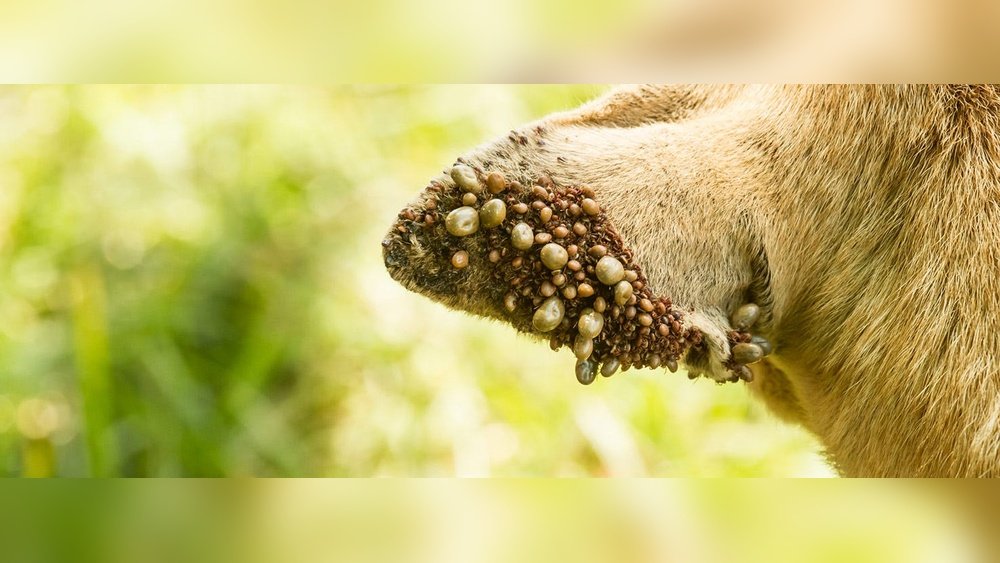
Are you worried that your dog isn’t getting all the nutrients they need? Choosing the best multivitamin for dogs can feel overwhelming with so many options out there.
But what if you could easily find a product that boosts your dog’s health, energy, and happiness? You’ll discover how the right multivitamin can make a real difference in your dog’s life. Keep reading to find out which vitamins matter most and how to pick the perfect supplement for your furry friend.
Your dog deserves the best—let’s make sure they get it.
Benefits Of Multivitamins For Dogs
Multivitamins offer many benefits for dogs. They help fill in the gaps in a dog’s diet. Even the best dog food may lack some vitamins and minerals. Multivitamins support overall health and well-being.
These supplements can improve energy levels and support the immune system. They help maintain healthy skin and a shiny coat. Multivitamins also aid in strong bones and teeth.
Improved Immune System
Multivitamins boost the immune system. They provide essential nutrients that help fight infections. A strong immune system keeps your dog healthy and active.
Better Skin And Coat
Vitamins like A, E, and omega fatty acids improve skin health. They reduce dryness and itching. Your dog’s coat becomes softer and shinier with proper nutrients.
Increased Energy And Vitality
Multivitamins help increase energy levels. They support muscle function and reduce fatigue. Your dog stays lively and playful for longer.
Strong Bones And Teeth
Calcium and vitamin D in multivitamins support bone health. They help maintain strong teeth and prevent bone loss. This is important for active and growing dogs.
Supports Digestive Health
Some multivitamins include probiotics and fiber. These help improve digestion and nutrient absorption. A healthy gut means better overall health for your dog.

Credit: lottmusicstudio.com
Key Nutrients To Look For
Choosing the best multivitamin for dogs means knowing the key nutrients your pet needs. These nutrients support health, energy, and a strong immune system. Each nutrient plays a special role in your dog’s well-being. Finding a multivitamin with the right balance helps your dog stay active and happy.
Vitamins A, D, And E
Vitamin A helps keep your dog’s eyes and skin healthy. Vitamin D supports strong bones and teeth. Vitamin E protects cells from damage and boosts the immune system. Together, these vitamins support overall health and vitality.
B-complex Vitamins
B vitamins help with energy production and brain function. They improve metabolism and keep the nervous system working well. Dogs with good B vitamin levels feel more energetic and alert.
Minerals: Calcium, Zinc, And Iron
Calcium builds strong bones and teeth. Zinc supports the immune system and helps heal wounds. Iron carries oxygen in the blood, which is vital for energy. These minerals keep your dog strong and healthy.
Omega-3 Fatty Acids
Omega-3s reduce inflammation and support joint health. They also improve skin and coat quality. Including omega-3s in multivitamins helps dogs stay comfortable and look their best.
Antioxidants
Antioxidants fight harmful free radicals in the body. They slow aging and protect cells. Ingredients like vitamin C and selenium are common antioxidants in dog supplements.
Types Of Multivitamins Available
Multivitamins for dogs come in various forms to meet different needs. Each type offers unique benefits for your pet’s health. Choosing the right form helps your dog absorb nutrients better.
Understanding these types helps you pick the best option for your dog’s diet and lifestyle. Here are the common forms of dog multivitamins.
Chewable Tablets
Chewable tablets are popular and easy to give. Dogs often enjoy the taste, making daily vitamins simple. These tablets usually include essential vitamins and minerals.
They support overall health, including skin, coat, and joint function. Chewables work well for dogs that take pills easily.
Soft Chews
Soft chews are similar to chewable tablets but softer. They have a treat-like texture and flavor. Soft chews suit picky dogs or those with dental issues.
These vitamins often contain added supplements for energy and immune support.
Liquid Multivitamins
Liquid vitamins mix easily with food or water. They allow precise dosage for small or large dogs. Liquids absorb quickly and can help dogs with swallowing issues.
This form is good for puppies and senior dogs needing gentle nutrition support.
Powdered Multivitamins
Powders blend into meals for easy consumption. They provide flexibility in dosage adjustments. Powdered forms are useful for dogs who refuse pills or chews.
These vitamins can support digestion, coat health, and immune function.
Sprays
Spray vitamins apply directly to the dog’s mouth or food. They offer fast absorption and convenience. Sprays are ideal for dogs that resist other forms of vitamins.
This type helps with quick nutrient delivery and supports daily health needs.
Multivitamins For Different Dog Ages
Dogs need different nutrients at each stage of life. Multivitamins help fill gaps in their diet. Choosing the right supplement depends on your dog’s age. Puppies, adults, and seniors have unique health needs. This section explains multivitamins for different dog ages.
Puppy Multivitamins
Puppies grow fast. They need vitamins to support bones and brain. A good puppy multivitamin includes calcium, DHA, and antioxidants. These nutrients help build strong teeth and a healthy immune system. Always choose a formula made for puppies. Their bodies cannot handle adult doses.
Adult Dog Multivitamins
Adult dogs need multivitamins to keep energy and vitality. Vitamins B, E, and minerals support metabolism and coat health. Multivitamins also help maintain joint function. Look for balanced formulas that support daily activity. Adult dog supplements focus on overall wellness and stamina.
Senior Dog Multivitamins
Seniors benefit from multivitamins that support aging bodies. Glucosamine, chondroitin, and antioxidants help joint health and reduce inflammation. Vitamins C and E support brain function and immune defense. Senior multivitamins promote mobility and comfort. These supplements help older dogs stay active and happy.
Choosing Multivitamins For Specific Health Needs
Choosing the right multivitamin for your dog depends on their unique health needs. Dogs have different requirements based on age, breed, and medical conditions. A multivitamin designed for general health might not cover specific issues.
Understanding these needs helps pick supplements that support your dog’s well-being. Some vitamins promote joint health, while others boost the immune system or improve coat quality. Targeted vitamins can make a real difference.
Joint Support Vitamins For Active Dogs
Active dogs or older pets often face joint problems. Vitamins like glucosamine and chondroitin help maintain joint health. Omega-3 fatty acids reduce inflammation and improve mobility. These supplements keep your dog moving comfortably.
Immune System Boosters For Sensitive Dogs
Dogs with weak immune systems need extra care. Vitamins C and E, along with zinc, strengthen immunity. Antioxidants protect cells from damage. A strong immune system helps fight infections and illness.
Skin And Coat Vitamins For Shiny Fur
Dry or dull fur signals a need for specific nutrients. Vitamins A, biotin, and omega fatty acids improve skin and coat health. These vitamins reduce itching and promote a shiny, soft coat. Healthy skin means a happier dog.
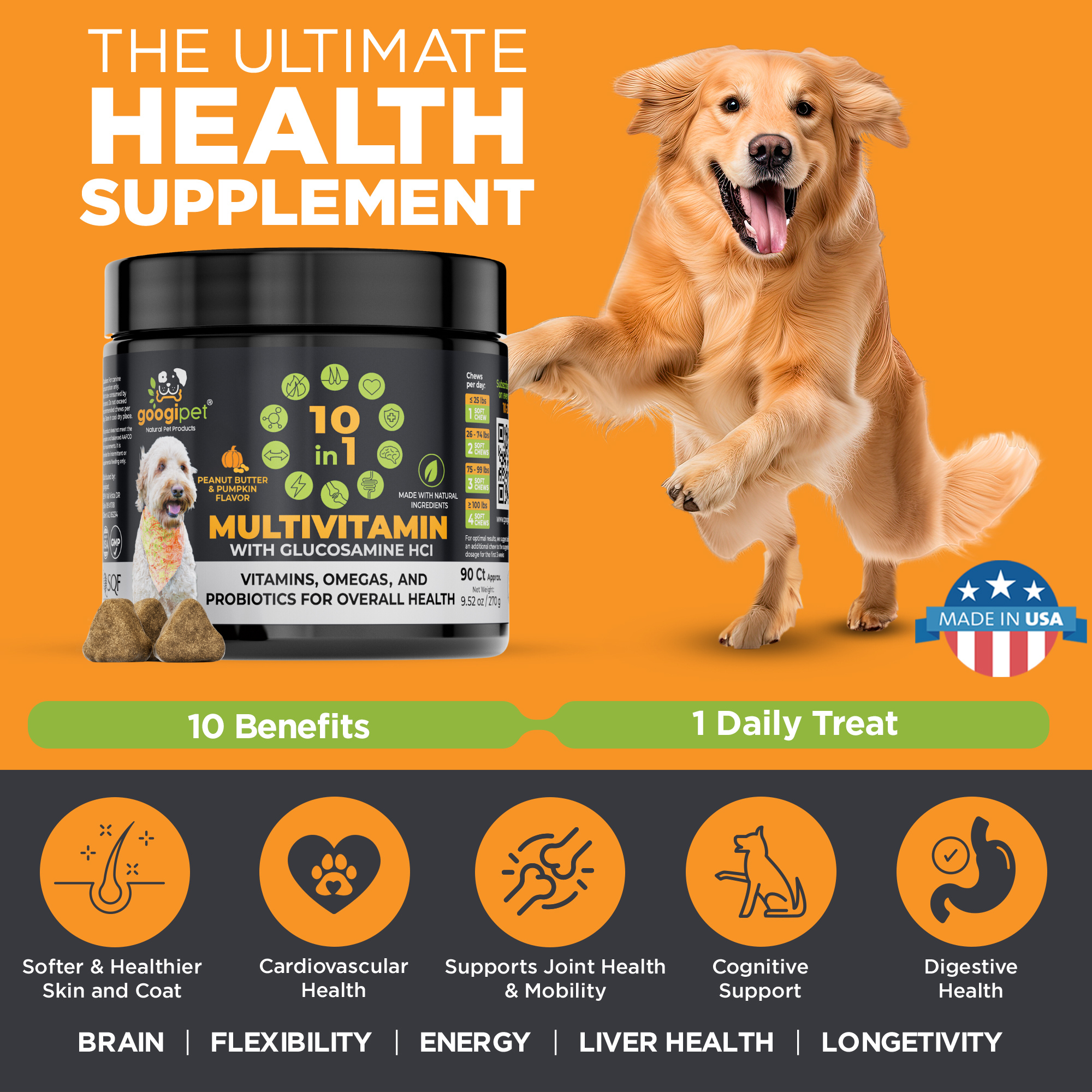
Credit: googipet.com
Top Multivitamin Brands Reviewed
Choosing the best multivitamin for your dog can be tough. Many brands offer different blends and ingredients. This section reviews top multivitamin brands trusted by pet owners and vets.
Each brand has unique features that support your dog’s health. Understanding these helps you pick the right supplement for your dog’s needs.
Nutri-vet Multivitamin Tablets
Nutri-Vet offers balanced vitamins and minerals for dogs of all sizes. Their formula supports immune health and digestion. Tablets are easy to give and come in various flavors.
Petnc Natural Care Soft Chews
PetNC soft chews contain essential vitamins and antioxidants. They help maintain healthy skin and coat. The chews taste good, making them a favorite among dogs.
Vetriscience Canine Plus Multivitamin
VetriScience provides a high-quality blend with added probiotics. These support joint health and digestion. The multivitamin suits active and senior dogs well.
Zesty Paws Multivitamin Bites
Zesty Paws combines vitamins with natural ingredients like turmeric. This supports overall wellness and joint comfort. The bites are soft and easy to chew.
Animal Essentials Herbal Multivitamin
Animal Essentials uses herbal extracts along with vitamins. Their formula promotes immune health and energy. It suits dogs needing natural supplements.
How To Administer Multivitamins To Dogs
Giving multivitamins to dogs helps keep them healthy. Proper administration ensures your dog gets the full benefit. It also makes the process easy for both of you.
Different dogs may need different methods. Some prefer chewable tablets. Others need liquids or powders mixed with food. Understanding these options helps you choose the best way.
Administering Multivitamins With Food
Mix the multivitamin into your dog’s meal. This hides the taste and smell well. Most dogs eat their food without noticing the vitamins. Use soft food or wet food for easier mixing.
Using Treats To Give Multivitamins
Hide the vitamin inside a treat. Soft treats work best for this. Your dog will enjoy the treat and get the vitamin. This method makes vitamin time a fun moment.
Direct Oral Administration
Hold your dog gently but firmly. Place the vitamin at the back of the tongue. Close the mouth and stroke the throat to encourage swallowing. Praise your dog after to build trust.
Mixing Multivitamins In Water
Some vitamins dissolve in water. Add the vitamin to your dog’s water bowl. Change the water daily to keep it fresh. Watch to ensure your dog drinks enough.
Signs Your Dog Needs Supplements
Dogs need vitamins and minerals to stay healthy. Sometimes, their diet does not provide all the nutrients. Supplements can help fill these gaps. Recognizing signs that your dog needs supplements is important. These signs show that your dog may lack key nutrients.
Changes In Coat And Skin
Dull fur or dry, flaky skin can indicate a nutrient deficiency. Your dog’s coat should be shiny and smooth. If you notice hair loss or bald spots, supplements might help.
Low Energy And Fatigue
A tired dog that lacks energy may miss important vitamins. Dogs usually love to play and move. If your dog is often tired or slow, supplements can boost their vitality.
Digestive Problems
Frequent diarrhea or constipation may signal a poor diet. Healthy digestion needs proper nutrients. Supplements with probiotics or enzymes support gut health.
Weak Immune System
Dogs get sick more often if their immune system is weak. Look out for frequent infections or slow healing wounds. Vitamins like C and E can strengthen immunity.
Joint Pain Or Stiffness
Older dogs or active breeds may show joint problems. Limping or difficulty moving can mean a lack of joint-supporting nutrients. Supplements with glucosamine and omega-3 help ease pain.
Safety Tips And Dosage Guidelines
Giving your dog a multivitamin can help support overall health. Careful attention to safety and dosage is very important. Too much or too little can cause problems. Follow guidelines to keep your dog safe and healthy.
Consult Your Veterinarian First
Always ask a vet before starting any supplement. They know your dog’s health needs best. A vet can suggest the right type and amount. This avoids risk of overdose or interactions with medicines.
Follow The Recommended Dosage
Check the label for dosage instructions carefully. Give the exact amount suggested for your dog’s weight. Do not guess or increase doses without advice. Too many vitamins can harm your dog’s organs.
Watch For Allergic Reactions
Start with a small dose to test for allergies. Look for itching, swelling, or vomiting. Stop the supplement and call a vet if any signs appear. Early detection helps prevent serious health issues.
Store Vitamins Properly
Keep multivitamins in a cool, dry place. Avoid moisture and heat that can spoil vitamins. Store out of reach of pets to prevent accidental overdose. Proper storage keeps vitamins safe and effective.
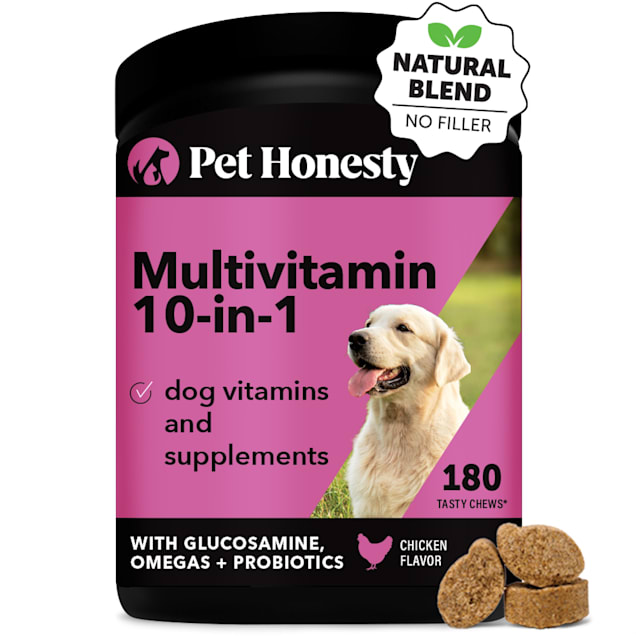
Credit: www.petco.com
When To Consult A Veterinarian
Choosing the right multivitamin for your dog is important for their health. Sometimes, dogs need extra care before adding supplements. Knowing when to consult a veterinarian helps keep your dog safe.
Veterinarians can check your dog’s health. They give advice on the best vitamins and doses. This helps avoid problems from wrong supplements or too much of a vitamin.
Signs Your Dog May Need A Checkup
Watch for changes in your dog’s behavior or health. Loss of appetite, tiredness, or unusual weight loss are warning signs. Skin problems or dull fur may also mean a health issue. These signs suggest a visit to the vet before starting vitamins.
Dogs With Health Conditions
Dogs with illnesses need special care. Conditions like kidney problems or allergies can affect vitamin needs. A vet can recommend safe supplements for these dogs. Never give multivitamins without vet advice if your dog is sick.
Before Changing Your Dog’s Diet
Changing food or adding supplements affects nutrient balance. Ask a vet about the right multivitamin for new diets. This ensures your dog gets enough nutrients without risks. It also helps prevent vitamin overdose.
Regular Vet Visits For Healthy Dogs
Even healthy dogs benefit from regular vet checkups. Vets can spot hidden deficiencies or health risks early. Discussing vitamins during visits keeps your dog’s health on track. Regular advice helps maintain proper nutrition and well-being.
Frequently Asked Questions
What Are The Benefits Of Giving Multivitamins To Dogs?
Multivitamins support dogs’ overall health by filling nutrient gaps. They boost immunity, improve skin, and support joints.
How Do I Choose The Best Multivitamin For My Dog?
Look for vitamins with essential nutrients like vitamins A, C, D, and minerals. Check for quality and vet recommendations.
Can Multivitamins Replace A Balanced Dog Diet?
No, multivitamins are supplements, not food. They help fill gaps but do not replace a healthy diet.
Are Multivitamins Safe For All Dog Breeds And Ages?
Most multivitamins are safe but dosage varies by size and age. Always follow package instructions or consult a vet.
How Often Should I Give My Dog A Multivitamin?
Usually, daily doses are recommended. Follow the product label or your vet’s advice for the correct schedule.
What Signs Show My Dog Needs A Multivitamin?
Signs include dull coat, low energy, poor appetite, or joint stiffness. These may indicate nutrient deficiencies.
Can Multivitamins Help Dogs With Allergies Or Skin Issues?
Yes, some vitamins support skin health and reduce inflammation. Look for vitamins with omega fatty acids and zinc.
Should I Consult A Vet Before Starting Multivitamins?
Yes, a vet can suggest the right type and dose based on your dog’s health and needs.
Conclusion
Choosing the right multivitamin helps your dog stay healthy and strong. Balanced nutrients support their energy and immune system daily. Always check ingredients to match your dog’s needs. Quality supplements can improve coat, bones, and overall well-being. Remember, a healthy dog is a happy dog.
Talk to your vet for the best advice. Simple care steps make a big difference in your pet’s life. Keep your furry friend active and full of life with proper vitamins.