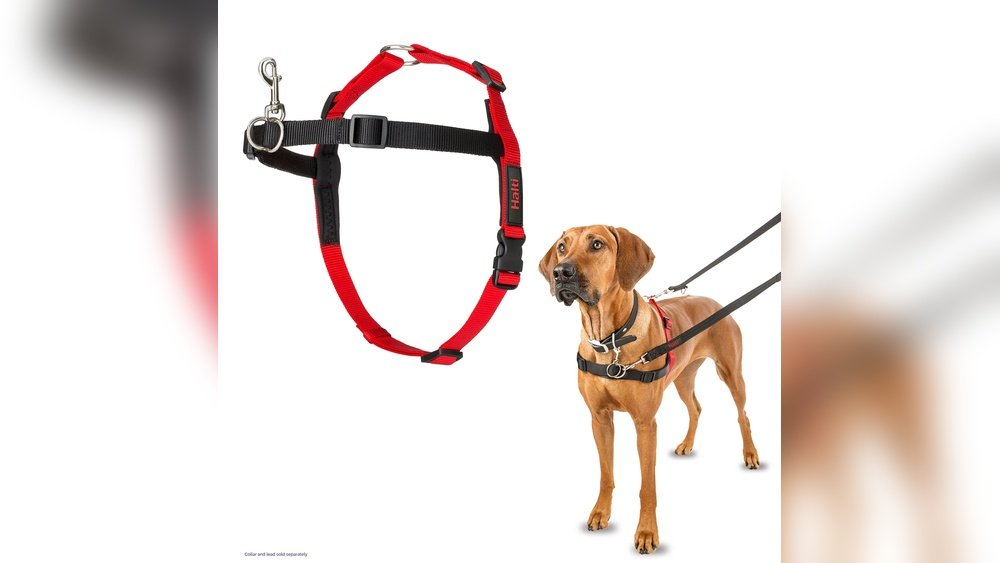
If your dog loves to pull during walks, you know how frustrating it can be to keep control and enjoy your time outside. Choosing the best dog harness for pulling can make all the difference in turning those tugging moments into calm, pleasant strolls.
Imagine having a harness that not only stops your dog from pulling but also keeps them comfortable and safe. You’ll discover the top harnesses designed specifically to help you and your dog walk in harmony. Keep reading to find the perfect fit for your furry friend and regain the joy of every walk.
Why Choose A Harness For Pulling
Choosing the right gear for your dog can make walks more pleasant for both of you. A harness designed for pulling helps control your dog safely. It spreads pressure evenly across the dog’s body. This avoids strain on the neck and throat. Harnesses give you better control over strong or energetic dogs.
Dogs that pull hard need extra support. A harness keeps them secure without hurting them. It also helps guide your dog in the right direction. This makes training easier and walks more enjoyable.
Better Control And Safety
A pulling harness gives you more control than a collar. It stops your dog from pulling too hard. The harness fits snugly and won’t slip off. This keeps your dog safe during walks. It also prevents choking and injuries to the neck.
Comfort For Your Dog
Harnesses distribute pressure across the chest and shoulders. This reduces stress on sensitive areas like the throat. Dogs feel more comfortable and less anxious. Comfortable dogs behave better on walks. They pull less and listen more.
Improves Training And Behavior
Using a pulling harness helps teach your dog to walk calmly. It gives you control to correct pulling gently. Dogs learn to follow your lead. This builds better walking habits over time. Training with a harness is safer and more effective.
Key Features For Strong Control
Choosing a dog harness for pulling means focusing on strong control. Control helps keep walks safe and calm. The right harness stops your dog from pulling hard. It also protects your dog’s body from strain.
Several key features make a harness perfect for strong control. These features give you power and comfort during walks. They make handling easier and reduce pulling.
Secure Front-clip Design
A front-clip harness attaches the leash at the chest. This design gently redirects your dog’s pulling. It stops forward lunges quickly. The front clip gives you better control over strong dogs.
Padded Straps For Comfort
Soft padded straps protect your dog’s skin. They prevent chafing and discomfort. Comfort helps your dog accept the harness easily. Padded straps also reduce pressure on sensitive areas.
Adjustable Fit For Safety
Adjustable straps ensure the harness fits snugly. A good fit stops slipping or twisting. It keeps your dog secure. Proper fit prevents injuries and keeps control steady.
Durable Materials For Strength
Strong materials like nylon or polyester resist wear. They handle pulling without breaking. Durable harnesses last longer and stay reliable. They provide consistent control on every walk.
Multiple Leash Attachment Points
Extra leash rings give you control options. Switch between front and back clips as needed. This flexibility helps manage different pulling behaviors. Multiple points improve control in many situations.
Types Of Dog Harnesses
Choosing the right harness can make walks more pleasant for you and your dog. Different harness types suit different needs. Some focus on control, others on comfort or training. Understanding these types helps you pick the best one for your pulling dog.
Front-clip Harnesses
Front-clip harnesses have the leash attachment at the chest. This design helps to steer your dog gently. It discourages pulling by redirecting their momentum. Dogs learn to walk beside you, not ahead. These harnesses offer better control during walks.
Back-clip Harnesses
Back-clip harnesses have the leash attachment on the dog’s back. They provide comfort and freedom of movement. These work well for dogs that do not pull much. They do not offer as much control as front-clip harnesses. Ideal for relaxed walks and small dogs.
Dual-clip Harnesses
Dual-clip harnesses combine front and back leash attachments. This gives you the option to switch based on your needs. Use the front clip to reduce pulling and the back clip for casual walks. They offer great flexibility and control. Suitable for dogs with different walking behaviors.
Materials And Durability
Choosing the right material is key for a dog harness that handles pulling well. Strong materials ensure the harness lasts long and keeps your dog safe. Durability matters because pulling puts extra stress on the harness. Poor materials can wear out fast or break.
Durable harnesses resist tears and damage from daily use. They stay reliable even with strong and active dogs. Good materials also prevent discomfort or injury to your dog’s skin.
Common Materials Used in Dog HarnessesMany harnesses use nylon, polyester, or leather. Nylon is popular for strength and light weight. Polyester offers good durability and resists water well. Leather feels strong and comfortable but needs care to last.
Importance of Stitching and Hardware QualityStrong stitching holds the harness parts together firmly. Double or reinforced stitching lasts longer under pulling pressure. Metal hardware like rings and buckles should be rust-resistant and solid. Plastic parts might break more easily under strain.
Signs of Durable Harness MaterialsLook for thick, tightly woven fabric. The harness should feel sturdy, not flimsy. Check for secure stitching and strong buckles. Materials that resist fraying and fading usually last longer.
Adjustability And Fit
Choosing the right dog harness means focusing on adjustability and fit. A well-fitted harness stops pulling and keeps your dog safe. Each dog has a unique shape and size. The harness should match these differences to work well.
Adjustability means the harness can change to fit your dog’s body perfectly. This helps avoid discomfort and rubbing. A harness that fits well makes walks easier and more fun for both of you.
Multiple Adjustment Points
Look for harnesses with many adjustment points. These are usually around the neck, chest, and belly. More points mean better chances to get the right fit. It also helps the harness stay in place during walks.
Proper Size Range
Check the size range of the harness before buying. Sizes should cover your dog’s measurements closely. A too-large harness can slip off. A too-small one can hurt or restrict movement. Measure your dog carefully for the best size match.
Easy To Adjust Straps
Straps should be easy to adjust. Simple buckles or sliders work best. This saves time when putting the harness on or taking it off. Quick adjustments help if your dog grows or gains weight.
Comfortable And Secure Fit
The harness should feel snug but not tight. It must not pinch or press hard on the skin. A good fit spreads pressure evenly. This reduces strain during pulling and keeps your dog calm.
Top Harness For Large Dogs
Finding the right harness for a large dog can be a challenge. Big dogs need strong, comfortable harnesses that handle pulling well. The right harness offers control and keeps your dog safe. It should fit well without causing pain or chafing. A good harness also helps train your dog to walk calmly.
Durability is key because large dogs are powerful. Look for materials that last and hardware that holds tight. Padding adds comfort, especially for long walks. Adjustable straps ensure a perfect fit as your dog grows or changes weight. Here are some top harness options designed for large dogs that pull.
Heavy-duty Nylon Harness
This harness uses strong nylon fabric to handle tough pulls. It has thick stitching and metal rings for extra strength. Soft padding protects your dog’s chest and shoulders. Adjustable straps make it easy to fit big dogs of many shapes. It also has reflective strips for night walks.
Front-clip No-pull Harness
The front-clip design helps control pulling by steering your dog gently. It reduces strain on the neck and gives you more control. The harness has wide straps to spread pressure evenly. Padded areas prevent rubbing and soreness. This style is popular for training large dogs.
Mesh Vest Harness
Mesh vest harnesses offer breathability and comfort. They are lightweight but still strong enough for large dogs. The soft mesh stops overheating on hot days. Adjustable straps and secure clips keep the harness in place. This type is good for active dogs who pull during exercise.
Best Harness For Medium Breeds
Medium breeds need a harness that fits well and controls pulling. The right harness helps guide your dog comfortably. It also stops them from pulling too hard. Choosing the best harness for medium breeds means looking for strength and comfort.
These dogs are active and strong. Their harness must be durable and easy to adjust. It should keep them safe during walks. Comfort is key to prevent chafing or irritation. The harness should also give you control without hurting your dog.
Adjustable Fit For Growing Medium Dogs
Medium breeds vary in size. Adjustable harnesses fit better as your dog grows. Look for straps that you can tighten or loosen easily. This ensures a snug fit without being too tight. A good fit stops your dog from slipping out.
Padded Straps For Extra Comfort
Padded straps protect your dog’s skin from rubbing. They reduce pressure on sensitive areas. This makes walks more enjoyable for your dog. Soft padding also helps prevent sores and irritation. Comfort encourages your dog to wear the harness longer.
Front Clip For Pulling Control
Front clip harnesses help stop pulling quickly. The leash attaches at the dog’s chest. This changes their direction when they pull. It teaches your dog to walk beside you. Front clips give you more control without hurting your dog.
Harnesses For Small Dogs That Pull
Small dogs can pull hard on their leashes. This can cause discomfort for both the dog and the owner. Choosing the right harness helps control pulling gently.
Harnesses for small dogs must fit well and stay secure. They should not hurt the dog’s neck or chest. Comfort and control matter most.
Types Of Harnesses For Small Dogs That Pull
Front-clip harnesses attach the leash at the chest. They guide the dog to turn instead of pull forward. This design reduces pulling without pressure on the neck.
Back-clip harnesses clip the leash on the dog’s back. They are easy to use but less effective for pulling. Best for calm dogs that do not pull much.
Dual-clip harnesses offer both front and back leash attachment. They give more control and can be adjusted for training.
Features To Look For In Small Dog Harnesses
Adjustable straps ensure a snug fit without tightness. Soft padding protects the dog’s skin from rubbing.
Lightweight materials keep the harness comfortable for small dogs. Reflective strips add safety during night walks.
Easy-to-use buckles help put the harness on quickly. Durable stitching ensures the harness lasts through pulling and movement.
Benefits Of Using Harnesses For Small Dogs That Pull
Harnesses reduce strain on a small dog’s neck and throat. They distribute pressure evenly across the chest.
Better control helps prevent injuries during walks. Dogs learn to walk calmly without pulling.
Harnesses improve the walking experience for both dog and owner. Walks become safer and more enjoyable.
Harnesses With Padded Support
Harnesses with padded support make walks more comfortable for dogs that pull. The padding reduces pressure on the dog’s chest and shoulders. This helps prevent pain and skin irritation. These harnesses also give better control without hurting your dog.
Soft padding cushions the dog’s body. It spreads the pulling force evenly. This support helps dogs pull less and walk calmly. It is a smart choice for strong or active dogs.
Comfort For Long Walks
Padded harnesses keep dogs comfortable during long walks. The soft material stops chafing and rubbing. Dogs feel less tired and stressed. Owners enjoy peaceful walks with less pulling.
Better Control With Less Strain
The padding helps absorb some of the pull force. This lowers strain on the dog’s neck and chest. It also gives owners better control. Managing strong dogs becomes safer and easier.
Durable And Easy To Clean Materials
Most padded harnesses use tough, washable fabrics. They hold up well to daily use. Cleaning is simple and quick. The harness stays fresh and ready for every walk.
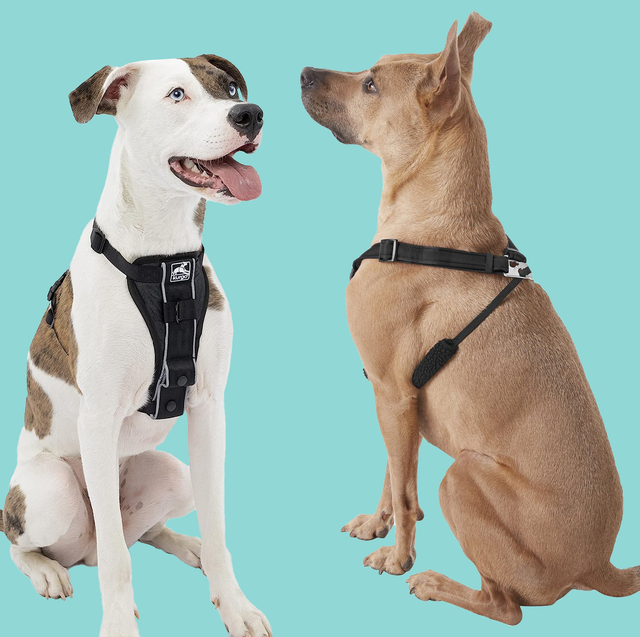
Credit: www.ooeygooey.com
Training Harnesses For Pulling Control
Training harnesses for pulling control help dogs learn better walking manners. They guide dogs gently without causing pain. These harnesses reduce pulling and make walks calm and safe.
Many dogs pull due to excitement or lack of training. A proper harness helps owners manage this behavior. It gives more control over the dog’s movements. Training harnesses also protect the dog’s neck and body from strain.
What Is A Training Harness?
A training harness fits around the dog’s body. It stops pulling by redirecting the dog’s force. This harness often has front and back leash attachments. These attachments help guide dogs smoothly and prevent sudden lunges.
Benefits Of Training Harnesses For Pulling Control
Training harnesses prevent choking and neck injuries. They distribute pressure evenly across the chest. This makes walking more comfortable for dogs. Owners gain better control and can correct pulling easily. These harnesses boost safe and positive walking experiences.
How To Choose A Training Harness
Look for harnesses that fit well and are adjustable. Soft, padded materials reduce discomfort. Choose one with front leash clips for better pulling control. Make sure the harness is durable and easy to put on. The right harness supports training and keeps dogs safe.
Safety Features To Consider
Choosing the right dog harness for pulling means focusing on safety features. These features protect your dog and make walks more comfortable and secure.
Safety is key. It helps prevent injuries and keeps your dog under control. Knowing what to look for makes picking the best harness easier.
Reflective Strips For Visibility
Reflective strips increase your dog’s visibility in low light. They catch car headlights and street lamps. This feature helps drivers see your dog during night walks.
Good visibility reduces accidents. It also gives you peace of mind while walking early or late.
Strong Buckles And Straps
Strong buckles and straps keep the harness secure. They prevent your dog from slipping out. Durable materials resist wear and tear from pulling.
Check for metal or heavy-duty plastic buckles. These last longer and hold better than cheap ones.
Padded Chest And Belly Straps
Padded straps protect your dog’s skin from chafing. They add comfort during long walks. Soft padding reduces pressure on sensitive areas.
This is important for dogs that pull hard. It prevents sores and discomfort.
Adjustable Fit For Control
An adjustable harness fits your dog perfectly. It stops the harness from being too tight or loose. Proper fit improves control and safety.
Look for multiple adjustment points. This helps customize the harness to your dog’s shape.
:max_bytes(150000):strip_icc()/expawlorer-no-pull-dog-harness-with-leash-set-45439416733f43988a0ebba76e58058e.jpg)
Credit: www.sirelmagroup.it
Maintaining And Cleaning Harnesses
Maintaining and cleaning dog harnesses is key for their durability and your pet’s comfort. A clean harness prevents skin irritation and bad smells. Regular care keeps the harness strong and safe for pulling dogs.
Different harness materials need different cleaning methods. Follow the manufacturer’s care instructions carefully. Simple steps can extend the life of your dog’s harness.
Cleaning Fabric And Nylon Harnesses
Remove loose dirt before washing. Hand wash with mild soap and warm water. Use a soft brush to scrub tough spots gently. Rinse thoroughly to remove all soap. Air dry the harness away from direct sunlight.
Maintaining Leather Harnesses
Wipe dirt off with a damp cloth. Use leather cleaner to clean deeper stains. Apply leather conditioner to keep the material soft. Avoid soaking leather in water. Store in a cool, dry place to prevent cracking.
Inspecting For Wear And Tear
Check straps and buckles for damage regularly. Look for fraying fabric or loose stitching. Replace any worn parts immediately. A damaged harness can break during walks and cause injury.
Storing Harnesses Properly
Keep harnesses in a dry, clean area. Avoid folding them tightly to prevent creases. Hang harnesses if possible to keep their shape. Proper storage helps maintain harness strength and comfort.
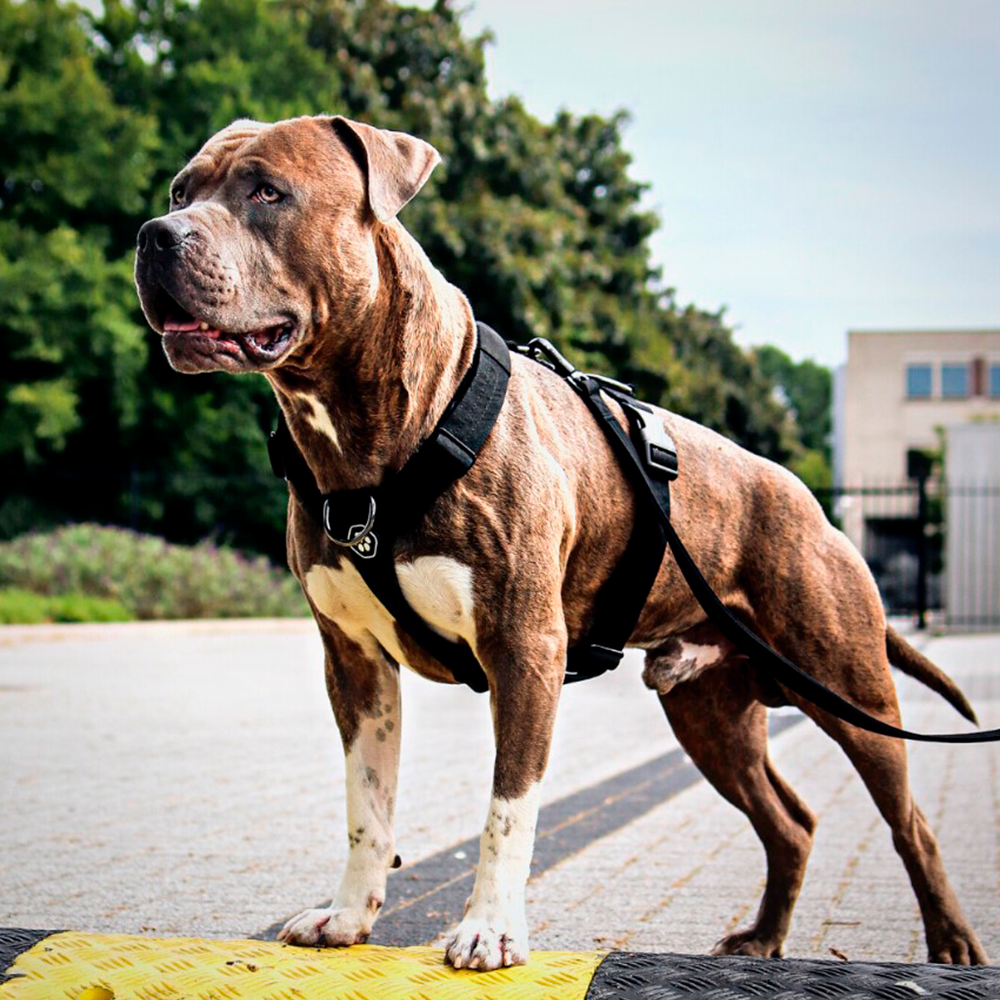
Credit: www.forummagazine.org
Frequently Asked Questions
What Is The Best Type Of Harness For Dogs That Pull?
A front-clip harness helps reduce pulling by steering your dog gently. It offers better control than a back-clip harness. This type is ideal for strong pullers.
How Does A No-pull Harness Work For Dogs?
No-pull harnesses discourage pulling by redirecting your dog’s movement. They tighten slightly when the dog pulls, teaching better walking habits. This method is gentle and effective.
Can A Harness Prevent Dog Pulling Completely?
A harness alone may not stop pulling fully. Training your dog is also important for good walking behavior. Combining harness use with training gives best results.
Are Harnesses Safer Than Collars For Pulling Dogs?
Harnesses distribute pressure evenly across the dog’s body. This reduces neck strain compared to collars. They are safer, especially for dogs that pull hard.
What Materials Make The Best Dog Harness For Pulling?
Strong nylon or padded mesh materials work well for pulling dogs. They offer durability and comfort during walks. Choose harnesses with secure stitching and quality buckles.
How To Choose The Right Size Harness For Pulling Dogs?
Measure your dog’s chest and neck before buying a harness. The harness should fit snugly but allow some movement. Proper fit prevents chafing and slipping.
Is A Front-clip Harness Better Than A Back-clip Harness?
Yes, front-clip harnesses give better control and reduce pulling. Back-clip harnesses are less effective for pullers but good for calm walkers. Front-clip is best for training.
Can Small Dogs Use No-pull Harnesses Effectively?
No-pull harnesses work well for small dogs too. They help teach gentle walking and reduce pulling. Look for lightweight options for smaller breeds.
How Often Should I Replace A Dog Harness Used For Pulling?
Replace the harness if it shows wear, fraying, or damage. A worn harness may break and cause safety risks. Check it regularly to keep your dog safe.
Can A Harness Cause Discomfort If Used Wrong?
Yes, a poorly fitted harness can cause chafing or restrict movement. Always adjust straps for comfort and security. Choose padded harnesses for extra softness.
Conclusion
Choosing the best dog harness for pulling helps keep walks safe and fun. A good harness fits well and stops your dog from pulling hard. It also protects your dog’s neck and body. Try different styles to see what suits your dog best.
Remember, patience and practice make walking easier. Enjoy peaceful walks with your furry friend every day.