Many dog owners notice their pets scratching, biting, or licking their skin. The first thought is often fleas. But what if your dog is itching and there are no fleas in sight? It can feel confusing and worrying. You want to help your dog, but you’re not sure where to start. Understanding what causes itching beyond fleas is important for your dog’s comfort and health. This article explains why dogs itch when fleas aren’t the problem, how to identify the cause, and what you can do to help your dog feel better.
Why Dogs Itch Without Fleas
Dogs scratch for many reasons. Fleas are common, but they are not the only cause. If your dog is itching but you do not see fleas, other factors could be responsible. These factors range from allergies to skin infections and even stress.
It’s essential to look at your dog’s symptoms, environment, and habits to find clues.
Allergies
Allergies are a leading cause of itching in dogs. Dogs can be allergic to many things:
- Food ingredients like beef, chicken, dairy, or wheat
- Environmental factors such as pollen, dust, mold, or grass
- Chemicals in cleaning products, shampoos, or sprays
Allergies make the immune system react. This reaction causes skin inflammation, redness, and itching. Dogs often scratch, lick, or bite their paws, belly, or ears. Sometimes allergies cause ear infections or digestive problems too.
Skin Infections
Bacterial or fungal infections can make your dog itch. These infections often start when the skin is damaged, moist, or irritated. Dogs with allergies are more prone to infections. Common signs include:
- Redness
- Swelling
- Bad smell
- Sores or scabs
Some infections, like yeast infections, often appear in the ears or between the toes. Others, such as staph infections, can affect any part of the body.
Dry Skin
Just like people, dogs can get dry skin. This is more common in winter or in homes with heating. Dry skin feels itchy and may look flaky. Dogs with dry skin may scratch more and shed more. Sometimes dry skin is caused by bathing too often or using harsh shampoos.
Parasites Other Than Fleas
Fleas are not the only parasites that cause itching. Other parasites include:
- Mites (cause mange)
- Ticks
- Lice
Mites are tiny and cannot be seen easily. They burrow into the skin or live in hair follicles. Mange is a skin disease caused by mites and can be very itchy. Ticks and lice are less common but still possible.
Hormonal Problems
Sometimes hormones affect the skin. For example, dogs with hypothyroidism (low thyroid hormone) often have dry, itchy skin. Other hormone issues, like Cushing’s disease, can also cause skin changes.
Environmental Factors
Things in your home or outside can irritate your dog’s skin. This includes:
- Dust
- Mold
- Grass
- Cleaning sprays
- Perfumes
If your dog spends time in a new place or you change products at home, itching may start. Sometimes just walking through tall grass or bushes causes irritation.
Psychological Causes
Dogs sometimes scratch because of stress, anxiety, or boredom. This is called psychogenic itching. Dogs may lick or chew their skin, even if it is healthy. Over time, this can create sores.
Signs And Symptoms To Watch For
When your dog is itching, it’s important to look for other symptoms. These clues help you understand the cause and decide what to do next.
Common Signs
- Scratching with paws or rubbing against objects
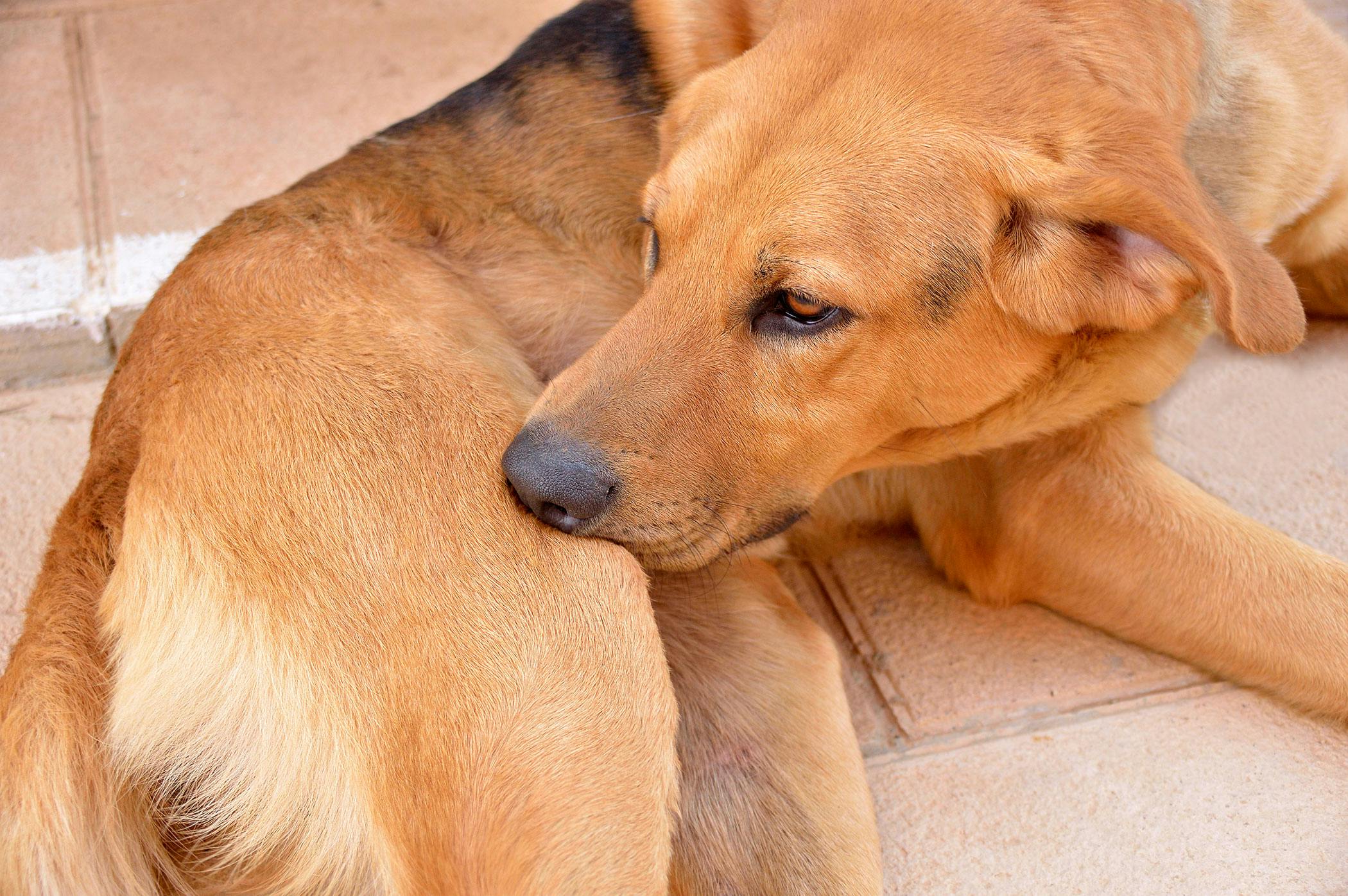
- Licking or biting skin, especially feet, belly, or tail
- Redness or swelling
- Flaky or scaly skin
- Hair loss or bald spots
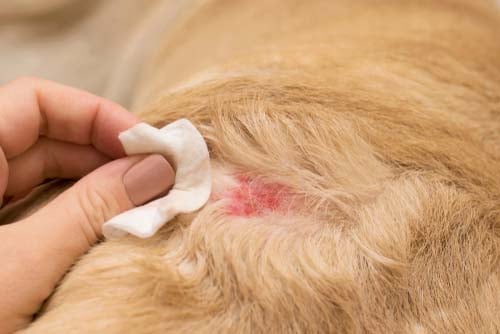
- Sores, scabs, or hot spots
- Bad smell from skin or ears
Less Obvious Signs
- Changes in behavior (more restless or irritated)
- Shaking head or scratching ears
- Frequent licking of paws
- Thickened skin (elephant skin)
- Change in appetite or energy
What Beginners Often Miss
- Itching can happen even if the skin looks normal. Dogs may feel uncomfortable before you see redness or sores.
- Sometimes dogs scratch at night or when alone, so you might not notice right away. Watch for changes in hair or skin over time.
How To Check For Fleas And Other Parasites
Before you rule out fleas, check carefully. Fleas are small and move fast. Sometimes you don’t see the fleas, but you can spot signs.
How To Check
- Look at the skin: Part the hair and check for small black dots. These dots are flea dirt (flea poop).
- Use a flea comb: Comb through the fur, especially near the tail and belly. Wipe the comb on a damp paper towel. If the dirt turns red, it is flea dirt.
- Check bedding and furniture: Fleas sometimes hide in carpets or bedding.
- Look for ticks, lice, and mites: Ticks are larger and easier to see. Mites are tiny and may need a microscope.
If you do not find fleas, ticks, or lice, and your dog is still itching, other causes are likely.
Understanding Dog Allergies
Dog allergies are complex. There are three main types of allergies in dogs:
| Type | Common Triggers | Symptoms |
|---|---|---|
| Food Allergy | Beef, chicken, dairy, wheat, soy | Itching, ear infections, vomiting, diarrhea |
| Environmental Allergy | Pollen, dust, mold, grass | Itching, watery eyes, sneezing, skin inflammation |
| Contact Allergy | Shampoos, cleaning sprays, fabrics | Itching, redness, local rash |
How Allergies Develop
Allergies develop when the immune system overreacts. Even small amounts of allergen can cause big reactions. Dogs may have allergies from birth or develop them later. Some breeds are more likely to have allergies, such as Golden Retrievers, Bulldogs, and West Highland White Terriers.
Diagnosis Of Allergies
To find out if allergies are causing itching, your vet may:
- Ask about your dog’s diet and environment
- Suggest an elimination diet (removing foods one by one)
- Run skin tests or blood tests
These tests help find the allergen. Sometimes, it takes weeks or months to get answers.
Allergy Management
Managing allergies often means avoiding triggers and using medicine. Common treatments include:
- Antihistamines (like Benadryl)
- Steroids for severe cases
- Special shampoos or sprays
- Diet changes
Some dogs need lifelong management. It’s important to follow your vet’s advice.
Skin Infections And Their Impact
Skin infections are common when dogs itch. Scratching damages the skin and lets bacteria or yeast enter.
| Type of Infection | Signs | Common Areas |
|---|---|---|
| Bacterial (Staph) | Redness, pus, sores, scabs | Belly, legs, feet |
| Yeast | Smell, oily skin, thick skin, redness | Ears, paws, belly |
| Ringworm (fungal) | Round bald spots, scaly skin | Head, legs, tail |
Treatment Of Skin Infections
Treatment depends on the infection:
- Antibiotics for bacterial infections
- Antifungal creams or pills for yeast and ringworm
- Medicated baths for mild infections
Dogs with allergies often get repeated infections. It’s important to treat the infection and the root cause.
Dry Skin In Dogs
Dry skin is often overlooked. It can happen due to weather, diet, or bathing habits.
Causes Of Dry Skin
- Cold weather or low humidity
- Frequent baths with harsh shampoos
- Poor nutrition (lack of essential fatty acids)
- Underlying health issues (like hypothyroidism)
Signs Of Dry Skin
- Flaky or scaly skin
- Dull coat
- More shedding
- Itching
How To Help Dry Skin
- Use a gentle, moisturizing dog shampoo.
- Give your dog a balanced diet with omega-3 fatty acids (from fish oil).
- Avoid bathing too often.
- Use a humidifier in dry climates.
Other Parasites That Cause Itching
Even if you do not see fleas, other parasites may be the cause.
Mites
Mites are tiny and cause mange. There are two main types:
- Demodex mites: Cause demodectic mange, often in puppies or dogs with weak immune systems. Signs are hair loss and mild itching.
- Sarcoptes mites: Cause sarcoptic mange, which is very itchy. Dogs often scratch until they bleed.
Ticks
Ticks are larger and attach to the skin. They can cause local irritation and transmit diseases. Remove ticks carefully with tweezers.
Lice
Lice are rare in dogs but cause itching and hair loss.
Treating Parasites
Treatment depends on the parasite:
- Medicated shampoos
- Topical treatments
- Prescription pills
Your vet can identify the parasite and recommend the right treatment.
Hormonal And Internal Causes
Hormones affect skin health. Two common hormonal issues are:
Hypothyroidism
Low thyroid hormone slows metabolism. Dogs with hypothyroidism often have:
- Dry, itchy skin
- Hair loss
- Weight gain
- Lethargy
Blood tests diagnose hypothyroidism. Treatment is lifelong medicine.
Cushing’s Disease
Cushing’s disease happens when the body makes too much cortisol (stress hormone). Signs include:
- Thin skin
- Hair loss
- Frequent infections
- Increased thirst and hunger
Blood tests and ultrasound diagnose Cushing’s. Treatment depends on the cause.
Credit: unifi.com
Environmental Factors
Things in your home or yard can irritate your dog’s skin. Sometimes the cause is simple.
Common Environmental Causes
- Cleaning sprays
- Perfumes
- New carpets or furniture
- Gardening chemicals
- Pollen or mold
If your dog starts itching after you change something at home, it may be the cause. Try removing new products and see if your dog improves.
Tips For Managing Environmental Causes
- Use unscented, gentle cleaning products.
- Avoid spraying perfumes near your dog.
- Keep your dog off new carpets or treated lawns.
- Clean bedding and toys regularly.
Psychological Causes Of Itching
Dogs feel stress and anxiety just like humans. Sometimes they scratch or lick their skin because they are bored or stressed.
Common Psychological Causes
- Separation anxiety
- Boredom
- Change in routine
- New pets or people at home
Dogs may develop habits like licking paws or chewing their tail. This can lead to sores and infection.
How To Help
- Give your dog more exercise and mental stimulation.
- Use interactive toys.
- Spend quality time together.
- If stress is severe, talk to your vet about behavior therapy.
Credit: www.dentalhousecr.com
How Vets Diagnose Itching Without Fleas
Diagnosing the cause of itching is a process. Your vet will:
- Take a history: Ask about your dog’s diet, environment, and habits.
- Examine the skin: Look for signs of infection, parasites, or allergies.
- Do tests:
- Skin scrapings for mites
- Allergy tests
- Blood tests for hormones
- Fungal cultures
Sometimes the cause is clear, other times it takes time to find answers.
Home Remedies And Practical Steps
You can do several things at home to help your itchy dog.
Quick Relief
- Oatmeal baths: Oatmeal soothes the skin.
- Moisturizing shampoos: Use gentle shampoos made for dogs.
- Fish oil supplements: Omega-3 helps skin health.
- Keep nails trimmed: Prevents injuries from scratching.
When To See A Vet
See a vet if:
- Itching lasts more than a week
- Skin is red, swollen, or bleeding
- There are signs of infection (bad smell, pus)
- Your dog seems unwell
Comparing Common Causes Of Dog Itching
To help you understand the differences, here is a comparison:
| Cause | Visible Signs | Common Areas | Other Symptoms |
|---|---|---|---|
| Allergies | Redness, licking, biting | Paws, belly, ears | Ear infections, digestive issues |
| Infections | Sores, scabs, smell | Anywhere | Hair loss, swelling |
| Dry Skin | Flaky, dull coat | Whole body | More shedding |
| Parasites | Redness, scratching | Neck, tail, feet | Visible bugs (sometimes) |
| Hormonal | Dry, thin skin | Whole body | Weight gain, lethargy |
| Psychological | Licking, chewing | Paws, tail | Behavior changes |
Prevention Tips
Preventing itching is easier than treating it. Here are practical tips:
- Feed a balanced diet: Quality food supports skin health.
- Regular grooming: Brushing removes dead skin and keeps the coat healthy.
- Bath with gentle shampoos: Avoid harsh chemicals.
- Keep environment clean: Wash bedding and toys often.
- Check for parasites: Use preventive medicine.
- Watch for allergies: Notice changes after new foods or products.
- Keep your dog active: Exercise reduces stress and boredom.
- Visit your vet regularly: Early checks catch problems before they get worse.
When Itching Becomes Dangerous
Itching can seem harmless, but it can become serious. Dogs who scratch a lot can injure their skin. This leads to:
- Infections
- Hot spots (areas of inflamed skin)
- Hair loss
- Scarring
Chronic itching affects your dog’s quality of life. Dogs may feel uncomfortable and less playful. Severe cases need veterinary care.
Real Examples: How Dogs Overcame Itching
- Bella, a Labrador, scratched her ears and belly every spring. Her owner tried flea treatments, but nothing worked. The vet found she was allergic to grass pollen. With allergy pills and washing her paws after walks, Bella stopped itching.
- Max, a Bulldog, had red, smelly skin under his legs. No fleas were found. The vet diagnosed a yeast infection. After medicated baths and diet changes, Max’s skin improved.
- Sasha, a Poodle, chewed her paws every day. Her owner worked long hours, and Sasha was alone a lot. With more walks, playtime, and interactive toys, Sasha’s itching stopped.
These examples show that the right diagnosis and care can solve itching.
Advanced Treatments
For dogs with severe or long-term itching, vets may suggest:
- Immunotherapy: Allergy shots to desensitize the immune system
- Prescription medicines: Like Apoquel or Cytopoint, which block itching signals
- Special diets: For food allergies
- Behavior therapy: For psychological causes
These treatments are safe and effective but need a vet’s guidance.
The Importance Of Patience
Finding the cause of itching takes time. Dogs may need several tests or changes in food and environment. Stay patient and work with your vet. Keep notes about your dog’s symptoms, food, and any changes. This helps your vet find the answer faster.

Credit: www.moepuppy.com
Frequently Asked Questions
What Can I Do If My Dog Is Itching But I Don’t See Fleas?
First, check carefully for fleas using a flea comb and by looking for flea dirt. If you don’t find any, consider other causes like allergies, skin infections, dry skin, or other parasites. Try gentle shampoos and fish oil supplements. If itching lasts more than a week or your dog seems uncomfortable, see a vet.
Can Food Allergies Cause My Dog To Itch?
Yes, food allergies are a common cause of itching. Dogs can be allergic to proteins like beef, chicken, dairy, or grains. Symptoms include itching, ear infections, and digestive problems. Your vet may suggest an elimination diet to find the allergen.
How Do I Know If My Dog Has A Skin Infection?
Signs of skin infection include redness, swelling, sores, scabs, and a bad smell. Dogs may lose hair or develop hot spots. If you see these signs, your dog needs veterinary treatment. Skin infections often need antibiotics or antifungal medicine.
Is Dry Skin Dangerous For Dogs?
Dry skin is not usually dangerous, but it can make your dog uncomfortable. It can lead to more scratching and cause sores or infection. Dry skin is often helped with omega-3 supplements, gentle shampoos, and a balanced diet. If dry skin continues, see your vet.
What Is The Best Way To Prevent My Dog From Itching?
Prevention starts with regular grooming, a balanced diet, and parasite control. Keep your dog’s environment clean and avoid harsh chemicals. Watch for allergies and give your dog exercise and mental stimulation. See your vet for regular checkups and at the first sign of persistent itching.
Dogs rely on us for their health and comfort. If your dog is itching but has no fleas, there are many possible causes. With careful observation, practical steps, and veterinary help, you can find the cause and help your dog feel better. Remember, patience and a good partnership with your vet are key to solving dog itching problems. For more advanced information, you can visit Veterinary Partner. Your dog deserves relief, and you can make a difference.