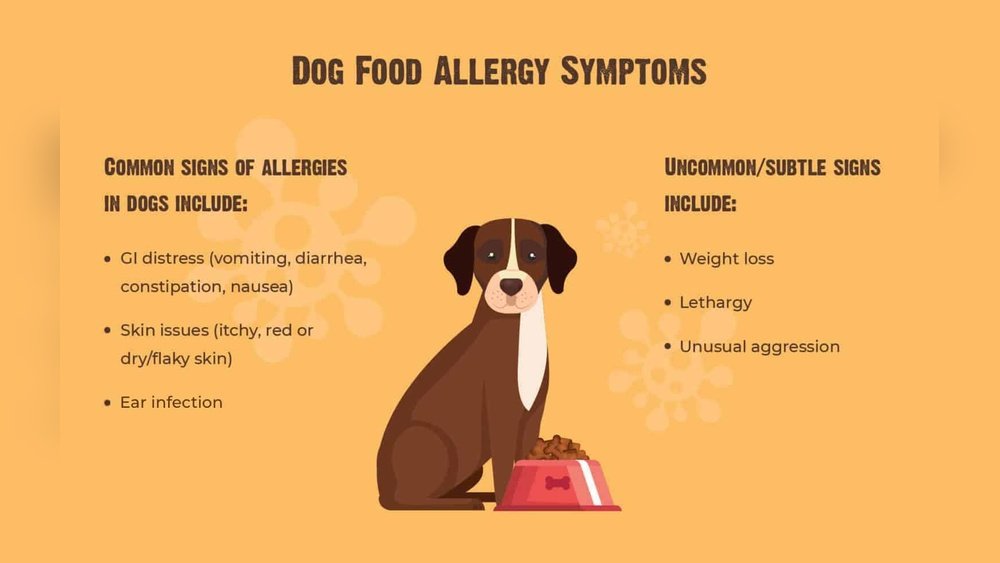
Dog food allergies are a growing concern for pet owners around the world. As we care more about what our dogs eat, we also notice how food can impact their health and behavior. Many dogs suffer in silence because the symptoms of food allergies are often missed or confused with other conditions.
Understanding the signs, knowing what to look for, and learning how to help your dog can make a huge difference in their quality of life.
Food allergies in dogs are not as rare as once thought. Studies show that up to 10% of all allergy cases in dogs are related to food. However, the symptoms can be subtle and sometimes mimic other health problems like flea allergies, environmental allergies, or even infections.
This is why it’s important to be informed and alert.
This article will guide you through every aspect of dog food allergy symptoms. You’ll learn about the most common signs, less obvious symptoms, how food allergies differ from intolerances, and what steps you can take to help your dog feel better.
We’ll also look at how veterinarians diagnose food allergies and what treatment options work best. Practical tips, examples, and expert insights are included to help you take action with confidence.
What Is A Dog Food Allergy?
A dog food allergy is an immune system reaction to certain ingredients in your dog’s diet. The immune system mistakes a food protein as a threat and tries to fight it, causing symptoms. Most food allergies in dogs are caused by proteins, but sometimes carbohydrates and additives can also trigger reactions.
It is important to separate food allergy from food intolerance. Food intolerance does not involve the immune system. Instead, it usually means your dog’s body cannot digest a certain ingredient well, which may cause stomach upset but not a true allergy.
Food allergies can develop at any age—even if your dog has eaten the same food for years without a problem. This is why many owners are surprised when symptoms appear suddenly.
Common Dog Food Allergy Symptoms
Recognizing food allergy symptoms early can prevent your dog from suffering. Here are the most common signs you may notice:
1. Itchy Skin
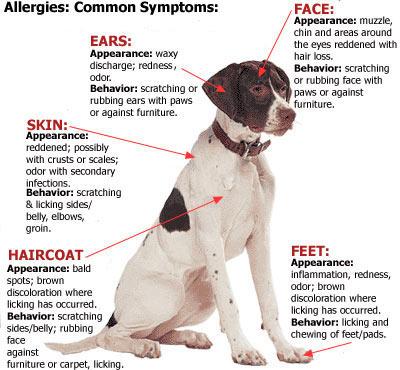
Chronic itching is one of the most visible symptoms. Dogs may scratch, lick, or chew their paws, legs, belly, or face. The itching is often severe and does not go away with regular flea or tick treatment.
2. Red Or Inflamed Skin
Red, irritated skin is a classic sign. You might see redness around the ears, paws, armpits, groin, or under the tail. Sometimes, the skin may develop hot spots—small areas of inflamed, infected skin.
3. Chronic Ear Infections
Frequent ear infections or yeast infections in the ears can be linked to food allergies. Signs include a bad smell, redness, head shaking, and dark waxy discharge.
4. Gastrointestinal Problems
Food allergies can cause vomiting, diarrhea, gassiness, bloating, or increased frequency of pooping. These symptoms often come and go, making them hard to connect to food.
5. Hair Loss Or Poor Coat
Dogs may lose hair in patches, especially where they scratch or bite. The coat may look dull, dry, or thin.
6. Chronic Paw Licking Or Chewing
When dogs constantly lick or chew their paws, it often points to allergies. Look for red, stained, or swollen paws.
7. Recurrent Skin Infections
Frequent skin infections, especially with Staphylococcus bacteria or yeast, often happen when allergies weaken the skin’s natural defenses.
8. Anal Gland Problems
Some allergic dogs scoot or drag their rear end. Their anal glands may become inflamed, full, or infected more often.
9. Frequent Head Shaking
Allergic dogs often shake their heads due to irritation in the ears or skin.
10. Eye Problems
Watery eyes, redness, or discharge can be signs. Allergic dogs may rub their face on furniture or the floor.
Less Obvious Symptoms Of Dog Food Allergies
Some symptoms are easy to miss but still point to a possible food allergy.
Behavioral Changes
Dogs may become restless, irritable, or withdrawn. Constant discomfort can affect their mood and even cause sleep problems.
Respiratory Issues
While rare, some dogs develop sneezing, coughing, or wheezing.
Nail Infections
Chronic infections or inflammation around the nails (paronychia) may be linked to food allergies.
Poor Growth In Puppies
Puppies with food allergies may grow more slowly or have trouble gaining weight.
Flatulence
Excessive gas or a sour smell from the rear end can be a sign.
Chronic Anal Itching
Some dogs focus on licking or biting the base of the tail or rear area.
How Dog Food Allergies Differ From Food Intolerances
Food allergies and intolerances cause discomfort but in different ways. Understanding the difference helps you respond correctly.
| Feature | Food Allergy | Food Intolerance |
|---|---|---|
| Immune System Involved | Yes | No |
| Symptoms | Skin, ears, GI tract | Mainly GI tract |
| Onset | Any age, even after years | Often after first exposure |
| Common Causes | Protein sources | Lactose, additives |
| Chronic or Acute | Usually chronic | Can be acute or chronic |
A key insight: Allergies usually cause skin and ear problems, while intolerances mostly cause stomach upset. However, both may show similar digestive symptoms, so diagnosis needs care.
Why Are Food Allergies Increasing In Dogs?
Food allergies in dogs are reported more often than before. There are several theories:
- Modern dog diets often use the same protein and carb sources (chicken, beef, wheat, soy), which increases risk.
- Early weaning or changes in puppy diets may impact immune system development.
- More awareness among owners and vets means more cases are recognized and treated.
A non-obvious insight is that some breeds are more likely to develop food allergies. Breeds like Boxers, West Highland White Terriers, Labrador Retrievers, and German Shepherds are overrepresented in allergy cases.
Most Common Dog Food Allergens
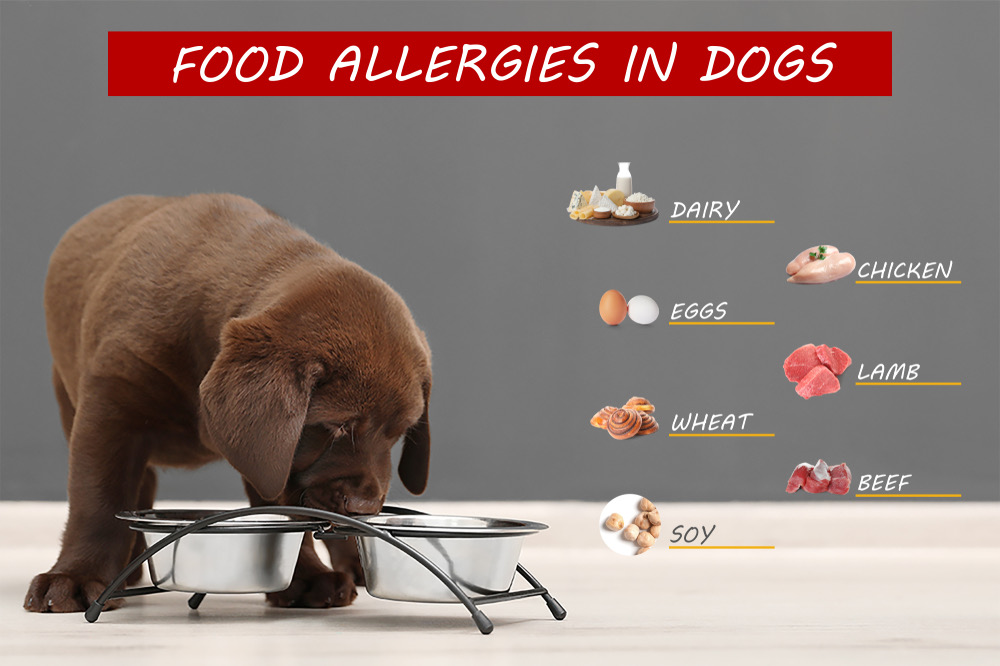
Certain ingredients are more likely to cause allergies in dogs. Here are the top culprits:
- Beef
- Dairy
- Chicken
- Wheat
- Eggs
- Lamb
- Soy
- Corn
- Pork
- Fish
- Rice
Dogs are often allergic to the protein part of food. For example, a dog may tolerate lamb for years and then develop an allergy.
Surprisingly, grain-free diets are not always a solution. Many dogs are allergic to animal proteins, not grains. Also, allergies to rice or corn are less common but possible.
Credit: www.holisticselect.com
How Veterinarians Diagnose Dog Food Allergies
Diagnosing a food allergy is not straightforward. There is no simple blood or skin test that can confirm a food allergy with 100% accuracy. The best method is an elimination diet trial.
Step 1: Rule Out Other Causes
Vets first check for fleas, infections, or other allergies. Treating these is important before focusing on food.
Step 2: Start An Elimination Diet
The dog is fed a diet with a novel protein (something the dog has never eaten before, like venison or duck) and a novel carbohydrate (like potato). All treats, table scraps, and flavored medicines must be stopped.
This diet is followed for 8-12 weeks. If symptoms improve, it points to a food allergy.
Step 3: Challenge Test
After symptoms clear, the original food is reintroduced. If symptoms return, it confirms the allergy.
Some vets use hydrolyzed protein diets instead of novel proteins. These proteins are broken into tiny pieces, making them less likely to trigger the immune system.
Step 4: Identify The Specific Allergen
Once an allergy is confirmed, ingredients are added back one at a time to find which one causes symptoms.
Diagnostic Tests: What Works, What Doesn’t
There are blood and saliva tests advertised for food allergies, but research shows they are unreliable. The gold standard remains the elimination diet.
Managing And Treating Dog Food Allergies
Once you know your dog has a food allergy, the main treatment is avoiding the trigger food.
Diet Change
Switch to a diet that does not contain the allergen. This can be commercial hypoallergenic food or a homemade diet with guidance from your vet.
Types Of Diets
| Diet Type | What It Is | Pros | Cons |
|---|---|---|---|
| Novel Protein Diet | Uses new protein and carb sources | Effective, easy to buy | Dog may develop new allergies over time |
| Hydrolyzed Protein Diet | Proteins are broken down | Less likely to trigger allergy | Expensive, not always palatable |
| Homemade Diet | Custom recipes with vet help | Fully controlled ingredients | Time-consuming, risk of nutrient imbalance |
Symptom Relief
Sometimes, dogs need medication to control symptoms while the diet works. Antihistamines, steroids, or antibiotics may be prescribed for short periods.
Bathing And Skin Care
Medicated shampoos can help soothe irritated skin and control infections. Look for shampoos with chlorhexidine or oatmeal.
Supplements
Omega-3 fatty acids and other supplements may support skin health and reduce inflammation.
Avoiding Mistakes
A common error is giving treats, chews, or flavored medicines with hidden allergens. Always check ingredient lists and ask your vet for safe options.
How To Prevent Dog Food Allergies
While not all food allergies can be prevented, you can reduce the risk:
- Rotate protein sources in your dog’s diet. This may reduce the chance of developing an allergy to a single protein.
- Feed high-quality, balanced diets from puppyhood.
- Avoid overuse of antibiotics in young puppies, as this may affect their immune system.
- Introduce new foods one at a time and watch for reactions.
It’s also helpful to keep a food journal for your dog, recording what they eat and any symptoms that appear. This makes it easier to spot patterns.
When To See A Veterinarian
If your dog shows any of the symptoms listed above—especially chronic itching, ear infections, or stomach upset—it’s time for a vet visit. Early treatment prevents long-term problems and suffering.
Dogs that lose hair, develop open sores, or seem very uncomfortable need medical help right away.
Non-obvious Insights For Dog Owners
- Allergy symptoms can appear even if your dog has eaten the same food for years. Owners often believe allergies develop only after a food change, but the immune system can react at any time.
- Seasonal changes can make allergy symptoms worse. Dogs with food allergies may also have environmental allergies, making symptoms more severe during spring or fall.
Case Example: Max The Labrador
Max, a 4-year-old Labrador, started to lick his paws and scratch his ears. His owner thought it was fleas, but treatment did not work. The vet ran an elimination diet with duck and potato food. After six weeks, Max’s symptoms improved.
When chicken was reintroduced, the itching returned. Now, Max eats only duck-based food and is symptom-free.
This shows how patience and careful tracking can help solve allergy mysteries.

Credit: everestkitchennc.com
Statistics On Dog Food Allergies
- About 10-15% of all dog allergies are caused by food.
- Beef, dairy, and chicken cause more than 75% of food allergies in dogs.
- Up to 20% of dogs with skin problems have a food allergy as the main cause.
These numbers highlight why food allergies should always be considered if your dog has chronic skin or stomach problems.
The Role Of Commercial Dog Foods
Most commercial dog foods use common proteins and fillers. While these are safe for most dogs, allergic dogs need special diets. When choosing a food, look for clear labels and avoid foods with by-products, artificial colors, or hidden ingredients.
If you use treats, chews, or supplements, make sure they are free from the allergen. Even a small amount can trigger a reaction.
Living With A Dog With Food Allergies
Caring for an allergic dog takes extra work but brings rewards. Here are some practical tips:
- Stay consistent. Do not give in to begging or use unsafe treats.
- Check every label. Ingredients can change, so read them regularly.
- Inform all family members and pet sitters about your dog’s allergy.
- Keep a symptom diary to catch problems early.
Dogs with food allergies can live happy, healthy lives with the right diet and care.
Frequently Asked Questions
What Is The Difference Between A Food Allergy And A Food Intolerance In Dogs?
A food allergy involves the immune system and often causes skin or ear problems, while a food intolerance usually affects the digestive system without an immune reaction. Allergies often cause chronic symptoms, while intolerances cause short-term stomach upset.
How Long Does It Take For Food Allergy Symptoms To Show In Dogs?
Symptoms can appear within hours or take weeks to develop. In most cases, symptoms develop slowly and worsen with continued exposure to the allergen.
Can Dogs Outgrow Food Allergies?
It’s rare for dogs to outgrow food allergies. Most dogs need to avoid the trigger food for life, though the severity of symptoms may change over time.
Are There Any Reliable Tests For Diagnosing Dog Food Allergies?
The most reliable method is an elimination diet trial. Blood or saliva tests are not accurate for diagnosing food allergies in dogs, according to veterinary studies and the VCA Animal Hospitals.
Can Homemade Diets Help Dogs With Food Allergies?
Homemade diets can help if they are balanced and contain only safe ingredients. Always work with your veterinarian or a veterinary nutritionist to avoid nutrient deficiencies.
Helping a dog with food allergies can feel overwhelming at first, but with knowledge and patience, you can relieve their symptoms and improve their quality of life. Being aware of the signs, choosing the right food, and working closely with your vet are the keys to success.
Your dog depends on you to notice the small changes—and with the right action, your best friend can be happy and healthy for years to come.
Credit: www.ovrs.com