Most dog owners want their pets to be healthy and happy. But sometimes, dogs develop problems because of their food. A common issue is dog food allergies. These allergies can cause many symptoms, from skin troubles to stomach upset. For many owners, the signs are not obvious at first. Some dogs may scratch a lot, others may have ear infections or diarrhea. If you don’t know the signs, you might miss the problem, and your dog will continue to suffer.
Dog food allergies are not the same as simple food intolerances. Allergies involve the immune system reacting strongly to certain ingredients, like chicken, beef, or grains. This reaction can affect different parts of your dog’s body. Knowing the signs is the first step in helping your dog feel better.
This article will explain all the main symptoms of dog food allergies, how to tell them apart from other problems, and what to do if you see them. You’ll learn about the causes, how to test for allergies, and how to choose safer foods.
We’ll also answer common questions, so you can help your dog live a healthier life.
What Are Dog Food Allergies?
A dog food allergy happens when your dog’s immune system reacts strongly to something in their food. The body sees a certain ingredient as dangerous, even though it is not. This reaction causes symptoms like itching, swelling, and stomach problems.
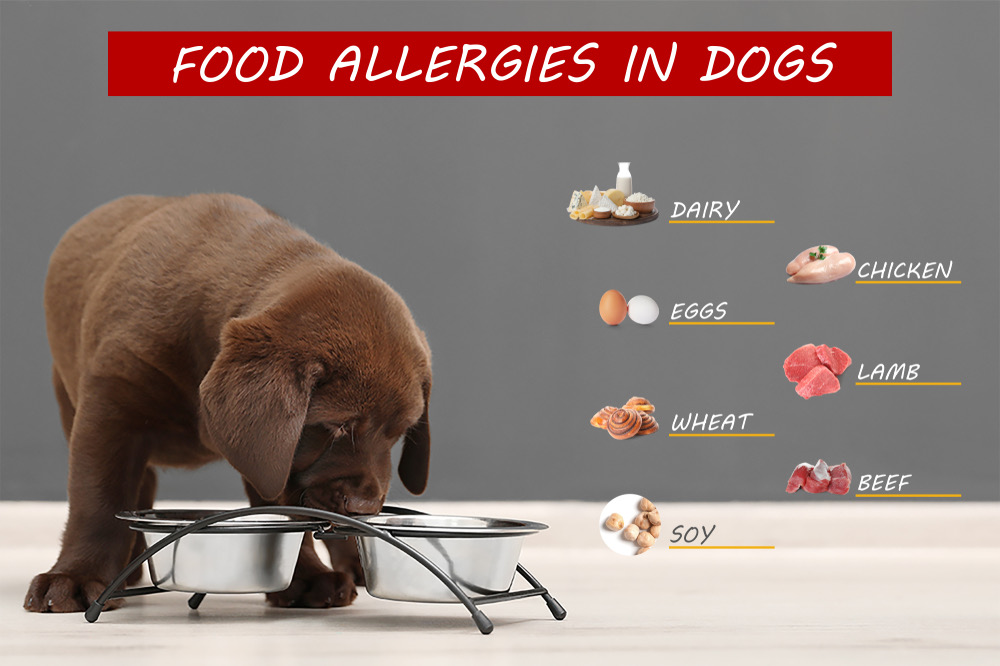
Unlike food intolerance, which usually causes only digestive issues, allergies can affect skin, ears, paws, and more. The most common allergens are proteins, such as beef, chicken, dairy, and lamb. Grains like wheat, soy, and corn can also cause allergies, but proteins are the main culprits.
Studies show that about 10% of all dog allergies are caused by food. Most allergies are triggered by fleas or environmental factors, but food allergies are still important to watch for. Dogs can develop allergies at any age, but puppies and young adults are more likely to show symptoms.
Common Signs Of Dog Food Allergies
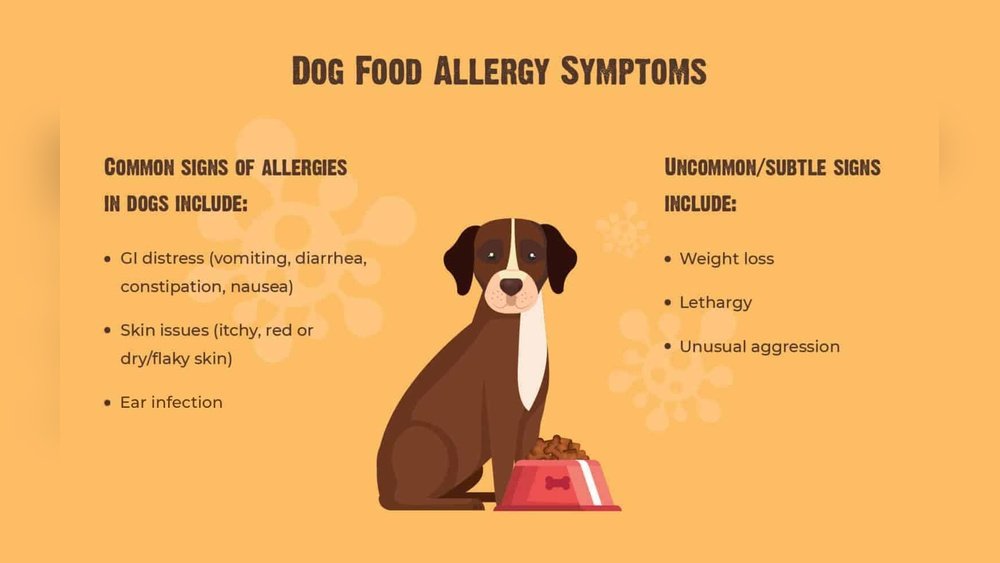
Dogs with food allergies can show many symptoms. Some are mild, others are severe. Here are the most common signs you should watch for:
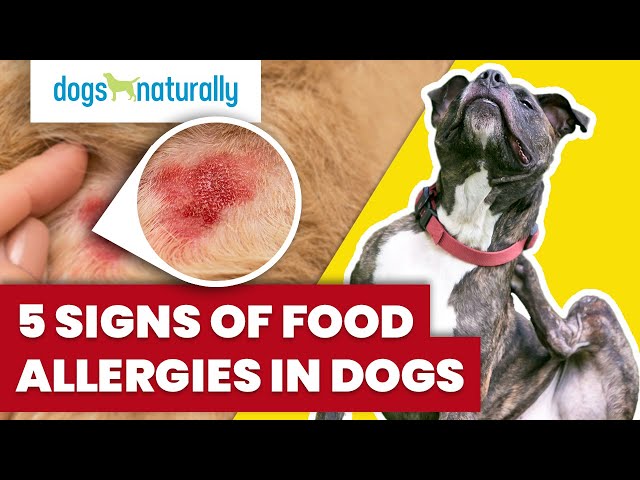
1. Itchy Skin
Dogs with food allergies often scratch, bite, or lick their skin. The itch may be all over the body or just in certain spots, like the ears, paws, belly, or armpits. You may see red skin, bumps, or scabs.
2. Ear Infections
Frequent ear infections are a key sign of food allergies. The ears may look red, swollen, or have a bad smell. Dogs may shake their heads or scratch their ears a lot.
3. Red, Inflamed Paws
Dogs may lick or chew their paws until they become red and sore. This is usually because of itching or inflammation caused by the allergy.
4. Chronic Diarrhea Or Vomiting
Food allergies often cause digestive symptoms, like diarrhea, vomiting, or gas. These symptoms may appear soon after eating or later.
5. Hair Loss Or Dull Coat
Allergies can make your dog’s coat look thin, dull, or patchy. Some dogs lose hair in certain spots, especially where they scratch a lot.
6. Frequent Rubbing Of Face Or Body
Dogs may rub their faces or bodies against furniture, carpets, or walls to relieve itching.
7. Hot Spots
These are moist, red areas of skin that look sore. They can appear anywhere, but are common on the hips, legs, and belly.
8. Frequent Scooting
Dogs may drag their bottoms across the floor. This is usually a sign of itching or discomfort, sometimes linked to food allergies.
9. Respiratory Issues
Though rare, some dogs develop sneezing, coughing, or trouble breathing because of food allergies.
10. Behavior Changes
Dogs may seem restless, anxious, or irritable because they feel uncomfortable. Some become less active or lose interest in play.
11. Chronic Gas
Excess gas, bloating, or abdominal pain can be signs of a food allergy.
12. Anal Gland Issues
Food allergies can cause swelling or infection in the anal glands, making your dog scoot or lick its rear more.
13. Excessive Drinking
Some dogs drink more water when they have allergies, as their bodies try to flush out toxins.
14. Frequent Sneezing
Sneezing is not always caused by dust or pollen. It can be a sign of a food allergy, especially if it happens after eating.
15. Swollen Lips Or Face
If your dog’s lips or face look puffy, it could be a sign of an allergic reaction.
16. Secondary Skin Infections
Scratching can damage the skin and lead to infections. Watch for pus, foul smell, or crusty patches.
17. Eye Discharge
Some dogs get watery or sticky discharge from their eyes because of allergies.
18. Poor Growth In Puppies
If a young dog is not growing well, or looks thin and weak, allergies may be the cause.
19. Frequent Urination
Some dogs urinate more often when their bodies are fighting an allergy.
20. Lethargy
Dogs may seem tired or weak, especially after eating food that triggers their allergy.
Less Obvious Signs Most Owners Miss
Many owners focus only on itching or stomach problems. But dog food allergies can cause other signs that are easy to miss:
- Behavioral changes: Dogs may avoid certain activities or seem less playful.
- Ear scratching without infection: Some dogs scratch their ears often, even if there is no visible infection.
- Bad breath: Allergies can change the bacteria in the mouth, causing foul breath.
- Stunted growth: Puppies may not reach their full size if allergies are affecting their nutrition.
- Unusual body odor: Some allergies cause a strong or strange smell from the skin or coat.
- Frequent licking of the air: Dogs may lick the air, which is a sign of nausea or discomfort from allergies.
These signs are often ignored or blamed on other problems. If you notice any of these, consider food allergies as a possible cause.
How Food Allergies Develop In Dogs
Food allergies develop when the immune system becomes sensitive to certain ingredients. Here’s how it usually happens:
1. Repeated Exposure
Dogs often eat the same food every day. When a dog eats a certain protein or ingredient many times, their body can start to see it as a threat.
2. Immune Reaction
The body’s immune system reacts by producing antibodies. These antibodies attack the ingredient, causing inflammation and symptoms.
3. Progression
Symptoms may start mild but get worse over time. Some dogs develop allergies suddenly, even after years of eating the same food.
4. Common Triggers
The most common triggers are proteins: beef, chicken, lamb, fish, dairy, and eggs. Grains like wheat, soy, and corn can also cause allergies, but are less common.
Some dogs are more likely to develop allergies because of genetics. For example, breeds like West Highland White Terriers, Cocker Spaniels, and Golden Retrievers are more prone to allergies.

Credit: www.youtube.com
Dog Food Allergies Vs. Food Intolerance
It’s important to know the difference between food allergies and food intolerance. Both can cause problems, but they are not the same.
| Feature | Food Allergy | Food Intolerance |
|---|---|---|
| Immune System Involved | Yes | No |
| Common Symptoms | Itching, skin issues, ear infections, vomiting, diarrhea | Digestive issues only (gas, diarrhea, bloating) |
| Onset | Can be sudden or slow | Usually gradual |
| Severity | Can be life-threatening | Rarely dangerous |
| Treatment | Remove allergen | Change diet |
Food allergies cause more severe symptoms and can affect skin, ears, and behavior. Food intolerance usually only affects digestion.
How To Identify Dog Food Allergy Symptoms
Recognizing the signs of food allergies is not always easy. Here are steps to help you spot symptoms:
1. Observe Your Dog Carefully
Watch for itching, ear problems, vomiting, diarrhea, or changes in behavior. Keep a diary to track when symptoms appear.
2. Check For Patterns
Do symptoms get worse after eating certain foods? Are they seasonal, or do they happen year-round?
3. Look For Secondary Issues
Notice if your dog develops skin infections or loses hair. These often follow itching or licking.
4. Compare To Environmental Allergies
If symptoms improve during certain times of the year, the problem may be environmental (like pollen). If symptoms stay the same all year, food may be the cause.
5. Consult Your Vet
A veterinarian can help rule out other causes, like fleas or infections. They may suggest tests or dietary changes.
How Vets Diagnose Dog Food Allergies
Diagnosing dog food allergies is not simple. No blood test or skin test can confirm a food allergy with certainty. The best way is an elimination diet:
1. Start With A Novel Protein
Feed your dog a diet with one protein and one carbohydrate they have never eaten before (like duck and sweet potato).
2. Remove All Other Foods
Stop feeding treats, table scraps, or flavored medications.
3. Wait 8–12 Weeks
Symptoms usually improve within 8–12 weeks. If your dog gets better, the old food likely caused the allergy.
4. Reintroduce Old Foods One At A Time
Add old ingredients back slowly. If symptoms return, you’ve found the allergen.
This process is slow but is the gold standard for diagnosis. Some owners give up too soon, but patience is key.
Most Common Dog Food Allergens
Some foods are much more likely to cause allergies in dogs. Here’s a comparison of common allergens:
| Allergen | Percentage of Cases | Notes |
|---|---|---|
| Beef | 34% | Most common protein allergen |
| Dairy | 17% | Milk, cheese, yogurt |
| Chicken | 15% | Found in most commercial foods |
| Wheat | 13% | Grain allergy, less common than protein |
| Lamb | 8% | Rare but possible |
| Soy | 6% | Often used as filler |
| Egg | 4% | Usually from cooked or raw egg |
| Fish | 2% | Least common protein allergen |
Beef, dairy, chicken, and wheat are the top four. Many owners think grains are the main cause, but proteins are the real problem in most cases.
How Dog Food Allergies Affect Different Breeds
Some breeds are more likely to develop food allergies. Here are examples:
- West Highland White Terrier: Often develops skin allergies.
- Cocker Spaniel: Prone to ear infections.
- Golden Retriever: Can have both skin and stomach issues.
- Labrador Retriever: May get hot spots and dull coat.
- German Shepherd: Often has digestive troubles.
Breed matters because genetics play a role. If your dog’s breed is prone to allergies, watch for symptoms early.
How Dog Food Allergies Affect Puppies And Older Dogs
Puppies
Young dogs can develop allergies quickly. Symptoms may include poor growth, diarrhea, and skin problems. Some puppies don’t gain weight or seem weak.
Older dogs
Older dogs can develop allergies, even if they’ve eaten the same food for years. Symptoms are often skin and stomach related. Watch for sudden changes in behavior, coat quality, or digestion.
Differences Between Dog Food Allergies And Environmental Allergies
Dogs can be allergic to pollen, dust, mold, or fleas. It’s important to tell these apart from food allergies. Here’s a quick comparison:
| Feature | Food Allergy | Environmental Allergy |
|---|---|---|
| Seasonal | No, symptoms happen all year | Yes, often seasonal |
| Response to Diet Change | Improves with new food | No change |
| Itching Areas | Ears, paws, belly | Face, eyes, armpits |
| Digestive Symptoms | Common | Rare |
| Secondary Infections | Common | Less common |
If symptoms improve after changing food, it’s likely a food allergy. If they change with the seasons, environmental allergies may be the cause.
What To Do If You Suspect Dog Food Allergies
If you think your dog has food allergies, follow these steps:
1. Keep A Symptom Diary
Write down symptoms, when they happen, and what your dog eats.
2. Consult A Veterinarian
Get advice before changing diets. Some symptoms can be caused by fleas, infections, or other health issues.
3. Try An Elimination Diet
Feed a simple diet with new protein and carbohydrate sources. Avoid treats, table scraps, and flavored medicines.
4. Watch For Improvement
Symptoms should get better in 8–12 weeks. If they do, add old foods back one at a time.
5. Avoid Common Mistakes
Don’t stop the elimination diet too soon. Many owners give up if they don’t see quick results.
6. Choose Hypoallergenic Foods
Once you know the allergen, pick foods without it. Look for limited-ingredient diets.
Credit: www.ovrs.com
Choosing The Right Food For Dogs With Allergies
Finding the best food is not always easy. Here’s what matters:
- Single protein source: Pick foods with one protein, like duck, salmon, or venison.
- Limited ingredients: Fewer ingredients means fewer chances for allergies.
- No common allergens: Avoid beef, chicken, dairy, wheat, soy, and eggs.
- No artificial colors or flavors: These can cause extra irritation.
- Grain-free? : Only choose grain-free if your dog is allergic to grains.
Check labels carefully. Some foods claim to be hypoallergenic, but still include common allergens.
Practical Tips For Managing Dog Food Allergies
1. Read Ingredient Lists Carefully
Many foods hide allergens under names like “animal by-product” or “hydrolyzed protein. ”
2. Avoid Sharing Human Food
Table scraps can trigger allergies, even if your dog is on a special diet.
3. Use Safe Treats
Pick treats with the same safe ingredients as your dog’s main food.
4. Keep Food Journals
Track symptoms and foods for better results.
5. Watch For New Symptoms
Allergies can change over time. If your dog gets new symptoms, review their diet.
6. Consult The Vet Regularly
Your vet can help adjust diets and monitor progress.
Why Many Owners Miss Dog Food Allergies
Dog food allergies are often missed because:
- Symptoms look like other problems, such as fleas or environmental allergies.
- Some dogs only show mild symptoms.
- Owners expect allergies to appear right after eating, but symptoms can be delayed.
- Many foods are labeled “hypoallergenic” but still contain common allergens.
- Skin and ear infections are treated with medicine, but the cause remains.
If you treat infections or itching, but the problem comes back, food allergies may be the reason.
Real-life Example: Spotting Dog Food Allergy
Let’s look at a real case. A 5-year-old Golden Retriever started scratching its ears and licking its paws every day. The owner tried flea treatments and changed shampoos, but nothing worked. The dog also had diarrhea once a week.
A vet suggested an elimination diet with duck and potato. After two months, the itching stopped and the diarrhea disappeared. When chicken was added back, symptoms returned. The owner learned that chicken was the trigger.
This case shows that food allergies can cause multiple symptoms, and the best way to find the cause is through careful testing.
Data On Dog Food Allergy Prevalence
Studies suggest that 10% of all dog allergies are food-related. Among dogs with skin allergies, about 20% have food allergies. In the United States, millions of dogs suffer from allergic reactions every year. The most common age for symptoms to appear is 1–3 years old.
Dog Food Allergy Treatments
There is no cure for food allergies, but symptoms can be managed:
- Remove the allergen: Stop feeding the problem food.
- Use hypoallergenic diets: Choose foods with new proteins and limited ingredients.
- Treat symptoms: Medications may help with itching or infections, but are not a solution.
- Regular vet visits: Monitor health and adjust diets as needed.
Some dogs need lifelong special diets. Others may outgrow their allergies over time.
Non-obvious Insights For Owners
- Allergies can start after years of eating the same food. Many owners think allergies only happen with new foods, but this is not true.
- Allergic symptoms can appear in only one area. For example, some dogs only have ear infections, with no itching or stomach problems.
- Hydrolyzed protein diets can help. These diets break proteins into small parts, so the body does not react as strongly.
- Some flea treatments contain beef flavor. If your dog is allergic to beef, check all medicines for hidden allergens.
When To Seek Emergency Help
Most dog food allergies cause mild symptoms, but sometimes they can be dangerous. Seek emergency help if you see:
- Severe swelling of face or lips
- Trouble breathing
- Collapse or weakness
- Vomiting or diarrhea with blood
- Rapid heartbeat
These are signs of a serious reaction (anaphylaxis) and need immediate care.
Credit: www.youtube.com
Preventing Dog Food Allergies
You cannot always prevent allergies, but these steps can help:
- Feed a variety of foods during puppyhood. This can reduce risk of allergies.
- Avoid overfeeding one protein source.
- Watch for early signs and change diets quickly if needed.
- Use high-quality foods with clear ingredient lists.
Frequently Asked Questions
What Is The Most Common Sign Of Dog Food Allergies?
The most common sign is itchy skin, especially on the ears, paws, and belly. Dogs may scratch, lick, or bite these areas. Other signs include ear infections and stomach upset.
Can Food Allergies Cause Only Digestive Symptoms In Dogs?
Food allergies can cause digestive symptoms like diarrhea and vomiting, but they also cause skin problems, ear infections, and behavior changes. If your dog only has digestive issues, it might be food intolerance instead of allergy.
How Long Does It Take For Symptoms To Improve After Changing Food?
Most dogs show improvement in 8–12 weeks after starting an elimination diet. Some get better sooner, but it’s important to give enough time for old allergens to leave the body.
Are Grain-free Diets Better For Dogs With Allergies?
Grain-free diets are only useful if your dog is allergic to grains. Most food allergies are caused by proteins like beef or chicken, not grains. Always check the ingredient list and consult your vet.
Can Dogs Develop Food Allergies Later In Life?
Yes, dogs can develop allergies at any age, even after eating the same food for years. The immune system can become sensitive over time. If your older dog develops new symptoms, consider food allergies as a possible cause.
Helping your dog with food allergies takes patience and careful observation. The signs can be subtle or severe, and sometimes look like other problems. By understanding the full range of symptoms, you can spot allergies early and choose better foods. If you suspect an allergy, work with your vet and use elimination diets to find the cause. With the right approach, your dog can live a healthier and happier life. For more in-depth information, you can check this Wikipedia article on food allergies.