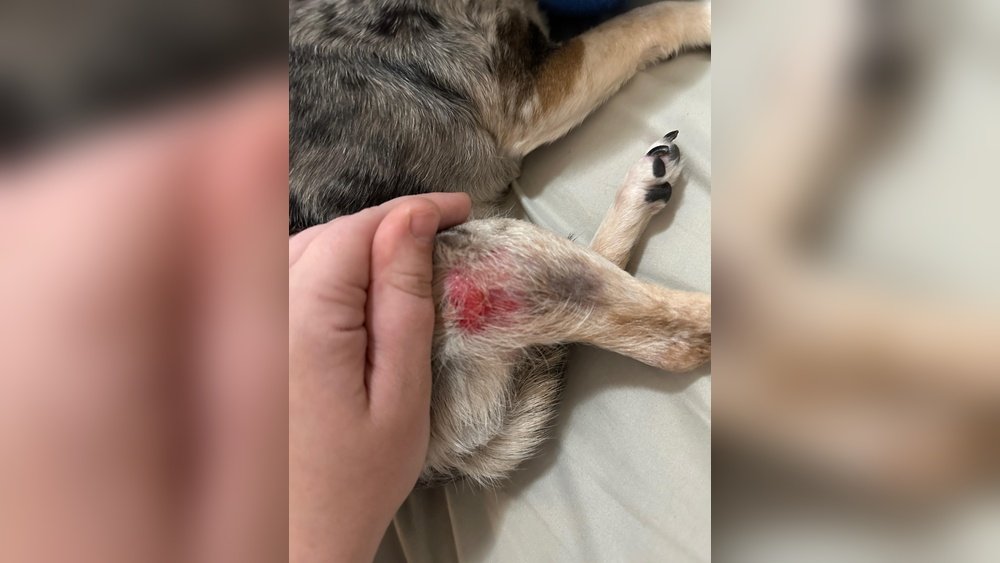
Many dog owners have faced the same scene: your dog is scratching, biting, or licking itself—sometimes all day and night. It can be frustrating and even worrying. You might wonder, “Is it just an itch, or is something wrong with my dog?” The truth is, excessive scratching is not just a normal behavior. It usually means there is an underlying problem. Understanding the cause is the first step to helping your pet feel better.
This article explains the reasons why dogs scratch a lot, how to recognize if it is a problem, and what you can do about it. You will learn about allergies, parasites, infections, and other reasons for itchy skin. We will also look at treatments, prevention tips, and when it is time to see a vet.
Whether your dog is scratching its ears, licking its paws, or biting its tail, you will find practical advice here. By the end, you will feel confident in knowing how to help your dog stop scratching and live more comfortably.
Understanding Normal Vs. Excessive Scratching
Every dog scratches sometimes. It is part of how they groom themselves and get rid of small irritations. But excessive scratching is different. If your dog is scratching, biting, or licking a lot, it is a sign that something is bothering them.
How do you know if the scratching is too much? Look for these signs:
- Scratching that lasts more than a few seconds, several times a day.
- Red, inflamed, or bleeding skin.
- Hair loss or bald spots.
- Licking or chewing at the same area repeatedly.
- Trouble sleeping or resting because of itching.
Dogs have different scratching habits, so compare your dog’s current behavior to what is normal for them. If you see changes, it is time to look for the cause.
Common Causes Of Excessive Scratching In Dogs
There are many reasons why your dog may be scratching more than usual. Some are simple, while others are serious. Below are the most common causes, explained in detail.
1. Fleas And Other Parasites
Fleas are the most common cause of itching in dogs. One flea bite can make some dogs scratch nonstop. Fleas are small, but you may see them moving in your dog’s fur or find tiny black “flea dirt” (flea droppings).
Other parasites can also cause itching:
- Mites: Cause mange, leading to hair loss and severe itching.
- Ticks: Attach to the skin and cause irritation.
- Lice: Rare, but can make the skin itchy and uncomfortable.
Dogs with parasites may scratch, chew, or lick specific areas, especially around the tail, belly, and back legs.
2. Allergies
Allergies are another leading cause of itchy skin. Dogs can be allergic to many things:
Environmental Allergies
Known as atopy, this is a reaction to things in the air, like pollen, dust mites, or mold. These allergies often get worse at certain times of year.
Food Allergies
Some dogs are allergic to ingredients in their food, such as beef, chicken, dairy, wheat, or soy. Food allergies often cause itching, ear infections, or stomach problems.
Contact Allergies
Your dog may react to something they touch, like grass, cleaning products, or certain fabrics.
Allergic dogs often chew or lick their paws, rub their face, or have ear problems.
3. Skin Infections
Bacterial and fungal infections can cause severe itching. These infections often start when your dog scratches a lot and breaks the skin, letting germs enter.
Signs of skin infection include:
- Red, moist, or oozing skin
- Bad smell
- Scabs or sores
- Hair loss
Some common infections are pyoderma (bacterial) and ringworm (fungal, not a worm).
4. Dry Skin
Just like people, dogs can get dry skin, especially in winter or dry climates. Dry skin can cause mild to moderate itching. You may notice flakes, dandruff, or rough patches.
Dry skin can be caused by:
- Cold or dry weather
- Too many baths with harsh shampoos
- Not enough fat in the diet
- Medical problems like hypothyroidism
5. Hot Spots
A hot spot is a red, moist, painful area that appears suddenly. It is usually caused by intense licking, chewing, or scratching. Hot spots often get infected and need quick treatment.
6. Hormonal Imbalances
Problems with hormones, like hypothyroidism or Cushing’s disease, can make your dog’s skin unhealthy. This often leads to itching, hair loss, and skin infections.
7. Stress Or Boredom
Some dogs scratch or lick themselves when they are stressed, anxious, or bored. This is called psychogenic itching. It can be hard to tell apart from medical problems, but the scratching often happens when the dog is left alone or not getting enough activity.
8. Other Causes
Less common reasons for scratching include:
- Sunburn (especially in light-colored dogs)
- Poor grooming or matted fur
- Skin tumors
- Autoimmune diseases
Dogs can also have more than one problem at the same time, making it harder to diagnose.
:strip_icc()/home-remedies-for-itchy-dogs-4177184-f9ae9d40e6cc42878d9f290d136461f8.jpg)
Credit: www.thesprucepets.com
How To Identify The Cause Of Scratching
Finding out why your dog is scratching is not always easy. Some problems look the same. Here are steps you can take to help identify the cause.
Look For Fleas And Parasites
Check your dog’s fur, especially at the base of the tail, behind the ears, and on the belly. Use a flea comb to look for fleas or black dirt. Look for ticks attached to the skin, and check for red, scaly patches that might be mange.
Review Recent Changes
Think about what has changed in your dog’s life:
- New foods or treats?
- New shampoo or cleaning products?
- Recent walks in fields or woods?
- Changes in weather?
This can give clues about allergies or contact irritants.
Watch For Patterns
Notice if the scratching happens at certain times:
- Only during spring or summer? (Pollen allergies)
- After meals? (Food allergies)
- After playing outside? (Contact allergy)
Check For Other Symptoms
Other signs can help narrow down the cause:
- Ear infections or shaking head: Allergies, mites
- Hair loss or bald patches: Mange, infection, allergies
- Red, moist skin: Hot spots, infection
- Lethargy, weight changes: Hormonal disease
Visit The Veterinarian
If you cannot find the cause or the problem is severe, see a veterinarian. They can do tests, such as skin scrapings, allergy tests, or blood work, to diagnose the problem.
How Scratching Affects Your Dog’s Health
Itching is not just an annoyance. Chronic scratching can cause bigger problems for your dog.
- Skin damage: Repeated scratching and licking damage the skin, leading to bleeding, sores, and infection.
- Hair loss: Constant irritation causes bald spots and poor coat quality.
- Infections: Open sores can become infected with bacteria or fungus, making the skin worse.
- Behavior changes: Dogs may become restless, anxious, or depressed if they cannot stop itching.
- Sleep problems: Itching can keep your dog awake, making them tired and irritable.
In severe cases, untreated skin problems can cause pain and even spread infection to other parts of the body.
Diagnosis: What To Expect At The Vet
A vet visit is the best way to find the true cause of your dog’s itching. Here is what usually happens:
History And Physical Exam
The vet will ask about your dog’s history:
- When did the scratching start?
- Has anything changed at home?
- What food does your dog eat?
- Any other symptoms?
They will examine your dog’s skin, ears, and fur closely.
Diagnostic Tests
Depending on the case, the vet may do one or more tests:
| Test | What it Checks | When Used |
|---|---|---|
| Skin scraping | Mites, mange | Red, scaly, or crusty skin |
| Flea comb test | Fleas, flea dirt | Itching, black specks in fur |
| Fungal culture | Ringworm | Hair loss, round patches |
| Allergy testing | Environmental allergies | Year-round or seasonal itching |
| Blood tests | Hormonal problems | Hair loss, other symptoms |
| Skin biopsy | Unusual skin problems | Non-healing or severe cases |
Testing helps rule out causes and points to the right treatment.
The Importance Of A Good Diagnosis
Guessing the cause can lead to the wrong treatment, which may make things worse. For example, giving allergy medicine to a dog with mange will not help. A correct diagnosis means your dog gets better, faster.
Treatment Options For Dog Scratching
The best treatment depends on the cause. Below are the main options.
Treating Parasites
Flea and tick control is essential. Use vet-recommended products such as spot-on treatments, oral pills, or special collars. Treat all pets in the home and wash bedding often. For mites or lice, your vet may prescribe medicated shampoos or dips.
Managing Allergies
- Environmental allergies: May need antihistamines, steroids, or special allergy shots. Regular bathing with gentle shampoos helps remove allergens from the skin.
- Food allergies: Your vet may suggest an elimination diet. This means feeding a simple diet (often a special protein and carbohydrate) for 8–12 weeks, then slowly adding foods to see what causes the reaction.
- Contact allergies: Remove or avoid the irritant. Wash your dog’s paws and belly after walks.
Treating Infections
Bacterial or fungal infections need specific treatments:
- Antibiotics for bacteria (oral or topical)
- Antifungal creams or pills for ringworm
- Medicated shampoos to soothe and heal the skin
Finish all medicine, even if your dog seems better, to prevent the infection from coming back.
Relieving Dry Skin
- Add omega-3 fatty acids to the diet (fish oil or special supplements)
- Use moisturizing shampoos made for dogs
- Avoid over-bathing (no more than once a month unless your vet says otherwise)
- Use a humidifier in dry climates
Calming Hot Spots
Clean the area with warm water and mild antiseptic. Clip fur around the spot to let air in. Your vet may give antibiotics or anti-itch medicine. Prevent your dog from licking or scratching the spot.
Managing Hormonal Problems
Your vet may prescribe hormone replacement or special drugs, depending on the condition. Regular blood tests may be needed to monitor progress.
Addressing Stress Or Boredom
Give your dog more exercise, toys, and attention. For severe anxiety, your vet may suggest behavior training or calming medications.
Alternative Treatments
Some owners try natural remedies like oatmeal baths, coconut oil, or herbal supplements. These can help mild cases but should not replace medical treatment for serious problems. Always talk to your vet first.
Comparing Common Treatments
To help you understand how treatments differ, see this comparison:
| Treatment | Main Use | How Fast it Works | Vet Required? |
|---|---|---|---|
| Flea control | Parasites | 1–2 days | Usually |
| Antibiotics | Bacterial infection | 3–7 days for improvement | Yes |
| Allergy medicine | Allergies | 1–2 days | Yes |
| Oatmeal shampoo | Itchy skin, dryness | Immediate comfort | No, but vet advice is good |
| Elimination diet | Food allergy | 8–12 weeks | Yes |
How To Prevent Dog Scratching
It is easier to prevent problems than treat them. Here’s how you can help your dog stay itch-free:
- Use parasite prevention: Give flea and tick medicine all year round, even in winter.
- Feed a balanced diet: High-quality food with enough fat keeps the skin healthy.
- Bathe carefully: Use gentle dog shampoos and do not over-bathe.
- Groom regularly: Brushing removes dirt and dead hair and prevents mats.
- Watch for allergy triggers: Clean your home often to lower dust and pollen.
- Check your dog’s skin: Look for redness, sores, or parasites during grooming.
- Keep your dog active: Exercise helps reduce stress-related scratching.
- Treat problems early: Do not wait if you see signs of skin trouble.
When Should You Worry About Your Dog’s Scratching?
Most mild itching can be managed at home, but some situations need a vet’s help:
- Scratching is constant or getting worse
- Skin is red, bleeding, or has open sores
- Hair is falling out in patches
- Your dog seems tired, sick, or is losing weight
- Itching does not get better after a few days of home care
Delaying treatment can make problems harder to fix. If you are unsure, it is always safer to call your vet.
Non-obvious Insights Most Dog Owners Miss
Even experienced owners can overlook these points:
- Flea allergies need only one bite. Some dogs are so sensitive that even one flea bite per week can cause major itching—even if you never see a flea.
- Food allergies often cause ear infections. If your dog has itchy ears and scratches a lot, check their diet as well as their skin.
- Medicated shampoos must stay on the skin. Washing off too soon can make treatment less effective. Always follow the label for contact time.
- Stress and boredom can mimic allergies. If your dog’s scratching does not improve with medical care, consider their mental health and daily routine.
Practical Tips For At-home Care
While you wait for a vet visit or for mild cases, try these strategies:
- Cool compresses: Apply a cool, damp cloth to itchy spots for relief.
- Oatmeal baths: Use specially made dog oatmeal shampoos to soothe the skin.
- Limit licking: Use an e-collar (cone) if your dog is licking or chewing too much.
- Keep nails trimmed: Short nails reduce skin damage from scratching.
- Clean bedding: Wash your dog’s bedding and toys regularly to remove allergens and parasites.
The Role Of Breed, Age, And Environment
Some dogs are more likely to have itchy skin than others.
Breed
Certain breeds have higher risk for allergies or skin problems:
- Bulldogs, Retrievers, Terriers: Prone to atopy (environmental allergies)
- Shar-Pei, West Highland White Terrier: Prone to skin infections
- Poodles, Bichon Frise: More likely to have dry skin
Age
- Puppies: More likely to get parasites and infections
- Older dogs: More likely to have hormonal or chronic skin problems
Environment
- Humid climates increase risk of fungal infections
- Dry climates make dry skin worse
- Dogs living outdoors are exposed to more parasites and allergens
Knowing your dog’s risk helps you prevent and manage problems better.
The Cost Of Treating Dog Scratching
Vet care can vary in price depending on the cause and treatment needed. Here is a rough guide:
| Problem | Typical Cost (USD) | Notes |
|---|---|---|
| Flea/tick prevention (monthly) | $10–$30 | Depends on product and dog size |
| Vet exam | $50–$100 | Initial visit |
| Skin tests (scraping, fungal) | $25–$100 | Each test |
| Allergy testing | $200–$400 | Full panel |
| Allergy shots (monthly) | $50–$150 | For severe allergies |
| Antibiotics/medications | $20–$100 | Depends on type and length |
Pet insurance may help cover some costs. Early treatment is often cheaper than waiting until the problem is severe.

Credit: www.youtube.com
Frequently Asked Questions
Why Does My Dog Scratch But Have No Fleas?
Dogs can scratch for many reasons besides fleas, such as allergies (food, pollen, dust), dry skin, infections, or even stress. If you do not see fleas but your dog is still itchy, it is a good idea to check for other symptoms and speak with your veterinarian.
Can I Use Human Anti-itch Creams On My Dog?
Most human creams, like hydrocortisone, are not safe for dogs unless your vet says so. Dogs may lick the cream, which can cause stomach upset or worse. Only use products made for dogs or approved by your vet.
How Long Does It Take For Itching To Stop After Starting Treatment?
It depends on the cause and treatment. Flea treatment can give relief in 1–2 days, but allergies may take weeks. For food allergies, the diet trial takes 8–12 weeks. Always finish all medications and follow your vet’s advice for the best results.
Is It Dangerous If My Dog Keeps Scratching?
Yes. Chronic scratching can lead to open sores, infections, and hair loss. It also lowers your dog’s quality of life. If your dog cannot stop scratching, or if you see red, bleeding, or infected skin, see your vet soon.
Can Changing My Dog’s Food Help With Scratching?
Yes, if the cause is a food allergy or poor nutrition. Switching to a high-quality, limited-ingredient diet can help, but it is important to do this slowly and with your vet’s guidance. Sudden changes can upset your dog’s stomach.
Final Thoughts
Watching your dog scratch day and night can be stressful, but you are not alone. Most causes of dog scratching can be managed or cured with the right approach. The key is to look for the cause, get a proper diagnosis, and follow through with treatment. Do not ignore chronic itching, as it can lead to bigger health problems. Partner with your veterinarian for the best results, and remember that good prevention—like regular parasite control and a healthy diet—goes a long way.
For more information on canine skin health, you can check the American Veterinary Medical Association website. Your dog depends on you to notice changes and take action, so trust your instincts. A comfortable, happy dog is possible with the right care and attention.

Credit: www.autoservis-paroubek.cz