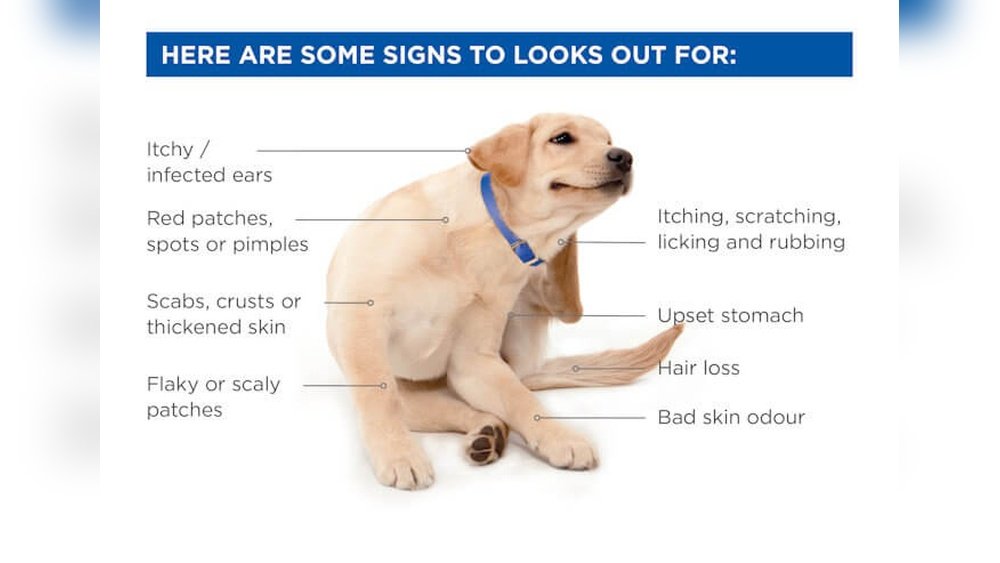
Every dog owner knows the joy of seeing their dog happy and comfortable. But when your dog starts scratching, biting, or licking their skin constantly, it can be worrying. Itchy skin in dogs is a common problem. Sometimes it’s just a minor irritation, but other times it signals something more serious. Understanding the causes is the first step to helping your dog feel better.
Many dog owners think all itching is due to fleas or allergies. However, the reasons can be much broader. From parasites and allergies to infections, dry skin, and even stress, there are many triggers. Some can be solved easily at home, while others need a veterinarian’s help.
This guide explains what causes itchy skin in dogs. You’ll learn about the most common reasons, how to spot the signs, and what you can do. If you want your dog to stay healthy and comfortable, it’s important to know what’s happening beneath the fur.
Common Causes Of Itchy Skin In Dogs
Itchy skin, or pruritus, can start suddenly or develop over time. Here are the main causes:
1. Fleas And Parasites
Fleas are the most famous cause of itching in dogs. Even one flea bite can cause hours of scratching. Some dogs are allergic to flea saliva, which makes the itching much worse. Mites (like those that cause mange) and ticks can also lead to severe irritation.
Key points:
- Fleas can be hard to see, especially in thick fur.
- Some mites are microscopic and need a vet’s test to find.
- Ticks attach to the skin and can cause local irritation or even serious diseases.
2. Allergies
Dogs can be allergic to many things. The three main types are:
- Flea allergy dermatitis (FAD): Even a few flea bites can trigger an allergic reaction.
- Food allergies: Common allergens include beef, dairy, chicken, and wheat.
- Environmental allergies (atopy): Pollen, dust mites, and mold are common triggers.
Allergies often show as itchy feet, face, ears, or belly. Unlike humans, dogs with allergies often lick or chew their skin rather than sneeze.
3. Dry Skin
Just like people, dogs can get dry skin. This is more common in winter or in dry climates. Poor nutrition, frequent baths with harsh shampoos, or underlying health issues can also cause it.
Symptoms: Flaky skin, dull coat, and more scratching than usual.
4. Skin Infections
Bacteria and yeast live naturally on a dog’s skin. But if the skin barrier is broken or the immune system is weak, these germs can multiply and cause infection. Hot spots (moist, red, oozing sores) are a common sign.
Common causes:
- Allergies that lead to scratching and open wounds.
- Humidity or wet fur.
- Poor grooming, especially in long-haired breeds.
5. Hormonal And Metabolic Diseases
Some diseases affect the skin from the inside. Hypothyroidism (low thyroid hormone) and Cushing’s disease (too much cortisol) can both cause itching, hair loss, and skin changes.
Clues: Other symptoms like weight gain, changes in energy, or increased thirst/urination.
6. Contact Irritants
Dogs can be sensitive to things they touch. This includes certain plants, cleaning chemicals, or even their bedding materials. The irritation usually appears where the skin touches the object, like the belly, paws, or chin.
7. Stress And Behavioral Issues
Sometimes, dogs lick, chew, or scratch because they’re bored, anxious, or stressed. This is called psychogenic itching or acral lick dermatitis. It can start as a small habit and grow into a big problem, leading to sores and infections.
8. Other Causes
There are less common causes, such as autoimmune diseases (where the immune system attacks the skin), genetic conditions, or certain cancers. These are rare but important to mention, especially if the itching is severe or doesn’t respond to treatment.
How To Recognize Itchy Skin In Dogs
Not all dogs scratch the same way. Some signs are obvious, while others are easy to miss.
Watch for:
- Constant scratching, biting, or licking, especially at night.
- Red, inflamed, or broken skin.
- Hair loss or bald patches.
- Scabs, bumps, or sores.
- Greasy, flaky, or smelly skin.
- Head shaking or ear scratching.
Dogs often try to hide discomfort. If you notice any of these signs, it’s time to investigate further.
How Vets Diagnose The Cause
Finding the reason for your dog’s itchy skin can be complex. Vets use a step-by-step approach:
- History and Exam: The vet will ask about your dog’s age, breed, diet, environment, and when the itching started.
- Skin tests: These may include:
- Flea combing to check for fleas.
- Skin scrapings to look for mites under a microscope.
- Fungal cultures to check for ringworm.
- Cytology (examining cells from the skin) to find bacteria or yeast.
- Allergy testing: This could be blood tests or intradermal (skin) testing.
- Food trials: Feeding a special diet for 8–12 weeks to see if food is the cause.
- Bloodwork: To check for hormonal or internal diseases.
Here’s a quick comparison of common diagnostic tests:
| Test | What It Finds | Time for Results | Notes |
|---|---|---|---|
| Skin Scraping | Mites, mange | Immediate | Quick, low cost |
| Fungal Culture | Ringworm | 1–2 weeks | Needs lab |
| Allergy Testing | Environmental allergies | Days–weeks | Blood or skin test |
| Food Trial | Food allergies | 8–12 weeks | Strict diet needed |
Fleas, Mites, And Other Parasites
Fleas are the number one cause of itching worldwide. Just because you don’t see fleas doesn’t mean they aren’t there. Flea dirt (small black specks) is often a clue. Some dogs are so sensitive that even one flea bite can cause a severe reaction.
Mites, such as Sarcoptes (scabies), Demodex, and Cheyletiella (“walking dandruff”), can all cause intense itching. They are usually spread from other animals. Mange from mites can lead to red, crusty skin and hair loss.
Ticks are visible to the naked eye and tend to attach to the ears, neck, or between the toes.
How To Reduce Parasites
- Use regular, vet-recommended flea and tick preventives.
- Wash bedding and vacuum your home often.
- Treat all pets in the household, not just the itchy one.
Allergies In Dogs: A Deeper Look
Allergies are a rising problem in dogs. Studies suggest up to 15% of dogs develop skin allergies at some point.
Flea Allergy Dermatitis
For sensitive dogs, a single flea bite can cause days of itching. The main signs are:
- Intense scratching at the base of the tail.
- Small scabs or hair loss in that area.
Food Allergies
Food allergies can develop at any age. The most common signs include:
- Non-seasonal itching (year-round).
- Red or inflamed skin around the face, feet, ears, or belly.
- Chronic ear infections.
Unlike popular belief, grains are not the top cause. Animal proteins (like beef, dairy, or chicken) are the most frequent triggers.
Environmental Allergies (atopy)
Dogs can be allergic to things in the air, like pollen, dust, or mold. Symptoms often start between ages 1 and 3.
Typical signs:
- Itching worse during certain seasons.
- Licking/chewing feet, rubbing face.
- Recurrent ear infections.
Many dogs with atopy will develop secondary infections due to constant scratching.
How Allergies Are Treated
- Avoid the allergen if possible (for example, use dust-proof bedding).
- Regular flea control is crucial, even for dogs with other allergies.
- Special diets or food trials may be needed.
- Medications like antihistamines, steroids, or new drugs (such as Apoquel or Cytopoint) may help.
- Allergy shots (immunotherapy) can reduce symptoms over time.
Skin Infections: Bacterial, Fungal, And Yeast
When the skin barrier breaks down, bacteria and yeast can multiply. This leads to:
- Red, moist, or pus-filled sores.
- Oozing “hot spots.”
- Greasy or smelly skin.
- Crusts or scabs.
Staphylococcus bacteria and Malassezia yeast are the most common culprits.
Why Infections Happen
Scratching, allergies, or injuries damage the skin, giving germs a chance to grow. Dogs with skin folds, like Bulldogs or Shar-Peis, are at higher risk.
Treatment
- Topical or oral antibiotics for bacterial infections.
- Medicated shampoos for yeast.
- Keep the skin dry and clean.
Infections often come back if the underlying cause (like allergies) isn’t treated.
Dry Skin And Poor Nutrition
Dry, flaky skin is uncomfortable and can lead to more scratching. Common causes are:
- Low humidity, especially in winter.
- Too many baths, especially with strong shampoos.
- Poor-quality food lacking essential fatty acids.
Omega-3 and Omega-6 fatty acids are key for healthy skin. Dogs with dull coats or dandruff may benefit from supplements.
How To Improve Skin Health
- Feed a complete, balanced diet with quality proteins and fats.
- Limit baths to once a month, unless prescribed by your vet.
- Use mild, dog-specific shampoos.
- Add fish oil or omega supplements if your vet agrees.
Hormonal And Metabolic Disorders
Some hormone problems cause skin changes and itching.
Hypothyroidism
Low thyroid hormone slows the metabolism. Signs include:
- Hair loss, especially on the body and tail.
- Dry, thickened skin.
- Weight gain and lethargy.
Cushing’s Disease
Too much cortisol (a hormone) weakens the skin. Symptoms:
- Thinning hair, fragile skin.
- Increased hunger, thirst, and urination.
- Pot-bellied appearance.
Both conditions need blood tests and special treatment from a vet.
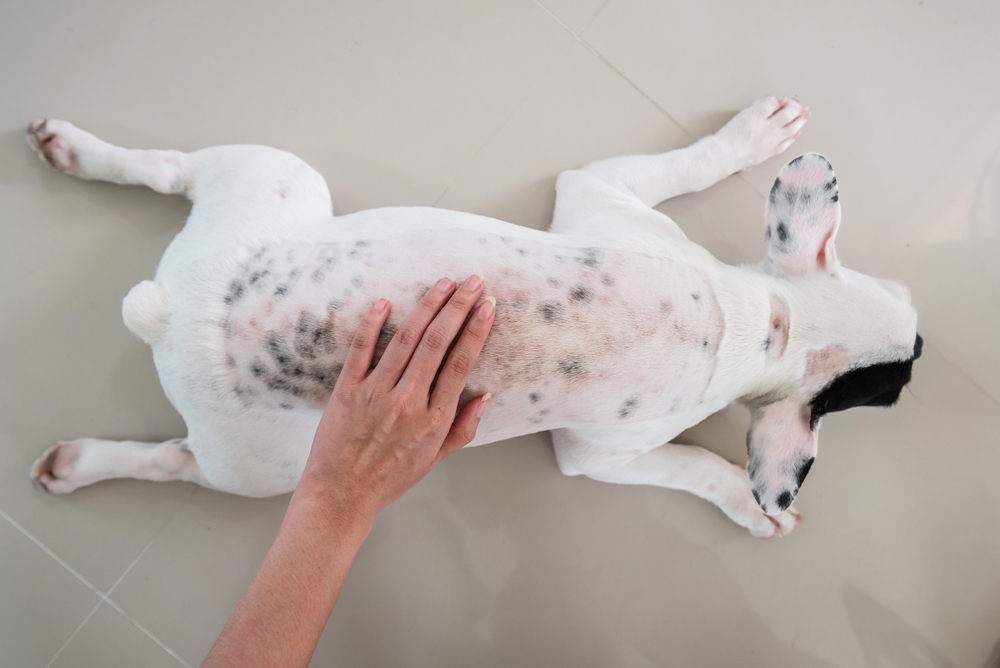
Credit: www.ovrs.com
Contact Dermatitis And Environmental Irritants
Dogs can react to things they touch. Common irritants:
- Lawn chemicals or fertilizers.
- Carpet cleaners or detergents.
- Certain plants (like poison ivy).
- Plastic bowls or collars.
Symptoms often appear where the skin contacts the irritant: belly, paws, muzzle.
How To Help
- Rinse your dog’s paws and belly after walks.
- Avoid letting your dog play on freshly treated lawns.
- Use stainless steel or ceramic bowls.
- Wash bedding with gentle, fragrance-free detergents.
Stress, Boredom, And Compulsive Itching
Dogs sometimes lick or chew due to stress, not skin disease. This is called psychogenic or compulsive itching. It often starts during changes, like moving house or a new pet in the home.
Over time, repeated licking can create sores called acral lick granulomas.
How To Reduce Stress-related Itching
- Increase playtime and exercise.
- Provide puzzle toys and mental stimulation.
- Use calming sprays or pheromones.
- Discuss behavior therapy or medication with your vet if needed.
Rare And Less Common Causes
While most cases are due to parasites, allergies, or infections, there are rarer causes:
- Autoimmune diseases: The body attacks its own skin (e.g., pemphigus, lupus).
- Genetic conditions: Some breeds, like West Highland White Terriers, are prone to inherited skin diseases.
- Cancer: Rarely, skin tumors or lymphoma can present as itching.
These conditions usually have other severe symptoms and need a specialist’s care.
Preventing Itchy Skin In Dogs
Prevention is always better than cure. Here’s how you can help your dog stay comfortable:
- Use flea and tick prevention all year round, even if you don’t see pests.
- Feed a high-quality diet with enough protein and essential fatty acids.
- Bathe your dog only when needed and use gentle, dog-safe products.
- Brush your dog regularly to remove dead hair and distribute natural oils.
- Keep bedding and living areas clean.
- Schedule regular vet check-ups for early detection of problems.
- Watch for early signs of itching or skin changes and act quickly.
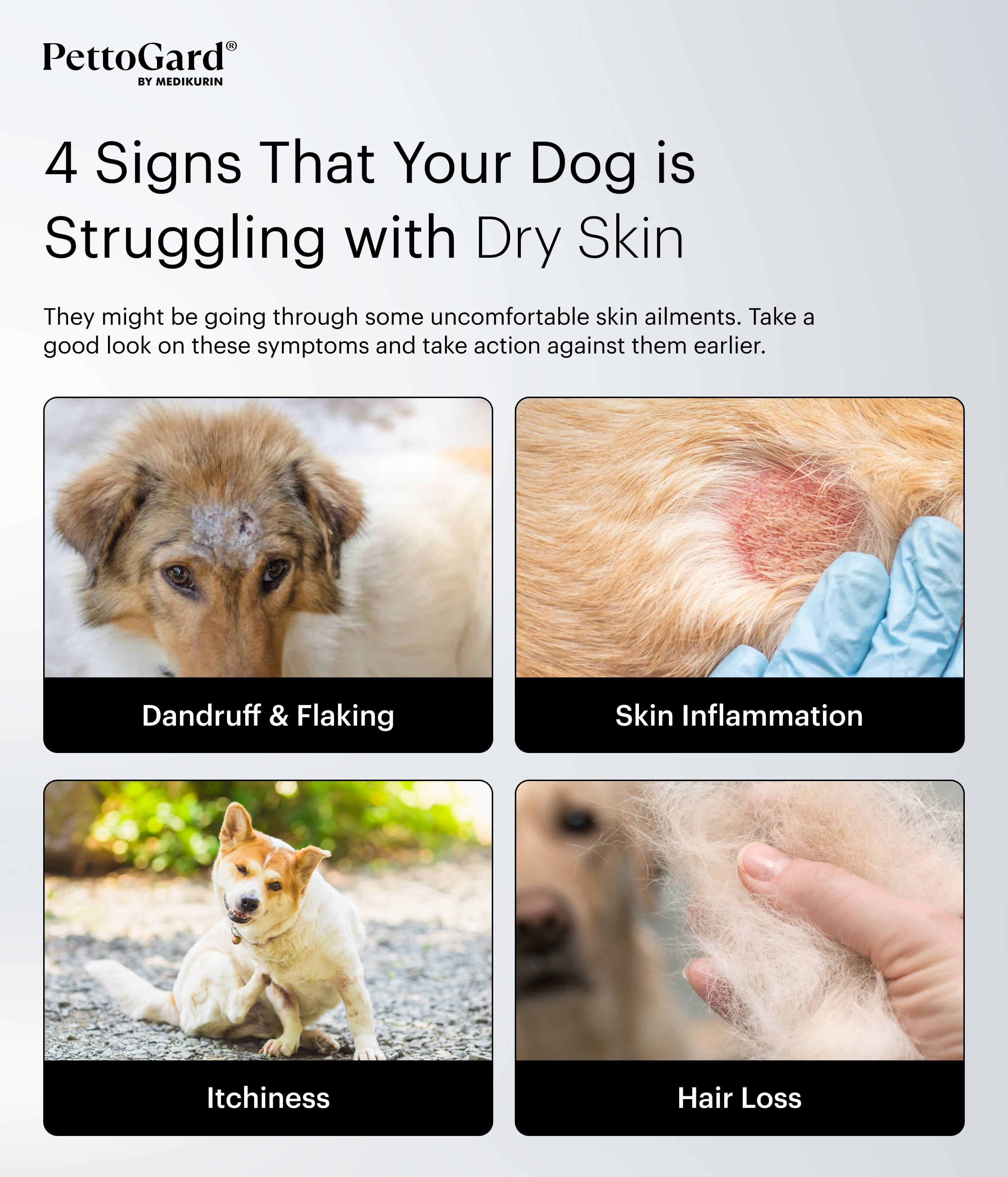
Credit: nbchealthcare.com
Breeds Prone To Skin Problems
Some breeds are more likely to develop itchy skin due to genetics, body shape, or coat type.
| Breed | Common Skin Issues | Reason |
|---|---|---|
| Bulldog | Skin fold infections | Wrinkled skin traps moisture |
| West Highland White Terrier | Allergies, dry skin | Genetic predisposition |
| Labrador Retriever | Hot spots, allergies | Active lifestyle, dense coat |
| Shar-Pei | Demodex mange, infections | Skin folds, immune factors |
| German Shepherd | Pyoderma, allergies | Thick undercoat |
If you own one of these breeds, pay extra attention to their skin health and grooming routines.
When To See The Vet
Some mild itching is normal, especially after playing outside. But see your vet if:
- The itching lasts more than a few days.
- Your dog has open sores, hair loss, or red, inflamed skin.
- There is a bad odor or discharge.
- Your dog is restless, can’t sleep, or seems in pain.
- The itching is getting worse or not responding to home care.
Many skin problems get worse if ignored. Early treatment usually means faster, easier recovery.
Home Care Tips For Itchy Dogs
If your vet rules out serious problems, you can try these steps at home:
- Oatmeal baths: Oatmeal shampoos can soothe irritated skin.
- Coconut oil: Applying a small amount to dry patches may help.
- Cool compresses: For hot spots or inflamed areas.
- Keep nails trimmed: Prevents damage from scratching.
- Use a cone or inflatable collar: If your dog won’t stop licking a spot.
Never give human medications (like Benadryl or steroids) without your vet’s advice.
Two Insights Many Owners Miss
Most owners look for fleas only if their dog goes outside, but indoor-only dogs can still get fleas. Fleas can enter the house on shoes, other pets, or even through open windows. Regular prevention is key, even for city dogs.
Another common mistake is assuming food allergies are the main cause of itching. In reality, food allergies are responsible for only about 10–15% of dog skin allergies. Environmental triggers and fleas are more common. Jumping to a grain-free or exotic diet without a proper food trial can make things worse.

Credit: allurelakestorey.com
Why Fast Action Matters
Delayed treatment means more scratching, which leads to broken skin, infections, and even long-term skin damage. Dogs can develop habits that are hard to break, even after the original problem is gone.
If you’re ever in doubt, ask your vet sooner rather than later.
Frequently Asked Questions
What Can I Do At Home If My Dog Is Itchy?
First, check for fleas, wounds, or obvious irritants. Use an oatmeal-based dog shampoo for bathing, and keep your dog’s nails trimmed to reduce skin damage. Make sure your dog is on a vet-approved flea/tick preventive. If the problem continues for more than a few days or gets worse, see your vet.
Can I Give My Dog Human Allergy Medicine?
Never give human medication without your vet’s advice. Some drugs, like Benadryl, are safe at the right dose, but others can be harmful. Always ask your vet before giving any medication.
How Do I Know If My Dog Has A Food Allergy?
Food allergies in dogs usually cause year-round itching, especially on the face, feet, ears, or belly. Chronic ear infections are also a sign. The only way to diagnose a food allergy is with a strict food trial using a special diet for 8–12 weeks.
Blood or skin tests are not reliable for food allergies.
Will My Dog’s Itchy Skin Go Away On Its Own?
Mild cases may improve with better grooming or removing irritants, but most causes need treatment. If itching lasts more than a few days, or your dog is uncomfortable, it’s important to see your vet. Untreated itching can lead to infections and more serious problems.
Where Can I Find More Information On Skin Problems In Dogs?
A good starting point is the VCA Animal Hospitals website, which provides reliable, veterinarian-approved information on dog skin diseases and treatments.
Itchy skin in dogs is a common but complex problem. By learning the main causes, symptoms, and treatments, you can help your dog live a happier, more comfortable life. Prevention, early action, and working closely with your vet are the keys to keeping your dog’s skin healthy.
Your attention to detail can make all the difference in your dog’s comfort and well-being.