Flea bites are a common problem for dogs, but many pet owners struggle to recognize them early. These tiny parasites can cause itching, discomfort, and even serious skin issues if left untreated. Understanding what flea bites look like on dogs is essential for quick action and keeping your pet healthy.
This article will give you a complete guide, from identifying flea bites to understanding their effects, with practical steps to help your dog recover.
How Do Flea Bites Appear On Dogs?
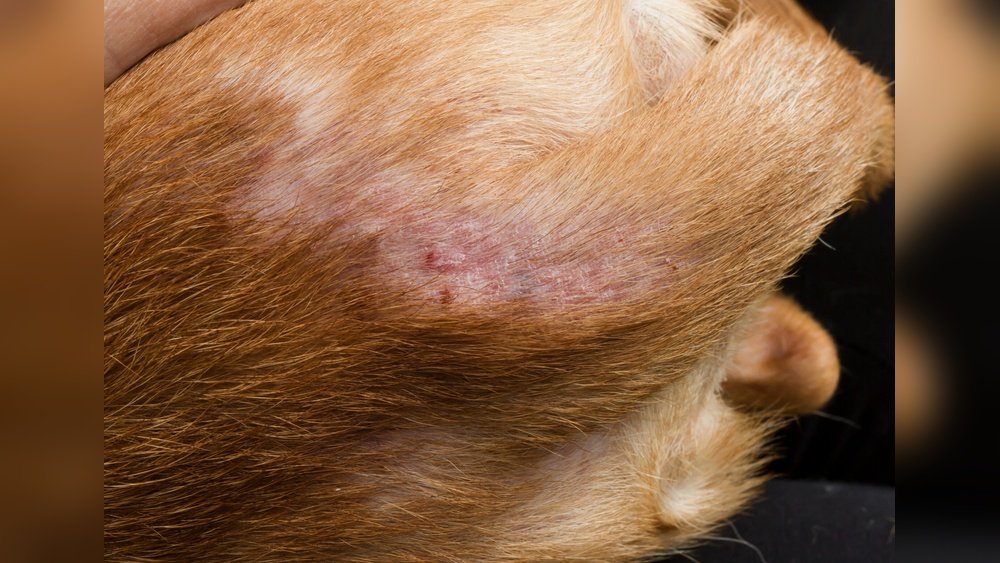
Flea bites on dogs usually look like small, red bumps. These bites are not always easy to see, especially in dogs with thick fur. However, there are certain signs that can help you spot them if you look closely.
The bites often have a red center, sometimes surrounded by a lighter red ring. They may appear in groups or clusters, especially where the fur is thinner. The most common areas are the belly, inner thighs, armpits, and base of the tail.
Flea bites tend to be very itchy for dogs, so you might see your pet scratching or biting at these spots.
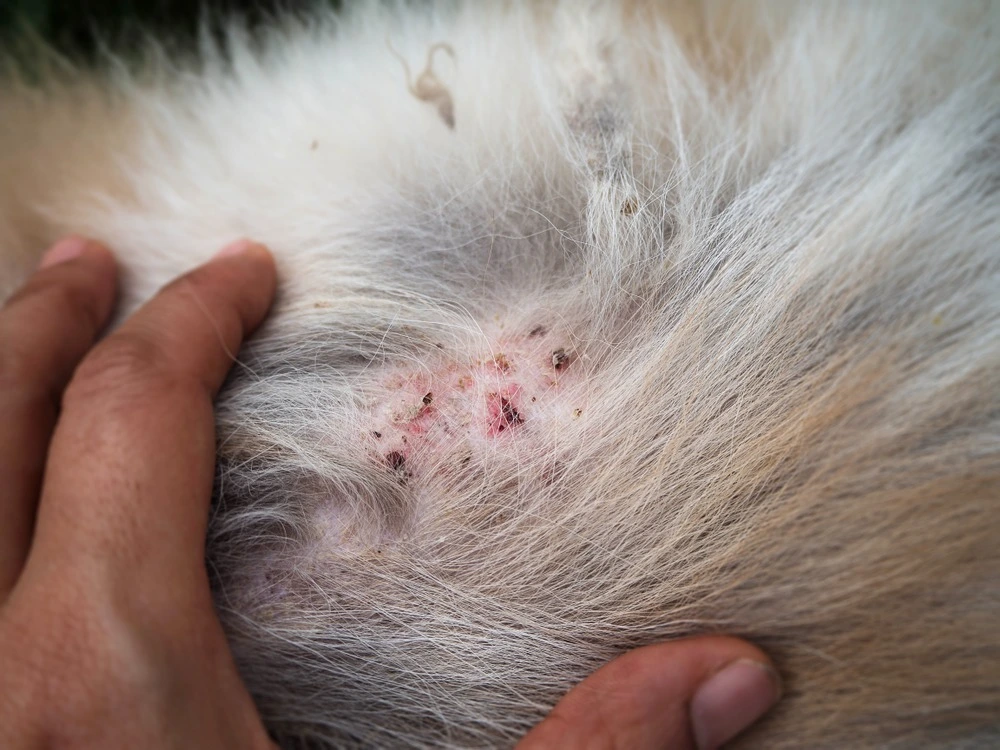
In some cases, you might see a small scab in the middle of the bump, which is caused by the dog scratching or biting the area. The skin around the bite can become irritated, leading to more redness or swelling.
Common Locations For Flea Bites
Fleas do not bite randomly. They prefer certain parts of a dog’s body where the skin is softer and easier to reach.
| Body Area | Why Fleas Prefer | How to Check |
|---|---|---|
| Belly and Groin | Thin fur, warm skin | Roll your dog gently and look for small red spots |
| Base of Tail | Dogs can’t reach well to scratch | Lift tail, part fur and check for clusters |
| Inner Thighs | Less fur, easy access | Spread back legs slightly and look closely |
| Neck and Ears | Warmth, thin skin | Check under collar and behind ears |
| Armpits | Moist, protected area | Gently lift front leg, part fur |
If you notice your dog licking, chewing, or scratching any of these areas more than usual, it’s a good time to check for flea bites.
Physical Signs Of Flea Bites
Spotting flea bites on dogs is not always easy. The physical signs can look similar to other skin problems. Still, there are a few details that can help you tell them apart.
- Small red bumps: Usually 1–2 millimeters wide, with a clear or red center.
- Clusters or lines: Flea bites often show up in groups or a short line, not single, random spots.
- Crusts and scabs: If your dog scratches, the bumps can become crusty or form small scabs.
- Hair loss: Repeated scratching can make fur thin or fall out around the bite area.
- Thickened skin: In chronic cases, the skin may become dark, thick, or leathery from ongoing irritation.
Flea bites usually do not have pus unless there is a secondary infection. If you see yellow or green discharge, you should contact your vet.
Flea Bites Vs. Other Skin Conditions
It’s important to know how flea bites look different from other common problems. Many dog owners confuse flea bites with allergies, ticks, or other insect bites. Here’s how flea bites compare:
| Condition | Appearance | Key Difference |
|---|---|---|
| Flea Bites | Small red bumps, clusters, often on lower back, thighs, belly | Very itchy, grouped, often with flea dirt nearby |
| Tick Bites | Single raised bump, sometimes with a tick still attached | Larger, usually one spot, possible tick body present |
| Allergic Reactions | Red, swollen areas, sometimes hives | May cover larger area, not clustered, not always itchy |
| Mange | Redness, hair loss, crusty patches | Thick scales, often on face and elbows |
| Mosquito Bites | Large, single raised bump | Sporadic, not grouped, usually not as itchy |
A non-obvious tip: Look for flea dirt (tiny black specks) near the bites. This is flea feces and is a strong clue that fleas are the cause.
Symptoms Accompanying Flea Bites
Flea bites do more than cause marks on the skin. Dogs often show other symptoms, some of which can become serious if not treated. Watch for these signs:
- Intense itching: Most dogs with flea bites will scratch or bite at their skin often. This can be constant, especially at night.
- Restlessness: Dogs may have trouble sleeping or seem unable to relax.
- Red, inflamed skin: The skin around bites can become swollen or warm.
- Hot spots: These are moist, red, sore patches caused by licking and scratching.
- Behavior changes: Some dogs become irritable or withdrawn from the discomfort.
- Secondary infections: If the skin is broken, bacteria can enter, causing swelling, pus, or a bad smell.
- Anemia: In severe cases, especially in puppies or small breeds, fleas can cause blood loss. The gums may appear pale.
A helpful insight: Not all dogs scratch even if they have flea bites. Some, especially older dogs, may show only subtle changes like licking paws or rubbing on furniture.
Why Do Flea Bites Cause So Much Itching?
The reason flea bites are so itchy is because of the flea’s saliva. When a flea bites, it injects saliva into the skin. This saliva contains proteins that prevent the blood from clotting and start a reaction in the dog’s immune system.
Most dogs are sensitive to these proteins, causing a release of histamine. Histamine creates the itching, redness, and swelling. Some dogs are highly allergic to flea saliva—a condition called flea allergy dermatitis (FAD). For these dogs, even a single flea bite can cause severe itching and skin problems.

Credit: petfriendlybox.com
How To Identify Flea Bites At Home
You don’t always need a vet to check for flea bites. There are simple steps you can take at home:
- Part your dog’s fur: Use your fingers or a comb to look closely at the skin, especially on the belly, base of tail, and inner thighs.
- Look for clusters of red bumps: Focus on areas where the fur is thin.
- Check for flea dirt: Wet a piece of white paper and brush some black specks from your dog’s skin onto it. If the specks turn reddish-brown, it’s flea dirt.
- Watch your dog’s behavior: Increased scratching, licking, or rubbing are strong clues.
Remember: Fleas move quickly and can be hard to see, but their bites and dirt are easier to find.
What Does Flea Dirt Look Like?
Flea dirt looks like tiny black or dark brown specks on your dog’s skin or bedding. It is actually flea feces, made mostly of digested blood. To check if it’s flea dirt, collect a few specks and wet them on a paper towel.
If they leave a rusty or reddish stain, it’s likely from fleas.
Finding flea dirt is a strong sign that your dog has an active flea problem, even if you don’t see the fleas themselves.
How Quickly Do Flea Bites Show On Dogs?
Flea bites can appear within minutes to hours after a flea jumps onto your dog. The redness and bumps may become visible in a few hours, especially if your dog is sensitive. However, some dogs may not show clear signs for a day or two.
If your dog is allergic to flea saliva, the reaction can be much faster and more severe. In these cases, you may notice intense scratching almost immediately.
Short-term Vs Long-term Effects Of Flea Bites
Flea bites can cause problems right away, but also lead to long-term skin and health issues if not managed.
Short-term Effects
- Itching and scratching
- Red bumps and mild swelling
- Small scabs from scratching
- Restlessness or sleep loss
Long-term Effects
- Thickened, darkened skin (especially at the base of the tail)
- Chronic hair loss
- Repeated skin infections (hot spots, abscesses)
- Flea allergy dermatitis (severe allergic reaction)
- Risk of anemia in puppies, older dogs, or small breeds
A useful insight: Dogs with ongoing flea exposure can develop seasonal or year-round skin problems. These do not always go away, even after fleas are removed, unless the allergies are also treated.
When To See A Vet For Flea Bites
While mild flea bites can often be treated at home, you should see a veterinarian if:
- The skin is very red, swollen, or oozing pus
- Your dog is scratching so much that it causes bleeding or sores
- Hair loss is spreading or severe
- Your dog seems weak, tired, or has pale gums (sign of anemia)
- Home treatment is not working after a week
- You see signs of a severe allergic reaction (large areas of redness, swelling, hives, or difficulty breathing)
Your vet may suggest prescription medications, antibiotics, or allergy treatments if the problem is severe.
Flea Bites And Secondary Infections
Flea bites can break the skin barrier, letting bacteria in. This often leads to pyoderma (a bacterial skin infection). Signs of infection include:
- Yellow or green pus
- Foul smell
- Hot, swollen areas
- Crusty or oozing sores
Dogs with weak immune systems or those who scratch a lot are at higher risk. Infections can spread quickly and require vet treatment. Topical antibiotics or oral medication may be needed.
Flea Allergy Dermatitis (fad)
Some dogs develop a strong allergic reaction to flea saliva. This is known as flea allergy dermatitis (FAD). It is one of the most common skin problems in dogs. Signs include:
- Intense itching, often all over the body
- Small, crusty bumps, especially at the base of the tail
- Thickened or darkened skin from chronic scratching
- Hair loss, especially on the lower back and thighs
- Hot spots or open sores
Even one flea bite can trigger a reaction in sensitive dogs. Treatment usually involves both flea control and medications to reduce the allergic reaction.
How To Treat Flea Bites On Dogs
Treating flea bites requires two steps: relieving the itching and removing fleas from your dog and home.
Relieving The Itching
- Use a gentle, soothing shampoo (oatmeal or hypoallergenic)
- Apply a vet-approved anti-itch spray or cream
- Give your dog a cool bath to reduce inflammation
- Use an Elizabethan collar if your dog won’t stop scratching
Do not use human creams or medications unless your vet says it’s safe.
Removing Fleas
- Use a vet-recommended flea treatment (spot-on, oral, or collar)
- Wash your dog’s bedding and toys in hot water
- Vacuum carpets, floors, and furniture regularly
- Treat all pets in the home, not just the affected one
- Consider professional pest control for severe infestations
A common mistake: Only treating the dog and not the environment. Fleas lay eggs in carpets, bedding, and cracks. Missing these can cause the problem to return.
Credit: arvadavethospital.com
How Long Does It Take For Flea Bites To Heal?
Most flea bites heal within 1–2 weeks if fleas are removed and the skin is not infected. Itching may last longer in allergic dogs. If your dog keeps scratching, healing can take several weeks.
If you see no improvement after 2 weeks, or if new bumps appear, consult your veterinarian.
Preventing Flea Bites
Prevention is the best way to protect your dog from flea bites. Here’s what works best:
- Year-round flea control: Use monthly preventatives recommended by your vet.
- Regular cleaning: Wash bedding, vacuum, and clean pet areas often.
- Check for fleas: Inspect your dog after walks or time outdoors, especially in warm months.
- Treat all pets: Fleas can move between animals, so treat cats and dogs together.
- Yard control: Keep grass short and remove piles of leaves or debris where fleas breed.
A non-obvious tip: Even indoor dogs can get fleas from shoes, clothes, or visitors’ pets. Keep up with prevention all year.
The Lifecycle Of A Flea
Understanding the flea lifecycle helps you know why flea bites keep coming back if you don’t treat your home. A flea goes through four main stages:
- Egg: Laid by adult fleas, falls off the dog into the environment.
- Larva: Tiny, worm-like, hides in carpet or cracks.
- Pupa: Cocoon stage, can survive for months.
- Adult: Jumps onto animals to feed and lay more eggs.
Most fleas in your home are not on your dog. About 95% are in the environment (eggs, larvae, pupae). That’s why environmental cleaning is as important as treating your pet.
Myths About Flea Bites On Dogs
Many dog owners believe common myths about fleas and their bites. Here are some facts:
- Myth: “If I don’t see fleas, my dog doesn’t have them.”
Fact: Fleas hide well and can be missed. Flea dirt or bites are stronger evidence.
- Myth: “Flea collars protect against all fleas.”
Fact: Some collars only repel, not kill fleas. Modern prescription collars are more effective.
- Myth: “Only outdoor dogs get fleas.”
Fact: Fleas can be brought indoors by people, other pets, or wildlife.
- Myth: “Flea bites are harmless.”
Fact: They can cause serious allergies, infections, and anemia, especially in puppies.
How Vets Diagnose Flea Bites
Veterinarians use several methods to confirm flea bites:
- Visual exam for red bumps, clusters, and hair loss
- Checking for flea dirt with a flea comb
- Allergy testing if flea allergy dermatitis is suspected
- Skin scrapings to rule out other conditions like mange
In some cases, vets may use a special lamp or magnifier to see fleas or their eggs.
Flea Bites In Puppies Vs. Adult Dogs
Puppies are more sensitive to flea bites than adult dogs. They have thinner skin and smaller blood volume, so even a few flea bites can cause:
- Severe itching and distress
- Faster development of anemia (pale gums, weakness)
- Higher risk of infections
Adult dogs are less likely to develop anemia, but still suffer from itching and possible allergies.
Managing Flea Bites In Multi-pet Homes
If you have more than one pet, it’s important to treat all animals at the same time, even if only one shows symptoms. Fleas move easily between hosts. Skipping one pet can restart the cycle.
Also clean all bedding, furniture, and floors, as flea eggs and larvae can survive for weeks. Consider using flea sprays or foggers for the environment, but keep pets away until the area is safe.
Home Remedies: What Works And What Doesn’t
Many pet owners look for natural remedies, but most home treatments are not effective and can be risky.
Safe options:
- Oatmeal baths can soothe itching
- Regular washing of bedding helps remove eggs
Unsafe or ineffective remedies:
- Essential oils (many are toxic to dogs)
- Garlic or onion (toxic if eaten)
- Vinegar (not proven to kill fleas)
Always check with your vet before trying new treatments.
Flea Bites And Zoonotic Diseases
Fleas can carry other diseases that affect both dogs and humans, such as:
- Tapeworms: Dogs can swallow fleas when grooming and get tapeworms.
- Bartonella (cat scratch disease): Can spread to humans via fleas.
- Plague: Rare, but possible in some regions.
Regular flea prevention protects your family as well as your pets.
Common Mistakes In Identifying Flea Bites
- Ignoring mild symptoms: Early flea bites can look like a rash or mild redness. Waiting too long allows the problem to spread.
- Treating only visible fleas: Most fleas are in the environment, not on the dog.
- Using old or expired products: These may not kill fleas and can be unsafe.
A non-obvious mistake: Bathing your dog before applying spot-on flea treatments can reduce their effectiveness. Always follow label instructions.
When Are Fleas Most Active?
Fleas are most active during warm, humid months (spring and summer), but indoor heating can allow them to survive year-round. In some areas, flea problems peak in late summer or early fall.
Keeping up with prevention even in cooler months helps break the flea lifecycle.
Real-world Example: What Owners Notice
A common scenario: A dog starts biting at the base of its tail and develops small red bumps. The owner doesn’t see fleas but notices black specks on the bedding. Within a week, the bumps spread, and the dog loses hair. After using a flea comb and finding more specks, they confirm flea dirt.
With flea treatment and cleaning, the bumps heal in two weeks. This shows how important it is to act early, even if fleas are not visible.
The Role Of Climate And Environment
Warm, humid environments allow fleas to breed year-round. Dogs living in southern U. S. states, tropical countries, or homes with carpet are at higher risk. Outdoor dogs, or those who visit parks, have more exposure. Keeping the home clean and treating all pets is key in these settings.
How To Protect Sensitive Dogs
Dogs with allergies, thin coats, or weakened immune systems need extra care. Use prescription flea preventatives and regular vet checkups. Ask your vet about allergy medications if your dog develops repeated skin problems.
Credit: mosquitojoe.com
The Importance Of Regular Skin Checks
Checking your dog’s skin weekly can catch flea bites early. Use your hands and a comb, especially during high-risk months. Look for red bumps, flea dirt, or signs of scratching. Early detection means faster relief for your pet.
Monitoring Healing And Preventing Recurrence
After treatment, watch for signs that flea bites are healing:
- Bumps shrink and fade
- Less scratching
- Fur starts to regrow
If you see new bites, check for gaps in your flea control routine. Continue prevention year-round, even if you don’t see fleas.
When To Switch Flea Treatments
Fleas can develop resistance to some products over time. If your dog keeps getting bites despite regular treatment, talk to your vet about switching brands or types (oral vs. topical). Rotate products as recommended.
The Cost Of Ignoring Flea Bites
Leaving flea bites untreated can lead to:
- Expensive vet bills for allergies or infections
- Risk of anemia and weakness in puppies
- Long-term skin damage
- Spread of fleas to other pets and people
Investing in prevention is cheaper and better for your pet’s health.
Frequently Asked Questions
What Are The First Signs Of Flea Bites On Dogs?
The first signs are usually small red bumps or clusters, often on the belly, base of the tail, or inner thighs. Dogs may scratch, lick, or chew these areas. You might also see flea dirt (tiny black specks) on the skin or bedding.
Can Flea Bites Make My Dog Sick?
Yes, especially if your dog is allergic, very young, or old. Flea bites can cause flea allergy dermatitis, skin infections, and even anemia from blood loss. In rare cases, fleas can transmit diseases like tapeworms.
How Can I Tell If It’s Flea Bites Or Another Skin Problem?
Flea bites usually appear as clusters of small red bumps in areas with thin fur. Look for flea dirt as confirmation. Other skin issues may look similar, but allergies, mange, or ticks have different patterns. If you’re unsure, ask your vet.
How Do I Get Rid Of Flea Bites On My Dog Fast?
Treat both your dog and your home. Use vet-recommended flea treatments, wash bedding, and vacuum regularly. Soothing shampoos and anti-itch sprays can help your dog feel better. Prevent re-infestation by treating all pets and areas at the same time.
Where Can I Learn More About Flea Control And Treatment?
A reliable source for information is the VCA Animal Hospitals website, which offers guidance on flea prevention and treatment.
Caring for your dog means paying attention to the small details. Recognizing what flea bites look like, acting quickly, and using effective treatments will keep your pet happy and healthy. Early detection is key—don’t wait for a major infestation before taking action.