Fleas are tiny, fast-moving pests, but their impact on pets and homes can be huge. Every year, millions of dog and cat owners search for the best way to stop flea infestations. One of the most common solutions is flea medicine—but many people wonder, “How long does flea medicine take to work?” This question is important because every hour with fleas is uncomfortable for both pets and owners. In this guide, you’ll get a clear, detailed look at how quickly different flea medicines work, what factors affect their speed, and what to expect after treatment. You’ll also learn insights that help you set realistic expectations and avoid common mistakes many pet owners make.
Understanding Flea Medicine: How It Works
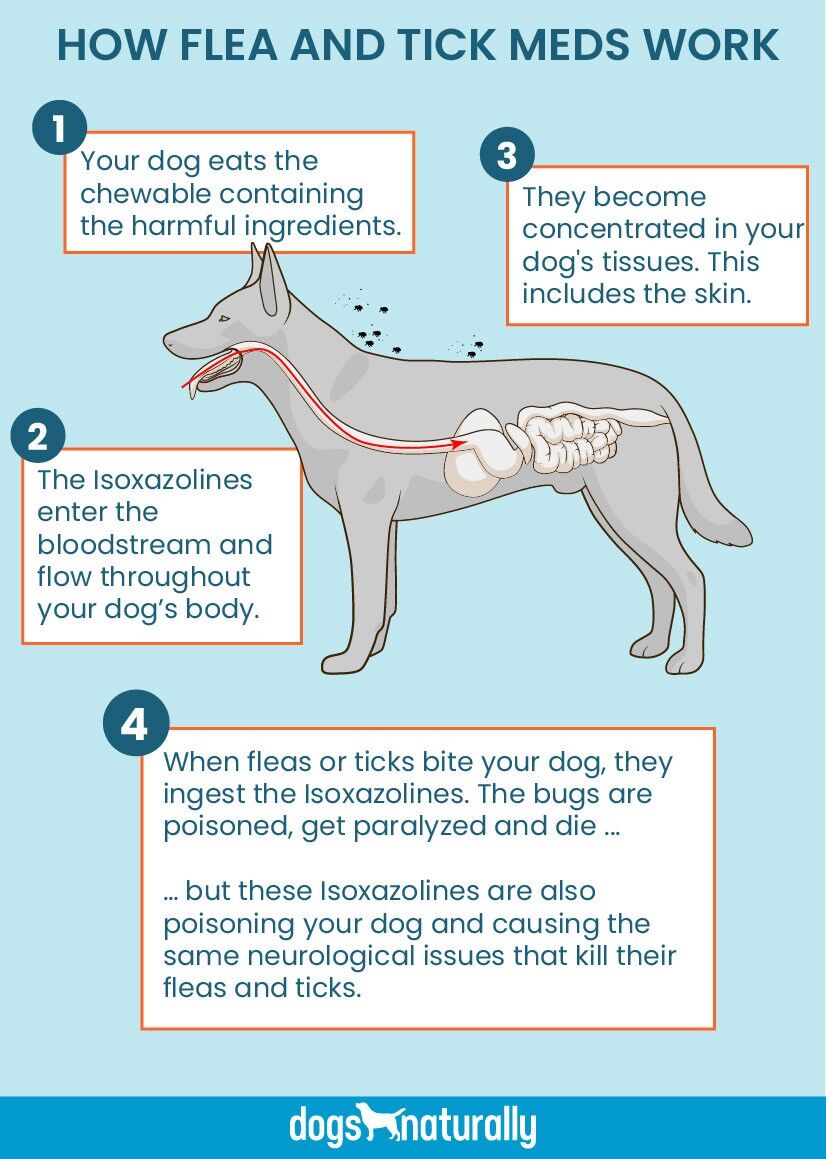
To understand how long it takes for flea medicine to work, it’s helpful to know how these treatments act on fleas. Most flea medicines contain active ingredients that target the flea’s nervous system, stopping them from biting or killing them outright. The method of delivery—topical, oral, or collar—also affects how fast and how well the medicine works.
Topical treatments are applied to the pet’s skin, usually on the back of the neck, and spread through the oil glands in the skin. Oral treatments are pills or chewable tablets that are absorbed through the stomach and enter the bloodstream.
Flea collars release small amounts of insecticide over time.
Each type has its own timeline for action. Let’s look at them in detail.
How Fast Different Types Of Flea Medicines Work
Not all flea medicines act at the same speed. Here’s what you can expect from the main types:
Topical Flea Treatments
Topical medicines like Frontline Plus, Advantage II, and Revolution are applied directly to the skin. These usually begin to kill fleas within 12 to 24 hours. The medicine spreads through the skin’s oil layer, so fleas that bite or come into contact with your pet get exposed.
- Speed: Most brands promise visible results in 12–24 hours.
- Duration: One application lasts about 30 days.
- Limitation: Does not kill flea eggs or larvae in the environment.
Example: If you use Advantage II on your cat at 8 a.m., you can expect to see dead or dying fleas by the next morning. However, you may still see some live fleas for a day or two as new fleas jump on and are exposed to the medicine.
Oral Flea Medicines
Oral flea medicines like Capstar, NexGard, Bravecto, and Simparica are given by mouth. These tend to work much faster than topical treatments.
- Speed: Capstar can kill adult fleas in as little as 30 minutes. NexGard and Simparica start killing fleas within 4–8 hours.
- Duration: Some, like Capstar, only work for 24 hours. Others, like Bravecto, last up to 12 weeks.
- Limitation: Oral medicines don’t protect against flea eggs in the environment.
Example: Giving Capstar to a heavily infested dog can lead to hundreds of dead fleas dropping off within an hour.
Flea Collars
Modern flea collars, such as Seresto, use slow-release technology to kill fleas and ticks.
- Speed: Begins to kill fleas within 24 hours of putting the collar on.
- Duration: Provides protection for up to 8 months.
- Limitation: May take longer to control a heavy infestation.
Example: You might notice fewer fleas within a day, but it could take 1–2 weeks for a severe infestation to clear.
Flea Shampoos And Sprays
Flea shampoos and sprays offer immediate relief by killing fleas on contact.
- Speed: Kills live fleas during the bath or within minutes of spraying.
- Duration: No lasting effect; reinfestation can happen quickly.
- Limitation: Often used as a first step in combination with longer-acting medicines.
Example: After a flea bath, you may see dead fleas in the water and on your pet’s towel.
Comparing Speed And Effectiveness
Here’s a quick comparison of how fast different flea medicines start working:
| Type of Flea Medicine | Time to Kill Fleas | Duration of Effect |
|---|---|---|
| Topical (Spot-On) | 12–24 hours | 30 days |
| Oral (Tablet/Chew) | 30 mins – 8 hours | 1 day – 12 weeks |
| Flea Collar | 24 hours | Up to 8 months |
| Shampoo/Spray | Immediate | Short-term |
What Affects How Quickly Flea Medicine Works?
There are several factors that can make flea medicine work faster or slower for your pet. Understanding these can help you avoid frustration and know when to expect results.
Pet’s Health And Age
Healthy adult pets usually absorb medicines better than sick, elderly, or very young animals. If your pet is very old or has a health condition, the medicine may take longer to spread through their body.
Insider tip: Puppies and kittens sometimes need special flea medicine because standard doses can be dangerous or less effective.
Type And Severity Of Flea Infestation
If your pet has a severe flea infestation (hundreds of fleas), it may take longer to see complete results. The medicine can only kill fleas that are on your pet or bite your pet. New fleas from the environment can jump on after treatment.
Application Method
Applying topical medicine incorrectly—such as on the fur instead of the skin, or using the wrong dose—can slow down results. Oral medicines must be fully swallowed and absorbed for best effect.
Common mistake: Bathing your pet soon after applying topical treatment can wash away the medicine, reducing effectiveness.
The Environment
Fleas live not just on your pet, but in your home: carpets, bedding, and furniture. If you don’t treat your home, new fleas can keep jumping onto your pet, making it seem like the medicine isn’t working.
Resistance And Product Choice
Some flea populations have developed resistance to certain chemicals. If you see no improvement after 48 hours, your local fleas may be resistant to the product you used.
Non-obvious insight: Not every product works everywhere. Sometimes, switching brands or types (for example, from topical to oral) gives better results.
What To Expect After Giving Flea Medicine
Many pet owners hope for instant results, but it’s important to know what’s normal after treatment.
First 24 Hours
- You may see fleas moving more actively as they are affected by the medicine.
- Some pets may scratch more as fleas die.
- Dead fleas may be seen in your pet’s bedding or on the floor.
Day 2 To Day 7
- Most adult fleas should be dead or dying.
- You may still see a few live fleas, especially if the environment is infested.
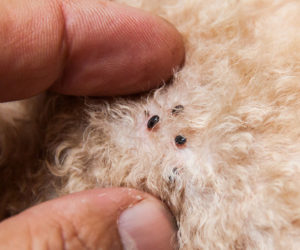
- Flea dirt (black specks) may still be present but should decrease.
After One Week
- If the medicine is effective, your pet should be comfortable.
- Any new fleas jumping on should die quickly if the medicine is still active.
Non-obvious insight: Even after all visible fleas are gone, flea eggs in the environment can hatch for weeks. This means you might see a few fleas for up to a month, even with the best medicine.
How To Help Flea Medicine Work Faster
If you want the fastest results, there are several things you can do to help the process along.
- Treat All Pets: Fleas jump between animals. Treat every pet in your home at the same time.
- Clean the Environment: Wash bedding, vacuum carpets and furniture, and empty the vacuum outside.
- Follow Directions Exactly: Use the right dose, apply to the skin (not fur), and don’t bathe your pet right after topical treatment.
- Combine Fast and Long-Term Treatments: Use a fast-acting oral tablet (like Capstar) with a longer-lasting topical or collar for immediate and sustained relief.
When To Worry: Signs The Medicine Isn’t Working
Sometimes, flea medicine doesn’t seem to work. Here’s how to know when you need to act:
- No change after 48 hours: If you still see lots of live fleas after two days, something is wrong.
- Incorrect Application: Double-check that the medicine was applied or given correctly.
- Wrong Product: Some products are for dogs only, others for cats. Using the wrong one can be dangerous or ineffective.
- Flea Resistance: If your area is known for resistant fleas, ask your vet about alternatives.
Pro tip: If you see no improvement, call your veterinarian. They can recommend other products or check for other problems like allergies or skin infections.
Safety And Side Effects
Every medicine has possible side effects. Most pets tolerate flea medicine well, but some may show:
- Mild itching or redness at the application site (topical)
- Vomiting or diarrhea (oral)
- Lethargy or acting “off” for a day
Serious reactions are rare but include difficulty breathing, seizures, or severe weakness. If you see these, call your vet immediately.
Real-world example: Some small dogs are sensitive to certain oral flea pills and may vomit. Giving the pill with food can reduce this risk.
Flea Life Cycle: Why One Dose Isn’t Always Enough
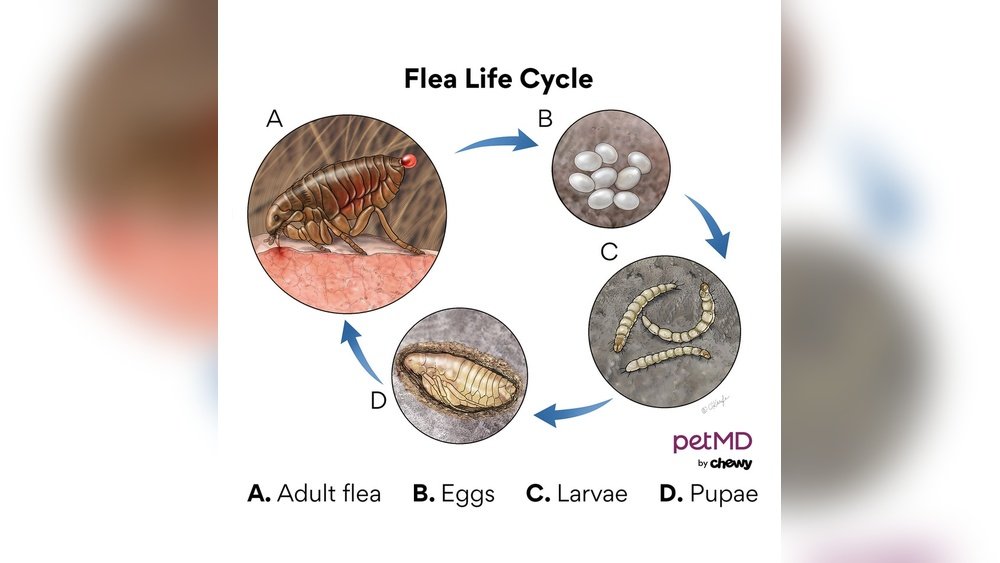
Fleas have a life cycle with four stages: egg, larva, pupa, adult. Most flea medicines kill adult fleas but do not kill eggs or pupae. This means new fleas can keep appearing for weeks after treatment as eggs hatch.
Life Cycle Timeline
| Stage | Duration | Where Found |
|---|---|---|
| Egg | 2–10 days | Pet, bedding, carpets |
| Larva | 5–20 days | Carpets, cracks, bedding |
| Pupa | 1 week–several months | Pupae in cocoons in environment |
| Adult | Up to 100 days | On pet |
This explains why you may see fleas up to a month after the first dose. Consistent use of medicine and cleaning is needed to break the cycle.
Credit: www.hartz.com
Common Mistakes That Delay Results
Many owners make simple mistakes that slow down how quickly flea medicine works. Avoid these for best results:
- Bathing too soon: Washing your pet within 48 hours of topical application washes away the medicine.
- Splitting doses: Giving a smaller dose than recommended reduces effectiveness.
- Treating only one pet: Fleas will simply move to untreated pets.
- Not treating the home: Skipping vacuuming and washing bedding means eggs and larvae survive.
How Long Does It Take To See No Fleas At All?
Most pet owners want to know when they can expect to see zero fleas. Here’s a realistic timeline:
- Mild infestations: 1–3 days to see most fleas gone.
- Moderate infestations: 1–2 weeks for full control.
- Severe infestations: Up to 4 weeks to see no fleas, as eggs keep hatching.
Remember, seeing an occasional flea after treatment is normal while the environment clears. Consistent treatment and cleaning are key.

Credit: www.toe-beans.com
Flea Medicine For Dogs Vs. Cats: Does Speed Differ?
Cats and dogs process flea medicines a bit differently. Most oral tablets work faster in dogs because of their metabolism. However, the difference is usually just a few hours.
Important: Never use dog-only flea medicine on cats. Cats are more sensitive and can have severe side effects.
Natural And Alternative Flea Remedies: How Fast Are They?
Many owners ask about natural flea treatments like essential oils, vinegar, or herbal sprays. These methods usually work much slower, if at all, compared to commercial products. Some natural options may repel fleas but rarely kill them instantly.
Warning: Many “natural” products can be toxic to pets, especially cats. Always check with your vet before using any alternative treatment.
Case Studies: Real-world Timelines
- Mild Infestation, Topical Treatment: A family applies Frontline Plus to their indoor-outdoor cat. Fleas begin dying within 12 hours. By day 3, they see only one or two fleas. No new fleas after 7 days.
- Heavy Infestation, Oral and Environmental Treatment: A dog with hundreds of fleas receives Capstar (oral) and a Seresto collar. The owner vacuums daily and washes bedding. Dead fleas appear within 1 hour. By day 5, only a few fleas are seen. By week 3, the problem is gone.
- Resistant Fleas: A cat treated with a popular topical shows no improvement after 3 days. The owner switches to an oral medicine recommended by the vet. Fleas are gone within 24 hours.
How To Monitor Success
Track your pet’s progress with a flea comb and watch for these signs:
- Fewer fleas found during daily checks
- Less scratching and discomfort
- Less flea dirt in fur and bedding
If you see no improvement after a week, consider changing products or consulting your veterinarian.
How To Choose The Right Flea Medicine For Fast Results
Selecting the best flea medicine depends on your pet, the severity of the infestation, and your ability to treat the environment. Here’s a quick reference:
| Situation | Best Option | Why |
|---|---|---|
| Fastest Kill | Capstar (oral) | Kills fleas in 30 minutes |
| Long-Term Prevention | Seresto collar or Bravecto (oral) | Months of protection |
| Young Kittens/Puppies | Vet-recommended topical | Safe for age and weight |
| Allergic Pets | Vet advice needed | Some medicines not suitable |
| Heavy Home Infestation | Oral + environmental treatment | Immediate and long-term action |
Tips For Lasting Flea Control
- Continue treatment all year: Fleas can survive indoors year-round.
- Treat all pets: Even if only one has fleas.
- Clean your home regularly: Focus on dark, warm places fleas like.
- Store medicine properly: Heat and sunlight can reduce effectiveness.
Credit: www.dogsnaturallymagazine.com
Frequently Asked Questions
How Long After Flea Treatment Can I Bathe My Pet?
Wait at least 48 hours after applying topical flea medicine before bathing your pet. This allows the medicine to absorb into the skin. Oral flea medicines usually allow bathing any time, but check the product instructions.
Why Am I Still Seeing Fleas After Treatment?
You may see fleas for several weeks after treatment because flea eggs and pupae in the environment keep hatching. Consistent medicine use and cleaning are needed to break the flea life cycle.
Can I Use Two Flea Products At The Same Time?
Some combinations are safe (for example, an oral and a topical), but others can be dangerous. Always ask your vet before using more than one flea product at a time.
How Do I Know If Fleas Are Gone?
Check your pet with a flea comb daily. No live fleas, less scratching, and no flea dirt are good signs. Also, check bedding and carpets for fleas or black specks.
Are There Any Reliable Sources For More Information?
Yes. The American Veterinary Medical Association offers trusted advice about flea control and pet health. Visit their site at AVMA.
Flea problems can be frustrating, but with the right medicine, careful cleaning, and realistic expectations, you can get them under control. Remember, most flea medicines start working within hours, but full relief takes time and consistency. If you stay patient and follow expert advice, your pet and your home can be flea-free once again.