Lyme disease is one of the most common tick-borne illnesses affecting dogs in many parts of the world, especially in North America, Europe, and Asia. If you are a dog owner, it is crucial to understand how this disease can impact your pet’s health.
Lyme disease can be subtle and confusing, with symptoms that may appear weeks or even months after a tick bite. Missing the signs can delay treatment, causing discomfort and, in severe cases, lasting health problems for your dog.
This article will guide you through everything you need to know about Lyme disease in dogs: what causes it, how it spreads, the wide range of symptoms, how it is diagnosed, and what treatment involves. You will also discover practical tips for prevention and learn how to help your dog recover if they are affected. With this knowledge, you can make confident decisions for your pet’s well-being and respond quickly if you suspect Lyme disease.
What Is Lyme Disease In Dogs?
Lyme disease is caused by the bacterium Borrelia burgdorferi, which is transmitted to dogs through the bite of infected black-legged ticks (commonly called deer ticks). Unlike some illnesses that spread quickly, Lyme disease often develops slowly, sometimes taking weeks or months to show any signs.
Dogs do not transmit Lyme disease directly to people or other pets; the infection only occurs through the bite of a tick carrying the bacteria. Not every tick carries Lyme disease, but in some regions, as many as one in four ticks may be infected.
The Centers for Disease Control and Prevention (CDC) reports that thousands of dogs are diagnosed with Lyme disease each year in the United States alone. However, many more cases likely go unreported, as some dogs show mild or no symptoms.
How Dogs Get Lyme Disease
Ticks thrive in grassy, bushy, and wooded areas. Dogs are at risk anytime they walk, play, or live in environments where ticks are present. Ticks are most active in spring and summer, but can bite during any warm period.
The process of infection goes like this:
- A tick attaches to a dog, usually for 24–48 hours or more.
- The tick feeds on the dog’s blood.
- If the tick carries Borrelia burgdorferi, bacteria enter the dog’s bloodstream.
- Infection can spread to various organs and tissues, especially joints, kidneys, and, rarely, the heart or nervous system.
It’s important to know that most dogs exposed to ticks do not develop Lyme disease. Of those that do, not all will show obvious symptoms, making regular tick checks and prevention very important.
Lyme Disease Symptoms In Dogs
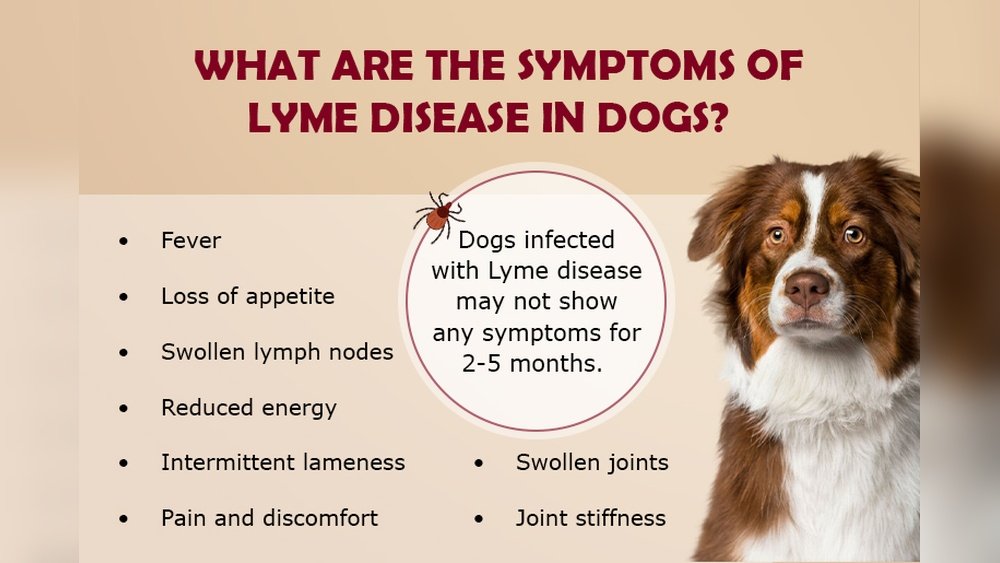
Dogs can react to Lyme disease in many ways. Some may have only mild discomfort, while others develop severe health problems. Symptoms usually appear 2–5 months after the tick bite, but timing can vary.
Common Symptoms
- Lameness and Joint Pain
- One of the most frequent signs is shifting lameness, where your dog limps on one leg, then another. This happens because the infection travels through the bloodstream and inflames different joints.
- Joints may feel swollen, hot, and sore. Dogs might have trouble standing up, walking, or even refuse to move.
- Fever
- Many dogs develop a mild to high fever (often around 103–105°F or 39.4–40.5°C).
- Fever may come and go, making it hard to notice if you don’t check regularly.
- Lethargy
- Dogs with Lyme disease often seem less interested in playing, walking, or interacting with family.
- You may notice your dog sleeping more, moving slowly, or lacking energy.
- Loss of Appetite
- Infected dogs sometimes eat less or refuse food altogether.
- Reduced appetite may lead to weight loss if the illness lasts for weeks.
- Swollen Lymph Nodes
- Lymph nodes near the affected joints often become enlarged as the body tries to fight infection.
- Swelling is usually painless but noticeable to the touch.
- Generalized Stiffness or Discomfort
- Dogs may seem stiff, especially after rest. They might struggle to get up from lying down.
- This stiffness is sometimes mistaken for aging or arthritis.
- Sensitivity to Touch
- Some dogs become more sensitive and may yelp or move away when touched, especially near joints.
Less Common Symptoms
- Kidney Problems
- In rare cases, Lyme disease can lead to Lyme nephritis, a type of serious kidney inflammation.
- Signs include vomiting, diarrhea, increased thirst, frequent urination, and swelling (especially in the legs or under the skin).
- This complication is most common in Labrador Retrievers, Golden Retrievers, and Shetland Sheepdogs.
- Heart Abnormalities
- Very rarely, the disease can cause an irregular heartbeat or other cardiac problems.
- Most cases are mild and do not cause sudden death, but severe heart involvement can be fatal.
- Nervous System Issues
- In a small number of dogs, Lyme disease affects the brain or nerves, leading to seizures, behavior changes, or loss of coordination.
- These signs are less common but very serious.
- Eye Problems
- Some dogs develop inflammation inside the eyes, causing redness, squinting, or vision changes.
Chronic Symptoms
If Lyme disease is not treated, some dogs develop chronic joint pain, recurring lameness, or long-term kidney disease. These long-term effects can be difficult to manage and reduce your dog’s quality of life.
Table: Common Vs. Rare Symptoms Of Lyme Disease In Dogs
| Common Symptoms | Less Common Symptoms | Chronic Symptoms |
|---|---|---|
| Lameness | Kidney issues | Recurring joint pain |
| Fever | Heart abnormalities | Kidney disease |
| Lethargy | Nervous system signs | Stiffness |
| Loss of appetite | Eye problems | Lameness |
| Swollen lymph nodes |
How To Recognize Lyme Disease Symptoms Early
Recognizing Lyme disease early is challenging because symptoms are often vague and slow to develop. Here are some practical tips for early detection:
- Watch for subtle changes in behavior or movement, such as reluctance to climb stairs or jump.
- Feel your dog’s joints and limbs regularly for swelling or warmth.
- Check for fever using a rectal thermometer if your dog seems ill.
- Look for shifting lameness, where limping moves from one leg to another.
- If your dog has been in tick-prone areas, be extra alert for any of these symptoms in the following months.
Non-obvious Insights
- Not all infected dogs get sick: Up to 90% of dogs bitten by infected ticks may never develop symptoms. This means some pets may carry the bacteria without showing any signs at all.
- Symptoms can come and go: Lameness and fever can improve, then return weeks later, making it easy to mistake for sprains or minor injuries.
Diagnosing Lyme Disease In Dogs
Because Lyme disease symptoms can look like many other problems, diagnosis is not always straightforward. Your veterinarian will use a combination of your dog’s history, physical exam, and specific tests.
Diagnostic Steps
- History and Physical Exam
- Your vet will ask about recent tick exposure, travel history, and when symptoms started.
- A hands-on exam checks for pain, swelling, fever, and other clues.
- Blood Tests
- The most common test is a C6 antibody test, which checks for the body’s immune response to Borrelia burgdorferi.
- Another test, the 4DX SNAP test, also screens for other tick-borne diseases.
- Blood tests may not detect early infection, as antibodies take weeks to develop.
- PCR Test
- Polymerase Chain Reaction (PCR) tests can find the bacteria’s DNA in the blood or joint fluid. These are used less often but can confirm active infection.
- Urine and Kidney Tests
- If kidney involvement is suspected, urine and blood tests help assess kidney function and protein loss.
- X-rays or Joint Fluid Analysis
- In severe joint cases, X-rays or extracting joint fluid may help rule out other problems.
Table: Diagnostic Tools For Lyme Disease In Dogs
| Test | What It Detects | When Used |
|---|---|---|
| C6 Antibody Test | Immune response to Borrelia | Routine screening |
| 4DX SNAP Test | Multiple tick-borne diseases | Initial screening |
| PCR Test | Bacterial DNA | Suspected active infection |
| Urine/Kidney Tests | Kidney health | If kidney issues present |
| X-rays | Joint damage | Severe lameness |
Treatment Of Lyme Disease In Dogs
When Lyme disease is diagnosed, the main treatment is antibiotics. Most dogs respond well if treated early.
Antibiotic Therapy
- Doxycycline is the most common antibiotic, usually given for at least 4 weeks.
- Other antibiotics such as amoxicillin or cefovecin may be used for dogs that cannot tolerate doxycycline.
- Improvement is often seen within 2–5 days, especially for fever and lameness.
- It is important to finish the full course even if your dog seems better, to fully clear the bacteria.
Supportive Care
- Pain relief: Non-steroidal anti-inflammatory drugs (NSAIDs) may be prescribed for joint pain.
- Rest: Limiting exercise helps prevent further joint injury while your dog heals.
- Fluids: Dogs with kidney problems may need intravenous fluids or special diets.
- Ongoing monitoring: Blood and urine tests may be repeated to ensure recovery and check for complications.
Complicated Cases
In rare cases with kidney, heart, or nervous system involvement, treatment can be more complex:
- Hospitalization may be needed for intravenous antibiotics, fluids, or other care.
- Kidney diets and medications to reduce protein loss can help manage Lyme nephritis.
- Cardiac drugs or anticonvulsants may be necessary for heart or nervous system problems.
Table: Common Treatments For Lyme Disease In Dogs
| Treatment | Purpose | Notes |
|---|---|---|
| Doxycycline | Antibiotic | Most effective if started early |
| Amoxicillin | Antibiotic | Alternative for sensitive dogs |
| NSAIDs | Pain relief | Reduces joint pain and swelling |
| IV Fluids | Support kidney function | Used in severe cases |
| Rest | Promote healing | Essential during treatment |
Non-obvious Insights
- Some dogs remain carriers: Even after successful treatment, dogs can still test positive for Lyme antibodies for months or years. This does not always mean they need more antibiotics—your vet will consider symptoms, not just test results.
- Relapse is rare but possible: If a dog’s immune system is weakened, symptoms may return. Always inform your vet of any new signs, especially after known Lyme disease.
Recovery And Long-term Management
Most dogs recover fully after treatment, especially if diagnosed and treated early. However, some may develop chronic joint pain or kidney problems that require ongoing care.
What To Expect After Treatment
- Rapid improvement is typical, but joint stiffness or lameness may take weeks to resolve completely.
- Follow-up visits are important to monitor kidney function and watch for relapse.
- In severe cases, lifelong management may be needed, especially for dogs with Lyme nephritis.
How To Help Your Dog Recover
- Provide a comfortable resting place to reduce joint stress.
- Stick to your vet’s medication schedule, and do not stop antibiotics early.
- Monitor water intake and urination to catch kidney issues early.
- Return to normal activity slowly after your vet gives the okay.
Prevention: Protecting Your Dog From Lyme Disease
Prevention is the best way to protect your dog from Lyme disease. Ticks are most active in warmer months, but can bite any time temperatures are above freezing.
Tick Control Strategies
- Tick Preventive Products
- Use topical spot-on treatments, oral medications, or tick collars as recommended by your veterinarian.
- Products containing fipronil, fluralaner, sarolaner, or afoxolaner are highly effective against ticks.
- Regular Tick Checks
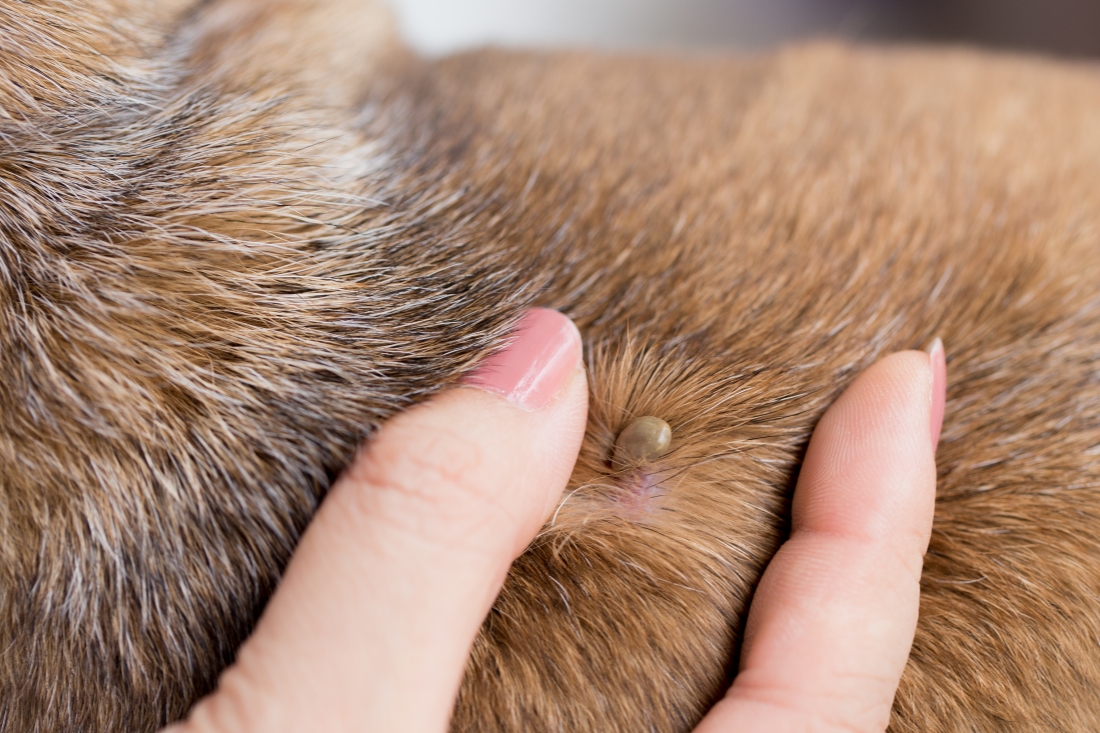
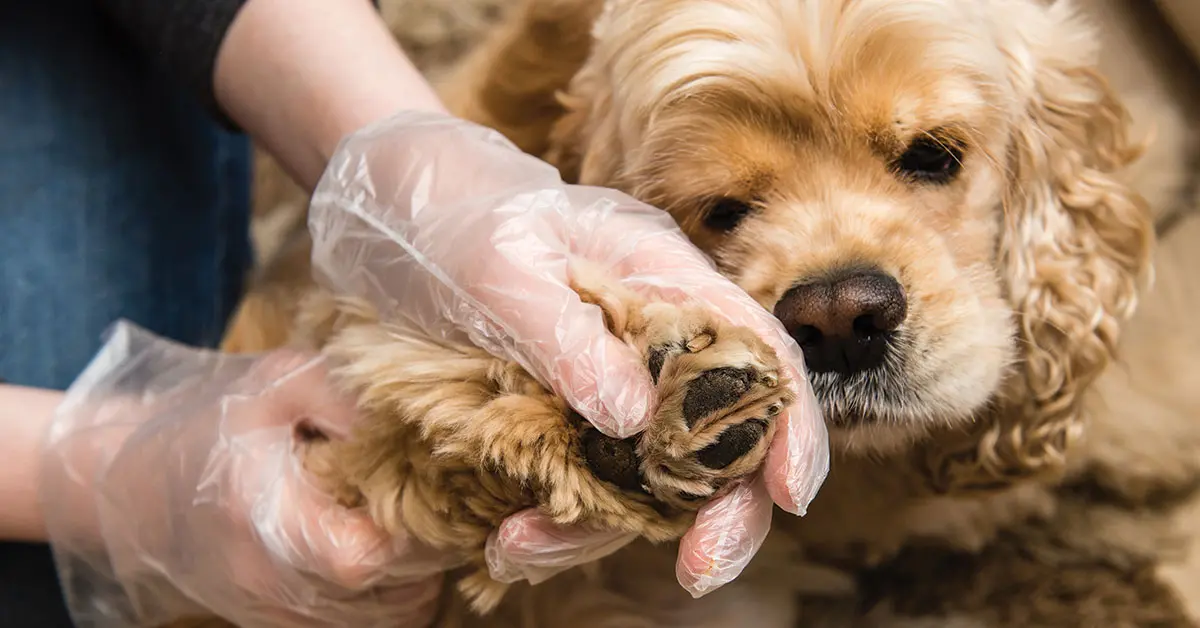
- Check your dog’s fur, ears, armpits, groin, and between the toes after walks.
- Ticks must be attached for 24–48 hours to transmit Lyme disease, so prompt removal reduces risk.
- Yard Management
- Keep grass mowed and remove leaf litter where ticks hide.
- Limit your dog’s access to tall weeds, brush, and wooded areas.
- Avoid Tick Habitats
- Stick to clear paths when hiking.
- Avoid letting your dog roam in dense undergrowth.
- Vaccination
- Lyme disease vaccines are available for dogs in high-risk areas.
- Vaccination is not 100% effective but can reduce the risk of severe illness.
Tick Removal Tips
- Use fine-tipped tweezers to grasp the tick close to your dog’s skin.
- Pull steadily and gently—do not twist or crush the tick.
- Clean the bite area with antiseptic.
- Save the tick in a sealed container for identification if your dog gets sick later.
Non-obvious Prevention Insights
- Ticks can be active in winter: In some climates, ticks emerge on mild winter days. Year-round protection may be needed.
- Tick checks matter even with preventives: No product is 100% effective. Regular checks and quick removal remain essential.

Credit: www.mypawsitivepals.com
When To See A Veterinarian
If your dog shows any of the following, contact your veterinarian promptly:
- Sudden or ongoing lameness
- Swollen joints or unexplained stiffness
- High fever or loss of appetite lasting more than a day
- Signs of kidney trouble (vomiting, increased thirst, swelling)
- Any signs after recent tick exposure
Early treatment leads to the best outcome and can prevent chronic complications.
Lyme Disease In Dogs Vs. Humans
Lyme disease affects both dogs and humans but presents differently. Humans often develop a “bull’s-eye” rash soon after the bite, which is rare in dogs. Dogs are more likely to suffer from joint pain and, in severe cases, kidney problems.
Humans can get Lyme disease from the same ticks, but not directly from infected dogs.
For more on Lyme disease in humans, the CDC Lyme Disease resource provides detailed information.
Credit: westeanimalhospital.com
Frequently Asked Questions
What Are The First Signs Of Lyme Disease In Dogs?
The first signs are usually lameness, joint pain, and fever. Dogs may appear tired, lose interest in food, and be sensitive to touch. These symptoms often develop weeks after a tick bite.
Can My Dog Recover Fully From Lyme Disease?
Most dogs recover completely with early antibiotic treatment. Some may experience lingering joint pain or, rarely, kidney problems. Following your vet’s advice and finishing all medication is key to full recovery.
Is Lyme Disease In Dogs Contagious To Other Pets Or People?
No, Lyme disease is not directly contagious between dogs, people, or other pets. The disease only spreads through the bite of an infected tick, not from saliva, urine, or close contact.
How Can I Prevent Lyme Disease If I Live In A Tick-prone Area?
Use year-round tick prevention products, check your dog daily for ticks, keep your yard tidy, and talk to your vet about the Lyme vaccine. Avoid areas with heavy tick populations when possible.
Are Some Dog Breeds More At Risk For Lyme Disease Complications?
Yes, breeds like Labrador Retrievers, Golden Retrievers, and Shetland Sheepdogs are more likely to develop serious kidney problems (Lyme nephritis) if infected. All dogs, however, can get Lyme disease if bitten by an infected tick.
Final Thoughts
Lyme disease is a real risk for dogs in many regions, but with knowledge and vigilance, you can protect your pet. Understanding the symptoms, knowing how to recognize early warning signs, and taking swift action make all the difference. Prevention through tick control and smart outdoor habits is your best defense.
If you ever suspect Lyme disease, trust your instincts and seek veterinary care promptly—your dog’s health and comfort depend on it.
Credit: urgentvet.com