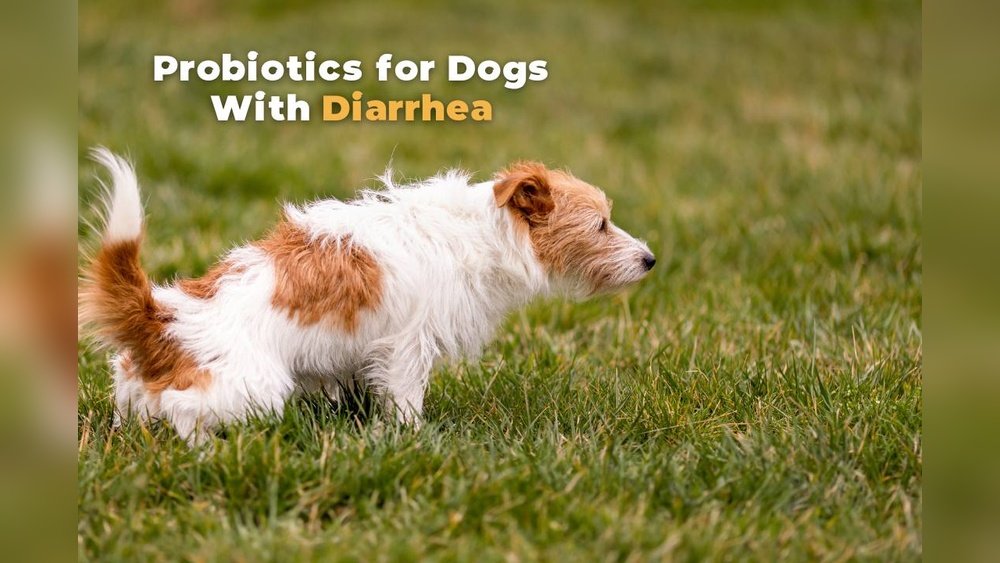
Every dog owner knows the worry that comes when their beloved pet suffers from diarrhea. It can be messy, stressful, and sometimes even dangerous if it lasts too long. You want to help your dog feel better, but you also want to understand what is safe and effective. One solution that has been gaining attention is probiotics for dogs with diarrhea. If you’re considering this option, you probably have questions: What are probiotics? How do they help? Are they safe for all dogs? This article will guide you through everything you need to know, from basic science to practical choices and common mistakes to avoid.
What Are Probiotics And Why Do Dogs Need Them?
Probiotics are living microorganisms—mainly bacteria and sometimes yeast—that can offer health benefits when given in the right amounts. While the word “bacteria” often sounds negative, some bacteria are actually good for the body. In dogs, these beneficial bacteria live mostly in the gut and help with digestion, nutrient absorption, and immune support.
When a dog has diarrhea, the balance between good and bad bacteria in the gut often shifts. This is called dysbiosis. Stress, sudden food changes, infections, antibiotics, or even certain illnesses can cause this imbalance. Adding probiotics can help restore the balance, making digestion smoother and reducing the length and severity of diarrhea.
But there’s more to the story than just “balancing bacteria. ” The gut is a complex ecosystem. When the good bacteria die off or are overwhelmed by bad bacteria, the gut lining can become inflamed. This can make it harder for your dog to absorb water and nutrients, leading to more frequent and watery stools.
Probiotics can help by creating a protective barrier on the gut wall, making it harder for harmful bacteria to stick and cause trouble. They also help produce natural chemicals that keep bad bacteria under control.
Another key benefit is that probiotics can help rebuild the gut after it’s been damaged. For example, if your dog had to take antibiotics, both good and bad bacteria are wiped out. Probiotics help repopulate the gut with healthy bacteria, restoring normal function faster.
Common Causes Of Diarrhea In Dogs
Understanding why your dog has diarrhea can help you decide if probiotics are the right solution. Here are the most common triggers:
- Dietary changes: Switching food suddenly can upset your dog’s digestive system. Even a small change, like giving a new treat or table scrap, can cause loose stools in sensitive dogs.
- Infections: Bacteria, viruses, or parasites can cause gut problems. Giardia, parvovirus, and salmonella are a few examples that can trigger severe diarrhea.
- Stress: New environments, loud noises, or travel may lead to diarrhea. Some dogs have “nervous stomachs” and can get diarrhea from car rides, visitors, or moving to a new home.
- Medications: Antibiotics, in particular, can kill both bad and good bacteria. Other medicines like NSAIDs (pain relievers) can also upset the gut.
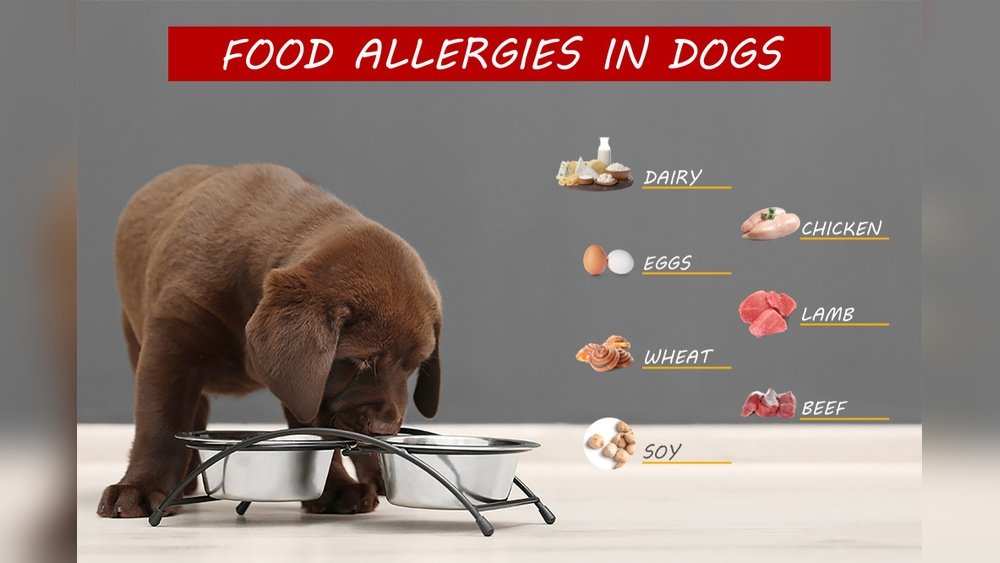
- Food intolerance: Some dogs cannot digest certain ingredients. Common triggers include dairy, wheat, soy, or artificial additives.
- Chronic illnesses: Diseases like inflammatory bowel disease (IBD) can affect digestion. Pancreatitis, liver disease, or kidney problems may also lead to ongoing loose stools.
Sometimes, diarrhea is mild and passes quickly. Other times, it signals a serious problem. If diarrhea is severe, includes blood, or lasts more than a day or two, always consult your veterinarian. Puppies, senior dogs, and small breeds can become dehydrated very quickly, which can be life-threatening if not treated.
A non-obvious insight: Even healthy dogs that seem to tolerate many foods can suddenly develop diarrhea as they age, or after a stressful event. Don’t assume that a dog who was always fine before will always handle dietary changes or stress well.
How Probiotics Work In The Canine Gut
The gut is often called the “second brain” because of its important role in health. In dogs, the gut is home to trillions of bacteria, both helpful and harmful. Probiotics work by:
- Adding good bacteria: They help outnumber the bad, supporting a balanced gut.
- Producing acids: Some probiotics make lactic acid, which lowers gut pH and limits harmful bacteria.
- Supporting the immune system: Healthy gut bacteria help the body fight off infections.
- Digesting fiber: Probiotics help break down fibers and produce nutrients like short-chain fatty acids.
Not all probiotics are the same. Different strains have different effects. For example, Lactobacillus and Bifidobacterium species are common in many products, but some strains are better for dogs than others.
Some probiotics also produce special substances called “bacteriocins,” which are natural antibiotics that target harmful bacteria. This gives your dog’s gut an extra layer of defense. Another less obvious benefit: probiotics can help maintain the health of the gut lining, making it less “leaky.” A leaky gut can let toxins or allergens into the bloodstream, causing more health problems.
There is also some early research suggesting that a healthy gut microbiome can influence mood and behavior in dogs, just as in humans. Dogs with balanced gut bacteria may be less anxious or reactive, especially in stressful situations.
Types Of Probiotics For Dogs
There are several forms of probiotics available for dogs, each with its benefits and drawbacks. The right choice depends on your dog’s needs and your preferences.
| Form | Benefits | Drawbacks |
|---|---|---|
| Powder | Easy to mix with food, precise dosing | May not be accepted by picky eaters |
| Capsules/Tablets | Convenient, travel-friendly | Hard for some dogs to swallow |
| Chews/Treats | Tasty, easy to give as rewards | May contain extra calories or sugar |
| Liquid | Simple to mix with water or food | Shorter shelf life, may spoil quickly |
| Fortified Dog Foods | No need for extra supplements | Not all foods contain enough probiotics |
Some dogs are very sensitive to taste and may refuse certain forms of probiotics, especially if they are used to plain kibble or have low appetite due to illness. In these cases, a flavorless powder or liquid can be easier to hide in their favorite food.
For dogs with allergies, chews and treats may contain unwanted ingredients, so always read the label.
If you travel often or need to give probiotics on the go, capsules and tablets are practical. However, you may need to hide them in a treat or pill pocket. For dogs with dental issues or who have trouble chewing, liquids or powders are usually easier.
A practical tip: If you need to give a probiotic to more than one dog in your home, powders are often more economical and flexible for different sizes and weights.
Best Probiotic Strains For Diarrhea In Dogs
Not all strains are equally effective. The following probiotic strains have been studied specifically for helping dogs with diarrhea:
- Enterococcus faecium: Found in many veterinary products, it helps restore gut balance and shorten diarrhea. It’s especially useful for stress-related or antibiotic-associated diarrhea.
- Lactobacillus acidophilus: Supports digestion and lowers gut pH, making it harder for harmful bacteria to survive. This strain is also known for supporting the gut lining.
- Bifidobacterium animalis: Shown to reduce the time it takes for dogs to recover from acute diarrhea. It also helps boost immune response in the gut.
- Saccharomyces boulardii: A beneficial yeast, not a bacterium, effective in fighting antibiotic-related diarrhea. It is also helpful for chronic or recurring diarrhea.
- Lactobacillus rhamnosus: Known for reducing inflammation and supporting immune function. Some studies suggest it helps dogs with food sensitivities.
A good product should list the strains and their amounts, usually measured in colony-forming units (CFUs). Look for a product with at least 1 to 5 billion CFUs per serving for best results.
Some products contain a blend of several strains, which can be more effective for some dogs. However, more strains is not always better—what matters is that the strains are proven to help dogs, not just humans. If you’re unsure, ask your veterinarian for a recommendation.
It’s worth noting that some strains work best in combination with others. For example, a blend of Lactobacillus acidophilus and Enterococcus faecium can provide both short-term and long-term gut support.
Benefits Of Probiotics For Dogs With Diarrhea
Giving probiotics to a dog with diarrhea can offer several advantages:
- Shorter recovery time: Dogs given the right probiotics often recover faster. This means less discomfort for your pet and less mess for you.
- Reduced stool odor: Healthier guts produce less smelly waste. This is especially helpful if your dog has frequent accidents indoors.
- Better stool consistency: Probiotics can help create firmer stools. Firmer stools are easier to clean up and indicate better gut health.
- Less risk of secondary infections: By keeping the gut balanced, probiotics lower the chance of harmful bacteria growing out of control. This is important for dogs with weakened immune systems.
- Immune support: Probiotics help the body fight off illness. They can also help prevent future episodes of diarrhea, especially after antibiotics or stressful events.
There’s another benefit that many owners overlook: Probiotics can reduce the risk of diarrhea coming back, especially after antibiotics or stressful events.
Some studies also suggest that probiotics may help with other digestive issues, such as gas, bloating, or mild constipation. While more research is needed, many owners report that their dogs have better overall digestion and less “tummy trouble” after starting probiotics.
One non-obvious insight: Dogs with allergies or skin issues sometimes see improvement after regular probiotic use. This is likely because a healthy gut supports a stronger immune system, which can help reduce inflammation throughout the body.
How To Choose The Right Probiotic For Your Dog
Choosing a probiotic is not as simple as picking the first product you see. Here are key factors to consider:
1. Strain Selection
Not every strain helps every problem. For diarrhea, look for products with the strains mentioned above. Some brands use generic blends that may not help.
2. Cfu Count
A higher CFU count means more live bacteria. For mild diarrhea, 1-5 billion CFUs per dose is a good starting point. For severe cases, your vet may suggest more.
3. Product Quality
Choose products made specifically for dogs. Human probiotics are not always safe or effective for pets. Make sure the product is made by a reputable company, ideally with third-party testing.
4. Expiration Date And Storage
Probiotics are living organisms. Always check the expiration date. Some need refrigeration, while others are shelf-stable—follow the label instructions.
5. Additives And Fillers
Some products contain unnecessary flavors, colors, or fillers. Look for those with simple ingredient lists.
Here’s a helpful comparison:
| Factor | What to Look For | What to Avoid |
|---|---|---|
| Strains | Enterococcus, Lactobacillus, Bifidobacterium | Unlisted or “proprietary blends” |
| CFU Count | 1-5 billion per dose (for mild cases) | Less than 1 billion CFUs |
| Quality | Veterinary-formulated, third-party tested | Unverified sources |
| Additives | Simple, few ingredients | Artificial colors, flavors, sugars |
A common buyer mistake is choosing a product based on price alone. Cheaper products may have fewer live bacteria or use strains not proven to help dogs. It’s better to invest in a quality product with proven results. Also, don’t assume that more expensive always means better—read labels and reviews, and consult your vet for recommendations.
How To Give Probiotics To Your Dog
Administering probiotics should be easy for both you and your dog. Here’s how to do it right:
- Follow the label: Give the recommended dose based on your dog’s weight.
- Mix with food: Most powders and liquids can be mixed with your dog’s regular meal.
- Give at the same time each day: Consistency helps maintain stable gut bacteria.
- Monitor your dog: Watch for changes in stool, appetite, or behavior.
- Complete the course: Even if your dog feels better, finish the full course unless your vet says otherwise.
If your dog is on antibiotics, give the probiotic a few hours apart from the medication. Antibiotics can kill both harmful and beneficial bacteria, so spacing them out helps.
If your dog is very picky, try offering the probiotic in a small amount of a favorite food, like plain yogurt (if your dog isn’t lactose intolerant) or a bit of boiled chicken. Some dogs respond better to a gradual introduction—start with half the dose for a day or two, then increase to the full dose.
Another practical tip: If your dog refuses a probiotic in one form, try another. For example, if they dislike powder, try chews or vice versa. The important thing is to ensure your dog actually swallows the full dose.
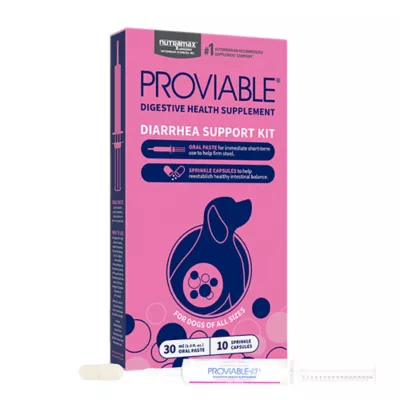
Credit: www.petsmart.com
Are Probiotics Safe For All Dogs?
In general, probiotics are safe for most dogs. However, there are a few things to watch for:
- Puppies and elderly dogs: Their immune systems are weaker, so use only vet-approved products.
- Dogs with immune diseases: Talk to your veterinarian before starting probiotics.
- Allergic reactions: Rare, but watch for unusual itching, vomiting, or swelling.
In most cases, side effects are mild, such as temporary gas or bloating. If you notice anything serious, stop use and contact your vet.
Dogs with very sensitive stomachs may experience some loose stool or gassiness in the first few days. This usually passes as their gut adjusts. If symptoms get worse, or if your dog refuses food, stop the probiotic and call your vet.
A non-obvious insight: Dogs with a history of pancreatitis or severe digestive disease should always have probiotics introduced slowly, and only under veterinary supervision, to avoid upsetting their system further.
Probiotics Vs. Other Treatments For Canine Diarrhea
Probiotics are not the only way to treat diarrhea. How do they compare to other common approaches?
- Fasting: Sometimes used to “rest” the gut, but not always needed. Some vets now recommend feeding small, bland meals instead of total fasting.
- Bland diets: Boiled chicken and rice can help settle the stomach. This is often used with probiotics for mild cases.
- Medications: Anti-diarrheal drugs and antibiotics are used for specific causes. These are best for infections or severe cases.
- Prebiotics: These feed good bacteria, but do not add new bacteria themselves.
In mild cases, probiotics and a bland diet may be enough. For severe or long-lasting diarrhea, medication might be required. Always follow your vet’s advice.
One practical example: If your dog’s diarrhea began after a stressful event, probiotics plus a bland diet may help more quickly than either alone. If diarrhea started after antibiotics, probiotics can help restore balance and prevent future issues.
Common Mistakes When Using Probiotics For Dogs
Many owners make errors that reduce the benefits of probiotics. Avoid these common pitfalls:
- Using expired products: Dead bacteria won’t help your dog.
- Wrong storage: Heat and humidity can kill live bacteria. Always store as directed.
- Stopping too soon: If diarrhea improves, keep giving the probiotic for a few extra days.
- Wrong product: Human probiotics aren’t always safe or effective for dogs.
- Ignoring other causes: Probiotics can’t fix poisoning, blockages, or serious infections.
A non-obvious tip: Some dogs need a second or third type of probiotic to see real results. If one product doesn’t help after a week, ask your vet about trying a different strain.
Another common mistake is thinking probiotics are a cure-all. They are powerful, but not magic. If your dog’s diarrhea is caused by a serious illness or toxin, only a vet can provide the right treatment.
Scientific Evidence: Do Probiotics Really Work For Dogs?
There is growing research supporting the use of probiotics in dogs. Clinical studies have shown:
- Dogs given Bifidobacterium animalis had shorter diarrhea episodes compared to those given a placebo.
- Enterococcus faecium reduced the risk of diarrhea in shelter dogs exposed to stress.
- Saccharomyces boulardii helped treat diarrhea caused by antibiotics.
A 2021 review in the journal *Frontiers in Veterinary Science* found that probiotics are generally helpful for mild to moderate diarrhea, especially when given early. However, not all products are equally effective, and more research is needed for chronic or severe diarrhea.
It’s important to note that while the overall evidence is positive, results can vary based on the strain, the dose, and the dog’s individual health. Some products sold online have been found to contain fewer live bacteria than claimed, so always choose reputable brands.
For a deeper look at the science, visit this research article.

Credit: petjope.com
Practical Tips For Supporting Your Dog’s Gut Health
Probiotics work best as part of a broader approach. Here’s what else you can do:
- Feed a high-quality diet: Good nutrition supports a healthy gut. Avoid highly processed foods and stick to diets recommended by your vet.
- Introduce new foods slowly: Sudden changes can trigger diarrhea. Transition to new diets over at least a week.
- Keep water clean and available: Dehydration is dangerous, especially with diarrhea. Change water daily.
- Manage stress: Give your dog a safe, quiet space when needed. Calming supplements or pheromone diffusers can also help.
- Regular vet checkups: Early detection can prevent problems. Routine stool tests can catch parasites or other issues before they cause symptoms.
An often-missed tip: Some dogs benefit from a mix of probiotics and prebiotics (called synbiotics). Prebiotics are fibers that feed good bacteria, helping probiotics work better.
If your dog has had repeated bouts of diarrhea, consider asking your vet about a long-term gut health plan. This might include rotating probiotic strains, adding prebiotic-rich foods (like pumpkin or certain veggies), or even periodic stool testing to monitor gut health.
When To See A Veterinarian
Probiotics are helpful in many cases, but not every situation can be managed at home. Contact your vet if:
- Diarrhea lasts more than 48 hours
- There is blood or mucus in the stool
- Your dog becomes very weak, vomits, or refuses food
- Diarrhea follows exposure to toxins or foreign objects
In these cases, probiotics alone are not enough. Your dog may need fluids, medication, or even hospitalization.
Don’t wait too long to seek help—dehydration and underlying illnesses can get worse quickly, especially in puppies and older dogs. When in doubt, a quick call to your vet can make all the difference.
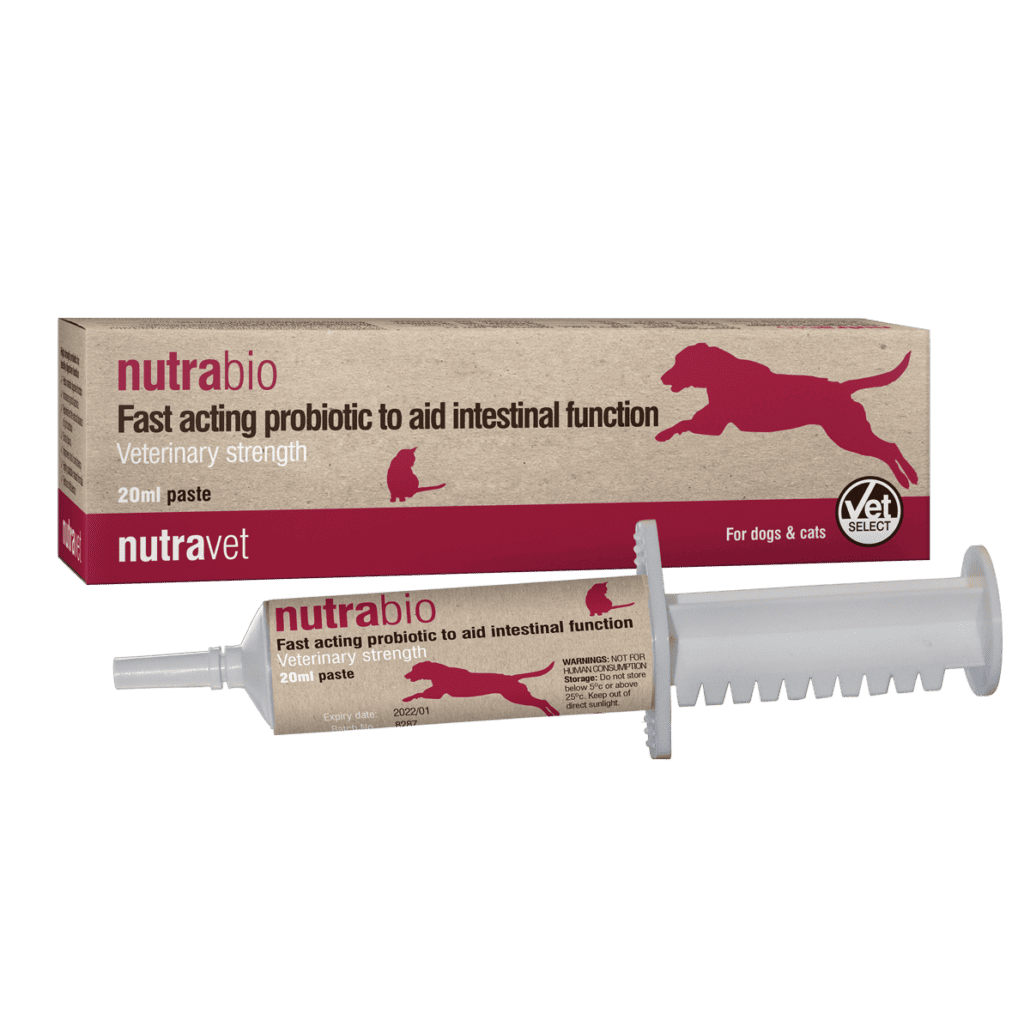
Credit: www.nutravet.co.uk
Frequently Asked Questions
How Long Does It Take For Probiotics To Work In Dogs With Diarrhea?
Most dogs show improvement within 2 to 5 days of starting probiotics. For mild cases, some improvement may be seen within 24 hours. If there is no change after a week, consult your veterinarian.
Can I Give My Dog Human Probiotics?
It’s best to use probiotics made for dogs. Human products may not contain the right strains or doses, and some ingredients could be harmful to pets. Always check with your vet before using a human product.
Are There Any Side Effects To Giving My Dog Probiotics?
Side effects are rare but can include mild gas or bloating at first. Serious side effects are uncommon. If your dog has a weak immune system or other health problems, ask your vet first.
Should I Give Probiotics With Or Without Food?
Most probiotics work best when given with food. This helps protect the bacteria as they pass through the stomach. Always follow the instructions on the product label.
Do All Dogs With Diarrhea Need Probiotics?
Not always. Mild, short-term diarrhea may improve with a bland diet and rest. Probiotics are especially helpful if diarrhea is due to antibiotics, stress, or food changes. For severe or ongoing diarrhea, see your veterinarian.
Your dog’s gut health is crucial for overall well-being. Probiotics are a safe, effective tool for many cases of diarrhea, but they work best as part of a thoughtful approach. Choose the right product, use it correctly, and don’t hesitate to ask your vet for advice.
With good care, your dog can recover quickly and stay happy and healthy.