Hip dysplasia is a painful and sometimes disabling condition that affects many dogs around the world. It often appears quietly, making it hard for dog owners to notice at first. By the time clear signs show, the disease can already be advanced.
Understanding the symptoms of hip dysplasia in dogs is crucial if you want to protect your pet’s health and comfort. This article explains the symptoms in detail, how they develop, and what you can do if you suspect your dog is affected.
What Is Hip Dysplasia In Dogs?
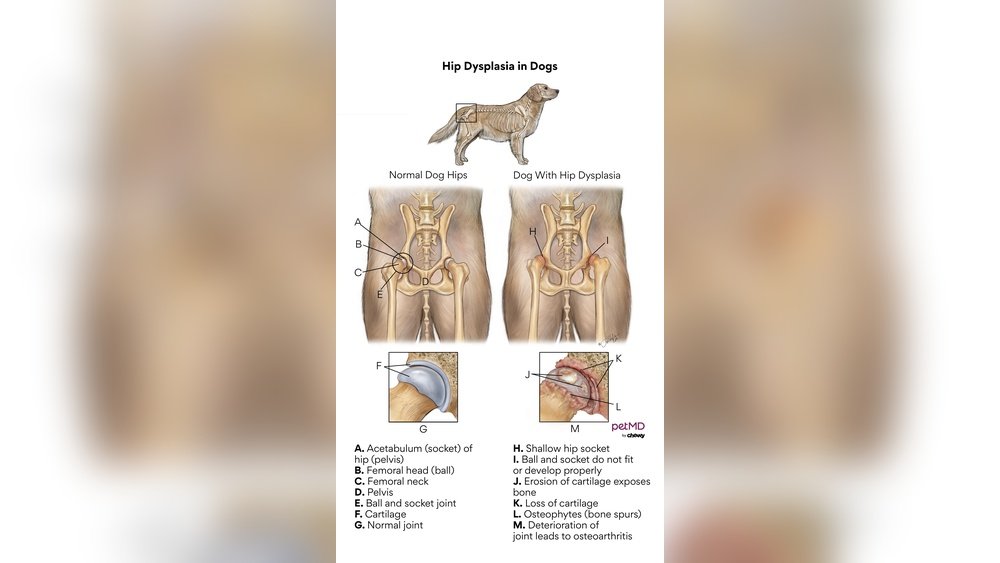
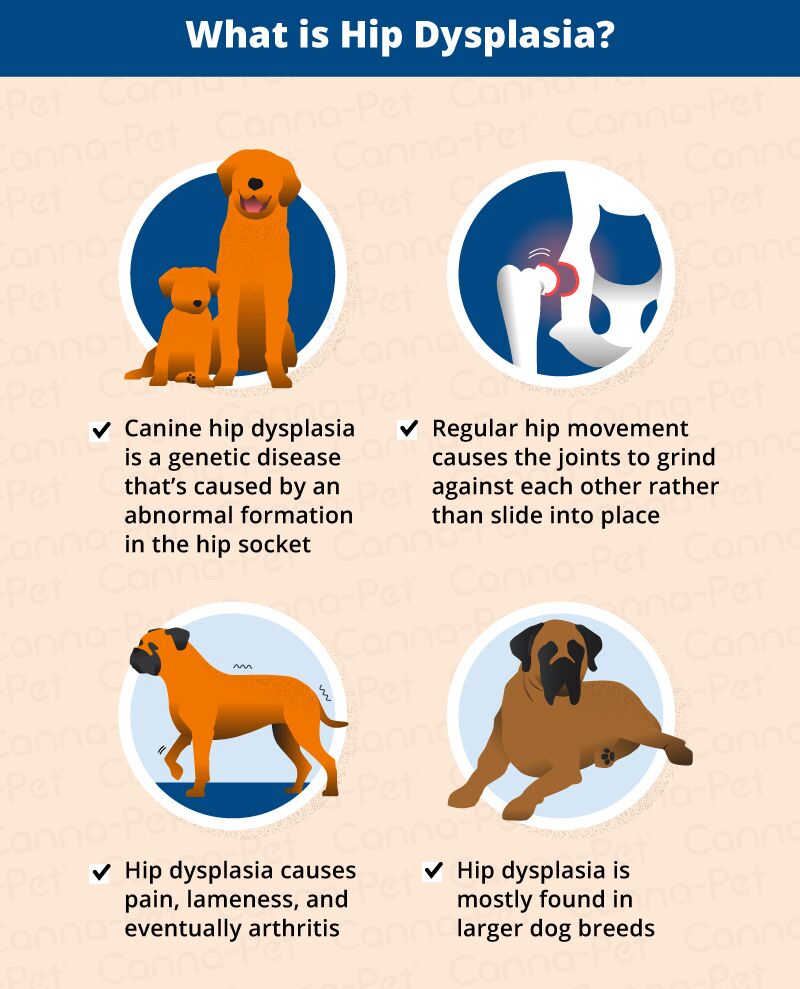
Hip dysplasia is a condition where the hip joint doesn’t develop correctly. In a healthy dog, the hip is a “ball and socket” joint. The ball part (the top of the thigh bone) fits smoothly into the socket (part of the pelvis). If your dog has hip dysplasia, the ball and socket do not fit or move together well. Over time, this causes pain, inflammation, and arthritis.
The joint becomes loose and unstable. This abnormal motion slowly damages the protective cartilage that covers the bones. As the cartilage wears away, the bones rub directly against each other, which is extremely painful for the dog. This also leads to the development of bony growths known as “osteophytes,” further limiting movement.
This disease can affect any dog, but it is most common in large breeds like German Shepherds, Labrador Retrievers, and Golden Retrievers. Small dogs can also get hip dysplasia, but it happens less often. It is important to remember that even medium or mixed-breed dogs are not always safe from this condition, especially if they have large parents or ancestors.
Some dogs are born with perfectly normal hips, but develop hip dysplasia as they grow. This means that even young, active dogs can suffer from this disease. It is a lifelong problem, and while it cannot be “cured,” good management and early treatment can help dogs stay comfortable.
Why Hip Dysplasia Matters
Hip dysplasia is not just a problem for old dogs. Puppies as young as four months can show early signs. If left untreated, the pain and weakness can become severe. Dogs may stop playing, avoid walks, or even struggle to stand up.
Early detection gives the best chance for your dog to live a happy, active life.
This disease does not only affect movement—it can also impact your dog’s mood and personality. When dogs are in pain, they may become withdrawn, anxious, or even aggressive. Owners sometimes notice their once-friendly dog snapping or hiding, and do not realize that pain is the cause.
If hip dysplasia is not managed, some dogs develop arthritis so severe that they cannot stand or walk. At this stage, the dog’s quality of life is very poor. In the worst cases, owners may face difficult decisions about their pet’s comfort and future.
This is why learning about early signs and acting quickly can make such a difference.
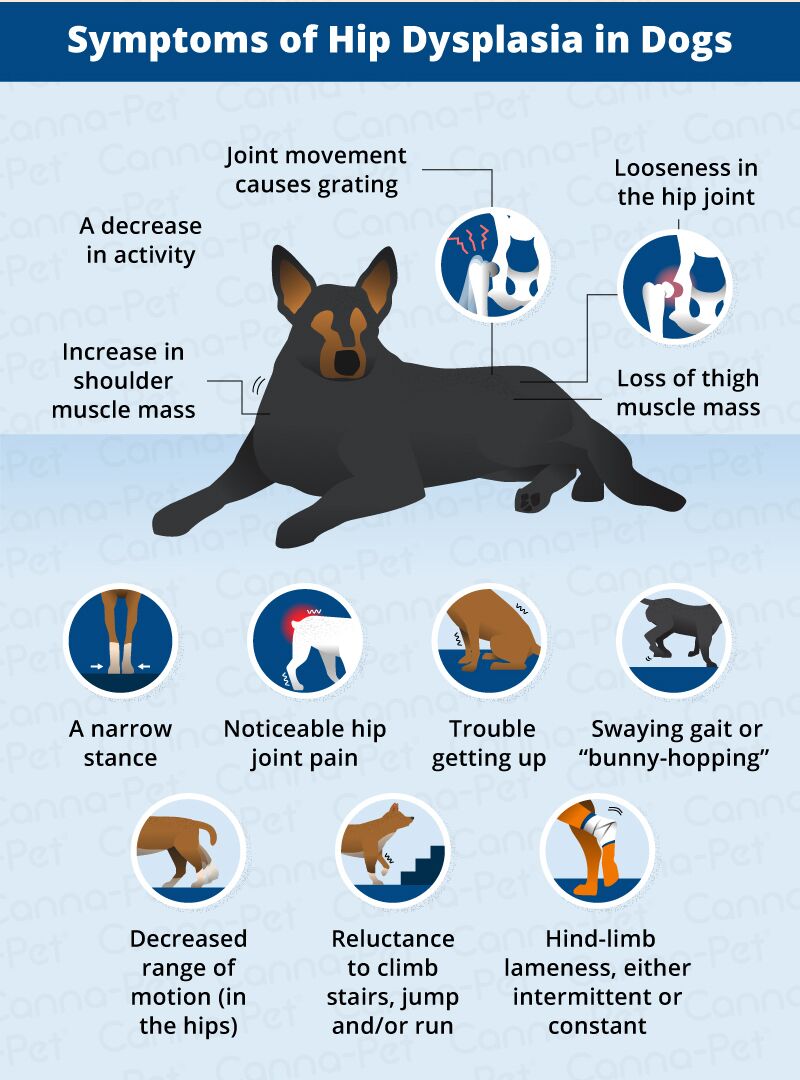
Credit: canna-pet.com
How Hip Dysplasia Develops
Hip dysplasia is partly genetic, meaning it can run in families. Rapid growth, poor diet, too much or too little exercise, and being overweight can make the problem worse. Over time, the abnormal joint wears down the cartilage, causing osteoarthritis. This process is slow, and symptoms can vary from mild to severe.
The disease usually starts while the puppy is still growing. If the ball and socket are not perfectly matched, the joint becomes loose (“laxity”). The puppy may seem normal at first, but as they grow, the joint gets more unstable.
In most cases, the body tries to repair the damage by building extra bone around the joint, but this only makes movement harder.
Nutrition plays a big role. Puppies that eat food with too many calories, too much calcium, or grow very fast are at higher risk. Over-exercising young dogs, especially with high-impact activities like jumping or running on hard surfaces, can also cause or speed up the problem.
Dogs that are overweight put extra stress on their hips. Even a few extra pounds can make a big difference. Keeping your dog at a healthy weight is one of the best ways to slow down the damage of hip dysplasia.
Early Symptoms: What Owners May Notice First
The first signs of hip dysplasia are often subtle. Owners may think their dog is just tired, lazy, or getting older. But these early symptoms are important warning signs.
- Reduced Activity: A dog may not want to play or run as much. They may get tired quickly, especially after exercise. You might notice your dog choosing to rest while other dogs play, or wanting to turn around for home sooner on walks.
- Trouble Rising: Dogs may have difficulty standing up, especially after resting. They might push up with their front legs or take longer to get to their feet, sometimes sliding their back legs out.
- Reluctance to Jump or Climb Stairs: Dogs avoid activities that put stress on their hips, like jumping into the car or climbing stairs. Sometimes, they will stand at the bottom of the stairs and look up, waiting for help or encouragement.
- “Bunny Hopping” Gait: Some dogs run with both back legs moving together, like a rabbit. This movement helps them avoid pain. This is especially common when they run fast or try to jump over something.
- Stiffness: Dogs may look stiff when they walk, especially after sleeping or resting. Owners often mistake this for “just being slow in the morning.”
These signs can come and go. Sometimes, they get worse after exercise or play. Owners may mistake them for normal aging or soreness.
Another detail: Dogs might start licking or chewing the skin over their hips or thighs. This is a sign they are uncomfortable, even if they do not limp.
Moderate To Advanced Symptoms: What To Watch For
As hip dysplasia gets worse, symptoms become more obvious. At this stage, the joint is damaged, and pain is more frequent.
- Limping or Lameness: Dogs may favor one leg, limp, or shift weight to the front legs. This is the body’s way of avoiding hip pain. Some dogs may “toe-touch,” only putting the tips of their toes on the ground.
- Muscle Loss: The muscles in the back legs shrink because the dog avoids using them. The shoulders may look larger as the dog uses the front legs more. This difference in muscle size can be seen if you compare the back legs to the front.
- Clicking Sound: You may hear or feel a clicking noise from the hips when your dog moves. Sometimes, you can gently rest your hand on the hip while the dog walks and feel the click.
- Pain When Touched: Dogs may yelp, snap, or avoid touch around the hips. They may also refuse to let you brush or pet them near the hips, or move away when you try.
- Abnormal Sitting: Dogs may sit with one leg out to the side, or in an awkward position, to reduce pain. Some will “flop” down quickly instead of lowering themselves slowly.
Other symptoms can include a swaying walk, where the hips move side to side more than normal, or a short stride where the dog takes small, choppy steps.
Severe Symptoms And Impact On Quality Of Life
If hip dysplasia is not treated, the disease can become severe. Dogs may develop chronic pain, and their quality of life drops.
- Difficulty Standing or Walking: Some dogs struggle to get up or walk without help. They may fall or slip, especially on smooth floors.
- Loss of Interest in Daily Life: Dogs may stop playing, lose their appetite, or seem depressed. They may sleep more or avoid family activities.
- Incontinence: In severe cases, dogs may lose control of their bladder or bowels due to pain or nerve damage. This can be distressing for both the dog and the owner.
- Aggression or Anxiety: Pain can change your dog’s behavior. Friendly dogs may become irritable or aggressive. Some dogs may hide, growl, or even snap when touched.
In the most advanced cases, dogs may need help moving around. Owners may use slings, harnesses, or ramps to help their pet stand, walk, or get outside.
One thing many owners miss is that a dog’s sleeping position can change. Dogs with hip pain often sleep on their chest or with their legs tucked under them, rather than stretched out to the side.
Symptoms By Age Group
Hip dysplasia can develop at any age, but symptoms may look different in puppies, adults, and seniors.
Puppies (4-12 Months)
- May show “bunny hopping” gait
- Reluctance to play or jump
- Short, stiff steps
- Whimpering after exercise
Puppies might be clumsy, or “sit funny,” but owners often think this is just part of growing up. Persistent lameness in a young dog should always be checked by a vet.
Adults (1-7 Years)
- Stiffness after rest
- Occasional limping
- Less interest in running or jumping
- Muscle loss in back legs
In adults, the symptoms may come and go. Some days seem normal; others, the dog struggles more. Owners often notice a “downturn” after heavy play or when the weather changes.
Seniors (7+ Years)
- Difficulty getting up
- Chronic lameness
- Severe muscle loss
- Reluctance to move
- Signs of pain even at rest
In older dogs, hip dysplasia often looks like arthritis. They may also have other health issues that make walking harder, like weak muscles or poor balance.
A helpful tip: Even if your senior dog has been “stiff for years,” new or worse symptoms always deserve a vet check, as pain can be managed better with new treatments.
Comparing Hip Dysplasia To Other Joint Problems
Some symptoms of hip dysplasia overlap with other joint diseases. It’s important to know the difference.
| Condition | Typical Age | Main Symptoms | Affected Joint |
|---|---|---|---|
| Hip Dysplasia | Puppy to senior | Limping, bunny hop, muscle loss | Hip |
| Elbow Dysplasia | Puppy to young adult | Limping, stiffness, swelling | Elbow |
| Cruciate Ligament Tear | Any age | Sudden lameness, swelling | Knee |
| Arthritis | Older adults, seniors | Stiffness, pain, slow movement | Any joint |
One non-obvious detail: Cruciate ligament tears often cause sudden lameness, while hip dysplasia symptoms usually come on slowly. If your dog goes lame very quickly, it is less likely to be hip dysplasia.
How Vets Diagnose Hip Dysplasia
Recognizing symptoms is only the first step. If you notice any of the signs above, your dog should see a veterinarian. Diagnosis usually involves:
- Physical Exam: The vet checks for pain, swelling, and range of motion in the hips. They may gently move the dog’s legs to feel for looseness or grinding.
- Observation: The vet watches your dog walk, run, and sit. They look for changes in stride length, muscle size, or abnormal posture.
- X-rays: These images show the shape of the hip joint and any arthritis. X-rays are the gold standard for diagnosing hip dysplasia.
- Joint Manipulation: Some tests require light sedation to check how the joint moves. For example, the vet may perform an “Ortolani test” to feel for hip looseness.
Sometimes, the vet will recommend blood tests to check for other problems, or additional imaging like a CT scan for complex cases. Early diagnosis can help your dog avoid unnecessary pain and get the best possible treatment plan.
Risk Factors: Which Dogs Are Most At Risk?
Certain breeds and types of dogs are more likely to get hip dysplasia. But lifestyle and other factors also play a role.
Breeds At Higher Risk
| Breed | Risk Level |
|---|---|
| German Shepherd | High |
| Labrador Retriever | High |
| Golden Retriever | High |
| Rottweiler | High |
| Saint Bernard | Very High |
| Bulldog | Medium |
| Poodle (Standard) | Medium |
| Mixed Breeds (Large) | Medium |
Lifestyle And Other Risks
- Obesity: Overweight dogs put extra strain on their hips. Even “a few extra pounds” can speed up damage.
- Rapid Growth: Puppies fed high-calorie diets may grow too quickly. This rapid growth stresses the joint before it is ready to handle weight.
- Lack of Exercise: Weak muscles can’t support the joints. Dogs need regular, gentle activity to build strength.
- Injury: Trauma to the hips can trigger symptoms. Even a fall or hard landing can start problems in a dog with weak joints.
A tip: If you have a breed at risk, ask your vet about early screening. Special x-rays can be done on puppies as young as four months.
Why Early Symptoms Are Missed
Many owners miss the early signs of hip dysplasia because:
- The symptoms are mild at first.
- Dogs are good at hiding pain.
- Changes in activity are blamed on aging, laziness, or the weather.
- Symptoms come and go.
Some owners believe their dog is just “clumsy” or not athletic. Others think a puppy’s awkward walk is just puppyhood. Sometimes, dogs are more sore after a big play day and then seem normal the next morning.
A key insight: Some dogs will only show signs when the weather is cold or after hard exercise. If you see any subtle changes that repeat, ask your vet for advice.
If you notice your dog lies down more on walks or stops to rest, this could be an early clue. Don’t ignore small changes that keep happening.
Common Mistakes When Interpreting Symptoms
- Assuming it’s just old age: Not all slow or stiff movement is normal aging. Young dogs can develop hip dysplasia, too.
- Over-exercising young dogs: High-impact activities can make hip dysplasia worse. Activities like Frisbee, jumping, or running with bicycles can be harmful.
- Waiting too long: Delaying a vet visit allows the disease to progress. Early treatment often means less pain later.
- Ignoring muscle loss: Shrinking back legs are a warning sign, not just “getting skinny.” If the back legs look smaller than the front, this is not normal.
Another common mistake is giving over-the-counter human pain medicine. These can be toxic to dogs and may make things worse.
How To Monitor Your Dog At Home
If you suspect hip dysplasia, keep a simple log of your dog’s symptoms:
- Date and time
- What activity caused pain or limping
- How long symptoms lasted
- Changes in appetite, sleep, or behavior
Show this log to your vet. It helps with diagnosis and treatment planning.
You can also take short videos of your dog walking, running, or climbing stairs. These clips can help your vet see subtle changes you might not notice. Comparing videos over weeks or months can reveal if your dog is getting better or worse.
How Hip Dysplasia Affects Daily Life
Dogs with hip dysplasia may struggle with everyday tasks:
- Getting in and out of the car
- Climbing stairs
- Playing fetch or running
- Getting up from bed or the floor
They may also avoid slippery floors, stand with their legs close together, or move slowly.
Some dogs will change where they sleep, choosing areas with soft surfaces. Others may become picky about routes during walks, avoiding hills or rough ground.
Owners often notice that their dog is less excited to greet them at the door or no longer jumps up on the couch or bed. These changes may seem small, but they are important clues that your dog is uncomfortable.
Treatment Options After Diagnosis
If your dog is diagnosed with hip dysplasia, there are several ways to manage symptoms and improve quality of life.
Weight Management
Keeping your dog at a healthy weight is the single most important step. Less weight means less pressure on the joints. Even losing 5-10% of body weight can make a big difference in pain and activity.
Exercise
Regular, gentle exercise like walking or swimming helps keep muscles strong. Avoid high-impact activities like jumping or running on hard surfaces. Swimming is excellent because it builds muscle without stressing the joints.
Short, frequent walks are better than one long walk. If your dog starts to limp or slow down, it’s time to rest.
Pain Relief
Vets may prescribe anti-inflammatory drugs or pain relievers. Never give human medications without your vet’s advice.
Supplements like glucosamine, chondroitin, or omega-3 fatty acids may help some dogs, though results are mixed. Your vet can suggest safe options.
Physical Therapy
Special exercises, massage, and hydrotherapy can improve movement and reduce pain. Physical therapists can teach you gentle stretches and movements to do at home.
Other helpful therapies include acupuncture, laser therapy, or cold packs. These can reduce inflammation and help keep your dog comfortable.
Surgery
In severe cases, surgery may be recommended. Types of surgery include:
- Juvenile pubic symphysiodesis (JPS): For young puppies, to change how the joint develops.
- Femoral head ostectomy (FHO): Removes the damaged ball part of the joint.
- Total hip replacement: Replaces the joint with an artificial one.
Surgery is usually a last option, after trying other treatments. Most dogs recover well from surgery and can return to normal activities, but recovery takes time and care.
Your vet will help you decide which treatment is best for your dog’s age, size, and health.
Preventing Hip Dysplasia Symptoms
While you can’t change your dog’s genes, you can reduce the risk and severity of symptoms:
- Feed a balanced diet, especially for large-breed puppies. Ask your vet about special puppy food for large breeds.
- Avoid overfeeding and obesity. Measure food, and avoid too many treats.
- Provide safe, regular exercise. Build muscle slowly, and avoid high-impact play.
- Use ramps or steps to avoid jumping. Ramps for getting in the car or on the couch are helpful.
- Buy from breeders who test their dogs for hip dysplasia. Ask to see hip scores or x-rays before choosing a puppy.
These steps can help your dog stay active and comfortable, even if they are at risk for hip dysplasia.
Two Non-obvious Insights
- Muscle loss is an early sign: Many owners notice limping but miss shrinking thigh muscles. Early muscle loss can show up before severe pain. Checking your dog’s muscle size every few months can reveal hip problems sooner. Gently run your hand over your dog’s thighs—look for changes in size or firmness.
- Weather can worsen symptoms: Cold, damp weather often makes arthritis and hip pain worse. If your dog limps more in winter, this could be a clue, not just “old dog in the cold.” Keeping your dog warm and dry, with padded bedding, can help reduce pain.
When To Call The Vet
Contact your vet if your dog:
- Limps for more than a day
- Shows pain or stiffness after exercise
- Avoids jumping or stairs
- Develops muscle loss in the back legs
- Cries out, snaps, or avoids touch around the hips
Early help can slow the disease and keep your dog comfortable.
Also call the vet if you notice swelling around the hips, sudden changes in walking, or if your dog falls more often. It’s always better to check early than wait for problems to get worse.
Living With A Dog With Hip Dysplasia
Many dogs with hip dysplasia live happy, active lives with good care. The key is to watch for symptoms, get an early diagnosis, and follow your vet’s advice. Simple changes—like keeping your dog slim and providing soft bedding—make a big difference.
Dogs with hip dysplasia often enjoy puzzle toys, gentle games, and activities that don’t require jumping or running. Adapting your home with non-slip rugs, ramps, and raised food bowls can help your dog move around more easily.
Remember, mental stimulation is important too. If your dog can’t run as much, try teaching new tricks or playing scent games to keep them happy and engaged.
Data: How Common Is Hip Dysplasia?
Hip dysplasia is one of the most common orthopedic diseases in dogs. Studies show:
- Up to 70% of some large breeds can develop hip dysplasia if not screened by breeders.
- The Orthopedic Foundation for Animals reports that about 20% of all German Shepherds tested have abnormal hips.
- Mixed breed dogs over 50 pounds also have a higher risk.
In some countries, hip dysplasia is tracked closely by kennel clubs. In Sweden, for example, all breeding dogs in certain breeds must have their hips checked. These efforts help reduce the number of affected dogs, but hip dysplasia remains a major problem worldwide.
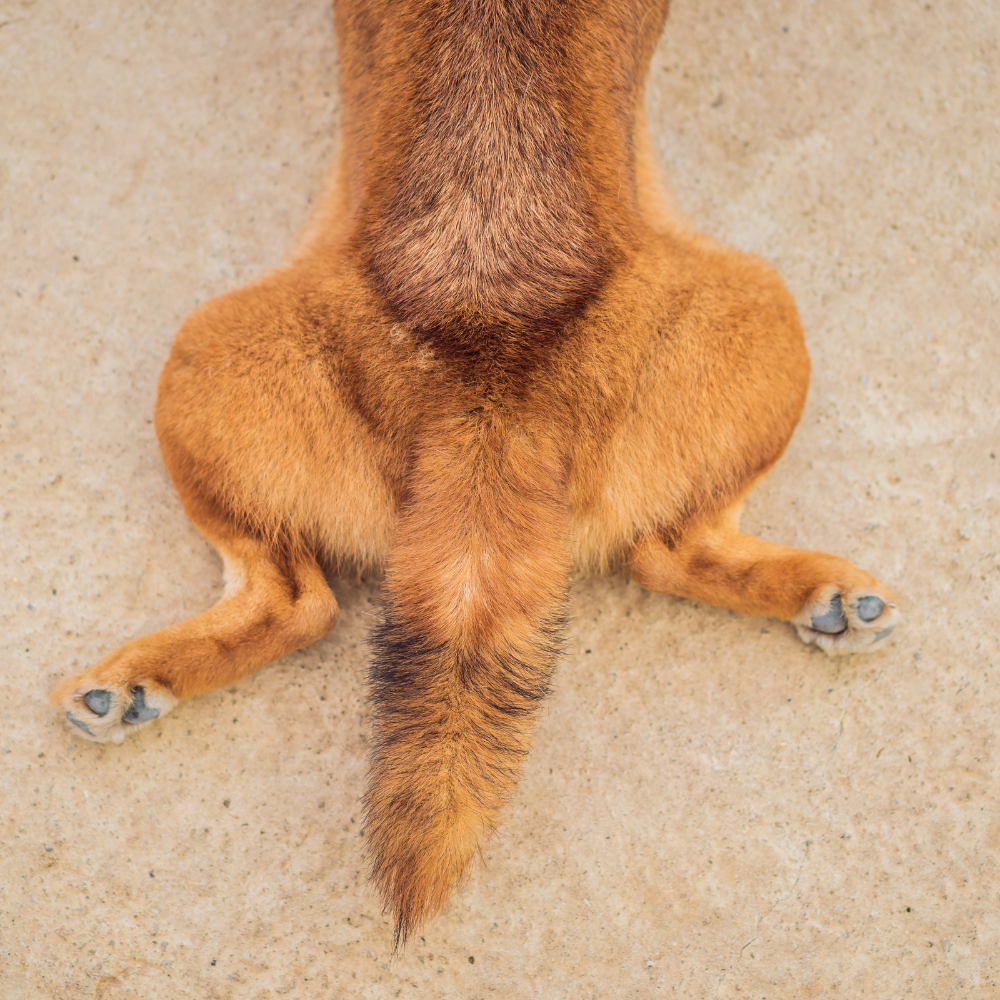
Credit: tailsntummies.com
New Research And Treatments
Recent studies are looking at stem cell therapy, platelet-rich plasma, and other advanced treatments. These new methods may help repair damaged joints and reduce pain. Ask your vet about the latest options available.
Some research also looks at special joint diets or injections that can slow arthritis. While these are not cures, they may help dogs stay active longer.
For more in-depth reading, see this Wikipedia article on canine hip dysplasia.
Frequently Asked Questions
What Is The Earliest Age That Hip Dysplasia Symptoms Can Appear In Dogs?
Symptoms can appear as early as four months old, especially in large breed puppies. Early signs may include stiffness, “bunny hopping,” or reluctance to play. If you have a puppy at risk, watch closely for changes in activity or movement.
Can Small Dogs Get Hip Dysplasia, Or Is It Only A Problem For Big Dogs?
Small dogs can get hip dysplasia, but it is much less common. Large and giant breeds are at the highest risk, but any dog can develop the disease. Even toy breeds have been reported with hip problems, especially if they are overweight.
Is Hip Dysplasia Always Painful For Dogs?
Not always. Some dogs have hip dysplasia but do not show pain, especially in the early stages. As the joint gets worse, pain becomes more likely. Some dogs are very stoic and may only show mild changes, so regular checks are important.
Can Hip Dysplasia Symptoms Be Managed Without Surgery?
Yes. Many dogs improve with weight control, gentle exercise, pain medication, and physical therapy. Surgery is only needed in severe or advanced cases. Most dogs can live comfortably for years with good management.
How Do I Know If My Dog’s Limping Is From Hip Dysplasia And Not Another Problem?
Only a veterinarian can diagnose hip dysplasia. Limping can be caused by many problems, including injuries, arthritis, or other joint diseases. X-rays and a physical exam are needed to know for sure.
Hip dysplasia is a serious but manageable condition. By knowing the symptoms, you can help your dog stay active and comfortable for years to come. If you notice any warning signs, don’t wait—talk to your vet and start the journey to better joint health for your dog.
Credit: canna-pet.com