Every dog owner worries about ticks. These tiny parasites can cause big health problems for dogs, from simple skin irritation to serious diseases. But how do dogs actually get ticks? Many people think ticks jump or fly, but that’s not true.
Understanding how dogs pick up ticks can help you protect your furry friend more effectively. This article explains, step by step, how ticks find dogs, what environments are risky, and how you can avoid common mistakes that put your pet in danger.
We’ll also cover what makes some dogs more likely to get ticks and why tick prevention is about more than just checking your dog after a walk.
What Are Ticks And Why Should You Care?
Ticks are small arachnids, similar to spiders and mites. They feed on the blood of mammals, birds, and sometimes reptiles. The most common ticks that affect dogs are the American dog tick, brown dog tick, deer tick (also called the black-legged tick), and Lone Star tick. Each species lives in different areas and carries different risks. For example, the deer tick can spread Lyme disease, while the brown dog tick is known for living inside homes and kennels.
Ticks can cause more than discomfort. They can transmit dangerous diseases such as:
- Lyme disease
- Rocky Mountain spotted fever
- Ehrlichiosis
- Anaplasmosis
- Babesiosis
Even a single tick bite can lead to illness, so it’s important to understand how dogs come into contact with ticks in the first place.
Where Do Ticks Live?
Ticks need both the right environment and a host to survive. They do not fly or jump. Instead, they wait in places where animals pass by, then cling onto fur or skin. Understanding where ticks live is key to keeping your dog safe.
Common Tick Habitats
- Tall grass and weeds: Ticks love overgrown grass because it provides shade and humidity.
- Wooded areas: Forests are prime tick territory due to the dense leaf litter and animal traffic.
- Leaf piles and brush: These offer protection from the sun and a good place to wait for hosts.
- Gardens and parks: Even well-maintained areas can have tick populations, especially if there are wildlife visitors.
- Kennels and dog runs: Brown dog ticks can survive indoors and thrive in kennels or dog houses.
Ticks are most active during warm months, but some species survive through winter by hiding in leaf litter or soil. Dogs can pick up ticks anytime the temperature is above freezing, especially in areas with high humidity.
The “questing” Behavior
Ticks don’t chase their hosts. Instead, they use a behavior called questing. This means they climb to the tips of grass or shrubs and hold out their front legs. When a dog brushes past, the tick grabs on and starts looking for a spot to bite. This simple but effective method is why dogs so easily pick up ticks just by walking through the wrong area.
How Do Dogs Get Ticks? The Full Process
Let’s break down the step-by-step journey of how ticks end up on your dog:
- The tick waits in a high-risk area. It senses heat, movement, and carbon dioxide from passing animals.
- Your dog enters the area. This can be a walk in the woods, a trip to the park, or even a backyard adventure.
- Physical contact occurs. As your dog’s fur brushes against grass, leaves, or shrubs, the tick latches onto the fur or skin.
- The tick crawls on your dog. Ticks often move to hidden spots like behind ears, under collars, between toes, or around the tail.
- Attachment and feeding. The tick inserts its mouthparts into the skin and begins to feed on blood. Feeding can last several hours to a few days.
- Risk of disease transmission. If the tick carries pathogens, these can enter your dog’s bloodstream during feeding.
Most dogs get ticks during outdoor activities, but it’s possible to get ticks indoors if the environment is infested, especially with brown dog ticks.
Factors That Increase The Risk
Some situations make it much more likely for dogs to get ticks:
- Frequent walks in wooded or grassy areas
- Traveling to tick-heavy regions
- Living near forests or fields
- Contact with wildlife (deer, rodents, rabbits)
- Multiple pets in the home
Dogs with long, thick coats are also at higher risk because ticks can hide more easily and go unnoticed for longer.
How Ticks Sense And Find Dogs
Ticks are not blind, but they do not rely on sight to find hosts. Instead, they use special sensors to detect things that signal a potential meal.
- Heat: Ticks can sense body warmth from a passing animal.
- Movement: Vibrations from footsteps alert ticks to nearby animals.
- Carbon dioxide: Animals, including dogs, breathe out CO₂, which attracts ticks.
- Odors: Ticks detect natural chemicals from skin and sweat.
These senses help ticks know when to start questing and when a host is near enough to grab.
The Role Of Wildlife And The Environment
Ticks do not live only on dogs. Their life cycle depends on different hosts at various stages:
- Larvae often feed on small animals like mice.
- Nymphs feed on slightly larger animals.
- Adult ticks often prefer larger mammals, including dogs and humans.
Wildlife, especially deer, rodents, raccoons, and rabbits, help support tick populations. If your yard or local park has lots of wildlife, the risk of ticks is higher. Even birds can carry ticks into new areas.
Non-obvious insight: Many people do not realize that ticks can be brought into their yard by wild animals or even by people’s clothing. It’s not just where you walk your dog, but also what passes through your environment.
How Ticks Enter Homes And Yards
While most people worry about ticks in the woods, your own yard can be a major source. Here’s how ticks might end up close to home:
- Wildlife passes through your yard at night, dropping ticks in the grass.
- Pets bring ticks home after walks, which then drop off and lay eggs.
- Ticks hitch rides on clothing and are carried indoors.
- Brown dog ticks can complete their life cycle inside homes and kennels, leading to indoor infestations.
Once ticks are in your yard or house, they can be very hard to remove. Adult female ticks lay thousands of eggs at a time, and larvae can hide in cracks, carpets, or garden beds.
Credit: chimacumvet.com
Table: Common Tick Species And Where Dogs Get Them
Here is a comparison of the most common tick species affecting dogs and the environments where they are typically found.
| Tick Species | Main Regions | Preferred Environments | Diseases Transmitted |
|---|---|---|---|
| Deer Tick (Black-legged) | Eastern & Northern US, Europe | Forests, grassy fields | Lyme disease, Anaplasmosis |
| American Dog Tick | North America | Meadows, roadsides, trails | Rocky Mountain spotted fever, Tularemia |
| Brown Dog Tick | Worldwide | Homes, kennels, yards | Ehrlichiosis, Babesiosis |
| Lone Star Tick | Southeastern & Eastern US | Wooded areas, animal trails | Ehrlichiosis, Tularemia |
Common Mistakes That Lead To Ticks On Dogs
Many dog owners think checking their pets after a walk is enough, but this is only part of the solution. Here are common errors that increase tick risk:
- Letting grass grow tall in your yard.
- Skipping tick prevention products, especially in winter.
- Ignoring wooded borders or brush piles near your home.
- Assuming ticks are only a problem in summer. Many species are active in spring and fall, and some even in winter.
- Thinking indoor dogs are safe. Brown dog ticks can live and breed indoors.
- Not checking hidden areas like between toes, under collars, or inside ears.
- Believing ticks need to be attached for hours to cause disease. Some pathogens can be transmitted in just a few hours.
Non-obvious insight: Ticks can attach to dogs even during short trips outside, and some tick larvae are so small they look like specks of dirt. Missing just one can lead to a serious problem.
Signs Your Dog May Have Picked Up Ticks
Sometimes, ticks are easy to spot, but they often hide in areas that are hard to see. Watch for these signs:
- Scratching or biting at the skin
- Red bumps or scabs
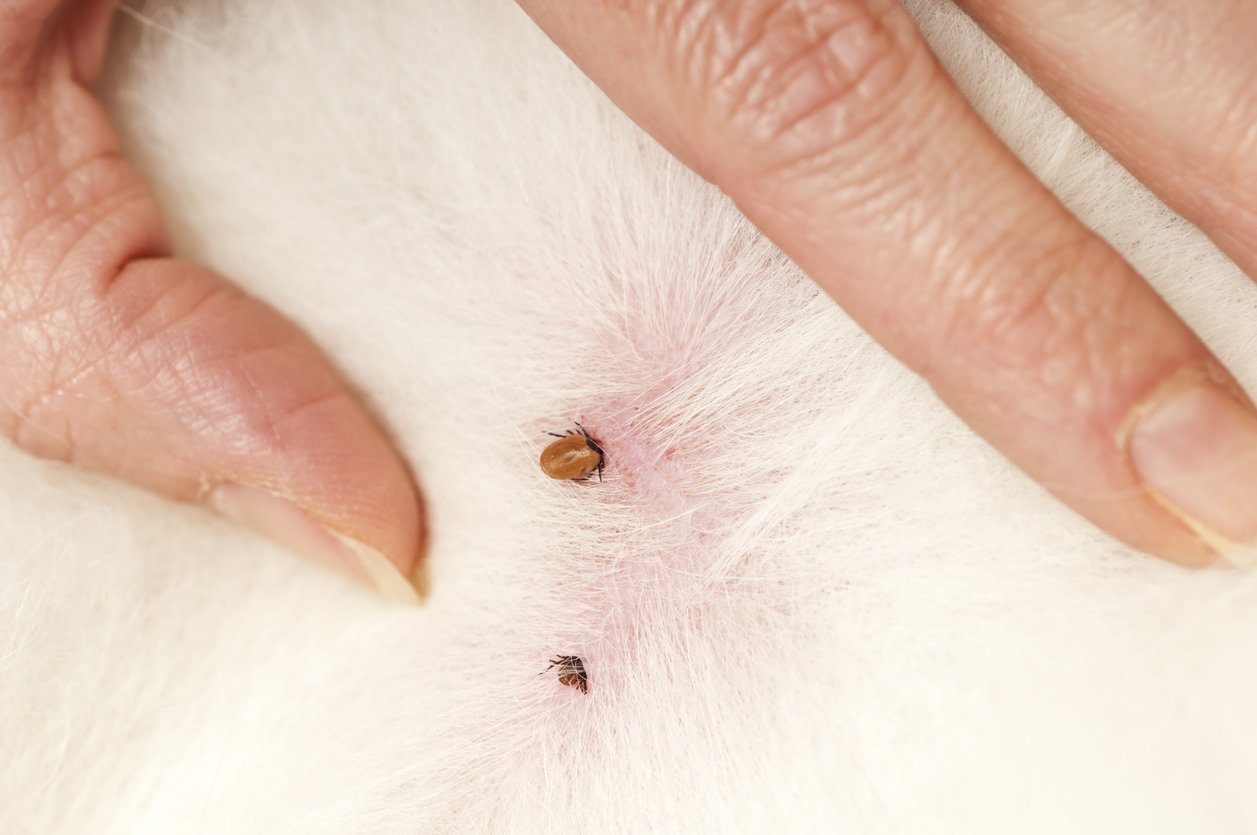
- Visible ticks, especially in ears, armpits, groin, or between toes
- Sudden fever, lethargy, or loss of appetite (possible sign of tick-borne disease)
- Limping or joint pain (may signal Lyme disease)
Regular checks help, but ticks can attach and feed for several days before being noticed.
How Quickly Can A Dog Get A Tick?
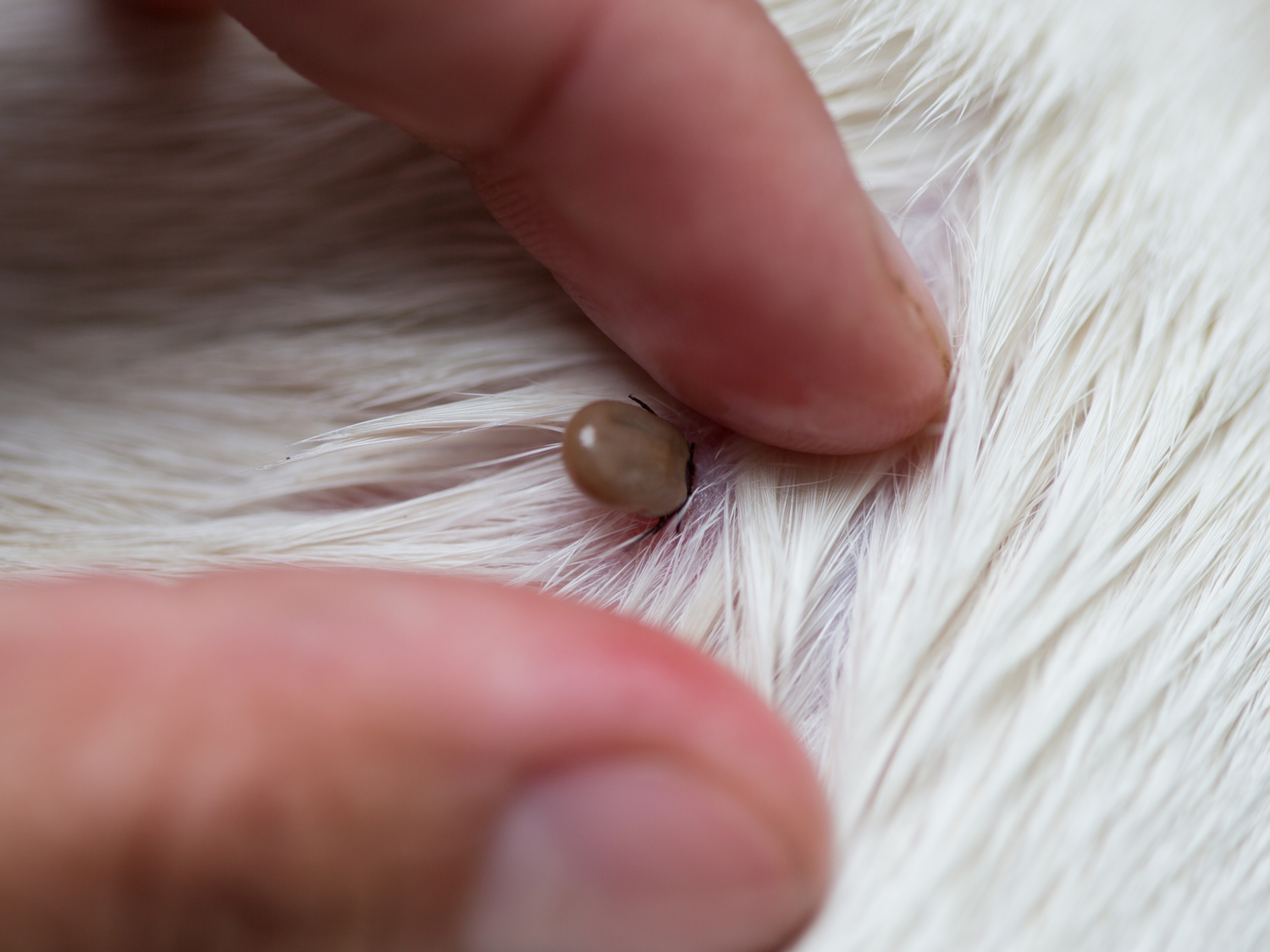
It only takes a second for a tick to climb onto your dog. As soon as your dog brushes against a plant where a tick is questing, attachment can begin. Nymph ticks, which are very small, are especially quick and hard to spot.
Once attached, ticks may take several hours to find a good spot and start feeding. The risk of disease increases the longer a tick remains on your dog, but some infections can be transmitted within a few hours.
Credit: www.vets-now.com
Table: How Fast Can Ticks Attach And Transmit Disease?
This table shows how quickly different tick species can attach to a dog and the minimum time for disease transmission.
| Tick Species | Time to Attach | Minimum Time for Disease Transmission |
|---|---|---|
| Deer Tick | Minutes | 12–24 hours (Lyme disease) |
| American Dog Tick | Minutes | 2–6 hours (Rocky Mountain spotted fever) |
| Brown Dog Tick | Minutes | Few hours (Ehrlichiosis) |
| Lone Star Tick | Minutes | Less than 24 hours (Ehrlichiosis) |
Why Some Dogs Get More Ticks Than Others
You may notice that some dogs pick up ticks more often than others, even in the same environment. Several factors play a role:
- Coat length and thickness: Longer, denser fur gives ticks more places to hide.
- Activity level: Dogs that love exploring bushes, tall grass, or wooded areas are at higher risk.
- Size and height: Smaller dogs are closer to the ground, where ticks are waiting.
- Use of tick prevention: Dogs with up-to-date tick control are less likely to be bitten.
- Health and immune status: Dogs with weakened immune systems may be more attractive to ticks, though research is still ongoing.
How To Reduce The Risk Of Ticks
Prevention is the best defense. Here are proven ways to reduce the chance your dog will get ticks:
1. Use Veterinarian-recommended Tick Preventives
There are many safe and effective products:
- Oral medications (monthly chewables)
- Topical treatments (spot-on liquids)
- Tick collars
Ask your vet which is best for your dog’s age, weight, and health.
2. Maintain Your Yard
Keep grass short, remove brush piles, and create a barrier of wood chips or gravel between wooded areas and your lawn. This makes it harder for ticks to move into your yard.
3. Limit Exposure During Peak Tick Season
Ticks are most active from spring to fall. If possible, avoid walks in high-risk areas during these months, especially after rain when humidity is high.
4. Check Your Dog Daily
After every outdoor adventure, check your dog’s:
- Head and neck
- Ears (inside and out)
- Under collar and harness
- Between front and back legs
- Between toes
- Around the tail and groin
Removing ticks quickly reduces the risk of disease.
5. Treat Your Home And Kennel
If you see ticks indoors, clean thoroughly and consider professional pest control. Brown dog ticks are especially difficult to remove.
6. Keep Wildlife Away From Your Yard
Install fences, remove bird feeders, and don’t leave pet food outside. This reduces the number of animals that can bring ticks close to your home.
7. Protect Yourself
Ticks can hitch a ride on human clothing. Wear long pants and sleeves when walking in tick-heavy areas, and check yourself before returning home.
Non-obvious insight: Some dogs develop a “tick routine” and always sniff or walk through the same brushy areas. Changing your walking route or keeping your dog on a leash away from overgrown spots can greatly reduce risk.
Tick Life Cycle And Why It Matters
Understanding the tick life cycle helps explain why prevention is not a one-time thing. Ticks have four stages:
- Egg
- Larva (seed tick)
- Nymph
- Adult
Each stage needs a blood meal before moving to the next. Ticks can live for months without feeding, so missing just one hidden tick in your home or yard can restart the whole cycle. Some species, like the brown dog tick, can complete their entire life cycle indoors, making infestations hard to control.
Table: Tick Life Cycle Duration By Species
Here’s a comparison of how long each tick species takes to complete its life cycle.
| Tick Species | Life Cycle Duration | Can Complete Indoors? |
|---|---|---|
| Deer Tick | 2 years | No |
| American Dog Tick | 2–3 years | No |
| Brown Dog Tick | 3 months to 1 year | Yes |
| Lone Star Tick | 1–2 years | No |
This table shows why brown dog ticks are especially problematic for dog owners, as they can breed and multiply inside homes year-round.
What To Do If You Find A Tick On Your Dog
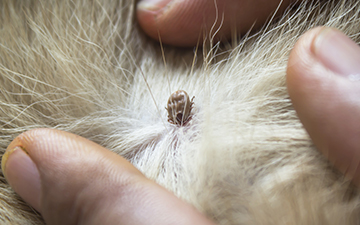
If you discover a tick, don’t panic. Here’s how to remove it safely:
- Use fine-tipped tweezers.
- Grasp the tick as close to your dog’s skin as possible.
- Pull straight out with steady pressure. Do not twist or jerk.
- Clean the area with antiseptic.
- Wash your hands thoroughly.
- Watch for signs of illness in your dog for the next few weeks.
Do not use petroleum jelly, matches, or other folk remedies. These can make things worse. If you’re unsure about removal or if the tick has been attached for a long time, consult your veterinarian.
Credit: uk.frontline.com
When To See A Veterinarian
See a vet if:
- You find multiple ticks or suspect an infestation.
- The tick is swollen and has been attached for more than 24 hours.
- Your dog shows symptoms like fever, joint pain, loss of appetite, or lethargy after a tick bite.
- Part of the tick remains in the skin after removal.
Prompt treatment can prevent serious complications from tick-borne diseases.
How Ticks Are A Growing Problem
Climate change and urban development are making ticks a bigger problem worldwide. Milder winters and increased movement of animals and people mean ticks are now found in places where they were rare before. According to the Centers for Disease Control and Prevention (CDC), tick-borne diseases are increasing every year, and new tick species are spreading.
Frequently Asked Questions
How Can I Tell If My Dog Has A Tick?
Look for small, hard lumps on the skin, especially in hidden areas like ears, armpits, and between toes. Ticks may look like skin tags or small warts. Your dog might scratch or bite at the area. Regular checks after walks are important.
Can My Dog Get Ticks In The Winter?
Yes, some tick species remain active whenever temperatures are above freezing. Brown dog ticks can survive indoors year-round, so winter does not guarantee safety.
Do Ticks Prefer Certain Dog Breeds?
Ticks do not prefer specific breeds, but dogs with longer or denser coats may be at higher risk because ticks are harder to spot and remove in thick fur.
Are Indoor Dogs Safe From Ticks?
Not always. Brown dog ticks can complete their life cycle indoors. Even indoor dogs can pick up ticks if they go outside briefly or if ticks are brought in on clothing or other pets.
How Often Should I Check My Dog For Ticks?
Check your dog every day if you live in or visit a tick-heavy area, especially after outdoor walks or play. Daily checks help catch ticks before they attach or transmit disease.
Ticks are more than just a nuisance—they are a real health risk for dogs and people. Now that you know how dogs get ticks, where ticks live, and the best prevention strategies, you can keep your pet safer and healthier.
Regular checks, smart prevention, and knowing where the risks are will make a big difference. Remember, a few extra minutes of attention can save your dog from weeks or months of illness. Stay alert, stay informed, and protect your best friend from these tiny but dangerous pests.