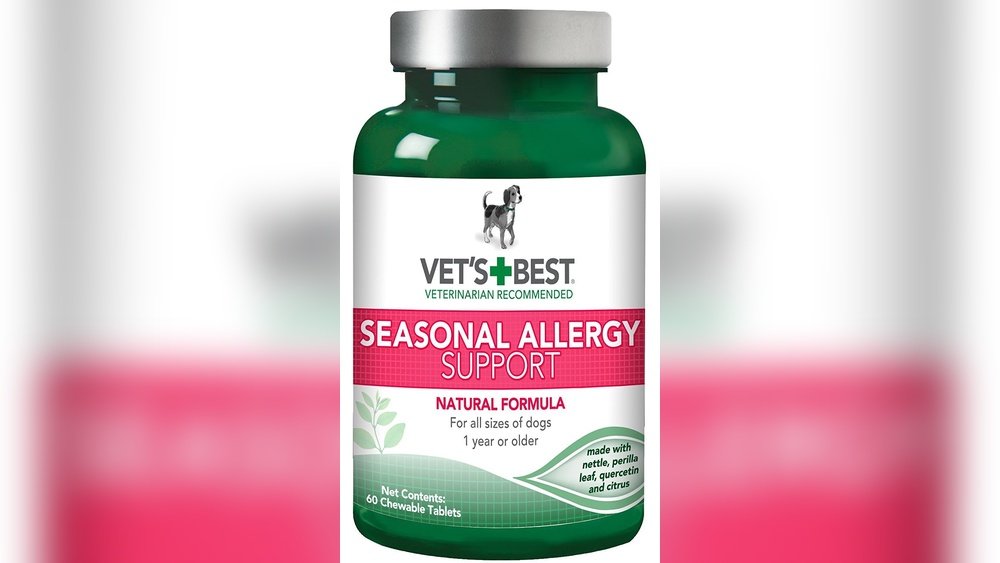
Glucosamine For Dogs Benefits
Many dog owners want to give their pets the best possible life. But as dogs grow older, joint problems can make walking, running, or even standing difficult. Watching a beloved pet struggle to move is painful for any family. This is why glucosamine for dogs has become a popular supplement. But what is glucosamine, and how does it help? And most importantly, does it really work?
This article explores everything you need to know about glucosamine for dogs. We’ll look at how it works, the benefits, the science, possible side effects, and practical tips for using it safely. By the end, you’ll have a clear understanding of whether glucosamine is right for your dog and how to make the best choices for their joint health.
What Is Glucosamine?
Glucosamine is a natural compound found in healthy cartilage. Cartilage is the tissue that cushions the joints. In both dogs and humans, glucosamine helps build and repair cartilage and keeps joints moving smoothly.
Most glucosamine supplements come from shellfish shells, though some are made in laboratories. There are several types, but the most common for dogs are:
- Glucosamine sulfate
- Glucosamine hydrochloride
- N-acetyl-glucosamine
These types are often found in chewable tablets, powders, or liquids. Some dog foods also add glucosamine as an ingredient.
Why Do Dogs Need Glucosamine?
As dogs age, their bodies produce less glucosamine. This can lead to joint pain and stiffness, especially in larger breeds or very active dogs. Common joint problems include osteoarthritis, which is a breakdown of cartilage in the joints. Without enough cartilage, bones rub together, causing pain and inflammation.
Glucosamine supplements aim to slow this process and support joint health. They are not painkillers, but they may help repair cartilage and reduce symptoms over time.
How Glucosamine Works In A Dog’s Body
Glucosamine acts as a building block for cartilage. When taken as a supplement, it is absorbed into the bloodstream and carried to the joints. Here’s what happens:
- Stimulates Cartilage Production: Glucosamine helps cells in the cartilage make new tissue.
- Reduces Inflammation: It may lower chemicals that cause swelling and pain in the joints.
- Slows Cartilage Breakdown: It protects against enzymes that destroy cartilage.
Some studies show that glucosamine works best when combined with chondroitin, another supplement that supports joint health. But glucosamine alone can still offer benefits for many dogs.
Proven Benefits Of Glucosamine For Dogs
Glucosamine is widely used to support joint health in dogs. But what are the real, proven benefits? Let’s look at the main ways glucosamine can help your pet.
1. Eases Joint Pain
One of the main reasons dog owners use glucosamine is to reduce joint pain. This is most common in older dogs or breeds prone to arthritis, such as Labradors, German Shepherds, and Golden Retrievers.
Glucosamine doesn’t work like a painkiller. Instead, it helps repair joint tissue over time. Many owners notice their dogs are more comfortable and active after a few weeks of daily use.
2. Improves Mobility And Activity
Dogs with joint problems often have trouble walking, running, or climbing stairs. Glucosamine can help improve mobility by supporting healthy joints. Some studies show that dogs given glucosamine are able to walk farther and move more easily.
Here’s a simple comparison of mobility improvements with and without glucosamine:
| Group | Average Walking Distance (meters) | Improvement After 8 Weeks |
|---|---|---|
| With Glucosamine | 120 | +30% |
| Without Glucosamine | 90 | +10% |
This data shows that glucosamine can make a real difference for many dogs.
3. Slows Progression Of Osteoarthritis
Osteoarthritis is a common condition, especially in aging dogs. The disease causes cartilage to break down, making joints stiff and painful. Glucosamine can help slow this process, keeping joints healthy for longer.
Research suggests that dogs receiving glucosamine may have less joint damage over time. This means fewer trips to the vet and a better quality of life.
4. Supports Cartilage Repair
Cartilage has limited ability to heal itself. Glucosamine provides the raw materials needed to build and repair cartilage. This is especially important for dogs recovering from joint injuries or surgery.
By supporting cartilage repair, glucosamine helps keep joints cushioned and protected.
5. Reduces Need For Pain Medication
Many dogs with arthritis need regular pain medications, which can have side effects. Glucosamine is considered safer for long-term use. Some owners find that their dogs need less medication after starting glucosamine.
Of course, you should never stop a prescribed medication without talking to your vet. But glucosamine may allow for lower doses or less frequent use.
6. Helps With Recovery After Surgery
Dogs that have joint surgery, such as for a torn cruciate ligament, often need extra support during healing. Glucosamine can help rebuild cartilage and speed up recovery.
Vets sometimes recommend starting glucosamine before surgery, to give the body a head start.
7. Supports Active And Working Dogs
Active dogs, such as those in agility, hunting, or police work, put extra stress on their joints. Even young dogs can benefit from glucosamine to protect their joints from wear and tear.
It’s a common supplement in working dog diets to help prevent early joint problems.
8. May Help Large And Giant Breeds
Big dogs are more likely to have joint issues because of their size. Breeds like Saint Bernards, Great Danes, and Mastiffs benefit from early glucosamine support.
Giving glucosamine before symptoms start can help keep these dogs comfortable as they age.
9. Improves Quality Of Life
The biggest benefit for many owners is seeing their dog happy, playful, and pain-free. Glucosamine can make daily activities easier and bring back your dog’s energy and joy.
Owners often notice a return to old habits, like playing fetch or jumping on the couch, after several weeks of use.
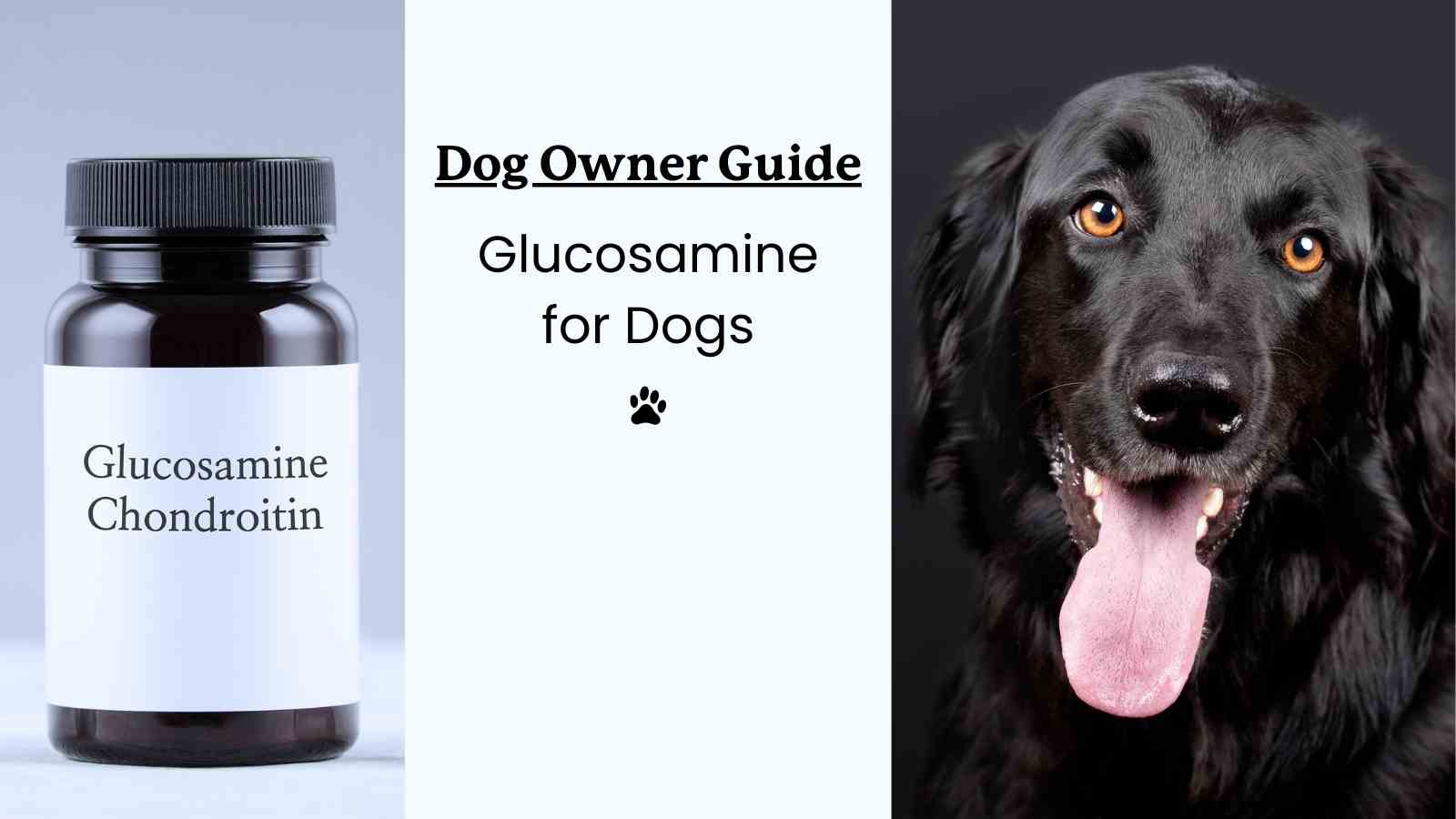
Credit: lolahemp.com
Scientific Evidence: Does Glucosamine Really Work?
Many people wonder if glucosamine’s benefits are just hype. While studies in dogs are smaller than those in humans, research does show positive results.
- A study published in the Journal of the American Veterinary Medical Association found that dogs with arthritis showed significant improvement in pain scores after 70 days of glucosamine and chondroitin.
- Another clinical trial compared glucosamine to carprofen (a common pain medication). Both groups improved, but the glucosamine group had fewer side effects.
- One review found that about 60% of dogs with joint problems improved with glucosamine.
However, not every dog will respond the same way. Some show dramatic improvement, while others have only mild benefits. The effect often depends on the severity of joint damage, the dose, and the individual dog.
Types Of Glucosamine Supplements For Dogs
Choosing the right form of glucosamine can be confusing. Here are the main types available:
Glucosamine Sulfate
This is the most common form in human supplements. It’s stable and well-absorbed, but less common in dog products.
Glucosamine Hydrochloride (hcl)
Most dog supplements use this type. It’s pure and easy for dogs to digest. Studies show that it helps maintain healthy cartilage.
N-acetyl-glucosamine
This type is sometimes used for stomach health as well as joints. It’s less common in commercial dog products.
Combination Products
Many supplements combine glucosamine with:
- Chondroitin sulfate (also supports cartilage)
- MSM (methylsulfonylmethane, for inflammation)
- Omega-3 fatty acids (for joint and skin health)
A combination product may offer more benefits, especially for severe joint problems.
Chews, Powders, Liquids, And Tablets
Glucosamine comes in many forms. The best choice depends on your dog’s taste and how easy it is for you to give.
Here’s a quick comparison:
| Form | Pros | Cons |
|---|---|---|
| Chews | Tasty, easy to give, like treats | More expensive, may contain extra calories |
| Powders | Can mix with food, easy to adjust dose | Some dogs dislike the taste |
| Liquids | Easy to mix, good for picky eaters | Shorter shelf life, can be messy |
| Tablets | Precise dosing, often cheapest | Some dogs resist taking pills |
How To Choose A Quality Glucosamine Supplement
Not all supplements are created equal. Here’s what to look for:
1. Check For Third-party Testing
Supplements are not as tightly regulated as prescription drugs. Look for brands that use third-party testing to check purity and strength.
2. Read The Ingredient List
The best products list glucosamine as a main ingredient, with clear amounts per serving. Avoid products with lots of fillers or artificial flavors.
3. Look For The Right Dose
Most studies use 20–30 mg of glucosamine per pound of body weight daily. For example, a 50-pound dog would need about 1000–1500 mg per day.
4. Choose The Right Form
Pick a form your dog will actually take. Chews are popular, but powders or liquids may work better for some dogs.
5. Consider Combination Products
Products with chondroitin or MSM may provide extra support, especially for dogs with severe arthritis.
6. Check For Allergens
If your dog is allergic to shellfish, look for vegan or synthetic glucosamine. Most glucosamine is made from shrimp or crab shells.
How To Give Glucosamine To Your Dog
Administering glucosamine is simple, but consistency matters. Here’s a step-by-step approach:
- Talk to Your Vet: Before starting any supplement, get your vet’s advice. They’ll help you choose the right product and dose.
- Start with the Recommended Dose: Use the amount listed on the package or as advised by your vet.
- Give with Food: Most dogs tolerate glucosamine best when taken with a meal.
- Be Patient: It can take 4–6 weeks to see improvement. Don’t expect instant results.
- Watch for Side Effects: Most dogs do well, but monitor for vomiting, diarrhea, or changes in appetite.
Example Dosing Schedule
| Dog Weight | Glucosamine Dose (mg/day) |
|---|---|
| 10–25 lbs | 500–600 mg |
| 25–50 lbs | 900–1200 mg |
| 50–90 lbs | 1500 mg |
| Over 90 lbs | 2000 mg |
Always adjust the dose based on your vet’s advice.

Credit: pupford.com
Possible Side Effects Of Glucosamine
Glucosamine is considered very safe for most dogs. But like any supplement, side effects can occur.
Common Side Effects
- Stomach upset (vomiting, diarrhea)
- Loss of appetite
- Tiredness or changes in energy
These are usually mild and go away if you lower the dose or give with food.
Rare Side Effects
- Allergic reaction (especially in dogs with shellfish allergies)
- Increased thirst or urination
- Changes in blood sugar (caution in diabetic dogs)
If you notice severe symptoms, stop the supplement and contact your vet.
Who Should Not Take Glucosamine?
Glucosamine is safe for most dogs, but some should avoid it:
- Dogs allergic to shellfish (unless using a vegan product)
- Dogs with bleeding disorders (glucosamine may affect blood clotting)
- Dogs with diabetes (glucosamine may affect blood sugar)
Pregnant or nursing dogs should only take glucosamine if advised by a vet.
How Long Does Glucosamine Take To Work?
Many owners expect quick results, but glucosamine works slowly. Most dogs take 4–6 weeks to show improvement. Some may take longer, especially if joint damage is advanced.
For best results, give glucosamine every day, even if your dog seems better. Stopping the supplement can cause symptoms to return.
Glucosamine Vs. Other Joint Supplements
Glucosamine is often combined with other ingredients for joint health. Here’s a quick look at how it compares:
- Chondroitin sulfate: Often used with glucosamine; supports cartilage and may reduce pain.
- MSM: Helps with inflammation and pain; often found in combination products.
- Omega-3 fatty acids: Reduce joint inflammation; found in fish oil.
- Hyaluronic acid: Supports joint lubrication.
Some dogs respond better to a combination of supplements. Talk to your vet about the best formula for your pet.
Common Mistakes When Using Glucosamine
Even with the best intentions, it’s easy to make mistakes with supplements. Here are some common ones to avoid:
- Giving Too Little: Using less than the recommended dose won’t give results.
- Expecting Fast Results: It takes time for glucosamine to work.
- Stopping Too Soon: Stopping when your dog improves can cause symptoms to return.
- Not Checking Ingredients: Some products contain little real glucosamine or low-quality fillers.
- Ignoring Allergies: Dogs allergic to shellfish need a special product.
One non-obvious insight: If you miss a dose, do not double the next one. Simply continue with the normal schedule.
Another tip: If your dog refuses to eat glucosamine chews or tablets, try breaking them into smaller pieces, mixing with a favorite food, or switching to a powder or liquid.
When To Start Glucosamine
Many people wait until their dog shows signs of joint pain, but starting earlier can help. Consider glucosamine if your dog:
- Is a large or giant breed
- Is very active or works in sports
- Has a family history of joint problems
- Has had joint surgery or injury
Even young dogs can benefit from joint support, especially if they are at higher risk.
Glucosamine For Puppies: Is It Safe?
Most vets do not recommend glucosamine for very young puppies unless there is a medical reason. Their joints are still growing and usually do not need extra support. However, for breeds with severe joint risks, starting glucosamine at 12–18 months may be helpful.
Always ask your vet before giving supplements to puppies.
Is Human Glucosamine Safe For Dogs?
Many owners wonder if they can share their own glucosamine tablets with their pets. While the main ingredient is usually the same, there are some risks:
- Human supplements may contain artificial sweeteners (like xylitol), which are toxic to dogs.
- Doses may be too high or too low.
- Some human products have extra ingredients not safe for pets.
If you use a human product, read the label carefully and check with your vet first.
Cost Of Glucosamine For Dogs
Glucosamine is affordable compared to prescription joint medications. The price depends on:
- The brand
- The amount of glucosamine per dose
- The form (chews are usually more expensive)
Most owners can expect to spend $10–$40 per month, depending on the size of the dog and the product chosen.
Real-life Success Stories
Many owners see dramatic changes after starting glucosamine. For example:
- A 9-year-old Labrador with arthritis began jumping in the car again after two months of daily glucosamine.
- An active Border Collie with a past knee injury returned to agility competitions after supplementing with glucosamine and chondroitin.
- An overweight senior dog started playing fetch again after 6 weeks on glucosamine.
Not every dog will have such strong results, but many see small improvements in comfort and movement.
Credit: www.petmd.com
Glucosamine: What Veterinarians Say
Veterinarians often recommend glucosamine as part of a joint health plan. They like it because:
- It is safe for long-term use.
- It may reduce the need for pain medication.
- It works best when started early or at the first signs of trouble.
However, most vets agree that glucosamine works best as part of a full plan, including:
- Weight management
- Regular, gentle exercise
- Other joint supplements as needed
Glucosamine And Chondroitin: Better Together?
Chondroitin is another popular supplement for joint health. It helps keep cartilage elastic and blocks enzymes that damage joints. Many studies show that glucosamine and chondroitin work better together than alone.
If your dog has moderate to severe arthritis, a combination product may be the best choice. Ask your vet about the right formula and dose.
For more on the science behind these supplements, see the Glucosamine entry on Wikipedia.
Glucosamine For Special Dog Populations
Senior Dogs
Older dogs benefit the most from glucosamine. It can keep them comfortable, active, and happy in their golden years.
Overweight Dogs
Extra weight puts stress on joints. Glucosamine can help, but weight loss is also important for joint health.
Working And Sporting Dogs
Active dogs use their joints heavily. Preventive glucosamine can keep them performing at their best.
Dogs With Genetic Joint Problems
Some breeds are prone to hip or elbow dysplasia. Early glucosamine may slow the development of these problems.
Frequently Asked Questions
Is Glucosamine Safe For Long-term Use In Dogs?
Yes, glucosamine is considered very safe for long-term daily use in dogs. Most vets recommend it for months or even years. Rare side effects are mild and often go away if you lower the dose or give with food.
How Quickly Will I See Results After Starting Glucosamine?
Most owners see some improvement in their dog’s mobility or comfort after 4–6 weeks. Some dogs take longer. It’s important to give the supplement every day and be patient for the best results.
Can I Give My Dog Human Glucosamine Supplements?
It’s possible, but it’s safer to use a product made for dogs. Human supplements may have sweeteners or other ingredients that are not safe for pets. Always check with your vet before giving any human medication or supplement.
Should I Use Glucosamine Alone Or With Other Supplements?
Many dogs benefit from a combination of glucosamine with chondroitin, MSM, or omega-3s. These ingredients work together to support joint health. Your vet can help you choose the best formula for your dog’s needs.
What If My Dog Has A Shellfish Allergy?
Most glucosamine is made from shellfish. If your dog has a known allergy, look for plant-based or synthetic glucosamine products. Always check the label and ask your vet for recommendations.
Dogs are family, and keeping them healthy and comfortable is a top priority. Glucosamine is a safe, affordable, and effective way to support your dog’s joint health—especially as they age or if they are at risk for arthritis. Used correctly, it can help your dog enjoy more years of play, walks, and happy moments by your side.