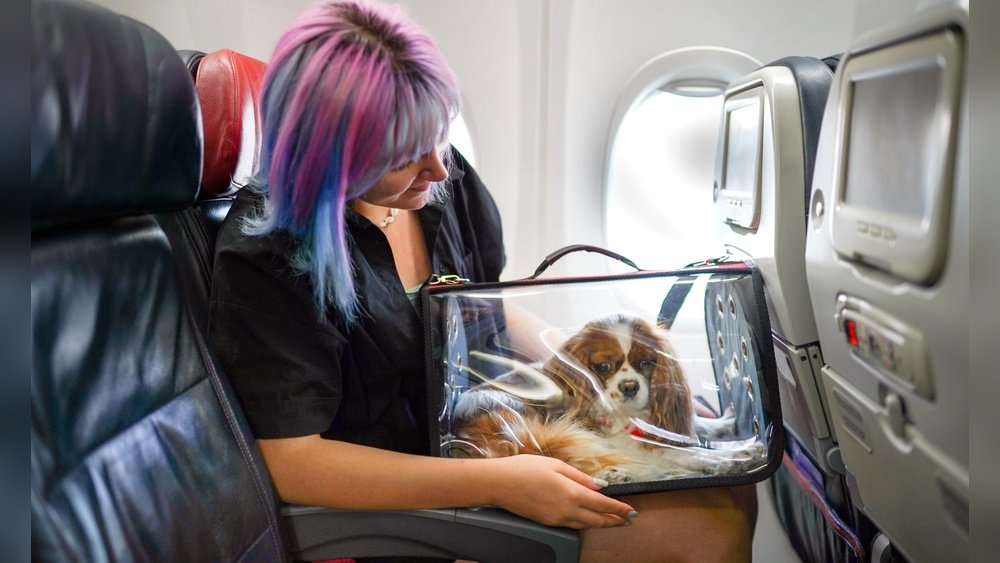
Taking your dog on a plane can sound exciting but also stressful. Many pet owners dream of traveling together, yet the rules, paperwork, and airline policies can feel overwhelming. What’s allowed, what isn’t, and how do you make sure your dog is safe and comfortable during the flight?
These questions are more common than you think. Today, air travel with pets is not only possible but also quite common if you prepare properly. But there are important steps you must follow to avoid last-minute surprises and ensure a smooth journey for both you and your dog.
If you’re thinking about flying with your dog, this guide explains everything you need to know. From airline rules to health requirements, from cabin versus cargo options to practical packing tips, you’ll find all the key details here. You’ll also discover some insider advice most beginners miss, so you can travel with confidence and peace of mind.
Basic Airline Rules For Flying With Dogs
Before booking your ticket, it’s important to understand that each airline sets its own pet travel policies. While some allow small dogs in the cabin, others require all pets to travel as checked baggage or cargo. Some airlines ban certain breeds or have size restrictions. Here are the most common rules you’ll encounter:
- Pet size and weight: Most airlines allow dogs under 8kg (about 17 lbs), including the carrier, to travel in the cabin. Heavier or larger dogs must usually travel in the cargo hold.
- Breed restrictions: Short-nosed breeds like bulldogs or pugs may not be allowed in cargo due to breathing problems.
- Carrier requirements: Airlines require a leak-proof, well-ventilated pet carrier that fits under the seat.
- Pet travel fees: You must pay a separate fee for your dog, which can range from $50 to $500 depending on the airline and destination.
- Age limits: Puppies are often required to be at least 8-12 weeks old to fly.
- Destination rules: Some countries or states have strict quarantine or health requirements for dogs.
Airlines update their rules frequently, so always check with your airline before making any reservations. Don’t rely on third-party sites for the latest info—go straight to the airline’s official pet policy page.
Example: American Airlines Pet Policy
- Maximum pet + carrier weight for cabin: 20 lbs (9 kg)
- Fee for in-cabin pet: $125 one way (domestic)
- Only 7 pets allowed per flight in cabin (first come, first served)
- No snub-nosed breeds in cargo
These rules highlight why planning ahead is key. If you wait until check-in, you may find the pet spots are full or your dog’s breed is not accepted.
Can All Dogs Fly In The Cabin?
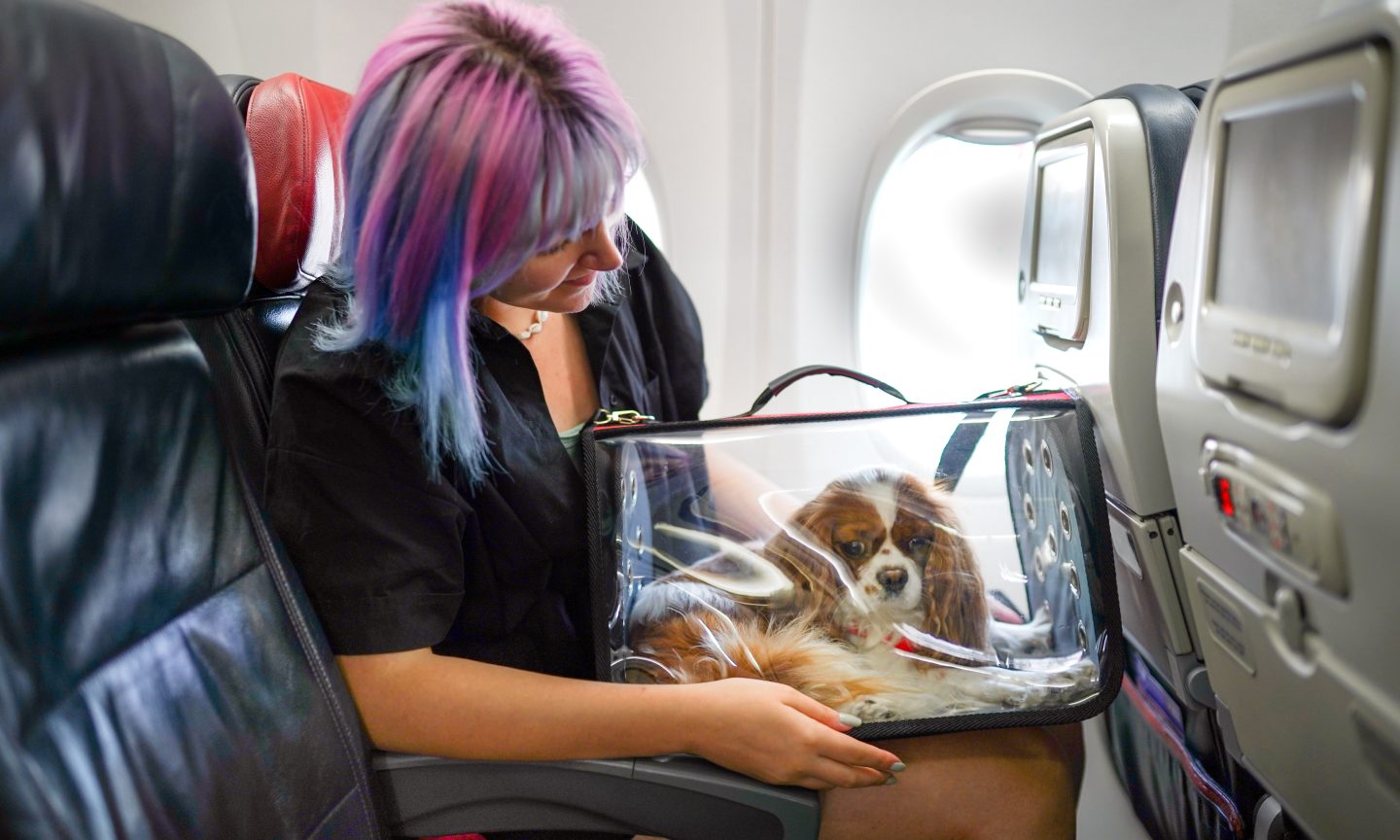
Not all dogs can travel in the cabin with you. Cabin travel is usually limited to small dogs that fit comfortably in a carrier that can slide under the seat. The carrier must be soft-sided and airline-approved. Here are the main requirements for in-cabin travel:
- Dog’s size: Must fit inside a carrier (about 18 x 11 x 11 inches or 45 x 28 x 28 cm).
- Carrier type: Soft-sided, leak-proof, and ventilated. Hard-sided carriers are sometimes accepted but rarely fit under the seat.
- Quiet behavior: Dogs must stay inside the carrier and remain calm during the flight.
- One pet per passenger: Most airlines allow only one pet per passenger in the cabin.
If your dog is too large or doesn’t fit these requirements, you’ll need to consider cargo or checked baggage options.
When Is Cargo Travel Required?
If your dog is above the weight or size limits, or if you’re flying internationally, your dog may need to travel as cargo. This means your dog is transported in the airplane’s special pet hold, not with the luggage. Some airlines call this “manifest cargo” and treat it with extra care and climate control.
However, cargo travel has its own risks and requirements.
- Health certificate: Most airlines demand a recent health certificate (issued within 10 days of travel).
- Sturdy crate: The crate must be hard-sided, large enough for the dog to stand and turn around, and labeled with contact info.
- Breed bans: Brachycephalic (snub-nosed) breeds are often not accepted due to breathing risks.
- Temperature restrictions: Many airlines will not transport pets as cargo if ground temperatures are too hot or cold.
Cargo travel is safe for most healthy dogs but not suitable for very old, very young, or sick pets. Always discuss with your vet before booking.
Paperwork And Health Requirements
Traveling with your dog is more than just buying a ticket. You need to gather documents to show your dog is healthy and up to date on vaccines. Missing paperwork can mean your dog is denied boarding or quarantined at your destination.
Common Documents Needed
- Health certificate (Certificate of Veterinary Inspection): Shows your dog is healthy and fit to travel. Usually required within 10 days of flight.
- Rabies vaccination certificate: Most countries and airlines require this.
- Import permit: Some countries need special permits before entry.
- Microchip documents: Many countries require dogs to be microchipped and registered.
- Proof of tapeworm and tick treatment: Needed for some destinations like the UK or Australia.
Timing Is Crucial
Do not leave paperwork to the last week. Some vaccines must be given 21-30 days before travel. Rabies certificates often need to be at least 30 days old but less than one year. For international trips, permits and paperwork can take weeks.
Country-specific Requirements
Each country has its own rules. For example:
- United Kingdom: Dogs must be microchipped, vaccinated for rabies, and treated for tapeworm 24-120 hours before arrival.
- Australia: 10-day quarantine on arrival, import permit, and specific blood tests.
- European Union: Requires an EU Pet Passport for travel within member countries.
Check the government pet import page of your destination well in advance. If you’re returning to your home country, check re-entry rules too.
Preparing Your Dog For Air Travel
Just like humans, dogs need to prepare for a flight. A plane can be noisy, crowded, and stressful for pets, especially if they have never traveled before. Here’s how to get your dog ready:
Visit The Vet
See your vet at least a month before your trip. Discuss:
- Your dog’s health and fitness for flying
- Needed vaccines and medications
- Preventive treatments (fleas, ticks, heartworm)
- Calming techniques (never sedate your dog unless your vet says it’s safe)
Get Your Dog Used To The Carrier
Buy the airline-approved carrier early and let your dog explore it at home. Place treats, toys, and a blanket inside so your dog sees it as a safe place. Take short car rides with your dog in the carrier to build comfort.
Practice Airport Routines
Airports can be overwhelming. Practice security checks by having your dog walk through doors, sit in busy places, and hear loud noises. Gradually increase the time your dog spends in the carrier.
Food And Water
On the day of travel, feed your dog a light meal 3-4 hours before the flight. Too much food can cause upset stomach or accidents. Give water but avoid overfilling, especially before cabin travel.
Exercise
Give your dog a long walk before heading to the airport. This helps burn off energy and reduces restlessness during the flight.
:max_bytes(150000):strip_icc():focal(999x0:1001x2)/pets-travel-8a7c8ed3050c4c0a8247e6a8c8284896.jpg)
Credit: people.com
Booking A Flight: What To Know
Booking a flight with a dog is not the same as booking for yourself. There are extra steps and details that can make or break your travel plans.
Reserve Early
Most airlines limit the number of pets in the cabin per flight (usually 4-7 spots). Book your ticket and call the airline to reserve a pet spot as soon as possible.
Direct Flights Are Best
Choose nonstop flights if possible. Layovers increase stress and risk for your dog, especially if you must change planes or airlines. Early morning or late evening flights are better in hot weather.
Choose Pet-friendly Airlines
Some airlines are more pet-friendly than others. For example:
- Delta Air Lines: Allows small dogs in cabin, has Pet First program for cargo.
- JetBlue: Known for good pet policies and onboard pet perks.
- Air France: Offers pets in cabin and cargo, with clear international guidelines.
Compare airline policies and fees before booking.
Check Layover Rules
If you must change planes, check if your dog can stay on board or must be moved to another terminal. Some airports have pet relief areas, but not all do.
Double-check All Details
Confirm your booking, pet reservation, and carrier requirements with the airline directly. Get everything in writing (email confirmation or airline chat logs).
Packing List For Flying With Your Dog
Traveling with a dog means bringing more than just your suitcase. Here’s a full list of what you’ll need:
- Airline-approved carrier: Check size and type before buying.
- Health documents: Keep them in your carry-on.
- Leash and harness: Needed for security and bathroom breaks.
- Collapsible water bowl: For easy hydration.
- Small food supply: Enough for the trip and a day or two extra.
- Favorite toy or blanket: Reduces stress and gives comfort.
- Waste bags and wipes: For quick cleanups.
- Pet ID tags and microchip info: In case your dog gets lost.
- Medications: Bring all daily meds and a copy of prescriptions.
Extra Items For Cargo Travel
If your dog travels as cargo, add:
- Absorbent bedding: Keeps the crate dry.
- Live Animal stickers and contact info: Required for cargo crates.
- Frozen water dish: Melts slowly during the flight, so your dog has water but doesn’t spill it all at once.
Remember, security may ask to inspect your dog’s carrier and belongings, so pack in an organized way.

Credit: www.usatoday.com
Airport And Security Procedures
Getting through the airport with your dog involves extra steps. Understanding the process can save you time and stress.
At Check-in
Arrive early—at least 2-3 hours before domestic flights, 3-4 hours for international. Show your pet reservation, health documents, and pay any fees. For cargo, drop off your dog at the airline’s cargo desk, not the main terminal.
Security Screening
You’ll need to remove your dog from the carrier and carry or walk your dog through the metal detector. The empty carrier is scanned separately. Dogs in cargo do not go through passenger security.
Waiting At The Gate
Find a quiet area and let your dog relax in the carrier. Use airport pet relief areas if available. Limit food and water to avoid accidents but keep your dog hydrated.
Boarding The Plane
Board as soon as allowed. Place the carrier under the seat in front of you. Do not open the carrier during the flight except in emergencies.
After Landing
Collect your dog and belongings quickly. For cargo dogs, pick up at the airline’s cargo office, which may be in another building.
Cabin Vs. Cargo: Comparing The Options
Deciding between cabin and cargo depends on your dog’s size, breed, and health. Here’s a side-by-side comparison to help you choose:
| Feature | Cabin Travel | Cargo Travel |
|---|---|---|
| Allowed Dog Size | Up to 8-10 kg (with carrier) | No strict weight limit |
| Owner Proximity | Dog stays with you | Dog is in separate area |
| Cost | $50–$250 per flight | $100–$500 per flight |
| Stress Level for Dog | Lower (familiar presence) | Higher (no owner nearby) |
| Breed Restrictions | Some restrictions | Many snub-nosed breeds banned |
| Suitable For | Small, calm, healthy dogs | Large, medium, working dogs |
Non-obvious insight: Even if your dog meets cabin size limits, only a small number of pets are accepted per flight. So, booking late can mean your dog must go as cargo, even if you prefer cabin travel.
Common Problems And How To Avoid Them
Many first-time pet travelers run into problems they did not expect. Here’s how to avoid the most frequent mistakes:
1. Last-minute Booking
Waiting too long to book your pet’s spot can mean there are no spaces left. Always reserve your pet’s ticket as soon as you book your own.
2. Wrong Carrier Size
If your carrier is too large, it won’t fit under the seat. Too small, and your dog will be uncomfortable. Double-check the airline’s size chart before buying.
3. Missing Paperwork
Some countries and airlines will not let your dog board without correct documents. Always carry originals and copies, and check expiration dates.
4. Ignoring Destination Rules
It’s common to forget about pet import rules at your destination. This can lead to quarantine, fines, or denied entry. Research the rules months before your trip.
5. Not Preparing Your Dog
If your dog has never seen a carrier or traveled before, the flight will be stressful. Practice early to help your dog adjust.
6. Overfeeding Before Flight
Nervous dogs with full stomachs can get sick. Feed lightly before travel and avoid new foods.
7. No Plan For Delays
Flights can be delayed or canceled. Always bring extra food, water, and medications for your dog.
Insider tip: Some airports have pet relief stations after security but not all do. Search your route in advance and ask airport staff when you arrive.
International Travel: Special Considerations
Flying internationally with a dog is more complex than domestic trips. Here’s what you need to know:
Quarantine Rules
Countries like Australia, New Zealand, and Singapore have strict quarantine rules. Your dog may need to stay in a government facility for 7-10 days or more, even with perfect documents.
Import Bans
Some countries ban certain breeds or all pet imports from high-rabies countries. Check the government’s pet travel page for up-to-date rules.
Extra Vaccines And Blood Tests
Many destinations require specific vaccines, blood tests, or parasite treatments given at precise times before your flight.
Language Barriers
Official documents may need to be translated into the destination country’s language. Use certified translators if required.
Return Trip Rules
When returning home, your dog may need new paperwork to re-enter. Rules for returning pets are sometimes stricter than outbound travel.
Non-obvious insight: Some countries require you to get import permits and start rabies blood tests 4-6 months before travel. Late planning can make travel impossible.
Credit: www.nerdwallet.com
Emotional Support And Service Dogs
Rules for service dogs and emotional support animals (ESAs) are different from pet travel.
Service Dogs
Service dogs (for disabilities) are usually allowed in the cabin for free, regardless of size. You must provide certification and notify the airline in advance.
Emotional Support Animals
Many airlines no longer recognize ESAs as “service animals” and treat them as regular pets. This means ESAs must follow the same rules as other dogs (size limits, fees, etc. ).
Extra Documentation
Both service and ESA dogs need extra paperwork. This often includes a letter from a doctor or therapist and proof of training.
International Differences
Not all countries recognize ESAs or service dogs the same way. Some may require quarantine or deny entry.
Important note: Always check the latest airline and country rules for service and support animals before booking.
Airline Pet Travel Fees Compared
Pet travel fees can vary widely. Here’s a quick look at what major airlines charge for dogs:
| Airline | Cabin Fee (USD) | Cargo Fee (USD) | Breed Restrictions |
|---|---|---|---|
| Delta | $125 | $200–$500 | Yes (snub-nosed breeds) |
| United | $125 | $300–$500 | Yes |
| American | $125 | $200–$400 | Yes |
| JetBlue | $125 | Not offered | Yes |
| Air Canada | $50–$118 | $105–$318 | Yes |
Fees can change anytime, so always confirm with your airline before booking.
Tips For A Smooth Journey
Flying with your dog is much easier when you plan ahead and stay organized. Here are some practical tips:
- Visit the vet early and get all paperwork ready at least one month before travel.
- Reserve your pet spot as soon as you buy your ticket.
- Choose direct flights and avoid extreme weather.
- Train your dog to be comfortable in the carrier weeks before the trip.
- Pack all essentials in your carry-on, not checked baggage.
- Arrive early at the airport to avoid stress and rushed paperwork.
- Label everything with your contact info, including your dog’s carrier and crate.
- Check all rules for both your airline and your destination country.
- Stay calm—your dog will take cues from you.
If you need more info or want to see a full airline pet policy list, the International Air Transport Association offers up-to-date guidelines.
Frequently Asked Questions
Can I Take My Dog On A Plane For Free?
Usually, no. Most airlines charge a fee for pet travel, even for in-cabin pets. The only exception is certified service dogs for travelers with disabilities, who may fly for free on most airlines.
What If My Dog Barks Or Cries During The Flight?
Dogs must remain quiet and inside their carrier during the flight. If your dog barks or whines, try to calm them with a favorite toy or blanket. Some airlines may refuse future travel if a dog is very disruptive.
Can Puppies Fly On Planes?
Yes, but most airlines require puppies to be at least 8-12 weeks old. They must also be fully weaned and have required vaccines. Always check the specific age rules for your airline.
What Happens If My Flight Is Delayed Or Canceled?
If your flight is delayed, keep your dog comfortable and hydrated. If your dog is traveling as cargo, ask the airline staff to check on them. Always bring extra food, water, and medications in case of long delays.
Do All Countries Allow Dogs To Arrive By Plane?
No. Some countries do not allow pet dogs to enter by air, or only from certain countries. Others require strict quarantine or special permits. Always check the entry rules of your destination before booking.
Traveling with your dog can be a wonderful experience with the right preparation. By understanding airline policies, gathering documents, and helping your dog adjust, you can make your journey safe and enjoyable for both of you. With careful planning and attention to detail, flying with your dog is not only possible—it’s often easier than you might think.