Dogs are loyal companions, always ready for a walk or a game of fetch. But have you ever noticed your dog slowing down, limping, or struggling to get up after a nap? These signs could be related to joint health. Many dog owners wonder if joint supplements are necessary, or just another product pushed by pet stores and online ads. The world of dog joint supplements can feel confusing—there are powders, chewables, and even treats claiming to protect your dog’s joints. But does every dog need them? Are they helpful, or just hype?
This article answers these questions with clear explanations, practical advice, and real examples. We’ll look at how dog joints work, common issues, who truly benefits from supplements, and what science says. Whether your dog is young, old, active, or relaxed, you’ll discover what matters most.
By the end, you’ll feel confident deciding if joint supplements are right for your pet.
How Dog Joints Work
The joints in a dog’s body connect bones, allowing movement and flexibility. Each joint has cartilage, which acts as a cushion to prevent bones from rubbing together. There’s also synovial fluid inside the joint, which keeps everything moving smoothly. Ligaments hold the bones in place, making sure your dog’s legs and body stay strong and stable.
Over time, with age or heavy activity, cartilage can wear down. When that happens, bones may rub, leading to pain and inflammation. If the synovial fluid decreases, joints can become stiff. Dogs rely on healthy joints to walk, run, jump, and play.
Even small joint problems can affect their quality of life.
Common Joint Problems In Dogs
Joint issues are one of the most frequent health problems in dogs. Some breeds are more prone to them, but any dog can experience joint discomfort. Here are the most common joint problems:
- Arthritis: This is the most common cause of joint pain in older dogs. Osteoarthritis is a degenerative condition where cartilage breaks down, causing pain and stiffness.
- Hip Dysplasia: Some breeds, like Labradors and German Shepherds, are genetically prone to hip dysplasia. The hip joint doesn’t form properly, leading to pain and poor movement.
- Elbow Dysplasia: Similar to hip dysplasia, but affecting the elbow joint. It’s often seen in large breeds.
- Ligament Injuries: The cranial cruciate ligament (CCL) is a common site for injury, especially in active dogs. A torn ligament causes pain and limping.
- Patellar Luxation: This means the kneecap moves out of place, which is common in small breeds. It can cause sudden lameness or skipping.
- Developmental Joint Disease: Puppies can sometimes have conditions where their joints don’t form properly, leading to lifelong problems.
- Joint Infections: Rare, but can occur after injuries. Infection leads to swelling, pain, and difficulty moving.
Some signs of joint problems include limping, stiffness after rest, reluctance to jump or climb, trouble rising, and licking or biting at a joint. If you notice these, a vet visit is important.
Why Joint Health Matters
Healthy joints are key for your dog’s well-being. Dogs need to move for exercise, mental health, and even digestion. When joints hurt, dogs may become less active, gain weight, and develop other health problems. Pain can affect behavior—your dog might become irritable or withdrawn.
Joint issues are not just a problem for old dogs. Puppies and adults can also suffer, especially active dogs or those with genetic risks. Early attention to joint health can prevent bigger problems later. Many owners miss small warning signs until the dog’s mobility is badly affected.
What Are Dog Joint Supplements?
Dog joint supplements are products designed to support joint health, reduce pain, and improve mobility. They come in many forms: powders, chewable tablets, liquids, and treats. Most contain ingredients believed to help cartilage, lubricate joints, or reduce inflammation.
The most common ingredients include:
- Glucosamine: Helps build and repair cartilage.
- Chondroitin: Supports cartilage strength and elasticity.
- MSM (Methylsulfonylmethane): Reduces inflammation and pain.
- Omega-3 fatty acids: From fish oil, help decrease joint inflammation.
- Hyaluronic acid: Lubricates joints.
- Turmeric/Curcumin: Natural anti-inflammatory.
- Collagen: Supports joint and bone structure.
Some supplements combine several of these ingredients for a “complete” formula. Others focus on one main ingredient.

Credit: www.tractorsupply.com
Do All Dogs Need Joint Supplements?
This is the big question. Not every dog needs joint supplements. Some dogs have healthy joints and don’t show any signs of pain or stiffness. For these dogs, supplements may not provide noticeable benefits.
Dogs who may benefit from joint supplements include:
- Senior dogs: Older dogs often develop arthritis and joint stiffness.
- Large breeds: Big dogs put more stress on their joints.
- Active dogs: Dogs who run, jump, or compete in sports.
- Dogs with previous joint injuries: After injury, joints are more vulnerable.
- Dogs with genetic risks: Breeds prone to hip or elbow dysplasia.
- Overweight dogs: Extra weight increases joint stress.
If your dog falls into one of these groups, a supplement might help. For young, healthy, low-risk dogs, supplements are usually not needed.
What Science Says About Dog Joint Supplements
Many supplements promise big results, but what does research show? Let’s look at the evidence behind common ingredients:
Glucosamine And Chondroitin
Studies show mixed results. Some dogs experience less pain and better movement with glucosamine and chondroitin, especially those with mild to moderate arthritis. Other studies find no major improvement. The American Veterinary Medical Association suggests these supplements may help some dogs, but they are not a cure.
Omega-3 Fatty Acids
Fish oil, rich in omega-3s, has stronger evidence for reducing inflammation. Research shows dogs with arthritis often improve when given fish oil. Their joints become less painful, and they move more easily.
Msm
MSM is believed to reduce pain and inflammation. Some small studies show benefits, but larger trials are needed. It is often combined with other ingredients for a better effect.
Hyaluronic Acid And Collagen
These are newer ingredients. Early studies suggest they can help lubricate joints and support cartilage. Results are promising, but more research is needed.
Turmeric/curcumin
Turmeric is a natural anti-inflammatory. Studies in humans and animals show it can reduce swelling and pain. However, the amount needed for dogs is not fully clear.
Data Table: Evidence Strength For Common Joint Supplement Ingredients
| Ingredient | Evidence Strength | Typical Benefit |
|---|---|---|
| Glucosamine | Moderate | Cartilage repair |
| Chondroitin | Moderate | Cartilage support |
| Omega-3 (Fish Oil) | Strong | Inflammation reduction |
| MSM | Weak-Moderate | Pain relief |
| Hyaluronic Acid | Emerging | Joint lubrication |
| Turmeric | Moderate | Anti-inflammatory |
| Collagen | Emerging | Joint structure |
When Should You Start Joint Supplements?
Timing matters. Many owners wait until their dog shows clear signs of joint pain. But once severe arthritis sets in, supplements may not reverse the damage.
Some vets recommend starting supplements before problems appear, especially for high-risk dogs. For example, large breeds or active dogs can benefit from early support. Starting at age 6 or 7 is common for big dogs, while smaller breeds may start later.
Dogs who already show signs of joint pain can also benefit, but supplements work best when combined with other treatments, like weight control and gentle exercise.
How To Choose The Right Joint Supplement
With so many options, picking the best supplement can feel overwhelming. Here’s what to look for:
- Ingredient quality: Choose products with proven ingredients, like glucosamine, chondroitin, and omega-3s.
- Dosage: Check that the product provides enough active ingredient for your dog’s weight and age.
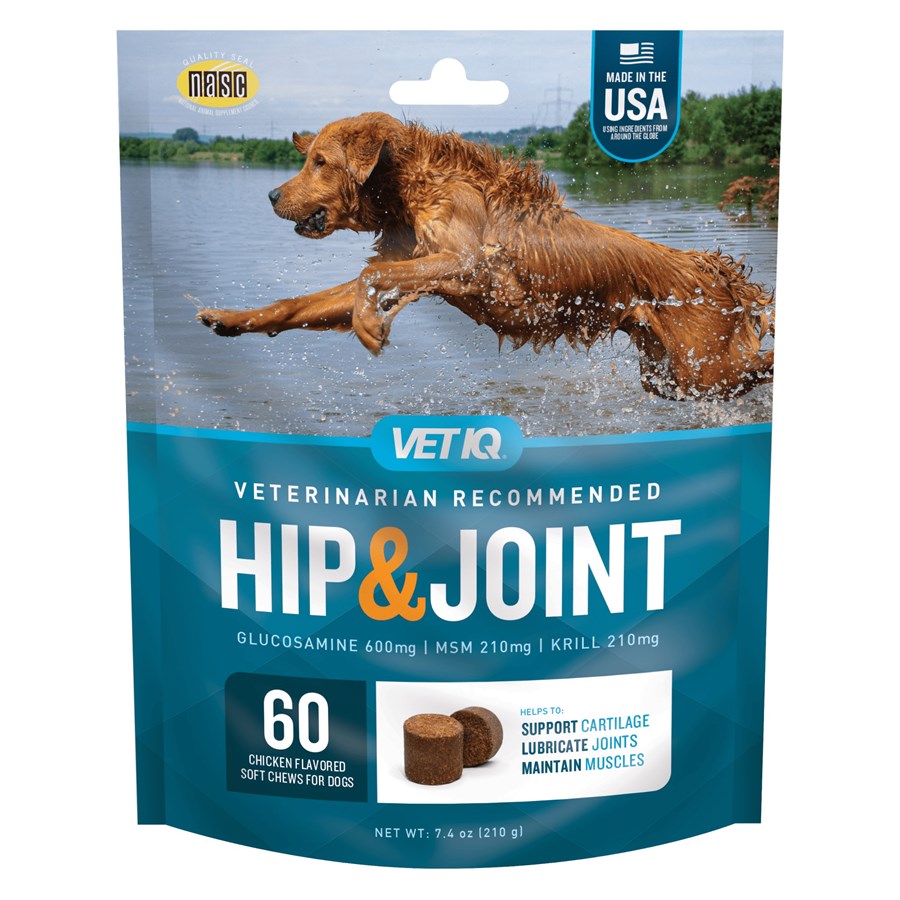
- Form: Tablets, powders, and chews—pick what your dog likes best. Chews are easy for picky eaters.
- Brand reputation: Stick with reputable brands. Look for products tested by independent labs.
- Veterinarian advice: Ask your vet, especially if your dog has other health issues.
- Certifications: Look for NASC (National Animal Supplement Council) seal or similar quality marks.
- Additives: Avoid products with unnecessary fillers, colors, or flavors.
Comparison Table: Joint Supplement Types
| Type | Pros | Cons |
|---|---|---|
| Powder | Easy to mix, flexible dosing | Some dogs dislike taste |
| Chewable | Palatable, convenient | Can contain extra calories |
| Liquid | Fast absorption, easy for small dogs | Can be messy |
| Treats | Dogs love them, easy to give | May not contain enough active ingredient |
Credit: www.petcarerx.com
How Joint Supplements Work In The Body
Joint supplements don’t work instantly. After your dog starts taking a supplement, it takes time for the ingredients to build up in the body. Glucosamine and chondroitin help cartilage repair, but this process is slow. Omega-3s reduce inflammation, but the effect is gradual.
Most dogs need at least 4-6 weeks before noticing improvement. Some dogs may take longer. Supplements work best when combined with a healthy diet, regular exercise, and weight control.
It’s important to note that supplements are not a cure. They support joint health, reduce pain, and improve mobility—but they can’t completely reverse severe damage. For dogs with advanced arthritis, supplements may offer some relief, but other treatments (like medication or surgery) may be needed.
Signs Your Dog Might Need Joint Supplements
Dogs don’t complain the way humans do, so you must watch for subtle signs. Here are some indicators your dog could benefit from a supplement:
- Limping or favoring a leg
- Difficulty standing up after rest
- Reluctance to climb stairs or jump
- Stiffness after exercise
- Decreased activity or playfulness
- Swelling in joints
- Licking or chewing at a joint
Some dogs hide pain well. If your dog is less interested in walks or seems grumpy, it could be a sign of joint discomfort.
Alternatives To Joint Supplements
Supplements are just one part of joint care. Here are other ways to help your dog’s joints:
- Weight control: Extra pounds put stress on joints. Keep your dog at a healthy weight.
- Exercise: Gentle, regular movement keeps joints flexible. Avoid high-impact activities if your dog has joint issues.
- Physical therapy: Some vets offer rehab exercises to strengthen muscles and support joints.
- Balanced diet: Foods rich in omega-3s, like fish, can help joint health.
- Medication: For severe pain, vets may recommend anti-inflammatory drugs.
- Surgery: In cases of severe joint damage, surgical options may be considered.
Practical Example
Let’s say you have a 7-year-old Labrador who loves to run. Suddenly, you notice he limps after playtime. Your vet confirms early arthritis. You start him on a glucosamine and fish oil supplement, adjust his weight, and switch to shorter, more frequent walks.
After a month, he’s more comfortable and eager to move.
Risks And Side Effects Of Joint Supplements
Most joint supplements are safe when used as directed. But some dogs may have side effects:
- Digestive upset: Some dogs experience diarrhea or vomiting.
- Allergic reactions: Rare, but possible—watch for itching or swelling.
- Interactions: Supplements can interact with other medications. Always tell your vet what your dog is taking.
Quality matters. Cheap supplements may contain contaminants or inaccurate dosages. Always buy from trusted sources.
Non-obvious Insights: What Owners Often Miss
- Supplements are not magic: Many owners expect fast, dramatic results. Supplements work slowly, and best when combined with other care, like weight management and exercise.
- Over-supplementation is possible: Giving too much can cause issues. Stick to recommended doses.
- Not all joint pain is arthritis: Sometimes, pain is from injury or infection. Always check with a vet before starting supplements.
- Dogs hide pain well: By the time you notice obvious limping, damage may be advanced. Early attention is key.
- Quality varies widely: Not all supplements are created equal. Some may not contain what the label claims.
Real-life Stories: How Joint Supplements Helped Dogs
Owners often share stories about their dogs improving after starting joint supplements. For example:
- A senior Beagle struggled to climb stairs. After 6 weeks on a glucosamine and chondroitin supplement, he moved more easily and became playful again.
- A Border Collie, active in agility competitions, started fish oil for joint support. She stayed limber and avoided injury, even as she aged.
- A rescue dog with a history of knee injury improved after adding MSM and collagen to his diet.
These examples show supplements can make a difference—especially when combined with other healthy habits.
Veterinary Perspective: What Experts Recommend
Vets generally recommend joint supplements for dogs with:
- Early signs of arthritis
- Genetic risks (large breeds or breeds prone to dysplasia)
- Previous joint injuries
- Senior dogs showing stiffness
They caution that supplements are not a substitute for medical care. Always consult your vet before starting any supplement, especially if your dog has other health issues.
Data Table: Signs Of Joint Issues By Age Group
| Age Group | Common Signs | Recommended Action |
|---|---|---|
| Puppies (0-1 year) | Limping, developmental issues | Vet check, careful monitoring |
| Adults (2-6 years) | Occasional stiffness after play | Consider supplements for active breeds |
| Seniors (7+ years) | Stiffness, reluctance to move, joint swelling | Supplements, gentle exercise, weight control |
How To Give Joint Supplements
Getting your dog to take a supplement can be tricky. Here are some tips:
- Mix powders with food
- Use chewable treats
- Hide tablets in peanut butter or cheese
- Start with a small dose and increase slowly
Be consistent. Give the supplement at the same time each day. Watch for side effects and report any concerns to your vet.
Comparing Joint Supplements To Prescription Medications
Prescription medications like NSAIDs (non-steroidal anti-inflammatory drugs) are often used for severe joint pain. They work quickly, but can have side effects like stomach upset or liver issues. Supplements are slower, but safer for long-term use.
Supplements are best for mild to moderate joint problems, prevention, and support. Medications are needed for severe pain or advanced arthritis. Sometimes, vets use both together.
Cost Of Joint Supplements
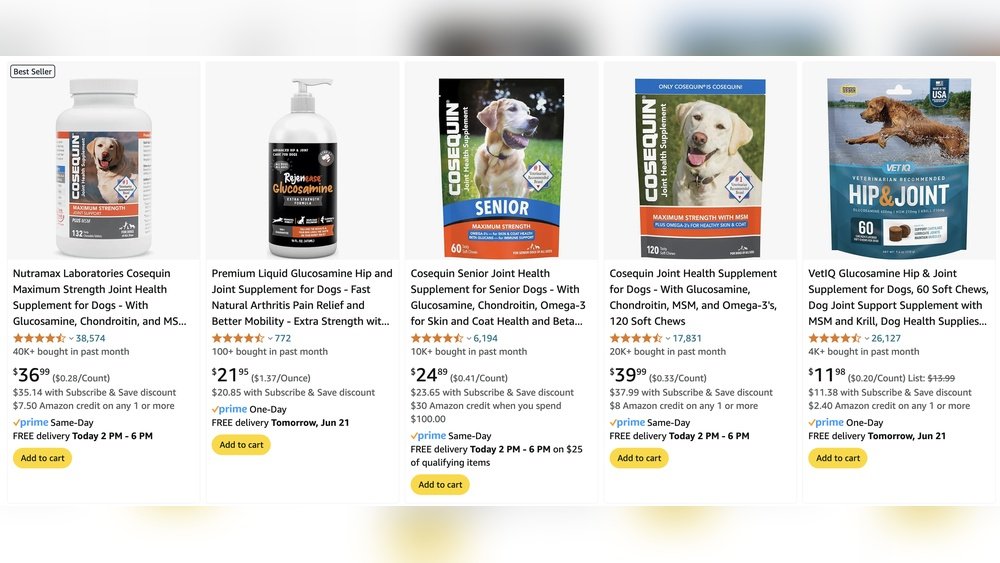
Prices vary widely. Basic glucosamine supplements may cost $15–$30 per month. Complex formulas with MSM, omega-3s, and collagen can cost $40–$70 monthly. Chews and treats are usually more expensive than powders.
Quality is more important than price. Cheap supplements may not work as well, or could be unsafe. Invest in reputable brands.
How Long Should Dogs Take Joint Supplements?
Supplements are usually safe for long-term use. For dogs with ongoing joint issues, they can be taken for life. Some owners give supplements seasonally, when their dog is most active. Always follow your vet’s advice.
How To Monitor Progress
Keep a journal of your dog’s activity and comfort. Note changes in:
- Mobility (walking, running, jumping)
- Stiffness after rest
- Willingness to play
- Signs of pain
Share this information with your vet. They can help adjust dosage or recommend new products if needed.
Environmental Factors: How Lifestyle Affects Joints
Joint health isn’t just about supplements. Factors like flooring, bedding, and temperature can affect your dog’s comfort. Soft beds and rugs help reduce joint stress. Cold weather can worsen stiffness. Keeping your dog warm and comfortable is important.

Credit: thepetlabco.com
Breeds Most At Risk For Joint Problems
Certain breeds are more likely to develop joint issues. Examples include:
- Labrador Retriever
- German Shepherd
- Golden Retriever
- Rottweiler
- Bernese Mountain Dog
- Great Dane
- Bulldog
- Cocker Spaniel
If you own one of these breeds, pay extra attention to joint health.
The Role Of Genetics
Genetics play a big role in joint health. Some dogs are born with strong, healthy joints. Others have inherited weaknesses. Responsible breeders screen for joint problems, but not all do. Even mixed-breed dogs can have genetic risks.
If your dog’s parents had joint issues, supplements and early care are especially important.
How Diet Supports Joint Health
Diet is a foundation for joint health. Foods rich in omega-3s, antioxidants, and balanced minerals help reduce inflammation and support cartilage. Some dog foods are “joint-support formulas,” with added glucosamine and chondroitin.
Feed your dog a quality diet. Avoid excessive treats or foods high in fat, which can lead to weight gain and joint strain.
Joint Supplements For Puppies
Puppies rarely need joint supplements unless they have a developmental problem. Some breeders use supplements for large-breed puppies to support fast-growing joints. Always consult a vet before giving supplements to young dogs.
Joint Supplements For Senior Dogs
Older dogs are the main group who benefit from supplements. As cartilage wears down, supplements can reduce pain and improve quality of life. Many senior dogs become more active and comfortable after starting a joint supplement.
Human-grade Vs. Pet Supplements
Some owners use human joint supplements for their dogs. This is risky—dosages may not match, and human products may contain ingredients unsafe for pets. Always use supplements made for dogs, or ask your vet for advice.
Can Joint Supplements Prevent Joint Problems?
Supplements can reduce risk, but they don’t guarantee prevention. Healthy lifestyle, weight control, and exercise are just as important. Starting supplements early for high-risk dogs can delay symptoms, but genetics and environment also play a role.
Regulatory Issues And Supplement Quality
Supplements are not as tightly regulated as medications. Products may vary in quality. Look for brands with third-party testing and NASC certification. Avoid products with vague labels or no ingredient list.
For more information on supplement safety, see FDA Animal Health Literacy.
Frequently Asked Questions
What Are The Best Joint Supplement Ingredients For Dogs?
The most effective ingredients include glucosamine, chondroitin, and omega-3 fatty acids. These support cartilage, reduce inflammation, and improve mobility. Other helpful ingredients are MSM, hyaluronic acid, and turmeric.
Can Joint Supplements Cure Arthritis In Dogs?
Joint supplements cannot cure arthritis, but they can reduce pain and improve movement. Severe arthritis may require medication or other treatments. Supplements are best used for prevention and mild to moderate cases.
Are Joint Supplements Safe For All Dogs?
Most supplements are safe when used as directed. Some dogs may have digestive issues or allergic reactions. Always consult your vet, especially if your dog has other health problems or is taking medication.
How Long Does It Take For Joint Supplements To Work?
It usually takes 4–6 weeks to see improvement. Some dogs may take longer. Be patient and consistent with dosing. Track your dog’s progress and discuss changes with your vet.
Should I Give My Young, Healthy Dog Joint Supplements?
Young, healthy dogs usually don’t need supplements unless they are high-risk breeds or very active. Focus on a balanced diet, regular exercise, and weight control. Supplements are more useful for older dogs or those showing early signs of joint problems.
Dogs are family, and their comfort matters. Joint supplements can help many dogs live happier, more active lives—but they aren’t needed by all. If your dog is at risk for joint problems, or already showing signs, supplements can be a useful tool.
Combine them with good diet, weight control, and regular vet care for the best results. Remember, every dog is unique. Pay attention to changes, ask questions, and give your pet the best chance for a long, comfortable life.