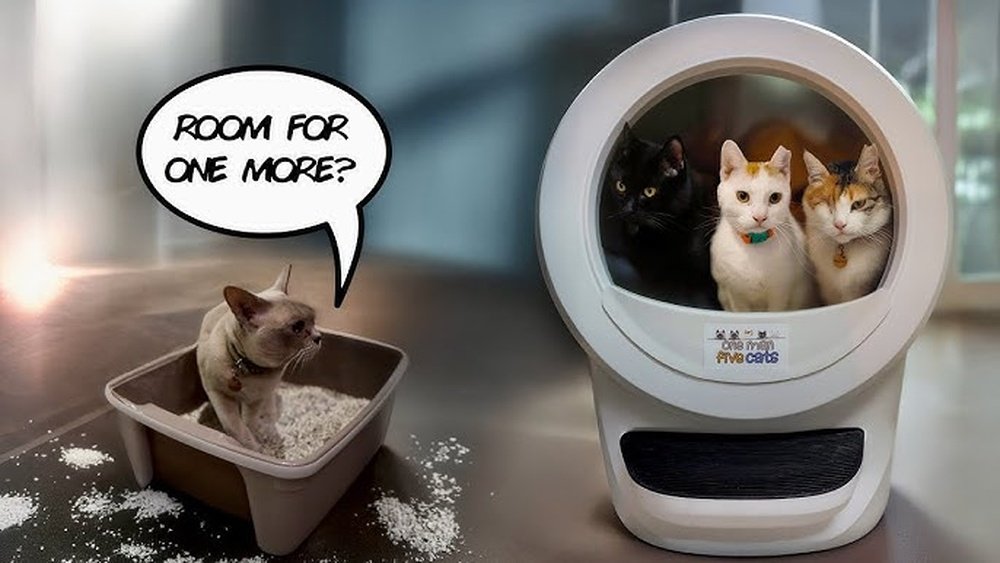
Switching your cat to an automatic litter box can feel like a big step. Many cat owners dream of less scooping and a cleaner home, but cats are creatures of habit. If you bring home a fancy new litter box and your cat refuses to use it, frustration quickly sets in. The good news is, with the right approach, almost any cat can learn to use an automatic box. This guide covers every detail you need, from how cats think about their bathroom habits, to step-by-step transition methods, and even how to solve problems if your cat resists. Whether your cat is shy, stubborn, or simply confused, you’ll discover clear solutions and practical tips that work in real homes.
Understanding Your Cat’s Relationship With The Litter Box
Before you start, it helps to know how cats view their litter box. For cats, the litter box isn’t just a toilet. It’s a private, safe place. Many cats are very picky about texture, smell, and cleanliness. Automatic litter boxes are noisier, have moving parts, and may smell different than what your cat is used to. That means a sudden switch can be stressful for your pet.
Some cats adapt quickly, especially if they’re young or curious. Older cats, nervous cats, and those with past bad experiences may need extra time and patience. It’s not just about the box; it’s about understanding your cat’s needs and making the change as gentle as possible.
Choosing The Right Automatic Litter Box
Not all automatic litter boxes are the same, and picking the right one can make or break your success.
Key Factors To Consider
- Size and space: Your cat needs room to turn around and dig. If the box feels cramped, many cats will refuse to use it.
- Noise level: Some boxes are much louder than others. Look for quieter models if your cat is easily startled.
- Type of litter: Many automatic boxes require specific litter types. Make sure your cat likes the new litter, or choose a box that works with your current brand.
- Entry style: Top-entry, side-entry, and open designs all affect how inviting the box feels.
- Cleaning method: Some boxes use rakes, others use rotating mechanisms or conveyor belts. Each has pros and cons, and some cats dislike certain types.
Comparing Popular Models
Here’s a quick comparison to see how three common automatic litter boxes differ:
| Model | Noise Level | Litter Type | Entry Style | Cleaning Method |
|---|---|---|---|---|
| Litter-Robot 4 | Low | Clumping clay | Front-entry | Rotating globe |
| ScoopFree Ultra | Medium | Crystal silica | Side-entry | Rake |
| PetSafe Simply Clean | Low | Clumping clay | Open | Conveyor belt |
A common mistake is buying a box that looks good to humans but feels wrong for your cat. Always consider your cat’s personality and preferences.
Preparing For The Transition
Switching litter boxes is much easier with a bit of planning. These steps help your cat feel safe and reduce the risk of accidents.
Place The Automatic Box Wisely
Put the new box in the same spot as your cat’s old box, or as close as possible. Cats are creatures of habit—they like to go where they always have. If you must move the box, do it gradually, just a few feet at a time.
Keep The Old Box Nearby
In the beginning, set up the automatic box next to your cat’s regular box. This gives your cat a choice and lets her explore the new box without stress. If you remove the old box too soon, your cat may protest by going elsewhere.
Use Familiar Litter
If the new box allows, use the same litter brand and type your cat already knows. This keeps one thing familiar, even when the box itself is different. If the automatic box needs new litter, mix a small amount of the new type into the old litter and increase slowly over a week.
Don’t Turn It On Right Away
Let your cat get used to the look and smell of the new box before you activate the automatic cleaning function. For the first few days, leave the box off so it’s quiet and still.
Make The Box Inviting
Sprinkle a little used litter from the old box into the new one. The familiar scent will tell your cat, “This is a bathroom spot. ” You can also reward your cat with treats or gentle praise when she sniffs or steps into the new box.
Step-by-step Transition Plan
A slow, structured plan works best for most cats. Here’s a reliable approach:
Week 1: Introduction Phase
- Place the automatic litter box next to the old box.
- Use the same litter if possible.
- Keep the new box off and quiet.
- Let your cat explore at her own pace. Do not force or carry her to the box.
Week 2: Encouragement Phase
- Add a small amount of used litter from the old box into the new one.
- Give gentle praise or treats when your cat uses or investigates the new box.
- If your cat uses the new box, leave it dirty for a short time at first, so the scent stays.
- Start to gradually decrease the amount of litter in the old box.
Week 3: Switching Phase
- If your cat is using both boxes, begin to clean the old box less often.
- Make the old box less attractive (remove clumps but don’t add fresh litter).
- Leave the new box clean and inviting.
- If your cat is only using the old box, go back a step—never rush.
Week 4: Activation Phase
- Turn on the automatic box for short periods when your cat isn’t around.
- Let her hear the sound from a distance.
- Once your cat is comfortable, leave the box on all day.
- Remove the old box only when your cat uses the automatic box for several days in a row.
Every cat is different—some may need more or less time. Watch your cat’s body language and slow down if you see stress.
Troubleshooting Common Problems
Even with a great plan, some cats need extra help. Here are solutions for the most frequent issues:
My Cat Is Afraid Of The Noise
Automatic litter boxes can be noisy, especially when cleaning. If your cat runs away, try these tips:
- Leave the box off for longer. Let your cat use it as a regular box for a few weeks.
- Turn the box on only when your cat is in another room.
- Gradually increase the cleaning time as your cat gets used to the sound.
- Give treats or gentle praise when your cat ignores the noise.
My Cat Refuses To Use The New Box
If your cat won’t step inside, check these possible causes:
- The box is too small or cramped.
- The litter feels or smells different.
- The entry is difficult for older or heavier cats.
- The box is in a noisy or high-traffic area.
Try moving the box, adding a litter mat, or using a ramp for easier entry. Make sure the box is always clean and inviting.
My Cat Pees Next To The Box
This often means your cat is stressed or marking territory. Clean the area with an enzymatic cleaner to remove all scent. Give your cat more time, and never punish accidents. Instead, reward any interest in the new box.
Two Or More Cats: Who Goes First?
Some automatic boxes aren’t big enough for multiple cats, or they clean too slowly. In homes with several cats, you may need more than one box. A good rule: one box per cat, plus one extra.
Litter Scatter And Mess
Automatic boxes sometimes fling litter outside. Use a high-sided box, a litter mat, or a covered design to reduce mess. Some cats dislike covered boxes, so watch your cat’s behavior.
Making The Automatic Box A Long-term Success
After your cat starts using the automatic box, you want to keep things going smoothly. Here’s how:
Keep It Clean
Even automatic boxes need regular attention. Empty waste bins, refill litter, and wipe down surfaces at least weekly. Cats will stop using a dirty box, even if it cleans itself.
Monitor For Problems
Watch for changes in your cat’s bathroom habits. If your cat stops using the box, acts stressed, or has accidents, check for illness or box problems. Sometimes a simple fix—like more litter or a quieter spot—solves the issue.
Regular Maintenance
Follow the manufacturer’s cleaning schedule. Many parts need rinsing or replacing every few weeks. If the box smells, your cat may stop using it. Some boxes even have smartphone alerts for full bins or errors.
Watch For Litter Preference Changes
Your cat may change preferences over time. If she starts avoiding the box, try switching litter type or adding a second box.
Health Checks
Sudden litter box avoidance can signal health problems, such as urinary tract infections or arthritis. If your cat seems uncomfortable, see your vet.
Extra Tips For Stubborn Or Senior Cats
Older cats or those with disabilities may need special help with automatic litter boxes.
- Choose a box with a low entry for easy access.
- Add a ramp if your cat has trouble jumping or climbing.
- Use unscented, soft litter for sensitive paws.
- Spend extra time on the introduction phase; older cats may need two or three months to adjust.
If your cat refuses all automatic boxes, that’s okay—some cats simply prefer a traditional box. The goal is always your cat’s comfort and happiness.
The Role Of Scent, Texture, And Privacy
Cats rely heavily on smell and texture when choosing where to go. Automatic litter boxes may have a new plastic smell or use different litter. To help your cat adjust:
- Air out the box for a day before use.
- Rub the inside with a bit of used litter to transfer scent.
- Avoid strong cleaning products with citrus or pine smells.
Some cats also like privacy. Try placing the box in a quiet corner, or use a privacy hood if your cat is shy—but make sure there’s enough ventilation.
Credit: www.walmart.com
Comparing Automatic Litter Box Features
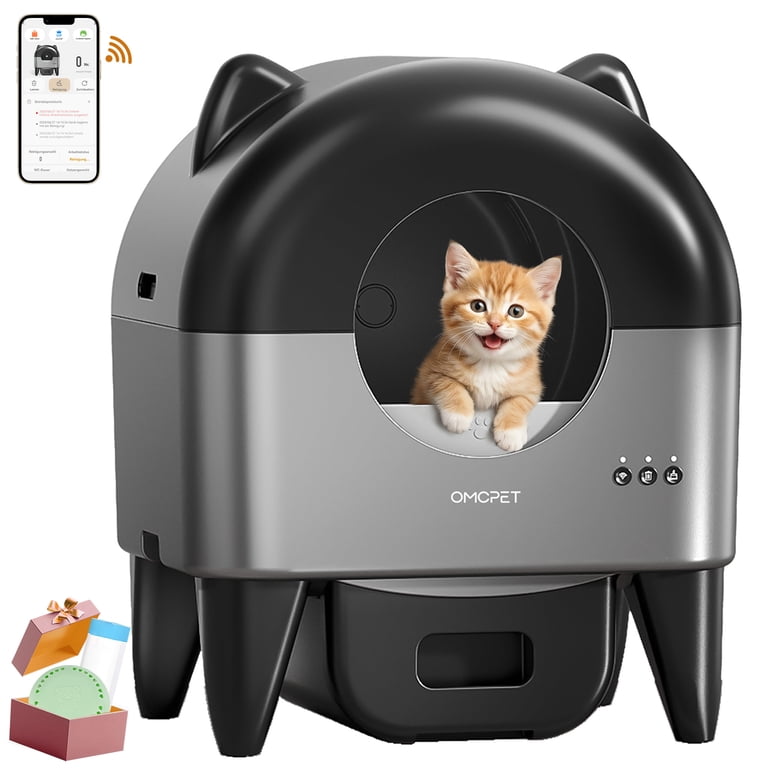
Here’s a comparison of some common automatic litter box features to help you choose wisely:
| Feature | Why It Matters | Cat Reactions |
|---|---|---|
| Self-Cleaning Speed | Prevents odors, keeps box fresh | Some cats dislike frequent movement |
| Waste Bin Size | Determines how often you empty the box | Small bins fill quickly, causing refusal |
| Litter Tracking Control | Keeps your home cleaner | Cats prefer less mess on paws |
| Wi-Fi Alerts | Reminds you to maintain the box | No effect on cats, but useful for owners |
| Backup Power | Keeps box working during outages | Cats need reliable access |
When To Seek Professional Help
Sometimes, even with your best effort, your cat refuses the new box. If you notice the following, talk to your vet:
- Sudden changes in bathroom behavior
- Repeated accidents, especially outside the box
- Signs of pain, straining, or blood in urine
Behaviorists can also help with tough cases. They may suggest different transition methods or ways to reduce stress.
Myths And Misunderstandings About Automatic Litter Boxes
There’s a lot of confusion about automatic litter boxes. Let’s clear up some common myths:
1. “all Cats Will Love An Automatic Box.”
Not true. Many cats adjust well, but some never accept the change.
- “Once you buy an automatic box, you never have to clean it.”
False. You still need to empty waste bins, add litter, and wipe down surfaces.
3. “automatic Boxes Are Too Expensive To Be Worth It.”
Over time, many owners save money on litter, and the convenience is a big plus. However, cheaper models may break or get jammed more often.
4. “automatic Boxes Are Only For Tech-savvy People.”
Most are easy to use, with clear instructions and simple controls.
- “If my cat doesn’t use it right away, I wasted my money.”
Patience is key. Many cats need weeks (or even months) to adjust.
Real-world Examples
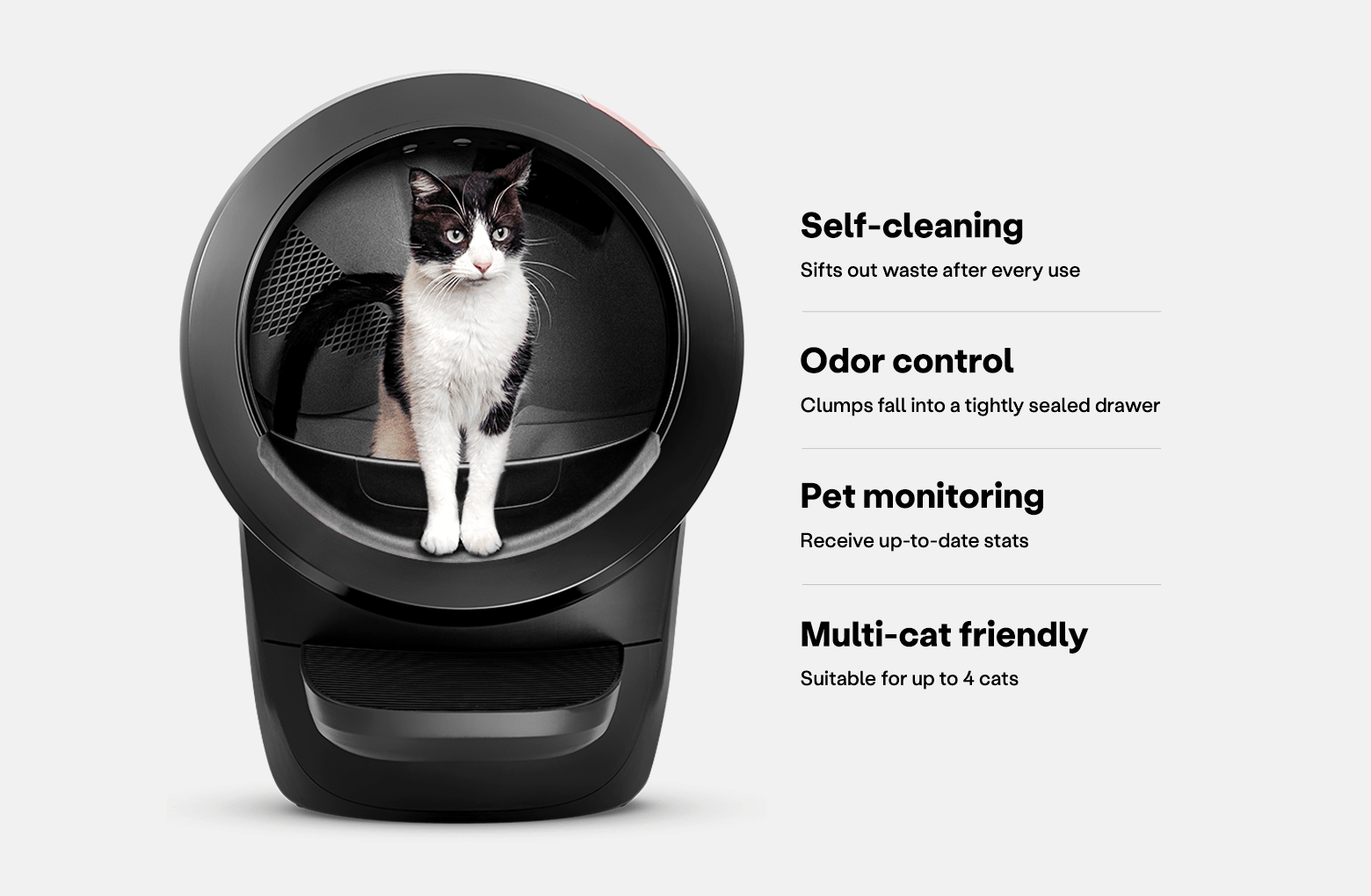
Let’s look at how two different cats transitioned to an automatic box.
Example 1: Shy Cat, Bella
Bella, a 7-year-old tabby, was scared of any noise. Her owner placed the new box next to her old one and left it off for three weeks. They sprinkled used litter in the new box and rewarded Bella for sniffing around.
After a month, Bella finally used the box. The owner kept the cleaning cycle on only at night, and gradually Bella stopped noticing the noise.
Example 2: Curious Kitten, Max
Max, a 6-month-old kitten, was interested in everything new. As soon as the box arrived, Max jumped in and started digging. His owner turned on the cleaning feature after just a few days, and Max barely noticed. Young cats often adjust faster, especially if they’re already used to changes in their environment.
Credit: www.litter-robot.com
Non-obvious Insights For Success
Many guides skip over these advanced tips, but they can make a real difference:
- Transition timing matters. Avoid starting the switch during stressful events, like moving house, getting a new pet, or after a vet visit.
- Monitor your cat’s water intake and urination. Automatic boxes can hide signs of illness—track how much your cat is using the box to catch problems early.
- Don’t skimp on litter depth. Many cats need at least 2-3 inches of litter to feel comfortable digging and covering.
- Some cats prefer a slow cleaning cycle. If your box lets you adjust timing, set it to clean a few minutes after your cat leaves, not instantly.
Environmental And Cost Considerations
Automatic litter boxes use electricity and often require special litter or waste bins. Here are some points to consider:
- Electricity use: Modern boxes use very little power—usually less than a light bulb.
- Waste bin costs: Some brands use proprietary bags or bins. Check prices before buying.
- Litter compatibility: Switching litter may cost more or less, depending on the type.
- Environmental impact: Crystal and clumping clay litters have different effects on the environment. Some boxes now support biodegradable litters.
If you want to learn more about the environmental impact of different litter types, see Wikipedia’s cat litter article.

Credit: www.petsafe.com
Keeping The Human Side In Mind
Automatic litter boxes offer convenience, but your cat’s comfort always comes first. If you work long hours or travel often, these boxes can be a lifesaver—but only if your cat is happy to use them. Watch for signs of stress, and never punish your cat for accidents.
If your cat is anxious, spend extra time playing and bonding. A calm, happy cat is more likely to accept changes at home.
Frequently Asked Questions
Why Won’t My Cat Use The Automatic Litter Box?
Most cats resist for a few common reasons: the box is too loud, the litter is unfamiliar, or the location feels unsafe. Go back to the introduction phase, use familiar litter, and be patient. Some cats need weeks, not days, to adjust.
How Do I Clean An Automatic Litter Box?
Even self-cleaning boxes need regular attention. Empty the waste bin every few days, wipe down surfaces weekly, and follow manufacturer instructions for deep cleaning. Never use strong-smelling cleaners, as these can drive your cat away.
Is An Automatic Litter Box Safe For Kittens?
Many brands recommend waiting until kittens weigh at least 5 pounds. This is for safety—small kittens could get caught in moving parts. Always supervise kittens at first, and check the manufacturer’s guidelines.
Can Two Or More Cats Share One Automatic Litter Box?
Some large models are designed for multi-cat homes, but in general, provide one box per cat plus one extra. Crowded boxes lead to stress and accidents.
What Should I Do If My Cat Has Accidents Outside The Box?
Clean the area with an enzymatic cleaner, never punish your cat, and return to the introduction or encouragement phase. Rule out medical problems with a vet visit if the problem continues.
Final Thoughts
Transitioning your cat to an automatic litter box is a journey—sometimes smooth, sometimes full of small setbacks. The keys are patience, understanding, and attention to your cat’s needs. With the right box, a gentle transition, and a bit of trial and error, most cats can learn to love their new bathroom. The result? Less scooping for you, and a clean, stress-free environment for your cat. Remember, every cat is unique. Listen to your pet, adjust your approach as needed, and enjoy the convenience of modern cat care.