Cats are famous for their cleanliness and love for routine. If you share your home with two cats, you already know their personalities can be as different as night and day. But when it comes to litter boxes, the rules are quite specific—and breaking them often leads to trouble. Many cat owners wonder: How many litter boxes for 2 cats is enough? The answer is not as simple as “just one per cat.” Cats can be fussy about their bathroom, and the right setup means less stress, fewer messes, and a happier household.
Understanding your cats’ needs goes far beyond buying any box and filling it with litter. It means thinking about their instincts, their feelings, and even the hidden signals they send when things aren’t right. Let’s explore how to choose the right number of litter boxes for two cats, what factors matter most, and how the right setup can prevent common problems—sometimes before you even notice them.
Why Litter Box Numbers Matter
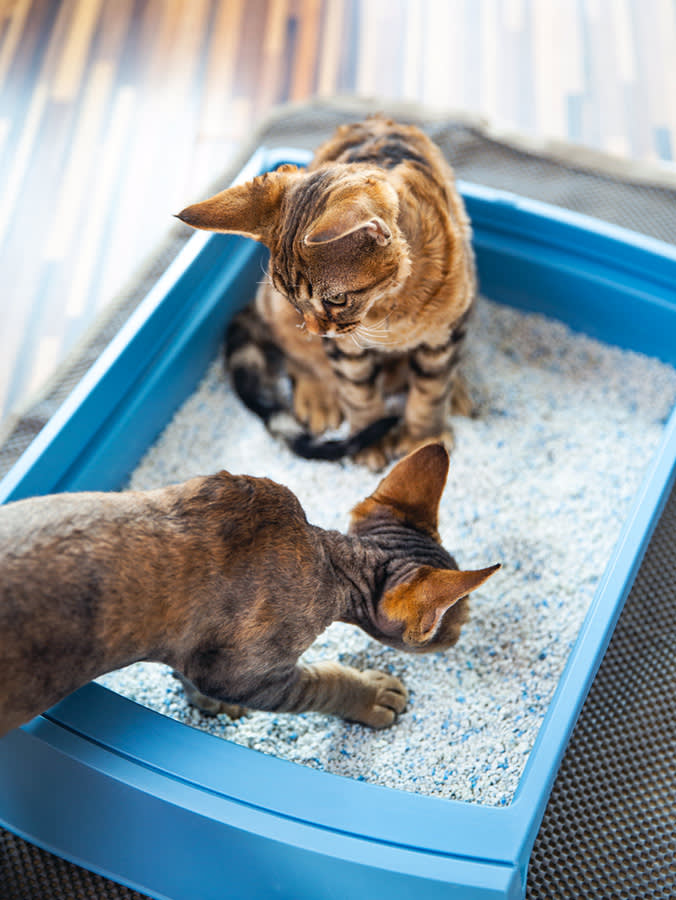
A litter box is not only a bathroom for your cats. It’s a place where they feel vulnerable. In the wild, cats find private, safe spots to do their business. At home, the wrong litter box setup can cause stress, fights, or even health issues like urinary tract infections.
When two cats share a home, territory becomes important. Each cat may want its own space, even if they seem to get along. Sharing a single litter box can cause tension, leading to accidents outside the box—a problem known as house soiling. This often frustrates owners and can damage the relationship between you and your cats.
Veterinarians and animal behaviorists agree: the right number of litter boxes helps prevent these issues before they start.
The Golden Rule: One Box Per Cat, Plus One
The most accepted rule among experts is simple: one litter box per cat, plus one extra. For two cats, this means you should have three litter boxes.
Why this rule? The extra box gives your cats options. If one box is in use, or if one cat is guarding a box (yes, cats do this! ), the other still has a place to go. The extra box also reduces smells and keeps things cleaner, which both you and your cats will appreciate.
Here’s how this looks in practice:
| Number of Cats | Recommended Litter Boxes |
|---|---|
| 1 | 2 |
| 2 | 3 |
| 3 | 4 |
| 4 | 5 |
This rule is based on studies of cat behavior and is recommended by the American Association of Feline Practitioners.
Common Mistakes Cat Owners Make
Even with the best intentions, many cat owners make mistakes that create litter box problems. Here are some of the most common:
1. Too Few Litter Boxes
Many owners think their two cats can share one box. This often leads to dirty boxes, bullying, and accidents. Even cats who are best friends can suddenly start to fight over a single box.
2. Boxes Too Close Together
Placing all litter boxes side by side in one room can backfire. Cats see this as one big bathroom, not three separate choices. It’s important to spread boxes throughout your home.
3. Ignoring Cat Preferences
Some cats like covered boxes, others hate them. Some prefer a certain type of litter. If you ignore these preferences, your cats might avoid the boxes entirely.
4. Dirty Litter Boxes
Cats are clean animals. If a box is dirty, they may look for somewhere else to go. With two cats, boxes get dirty twice as fast, so cleaning becomes even more important.
5. Not Enough Privacy
Cats need privacy, especially when sharing a home. Placing boxes in busy or loud areas can discourage use.
Understanding these mistakes helps you avoid common pitfalls and keeps your cats happy and your house clean.
How Location Affects Litter Box Use
Where you put the litter boxes is just as important as how many you have. Cats don’t want to be disturbed by loud noises, other pets, or people walking by.
Best Places For Litter Boxes
- Quiet corners: Away from busy hallways or kitchens.
- Different rooms: If possible, put each box in a separate room.
- Easy access: Don’t put boxes behind closed doors or in hard-to-reach places.
Places To Avoid
- Near food or water bowls: Cats don’t want to eat near their toilet.
- Laundry rooms with noisy machines: Loud noises can scare cats away.
- Basements or attics: Out-of-sight boxes are often forgotten and become dirty.
Cats are more likely to use the box if it’s in a safe, quiet spot. If you have three boxes for two cats, try to put them in three separate areas, or at least not side by side.
Choosing The Right Type Of Litter Box
Not all litter boxes are the same. Size, shape, and style can make a big difference in whether your cats use them.
Size And Depth
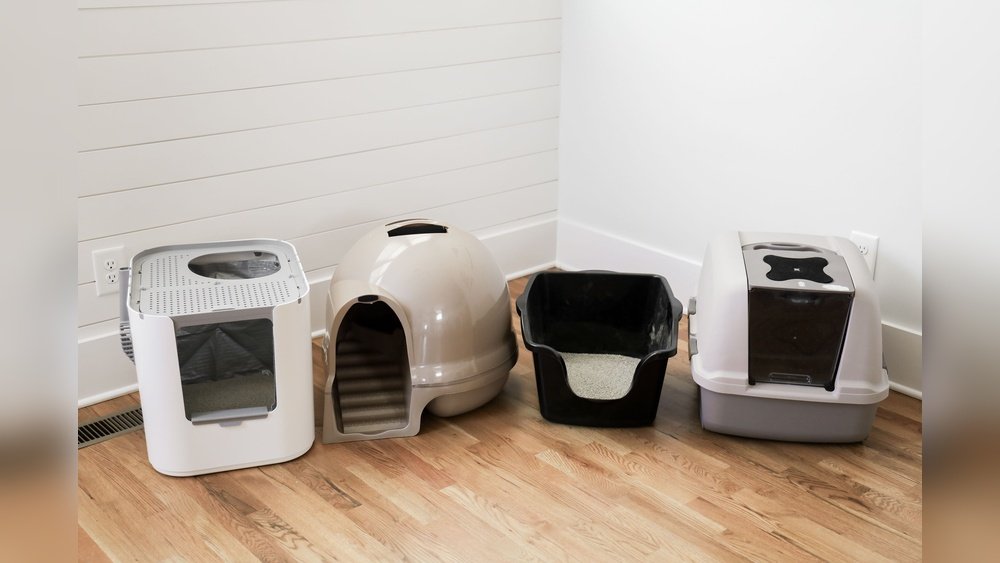
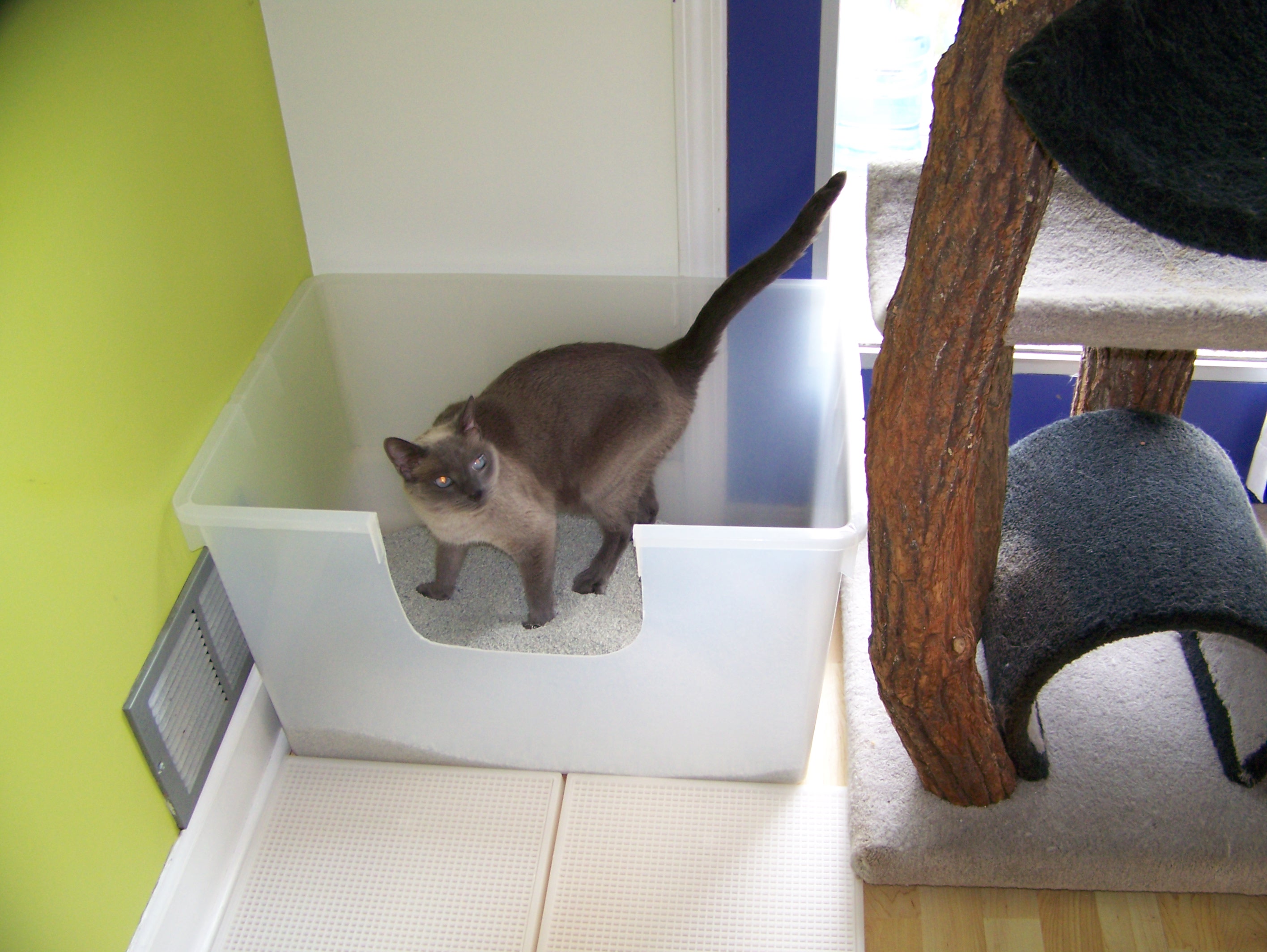
Most experts suggest large boxes. Cats need space to turn around and dig. A box should be at least as long as your cat from nose to tail. For most adult cats, this means a box about 1.5 times their length.
Some cats, especially older ones, need boxes with low sides for easy entry. If you have a kitten or a senior cat, look for boxes with a lower entrance.
Covered Vs. Uncovered
Some cats like the privacy of a covered box, but others feel trapped. Covered boxes can also trap smells, which may make your cats avoid them. If you’re not sure, try both and see which your cats prefer.
Self-cleaning Boxes
Automatic or self-cleaning boxes are popular, but not all cats like them. The noise can be scary, and the moving parts might confuse your cats. If you try one, keep a regular box available too.
Multi-cat Litter Boxes
Some brands sell boxes made for multiple cats. These are usually bigger and sturdier. Even with these, you still need one box per cat, plus one extra.
Picking The Best Litter For Two Cats
The type of litter matters just as much as the box itself.
Clumping Vs. Non-clumping
Clumping litter makes it easier to scoop out waste. This keeps boxes cleaner, especially with two cats. Non-clumping litters can become smelly faster.
Scented Vs. Unscented
While scented litters may smell pleasant to you, many cats dislike strong scents. Most experts recommend unscented litter, especially for multi-cat homes.
Natural Litters
There are many natural options, like corn, pine, or paper. Some cats love them, but others don’t. If you want to switch, do it slowly and watch your cats’ reactions.
Litter Depth
Cats like to dig. Experts recommend keeping litter about 2–3 inches deep. Too little litter can make cats uncomfortable. Too much can spill out and make a mess.
Cleaning And Maintenance: Keeping The Peace
With two cats using three boxes, cleaning is more important than ever. Dirty boxes are the number one reason cats stop using them.
How Often To Scoop
Scoop waste at least once or twice a day. With two cats, you may need to scoop more often. If you notice strong smells, scoop again.
Changing The Litter
Completely change the litter and wash the box with mild soap and water once a week. Avoid strong chemicals, as the smell can drive cats away.
Washing Boxes
Scrub each box when you change the litter. Rinse well and dry before adding new litter.
Monitoring For Problems
Check for signs of health issues, like blood in the urine or diarrhea. Sudden changes in litter box habits can mean something is wrong.
Multi-cat Dynamics: Understanding Cat Behavior
Two cats in the same home can have a complex relationship. Sometimes they’re best friends. Other times, they compete for resources, including litter boxes.
Guarding And Bullying
Some cats will try to guard a litter box and stop the other from using it. This is why having extra boxes, in separate places, is so important.
Territory And Scent
Cats use litter boxes to mark territory. Sharing can cause stress, especially if one cat is more dominant. The extra box helps reduce this tension.
Integration Of New Cats
If you add a new cat to your home, give them their own box in a quiet spot. Let them adjust before expecting them to share space.
What To Do When Problems Occur
Even with a perfect setup, problems can happen. Here’s what to do if one or both cats start avoiding the litter box:
Medical Issues
Always rule out health problems first. Urinary tract infections, constipation, or other illnesses can make cats avoid the box.
Stress And Changes
Moving furniture, new pets, or changes in your routine can stress your cats. Try to keep their litter box setup consistent during changes.
Cleaning Up Accidents
Clean accidents with an enzyme cleaner to remove smells. This prevents cats from returning to the same spot.
Re-evaluate The Setup
If problems continue, try adding another box, changing locations, or switching litter types. Watch your cats and see what they prefer.
Cost And Supplies For Two Cats
Having three litter boxes means buying more supplies and spending more time cleaning. Here’s a quick look at what you’ll need:
| Item | Quantity for 2 Cats | Why Needed |
|---|---|---|
| Litter Boxes | 3 | Reduces stress and accidents |
| Litter Scoops | 1-2 | For daily cleaning |
| Litter Mats | 2-3 | Reduces tracked litter |
| Litter (per month) | 40-60 lbs | Depends on type and brand |
| Enzyme Cleaner | 1 bottle | Cleans up accidents |
| Waste Bags | 1 pack | For scooping waste |
The extra effort is worth it for a clean home and happy cats.
Credit: www.kinship.com
Special Considerations: Kittens, Seniors, And Special Needs Cats
Not all cats have the same abilities or needs. Kittens, older cats, or cats with disabilities may need a different approach.
Kittens
Young kittens need boxes with low sides for easy entry. They may need more frequent cleaning, as they sometimes play in the litter.
Senior Cats
Older cats can have trouble climbing into high-sided boxes. Joint pain or arthritis makes a box with a low entrance essential.
Special Needs
If your cat has mobility or vision problems, keep boxes easy to find and enter. Avoid moving boxes around once your cat is used to them.
Litter Box Setup In Different Home Types
Your home’s layout affects how you set up litter boxes for two cats.
Apartments And Small Spaces
If you have a small apartment, fitting three boxes can be a challenge. Try these ideas:
- Use corner boxes or smaller boxes in tight spaces.
- Place boxes in closets (with the door propped open), bathrooms, or unused corners.
- If space is limited, keep boxes as far apart as possible.
Large Houses
In a larger home, spread boxes out over different floors or rooms. This helps each cat find a private spot.
Multi-level Homes
If you have more than one floor, put at least one box on each level. This prevents accidents if a cat can’t reach a box in time.
Credit: www.fundamentallyfeline.com
Environmental Factors That Affect Litter Box Use
Sometimes, the environment itself can cause litter box problems.
Scent And Ventilation
Strong cleaning products, air fresheners, or scented candles near litter boxes can drive cats away. Make sure boxes are in well-ventilated areas.
Temperature And Humidity
Very cold or hot rooms can be uncomfortable. Avoid putting boxes in unheated garages or damp basements.
Lighting
Cats see well in low light, but complete darkness can be a problem. Make sure the box area is not totally dark at night.
How Litter Box Habits Affect Cat Health
A good litter box setup keeps your cats healthy in ways you might not expect.
Urinary Health
Stress from fighting over boxes can cause urinary tract problems. Clean, accessible boxes prevent this.
Detecting Illness Early
Scooping the box daily lets you spot changes in urine or stool. Early signs of disease, like more frequent urination or diarrhea, can be caught quickly.
Preventing Stress
Having enough boxes reduces stress. Less stress means a stronger immune system and fewer behavioral problems.
Litter Box Setup And Odor Control
With two cats, odor control is a big concern. The right setup helps keep your home smelling fresh.
Tips For Reducing Odors
- Scoop waste at least twice daily.
- Use unscented, clumping litter.
- Wash boxes weekly.
- Use enzyme cleaners for accidents.
- Place boxes in well-ventilated areas.
Litter Mats
A litter mat under each box catches stray litter and reduces mess.
Air Purifiers
In homes with strong smells, an air purifier near the boxes can help keep the air clean.
What If Your Cats Just Won’t Share?
Some cats simply refuse to share any space, including litter boxes. If this happens, you may need to provide:
- One box per cat, plus one, in separate rooms
- Different types of litter (if your cats have strong preferences)
- Separate feeding and water stations, to reduce competition
It’s rare, but some pairs do best with completely separate setups.
Real-world Examples: Success And Failure Stories
Hearing about other cat owners’ experiences can help you understand what to expect.
Success: Peaceful Pairing
Emily adopted two young cats, Max and Lily. She started with two boxes in the same room, but Max began guarding them. Emily added a third box in a quiet bathroom. The fighting stopped, and both cats used all three boxes.
Emily noticed less odor and no more accidents.
Failure: Ignoring The Rule
James thought two boxes were enough for his two cats, Milo and Zoe. When Zoe started peeing on the carpet, he scolded her—without realizing Milo was blocking her from the boxes. Adding a third box solved the problem, but the carpet was already ruined.
These stories show the difference the right number of boxes can make.
How Litter Box Numbers Affect Human-cat Bonds
A well-managed litter box setup doesn’t just keep your house clean. It also reduces stress for you and your cats. When accidents happen, owners often feel frustrated or angry. This can hurt your relationship with your cats.
By following the “one per cat plus one” rule, you show your cats you understand their needs. This trust leads to stronger bonds and happier pets.
Credit: www.reddit.com
Expert Opinions And Scientific Studies
Veterinarians and animal behaviorists around the world recommend the one-per-cat-plus-one rule. In a study published in the Journal of Feline Medicine and Surgery, homes with enough litter boxes had fewer accidents and less cat-to-cat aggression.
The American Veterinary Medical Association also lists enough litter boxes as one of the key steps in preventing behavioral problems.
For more on feline behavior and expert advice, you can visit International Cat Care.
Frequently Asked Questions
How Many Litter Boxes Do I Really Need For 2 Cats?
You need three litter boxes for two cats. This follows the rule: one box per cat, plus one extra. It gives your cats choices and prevents fights or accidents.
Can Two Cats Share One Litter Box If They Are Best Friends?
Even friendly cats can have problems sharing one box. They may start fighting, or one may avoid the box. Always provide at least three boxes for two cats.
What If I Live In A Small Apartment And Can’t Fit Three Boxes?
Try to fit three smaller boxes, even in tight spaces. Put them in different areas, like the bathroom, a closet with the door open, or a quiet corner. If you can only fit two, clean them very often and watch for signs of problems.
How Often Should I Clean Litter Boxes With Two Cats?
Scoop waste at least twice a day. Change the litter and wash the box once a week. With two cats, boxes get dirty quickly, so clean as often as possible.
What Should I Do If My Cats Start Avoiding The Litter Box?
First, check for health problems by visiting your vet. If your cats are healthy, look at your litter box setup. Add another box, change locations, or try a different type of litter. Clean up accidents with an enzyme cleaner to remove odors.
A happy home for two cats starts with a simple rule: one box per cat, plus one. This small step helps prevent stress, fights, and messes. It also shows your cats you care about their comfort and well-being. Whether your cats are playful kittens or relaxed seniors, the right litter box setup is the key to a peaceful, clean home.