Many dog owners want their pets to live long, happy, and healthy lives. Just like people, dogs can have problems with their stomachs and digestion. Sometimes, they get diarrhea, allergies, or seem to have low energy. In recent years, probiotics for dogs have become popular as a way to support gut health, boost immunity, and help with digestion. But what exactly are probiotics for dogs? Are they safe? How do they work? This article will answer all these questions and more, giving you everything you need to know before giving your dog probiotics.
What Are Probiotics For Dogs?
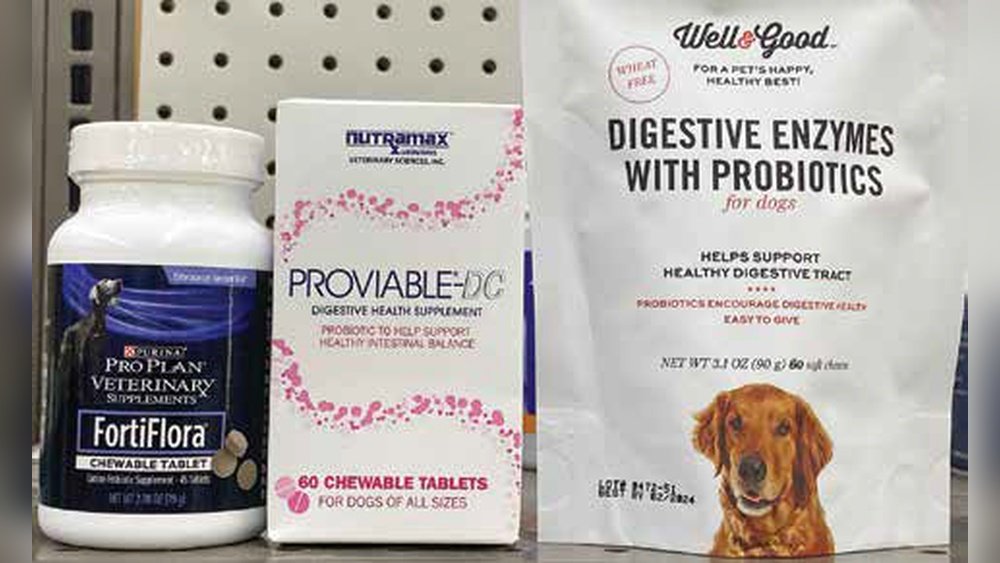
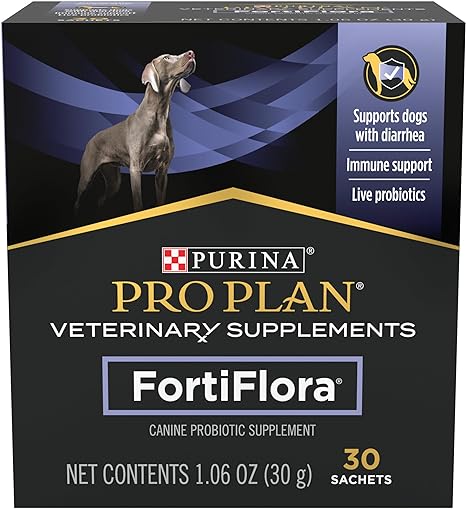
Probiotics are living microorganisms—mainly beneficial bacteria and sometimes yeasts—that live in the gut. When given in the right amounts, they can help the digestive system work better. For dogs, probiotics are usually given as chewable tablets, powders, capsules, or even added to food. These supplements contain specific strains of bacteria that are safe for dogs and can survive the journey through the stomach to the intestines, where they do their work.
The word “probiotic” comes from the Greek “for life.” Probiotics work by adding good bacteria to your dog’s gut. This can help balance the microbiome—the mix of bacteria, yeasts, and other tiny living things in the intestines. A healthy microbiome is important for digestion, the immune system, and even mood.
How Probiotics Work In Dogs
When a dog eats a probiotic supplement, the bacteria travel through the stomach and settle in the intestines. Here’s what they do:
- Crowd out bad bacteria: Good bacteria compete with harmful ones, making it harder for the bad germs to take over and cause problems like diarrhea or infections.
- Help with digestion: Some probiotics make enzymes that break down food, making it easier for your dog to absorb nutrients.
- Support the immune system: Around 70% of a dog’s immune system is in the gut. Probiotics help train immune cells to attack real threats and ignore harmless things.
- Produce helpful substances: Good bacteria can make vitamins, fatty acids, and other compounds that support overall health.
Different Types Of Dog Probiotics
Not all probiotics are the same. The main types used for dogs include:
- Lactobacillus: Found naturally in the gut, mouth, and vagina. Helps break down lactose and control harmful bacteria.
- Bifidobacterium: Supports the large intestine, helps with digestion, and strengthens the gut wall.
- Enterococcus faecium: Known to help control diarrhea and balance gut bacteria.
- Streptococcus thermophilus: Used in yogurt, helps break down lactose.
- Saccharomyces boulardii: A healthy yeast that fights diarrhea and infections.
Each strain does something different. For example, Lactobacillus acidophilus may help with allergies, while Bifidobacterium animalis can speed up recovery from diarrhea.
Benefits Of Probiotics For Dogs
Probiotics offer many benefits for dogs of all ages and sizes. Here’s a closer look:
1. Eases Digestive Problems
Dogs get stomach upsets just like people. Stress, travel, changes in diet, or antibiotics can all lead to diarrhea, gas, or vomiting. Probiotics can help restore balance in the gut, often making symptoms milder or shorter.
2. Supports The Immune System
A strong immune system helps dogs fight off infections and allergies. Good bacteria in the gut teach the immune cells to respond properly. Studies have shown that dogs given probiotics have fewer infections and recover faster from illness.
3. Helps With Allergies And Skin Issues
When the gut is healthy, the skin often improves, too. Some probiotics help reduce itching, redness, and hot spots in dogs with allergies. They can also make skin and coats shinier.
4. Reduces Gas And Bad Breath
If your dog has lots of flatulence or bad breath, poor digestion could be the reason. By improving the mix of bacteria in the gut, probiotics can help cut down on these problems.
5. Aids Recovery After Antibiotics
Antibiotics kill both good and bad bacteria. Giving probiotics after antibiotics can help restore the good bacteria, making recovery faster and lowering the risk of more digestive issues.
6. Improves Food Absorption
Some probiotics help break down complex food particles. This means your dog gets more nutrition out of every meal, which is especially helpful for puppies, older dogs, or picky eaters.
7. May Support Mental Health
Gut health is linked to brain health, even in dogs. Some studies suggest that a healthy gut may help reduce anxiety and improve behavior.
When Should Dogs Take Probiotics?
You can give probiotics to your dog every day as a general health boost. However, they are especially helpful in these situations:
- After a course of antibiotics
- During or after diarrhea or vomiting
- During stressful events (boarding, traveling, new pets or people)
- If your dog has allergies or itchy skin
- For older dogs with weaker immune systems
Some people give probiotics only when their dog is sick. Others use them all year round for general wellness. Always check with your vet to find the best plan for your dog.
Common Forms Of Dog Probiotics
Dog probiotics come in several forms. The best choice depends on your dog’s taste, your routine, and what’s easiest to give.
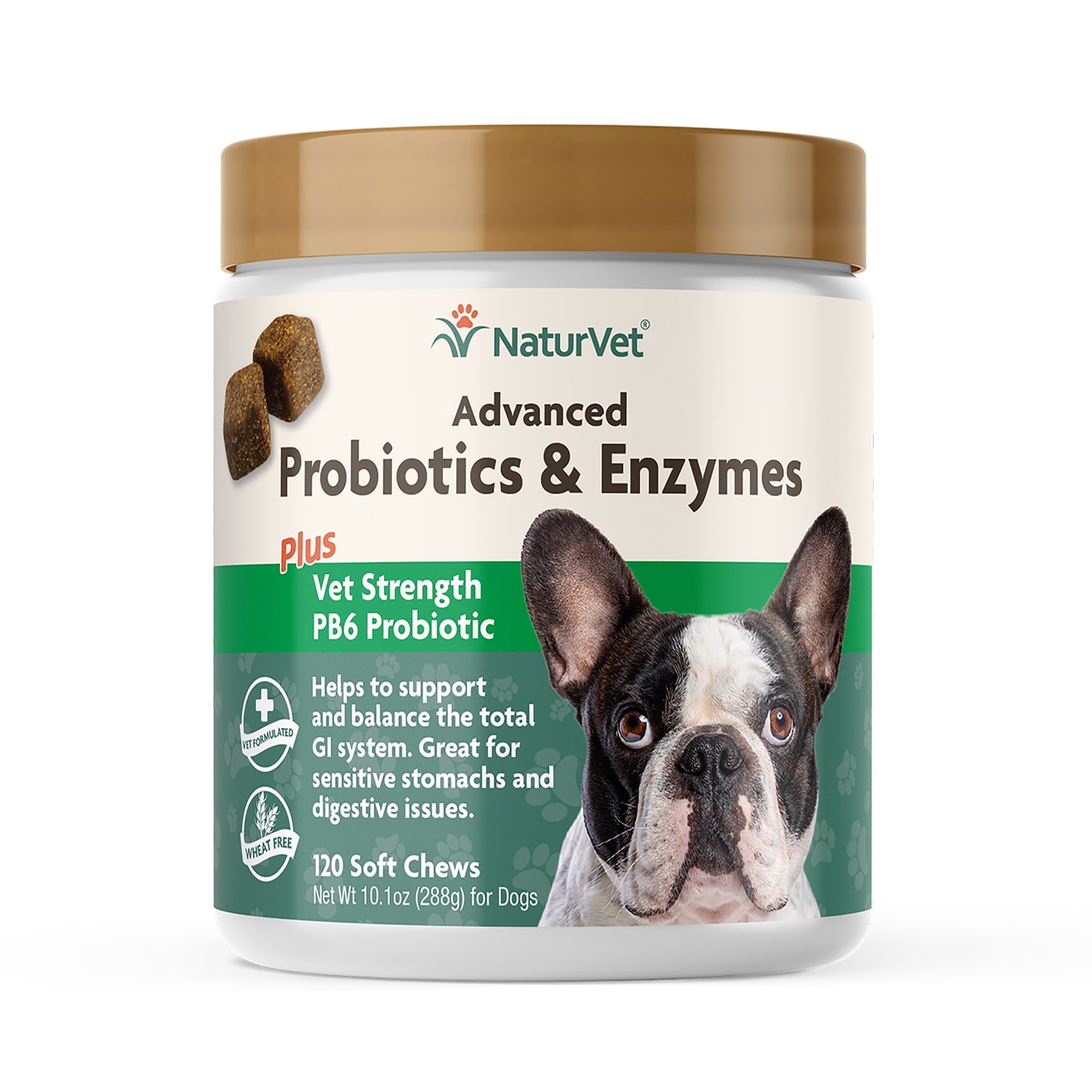
1. Chewable Tablets Or Soft Chews
These look and taste like treats. Most dogs love them, and it’s easy to give the right amount.
2. Powders
Powders can be sprinkled onto food. They are good for picky eaters or dogs who need a precise dose.
3. Capsules
These can be hidden in food or given directly. Some capsules are designed to break open in the gut.
4. Yogurt Or Fermented Foods
Plain, unsweetened yogurt contains live cultures, but not all types are safe for dogs. Only small amounts should be given.
5. Dog Food With Added Probiotics
Some dog foods already contain probiotics. Check the label for the types and amounts.
Comparison Of Common Probiotic Forms
| Form | Pros | Cons |
|---|---|---|
| Chewable Tablets | Easy to give, tastes good | May contain flavors or fillers |
| Powders | Mixes with food, flexible dosing | Can be messy, some dogs notice taste |
| Capsules | Accurate dosing, no flavor added | Harder to give to fussy dogs |
| Yogurt | Natural source, also provides calcium | Not all dogs tolerate dairy |
| Probiotic Dog Food | Convenient, no extra step | May lose potency during processing |
Signs Your Dog Might Need Probiotics
How do you know if your dog might benefit from probiotics? Look for these signs:
- Frequent diarrhea or constipation
- Gas, bloating, or stomach noises
- Bad breath
- Itchy skin or frequent ear infections
- Low energy or slow recovery from illness
- Recent antibiotics or change in diet
If you see these problems often, talk to your vet about trying probiotics.
How To Choose A Good Probiotic For Dogs
Not all probiotics are equal. Here’s what matters most when choosing a probiotic for your dog:
1. Check The Strains
Look for products that list the bacterial strains clearly. For example, “Lactobacillus acidophilus” or “Bifidobacterium animalis.” Each strain helps in different ways. Some brands only say “proprietary blend,” which is less helpful.
2. Count The Cfus
CFUs means “colony-forming units.” This tells you how many live bacteria are in each dose. For dogs, a good range is 1 billion to 5 billion CFUs per serving. Higher numbers are not always better—what matters is the right strains in the right amounts.
3. Look For Quality And Safety
Choose brands that use good manufacturing practices and test their products for purity. Read reviews and ask your vet for recommendations. Trusted brands are more likely to keep their probiotics alive and effective.
4. Expiry Date And Storage
Probiotics are living things. Check the expiry date and store them as directed (some need refrigeration). Heat, light, and moisture can kill the bacteria.
5. Avoid Fillers And Artificial Additives
Some probiotics contain extra ingredients that may not help your dog, like sugar or artificial flavors. Simple formulas with fewer ingredients are usually best.
Table: What To Look For In Dog Probiotics
| Feature | Why It Matters |
|---|---|
| Clear strain listing | Shows which bacteria are included and what they do |
| CFU count | Indicates how many live bacteria per dose |
| Expiry date | Ensures the bacteria are still alive |
| Reputable brand | Higher chance of quality and safety |
| No unnecessary fillers | Reduces risk of allergies or stomach upset |
:strip_icc()/best-probiotics-for-dogs-4176495-304b8d5d0c374171bf5f79a1a596fb9e.jpg)
Credit: www.thesprucepets.com
Are Probiotics Safe For Dogs?
Generally, probiotics are safe for most dogs, including puppies, adults, and seniors. Side effects are rare but can include mild gas or bloating at first. These usually go away as the body adjusts.
However, probiotics are not a cure-all. In rare cases, dogs with severely weakened immune systems or very serious illnesses should not take probiotics without a vet’s approval. Always start with the recommended dose and watch for any changes in your dog’s health.
How To Give Probiotics To Your Dog
Giving probiotics is usually simple, but there are some tips that can help:
- Start slowly: Begin with a small dose. Increase to the full amount over a few days to avoid stomach upset.
- Mix with food: Most probiotics can be added to your dog’s regular food. This helps mask any taste or smell.
- Give at the same time each day: This helps keep the levels of good bacteria steady in your dog’s gut.
- Follow instructions: Check the label for any special instructions, like giving on an empty stomach or with a meal.
Table: Dosage Guide For Dog Probiotics
| Dog Size | Typical Daily Dose (CFUs) |
|---|---|
| Small (up to 20 lbs) | 0.5 to 1 billion |
| Medium (21-50 lbs) | 1 to 2 billion |
| Large (51 lbs+) | 2 to 5 billion |
Always check your product label and consult your vet for the best dose for your dog.
Probiotics Vs. Prebiotics: What’s The Difference?
Many people confuse probiotics with prebiotics. Here’s the difference:
- Probiotics are live, helpful bacteria.
- Prebiotics are special plant fibers that feed the good bacteria already in the gut.
Giving both together is called synbiotics. Prebiotics can make probiotics work better, because they give the bacteria something to eat and help them grow.
Common prebiotics for dogs include inulin, chicory root, and fructooligosaccharides (FOS). Some dog foods and probiotic supplements include both for better results.
When Probiotics May Not Help
While probiotics are useful, they are not magic. Sometimes, they may not help, or a different approach is needed:
- Chronic or severe illness: If your dog has cancer, immune disease, or serious infections, talk to your vet before using probiotics.
- Acute poisoning or emergencies: Probiotics cannot fix poisoning or urgent medical problems.
- Unidentified allergies: If your dog reacts badly, stop immediately and consult your vet.
It’s important to remember that probiotics are just one part of a healthy lifestyle. Good nutrition, clean water, and regular vet care matter just as much.
Credit: caninearthritis.org
Real-life Examples Of Probiotics For Dogs
To show how probiotics can help, here are a few real-life stories:
Bella, The Rescue Dog
Bella, a 6-year-old mixed breed, had frequent diarrhea and skin problems after being rescued. Her owner started her on a high-quality probiotic with Bifidobacterium animalis and Lactobacillus acidophilus. Within two weeks, Bella’s stools were firmer, and her skin started to clear.
Max, The Senior Retriever
Max, age 12, was slowing down and had trouble digesting his food. His vet recommended a daily probiotic chew. After a month, Max’s energy improved, and his coat became shinier.
Daisy, The Puppy With Antibiotic-related Diarrhea
Daisy got an infection and needed antibiotics. After treatment, she developed loose stools. Her owner gave her a probiotic powder, and Daisy’s digestion returned to normal in a few days.
These examples show that probiotics can make a real difference for many dogs.
Mistakes To Avoid When Using Probiotics
Many owners make small mistakes when starting probiotics. Here’s how to avoid them:
- Choosing human probiotics: Not all human probiotics are safe for dogs. Always use a product made for dogs.
- Ignoring the strain and CFU count: The type and amount of bacteria matter. Don’t buy a product with vague labels.
- Storing incorrectly: Heat, moisture, and sunlight can kill probiotics. Store as directed.
- Stopping too soon: It can take 2–4 weeks to see changes. Be patient.
- Skipping the vet: Always talk to your vet before starting new supplements.
Scientific Evidence And Studies
Research on dog probiotics is growing. Here are some key findings:
- A 2018 study in the “Journal of Veterinary Internal Medicine” found that dogs with acute diarrhea who took probiotics recovered faster than those who did not.
- In 2019, a group of scientists showed that probiotics reduced allergy symptoms in dogs with skin problems.
- Another study found that puppies given probiotics had fewer digestive upsets after vaccination.
Still, not all studies show the same results. The benefits depend on the dog’s health, the type of probiotic, and the dose. For more scientific details, visit this Wikipedia page on probiotics.
How Long Does It Take To See Results?
Most dogs start to feel better within 1–2 weeks of taking probiotics. For some, changes are visible in just a few days (firmer stools, less gas). For chronic issues like allergies or skin problems, it may take a month or more.
Always stick with the routine and monitor your dog’s health.
Special Tips For Puppies, Seniors, And Sick Dogs
- Puppies: Their immune systems are still developing. Use gentle, dog-specific probiotics.
- Senior dogs: Aging dogs often have weaker guts. Probiotics can help with digestion and energy.
- Sick or recovering dogs: After antibiotics, surgery, or illness, probiotics can help restore gut health faster.
Always check with your vet before starting supplements for puppies, seniors, or sick dogs.
Can You Give Your Dog Probiotics Every Day?
Yes, daily probiotics are safe for most dogs. In fact, regular use helps maintain a healthy balance of bacteria. For dogs with chronic problems (like allergies or sensitive stomachs), daily probiotics can make a big difference. If your dog is very healthy, you can try giving them a break every few months to see if they still need them.
Credit: shop.bensonspet.com
Cost Of Dog Probiotics
Prices can vary, but most quality probiotic supplements cost between $15 and $40 per month. Cheaper brands may not have enough live bacteria, or may not list the strains clearly. Spending a little more for a trusted product is usually worth it for your dog’s health.
Future Of Probiotics For Dogs
Research is still growing. In the future, we may see personalized probiotics—strains chosen just for your dog’s unique gut bacteria. New forms (like sprays, treats, or liquids) are also being developed for easier use.
Frequently Asked Questions
What’s The Difference Between Probiotics And Prebiotics For Dogs?
Prebiotics are special fibers that feed the good bacteria already living in your dog’s gut. Probiotics are the live bacteria themselves. Both can help support gut health, but they work in different ways. Giving both together (called synbiotics) can have the best effect.
Can I Give My Dog Yogurt Instead Of A Probiotic Supplement?
Plain, unsweetened yogurt contains live cultures, but not all of them survive the dog’s digestive system. Also, some dogs cannot handle dairy and may get diarrhea. Probiotic supplements for dogs use strains proven to survive and help in the gut, so they’re often a better choice.
How Long Should I Give My Dog Probiotics?
Probiotics can be given every day or just during times of stress, illness, or after antibiotics. For long-term health, daily use is safe for most dogs. Always check with your vet for the best plan for your pet.
Are There Side Effects To Giving My Dog Probiotics?
Side effects are rare. Some dogs may have mild gas or softer stools for a few days. These usually go away as your dog’s gut adjusts. If you notice vomiting, severe diarrhea, or other problems, stop the probiotics and call your vet.
Can I Use Human Probiotics For My Dog?
Most human probiotics are not harmful, but they may not work as well for dogs. Dog-specific probiotics use strains that survive better in a dog’s gut and are tested for safety. For best results, use a product made for dogs.
Probiotics for dogs are a simple way to support your pet’s health, especially for digestion, immunity, and recovery from illness. By choosing the right product, giving it correctly, and watching your dog’s progress, you can help your dog feel their best.
For any doubts or if your dog has special health needs, always ask your veterinarian. With a little care, probiotics can be a safe, effective tool for a healthier, happier dog.