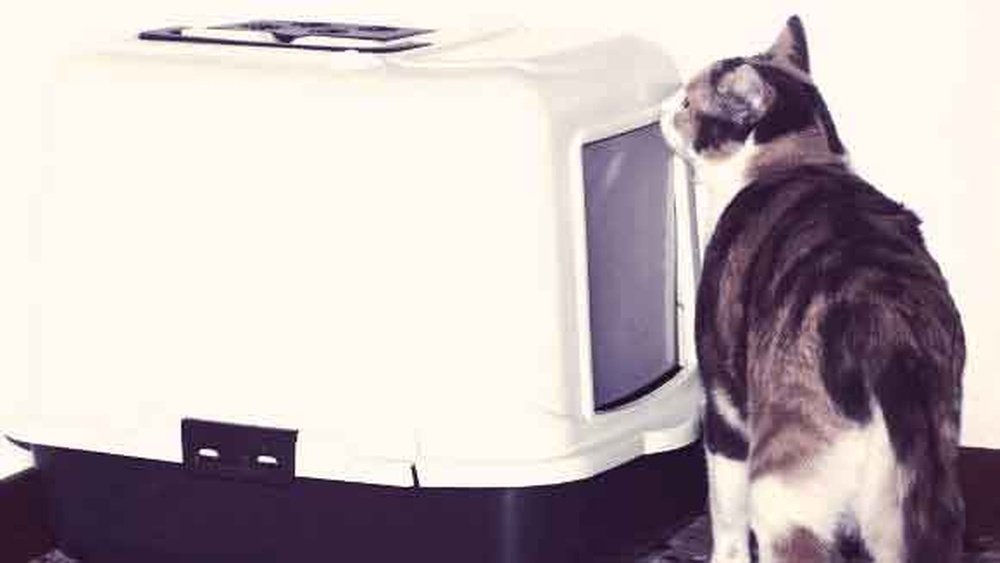
Pet owners know that managing a litter box is one of the least enjoyable parts of having a cat. The smell, daily scooping, and regular cleaning are chores that many would rather avoid. That’s why self cleaning litter boxes have become a popular solution. These high-tech devices promise to reduce the mess and effort of cat care, but they are not perfect. If you’re considering this investment, it’s important to weigh the real pros and cons. This article explores both sides in depth, so you can decide if a self cleaning litter box is right for you and your feline friend.
What Is A Self Cleaning Litter Box?
A self cleaning litter box is an automated device that removes waste from the litter box without human help. Most use sensors to detect when your cat has finished using the box. The system then rakes, sifts, or rotates to separate clumps and deposit them into a sealed container. You only need to empty this container every few days.
Some models use disposable trays, others have washable containers. There are also differences in the cleaning mechanism, noise level, and how well they control odor. Prices range from around $80 for basic models to over $500 for advanced ones.
The Main Advantages Of Self Cleaning Litter Boxes
People love the idea of less scooping and a cleaner home. Here are the main benefits you can expect from a self cleaning litter box.
1. Convenience And Time-saving
One of the biggest advantages is saving time. Traditional litter boxes require daily scooping to keep things clean and odor-free. With a self cleaning model, the device does this for you. Most only need the waste bin emptied every few days, depending on how many cats you have.
For busy people, this is a huge relief. You can go to work or travel for a weekend without worrying about your cat’s litter box becoming too dirty. Even if you don’t travel, just not having to scoop every day makes life easier.
2. Odor Control
A common complaint with regular litter boxes is the smell. Waste builds up and releases odors unless you scoop often. Self cleaning litter boxes remove waste shortly after your cat uses them, which cuts down on odors. Many models also have sealed waste bins or use carbon filters to trap smells. This means your home is likely to smell fresher, even if you have multiple cats.
3. Health And Hygiene
A dirty litter box can be a health risk for both cats and humans. Cats may refuse to use a box that is too dirty, leading to accidents elsewhere in your home. Bacteria and germs can also build up quickly.
Self cleaning boxes help keep things cleaner because waste is removed more often. This reduces the chance of bacteria spreading. It’s especially helpful for homes with children, elderly people, or anyone with a weak immune system.
4. Less Frequent Full Cleanings
With traditional boxes, you need to dump all the litter and wash the box every week or so. Self cleaning models keep the litter fresher for longer. You may only need to do a deep clean once every few weeks, depending on your cat and the litter used.
5. Better For Multiple Cats
If you have more than one cat, a self cleaning litter box can help manage the extra waste. Some models are designed for multi-cat households, with larger waste bins and stronger motors. This means fewer daily chores for you and a cleaner box for your cats.
6. Encourages Litter Box Use
Cats are picky about cleanliness. If the box is dirty, they might go elsewhere. By keeping the box clean, self cleaning models can reduce unwanted accidents. This is especially useful for older cats or those with health problems who need a spotless box.
7. Reduced Contact With Waste
Scooping a litter box is an unpleasant job. You’re exposed to odors and germs. With a self cleaning model, you only handle a sealed bag or drawer every few days. This makes things cleaner and more hygienic.
8. Consistency In Cleaning
Humans sometimes forget or delay scooping. Machines are more reliable. A self cleaning box removes waste on a set schedule or right after your cat leaves. This means your cat always has a clean place to go.
9. Some Models Track Cat Health
Advanced self cleaning litter boxes can track how often your cat uses the box. They may even send data to your phone. If your cat’s bathroom habits change, you’ll know quickly. This can help you spot health problems early.
Potential Drawbacks Of Self Cleaning Litter Boxes
While the benefits are attractive, self cleaning litter boxes are not perfect. Here are the main disadvantages to consider.
1. High Initial Cost
A self cleaning litter box costs much more than a regular one. Basic models start around $80–$100, but the best ones can be $400–$700. This is a big investment, especially if you have more than one cat or want multiple boxes. For comparison, a regular litter box can cost as little as $15.
2. Ongoing Maintenance And Supplies
While you scoop less, you still have to maintain your box. Many models need specific crystal litter, waste trays, or filters. These supplies can be expensive and add up over time. If your model requires special litter, you may not be able to use cheaper brands.
Some parts, like motors or sensors, might wear out and need replacement. This is another long-term cost to consider.
3. Noise
Self cleaning litter boxes often make mechanical noise when cleaning. Some cats are not bothered by this, but nervous cats may avoid the box if the noise scares them. It can also be annoying if the box is in your bedroom or living space.
4. Potential For Mechanical Problems
Anything with moving parts can break. Motors, rakes, and sensors can malfunction. If your box stops working, you might not notice right away. This could mean waste builds up, or your cat refuses to use the box. Some users report frequent issues with jamming, especially if their cat’s waste is too soft or the litter clumps poorly.
5. Requires Power Source
Most self cleaning litter boxes need to be plugged in. This means you need an outlet nearby. If you lose power, the box stops working and you must clean it by hand. Some models have battery backup, but not all.
6. Larger Size
These devices are often bulkier than regular litter boxes. If you live in a small apartment, finding space can be a challenge. The size also makes moving or cleaning the box more difficult.
7. Not All Cats Will Use Them
Some cats are very sensitive to change. The look, sound, or movement of a self cleaning box can scare them. Kittens, elderly cats, or those with mobility issues may also have trouble climbing into higher-walled boxes. If your cat refuses to use the box, it’s a waste of money.
8. Cleaning Is Still Needed
You still need to empty the waste bin, clean the sensors, and wash the box sometimes. If you forget, odors and germs can build up. The box is not completely “hands-off,” though it is much less work than scooping daily.
9. Limited Litter Choices
Many self cleaning models only work with certain types of litter. For example, some need crystal litter, others need hard-clumping clay. If your cat prefers a different litter, they may not use the box. It also limits your choices if your cat develops allergies or has sensitive paws.
10. Higher Upfront Learning Curve
Setting up and maintaining a self cleaning litter box can be confusing at first. You need to understand the instructions, assemble the parts, and sometimes connect to a phone app. This is more complex than a simple plastic tray.
Comparing Self Cleaning Vs. Traditional Litter Boxes
To understand the differences clearly, look at the comparison below.
| Feature | Self Cleaning | Traditional |
|---|---|---|
| Initial Cost | High ($80–$700+) | Low ($10–$50) |
| Daily Chores | Minimal (empty waste bin) | Frequent (daily scooping) |
| Odor Control | Better (sealed waste bins) | Depends on cleaning frequency |
| Litter Type | Often limited | Any type |
| Noise | Yes (mechanical sound) | No |
| Size | Bulky | Compact |
| Suitability for Nervous Cats | Sometimes a problem | Usually fine |
| Power Needed | Yes | No |
How Self Cleaning Litter Boxes Work
Most self cleaning litter boxes use sensors to detect when your cat has left the box. After a short wait, the device starts the cleaning process. Common mechanisms include:
- Rotating drums that sift clumps into a waste bin
- Rakes that sweep clumps into a container
- Sifting trays that separate clean litter from waste
Some models also use UV sterilization or odor-absorbing filters for extra cleanliness. The waste goes into a sealed container, which you empty every few days.
The device needs regular checks to make sure it’s working. If the sensor gets dirty, or the waste bin is full, the cleaning may stop.
Real User Experiences And Insights
Most users say self cleaning litter boxes make life much easier. They notice less smell, less mess, and more free time. However, there are also complaints:
- Some cats are afraid of the noise or movement and refuse to use the box.
- If the litter doesn’t clump well, the device can get jammed.
- Owners sometimes forget to empty the waste bin, which causes odor problems.
One non-obvious tip: always introduce the new box slowly. Place it next to your old box and let your cat explore. Don’t remove the old box right away. Give your cat a week or more to adjust.
Another insight: not all self cleaning boxes are equally reliable. Read user reviews and look for models with strong motors, good customer support, and easy-to-find parts.
Common Mistakes With Self Cleaning Litter Boxes
- Choosing the wrong litter: Many problems come from using litter that doesn’t clump well or is too dusty. Always use the type recommended by the manufacturer.
- Not cleaning sensors or rakes: Dust and litter can block sensors. Wipe them gently every week to keep the box working.
- Forgetting to empty the waste bin: Even sealed bins fill up quickly in multi-cat homes.
- Not giving the cat time to adjust: Switching too quickly can stress your cat.
- Ignoring power needs: Place the box near an outlet, and avoid power strips that might get unplugged easily.
Important Factors To Consider Before Buying
When deciding if a self cleaning litter box is right for you, consider these points:
- Your cat’s personality: Nervous or elderly cats may not like noise or high walls.
- Space in your home: These boxes are big. Measure your space first.
- Budget: Consider both the initial price and ongoing costs.
- Number of cats: Some models only work well with one cat.
- Type of litter required: Make sure your cat likes the recommended litter.
- Power source: You need a nearby outlet.
- Cleaning effort: You still need to wash the box and empty waste bins.
Self Cleaning Litter Box Brands And Their Features
Here’s a look at some popular brands and what makes them different.
| Brand | Main Mechanism | Unique Features | Price Range (USD) |
|---|---|---|---|
| Litter-Robot | Rotating drum | Wi-Fi app, large waste bin | 500–700 |
| ScoopFree | Rake system | Disposable crystal trays | 170–200 |
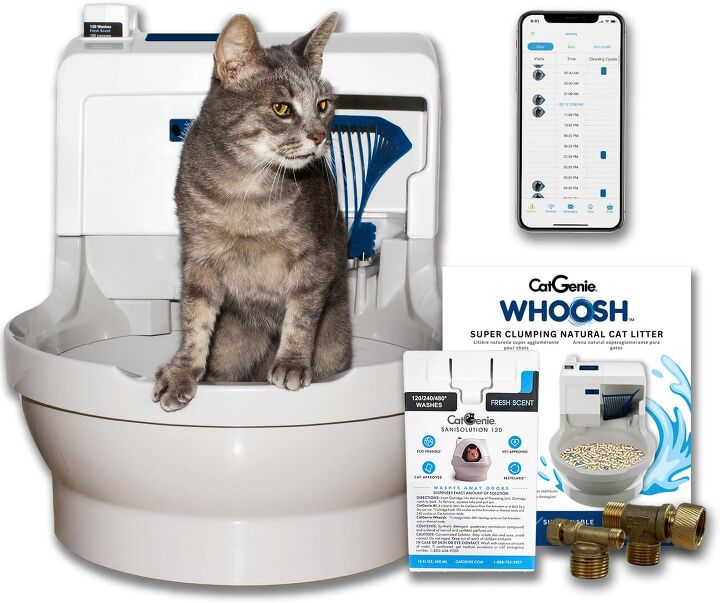
| CatGenie | Washable granules | Self-washing, flushable waste | 300–400 |
| PetSafe Simply Clean | Slow rotating conveyor | Low noise, uses clumping litter | 120–150 |
| ChillX AutoEgg | Sliding rake | Ultra quiet, health tracking | 400–500 |
Who Should Buy A Self Cleaning Litter Box?
A self cleaning litter box is best for:
- People with busy schedules who may forget to scoop daily.
- Homes with multiple cats where waste builds up fast.
- Cat owners who travel or are away often.
- Anyone who dislikes handling cat waste.
- Those with allergies or health concerns.
But it may not be the best fit if:
- You’re on a tight budget.
- Your cat is easily scared or picky about litter.
- You have limited space or outlets.
- You want full control over litter type and cleaning.
Credit: www.petguide.com
Environmental Impact
Some self cleaning litter boxes use disposable trays or special litter that is not biodegradable. This can create more waste. However, some models are designed for reusable or washable parts, which can be more eco-friendly. If the environment is important to you, look for models that use less plastic and allow regular, biodegradable litter.
Are They Worth The Money?
This depends on your lifestyle and your cat. For many, the convenience is worth the price, especially in larger households. Think about the value of your time and how much you dislike scooping. If the cost is too high, a high-quality regular box and clumping litter can also work well.
A self cleaning box is not a magic solution. It reduces, but does not eliminate, the work. You’ll still need to be involved, but the daily burden is much lighter.

Credit: www.youtube.com
Tips For Maximizing Your Self Cleaning Litter Box
- Follow setup instructions carefully to avoid problems.
- Test different litter brands (if allowed) to find what clumps best and what your cat likes.
- Keep a regular schedule for emptying the waste bin and cleaning sensors.
- Monitor your cat’s reaction. If they seem scared, give extra time and treats to build positive associations.
- Keep a backup regular box for emergencies or if the main box fails.
Real-world Example
Emily, a cat owner in New York, bought a Litter-Robot for her two cats. She used to scoop twice a day and struggled with odor. After switching, she noticed much less smell and only had to empty the waste bin twice a week.
One cat was nervous at first, so she left the old box nearby for a month. Eventually, both cats used the new box without problems.
She did have to replace a sensor after a year, but the company sent a new one quickly. Emily feels the convenience is worth the cost, but she still does a deep clean once a month and checks the machine weekly.

Credit: www.youtube.com
Pros And Cons At A Glance
Here’s a quick summary to help you decide.
Pros
- Saves time and effort
- Better odor control
- Cleaner and more hygienic
- Good for multi-cat homes
- Reduces litter box accidents
Cons
- Expensive to buy and maintain
- Not all cats will use them
- Can be noisy and bulky
- Still needs some manual cleaning
- Dependent on power
Frequently Asked Questions
What If My Cat Doesn’t Like The Self Cleaning Litter Box?
Most cats need time to adjust to a new litter box. Place the self cleaning box next to the old one and let your cat explore. Keep both available for a week or two. Encourage your cat with treats and praise.
If your cat refuses to use it, check for problems with litter type, noise, or accessibility. Some cats never adjust, so be ready with a backup plan.
How Often Do I Need To Empty The Waste Bin?
This depends on the number of cats and the model. For one cat, most bins last 5–7 days. With two cats, you may need to empty every 2–3 days. Always check the bin regularly to prevent overflow and odor.
Can Kittens Or Old Cats Use Self Cleaning Litter Boxes?
Some models have high sides or small entryways, which can be hard for kittens or elderly cats. Look for boxes with a low entry and gentle cleaning cycle. Always watch your cat to make sure they can use the box comfortably.
Do Self Cleaning Litter Boxes Really Control Odor Better?
Yes, most self cleaning litter boxes control odor better than regular ones because they remove waste quickly and seal it away. Features like carbon filters and sealed bins also help. However, if you don’t empty the waste bin or use the wrong litter, odors can still happen.
Is There A Recommended Resource For Learning More?
For detailed information and comparisons of different models, visit the Wikipedia Litter Box page. It offers useful details about litter box types, maintenance, and cat behavior.
Choosing a self cleaning litter box is a personal decision. With the right model and good habits, it can make life with cats much easier and cleaner. Take your time, know your cat, and pick the solution that fits your home best.