Every dog owner wants their pet to be happy and healthy. But sometimes, your dog’s skin starts itching, their ears get red, or they get upset stomachs. These signs can make you wonder, “Is it a food allergy? ” If you suspect your dog has a food allergy, you’re probably also asking, “How long does it take for dog food allergies to clear up?
” This question is important, but the answer isn’t always simple.
Let’s dive deep into everything you need to know about the timeline for dog food allergy recovery. We’ll cover what happens inside your dog’s body, why symptoms last longer than you think, how to manage diet changes, and what to expect as you help your dog feel better. Along the way, you’ll get expert tips and practical examples—plus some insights most beginners miss.
Understanding Dog Food Allergies
Before we talk about how long recovery takes, it’s important to know what a dog food allergy actually is. Many people mix up allergies and intolerances, but they’re not the same.
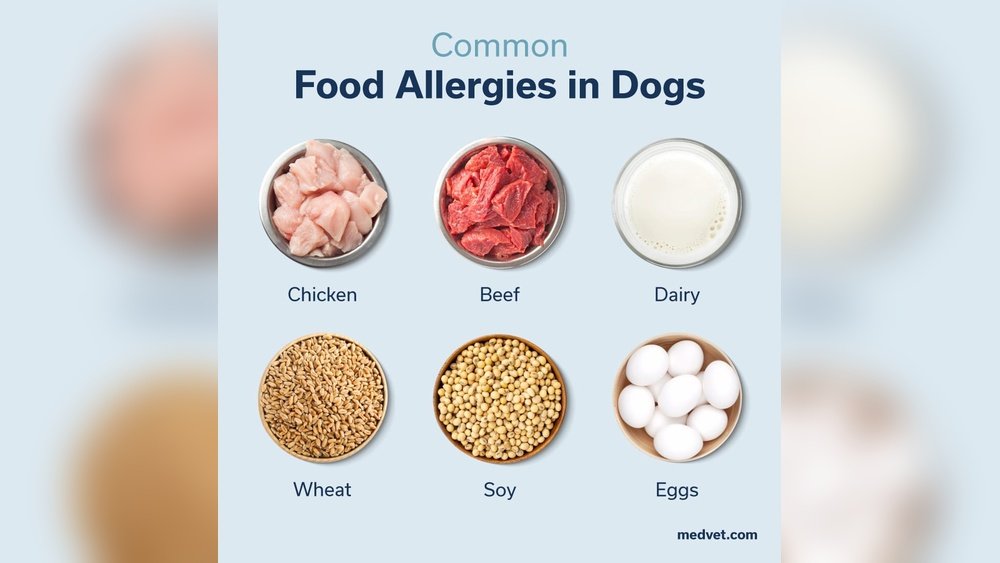
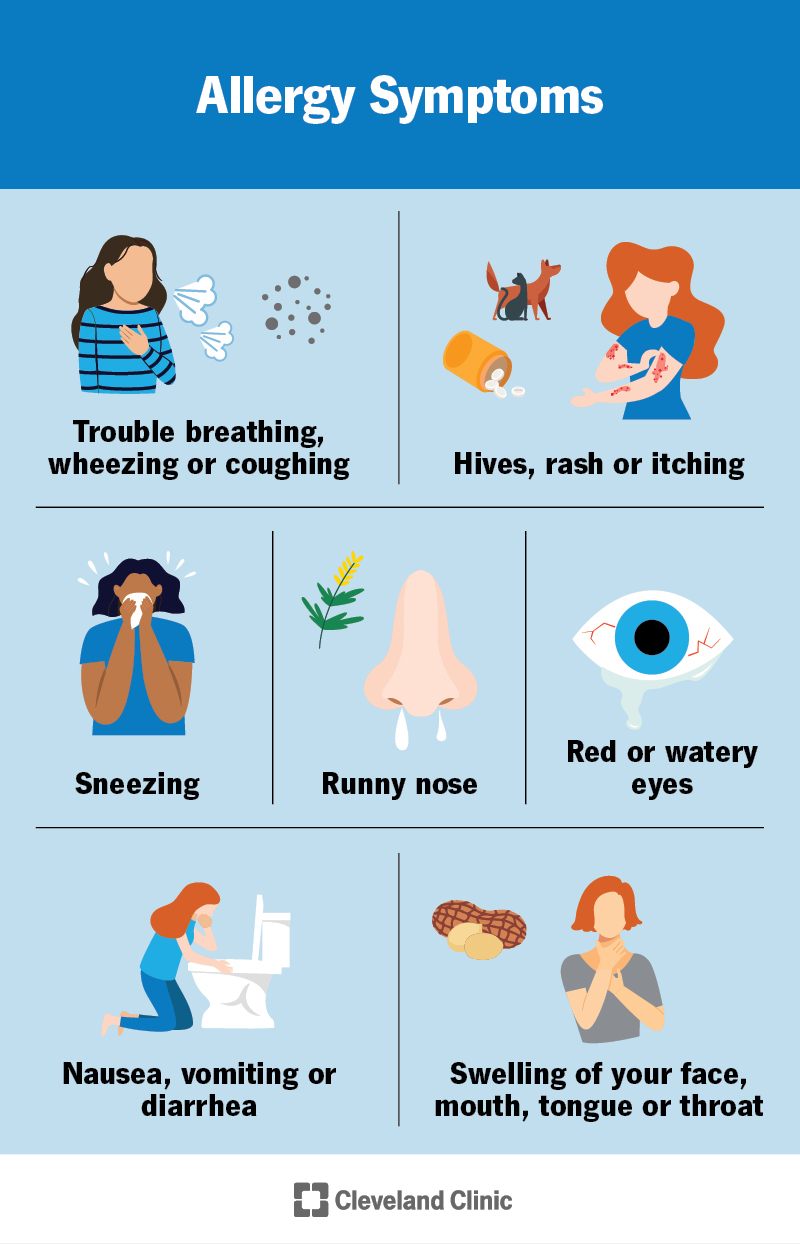
An allergy happens when your dog’s immune system overreacts to a protein in their food. For example, common triggers include beef, chicken, dairy, wheat, and even soy. The immune system thinks these proteins are dangerous, and this causes symptoms like itching, redness, hives, ear infections, vomiting, or diarrhea.
A food intolerance is different. It means your dog can’t digest certain ingredients, but the immune system isn’t involved. The symptoms can look similar, but they’re caused by digestion problems, not allergies.
Most allergies show up as skin problems and digestive issues. Sometimes, the signs are mild, but in other cases, they can be severe and affect your dog’s quality of life.
How Do Vets Diagnose Food Allergies?
There is no simple blood test for dog food allergies. Vets usually suggest an elimination diet. This means feeding your dog a special food (with new proteins and carbs they’ve never had before) for 8–12 weeks. If symptoms improve, the old food is slowly reintroduced. If symptoms come back, it confirms an allergy.
This process takes time and patience. It’s the gold standard for finding out which foods cause trouble.
Why Do Dog Food Allergy Symptoms Take Time To Clear?
When you remove the problem food, your dog’s body doesn’t heal instantly. Here’s why:
- Allergens linger: Even after you stop feeding the allergen, traces can stay in your dog’s system for days or weeks.
- Skin takes time to heal: If your dog has been scratching or biting, the skin can take weeks to repair.
- Gut needs to recover: The digestive tract needs time to calm down and rebuild healthy bacteria.
- Immune response lasts: The immune system might stay active for a while, even after the trigger is gone.
Many owners expect quick results, but most dogs need several weeks for full recovery.
Typical Timeline For Dog Food Allergy Recovery
Every dog is different, but you can expect a general timeline if you follow an elimination diet and avoid all triggers:
| Timeframe | What Happens | Owner’s Task |
|---|---|---|
| First 1–2 weeks | Some symptoms may start to improve (especially mild digestive issues). Skin symptoms often remain. | Strictly follow the new diet. No treats or table scraps. |
| 3–4 weeks | Itching and redness begin to fade. Energy may improve. Some dogs show little change yet. | Continue strict diet. Monitor and record all symptoms. |
| 5–8 weeks | Most dogs see major improvement. Skin heals, stomach settles, and ears clear up. | Stay patient. Consult your vet before changing anything. |
| 9–12 weeks | Full recovery for most dogs. Some need more time, especially if the allergy was severe or chronic. | Discuss with your vet about reintroducing foods or continuing the current diet. |
Most dogs need 8 to 12 weeks for symptoms to clear up completely. Some may improve faster, but it’s rare for full recovery in less than a month.
Factors That Affect Recovery Time
Not all dogs recover at the same speed. Many things can change how quickly your dog gets better:
1. Severity Of Allergy
If your dog has mild symptoms (like itchy feet or a little redness), they might improve faster. Dogs with severe allergies (open sores, constant scratching, chronic ear infections) often take longer.
2. Age And Health
Puppies or young dogs may recover more quickly than older dogs. Dogs with other health problems (like hypothyroidism or immune disorders) may heal more slowly.
3. Type Of Allergen
Some allergens (like dairy) clear out of the body faster than others (like certain meat proteins). Also, dogs with multiple allergies might need more time.
4. How Long The Dog Was Exposed
If your dog ate the trigger food for months or years, it takes longer for the body to heal. Short-term exposure usually means quicker recovery.
5. Following The Diet Strictly
Accidental slips (like giving treats or flavored medications) can restart symptoms and delay healing. Even small amounts of the allergen can cause problems.
6. Secondary Infections
Many allergic dogs get skin or ear infections. These need treatment alongside diet changes. If infections linger, recovery will be slower.
7. Stress And Environment
A stressful home, poor grooming, or exposure to other allergens (like pollen or dust mites) can slow recovery—even if the food allergy is managed.
Step-by-step: What To Do If You Suspect A Dog Food Allergy
If you think your dog has a food allergy, here’s a proven approach for best results:
- See your vet: Don’t try to self-diagnose. Many other conditions cause similar symptoms.
- Start an elimination diet: Feed only the recommended food. It should contain proteins and carbs your dog hasn’t eaten before (like duck and potato).
- No extras: No treats, table food, flavored meds, or chews unless approved.
- Track symptoms: Keep a daily log of itching, skin changes, digestive problems, or behavior.
- Give it time: Stick with the diet for at least 8 weeks—ideally 12.
- Monitor for infections: If you see hot spots, ear discharge, or sores, get vet treatment.
- Review with your vet: After the trial, discuss results. Your vet may suggest adding back old foods one by one to confirm the allergy.
Pro tip: Many beginners forget to check for hidden ingredients in treats, dental chews, or supplements. Always read labels and ask your vet if you’re unsure.
Common Signs And Symptoms Of Dog Food Allergies
Not all food allergies look the same. Watch for these signs:
- Chronic itching (especially around the face, paws, ears, or belly)
- Red, inflamed skin
- Recurrent ear infections
- Hair loss or hot spots
- Frequent licking or chewing paws
- Vomiting or diarrhea
- Gas and bloating
- Anal gland problems
- Poor coat condition
Some symptoms can be subtle. For example, a dog might only have soft stools or a little redness on their lips. Ignoring these mild signs can delay diagnosis and healing.
How To Choose The Right Food For An Elimination Diet
Your choice of food matters a lot. Here are the main options vets recommend:
1. Novel Protein Diet
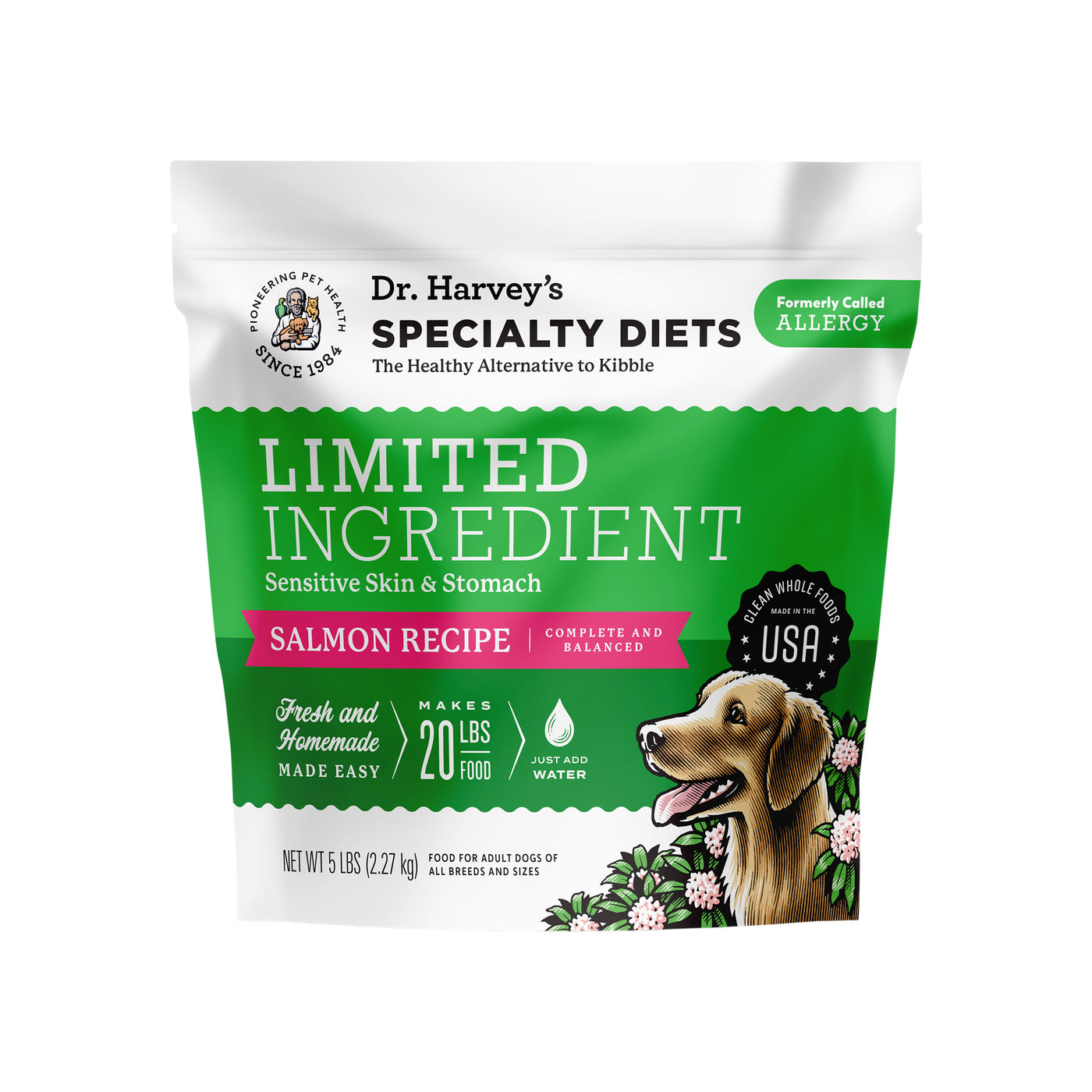
This uses proteins your dog has never eaten before (such as duck, rabbit, or venison). It often includes a new carbohydrate too (like sweet potato). Commercial “limited ingredient” diets work, but check labels for hidden chicken, beef, or other common proteins.
2. Hydrolyzed Protein Diet
Proteins in these diets are broken into tiny pieces so the immune system doesn’t recognize them. These diets are made by prescription and are very reliable for allergy testing.
3. Home-cooked Diet
Some vets may suggest a simple home-cooked diet (like cooked turkey and rice). This can be useful, but it’s easy to miss nutrients. Only do this under vet supervision.
Key Factors When Choosing
- Pick a diet with as few ingredients as possible.
- Avoid foods with artificial colors, flavors, or fillers.
- Make sure treats and chews match the main diet.
- Don’t switch foods without talking to your vet.
What To Expect: Day-by-day And Week-by-week
Owners often get worried during the first weeks of a diet trial. Here’s what you might see:
Days 1–7: Dogs may actually itch more. This is called a “flare-up” and happens as the immune system reacts to changes. Don’t give up.
Days 8–21: Most dogs start to show mild improvement. Diarrhea or vomiting often clears up first. Skin takes longer.
Weeks 4–8: Itching, redness, and ear problems start to fade. The coat may look shinier, and dogs seem happier.
Weeks 8–12: For most dogs, symptoms are gone or much improved. If you see little or no change, check for hidden allergens or talk to your vet about other causes.
Non-obvious insight: Even if your dog’s symptoms clear up in 2–4 weeks, you should finish the full 8–12 week trial. This ensures you’re not missing a slow-to-react allergy.
Credit: www.onlynaturalpet.com
How To Prevent Setbacks During Recovery
Many dogs get better, then suddenly have a setback. Here’s how to avoid common mistakes:
- Check all medications: Some chewable pills or heartworm meds have beef or chicken flavoring.
- Avoid flavored toothpaste and supplements.
- Clean bowls and toys: Old food residue can reintroduce allergens.
- Watch for table scraps: Well-meaning family members may give snacks that cause trouble.
- Monitor outside eating: Dogs who eat garbage, dropped food, or plants can get exposed to allergens.
Pro tip: Write down all foods, treats, and chews your dog gets. Share this with your vet if symptoms return.
Complications That Can Slow Healing
Sometimes, even with a perfect diet, dogs don’t improve as expected. Here are a few reasons:
1. Secondary Infections
Allergic dogs often scratch or chew their skin, which lets bacteria or yeast grow. These infections need antibiotics or antifungals to clear up. If you only change the diet, but don’t treat infections, healing is slow.
2. Environmental Allergies
Some dogs are allergic to things like pollen, mold, or dust mites. Food changes may help a little, but not completely. Your vet can help test for these.
3. Other Medical Problems
Diseases like hypothyroidism, Cushing’s disease, or mange can look like food allergies. Blood tests or skin scrapes may be needed.
4. Multiple Food Allergies
A few dogs are allergic to more than one protein or ingredient. If you only remove one, but not others, symptoms may stay.
Credit: my.clevelandclinic.org
Monitoring Recovery: How To Know If It’s Working
Keeping track of your dog’s progress is important. Here are tips for good monitoring:
- Take weekly photos of your dog’s skin, ears, and paws.
- Rate itching or redness on a scale of 1–10 each day.
- Note any changes in stool, appetite, or energy.
- Share your notes with your vet at each visit.
If you see no change after 12 weeks, or if symptoms get worse, go back to your vet for further testing.
Real-life Example: A Case Study
Let’s look at a real example. “Bailey,” a 4-year-old Labrador, had itchy skin, ear infections, and soft stools for a year. The owner tried many shampoos but saw no improvement. The vet recommended an elimination diet using a hydrolyzed protein food. For the first two weeks, Bailey still itched, but diarrhea stopped.
By week four, the ears were less red, and Bailey scratched less. At eight weeks, skin healed almost completely, and the coat looked shiny. After 12 weeks, Bailey was comfortable and happy. The owner kept a food diary and avoided all treats.
This story shows that patience and strict management pay off.
Credit: gb.mypetsensitivity.com
Comparing Dog Food Allergy Recovery To Other Allergies
Sometimes, people confuse food allergies with flea allergies or seasonal allergies. Here’s how they compare:
| Type | Common Symptoms | Recovery Time | Special Notes |
|---|---|---|---|
| Food Allergy | Itching, digestive upset, ear infections | 8–12 weeks (after diet change) | Strict diet is needed |
| Flea Allergy | Itching, hair loss, hot spots | Days–weeks (after flea control) | Fast improvement if fleas are eliminated |
| Seasonal Allergy | Itching (seasonal), sneezing, watery eyes | Weeks–months (depends on pollen) | May need medicine or environmental changes |
This shows why it’s important to get a proper diagnosis. The right treatment depends on the cause.
Tips For Supporting Your Dog During Recovery
Helping your dog get through a food allergy trial can be tough. Here’s how to make it easier:
- Stick to routines: Dogs feel safer with regular meal and walk times.
- Use an e-collar if needed: This prevents chewing or licking wounds while healing.
- Groom gently: Brush your dog to remove loose hair and check for infection.
- Keep playtime fun: Use toys and games to distract from itching.
- Ask for help: If you live with family, make sure everyone knows not to give outside food.
Non-obvious insight: Dogs can develop new allergies over time. Even after finding a “safe” food, watch for new symptoms in the future.
When To See The Vet Again
You should always keep your vet in the loop. Call if:
- Symptoms get worse after changing food
- Your dog develops open sores, bleeding, or swelling
- There’s vomiting or diarrhea that doesn’t improve in a few days
- Your dog seems tired, loses weight, or acts sick
Early treatment prevents complications and speeds up healing.
How To Avoid Food Allergies In The Future
While some dogs are born with allergies, you can lower the risk of problems:
- Feed a balanced diet: High-quality commercial foods are designed to reduce risk.
- Rotate proteins carefully: Some vets suggest changing main proteins every few months, but only if your dog is healthy.
- Limit treats and extras: Too many extras can confuse allergy testing and add risk.
- Watch for early signs: Don’t ignore mild itching, ear problems, or soft stools.
If your dog recovers from a food allergy, keep using the safe diet. Some owners are tempted to “test” with old foods, but this can cause relapses.
Myths And Misconceptions About Dog Food Allergies
Dog food allergies are often misunderstood. Here are common myths:
- Myth: Any dog can get better in a few days.
- Fact: Most need 8–12 weeks for full recovery.
- Myth: Grain-free diets cure all allergies.
- Fact: Most dogs are allergic to animal proteins, not grains.
- Myth: Blood tests can diagnose food allergies.
- Fact: Elimination diets are the only proven method.
- Myth: Expensive foods are always better.
- Fact: Price does not equal quality. Check ingredients.
- Myth: Once a food is safe, it stays safe forever.
- Fact: Dogs can develop new allergies over time.
Pro tip: Don’t rely on marketing claims. Always read labels and talk to your vet.
The Role Of Supplements And Medications
Sometimes, dogs need extra help during recovery:
Supplements
- Omega-3 fatty acids: Help reduce skin inflammation and itchiness.
- Probiotics: Can support gut health during diet changes.
Medications
- Antibiotics or antifungals: Treat skin or ear infections.
- Steroids or antihistamines: Control severe itching, but only short-term.
Supplements and medicines help symptoms but don’t replace strict diet control. Always ask your vet before starting anything new.
Data: How Common Are Dog Food Allergies?
Dog food allergies are not rare, but they’re less common than other allergies. Research shows:
- About 10–15% of dogs with allergies have food allergies.
- The most common triggers are beef, dairy, chicken, wheat, and soy.
- Some breeds (like Labradors, West Highland White Terriers, and Cocker Spaniels) are more likely to be affected.
For more details, you can check this VCA Hospitals guide on food allergies in dogs.
Cost And Practicalities: What Owners Should Know
Treating food allergies can be expensive and time-consuming:
| Item | Estimated Cost (USD) | Notes |
|---|---|---|
| Vet visits (diagnosis and follow-up) | $100–$400 | Varies by region |
| Prescription diet (8–12 weeks) | $150–$300 | Higher cost for special foods |
| Supplements/medications | $30–$150 | Depends on infections or severity |
| Skin/ear treatments | $50–$200 | Needed if infections present |
Some pet insurance plans cover allergy testing and prescription foods. Check your policy for details.
What If Symptoms Don’t Go Away?
If your dog’s symptoms do not improve after 12 weeks, it’s time to look for other causes:
- Recheck all foods, treats, and chews for hidden allergens.
- Test for environmental allergies (like pollen or dust).
- Get blood tests to rule out other diseases.
- Consider referral to a veterinary dermatologist.
Non-obvious insight: Sometimes, symptoms are caused by a combination of food and environmental allergies. Managing both is the only way to get full relief.
Frequently Asked Questions
How Can I Tell If My Dog’s Allergy Is From Food Or Something Else?
It can be hard to tell without testing. Food allergies usually cause year-round symptoms (not just seasonal). If an elimination diet helps, it’s likely a food allergy. Vets may also test for flea or environmental allergies.
Can I Use Over-the-counter Allergy Meds To Help My Dog During Recovery?
Some antihistamines can help mild itching, but they don’t treat the cause. Never use human meds without your vet’s advice. Diet control is most important for long-term success.
My Dog Improved Quickly—can I Stop The Elimination Diet Early?
It’s best to finish the full 8–12 weeks. Symptoms can come back if you stop too soon. Completing the trial makes the diagnosis more certain.
Are Grain-free Or Raw Diets Better For Dogs With Allergies?
Grain-free diets are not always better. Most allergies are to proteins, not grains. Raw diets can be risky and may not solve the problem. Always talk to your vet before trying special diets.
Can Dogs Outgrow Food Allergies?
Most dogs do not outgrow food allergies. They usually need to avoid the trigger food for life. Watch for new symptoms, as dogs can develop new allergies over time.
Helping your dog through a food allergy can be a long road, but patience and clear steps make a big difference. If you follow the advice above, keep your vet involved, and watch for the small details others miss, you can give your dog the best chance for a comfortable, happy life.