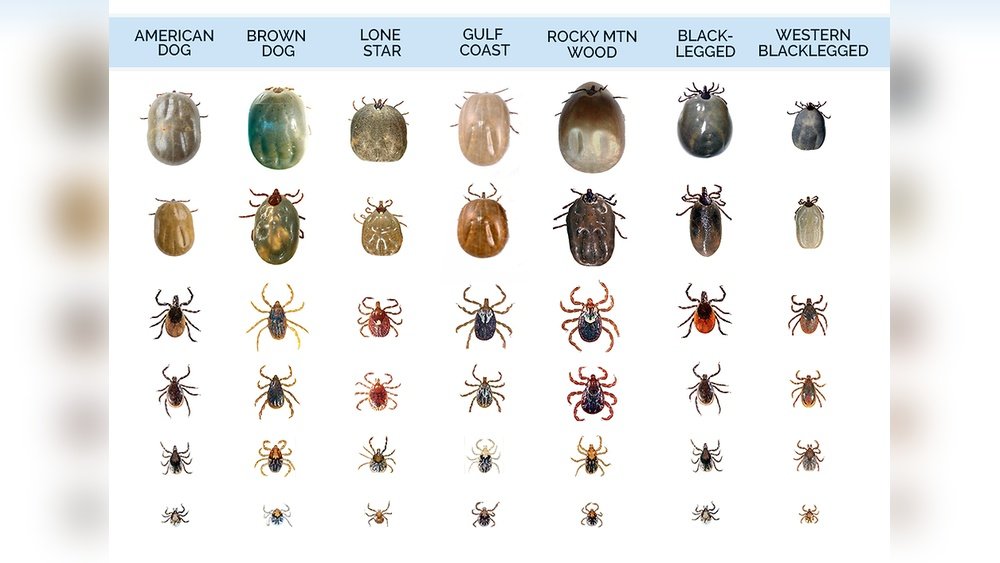
Dogs love to explore the outdoors, sniff around in the grass, and play in the woods. But with all that adventure comes a hidden danger: ticks. These tiny parasites can latch onto your dog’s skin and feed on their blood. Most tick bites are harmless, but some can pass on serious diseases. If you’re a dog owner, knowing about these illnesses is not just smart—it’s essential for keeping your best friend healthy.
Ticks are found in many parts of the world, especially in warm, humid areas with tall grass, bushes, or woods. They’re most active during spring and summer, but in some regions, they’re a year-round problem. While ticks are small, the diseases they carry can be life-changing or even deadly for dogs.
Understanding these risks helps you spot problems early and protect your pet better.
This guide covers the main diseases dogs can get from ticks, what symptoms to watch for, how vets diagnose and treat them, and how you can reduce the risk. You’ll also find practical advice, real examples, and answers to common questions.
If you want to keep your dog safe from the dangers of ticks, read on.
How Ticks Transmit Diseases To Dogs
Ticks are more than just annoying pests. They are vectors, which means they can carry and spread disease-causing organisms like bacteria, viruses, and parasites. When a tick bites a dog, it inserts its mouthparts into the skin and starts feeding on blood. If the tick carries a disease, it can transfer the infection through its saliva.
Many tick-borne diseases need the tick to be attached for several hours before transmission happens. That’s why finding and removing ticks quickly is so important. Some diseases can be passed in as little as 3-6 hours, while others may take up to 24-48 hours.
Not every tick carries disease, but it’s impossible to know by looking.
Ticks can infect dogs with multiple diseases at the same time (this is called co-infection), making the illness more severe or harder to diagnose. Understanding which diseases are most common in your area can help you and your vet make better choices for prevention and treatment.
Main Tick-borne Diseases In Dogs
There are many diseases ticks can pass to dogs. Some are found everywhere, while others are more common in certain places. Below you’ll find details about the most important tick-borne diseases, how they affect dogs, and what makes each one unique.
1. Lyme Disease
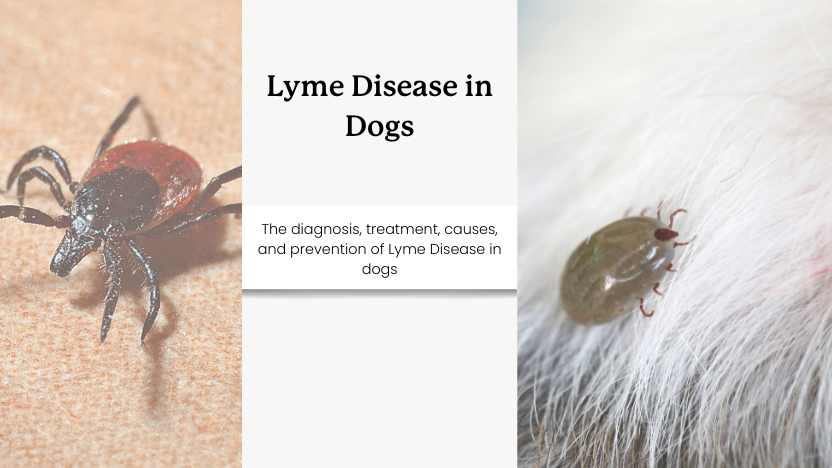
Lyme disease is one of the most well-known tick-borne illnesses in dogs. It’s caused by the bacteria *Borrelia burgdorferi*, which is spread mainly by the black-legged tick (also called the deer tick).
Where It’s Found
Lyme disease is most common in the Northeastern, upper Midwestern, and Pacific coastal regions of the United States, as well as parts of Europe and Asia. However, ticks carrying Lyme disease are spreading to new areas.
Symptoms
Many dogs with Lyme disease do not show signs at first. When symptoms appear, they often include:
- Fever
- Swollen joints or lameness (which may shift from one leg to another)
- Loss of appetite
- Low energy
- Swollen lymph nodes
In rare cases, Lyme disease can cause kidney problems, which can be fatal.
Diagnosis And Treatment
Lyme disease is usually diagnosed with blood tests that detect antibodies. However, these tests may not be positive until a few weeks after infection. Treatment involves antibiotics, usually doxycycline, and dogs often recover well if treated early.
Non-obvious Insight
Many people think a “bullseye rash” appears in dogs, as it does in humans, but this is extremely rare in canines. Also, a dog may carry the bacteria and never get sick, but can still pass the bacteria to ticks if bitten again.
2. Ehrlichiosis
Ehrlichiosis is caused by several bacteria species in the genus *Ehrlichia*. The main types affecting dogs are *Ehrlichia canis*, *Ehrlichia ewingii*, and *Ehrlichia chaffeensis*. The main vector is the brown dog tick.
Where It’s Found
It’s common in the southern United States, but cases are seen all over the world, especially in warmer climates.
Symptoms
Symptoms usually appear 1-3 weeks after a tick bite and can include:
- Fever
- Lethargy (tiredness)
- Loss of appetite
- Weight loss
- Swollen lymph nodes
- Nosebleeds or bruising (from low platelets)
- Joint pain or lameness
- Eye problems
Ehrlichiosis can become chronic if not treated, leading to more severe illness.
Diagnosis And Treatment
Blood tests are used for diagnosis, including tests for antibodies and PCR. Treatment is with antibiotics, usually doxycycline, for several weeks.
Non-obvious Insight
Dogs rescued from shelters in the southern US often test positive for Ehrlichia, even if they seem healthy. Chronic cases may cause serious immune problems years after the bite.
3. Anaplasmosis
Anaplasmosis is caused by *Anaplasma phagocytophilum* and *Anaplasma platys*, bacteria spread by the black-legged tick and the brown dog tick.
Where It’s Found
This disease overlaps with Lyme disease in the Northeast and Midwest US, but is also found in Europe and Asia.
Symptoms
Most dogs show mild symptoms, but some have:
- Fever
- Joint pain or stiffness
- Vomiting or diarrhea
- Coughing
- Nosebleeds
- Neurological signs (rare)
Diagnosis And Treatment
Diagnosis is by blood tests. Treatment is with antibiotics, usually doxycycline.
Non-obvious Insight
Anaplasmosis can appear with Lyme disease at the same time. Some dogs only show subtle signs, like being “off” for a few days, making it easy to miss.
4. Rocky Mountain Spotted Fever
Rocky Mountain Spotted Fever (RMSF) is caused by *Rickettsia rickettsii*, and transmitted mainly by the American dog tick, Rocky Mountain wood tick, and brown dog tick.
Where It’s Found
Despite the name, RMSF is found across the United States (especially the Southeast), Central and South America, and parts of Canada.
Symptoms
Symptoms begin 2-14 days after a bite:
- High fever
- Loss of appetite
- Swollen face or legs
- Joint pain
- Vomiting or diarrhea
- Nosebleeds or bruising
- Eye inflammation
- Neurological signs like tremors or seizures (in severe cases)
Diagnosis And Treatment
Diagnosis combines clinical signs, history of tick exposure, and blood tests. Early treatment with doxycycline is critical—RMSF can be fatal if not treated quickly.
Non-obvious Insight
Dogs with RMSF do not get the classic “spotted” rash seen in humans. Also, RMSF can damage blood vessels, causing organ failure if left untreated.
5. Babesiosis
Babesiosis is caused by microscopic parasites called *Babesia* that invade and destroy red blood cells. It’s spread by ticks, especially the brown dog tick, and sometimes by fights or blood transfusions.
Where It’s Found
Babesiosis is seen worldwide, with higher rates in the southern US, Africa, Asia, and parts of Europe.
Symptoms
- Pale gums or jaundice (yellowing)
- Weakness or collapse
- Dark urine
- Fever
- Swollen abdomen
- Enlarged spleen
Some dogs may show mild symptoms, while others get very sick quickly.
Diagnosis And Treatment
Babesiosis is diagnosed by blood smear, PCR, or antibody tests. Treatment is more complex than with bacteria—it may include anti-parasitic drugs, supportive care, and sometimes blood transfusions.
Non-obvious Insight
Greyhounds and American Pit Bull Terriers are more prone to severe Babesia infections. Chronic carriers can appear healthy but still spread the parasite.
6. Hepatozoonosis
Hepatozoonosis is different from most tick diseases. Dogs become infected by eating an infected tick, not by being bitten. The main species are *Hepatozoon canis* and *Hepatozoon americanum*.
Where It’s Found
*H. canis* is common in Africa, Asia, and southern Europe. *H. americanum* is mainly found in the southern United States.
Symptoms
- Fever
- Muscle pain or stiffness
- Weakness
- Weight loss
- Eye discharge
- Severe cases may show bone or muscle swelling
Diagnosis And Treatment
Diagnosis is by finding the parasite in blood or muscle tissue. Treatment is long-term and may include antibiotics and anti-parasitic drugs.
Non-obvious Insight
Dogs do not get sick by just being bitten—they must eat a tick. This makes outdoor dogs and hunters more at risk.
7. Tick Paralysis
Tick paralysis is not an infection, but a reaction to toxins in the saliva of certain ticks, such as the American dog tick and the Paralysis tick found in Australia.
Where It’s Found
Tick paralysis is common in Australia, but cases are also seen in North America.
Symptoms
- Weakness, starting in the hind legs
- Trouble walking
- Difficulty breathing (in severe cases)
- Collapse
Symptoms usually improve quickly after the tick is removed.
Diagnosis And Treatment
Diagnosis is by finding the tick and matching the symptoms. Treatment involves removing the tick and supportive care.
Non-obvious Insight
A single tick can cause full paralysis in a healthy dog. Dogs with thick fur may have hidden ticks that are hard to find.
8. Bartonellosis
Bartonellosis is caused by *Bartonella* bacteria, which can be spread by ticks, fleas, and lice. It’s also known as “cat scratch fever” in people.
Where It’s Found
Worldwide, but especially in warm, humid climates.
Symptoms
- Fever
- Lameness
- Heart problems (endocarditis)
- Enlarged lymph nodes
- Nosebleeds
Most infections are mild, but can be severe in some dogs.
Diagnosis And Treatment
Diagnosis is by blood tests. Treatment may require long-term antibiotics.
Non-obvious Insight
Bartonella is hard to detect and may hide in the body for months or years before causing illness.
9. Cytauxzoonosis
Cytauxzoonosis is caused by the parasite *Cytauxzoon felis*, mainly affecting cats but rarely infecting dogs through tick bites.
Where It’s Found
Most common in the southeastern and south-central United States.
Symptoms
- High fever
- Weakness
- Pale gums
- Difficulty breathing
This disease is rare in dogs, but can be very serious.
Diagnosis And Treatment
Diagnosis is by blood smear or PCR. Treatment options are limited and often not successful.
Non-obvious Insight
Even though it’s rare in dogs, cytauxzoonosis shows that ticks can carry diseases that cross between species.
10. Haemoplasmosis
Haemoplasmosis is caused by bacteria called *Mycoplasma haemocanis* and *Candidatus Mycoplasma haematoparvum*. Ticks are one of the ways this disease spreads.
Where It’s Found
Found worldwide, but more common in immunocompromised or old dogs.
Symptoms
- Anemia (pale gums)
- Weakness
- Fever
- Weight loss
Many dogs have no symptoms unless stressed or ill.
Diagnosis And Treatment
Diagnosis is by blood tests. Treatment is with antibiotics, and sometimes steroids.
Non-obvious Insight
Dogs may carry the bacteria for life and only get sick during times of stress or other illness.
11. Tularemia
Tularemia, also known as “rabbit fever,” is caused by *Francisella tularensis*. It’s mainly spread by ticks and wild animals.
Where It’s Found
Common in North America, Europe, and Asia.
Symptoms
- Sudden high fever
- Swollen glands
- Weakness
- Poor appetite
- Jaundice
Tularemia can be fatal if not treated quickly.
Diagnosis And Treatment
Diagnosis is by blood tests and cultures. Treatment is with antibiotics.
Non-obvious Insight
Dogs rarely spread tularemia to people, but handling sick wildlife or tick-infested dogs can be a risk.
12. Tick-borne Encephalitis (tbe)
Tick-borne encephalitis is a viral disease more common in Europe and Asia. Dogs can get the virus from tick bites, though cases are rare.
Where It’s Found
Mainly in Central and Eastern Europe, Russia, and parts of Asia.
Symptoms
- Fever
- Lethargy
- Seizures
- Loss of coordination
Some dogs recover, while others may have lasting problems.
Diagnosis And Treatment
Diagnosis is by blood tests and symptoms. There is no specific cure; treatment is supportive.
Non-obvious Insight
TBE is much more serious in humans, but dogs can carry the virus into the home and put people at risk.
13. Hepatitis (via Canine Adenovirus From Ticks)
While canine adenovirus (causing infectious canine hepatitis) is not usually tick-borne, some research suggests ticks may rarely play a role in spreading the virus.
Where It’s Found
Global, with most cases in unvaccinated dogs.
Symptoms
- Fever
- Abdominal pain
- Jaundice
- Bleeding disorders
Vaccination is the best prevention.
Diagnosis And Treatment
Blood tests confirm the virus. Supportive care is the main treatment.
Non-obvious Insight
Vaccinated dogs are highly protected, but ticks can be a source in rare situations, especially in stray or wild dog populations.
14. Rickettsiosis (other Rickettsia Species)
Several other Rickettsia bacteria can infect dogs, such as *Rickettsia parkeri* and *Rickettsia africae*. These are spread by different tick species.
Where It’s Found
Various regions, especially in the Americas and Africa.
Symptoms
- Fever
- Skin sores
- Swollen lymph nodes
Most cases are mild, but some can be serious.
Diagnosis And Treatment
Diagnosis is by blood tests. Treatment is with antibiotics.
Non-obvious Insight
Some new rickettsial diseases are still being discovered, so tick control is always important.
Credit: lolahemp.com
Comparison Of Key Tick-borne Diseases
To help you compare the most common tick-borne diseases, here’s a quick overview:
| Disease | Main Tick Vector | Region Most Common | Typical Symptoms | Treatment |
|---|---|---|---|---|
| Lyme Disease | Black-legged tick | NE & Midwest US, Europe | Fever, lameness, joint pain | Antibiotics |
| Ehrlichiosis | Brown dog tick | South US, worldwide | Fever, bleeding, joint pain | Antibiotics |
| Babesiosis | Brown dog tick | South US, Africa, Europe | Anemia, jaundice, weakness | Anti-parasitic drugs |
| RMSF | American dog tick | US, Americas | Fever, swelling, bruising | Antibiotics |
Symptoms To Watch For In Your Dog
Tick-borne diseases can look like many other illnesses. But there are some common warning signs you should never ignore:
- Sudden tiredness or unwillingness to exercise
- Lameness, especially if it moves from leg to leg
- Fever or shivering
- Loss of appetite or weight loss
- Swollen joints or lymph nodes
- Pale gums or yellowing of the skin
- Unusual bleeding or bruising
- Coughing or trouble breathing
- Seizures or other neurological signs
Some of these symptoms can take weeks or even months to appear after a tick bite. If you notice any of them, especially after finding a tick on your dog, contact your vet right away.
How Veterinarians Diagnose Tick-borne Diseases
Diagnosing tick diseases is not always simple. Many symptoms are vague or look like other problems. Here’s how vets usually find the cause:
- History and Physical Exam: Your vet will ask if your dog has been in tick-infested areas, then check for ticks and any signs of illness.
- Blood Tests: These may include:
- Checking for anemia or low platelets
- Testing for antibodies against tick-borne bacteria
- PCR tests to detect the DNA of parasites or bacteria
- Other Tests: In some cases, vets may need to check urine, joint fluid, or do x-rays if there are joint or organ problems.
Dogs can have more than one tick-borne disease at the same time. Sometimes, your vet will start treatment based on suspicion while waiting for test results.
Treatment And Recovery
Treatment depends on the specific disease, but most tick-borne illnesses are treated with antibiotics (mainly doxycycline). Some diseases, like babesiosis or hepatozoonosis, need special anti-parasitic drugs. Supportive care is often needed, including fluids, pain relief, or even blood transfusions in severe cases.
Most dogs recover well if treated early, but some may have lasting problems with kidneys, joints, or the immune system. Chronic infection can occur if the disease is not caught in time. Follow your vet’s instructions closely and finish all medication, even if your dog seems better.
Credit: www.hartz.com
How To Protect Your Dog From Tick-borne Diseases
Preventing tick bites is the best way to protect your dog. Here’s what you can do:
- Use Tick Preventatives: There are many safe, effective products: spot-on treatments, collars, oral medications, and sprays. Ask your vet for the best choice for your dog and region.
- Check Your Dog Daily: After walks, especially in woods or grass, check all over your dog—including ears, between toes, and under the collar.
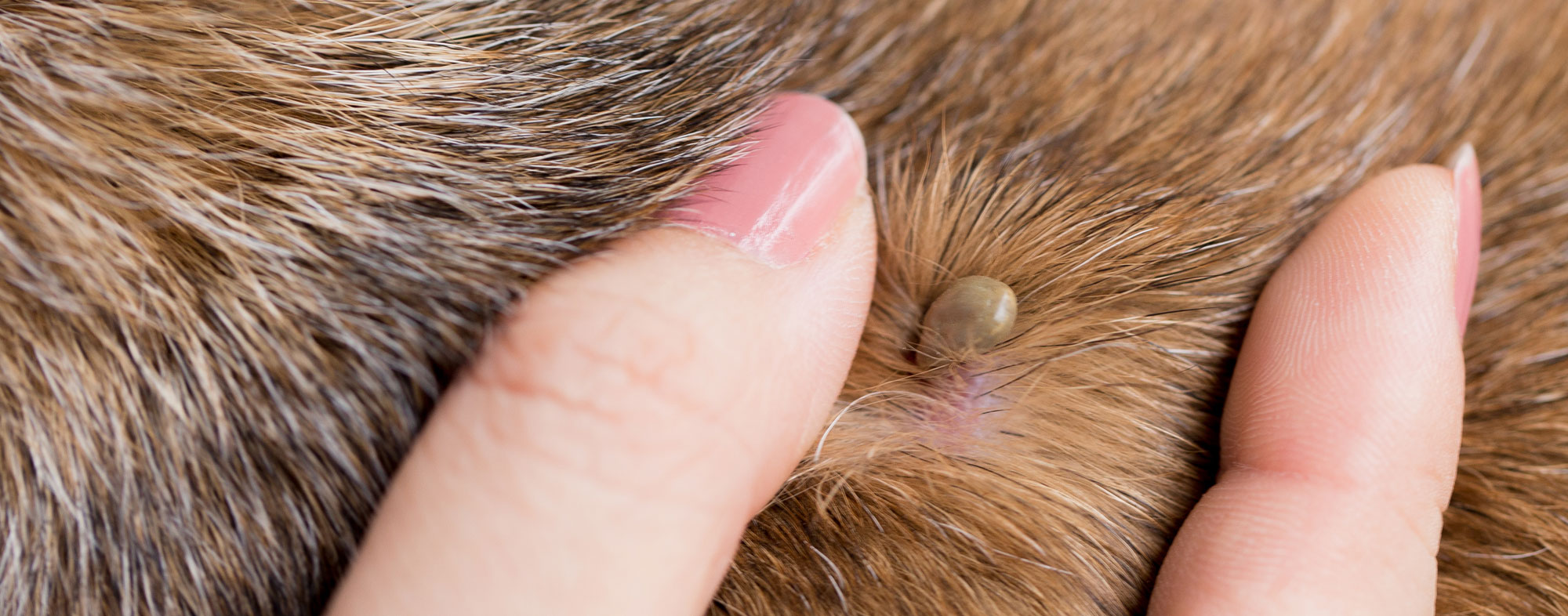
- Remove Ticks Quickly: Use fine-tipped tweezers to grasp the tick close to the skin. Pull straight out. Clean the area with antiseptic.
- Keep Your Yard Tick-Free: Mow grass, remove leaf litter, and keep bushes trimmed. Consider safe tick control products for your yard.
- Vaccination: In high-risk areas, Lyme disease vaccination may be advised.
- Avoid Tick-Heavy Areas: During peak tick season, avoid deep woods and tall grass.
- Protect Yourself Too: Ticks can bite people and spread diseases. Wear protective clothing and check yourself after outdoor activities.
Comparison: Tick Preventatives For Dogs
Choosing the right tick preventative can be confusing. Here’s a comparison of common types:
| Type | How It Works | How Often | Pros | Cons |
|---|---|---|---|---|
| Oral Medication | Pill or chew; kills ticks after they bite | Monthly/Quarterly | Easy to give, no residue | Does not repel ticks |
| Spot-On Treatment | Liquid applied to skin; kills/repels ticks | Monthly | Repels ticks, easy to use | Can wash off, may cause skin reactions |
| Tick Collar | Releases chemicals to skin/fur | Lasts 6-8 months | Long-lasting, low effort | Some dogs dislike collars, risk for kids |
| Spray/Powder | Kills/repels ticks on contact | As needed | Immediate effect | Shorter lasting, messy |

Credit: pataskalavet.com
When To See A Veterinarian
You should see a vet if:
- Your dog has a tick and starts acting sick
- There are signs of fever, lameness, pale gums, or bruising
- Your area has known tick-borne disease risks
- You cannot remove a tick fully
Early diagnosis and treatment make a big difference. Waiting too long can make recovery harder or impossible.
Two Insights Most Owners Miss
- Tick Exposure Can Happen Anywhere: Ticks are not just in forests. City parks, backyards, or even beaches can have ticks. Always check your dog after outdoor activities, not just after hiking.
- Tick-Borne Diseases May Not Show Right Away: Many owners expect symptoms soon after a tick bite, but some diseases take weeks or months to show. That’s why year-round tick prevention is critical, not just during “tick season.”
Common Myths About Ticks And Dogs
- “My dog has short hair, so ticks can’t bite.”
Ticks can attach to any fur length, even on the face or belly.
- “Winter is safe from ticks.”
Some tick species are active even in cold weather.
- “Ticks fall off after feeding, so my dog is safe.”
Ticks can transmit diseases before they drop off. Always check and remove them quickly.
- “Natural remedies are enough.”
While some natural oils may repel ticks, they are not as reliable as veterinary-approved preventatives.
The Bigger Picture: Ticks, Dogs, And Human Health
Dogs can bring ticks into the home, increasing risk for people. Some tick-borne diseases, like Lyme disease and RMSF, can also affect humans. While most diseases are not directly passed from dog to human, keeping your dog tick-free helps protect your whole family.
For more in-depth information on tick-borne diseases and prevention strategies, visit the Centers for Disease Control and Prevention (CDC).
Frequently Asked Questions
What Is The Most Common Disease Dogs Get From Ticks?
The most common is Lyme disease, especially in the US and Europe. Ehrlichiosis and anaplasmosis are also widespread. The risk depends on your region and the tick species present.
How Soon After A Tick Bite Do Symptoms Appear In Dogs?
Symptoms can show in a few days to several months. Some diseases, like RMSF, appear quickly (2–14 days), while Lyme disease may take weeks.
Can Dogs Die From Tick-borne Diseases?
Yes, some diseases like babesiosis, RMSF, and tularemia can be fatal if not treated promptly. Early detection and treatment greatly improve the chances of recovery.
Are Tick-borne Diseases Contagious From Dog To Dog?
Most are not contagious between dogs, except in rare cases like babesiosis (through bites or blood transfusions). Ticks are needed to spread these diseases in most cases.
What Should I Do If I Find A Tick On My Dog?
Remove the tick gently with fine-tipped tweezers, grab close to the skin, and pull straight out. Clean the area and watch for signs of illness over the next month. Contact your vet if you have concerns.
—
Keeping your dog healthy means being alert to the dangers of ticks and the diseases they carry. With proper prevention, quick action, and good veterinary care, you can reduce the risk and keep your furry friend happy and active for years to come.