When it comes to protecting your pets, flea and tick medicine is one of the most important things you can provide. These tiny parasites do more than just cause itching—they can bring serious diseases to your dog or cat, and even spread them to your family. But how often should you give flea and tick medicine? Many pet owners are confused by the different products, schedules, and advice out there. If you want to keep your pet healthy and comfortable, it’s critical to get this right.
This article will help you understand the timing of flea and tick medications, the factors that change how often you need to use them, and the common mistakes that can leave your pet at risk. By the end, you’ll know exactly how to build a safe, effective routine for your furry friend—no matter where you live or what kind of pet you have.
Why Flea And Tick Medicine Matters
Fleas and ticks are more than a nuisance. A single flea can lay up to 50 eggs per day, quickly turning a minor issue into a full-blown infestation. Ticks can carry Lyme disease, Rocky Mountain spotted fever, and other dangerous infections. These risks are not just for your pet—some diseases can spread to humans too.
Regular use of preventive medicine lowers the risk of:
- Flea infestations in your home
- Tick-borne illnesses in pets and people
- Allergic reactions and skin infections in your pet
Missing even one or two doses can make a big difference. Fleas and ticks are persistent, and skipping treatment gives them a chance to multiply or find their way onto your pet.
Types Of Flea And Tick Medicine
The schedule for giving flea and tick medicine depends on the type of product you use. Each has its own strengths, weaknesses, and recommended timing. Here are the main options:
1. Topical Treatments
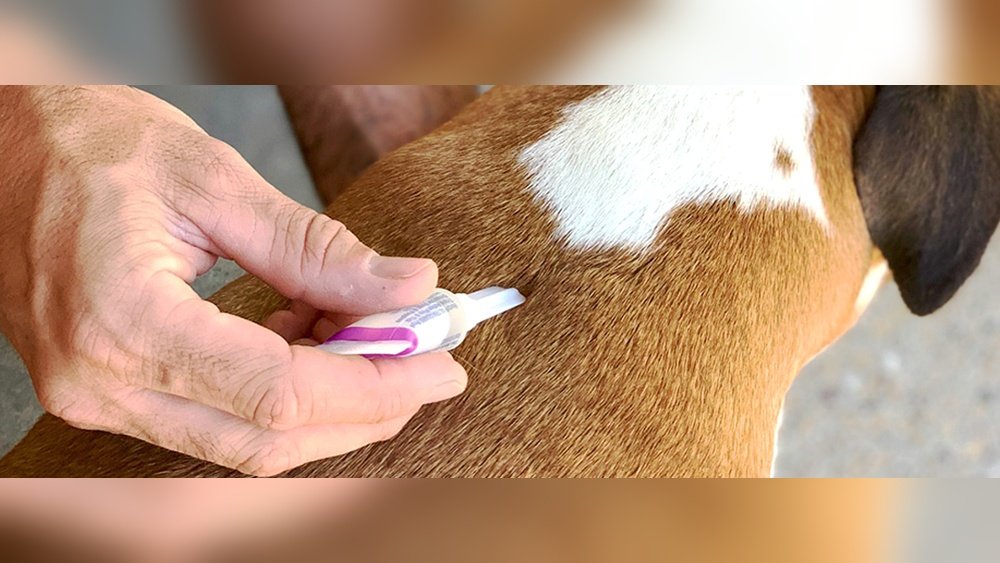
These are liquids applied directly to your pet’s skin, often between the shoulder blades. Brands like Frontline, Advantage, and Revolution are popular choices.
- How long they last: Usually 30 days per dose
- How they work: Spreads through your pet’s skin oils to kill and repel parasites
2. Oral Medications
Given as chewable tablets or pills, oral meds like NexGard, Bravecto, and Simparica are becoming more common.
- How long they last: Most last 30 days, but some (like Bravecto) can last up to 12 weeks
- How they work: Absorbed into the bloodstream, killing parasites when they bite
3. Flea Collars
Collars such as Seresto release chemicals that spread over your pet’s skin and fur.
- How long they last: 6-8 months, depending on the brand and pet’s activity
- How they work: Repels and kills fleas/ticks continuously
4. Sprays And Powders
Some pet owners use sprays or powders, especially for cats or puppies who can’t tolerate stronger products.
- How long they last: A few days to a few weeks—usually requires frequent re-application
- How they work: Direct contact with parasites on your pet
5. Shampoos
Flea and tick shampoos wash away adult fleas and ticks on contact.
- How long they last: Short-term—kills live fleas/ticks, but offers little ongoing protection
- How they work: A quick fix, not a long-term solution
6. Injections
Some areas offer injectable flea/tick prevention, mainly for cats.
- How long they last: Usually 6 months
- How they work: Slow release of medication through the bloodstream
Key insight: Many people think all flea and tick medicines last the same amount of time. In reality, they are very different—so always read the label or ask your vet.
How Often To Give Flea And Tick Medicine: General Guidelines
The main factor in how often to give flea and tick medicine is the product’s duration of effectiveness. But there are other factors, too. Let’s break down the general rules for each major category.
Topical Treatments
Most topical flea and tick medicines are designed for monthly application. This means you should apply a new dose every 30 days, even if you do not see fleas or ticks on your pet.
- Missing doses allows parasites to return
- Set a reminder on your phone to keep on schedule
- Some products may have a different schedule—always check the package
Oral Medications
Most oral medications are also given once every month. However, some options like Bravecto are longer lasting.
- NexGard, Simparica, Credelio: Every 30 days
- Bravecto: Every 12 weeks (about every 3 months)
A common mistake is to wait until you see fleas or ticks to give the next dose. This leaves a gap in protection. Stick to the schedule, even if your pet seems fine.
Flea Collars
Flea collars such as Seresto are effective for up to 8 months—but only if worn continuously.
- Remove the collar only for bathing if the product allows
- Replace on time, as the chemical gradually loses power
Sprays, Powders, And Shampoos
These products are short-term solutions. Sprays and powders may need to be reapplied weekly or even more often. Shampoos kill live fleas and ticks during the bath but offer little to no residual protection.
- Best used alongside a regular monthly or long-acting preventive
Injections
If your vet offers injectable preventives, these are usually every 6 months. Mark your calendar for follow-up appointments.
Pro tip: Always check the manufacturer’s instructions. Some products work differently for dogs and cats, or may change based on your pet’s weight.
Factors That Change How Often You Should Give Flea And Tick Medicine
Even with the general guidelines above, there are special situations where you may need to adjust your schedule. Here are the most common factors:
1. Climate And Location
- Warm, humid areas (like the southern United States, Southeast Asia, or tropical regions) have year-round flea and tick activity
- Colder climates may have a winter break, but indoor pets can still get fleas in any season
If you live in a warm climate, use preventive medicine all year. In colder climates, ask your vet if you can safely pause in winter.
2. Your Pet’s Lifestyle
- Outdoor pets are at higher risk—daily walks, time in parks, or hiking increases exposure
- Indoor pets can still get fleas/ticks from shoes, other animals, or open windows
If your pet spends time outside, do not skip doses. Even indoor cats and dogs need protection, especially if you have other pets.
3. Local Outbreaks Or Infestations
If you hear about a local flea or tick outbreak, you may need to use extra protection or treat your home as well as your pet.
4. Bathing And Swimming
Some medicines lose effectiveness if your pet swims often or gets frequent baths.
- Topical treatments: May wash off if the pet swims or is bathed within 48 hours of application
- Oral medications: Not affected by water
If your pet swims regularly, consider switching to oral medicine.
5. Allergies Or Sensitivities
Some pets react badly to certain chemicals. If your pet has a reaction, talk to your vet about changing products—but don’t stop using preventive medicine.
6. Age, Weight, And Health
- Puppies/kittens: Some medicines are not safe for very young animals
- Senior pets or those with health problems may need different products or dosing
Always use the right product for your pet’s age and size.
Advanced tip: Flea and tick eggs can hide in your home and yard for months. Even if you don’t see adult fleas or ticks, keep using preventive medicine to break the cycle.
Comparing Popular Flea And Tick Medications
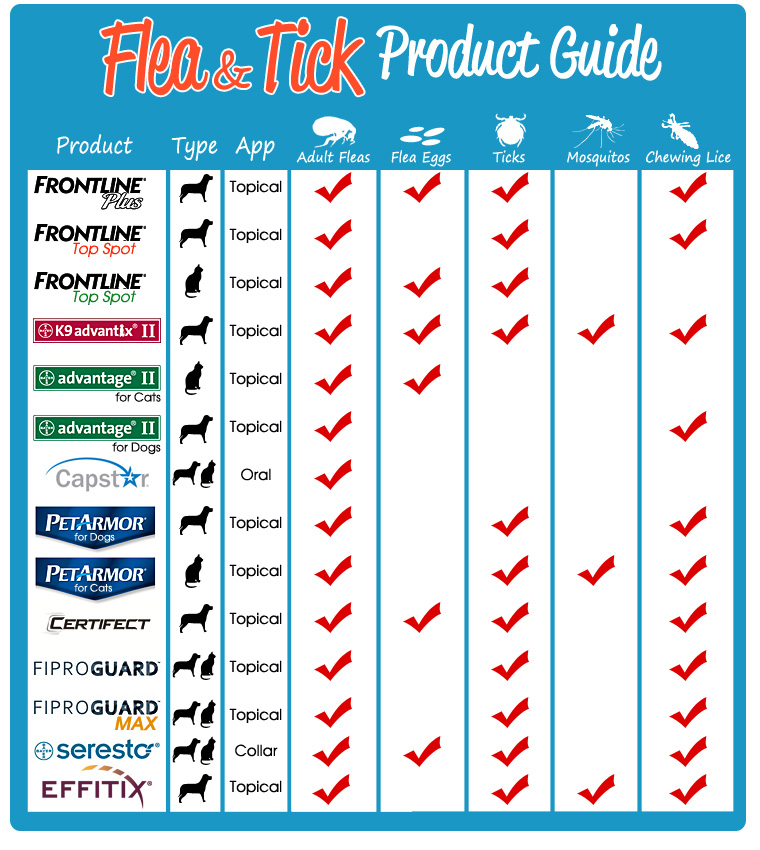
Choosing the right medicine is just as important as sticking to the right schedule. Here’s a comparison of some of the most common products, how long they last, and when to re-dose.
| Product Name | Type | Duration | How Often to Give | Notes |
|---|---|---|---|---|
| Frontline Plus | Topical | 1 month | Every 30 days | Water-resistant after 24h |
| Advantage II | Topical | 1 month | Every 30 days | Do not bathe pet for 24h |
| Seresto | Collar | 8 months | Replace every 8 months | Remove for swimming if needed |
| NexGard | Oral | 1 month | Every 30 days | Safe for dogs only |
| Bravecto | Oral | 12 weeks | Every 12 weeks | Dogs and cats versions available |
| Capstar | Oral | 24 hours | As needed (daily if needed) | For fast flea kill, not prevention |
This table shows why it’s important to check the product’s duration. Giving a monthly med every two months will not keep your pet protected.
Risks Of Giving Flea And Tick Medicine Too Often Or Not Often Enough
It’s tempting to think that more medicine means better protection. But overdosing your pet can cause serious side effects:
- Vomiting or diarrhea
- Skin irritation or hair loss
- Tremors or seizures (rare, but possible with some products)
Never give more than the recommended dose. If you miss a dose, do not double up—just give the next dose as soon as you remember and return to your regular schedule.
On the other hand, not giving medicine often enough can quickly lead to:
- Flea infestations in your home
- Ticks bringing dangerous diseases
- Allergies, hot spots, or skin infections in your pet
Stick to the recommended schedule for the best balance of safety and effectiveness.
Signs Your Flea And Tick Medicine Is Not Working
Sometimes, even when you use medicine correctly, you might see fleas or ticks on your pet. Here’s what to watch for:
- Scratching, biting, or licking more than normal
- Visible fleas, flea dirt, or ticks on your pet
- Flea eggs or larvae in bedding or carpet
If you see these signs:
- Double-check that you are giving the medicine on time and using the right product for your pet’s weight
- Make sure you are using the medicine correctly (for example, not bathing your pet too soon after a topical application)
- Treat your home and yard as well as your pet
Resistance is rare but possible. If you suspect the product is not working, talk to your vet about switching to a different brand or type.
When To Start And Stop Flea And Tick Prevention
Many people wonder if they need to give flea and tick medicine all year, or if it’s safe to take a break.
- In warm climates or areas with mild winters, fleas and ticks are active year-round—so you should use prevention all year
- In cold climates, some pet owners stop in winter. However, fleas can survive indoors, and ticks can become active on warm days
Tip: It’s safest to use flea and tick medicine every month, all year. Stopping in winter often leads to new infestations in early spring.
Credit: entirelypetspharmacy.com
Special Considerations For Cats Vs. Dogs
Cats and dogs have different needs when it comes to flea and tick medicine. Some products are safe for one species but dangerous for the other.
- Never use dog products on cats—some chemicals (like permethrin) are toxic to cats
- Use only products labeled for your pet’s age, weight, and species
- Cats may be more sensitive to collars and topical treatments
If you have both cats and dogs, make sure each gets the correct product and dose.
What To Do If You Miss A Dose
It’s easy to forget a dose, especially with busy schedules or long-acting products. If you realize you missed a dose:
- Give the next dose as soon as you remember
- Return to your regular schedule (for monthly meds, give the next dose 30 days later)
- Watch your pet for signs of fleas or ticks, and treat your home if needed
Do not double-dose to “catch up”—this can be unsafe. If you’re unsure, call your vet for advice.
The Role Of Your Veterinarian
Your vet is your best resource for advice about flea and tick medicine. They know the local parasite risks, the best products for your pet, and how to handle side effects.
Ask your vet about:
- The best medicine for your pet’s age, size, and health
- How often to give medicine based on your area
- What to do if you see fleas or ticks despite treatment
Many clinics offer reminders for monthly or quarterly dosing. Take advantage of these tools to stay on track.
Can You Use Natural Or Homemade Remedies Instead?
Some people look for natural flea and tick remedies to avoid chemicals. While some natural sprays or shampoos may help repel fleas, most are not strong enough to provide full protection—especially in high-risk areas.
- Essential oils like lavender or citronella can be toxic if used incorrectly
- Homemade remedies are not regulated or tested for safety
If you want to use a natural product, ask your vet for recommendations. Do not rely on home remedies alone to protect your pet.
Flea And Tick Prevention For Puppies And Kittens
Young animals are especially vulnerable to fleas and ticks, but also more sensitive to chemicals. Use only products labeled safe for puppies or kittens of your pet’s age and weight.
- Most topical and oral meds are safe for puppies/kittens over 8 weeks old
- Flea combs, baths, and environmental control may be needed for very young animals
Never give an adult dose to a puppy or kitten. If in doubt, ask your vet what’s safe.
How To Remember Your Flea And Tick Medicine Schedule
Even the best medicine won’t work if you forget to give it. Here are some tips to help you stay on track:
- Set a monthly reminder on your phone or calendar
- Schedule medicine on the same day each month (like the 1st)
- Keep extra doses at home so you’re never caught without one
- Use apps or services from your vet that send reminders
Non-obvious tip: If you use a long-acting product (like Bravecto or Seresto), write the next dose date on your calendar as soon as you give the current one. Long intervals are easier to forget.

Credit: petfriendlybox.com
Treating Your Home And Yard: Why It Matters
Most flea and tick medicines protect your pet—but fleas and ticks can live in your home and yard, too. Eggs and larvae can hide in carpets, bedding, and shady outdoor areas.
- Vacuum carpets and wash pet bedding regularly
- Use a yard spray or professional service if you have a large outdoor area
- Treat all pets in the house at the same time to avoid re-infestation
Skipping household treatment is a common reason why flea problems keep coming back.
What To Do During A Flea Or Tick Infestation
If you find a heavy infestation, you may need to use multiple methods together:
- Give a fast-acting oral medicine (like Capstar) to kill adult fleas quickly
- Apply your regular monthly preventive
- Treat your home with sprays, foggers, or professional pest control
- Wash all bedding, toys, and fabrics your pet uses
Follow up with your regular schedule to prevent the problem from returning.
Credit: www.hartz.com
How Resistance Develops And What To Do
Just like bacteria can become resistant to antibiotics, fleas and ticks can develop resistance to certain chemicals over time. This is rare but does happen, especially in areas where one product has been used for many years.
- If you notice your regular medicine isn’t working as well, talk to your vet about switching products
- Rotating between different classes of medicines can help prevent resistance
Don’t switch products on your own without checking with your vet.
Flea And Tick Medicine Safety: Myths Vs. Facts
There are many myths about flea and tick medicine. Let’s clear up a few:
- Myth: You only need to treat your pet if you see fleas or ticks
Fact: By the time you see them, eggs are already in your home
- Myth: Medicines are too strong for small pets
Fact: Use the right dose and product for your pet’s size—this is safe and effective
- Myth: Natural products are always safer
Fact: Some natural oils are toxic to pets; always ask your vet
Comparing Cost And Convenience
Some pet owners choose products based on cost, but convenience and coverage matter too. Here’s a quick comparison:
| Product Type | Average Cost per Month | Convenience | Protection Range |
|---|---|---|---|
| Topical | $10-20 | Easy, but avoid bathing | Fleas, some ticks |
| Oral | $20-30 | Very easy, no bath issues | Fleas, ticks, some mites |
| Collar | $6-8 | Set and forget | Fleas, ticks (varies) |
| Sprays/Powders | $5-10 | Less convenient | Short-term only |
Non-obvious insight: Sometimes, spending a bit more for a long-lasting product (like Seresto or Bravecto) saves money and hassle compared to buying short-term products over and over.
Traveling With Your Pet: What You Need To Know
If you travel with your pet, especially to rural or wooded areas, you may need to adjust your flea and tick prevention plan.
- Bring enough medicine for the entire trip, plus a spare dose
- Check your destination for different flea/tick species or disease risks
- Give a dose just before leaving to maximize protection
Some areas have ticks that carry diseases not found at home. Ask your vet if you need extra precautions.
How To Choose The Right Flea And Tick Medicine For Your Pet
With so many options, it can be confusing. Here’s how to decide:
- Talk to your vet: They know local risks and your pet’s needs
- Consider your lifestyle: Outdoor, indoor, swimming, travel?
- Look at your pet’s age and health: Some products aren’t safe for puppies, kittens, or seniors
- Decide on convenience: Can you remember monthly doses, or is a long-acting collar better?
Never choose a product based on price alone. The best medicine is one that fits your pet, your lifestyle, and is easy for you to give on schedule.
Flea And Tick Control In Multi-pet Households
If you have more than one pet, you need a coordinated approach.
- Treat all animals at the same time, even if only one has fleas or ticks
- Use the right product for each pet’s species and size
- Watch for cross-contact (cats licking dogs, etc.)
Insider tip: If one pet has a reaction to a medicine, ask your vet before switching products for all pets.
Environmental Impact And Safety
Some pet owners worry about the impact of flea and tick medicine on the environment. Most modern products break down quickly and are safe when used as directed. However:
- Dispose of unused products properly (do not flush or pour down drains)
- Store medicines away from children and food
- Wash hands after applying topical treatments
If you have concerns, ask your vet about the safest options for your home and area. For more on environmental safety, you can read the EPA’s advice on proper application of pet medicines.
Most Common Mistakes And How To Avoid Them
Even experienced pet owners make mistakes. Here are the most common, and how to avoid them:
- Forgetting to give doses on time: Use reminders or apps
- Using the wrong product for your pet’s species: Always check the label
- Bathing pets too soon after topical application: Wait at least 24-48 hours
- Using expired medicine: Check dates before each dose
- Not treating all pets or the home: Fleas and ticks can move from untreated animals or areas
Small mistakes can lead to big problems. Double-check each step for your pet’s safety.
Frequently Asked Questions
How Soon After Giving Flea And Tick Medicine Can I Bathe My Pet?
Most topical treatments need at least 24-48 hours to fully absorb before you bathe your pet or let them swim. For oral medications, bathing does not affect effectiveness. Always read the package instructions for exact guidance.
Can I Give My Pet Flea And Tick Medicine Earlier Than Scheduled If I See Fleas?
Do not give extra doses without your vet’s advice. Some products allow emergency re-dosing, but this can be risky. If you see fleas before the next scheduled dose, talk to your vet about adding a fast-acting oral medicine or treating your home.
Is It Safe To Use Flea And Tick Medicine In Pregnant Or Nursing Pets?
Not all products are safe for pregnant or nursing animals. Check the product label or ask your vet for a safe option. Never use a product not approved for these situations.
How Do I Know If My Flea And Tick Medicine Is Working?
Look for a decrease in scratching, biting, and visible fleas or ticks. You should not see live parasites after the first few days. If you still see fleas or ticks, review your application method and talk to your vet about alternative options.
Are There Any Natural Flea And Tick Medicines That Really Work?
Some natural products can help repel fleas and ticks, but few offer full protection, especially in high-risk areas. Essential oils and herbal sprays are not always safe for pets, especially cats. Always consult your vet before trying a natural product.
Protecting your pet from fleas and ticks is one of the most important things you can do for their health and comfort. By understanding how often to give flea and tick medicine—and sticking to the right schedule for your pet and product—you’ll keep your furry friend safe, happy, and itch-free all year round. Don’t forget: when in doubt, your veterinarian is the best source of advice for your specific situation.