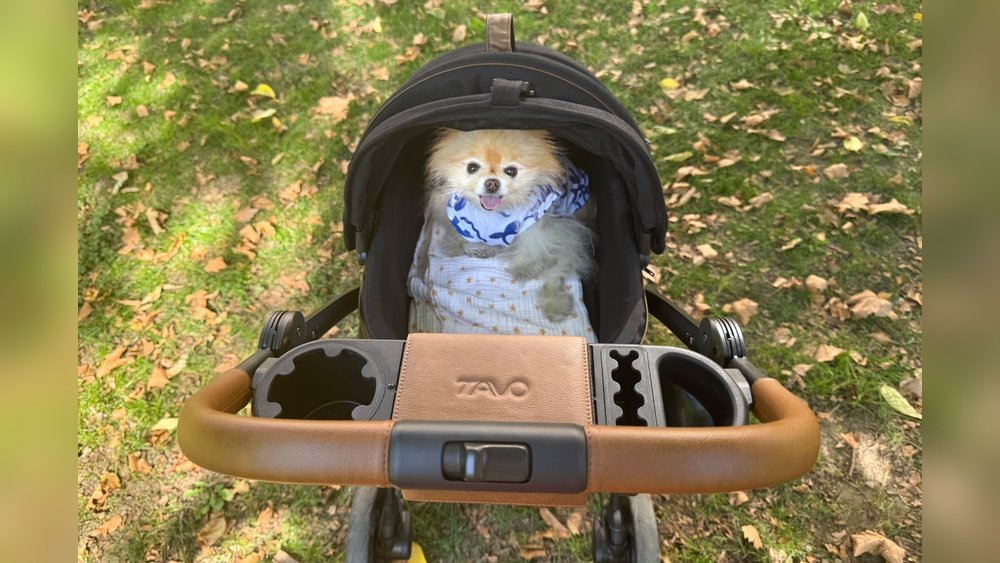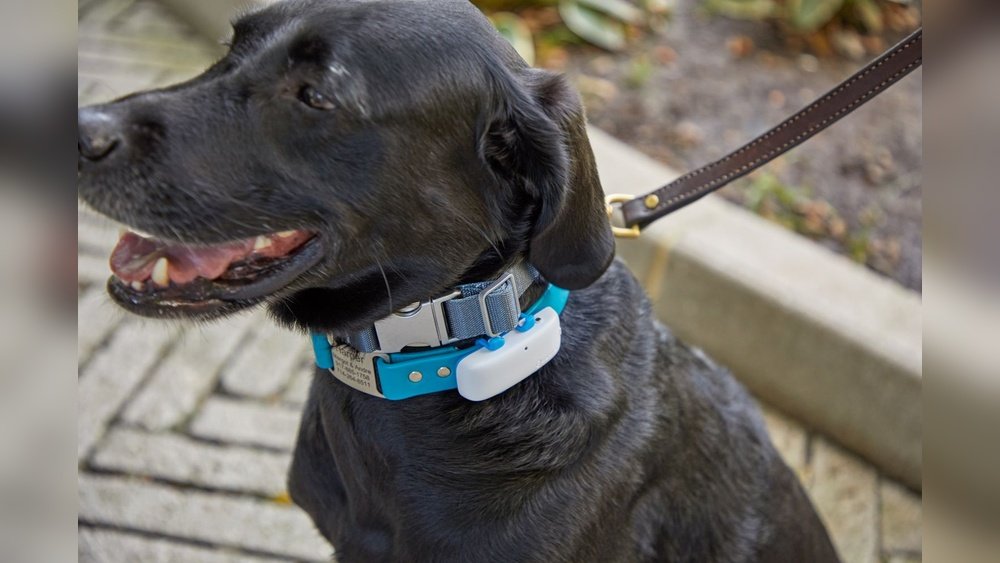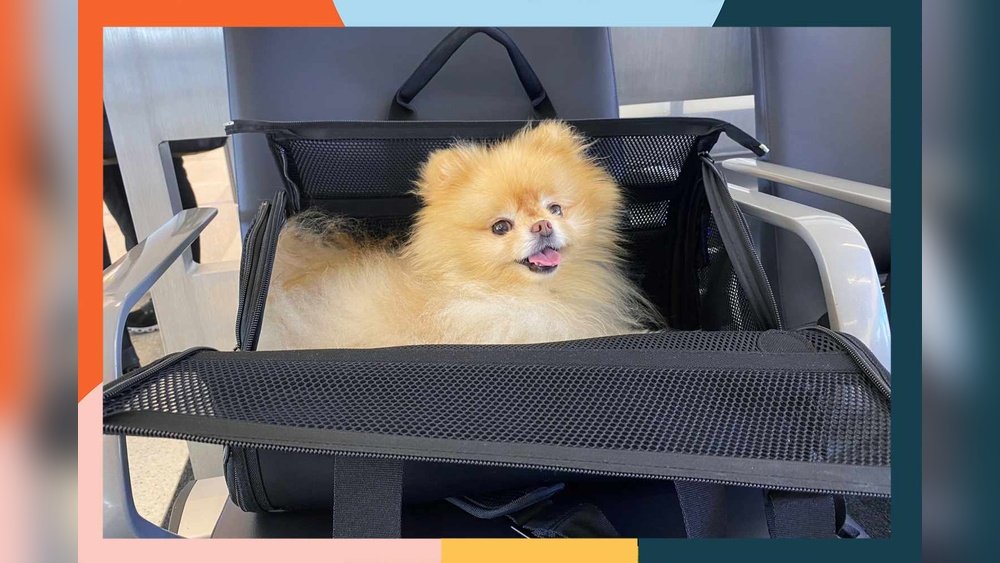
Traveling with your pet brings joy and comfort, but planning for air travel often brings questions and worries. One of the biggest concerns is: what size pet carrier fits under airplane seat? Whether your furry friend is a cat, dog, or rabbit, you want them safe, comfortable, and allowed on board. Airlines have strict rules. Choosing the right carrier is not just about fitting your pet—it’s about fitting under the seat, following airline rules, and keeping your pet happy. This guide will help you understand everything you need to know, from dimensions and types to real-world tips and common mistakes. Let’s make your next flight with your pet smooth and stress-free.
Understanding Airline Pet Carrier Requirements
Airlines set clear rules for pet carriers. These rules help keep pets safe and make sure carriers fit under seats. But the rules are not the same everywhere. Each airline has its own requirements, so it’s important to check before booking.
Most airlines only allow soft-sided carriers for in-cabin pets. These are flexible and can squeeze under seats better than hard plastic ones. The carrier must be leak-proof, have ventilation, and zip closed. Some airlines limit the number of pets per flight and require health certificates.
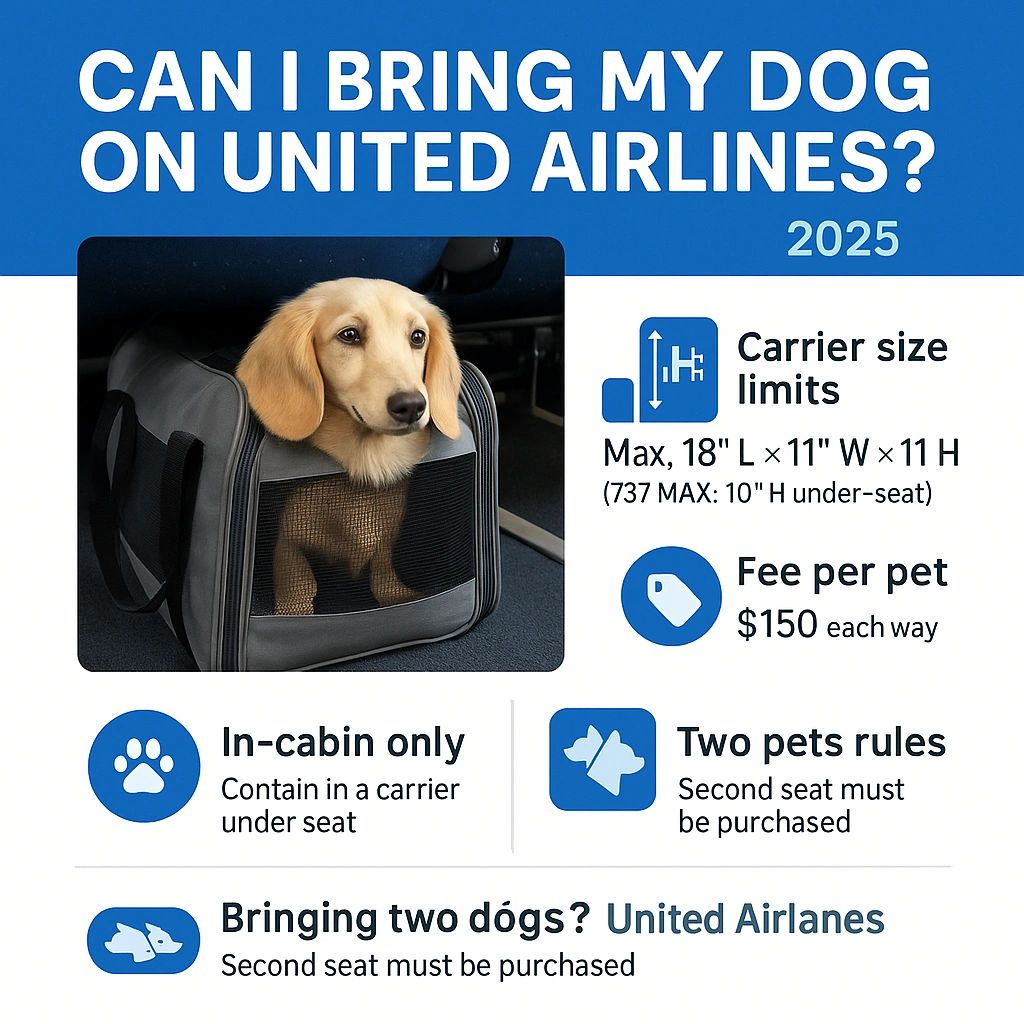
Typical size limits for pet carriers under airplane seats are:
- Length: 17–19 inches (43–48 cm)
- Width: 10–12 inches (25–30 cm)
- Height: 7–11 inches (18–28 cm)
Even with these sizes, the exact space under the seat can vary depending on the airline, plane type, and even seat location. Window seats and bulkhead seats often have less space.
Many beginners overlook that seat location matters. The space under aisle seats is usually wider, while window seats can be tight. Bulkhead seats (front rows) often have no under-seat storage, so carriers may not fit at all.
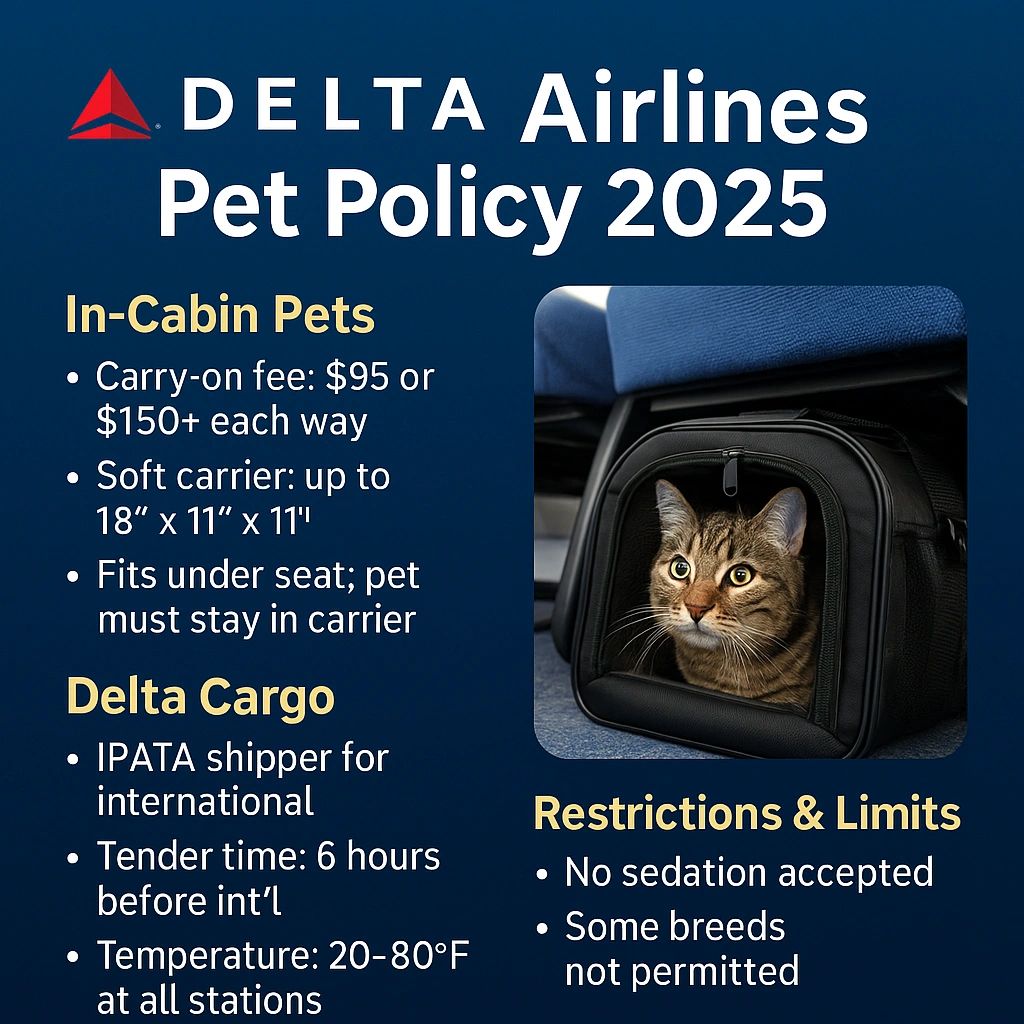
Before booking, always check the airline’s website or call customer service. For example, Delta Airlines lists their carrier size restrictions clearly.
Common Airline Pet Carrier Size Guidelines
Airlines around the world set their own dimensions for pet carriers. Here are typical size limits for popular airlines, helping you compare and plan.
| Airline | Maximum Length | Maximum Width | Maximum Height | Carrier Type |
|---|---|---|---|---|
| Delta Airlines | 18 in (46 cm) | 11 in (28 cm) | 11 in (28 cm) | Soft-sided |
| American Airlines | 18 in (46 cm) | 10 in (25 cm) | 10 in (25 cm) | Soft-sided |
| United Airlines | 17 in (43 cm) | 10 in (25 cm) | 9 in (23 cm) | Soft-sided |
| Southwest Airlines | 18.5 in (47 cm) | 13.5 in (34 cm) | 9.5 in (24 cm) | Soft-sided |
| JetBlue | 17 in (43 cm) | 12.5 in (32 cm) | 8.5 in (22 cm) | Soft-sided |
| Air Canada | 16 in (41 cm) | 10 in (25 cm) | 8.5 in (22 cm) | Soft-sided |
| Lufthansa | 16 in (40 cm) | 12 in (30 cm) | 9 in (22 cm) | Soft-sided |
| British Airways | 17 in (43 cm) | 10 in (25 cm) | 9 in (23 cm) | Soft-sided |
Key insight: These sizes are for in-cabin pets only. Checked baggage and cargo rules are different.
How To Measure Your Pet For Carrier Fit
A carrier that fits under the seat must also fit your pet comfortably. Here’s how to measure your pet:
- Length: Measure from nose to base of tail (not tip).
- Height: Measure from floor to top of shoulders (not ears).
- Width: Measure the widest part (usually shoulders).
Add 2–3 inches (5–8 cm) to each measurement so your pet can turn around and lie down. If your pet is young, add extra space for growth.
Example: If your cat is 15 inches long and 9 inches high, the carrier should be at least 17 inches long and 11 inches high—but still within airline limits.
Common mistake: Many people only measure the pet’s body length and forget about height. For some breeds, height is more important.
Types Of Pet Carriers For Air Travel
There are many carrier types, but for in-cabin flights, airlines prefer soft-sided carriers. Let’s look at the main options:
Soft-sided Carriers
These are flexible and lightweight. They can squeeze under seats better than hard carriers. Most have mesh panels for ventilation and zippers for security. Some models have pockets for treats or documents.
Pros:
- Easier to fit under seats
- Usually lighter
- Comfortable for pets
Cons:
- Less structure (may sag if too big)
- Not suitable for very large or strong pets
Hard-sided Carriers
These are made of plastic, with metal doors. They are stronger but less flexible. Most airlines don’t allow hard carriers for in-cabin travel, except for some small breeds and special medical needs.
Pros:
- More protection
- Easy to clean
Cons:
- Hard to fit under seats
- Heavier
Wheeled Carriers
Some carriers have wheels and telescoping handles. They help move pets through airports. Check that wheels don’t add extra height or width—these carriers must still fit airline limits.
Pros:
- Easy to move
- Reduces strain for owners
Cons:
- Wheels may make carriers too big for some seats
Backpack Carriers
Backpack carriers are popular for small pets. They are worn on your back and can double as a regular carrier under the seat.
Pros:
- Convenient for carrying through airport
- Compact
Cons:
- Not suitable for larger pets
- May lack space for longer flights
Insight: Some carriers are advertised as “airline approved,” but always check with your airline before you buy.
Carrier Size Vs. Seat Space: Real-world Examples
The space under airplane seats can change from flight to flight. To understand how carriers fit, here are real examples from travelers:
- On Delta Airlines, the space under the aisle seat on a Boeing 737 is about 18 inches wide, 11 inches high, and 16 inches deep. A soft-sided carrier measuring 17″ x 10″ x 9″ fits easily.
- On American Airlines, window seats on an Airbus A320 have less height (about 9 inches). If your carrier is taller, it may not slide fully under the seat.
- On United Airlines, some bulkhead seats have no under-seat storage. Carriers must be placed in overhead bins, which is not allowed for pets.
Tip: Always ask for an aisle seat if possible. These often have more space under the seat.
Non-obvious insight: The seat frame and bars under seats can block part of the space. Carriers with flexible sides can squeeze past these bars, but hard carriers cannot.
Comparing Popular Pet Carrier Models
Some carriers are trusted by frequent travelers. Here’s a comparison of popular models, showing how they match airline size limits.
| Carrier Brand | Dimensions (L x W x H) | Weight Limit | Airline Approval | Special Features |
|---|---|---|---|---|
| Sherpa Original Deluxe | 17″ x 11″ x 10.5″ | 16 lbs (7 kg) | Most major airlines | Mesh panels, top and side entry |
| Sleepypod Air | 22″ x 10.5″ x 10″ | 17 lbs (8 kg) | Compresses to fit under seat | Crash-tested, adjustable size |
| Petmate Soft-Sided Kennel | 17″ x 10″ x 10″ | 10 lbs (4.5 kg) | Most airlines | Shoulder strap, pockets |
| AmazonBasics Soft Carrier | 17″ x 10″ x 10″ | 15 lbs (6.8 kg) | Fits most seats | Removable fleece bed |
| SturdiBag Large | 18″ x 12″ x 12″ | 25 lbs (11 kg) | Flexible sides | Lightweight, strong frame |
Tip: Look for carriers that compress or bend slightly. Many “large” models are soft enough to push under seats.
Common mistake: Buying a carrier only by brand reputation, not by checking real dimensions.
What Happens If Your Carrier Doesn’t Fit?
If your carrier is too big, airline staff may not let you board with your pet. Sometimes, you’ll have to check your pet as cargo, which is risky and expensive. In some cases, you may not be allowed to fly at all.
Real-world example: A traveler with a 13-inch-tall carrier was refused boarding on JetBlue because the carrier could not fit under the seat. She had to rebook her flight and leave her pet with friends.
Key advice: Test your carrier by placing it under a standard chair at home. If it fits easily, it should fit under most airline seats.
Features To Look For In An Airline-approved Carrier
Beyond size, carriers should have features for safety and comfort.
- Ventilation: Mesh panels on at least two sides allow airflow.
- Leak-proof bottom: Stops spills and accidents from leaking.
- Secure zippers: Prevent escapes. Some have locking zippers.
- Handles and straps: Make it easy to carry through airport.
- ID tag holder: For pet information and emergency contacts.
- Removable bedding: Easy to wash if accidents happen.
- Expandable sides: Some carriers unzip to give more space once in the air.
Non-obvious insight: Choose carriers with side entry. In tight spaces, top entry is often blocked by the seat above.
Preparing Your Pet For Air Travel
Getting your pet ready is just as important as picking the right carrier. Here’s how to prepare:
- Practice at home: Let your pet spend time inside the carrier days before your flight. Give treats and praise to make it a safe place.
- Visit the vet: Get a health certificate if required. Make sure vaccines are up to date.
- Avoid feeding before flight: Feed your pet 3–4 hours before travel, not right before. This reduces accidents and nausea.
- Exercise your pet: Tire them out with play before leaving. A tired pet is calm in the carrier.
- Add familiar items: Place a favorite toy or blanket in the carrier. This comfort can reduce stress.
Common mistake: Waiting until the day before travel to introduce the carrier. Pets need days to adjust.
Airline-specific Policies: What To Watch For
Every airline has unique policies. Here are examples of airline rules that beginners often overlook:
- Delta Airlines: Only one pet per carrier. Carrier must fit fully under seat; part cannot stick out.
- United Airlines: No pets in bulkhead or exit row seats. Carrier must be soft-sided.
- American Airlines: No pets on flights longer than 12 hours. No pets in First Class on some aircraft.
- Southwest Airlines: Carrier must close completely; no open mesh or loose flaps.
Some airlines require you to check in early. Others ask for proof of vaccination or microchip. Always read the fine print.
Tips For Booking Your Flight With A Pet
Booking your flight is more than picking a date. Here’s how to make it easier:
- Book early: Many airlines limit the number of pets per flight (often 4–6). Book as soon as possible.
- Call the airline: Confirm pet space and ask about seat options.
- Choose aisle seat: More space under seat, easier access.
- Avoid bulkhead and exit row seats: No under-seat storage.
- Direct flights: Reduce stress for your pet; avoid layovers.
Key insight: Some airlines charge extra for pets (usually $75–$150 per flight). Fees must be paid at check-in.
What Size Carrier For Different Pet Breeds?
Carrier size depends on pet size and breed. Here are examples for popular breeds:
- Cats (most breeds): Carrier 17″ x 10″ x 9″ fits well.
- Small dogs (Chihuahua, Yorkie): Carrier 16″ x 10″ x 9″.
- Medium dogs (French Bulldog, Dachshund): Carrier 18″ x 12″ x 11″.
- Rabbits: Carrier 16″ x 10″ x 8″.
- Ferrets: Carrier 14″ x 8″ x 8″.
Important: For pets over 15 lbs (7 kg), check the airline’s weight limit. Not all carriers support heavier pets.
Non-obvious insight: Some breeds are longer than they are tall. For example, Dachshunds need more length than height.
:max_bytes(150000):strip_icc()/peo-airline-approved-pet-carriers-test-away-anna-popp-01-3133fa2056f043859fc42a02bcf88174.jpg)
Credit: people.com
Checking Under-seat Space: How To Do It
Before flying, you can check under-seat space using several methods:
- Ask the airline: Contact customer service for exact seat measurements.
- Search online: Travelers share seat space info on forums.
- Use seat maps: Websites like SeatGuru show seat layouts and space.
- Measure at home: Use a chair to mimic under-seat space.
Tip: If possible, visit the airport and check under-seat space on your airline.
Flying Internationally With Pets
International flights have stricter rules. Here’s what to expect:
- Carrier size: International airlines often have smaller limits.
- Health documents: Required for entry to most countries.
- Quarantine: Some countries require quarantine for pets.
- Microchip: Required in EU and UK.
Example: On Lufthansa, carrier size is 16″ x 12″ x 9″. On Air Canada, it’s 16″ x 10″ x 8.5″.
Insight: International flights may not allow pets in-cabin at all. Always check country rules.
Traveling With Multiple Pets
Some airlines allow two pets in one carrier if both fit comfortably and are the same species. Carrier size limits stay the same, so both pets must fit within the allowed dimensions.
Common mistake: Trying to fit two pets in a carrier that’s too small. This can cause stress and fights.
Tip: Use a divider if allowed, and make sure both pets are calm together.
Pet Carrier Weight Limits
Besides size, carriers have weight limits. Most airlines allow carriers with pets up to 15–20 lbs (7–9 kg). Some airlines set lower limits.
Carrier weight vs. pet weight: The weight limit includes both the carrier and the pet.
Example: If your carrier weighs 2 lbs and your pet weighs 14 lbs, the total is 16 lbs. Check if your airline allows this.
Non-obvious insight: Carriers with wheels or extra pockets can add weight quickly.
Safety And Comfort For Your Pet
Safety is key. Here’s how to make sure your pet is comfortable:
- Choose the right size: Too small is stressful, too big can slide and tip.
- Secure bedding: Use a soft, absorbent pad.
- Water: Some carriers allow for a small spill-proof water bowl.
- Quiet toys: Avoid noisy toys that may disturb other passengers.
- Check temperature: Airplanes can get cold. Use a blanket if needed.
Common mistake: Using carriers with strong smells (new plastic, cleaning chemicals). Pets can get sick from fumes.
Dealing With Airport Security
At security checkpoints, you must remove your pet from the carrier. The carrier goes through the X-ray machine; your pet walks with you through security.
Tips:
- Use a harness or leash to prevent escape.
- Practice at home so your pet is calm.
- Keep ID tags on your pet.
Insight: Security lines are noisy and crowded. Calm your pet before reaching the line.
What To Expect During The Flight
During the flight, your pet must stay in the carrier under the seat. Opening the carrier is not allowed. Here’s what to expect:
- Noise and movement: Airplanes are loud. Pets may get scared.
- Temperature changes: Bring a blanket if needed.
- No bathroom breaks: Plan ahead to avoid accidents.
- Check on your pet: Quietly, without opening the carrier.
Tip: If your pet is restless, calm them with soft words. Do not give sedatives unless advised by a vet.
Cleaning And Maintenance Of Your Carrier
After the flight, clean your carrier to keep it fresh for next time.
- Remove bedding: Wash in hot water.
- Wipe down carrier: Use pet-safe cleaner.
- Check zippers and seams: Look for damage.
- Air out carrier: Remove odors and moisture.
Common mistake: Forgetting to clean after accidents. This can lead to stains and smells.
Carrier Storage And Longevity
Store your carrier in a dry, cool place. Do not fold it too tightly or stack heavy items on top. Check for mold or damage before each trip.
Tip: Replace carriers every 2–3 years, or sooner if damaged.
Alternatives If Carrier Doesn’t Fit
If your carrier does not fit under the seat, you have options:
- Buy a new carrier: Choose one with flexible sides and correct dimensions.
- Change seats: Ask for an aisle seat with more space.
- Check pet as cargo: Not recommended for small pets.
Insight: Some airports sell carriers, but selection is limited and prices are high.
Credit: arkjfk.com
Carrier Accessories For Easier Travel
Accessories can make travel easier:
- ID tags: For emergencies.
- Water bottles: Spill-proof, attach to carrier.
- Pet pads: Absorb accidents.
- Collapsible bowls: For food and water at airport.
Tip: Keep accessories lightweight to avoid weight limit problems.
How Airlines Handle Pet Emergencies
If your pet has a medical emergency in the air, alert the flight crew. Most airlines have basic first aid kits, but they cannot treat pets. Some airlines allow you to contact a vet upon landing.
Common mistake: Not carrying basic pet meds or emergency contact info.
Comparing Under-seat Carrier Space: Economy Vs. Business Class
Under-seat space varies by class. Economy seats usually have less space, but some business class seats have no under-seat storage at all.
| Seat Class | Typical Under-Seat Width | Typical Under-Seat Height | Carrier Fit |
|---|---|---|---|
| Economy (Aisle) | 18 in (46 cm) | 11 in (28 cm) | Good |
| Economy (Window) | 15 in (38 cm) | 9 in (23 cm) | Moderate |
| Business Class | Varies | Often limited | Poor |
| Bulkhead | No under-seat | No under-seat | Not allowed |
Tip: Always ask about under-seat space before upgrading your seat.
Carrier Brands And Their Real Airline Performance
Brands advertise “airline approved,” but real-world performance depends on flexibility and size. Here’s what travelers report:
- Sherpa carriers are accepted on most airlines. They compress well.
- Sleepypod Air is flexible but can be too long for some seats unless compressed.
- AmazonBasics is affordable and fits most seats.
- SturdiBag has flexible sides and fits under tight spaces.
Insight: The carrier’s ability to bend or compress is more important than the label “airline approved.”
How To Choose The Best Carrier For Your Needs
Choosing a carrier is personal. Here’s a decision guide:
- Measure your pet: Length, height, width.
- Check airline rules: Get exact size limits.
- Pick soft-sided carrier: Flexible and compressible.
- Check weight limits: Carrier plus pet.
- Test fit at home: Use a chair or low table.
- Read reviews: Look for real-world fit.
Non-obvious insight: Avoid carriers with large outside pockets. These add width and can prevent fitting under the seat.
Pet Travel Insurance
Some airlines and companies offer pet travel insurance. This covers medical emergencies, lost pets, or flight delays affecting your pet. If you travel often, consider buying coverage.
Tip: Check if your regular travel insurance covers pets.
Traveling With Emotional Support Or Service Animals
Rules for emotional support and service animals are stricter. Most airlines require documentation and advance notice.
- Carrier size: Service animals may not need a carrier, but must fit at your feet.
- Emotional support animals: Many airlines treat these as regular pets and require carriers.
Insight: Rules are changing fast. Always check the latest airline policies.
How To Handle Long Flights
On flights longer than 6–8 hours, keeping your pet comfortable is harder.
- Use absorbent pads: For accidents.
- Bring extra bedding: Change if needed.
- Ask flight crew for help: If your pet is anxious.
Tip: Choose flights with layovers if your pet needs breaks.
Common Mistakes When Choosing Pet Carriers
Many travelers make mistakes. Avoid these:
- Ignoring seat location: Window and bulkhead seats can be tight.
- Choosing hard-sided carriers: Most airlines prefer soft-sided.
- Overpacking carrier: Too many accessories can make it too big.
- Buying by brand only: Always check real measurements.
- Not practicing at home: Pets need time to adjust.
Key advice: Always double-check before you buy.
Pet Carrier Regulations In Different Countries
International rules can be strict. For example:
- EU: Microchip and health certificate required. Carrier must fit under seat.
- UK: No in-cabin pets except service animals.
- Japan: Carrier size limits are smaller (14″ x 9″ x 8″).
Tip: Check embassy or consulate website for latest rules.
The Role Of Carrier Color And Design
While color and design don’t affect fit, they do affect visibility and comfort.
- Bright colors: Easier to spot in airports.
- Dark colors: Hide stains and dirt.
- Simple designs: Less likely to snag or catch.
Insight: Some airlines prefer plain carriers. Avoid flashy patterns.
How To Make Your Carrier More Comfortable
Improve comfort with these tricks:
- Add soft bedding: Washable, non-slip.
- Use calming sprays: Pet-safe, lavender scent.
- Attach ID tags: For safety.
- Choose carriers with pockets: For treats, documents.
Tip: Avoid bedding that sheds or pills.
Buying Pet Carriers Online Vs. In Store
Online shopping offers more choice, but in-store shopping lets you test fit.
- Online: Read reviews, check measurements.
- In-store: Test with your pet, check flexibility.
Insight: Some online carriers are smaller than advertised. Check return policy.
How Carrier Size Affects Your Pet’s Mood
The right size is key for pet happiness. Too small is stressful; too big is unsafe.
- Small carrier: Pet cannot move, gets anxious.
- Large carrier: Slides under seat, can tip.
Tip: Test at home for at least one hour before travel.
How To Handle Layovers And Connecting Flights
On connecting flights, you may need to move your pet between planes.
- Keep carrier closed: Prevent escape.
- Check airport rules: Some airports allow pet relief areas.
- Plan for delays: Bring extra bedding and food.
Insight: Layovers can be stressful. Choose direct flights when possible.
What To Do If Your Pet Gets Sick In The Carrier
If your pet gets sick:
- Clean immediately: Use wipes and change bedding.
- Alert flight crew: They may help with cleaning supplies.
- Contact vet after landing: For advice.
Tip: Carry basic meds and emergency contacts.
Pet Carrier Storage During Flight
The carrier must stay under the seat at all times. You cannot place it in overhead bins or on your lap.
Common mistake: Trying to move carrier during flight. Airlines will ask you to keep it under seat.
How To Upgrade Your Carrier For Future Trips
If you travel often, upgrade with:
- New bedding
- Extra pockets
- Better zippers
- Flexible sides
Tip: Choose carriers with lifetime warranties.
Credit: arkjfk.com
The Impact Of Plane Type On Carrier Fit
Plane type matters. Regional jets have smaller under-seat spaces. Wide-body jets (like Boeing 777) have more space.
Tip: Ask airline about plane type before booking.
Final Thoughts: Making Your Pet’s Journey Safe And Comfortable
Choosing the right pet carrier size is the key to a safe, comfortable flight for your furry friend. Always measure your pet, check airline rules, and practice at home. Soft-sided carriers are best for most airlines and fit under seats better.
Remember, seat location, carrier flexibility, and real-world fit are just as important as size. Avoid common mistakes, prepare your pet, and enjoy a smooth journey together. Your pet’s safety and happiness should always come first.
Frequently Asked Questions
What Happens If My Pet Carrier Is Slightly Bigger Than Airline Limits?
Airlines are strict about size. If your carrier is only a little bigger, soft-sided carriers can sometimes squeeze under the seat. However, staff may refuse boarding if the carrier does not fit properly. It’s best to use a carrier within the stated limits.
Practice at home and check with your airline before travel.
Can I Use A Hard-sided Carrier For In-cabin Flights?
Most airlines only allow soft-sided carriers in the cabin because they are flexible and fit better under seats. Hard-sided carriers are usually allowed only for cargo or checked baggage, not for in-cabin pets. Always check your airline’s specific rules.
How Do I Know If My Pet Is Comfortable In The Carrier?
Your pet should be able to stand, turn around, and lie down easily. Before travel, let your pet spend time in the carrier at home. Look for signs of stress like panting, whining, or scratching. Add familiar bedding and toys to help your pet feel safe.
What Seat Should I Choose For The Best Carrier Fit?
Choose an aisle seat in economy class. These usually have more under-seat space. Avoid window seats, bulkhead, and exit rows, as these have less space or no under-seat storage. Call the airline or check seat maps before booking.
Are There Weight Limits For Pet Carriers?
Yes, most airlines have weight limits for carriers, including both the carrier and your pet. Limits are usually 15–20 lbs (7–9 kg). Check your airline’s rules and weigh your carrier and pet together before the flight. If you are close to the limit, consider a lighter carrier or reduce accessories.
With the right planning and carrier choice, you and your pet can enjoy safe, comfortable air travel together.