If your dog keeps scratching, has tummy troubles, or seems uncomfortable after eating, you might wonder if it’s the food. Many pet owners face this problem. Sometimes, dogs react to certain foods, leading to allergies or sensitivities. But figuring out the cause isn’t simple. That’s where a food trial for dogs comes in.
A food trial is a careful, step-by-step process to find out if your dog’s symptoms are caused by their food. It takes time, patience, and attention to detail. This guide will walk you through every part of a dog food trial, from choosing the right diet to tracking progress.
You’ll learn how to avoid mistakes, spot signs of improvement, and make confident choices for your dog’s health. Many owners miss important steps, so we’ll share practical tips and expert advice you won’t find everywhere. Let’s dive in and help your dog feel better.
Why Do A Food Trial For Dogs?
Food trials are not just for picky eaters. They are especially important when your dog has symptoms like:
- Chronic itching
- Ear infections
- Digestive upset (diarrhea, vomiting)
- Skin rashes
- Poor coat quality
These problems can be signs of food allergies or food intolerances. Allergies happen when the immune system reacts to a protein or ingredient. Intolerances are less severe but still cause discomfort. According to the American College of Veterinary Dermatology, about 10% of dogs with skin problems have food allergies. Doing a food trial helps you:
- Find the exact trigger
- Rule out other causes (like fleas or environmental allergies)
- Choose a diet that supports long-term health
Ignoring symptoms can lead to worse problems, including infections or malnutrition. Food trials are the gold standard for diagnosis, recommended by veterinarians worldwide.
But why is it so important to find the cause? Chronic itching, for example, can lead to open sores or “hot spots,” which get infected. Ear infections are painful and can damage hearing over time. Digestive problems can mean your dog isn’t absorbing nutrients, leading to weight loss or poor growth.
It’s not just about comfort—these issues can hurt your dog’s health long-term.
A food trial allows you to take control and finally get answers. Many owners feel frustrated after trying shampoos, ointments, or medications with little success. Often, those treatments only mask the symptoms, not the cause. A food trial gets to the root of the problem, so you can stop guessing.
What Is A Food Trial?
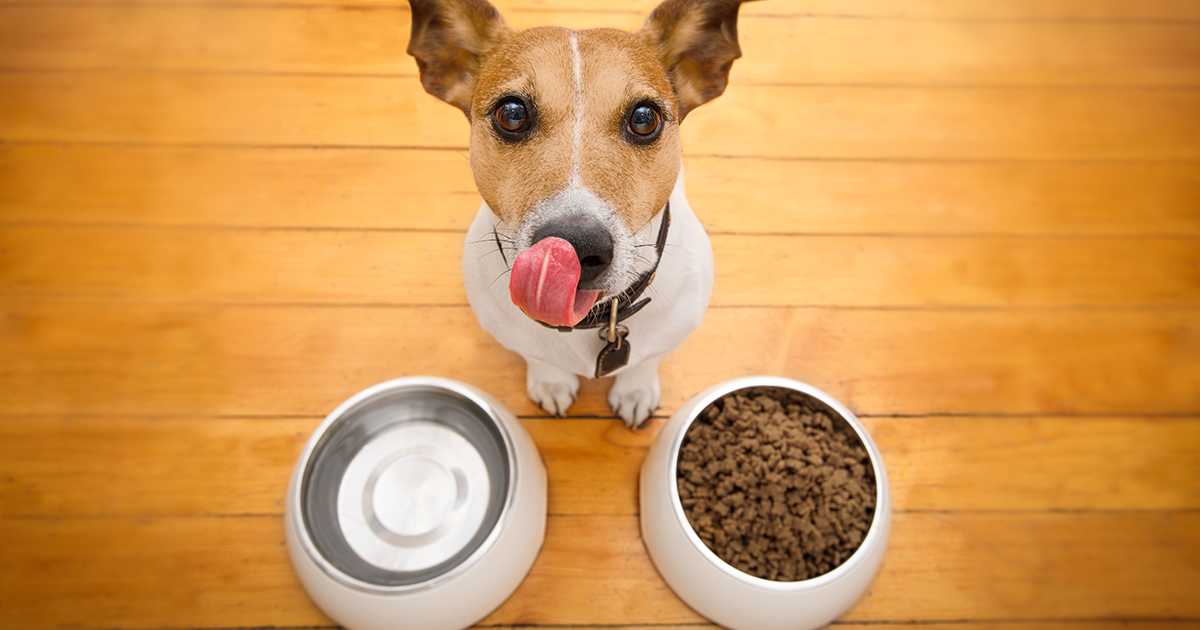
A food trial is a controlled diet test. For several weeks, your dog eats only a special food with limited ingredients. No treats, table scraps, or flavored medications. If symptoms improve, you know food was the problem. If not, you look for other causes.
There are two main types:
- Elimination Diet: Remove all foods except one new, simple diet. This is the most common method.
- Novel Protein Diet: Use a protein your dog has never eaten (like venison or duck).
- Hydrolyzed Protein Diet: Use food where proteins are broken down so small the body doesn’t recognize them as allergens.
Your vet will help choose the best option based on your dog’s history.
It’s important to understand that a food trial is not a quick fix. Some owners expect results within days, but true improvement takes time. Why? Allergic reactions can linger, and the body needs a few weeks to heal after the trigger is removed.
Plus, symptoms like skin irritation or ear infections take time to clear, even if the cause is gone.
Another key point: the diet must be exclusive. Even a small bite of the wrong food can restart the allergic response. That’s why being strict is vital. If you have a multi-pet household, this can be especially challenging. You’ll need to feed pets separately and store foods in different places. These details make a big difference in the trial’s success.
How To Prepare For A Food Trial
Talk To Your Veterinarian
Before starting, always speak with your vet. They can:
- Check for other issues (like parasites)
- Recommend safe diets
- Monitor progress
Some owners skip this step and risk missing a serious illness.
Your vet will also help rule out other causes for your dog’s symptoms. For example, fleas or mites can also cause itching, and infections can cause digestive upset. Skipping the vet step means you might treat the wrong problem. Vets can also suggest prescription diets or specific commercial foods proven to work for allergies.
These diets are tested for quality and safety.
Gather Information
Collect details about your dog’s:
- Current diet (brand, flavor, treats, supplements)
- Symptoms (when they started, severity)
- Medical history (previous allergies, illnesses)
Write everything down. This helps your vet and keeps the process organized.
Make a list of everything your dog eats, even things that seem unimportant. Did your dog get a taste of your toast? Did a friend give a treat during a walk? These small things matter. Some owners are surprised to learn that flavored heartworm pills or dental chews can contain allergens.
Recording all this information helps prevent mistakes.
Set Goals
Decide what you want to achieve. For example:
- Stop itching
- Reduce ear infections
- Improve digestion
Clear goals make it easier to track progress.
Try to be specific. Instead of “improve health,” say “itching score drops from 8 to 2” or “no loose stools for two weeks. ” These details help you notice real change, not just guesswork.
Choosing The Right Food For A Trial
Picking the right food is critical. The wrong choice can lead to confusion or failed results.
Novel Protein Vs. Hydrolyzed Protein
| Type | Common Ingredients | Pros | Cons |
|---|---|---|---|
| Novel Protein | Venison, duck, rabbit, kangaroo | Easy to find, tasty for dogs | May not work if dog has eaten similar foods before |
| Hydrolyzed Protein | Chicken, soy (hydrolyzed) | Very low risk of allergic reaction | More expensive, less palatable |
Novel proteins are good if you know your dog’s food history. If you’re not sure, hydrolyzed diets are safer.
If your dog has eaten many types of commercial foods or treats in the past, they may have already been exposed to common proteins like beef, chicken, or even fish. In these cases, a hydrolyzed protein diet is often recommended because it’s designed to avoid triggering the immune system.
Some owners worry that hydrolyzed diets use soy or chicken, which can be allergens. But the hydrolyzing process breaks proteins into pieces so tiny that the immune system doesn’t recognize them. This makes them very effective, even for dogs with many past exposures.
Commercial Vs. Homemade Diets
- Commercial diets are tested for allergies and easy to use. They have all nutrients balanced.
- Homemade diets can work but must be carefully planned. Missing nutrients can cause health issues.
Many owners try homemade diets without guidance and risk deficiencies. If you want to cook at home, ask your vet for a recipe.
Commercial diets often come with clear feeding instructions and are tested for nutrient balance. They also go through quality control, so you can trust the label.
Homemade diets sound appealing because you know every ingredient. However, it’s easy to miss important vitamins or minerals. For example, a diet of only meat and rice can lead to calcium deficiency, which causes bone problems. Some owners forget about fatty acids, which support skin and coat health.
A vet or veterinary nutritionist can give you a recipe that meets all needs.
Avoiding Cross-contamination
Even a tiny bit of the wrong food can ruin a trial. Clean bowls, store food separately, and wash hands before feeding. Don’t let other pets share food.
If you have children or visitors, remind them not to feed your dog. Wash food preparation surfaces thoroughly. Some owners even buy new bowls and utensils just for the trial to avoid traces of old food. During walks, keep your dog away from dropped food or treats from well-meaning strangers.
Credit: www.pdsa.org.uk
Starting The Food Trial: Step-by-step
Step 1: Remove All Old Foods
Stop all current foods, treats, flavored medications, table scraps, and chews. This includes dental treats and training rewards. Only use the trial food.
This step is often harder than it sounds. Many dogs are used to snacks or getting leftovers. It’s helpful to explain the process to your family, so everyone understands why it’s important. You might need to store old foods out of sight to avoid temptation.
Step 2: Introduce The New Diet Gradually
Switching suddenly can cause tummy upset. Do this:
- Day 1-2: 75% old food, 25% new food
- Day 3-4: 50% old food, 50% new food
- Day 5-6: 25% old food, 75% new food
- Day 7: 100% new food
Some sensitive dogs need slower transitions. Watch for vomiting or diarrhea.
If your dog has a history of digestive problems, you may want to stretch the transition over 10–14 days. Mixing a small amount of the new food in with the old helps your dog’s gut adjust. If diarrhea or vomiting happens, slow down and consult your vet.
For dogs who refuse to eat the new food, try warming it slightly or adding a small amount of safe oil (like sunflower or canola). Avoid adding anything not approved for the trial.
Step 3: Stick To The Diet Strictly
No cheating. Don’t give treats, table scraps, or flavored toys. Even a lick of peanut butter can cause problems. If your dog needs medications, ask your vet for unflavored options.
Some medications are flavored with beef, chicken, or dairy. If your dog needs regular medication, talk to your vet about switching to unflavored pills or capsules. Even certain supplements or vitamins can contain hidden allergens. Always check with your vet or pharmacist.
Step 4: Monitor Symptoms
Keep a diary of your dog’s:
- Itching (rate 1-10 each day)
- Digestive issues
- Ear infections
- Skin changes
Take weekly photos of skin or ears. Note any changes, good or bad.
Make your diary detailed. For example, write “itching score: 7, mostly at night, ears red, stool soft but formed.” Over time, these notes help you and your vet see trends. Photos are valuable because it’s easy to forget how things looked at the start.
Step 5: Trial Length
Most food trials last 8–12 weeks. Some dogs show improvement in 3–4 weeks, but full results take longer. Ending early leads to missed diagnoses.
Why so long? Allergic inflammation in the skin or gut can take weeks to fully clear. Some symptoms, like ear infections, need time to heal even after the trigger is gone. Owners sometimes stop early if they see quick results, but this can lead to confusion later.
A full trial is the only way to be sure.
Tracking Progress: What To Look For
Improvement varies by symptom:
- Itching: Often improves in 4–6 weeks
- Ear infections: May take longer
- Digestive issues: Usually improves within 2–4 weeks
If symptoms disappear, you likely found the cause. If not, talk to your vet. Sometimes, environmental allergies or other diseases are at fault.
Data Table: Common Symptoms And Time To Improvement
| Symptom | Average Time to Improve | Notes |
|---|---|---|
| Itching | 4–6 weeks | May see mild improvement earlier |
| Ear infections | 6–8 weeks | Requires cleaning and vet checks |
| Digestive issues | 2–4 weeks | Stool quality changes quickly |
Signs Of Success
- Less scratching
- Clearer skin
- Better stool quality
- Reduced ear odor
You might also notice your dog seems more comfortable, sleeps better, and has more energy. Sometimes, coat quality improves, and shedding decreases. Even small improvements are a good sign—write them down to discuss with your vet.
Signs Of Failure
- No change after 8–12 weeks
- New symptoms appear
- Dog refuses to eat
Don’t panic. Sometimes, the diet was not strict enough, or another allergy is present. Re-check with your vet.
If symptoms get worse, stop the trial and call your vet. Rarely, a new food can cause a different reaction. Your vet may suggest a different protein or a hydrolyzed diet. Also, double-check for accidental exposures—did your dog get into the trash or steal a bite from another pet?
Common Mistakes And How To Avoid Them
Many food trials fail because of small errors. Here are mistakes to avoid:
- Giving treats or table scraps: Even tiny amounts can trigger symptoms.
- Not tracking symptoms: Without records, it’s hard to see progress.
- Stopping too soon: Some symptoms take longer to improve.
- Using flavored medications: These can contain allergenic proteins.
- Mixing foods: Feeding other pets together risks cross-contamination.
- Homemade diets without vet guidance: Missing nutrients can harm your dog.
- Ignoring stress: Stress can worsen symptoms, masking results.
Avoid these mistakes by following the steps closely.
Some owners also overlook chews, dental sticks, or flavored toys. These can all contain hidden proteins. If you use puzzle toys for feeding, make sure they’re cleaned thoroughly and don’t have old crumbs inside.
Another issue is not involving everyone in the household. Make sure all family members, visitors, and pet sitters know the rules. One slip-up can reset the trial.
Lastly, don’t forget about environmental changes. If you move, add a new pet, or change routines during the trial, it can affect stress and symptoms. Try to keep things stable.
Re-challenge: Confirming The Allergy
If your dog improves, the next step is a re-challenge. This means you slowly re-introduce old foods to see if symptoms return. This confirms the allergy.
How To Re-challenge
- After the food trial, pick one old food ingredient (like chicken).
- Add it to the diet for 7–14 days.
- Watch for symptoms.
If itching or tummy trouble comes back, you found the trigger. If not, try another ingredient. This process helps you create a safe, long-term diet.
For example, if your dog’s old diet contained chicken, beef, and wheat, add back only chicken at first. If symptoms return, you know chicken is the problem. Wait for symptoms to settle, then try beef. This step-by-step approach finds the specific cause.
Important Tips
- Only add one ingredient at a time.
- Wait at least one week before adding another.
- If symptoms return, stop immediately and return to the trial diet.
Don’t rush this step. Some reactions take days to appear.
Record reactions carefully. Sometimes, mild symptoms (like a bit more scratching) show up first. If you’re unsure, ask your vet if you should continue or stop.
Creating A Safe Long-term Diet
Once you know the trigger, you can build a healthy diet. Here’s how:
- Use foods without the allergen.
- Choose balanced diets with all essential nutrients.
- Add safe treats (ask your vet for options).
- Check labels for hidden ingredients (like beef fat in chicken food).
You may need to try several brands. Keep a list of safe foods and treats.
If your dog has multiple allergies, you might have to combine a novel protein and a hydrolyzed diet, or prepare food at home. Always work with your vet to ensure complete nutrition. Some owners rotate safe foods to add variety, but only do this after confirming with your vet.
Data Table: Ingredients To Watch For
| Common Allergens | Foods to Avoid | Hidden Sources |
|---|---|---|
| Chicken | Chicken meal, broth | Flavored treats, some medications |
| Beef | Beef meal, fat | Dental chews |
| Dairy | Milk, cheese | Dog biscuits |
| Wheat | Wheat flour | Many dry foods |
Also, be careful with “by-product” or “animal fat” listed on labels—they can contain a mixture of proteins. If in doubt, call the food company or ask your vet.
Special Cases: Puppies, Senior Dogs, And Dogs With Medical Issues
Food trials are not just for adult dogs. Puppies and seniors may need special diets.
Puppies
Puppies need extra nutrients for growth. Choose trial foods labeled for “all life stages. ” Homemade diets must be carefully balanced. Ask your vet about calcium and protein needs.
Never use a diet made for adult dogs only. Puppies need more protein, calcium, and certain vitamins. Feeding an unbalanced diet can cause bone problems, poor growth, or even heart issues. If you use a homemade diet, your vet may recommend extra supplements.
Senior Dogs
Older dogs may have kidney, liver, or heart problems. Pick diets with proper protein and mineral levels. Some senior dogs need softer foods.
If your senior dog has trouble chewing, try soaking kibble or using canned versions of the trial diet. Some prescription diets are lower in phosphorus for kidney health. Always discuss with your vet.
Dogs With Medical Issues
If your dog has diabetes, kidney disease, or other illnesses, work with your vet. Some trial diets are not suitable for medical conditions.
For example, some hydrolyzed diets are higher in carbohydrates, which may not suit diabetic dogs. Dogs with pancreatitis need low-fat diets. Always share your dog’s full medical history before starting a trial.
If your dog takes long-term medications, check for flavorings or fillers that could contain allergens. Your vet may suggest compounding pharmacies that can make custom, unflavored pills.
Credit: vetmed.illinois.edu
Real-life Example: Success Story
Bella, a 4-year-old Labrador, suffered from constant itching and ear infections. Her owner tried shampoos and medicines, but nothing worked. The vet suggested a food trial with a hydrolyzed protein diet. After 6 weeks, Bella’s itching stopped and her ears cleared.
A re-challenge with chicken brought back symptoms. Now, Bella eats a balanced diet without chicken and is healthy and happy.
This story shows how food trials can solve problems that seem impossible.
Another example: Max, a young mixed breed, had diarrhea for months. His owner switched foods many times with no luck. After a vet-guided trial using a novel protein (duck and potato), Max’s digestion improved in three weeks. On re-challenge, beef caused symptoms. Avoiding beef keeps Max healthy today.
These examples show that solving food allergies often brings big changes, not just in health but in overall happiness and quality of life.
Practical Tips For Owners
- Use a feeding diary: Record everything your dog eats, including medications.
- Take photos: Weekly skin or ear photos help track progress.
- Find unflavored medications: Ask your vet for alternatives.
- Avoid sharing bowls: Keep other pets away from trial food.
- Plan for travel and holidays: Take trial food with you to avoid mistakes.
- Communicate with family and friends: Make sure everyone follows the diet.
If you board your dog or hire a pet sitter, leave clear instructions and enough food for the trial period. Label the food and explain the importance of not feeding anything else.
For training, use pieces of the trial food as rewards. Some dogs are motivated by praise or play instead of treats.
When To Call Your Vet
Contact your vet if:
- Symptoms get worse during the trial
- Your dog refuses to eat
- You notice blood in stool, vomiting, or severe skin changes
- You need help with recipes or diet choices
Your vet is your best partner in this process.
Don’t wait for problems to get severe. Early calls can prevent complications. Vets can also adjust the plan if your dog has trouble accepting the new food or if you see unexpected side effects.
Non-obvious Insights Most Beginners Miss
- Flavored medications are often forgotten. They can contain chicken, beef, or dairy, so always check with your vet.
- Environmental allergies can overlap with food allergies. If symptoms don’t improve, your dog may need allergy testing for pollen or dust mites.
- Stress and boredom can cause scratching, which looks like allergy symptoms. Keep your dog busy and happy during the trial to avoid confusion.
- Many brands change ingredients without warning. Always check labels, even for trusted foods.
A less obvious tip: sometimes, the trigger is not the main ingredient but a minor one—like egg or barley. Keep ingredient lists from all foods tried, so you can spot patterns if symptoms return.
Another insight: some dogs react to multiple foods at once. If your dog improves partially but not fully, ask your vet about testing for more than one allergen.
How To Make A Homemade Trial Diet
If commercial diets are not an option, you can make a homemade trial diet. Here’s a simple example:
- Protein: Cooked venison or rabbit (never raw)
- Carbohydrate: Sweet potato or rice
- Oil: Sunflower or canola oil for healthy fats
Cook all ingredients thoroughly. Feed the same amounts each day. Avoid salt, spices, or sauces.
Example Recipe
- 300g cooked venison (boneless)
- 150g cooked sweet potato
- 1 tablespoon canola oil
Feed twice daily. For most dogs, this serves one day. Adjust amounts for your dog’s size. Always check with your vet for exact portions.
Some dogs may need a calcium supplement or a multivitamin to balance the homemade diet. Your vet can recommend specific products. Never feed bones, onions, garlic, or grapes—these are toxic to dogs.
If your dog refuses the food, try different cooking methods (boiled, baked, or slow-cooked) but don’t add flavorings. Sometimes, mashing sweet potato or mixing ingredients together helps with picky eaters.
How To Handle Treats And Rewards
Treats are often forgotten in food trials. Most commercial treats contain allergens. Instead, use:
- Small pieces of cooked sweet potato
- Your trial protein (like venison)
- Homemade treats with safe ingredients
Avoid store-bought treats unless labeled as allergy-friendly.
You can bake small portions of your homemade trial diet into treats. For example, mix venison and sweet potato, shape into small balls, and bake until firm. Let them cool before offering as rewards.
For training, use the trial food’s kibble as treats, or reserve part of each meal for rewarding good behavior. Dogs often respond well to praise, petting, or play as alternatives to food rewards during the trial.
Understanding Food Trial Success Rates
Studies show that about 60-80% of dogs with suspected food allergies improve on a proper food trial. Reasons for failure include:
- Non-strict diets
- Environmental allergies
- Wrong food choice
Success depends on careful planning and strict management.
If your dog doesn’t improve, review the diary with your vet. Sometimes, small errors (like a flavored pill or a treat from a neighbor) are the cause. If no clear mistakes, your vet may suggest allergy testing for environmental triggers or a different type of trial diet.
Cost And Practical Challenges
Food trials can be costly. Hydrolyzed diets are expensive. Homemade diets require time and planning. However, the benefits outweigh the costs—your dog’s health and happiness.
Some owners struggle with picky eaters. Try warming the food, adding safe oils, or mixing with trial-approved veggies.
Buying in bulk may save money, but always check expiration dates. If your dog needs a prescription diet, ask your vet about loyalty programs or discounts. For homemade diets, plan meals in advance and cook in batches to save time.
Patience is key. Food trials take weeks, and the strict rules can feel tiring. But seeing your dog comfortable and symptom-free is worth the effort.

Credit: todaysveterinarypractice.com
How Food Trials Compare To Other Allergy Tests
Veterinary allergy tests (blood or skin) are not reliable for food allergies. The elimination diet remains the gold standard. According to the American Veterinary Medical Association, only food trials can confirm a food allergy.
Allergy tests are useful for diagnosing environmental allergies (like pollen or dust mites), but not food. Some companies sell “food allergy tests” for dogs online, but these are not supported by science. If you want to learn more, visit the VCA Hospitals Food Allergy Guide.
Frequently Asked Questions
What Is The Best Food For A Dog Food Trial?
The best food is one with a novel protein your dog has never eaten, or a hydrolyzed protein diet. Commercial veterinary diets are safest because they are balanced and tested. Homemade diets can work if carefully planned with your vet.
If you’re not sure what your dog has eaten before, hydrolyzed diets are usually the best choice. Some brands make prescription diets just for this purpose.
How Long Does A Food Trial For Dogs Take?
A food trial usually lasts 8–12 weeks. Some dogs improve in as little as 3–4 weeks, but full results require patience. Never end the trial early, or you may miss the diagnosis.
Remember: stopping too early is a common mistake. Even if you see improvement, finish the full 8–12 weeks for accurate results.
Can I Give My Dog Treats During A Food Trial?
No. Treats often contain allergens. Only use treats made from the trial food’s protein or safe vegetables (like sweet potato). Avoid store-bought treats unless your vet approves.
If you use food puzzles or training rewards, use pieces of the trial food or approved homemade treats.
What Happens If My Dog’s Symptoms Don’t Improve?
If symptoms don’t improve, your dog may have environmental allergies or another illness. Check with your vet to rule out other causes. Sometimes, the trial diet was not strict enough, or a hidden ingredient was present.
In some cases, your vet may suggest testing for environmental allergies or trying a different trial diet (switching from novel protein to hydrolyzed, for example).
Is A Homemade Diet Safe For A Food Trial?
Yes, if it is carefully planned with your vet. Homemade diets must have all essential nutrients. Many owners miss vitamins and minerals, causing health problems. Always follow a recipe from your vet or a veterinary nutritionist.
If you notice changes in your dog’s weight, coat, or energy during a homemade trial, call your vet right away.
Helping Your Dog Live Happily After A Food Trial
Food trials take effort, but the results are worth it. You’ll know exactly what your dog can eat, leading to fewer symptoms and a happier life. Remember, strict management, careful tracking, and regular vet checks are key. Every dog is different, so stay patient and flexible.
With knowledge and commitment, you can help your dog thrive—one meal at a time.
Once your dog’s triggers are known, you can enjoy feeding and treating your pet without fear. Many dogs with food allergies go on to live long, active lives with the right diet. Keep up regular vet visits, watch for any new symptoms, and always double-check ingredients before trying new foods.
In the end, your attention and care during a food trial will pay off in comfort, health, and joy for your best friend.