Many cat owners dream of a home where the litter box takes care of itself. Automatic litter boxes claim to make this possible, but one big question remains: Do cats actually like automatic litter boxes? Understanding your cat’s preferences is key for a peaceful home. After all, a litter box that scares or confuses your pet is worse than cleaning one yourself.
Cats are famous for their picky habits. They notice tiny changes in their environment. A new gadget, especially one that makes noise or moves, can make a cat pause or even avoid their box. But some cats adjust quickly, while others need time.
This article looks at what science, experts, and real cat owners say about automatic litter boxes and how cats react to them. We’ll explore how these boxes work, their pros and cons, and whether they truly fit a cat’s natural needs.
If you’re thinking about buying an automatic litter box or want to understand your cat’s behavior, keep reading. You’ll get clear answers, real examples, and expert tips—so you can decide what’s best for your furry friend.
What Is An Automatic Litter Box?
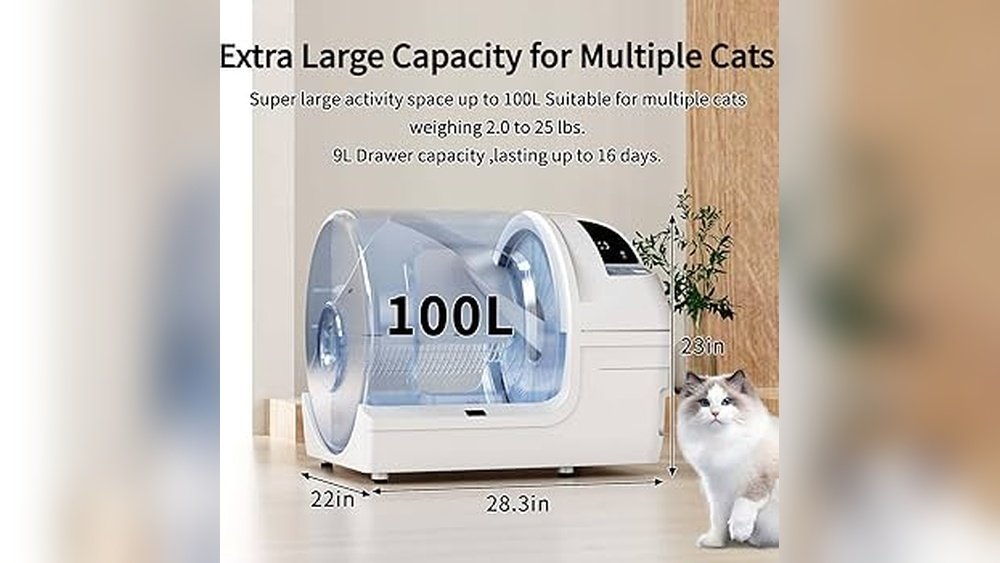
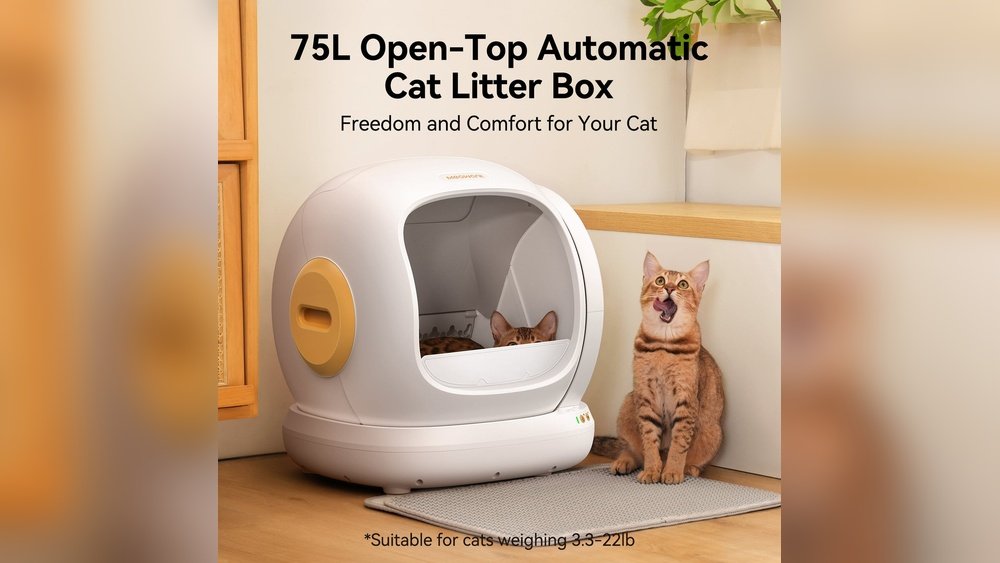
An automatic litter box is a device designed to clean itself after your cat uses it. Instead of scooping waste by hand, the box uses sensors, rakes, or rotating drums to separate clumps from clean litter. Waste goes into a sealed compartment, and you only need to empty this bin and refill the litter as needed.
There are many designs, but most automatic litter boxes follow these main steps:
- Sensor detects when your cat enters and exits the box.
- Waiting period allows clumps to form.
- Cleaning cycle begins—using a rake, sifter, or rotating globe.
- Waste is moved to a covered bin to control odor.
- Fresh litter is smoothed for the next visit.
Some models even connect to Wi-Fi, letting you track usage on your phone. But the key idea is simple: less scooping for you, and (hopefully) a cleaner box for your cat.
Why Do Cat Owners Choose Automatic Litter Boxes?
Time-saving is the main reason people switch. Scooping a litter box daily can feel like a chore, especially in busy households or when you have multiple cats. Automatic boxes promise less work, fewer odors, and a cleaner home.
Other reasons include:
- Odor control: Waste is sealed quickly, so smells are reduced.
- Consistency: The box is cleaned after each use, not just once a day.
- Travel: Owners who travel like the idea of less mess while they’re away.
- Disability or health reasons: Some people find manual scooping difficult or impossible.
But while these benefits sound good for humans, it’s important to ask: What about the cats?
How Do Cats React To Automatic Litter Boxes?
Cats have strong opinions about their litter boxes. Some will use almost any box, while others refuse to use a new one—even for a day. Here’s what usually happens when you introduce an automatic litter box:
Curiosity
Many cats are curious about new objects. They may sniff or inspect the automatic box, especially if it makes noises or moves. This is a normal reaction. If the box is quiet and doesn’t move while they’re near, cats are more likely to accept it.
Caution Or Fear
Some cats are startled by the sound or motion of an automatic box. Loud motors, sudden movements, or unexpected noises can make sensitive cats nervous. Kittens and shy cats may hesitate to use the box at first.
Adaptation
Given time, most cats adapt if the box is kept clean and the cleaning cycle doesn’t scare them. They may need a few days—or even weeks—to get comfortable. Gradual introduction helps.
Rejection
A small number of cats never accept an automatic box. They may choose to eliminate outside the box, which creates problems for owners. Reasons include loud noises, strong smells from the motor, or uncomfortable box shapes.
Key insight: Cats value safety and routine. Anything that changes the litter box experience can lead to stress or avoidance.
What Do Studies And Experts Say?
Research on cat litter box preferences shows that cats care about cleanliness, box size, litter type, and location. Studies on automatic litter boxes are rare, but veterinary behaviorists offer important advice.
According to Dr. Ilona Rodan, a feline specialist, the most important factors for cats are:
- Cleanliness: Cats prefer boxes cleaned often.
- Litter type: Most like fine, unscented, clumping litter.
- Box size: Large enough for the cat to turn around.
- Quiet environment: Away from loud appliances or busy areas.
Automatic litter boxes usually score high on cleanliness but can fail on noise or size. A 2017 survey by the American Association of Feline Practitioners found that most cats will use an automatic box if it matches their preferences for litter, size, and location—and if the cleaning cycle is not scary.
Non-obvious insight: Many cats dislike covered boxes, but most automatic models are enclosed. This can trap odors and make some cats avoid the box, even if it’s clean.
:strip_icc()/sps-litter-robot-4-taylor-fox-11-d002b9f5fea749f8b0a46a55434242ed.jpeg)
Credit: www.thesprucepets.com
Types Of Automatic Litter Boxes
Not all automatic litter boxes are the same. Some are better for cats who dislike noise, while others are easier to clean or maintain. Here are the main types:
1. Raking Litter Boxes
A rake moves through the litter after your cat leaves, pushing clumps into a waste bin. These are popular and usually not expensive.
- Pros: Simple, easy to find, works with most clumping litters.
- Cons: The raking noise can be loud. Rake can get stuck on large clumps.
2. Rotating Globe Litter Boxes
A round drum rotates, sifting waste into a bottom bin. The box returns to its normal position, leaving clean litter behind.
- Pros: Good odor control, effective cleaning, large waste capacity.
- Cons: Usually large and heavy. Motor can be noisy. Not for small spaces.
3. Conveyor Belt Litter Boxes
A moving belt carries waste to a covered bin. The belt runs quietly and is easy to clean.
- Pros: Quiet operation, low maintenance.
- Cons: Expensive, can break if litter is too heavy.
4. Self-washing Litter Boxes
These boxes use special crystals or washable granules. After each use, the box flushes waste into a drain.
- Pros: No litter dust, best for odor control.
- Cons: Expensive, needs plumbing hookup. Not all cats like the crystals.
5. Semi-automatic Litter Boxes
You tilt or roll the box to sift waste, then empty the compartment. No motor—just a smart design.
- Pros: Silent, no power needed, good for sensitive cats.
- Cons: Still requires some manual action.
Tip: If your cat is nervous about new things, a semi-automatic model can be a good first step.
Cat Preferences: What Matters Most?
To answer if cats like automatic litter boxes, you must consider what cats really want in a litter box. Here’s what decades of feline research show:
Size And Accessibility
Cats like a box big enough to turn around and dig. If the entrance is too high, older or overweight cats may struggle. Automatic boxes are often smaller inside due to machinery. This can feel cramped for large cats.
Litter Type And Depth
Most cats prefer unscented, clumping litter about 2–3 inches deep. Many automatic boxes need a specific type or brand of litter. If it feels different underpaw, some cats may avoid it.
Odor And Cleanliness
Cats have a strong sense of smell. A dirty box or one with trapped odors can be a turn-off. Automatic boxes clean more often, but enclosed designs can trap ammonia smells.
Location And Privacy
Cats want a private, quiet spot. If the box is near a washing machine or in a busy hallway, they may avoid it. Automatic boxes can be noisy during cleaning, so placement is key.
Entry Method
Some automatic boxes have swinging doors or high sides. These features can be a barrier for kittens, elderly cats, or those with arthritis.
Cleaning Cycle Timing
If the box cleans itself immediately after use, some cats may get scared. A delay of several minutes is better. Most boxes allow you to adjust the timer.
Expert tip: Test the box with the cleaning cycle turned off at first. Let your cat get used to the shape and smell before activating the motor.
Real-world Cat Reactions: Owner Stories And Data
Let’s look at what real cat owners say after trying automatic litter boxes. Experiences vary, but a few patterns appear.
Positive Experiences
- “My two cats love the box. They started using it right away, and I never smell anything now.”
- “No more scooping! My cat was nervous at first but got used to the noise in a few days.”
- “Great for my disabled mother. Her cat adjusted quickly.”
Negative Experiences
- “The box is too small for my Maine Coon. He pees over the edge.”
- “My kitten was terrified of the motor and stopped using the box.”
- “The waste bin smells worse than an open box after a few days.”
Neutral/mixed
- “One cat uses the box, but the other won’t go near it.”
- “Works great, but I still scoop sometimes because the rake misses some clumps.”
Non-obvious insight: Owners with more than one cat often find that automatic boxes help keep the box clean, but not all cats will use the same box. You may need more than one box, even with automation.
Data Table: Cat Acceptance Of Automatic Litter Boxes
Here is a summary of owner surveys and published reports on how cats react to automatic litter boxes:
| Reaction | Estimated Percentage | Common Reasons |
|---|---|---|
| Accepted Quickly | 55% | Quiet box, familiar litter, gradual intro |
| Accepted After Adjustment | 30% | Took days/weeks, needed slow intro |
| Refused or Avoided | 15% | Loud, small, wrong litter, scary motion |
These numbers show that while most cats eventually use automatic boxes, a significant number never do. Knowing your cat’s personality helps predict success.
Key Advantages Of Automatic Litter Boxes
Automatic litter boxes offer several clear benefits—for both owners and many cats.
Cleaner Box, Less Often
Most boxes clean themselves after each use, which keeps the litter fresher than once-a-day scooping. This reduces the risk of accidents outside the box.
Less Odor
Sealed waste bins and frequent cleaning help control smells. For small apartments, this can be a huge benefit.
Fewer Chores
Owners spend less time scooping and more time enjoying their cats.
Health Tracking
Some high-end models track how often your cat uses the box. This can alert you to health problems like urinary tract infections, which often show up as increased visits to the box.
Good For Multi-cat Homes
With several cats, a manual box gets dirty fast. Automatic boxes help keep up with demand.
Practical insight: Even with automation, you’ll still need to empty the waste bin, wash the box occasionally, and refill litter.
Common Drawbacks And Cat Complaints
Automatic litter boxes aren’t perfect. Here are the main issues—especially from the cat’s point of view.
Noise
Motors and rakes can be loud. Some cats dislike the noise and may avoid the box if the cleaning cycle starts while they’re nearby.
Size And Comfort
Automatic boxes are often smaller inside than regular boxes. Big or long-haired cats may feel cramped. Covered models can trap heat and odors.
Litter Type Restrictions
Many models require special litter. If your cat prefers a different texture or smell, they may stop using the box.
Mechanical Failures
Rakes, sensors, and motors can break, leaving the box dirty. Cats are quick to avoid a box that isn’t clean.
Price
Automatic boxes cost much more than regular boxes. Repairs and special litter add to the cost.
Not Always Cat-friendly
Some boxes have high entrances, doors, or complicated shapes. These can be hard for kittens, seniors, or disabled cats.
Non-obvious insight: If your cat has ever had a bad experience—like getting stuck or startled by the cleaning cycle—they may never trust the box again.
How To Introduce An Automatic Litter Box
If you want your cat to like an automatic litter box, introduction is everything. Rushing the process can lead to rejection.
- Place the new box next to the old one. Keep both boxes available.
- Use the same litter. Fill the new box with the litter your cat already likes.
- Keep the cleaning cycle off at first. Let your cat investigate without movement or noise.
- Reward your cat. Give treats when they sniff or use the new box.
- Gradually activate the cleaning cycle. Start when your cat is out of the room.
- Remove the old box only when the cat uses the new one regularly.
Some cats need days, others need weeks. Patience is key.
Comparison Table: Manual Vs. Automatic Litter Boxes
To help you decide, here’s a side-by-side look at the main differences.
| Feature | Manual Box | Automatic Box |
|---|---|---|
| Cleaning Frequency | Manual, daily | Automatic after each use |
| Odor Control | Varies, often worse | Usually better |
| Noise Level | Silent | Can be loud |
| Box Size | Large, open | Often smaller, enclosed |
| Entry Height | Low or adjustable | Often higher |
| Litter Type | Any | Usually specific |
| Cost | Low | High |
| Suitability for Nervous Cats | Very good | Sometimes poor |
Practical tip: If your cat is very sensitive, a simple, large, open box cleaned often is safest.
Which Cats Are Most Likely To Like Automatic Litter Boxes?
Not all cats are the same. Here are the types of cats most likely to accept an automatic box:
- Young, adaptable cats: Kittens and young adults adjust quickly.
- Confident personalities: Outgoing cats are less bothered by noise or movement.
- Cleanliness lovers: Cats that demand a spotless box often like automation.
- Multi-cat homes: When there’s competition, a clean box is a must.
On the other hand, these cats may dislike automatic boxes:
- Senior cats: They may struggle with high entries or cramped space.
- Large breeds: Maine Coons, Ragdolls, and other big cats need room.
- Shy or anxious cats: Noises and motion can scare them.
- Cats with past trauma: A bad experience with the box can lead to lifelong avoidance.
Non-obvious insight: If your cat has always used a covered or high-tech box, they’ll adjust more easily. Sudden changes are harder for cats who are set in their ways.
Common Mistakes When Switching To Automatic Litter Boxes
Switching to an automatic box is not always smooth. Here are mistakes to avoid:
- Removing the old box too soon. Cats need time to adjust.
- Ignoring litter preferences. Cats notice even small changes in litter texture or smell.
- Placing the box in a busy spot. Noise and traffic make cats nervous.
- Not cleaning the box regularly. Even automatic boxes need washing.
- Leaving the cleaning cycle on while the cat is near. This can scare them away.
Practical insight: Always have at least one more box than the number of cats in your home—even with automation.

Credit: www.cnn.com
How To Troubleshoot Problems
If your cat won’t use the automatic box, try these steps:
- Check box size and entry. Make sure your cat can enter easily and has room to turn.
- Test litter type. Use the same litter as before, if possible.
- Reduce noise. Place the box on a rubber mat or in a quieter area.
- Slow the cleaning cycle. Increase the delay after use.
- Add litter attractant. Some products encourage cats to use the box.
- Keep a manual box nearby. Prevents accidents while your cat adjusts.
If your cat still refuses, don’t force it. Some cats never adapt, and that’s okay.
Automatic Litter Boxes And Multi-cat Homes
Automatic boxes are often marketed for homes with several cats. They do help keep the box clean, but there are limits.
How Many Boxes Do You Need?
Experts recommend one box per cat, plus one extra. Even the best automatic box can’t handle heavy use from multiple cats if it’s the only box available.
Odor And Sanitation
More cats mean more waste. Check the waste bin and clean it often, even if the box is self-cleaning.
Territorial Issues
Some cats guard the box or block access. Make sure boxes are spread out, not side by side.
Non-obvious insight: In multi-cat homes, automatic boxes reduce work but don’t solve all behavioral problems. Monitor your cats for signs of stress or fighting.
Advanced Features: Do Cats Care?
Many automatic litter boxes now come with high-tech features—Wi-Fi, usage tracking, health alerts, and more. Owners may love these, but do cats notice?
- Wi-Fi tracking: Only helpful for owners.
- App alerts: Useful for health monitoring, not for the cat.
- Odor control systems: Can help, but some cats dislike strong deodorizers.
- UV sterilization: No evidence cats care, but helps sanitation.
Practical insight: High-tech features are a bonus for humans. Cats care about box cleanliness, size, and litter feel—not apps or lights.
Cost Comparison: Is It Worth It?
Automatic litter boxes range from $100 to $700 or more. Here’s what to consider:
- Initial cost: Automatic boxes cost much more than manual ones.
- Litter: Some require special, expensive litter.
- Repairs: Moving parts can break.
- Electricity: Small, but adds up over time.
- Time saved: Many owners find the time savings worth the price.
Non-obvious insight: If your cat won’t use the box, the most expensive model is wasted money. Always test before switching fully.
Data Table: Average Costs Over One Year
Here’s a look at the costs for manual vs. automatic litter boxes over 12 months.
| Item | Manual Box | Automatic Box |
|---|---|---|
| Box Cost | $20 | $250 |
| Litter (per year) | $120 | $180 |
| Special Supplies | $0 | $50 (waste bags, filters) |
| Repairs/Maintenance | $0 | $30 |
| Total Yearly Cost | $140 | $510 |
Practical tip: Consider your budget and your cat’s needs before investing.
Environmental Impact: Green Or Not?
Automatic litter boxes use electricity and often require special litter, which may be less eco-friendly. Manual boxes use less energy and allow for compostable litter options.
If you want a green solution:
- Choose a model that works with biodegradable litter.
- Turn off the box when not needed.
- Recycle waste when possible.
When Not To Use An Automatic Litter Box
Automatic boxes are not for every cat or every home. Avoid them if:
- Your cat is extremely shy or anxious.
- You have a large-breed cat and the box is small.
- Your cat has mobility issues and can’t climb into the box.
- You’re on a tight budget.
- You want to use special or alternative litters (like pine or paper).
Expert advice: Always have a backup plan—keep a simple, open box available if your cat rejects the automatic one.
The Bottom Line: Do Cats Like Automatic Litter Boxes?
The answer is: some do, and some don’t. Most cats accept automatic litter boxes if they’re introduced carefully and the box matches their preferences for size, litter type, and location. Cleanliness is a big plus. But noise, box size, and sudden changes can cause problems.
If your cat is adaptable and you’re willing to help them adjust, an automatic litter box can make life easier for both of you. For sensitive or older cats, a simple, open box cleaned often is usually best.
Want more science-based advice about cat care? Visit International Cat Care for in-depth resources.

Credit: happycatshaven.org
Frequently Asked Questions
Do All Cats Like Automatic Litter Boxes?
No, not all cats like automatic litter boxes. While many cats adapt and use them happily, about 15% refuse or avoid them due to noise, size, or other factors. Success depends on your cat’s personality and how you introduce the box.
Can Kittens Use Automatic Litter Boxes?
Kittens can use automatic litter boxes if the entrance is low enough and the litter is safe for them. Always supervise kittens at first. Avoid boxes with strong cleaning cycles until the kitten is used to the box.
How Can I Tell If My Cat Is Afraid Of The Automatic Box?
Watch for signs like refusing to enter, eliminating outside the box, or running away when the box moves or makes noise. If you notice these, turn off the cleaning cycle and try a slower introduction.
Are Automatic Litter Boxes Safe For Cats?
Most automatic litter boxes are safe if used as directed. Make sure your cat is not in the box during the cleaning cycle. Check for recalls or safety warnings from the manufacturer.
How Often Do I Need To Clean An Automatic Litter Box?
Even automatic boxes need regular care. Empty the waste bin every 2–7 days (depending on the model and number of cats), clean the box with soap and water weekly, and refill litter as needed.
Cats are creatures of habit, and their litter box is a big part of their daily life. With careful planning and attention to your cat’s needs, you can find the best solution—whether it’s automatic or manual. The goal is a happy, healthy cat and a clean home for everyone.