Can Dog Food Cause Yeast Infections?
Many dog owners worry when their pet starts scratching, licking, or develops red, irritated skin. Sometimes, the reason behind these signs is a yeast infection. But what if the food you give your dog is making things worse? The connection between dog food and yeast infections is not always clear. Some people blame commercial dog food, grains, or certain ingredients. Others say the real cause is something else. If you are concerned about your dog’s health, it’s important to understand this topic fully.
This article explores the relationship between dog food and yeast infections. We’ll look at what yeast infections are, the role of diet, which ingredients might cause problems, and how to help your dog recover. You’ll also learn about prevention, common mistakes, and when you should seek veterinary help. Whether you have a puppy or an older dog, this guide will help you make smart choices about your dog’s food and wellbeing.
What Are Yeast Infections In Dogs?
Yeast infections in dogs are caused by the overgrowth of Malassezia pachydermatis, a type of fungus that normally lives on the skin. Yeast is always present in small numbers, but sometimes it grows too much and causes problems. The most common areas for yeast infections are the ears, paws, belly, and folds of the skin.
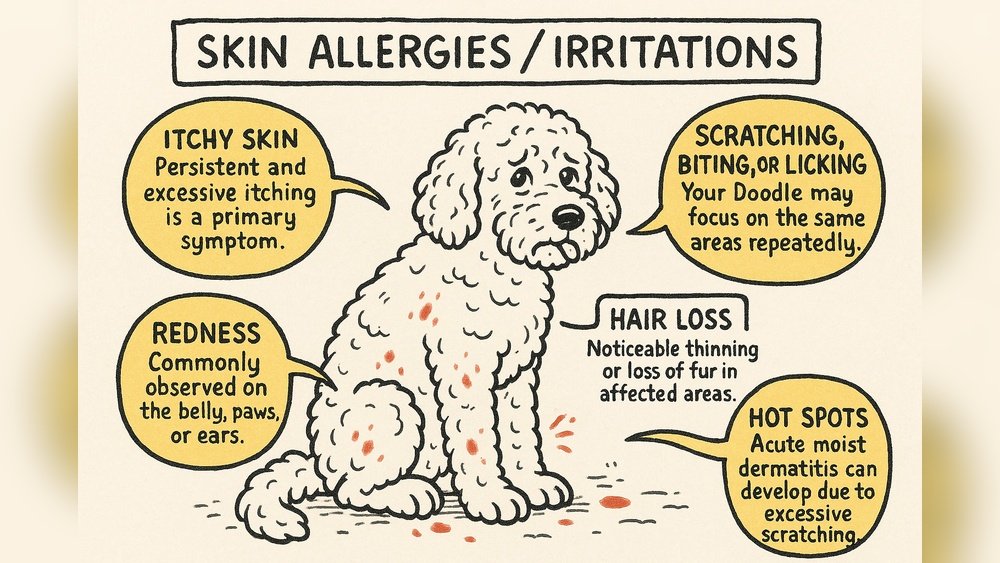
Signs of yeast infection include:
- Itching and scratching
- Redness and swelling
- Bad odor, sometimes described as “musty” or “cheesy”
- Greasy or flaky skin
- Excessive licking or chewing
- Brown or yellowish discharge (especially in ears)
- Hair loss
Yeast infections can be uncomfortable or even painful for your dog. The symptoms often get worse if not treated. Some dogs get yeast infections once, while others have chronic or repeated problems.
How Does Dog Food Affect Yeast Infections?
There is a lot of debate about whether dog food causes yeast infections. The answer is not simple. Yeast infections are usually the result of an underlying problem, not just the food. However, diet can influence the balance of yeast on your dog’s body.
The Role Of Carbohydrates
One of the main theories is that high-carbohydrate diets can contribute to yeast overgrowth. Carbohydrates (like those from grains, potatoes, or peas) are broken down into sugars. Yeast uses sugar as a food source. If your dog eats a lot of carbohydrates, it might create the perfect environment for yeast to grow.
Protein And Fat
Dogs need protein and fat for healthy skin and immune function. Diets too low in these nutrients may weaken your dog’s natural defenses, making it easier for yeast to overgrow. However, very high fat diets can sometimes cause other skin problems, so balance is important.
Additives And Fillers
Some dog foods include artificial colors, flavors, or preservatives. These ingredients may not directly cause yeast infections, but they can irritate the skin or trigger allergies. When the skin is damaged or inflamed, yeast can grow more easily.
Allergies And Food Sensitivities
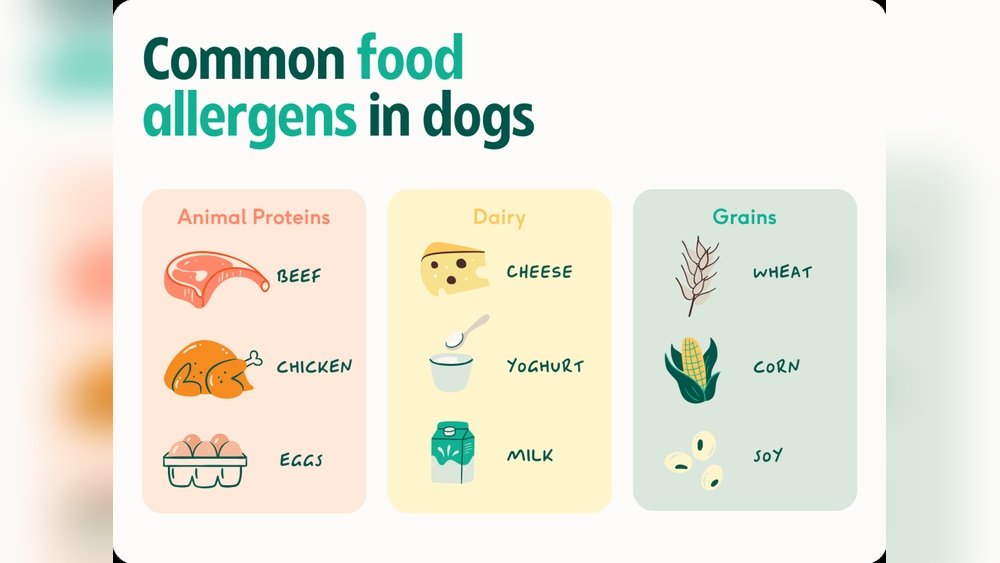
Food allergies and sensitivities often show up as skin problems. When a dog is allergic to something in its food, its skin barrier may be compromised. This makes it easy for yeast to take over. The most common allergens in dog food are beef, dairy, chicken, wheat, and soy.
Credit: domainedelabaronne.com
Yeast Infection Triggers: Beyond Food
While food is important, it’s not the only thing that causes yeast infections. Here are other common triggers:
- Moisture: Dogs that spend a lot of time in water or have floppy ears are at higher risk.
- Antibiotics: These medications can kill good bacteria, allowing yeast to grow unchecked.
- Underlying health problems: Conditions like hypothyroidism, Cushing’s disease, or allergies make yeast infections more likely.
- Immune system issues: If a dog’s immune system is weak, yeast can grow out of control.
- Poor grooming: Matted hair, dirty skin, or buildup of wax can all help yeast thrive.
Understanding these triggers can help you see the full picture. It is rarely just “bad food” that causes yeast infections.
Ingredients In Dog Food That May Promote Yeast Overgrowth
Some ingredients are more likely to feed yeast or cause skin problems. Here’s a closer look at common culprits:
1. High-glycemic Carbohydrates
Foods with a high glycemic index break down quickly into sugar. Examples include:
- White rice
- Corn
- Potatoes
- Peas
These ingredients can raise blood sugar levels, which may encourage yeast.
2. Simple Sugars
Some treats and foods contain added sugars, such as sucrose, molasses, or corn syrup. These are easy for yeast to use as fuel.
3. Wheat And Other Grains
Wheat, barley, and other grains are common in commercial dog food. They are not always harmful, but some dogs are sensitive or allergic. Grains can also be high in starch, which turns into sugar.
4. Artificial Additives
Ingredients like artificial colors, flavors, and preservatives (for example, BHA, BHT, ethoxyquin) can cause inflammation or allergic reactions in sensitive dogs.
5. Dairy Products
Some dogs are lactose intolerant or allergic to dairy. This can lead to skin irritation and yeast growth.
6. Unidentified “meat By-products”
Low-quality meat by-products can be hard to digest and may cause inflammation or sensitivity.
Ingredients Comparison Example
Here’s a comparison of two dog foods: one with ingredients that may promote yeast, and one with ingredients less likely to cause issues.
| Dog Food A (Higher Risk) | Dog Food B (Lower Risk) |
|---|---|
| Corn, wheat, chicken by-product meal, artificial colors, sugar | Deboned chicken, sweet potato, brown rice, salmon oil, blueberries |
| Beef tallow, animal digest, corn syrup | Oatmeal, peas, natural flavor, flaxseed |
| Wheat gluten, preservatives (BHA, BHT) | Chicken meal, dried kelp, mixed tocopherols (natural) |
Dog Food B has fewer ingredients that could feed yeast or cause allergies.
How To Tell If Your Dog’s Food Is Causing Yeast Infections
Many owners want a clear answer: is my dog’s food to blame? There is no simple test, but you can look for clues.
- Did the symptoms start after changing food?
- Do symptoms improve when you remove certain ingredients?
- Are there repeated ear or skin infections, even with treatment?
- Does your dog’s condition get worse after eating treats or table scraps?
If you notice a pattern, food may be playing a role. But sometimes, the real cause is more complicated.
Diagnosing Yeast Infections
A proper diagnosis is important before changing your dog’s diet. Vets usually:
- Examine the skin and ears
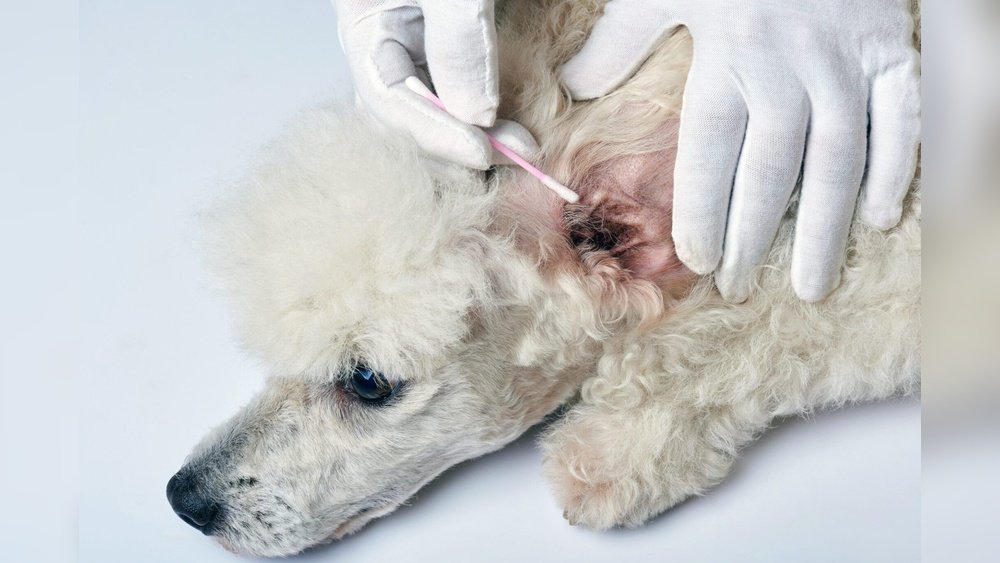
- Take samples (swabs, tape, or scrapings) and look under a microscope
- Rule out other causes (bacteria, mites, allergies)
Self-diagnosing yeast infections can lead to mistakes. Always consult a veterinarian before making big changes.
The Science: Studies On Diet And Yeast In Dogs
There are not many large studies directly linking dog food to yeast infections. Most research focuses on allergies and skin disease.
- A study in the Journal of the American Veterinary Medical Association found that food allergies can cause chronic skin problems, including yeast overgrowth.
- Another study showed that dogs on a hypoallergenic diet had fewer skin problems and less yeast.
- There is less evidence that grains alone cause yeast infections, despite what some websites claim.
The bottom line: Diet matters, but is rarely the only factor. A healthy skin barrier and immune system are the best defenses.
Choosing The Right Dog Food To Prevent Yeast Infections
If you believe food is contributing to your dog’s yeast problem, choosing the right food is key. Here’s what to look for:
1. Limited Ingredient Diets
These diets contain fewer ingredients, making it easier to avoid allergens and spot problem foods. Look for single animal proteins and simple carbohydrates.
2. Grain-free Or Low-glycemic Foods
Grain-free does not always mean better, but foods with lower starch content may help some dogs. Consider options with sweet potatoes, lentils, or brown rice instead of white rice or corn.
3. High-quality Protein
Choose foods with named meats (like chicken, beef, salmon) as the first ingredient. Avoid foods that list “meat by-products” or “animal digest.”
4. Healthy Fats
Look for sources of omega-3 and omega-6 fatty acids (like fish oil, flaxseed, or chicken fat). These support skin health.
5. No Added Sugars Or Artificial Additives
Avoid foods with sugar, corn syrup, or artificial colors and flavors.
6. Probiotics And Prebiotics
These support gut health and may improve the immune response to yeast.
Dog Food Feature Comparison
Here is a comparison of key features in foods that may help prevent yeast infections:
| Feature | Best Choice | Should Avoid |
|---|---|---|
| Protein Source | Named meats (chicken, lamb, salmon) | Meat by-products, generic “animal” |
| Carbohydrates | Low-glycemic (sweet potato, brown rice) | High-glycemic (corn, white rice, potatoes) |
| Additives | No artificial colors/flavors | Artificial additives, sugars |
| Fats | Fish oil, flaxseed | Animal tallow, unidentified fats |
| Probiotics | Added probiotics | None |
Choosing a food that matches the “Best Choice” column may help reduce the risk of yeast problems.
How To Transition Your Dog To A New Diet
Switching your dog’s food suddenly can cause stomach upset or diarrhea. Follow these steps for a smoother change:
- Mix old and new food: Start with 75% old food, 25% new food.
- Increase new food slowly: Over 7–10 days, gradually increase the amount of new food.
- Watch for reactions: Look for vomiting, diarrhea, or itching.
- Stay consistent: Don’t offer treats or table scraps during the transition.
- Consult your vet: Especially if your dog has health issues.
Changing your dog’s food may take time to show results. You might see improvement in 4–8 weeks.
Home-cooked Diets And Yeast Infections
Some owners try home-cooked diets to avoid problem ingredients. This can work, but has risks if not balanced.
Benefits
- You control every ingredient.
- Can eliminate allergens and unwanted additives.
- Fresh food may improve skin and coat.
Risks
- Can be hard to balance nutrients correctly.
- May lack vitamins, minerals, or essential amino acids.
- Time-consuming and expensive.
If you want to feed a home-cooked diet, ask a veterinary nutritionist for a recipe. Do not guess or copy random internet recipes.
Raw Diets: Are They Good For Yeast Infections?
Raw diets are popular among some dog owners. Supporters say raw food can help reduce yeast by lowering carbs and avoiding fillers. There is some truth to this, but raw diets are not magic.
Advantages
- Usually lower in carbohydrates.
- No artificial additives.
- High in protein and fat.
Disadvantages
- Risk of bacteria (Salmonella, E. coli).
- Hard to balance nutrients.
- Not suitable for every dog (especially puppies, seniors, or sick dogs).
Raw diets may help some dogs with skin problems, but they are not a guaranteed cure. Always research and consult your vet before switching to raw food.
Supplements That May Help With Yeast Infections
Supplements can be useful, but they are not a replacement for good nutrition or veterinary care. Here are some that may help:
- Probiotics: Support healthy gut bacteria, which can help control yeast.
- Omega-3 fatty acids: Reduce inflammation and improve skin barrier.
- Digestive enzymes: Help dogs digest their food, which may reduce inflammation.
- Coconut oil: Has natural antifungal properties.
- Apple cider vinegar: Used topically (never internally) can help balance skin pH (only with vet approval).
Supplements should be used with caution and under veterinary guidance.
Treating Yeast Infections: Diet And Beyond
If your dog already has a yeast infection, food alone will not cure it. Treatment usually involves:
- Topical medications: Creams, ointments, or medicated shampoos.
- Oral antifungal drugs: For severe or widespread infections.
- Cleaning routines: Regular bathing and cleaning of affected areas.
- Treating underlying problems: Allergies, hormonal issues, or immune problems must be addressed.
Diet can support recovery, but medical treatment is often needed to clear the infection.
Common Mistakes When Managing Yeast Infections Through Diet
Many owners make mistakes when trying to help their dog with diet changes. Here are some to avoid:
- Changing food too often: This can upset your dog’s stomach and make it hard to see what works.
- Falling for marketing: “Grain-free” is not always better, and some grain-free foods are high in other starches.
- Ignoring treats and table scraps: These can undo the benefits of a special diet.
- Self-diagnosing allergies: Testing for allergies at home is unreliable. Veterinary guidance is essential.
- Expecting quick results: Dietary changes take time to show effects on skin and yeast.
When To See The Vet
If your dog has signs of a yeast infection, you should see a veterinarian if:
- Symptoms last more than a week
- The infection is severe or spreading
- Your dog is in pain or very uncomfortable
- There is discharge or a bad smell from the ears
- Home remedies or diet changes are not helping
A vet can prescribe the right treatment and help you design a food plan that fits your dog’s needs.
Practical Tips For Preventing Yeast Infections
Here are some simple steps to help keep yeast infections away:
- Dry your dog’s ears and paws after swimming or bathing.
- Use a gentle dog shampoo (no human products).
- Feed a balanced diet with high-quality protein.
- Avoid unnecessary antibiotics.
- Keep your dog at a healthy weight.
- Brush your dog regularly to remove dirt and debris.
- Check skin folds, ears, and paws for redness or odor.
Prevention is easier than treating a full-blown infection.
How Environment Plays A Role
Your dog’s environment is just as important as food. Humid, warm conditions can help yeast grow. Clean your dog’s bedding, keep living areas dry, and reduce exposure to allergens like dust or pollen. Even the best food cannot prevent yeast if your dog is always damp or exposed to irritants.
Myths About Dog Food And Yeast Infections
There is a lot of misinformation online. Let’s clear up some common myths:
- Myth: “All grains cause yeast infections.”
Fact: Most dogs digest grains well. Only dogs with allergies need to avoid them.
- Myth: “Switching to raw food will cure yeast.”
Fact: Raw diets can help some dogs, but not all. They also have risks.
- Myth: “You can cure yeast with coconut oil alone.”
Fact: Coconut oil may help, but medical treatment is often needed.
- Myth: “If a food is labeled ‘hypoallergenic,’ it will prevent yeast.”
Fact: Not all “hypoallergenic” foods are created equal. Check the ingredient list.
Learning the truth helps you make better choices.
Case Studies: Real Examples
Case 1: The Grain-free Switch
Bella, a 5-year-old Golden Retriever, had recurring ear infections. Her owner switched her to a grain-free diet, but the symptoms did not improve. With a vet’s help, they discovered Bella was allergic to chicken, not grains. Switching to a fish-based, limited ingredient food solved the problem.
Insight: Grain is not always the cause. Identifying the real allergen is key.
Case 2: Too Many Treats
Max, a 3-year-old Beagle, started itching after his owner began giving him new dog treats with sugar and artificial colors. The treats, not his regular food, caused the flare-up. After stopping the treats, Max’s skin improved.
Insight: Treats and snacks matter as much as main meals.
Case 3: Success With Probiotics
Luna, an 8-year-old mixed breed, had chronic yeast infections. After adding a vet-recommended probiotic supplement to her diet, Luna’s symptoms improved. The supplement helped balance her gut bacteria and support her immune system.
Insight: Sometimes, the solution is not just food, but supporting the gut and immune system.
Key Insights Most Owners Miss
- Allergens are often proteins, not grains. Many owners focus on removing grains, but animal proteins like chicken, beef, or dairy are more common allergens.
- Skin health comes from the inside out. A balanced diet, not just a grain-free one, helps the skin resist yeast.
- Yeast infections rarely have one cause. Addressing food, environment, and underlying health is essential.
- Treats and table scraps can undo your efforts. Always check the full diet, not just the main food.
- Quick fixes don’t last. Sustainable, gradual changes with vet support work best.

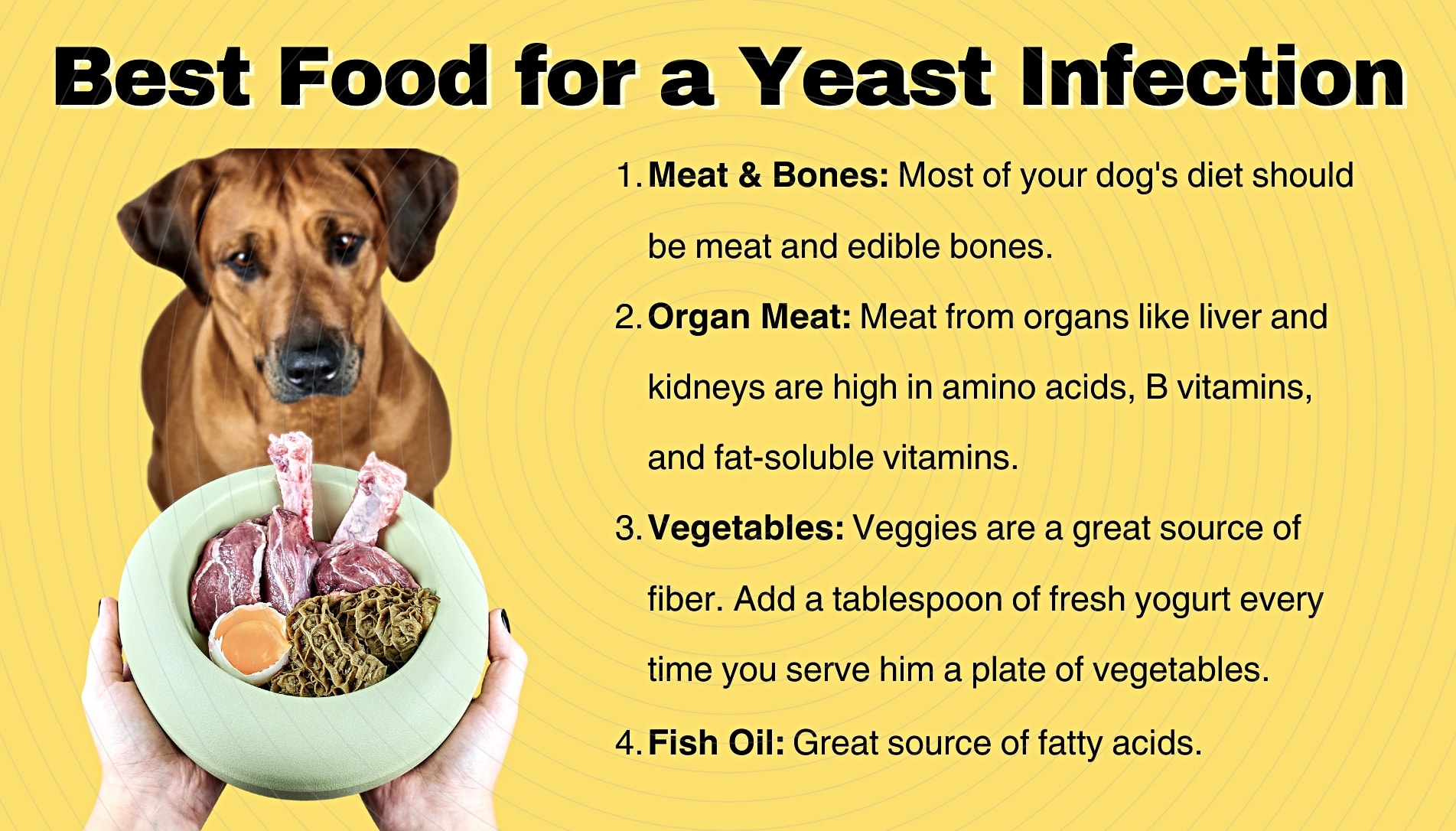
Credit: granddog.ca
When Diet Alone Isn’t Enough
Some dogs do everything right with food, but yeast infections keep coming back. This could mean:
- There is an underlying health problem (thyroid, hormones).
- The environment (humidity, dirt) is not controlled.
- Medications (like antibiotics or steroids) are affecting the skin.
- The dog has a genetic tendency to yeast problems.
In these cases, working closely with your vet is the only way to solve the problem.
The Role Of Veterinary Dermatologists
Some dogs with chronic yeast infections need a veterinary dermatologist. These specialists can do advanced testing, allergy testing, and design treatment plans for severe cases. If your regular vet’s advice isn’t working, don’t hesitate to ask for a referral.
Summary: What You Need To Remember
- Dog food can play a role in yeast infections, especially if it contains high-glycemic carbs, sugars, or allergens.
- Yeast infections have many triggers, including environment, health, and medications.
- The best dog food for preventing yeast is high-quality, balanced, and low in simple carbs.
- Treats and extras matter just as much as main meals.
- Always work with your vet for diagnosis and treatment.
- Diet changes take time—be patient and observant.
- Supplements like probiotics and fish oil can help, but are not a cure.
For more detailed scientific reading, consider resources like this VCA Hospitals article on yeast dermatitis in dogs.
Taking a thoughtful, well-informed approach gives your dog the best chance for healthy, happy skin.
Frequently Asked Questions
Can Grains In Dog Food Cause Yeast Infections?
Most dogs can eat grains without problems. Yeast infections are usually caused by underlying health issues, not grains alone. If your dog is allergic to a specific grain, it may make symptoms worse. Otherwise, grains are not a common cause.
Should I Feed My Dog A Grain-free Diet To Prevent Yeast Infections?
A grain-free diet is not necessary for all dogs. Focus on a balanced diet with high-quality protein and low-glycemic carbs. Grain-free foods often replace grains with other starchy ingredients, which can still feed yeast.
How Long Does It Take To See Improvement After Changing My Dog’s Food?
It usually takes 4–8 weeks to notice significant improvements in skin and yeast symptoms after a diet change. Some dogs may improve sooner, but patience is important. Always introduce new foods slowly.
Are Raw Diets Effective Against Yeast Infections?
Raw diets can help some dogs because they are low in carbohydrates and free from additives. However, they are not suitable for every dog and have their own risks. Always consult your vet before starting a raw diet.
What Else Can I Do Besides Changing Food To Help My Dog With Yeast Infections?
Besides diet, keep your dog clean and dry, avoid unnecessary antibiotics, use vet-recommended shampoos, and manage allergies or other health problems. Regular vet visits are important to keep yeast under control.
Helping your dog with yeast infections takes a whole-body approach. By understanding the connection between food, environment, and health, you can make the best choices for your pet’s comfort and happiness.

Credit: www.cotswoldraw.com