Many dog owners want to help their pets stay active and comfortable, especially as they get older. One common option is joint supplements. These products promise to support joint health, reduce pain, and improve mobility in dogs. But do joint supplements really work for dogs, or are they just clever marketing? The answer is not simple. It depends on the type of supplement, your dog’s health, and other factors. Understanding how joint supplements work, what ingredients they contain, and what science says can help you make the best decision for your dog.
Understanding Joint Problems In Dogs
Dogs of all breeds and ages can develop joint issues. However, the risk is higher for large breeds, older dogs, and those with a genetic tendency. The most common joint problems include osteoarthritis, hip dysplasia, and elbow dysplasia. These conditions can cause pain, swelling, and stiffness. As a result, your dog may have trouble walking, running, or even getting up.
Joint problems are often caused by a breakdown of cartilage – the soft tissue that cushions the bones in the joint. When cartilage wears away, bones rub against each other, causing pain and inflammation. Factors like aging, injury, obesity, and genetics all play a role. It’s important to recognize these problems early so you can help your dog feel better.
Many dog owners notice subtle signs that can easily be missed. For example, your dog may simply slow down on walks, hesitate to jump into the car, or lick at a painful joint. Sometimes, dogs will show changes in behavior, like sleeping more or becoming irritable when touched.
These changes can develop gradually, so it’s helpful to keep an eye on your dog’s daily routines and note any shifts in activity or mood.
While some joint conditions are inherited, others come from lifestyle. Overweight dogs are especially at risk because extra weight puts more stress on the joints. Injuries in younger dogs, such as sprains or fractures, can lead to joint problems later in life.
Even dogs who seem healthy can develop arthritis as they age, especially if they were very active in their youth.
Early detection makes a big difference. If you see your dog limping or moving differently, don’t assume it’s just “old age. ” Even small changes can signal joint discomfort. Bringing these signs to your veterinarian can lead to earlier diagnosis and more effective management.
What Are Joint Supplements For Dogs?
Joint supplements are products designed to support your dog’s joint health. They usually come in the form of chews, tablets, powders, or liquids. Most supplements contain a mix of ingredients that aim to protect cartilage, reduce inflammation, and improve joint function.
Unlike prescription medications, joint supplements are often sold over the counter. They are considered nutraceuticals – products that bridge the gap between food and medicine. These supplements are not strictly regulated, so their quality can vary. That’s why it’s important to choose products from trusted brands and check with your veterinarian before starting any supplement.
Another point to consider is that joint supplements are meant for long-term use, not a quick fix. They should not be used in place of necessary veterinary care, especially for dogs with severe pain or advanced arthritis. Some owners think they can skip vet visits if they use supplements, but this can delay diagnosis and treatment of serious problems.
Supplements also vary in how they are absorbed by the body. Some ingredients work better together or need to be taken with food. The way a supplement is made and stored can also affect its potency. For example, exposure to heat and moisture can break down some ingredients, making them less effective.
Common Ingredients In Joint Supplements
Many joint supplements contain similar active ingredients. Here are the most common ones and how they are supposed to help:
1. Glucosamine
This is a natural compound found in healthy cartilage. Glucosamine is often made from shellfish shells. It is believed to help repair damaged cartilage and slow its breakdown. It can also support the production of new cartilage cells, which is important for healing after injury.
2. Chondroitin Sulfate
Chondroitin is another compound found in cartilage. It helps retain water in the joint and may block enzymes that break down cartilage. By keeping joints better hydrated, chondroitin can improve their shock-absorbing ability.
3. Methylsulfonylmethane (msm)
MSM is a source of sulfur, which is important for building cartilage. It also has anti-inflammatory effects. Some studies suggest MSM may also help reduce muscle soreness and support overall tissue repair.
4. Omega-3 Fatty Acids
These healthy fats, often from fish oil, help reduce inflammation in joints. They can also support heart and skin health, which is a bonus for older dogs.
5. Green-lipped Mussel
This shellfish from New Zealand is rich in omega-3s and other nutrients that may ease joint pain. It contains unique compounds, including glycosaminoglycans, which may work differently than glucosamine or chondroitin.
6. Hyaluronic Acid
This substance helps lubricate joints and supports their movement. It is naturally present in joint fluid, so adding more can help joints move more smoothly and cushion impacts.
7. Turmeric/curcumin
The active ingredient in turmeric, curcumin, is a natural anti-inflammatory. It is often included in supplements for its potential to reduce swelling and discomfort, though the amount needed for effect is still debated.
8. Collagen
Collagen helps maintain the structure of cartilage and other connective tissue. Some new research suggests that certain types of collagen may be easier for dogs to absorb and use.
9. Boswellia Serrata
An herbal extract known for its anti-inflammatory properties. It may help block the formation of chemicals that cause swelling and pain.
10. Avocado/soybean Unsaponifiables (asu)
These are plant extracts that may help slow cartilage breakdown. ASU is often used in combination with other ingredients for added effect.
Different supplements use different combinations of these ingredients. The exact blend and dosage can affect how well the product works.
Some ingredients, like MSM and green-lipped mussel, are less common but can be very helpful for dogs who do not respond to glucosamine and chondroitin alone. Also, the form of the ingredient matters—liquid glucosamine, for example, may be absorbed faster than powder.
How Do Joint Supplements Work For Dogs?
Joint supplements aim to support and protect the cartilage in your dog’s joints. The main goals are:
- Reduce inflammation to decrease pain and swelling
- Repair or protect cartilage to slow down further joint damage
- Increase joint lubrication to improve movement and comfort
For example, glucosamine and chondroitin may help build and protect cartilage. Omega-3 fatty acids and MSM can lower inflammation, making movement less painful. Hyaluronic acid supports the fluid in the joints for smoother movement.
It’s important to know that these effects are not immediate. Joint supplements work slowly, often taking 4 to 8 weeks before you notice any improvement in your dog’s comfort or mobility.
In some cases, owners may notice subtle changes first. For instance, a dog who was reluctant to stand up may do so more quickly, or a pet who avoided stairs may start using them again. Some dogs will simply seem happier or more engaged with their family.
Another non-obvious effect is the prevention of further damage. Even if your dog does not show big improvements in movement, the supplement may be slowing the progression of arthritis in the background. This means your dog could stay comfortable for longer, even if you do not see dramatic changes right away.
What Does The Science Say?
The effectiveness of joint supplements for dogs is a hot topic among veterinarians and researchers. While many dog owners report positive results, the scientific evidence is mixed.
Studies On Glucosamine And Chondroitin
These two ingredients are the most studied in both humans and dogs. Some research shows that glucosamine and chondroitin can reduce pain and improve mobility in dogs with arthritis, but the effects are often modest. In one study, dogs with arthritis who took glucosamine and chondroitin had better scores on pain and activity tests than those who took a placebo.
However, other studies have found little or no difference between these supplements and a placebo. The quality of research varies, and not all products use effective doses or pure ingredients.
It’s also important to note that the positive effects may depend on the severity of joint disease. Dogs with mild to moderate arthritis may benefit more than those with advanced, severe joint damage. Some researchers believe that supplements can help slow the progression of disease in the early stages, but are less effective once cartilage is badly damaged.
Omega-3 Fatty Acids
There is stronger evidence that omega-3 fatty acids from fish oil can reduce joint inflammation and pain in dogs. Some veterinarians recommend fish oil as part of a joint health plan, especially for dogs with arthritis.
Omega-3s work by blocking the production of certain inflammatory chemicals in the body. In one study, dogs who received fish oil showed less pain and more willingness to play compared to those who did not. However, the right dosage is important—too much can cause stomach upset.
Green-lipped Mussel
Supplements with green-lipped mussel have shown promising results. Several studies found that dogs taking this ingredient had less pain and better movement. The benefits may come from a unique blend of omega-3s and other nutrients.
Some owners find that green-lipped mussel works when other ingredients do not. This makes it a good option for dogs who are sensitive to shellfish-based glucosamine or for owners who prefer a more “natural” supplement.
Msm, Hyaluronic Acid, And Others
Research on MSM, hyaluronic acid, turmeric, and other ingredients is more limited. Some small studies and owner reports suggest these can help, but more data is needed.
For example, MSM is often added to joint supplements because it is believed to reduce inflammation, but studies in dogs are still few. Similarly, hyaluronic acid shows promise in injectable form, but its benefits in oral supplements are less clear.
Real-world Experience
Many veterinarians and pet owners notice improvements in their dogs’ activity and comfort after starting a joint supplement. These improvements can include easier movement, less limping, and more playfulness. However, not every dog benefits, and supplements are usually most effective when combined with other treatments, such as weight control and exercise.
Some dogs respond quickly, while others take longer or show only small changes. It’s also possible for a supplement to stop working over time, as arthritis progresses. In these cases, changing the supplement or adding other therapies may help.
One detail owners often miss is the importance of consistent use. Skipping doses or switching products too often can reduce effectiveness. Giving the supplement at the same time each day, with food, may improve results.
Types Of Joint Supplements For Dogs
There are many types of joint supplements available. They can be grouped by their form and ingredients:
- Chewable tablets or soft chews – Easy to give, often flavored.
- Powders – Can be mixed with food, good for picky eaters.
- Liquids – Can be added to food or water, sometimes absorbed faster.
- Capsules – May be harder to give, unless hidden in treats.
The choice often depends on your dog’s taste, size, and your preference.
Some owners prefer chews because they can be given as treats, making it easier to give daily. Powders and liquids work well for dogs who do not like pills or have trouble chewing. However, taste and smell can be an issue—some dogs turn their nose up at certain flavors.
For small dogs, capsules may be difficult to swallow, so a powder or liquid might be better. For large dogs, chews are convenient, but you may need to give more than one to reach the right dose.
Comparing Popular Forms
Here is a quick comparison of the most common supplement forms:
| Form | Pros | Cons |
|---|---|---|
| Chews | Tasty, easy to give, no mess | May contain added sugars or flavors |
| Powders | Easy to mix with food, good for dosing | Some dogs dislike the taste |
| Liquids | Can be precise, quick absorption | Messy, some dogs resist |
| Capsules | No taste, easy to hide in food | Some dogs spit them out |
Some supplements also combine forms. For example, a chew may have a powder inside, or a capsule can be opened and sprinkled on food. If your dog refuses one form, it’s worth trying another before giving up.

Credit: winstonandporter.com
How To Choose The Right Joint Supplement
Picking the best joint supplement for your dog isn’t always easy. Here are important factors to consider:
1. Ingredients And Dosages
Look for products that list clear amounts of glucosamine, chondroitin, and other active ingredients. Some brands use small doses that may not be effective.
A good rule of thumb is to check the label for glucosamine levels around 500-1000 mg per serving for medium to large dogs, and chondroitin at 400 mg or more. If the amounts are much lower, the product may not help.
2. Quality And Purity
Choose supplements made by trusted companies with good manufacturing standards. Look for products that have third-party testing for purity and safety.
Some brands use the NASC (National Animal Supplement Council) seal, which shows they follow higher standards. Products made in countries with strict rules (like the USA or Canada) are usually safer.
3. Form And Taste
Pick a form your dog will accept easily. If your dog is picky, flavored chews may work best.
Taste is often overlooked. Even the best supplement won’t work if your dog refuses to eat it. Some companies offer “money-back guarantees” if your dog won’t take the product, which can be helpful.
4. Veterinarian Recommendation
Ask your vet before starting any supplement. They can help you pick a product that’s safe and effective for your dog’s needs.
Vets may know which brands have worked well for other patients, or which ones have caused side effects. They can also check for interactions with other medications.
5. Cost And Value
Supplements can vary in price. Sometimes, higher cost means better quality, but not always. Compare the amount of active ingredients to the cost.
It’s smart to calculate the price per day or per dose, not just the total price. Some cheaper products look like a better deal but require giving more per day.
6. Special Needs
If your dog has allergies or other health problems, check the ingredient list carefully.
Some chews contain beef, chicken, or dairy flavors. Dogs with food allergies may need a hypoallergenic supplement. Also, avoid added sugars or artificial colors for sensitive pets.
Comparing Top Joint Supplement Brands
To help you decide, here is a comparison of some leading joint supplement brands for dogs:
| Brand | Main Ingredients | Form | Approx. Cost (30 days) | Veterinarian Recommended |
|---|---|---|---|---|
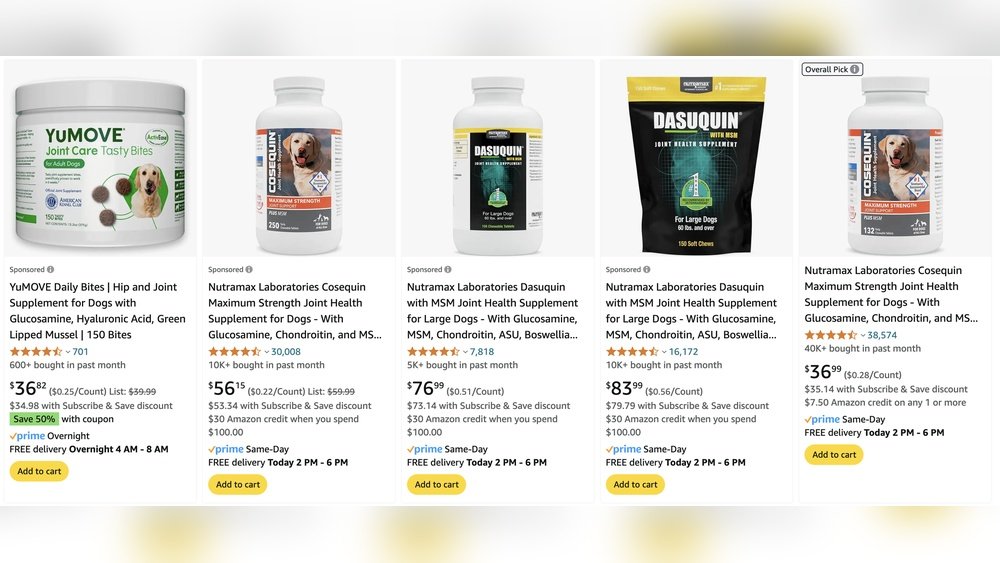
| Cosequin DS | Glucosamine, Chondroitin, MSM | Chewable Tablet | $20 | Yes |
| Dasuquin | Glucosamine, Chondroitin, ASU, MSM | Chewable Tablet | $30 | Yes |
| GlycoFlex | Glucosamine, Perna Mussel, MSM | Soft Chew | $25 | Yes |
| Nutramax Welactin | Omega-3 Fatty Acids | Liquid | $18 | Yes |
| PetHonesty | Glucosamine, MSM, Turmeric | Soft Chew | $28 | No |
These are just a few popular options. Always check the ingredient list and talk to your vet before choosing.
Signs Your Dog Might Benefit From Joint Supplements
How do you know if your dog needs a joint supplement? Watch for these signs:
- Limping or stiffness, especially after rest
- Difficulty getting up or lying down
- Reluctance to climb stairs or jump
- Less interest in walks or play
- Swollen joints or pain when touched
- Muscle loss in the back legs
Dogs are good at hiding pain, so these signs can be subtle. Some dogs may only show changes in energy or mood. You might notice your dog standing with back legs closer together or shifting weight off a sore limb.
If you see any of these signs, consult your veterinarian. They can check for arthritis or other joint problems and advise if supplements might help.
Do Joint Supplements Prevent Joint Problems?
Some owners give joint supplements to young or healthy dogs, hoping to prevent future problems. There is little strong evidence that supplements can prevent joint disease in dogs with no symptoms. However, for at-risk breeds (like Labradors, German Shepherds, or Golden Retrievers), some vets believe early supplementation may help protect joints over time.
Prevention strategies work best when combined. For example, feeding a high-quality diet, keeping your dog slim, and avoiding high-impact exercise are just as important as supplements. Supplements alone are unlikely to prevent arthritis if other risk factors are not controlled.
Most experts agree that the biggest benefits are seen in dogs who already show signs of joint pain or arthritis. For prevention, keeping your dog at a healthy weight and providing regular, low-impact exercise are more important than supplements alone.
Possible Side Effects And Risks
Most joint supplements are considered safe for dogs when given as directed. Side effects are rare but can include:
- Upset stomach (vomiting, diarrhea)
- Loss of appetite
- Allergic reactions (itching, swelling, rarely)
Some ingredients like fish oil can cause loose stools if given in high doses. If your dog has diabetes, glucosamine may affect blood sugar, so always check with your vet first. Dogs with shellfish allergies should avoid supplements made from shellfish.
Occasionally, supplements can interact with medications. For example, omega-3s can thin the blood, which might be an issue for dogs on blood thinners. Always tell your vet about all products your dog is taking.
Never give your dog human supplements, as they may contain unsafe ingredients or dosages. Stick to products made specifically for dogs.
How Long Does It Take To See Results?
Dog owners often wonder how quickly joint supplements work. These products are not instant pain relievers. It usually takes 4 to 8 weeks to see improvement, though some dogs may respond sooner. If you don’t see any change after 2 to 3 months, ask your vet if you should try a different supplement or treatment.
Tracking your dog’s progress can help. Make a note of your dog’s movement, energy, and comfort before starting the supplement. Take a short video if possible, so you can compare later. This makes it easier to spot even small changes.
Are Joint Supplements Enough For Dog Arthritis?
Joint supplements can help, but they are rarely a complete solution. For best results, use them as part of a multi-step plan that may include:
- Weight management – Keeping your dog slim reduces pressure on joints.
- Controlled exercise – Regular, gentle activity helps keep joints flexible.
- Physical therapy – Special exercises or treatments guided by a vet.
- Pain medication – For severe cases, prescription drugs may be needed.
- Diet changes – Foods with added omega-3s or joint-supporting nutrients.
Your veterinarian can help you design a plan that fits your dog’s needs.
Adding ramps, soft bedding, and non-slip rugs at home can also make a big difference. These changes may help your dog stay active and comfortable, even if arthritis progresses.
Two Non-obvious Insights About Joint Supplements
While many owners know the basics, here are two key points that are often missed:
1. The Quality Of Ingredients Varies Greatly
Not all supplements use the same quality of ingredients. For example, glucosamine sulfate is generally considered more effective than glucosamine hydrochloride, but many cheaper brands use the less effective type. Also, the source and purity of chondroitin and MSM can change how well they work. Choosing a supplement with high-quality, well-studied forms of each ingredient increases the chance of success.
In addition, some companies add fillers, artificial colors, or flavors that do not help joint health and may cause reactions in sensitive dogs. Reading the full ingredient list, not just the “active ingredients,” is important.
2. Some Supplements Work Better Together
Certain ingredients have a synergistic effect – they work better when combined. For example, studies suggest that glucosamine and chondroitin may work best when taken together. Similarly, pairing omega-3 fatty acids with other anti-inflammatories (like turmeric) can enhance benefits. This is why many quality supplements use a blend rather than a single ingredient.
Some owners try one-ingredient supplements, but blends are often more effective. If you see little improvement with a single-ingredient product, switching to a combination formula may help.
Tips For Giving Joint Supplements To Dogs
Getting your dog to take a supplement can be tricky. Here are some tips:
- Hide tablets or capsules in peanut butter or a soft treat.
- Mix powders or liquids with wet food or a tasty topper.
- Use chewable treats if your dog is picky.
- Start with a small amount and increase slowly if your dog is sensitive.
If your dog refuses one form, try another. Sometimes, changing the flavor or texture makes a big difference.
Make supplement time positive. Give praise and a favorite treat after your dog takes their supplement. If your dog is very suspicious of new things, try offering the supplement at a different time of day, or just after a fun activity.
What If Joint Supplements Don’t Work?
If you don’t see improvement after a few months, don’t give up hope. Dogs respond differently to supplements, and not every product works for every dog. Here are some steps to take:
- Check the dosage – Make sure you are giving the right amount for your dog’s weight.
- Try a different product – Some dogs respond better to different combinations or brands.
- Talk to your vet – Your vet may suggest other treatments, like physical therapy, prescription medications, or even surgery in severe cases.
Remember, joint supplements are just one tool in a larger toolkit for managing your dog’s joint health.
It’s also possible that your dog’s joint pain is from another cause, like infection or a torn ligament. In these cases, supplements alone will not help, and special treatment is needed.
The Role Of Diet And Lifestyle
Supplements work best when combined with a healthy lifestyle. Dogs who are overweight are much more likely to develop joint problems. Keeping your dog at a healthy weight is the single most important thing you can do to protect their joints.
Regular, gentle exercise (like walking or swimming) helps keep joints flexible and strong. Avoid high-impact activities if your dog already has joint pain.
Some commercial dog foods now include joint-supporting ingredients like glucosamine and omega-3s. While the levels are usually lower than in supplements, every little bit helps.
You can also make your home more joint-friendly. Place food and water bowls at a comfortable height, use ramps instead of stairs, and provide soft bedding. These small changes can make daily life much easier for dogs with arthritis.
Comparing Joint Supplements And Prescription Medications
You may wonder how joint supplements stack up against prescription drugs. Here’s a quick comparison:
| Type | How They Work | Speed of Results | Risks | Common Uses |
|---|---|---|---|---|
| Joint Supplements | Support cartilage, reduce inflammation naturally | Slow (4-8 weeks) | Few, mild | Mild to moderate joint issues, early arthritis |
| Prescription NSAIDs | Block pain and inflammation | Fast (hours to days) | Stomach, liver, kidney risks | Severe arthritis, acute pain |
| Corticosteroids | Strong anti-inflammatory | Very fast | Many side effects, not for long-term use | Severe inflammation, short-term only |
Supplements are best for mild to moderate cases or as a way to support prescription treatments. They are not a substitute for medication in severe cases.
Sometimes, your vet may suggest using both supplements and medications. This can allow you to use lower doses of medication, reducing side effects and keeping your dog more comfortable long-term.
The Importance Of Regular Checkups
If your dog has joint problems or is taking supplements, regular vet checkups are important. Your vet can:
- Check your dog’s weight and joint health
- Adjust supplement dosages as needed
- Catch side effects early
- Add other treatments if needed
A yearly vet visit is good for all dogs, but those with arthritis may need more frequent checks.
These visits also provide a chance to review your management plan. If your dog is not improving, your vet may suggest new options or tests to rule out other causes of pain.
When Not To Use Joint Supplements
There are times when joint supplements are not a good choice. Avoid supplements if your dog:
- Has a shellfish allergy (many glucosamine products use shellfish)
- Is taking certain medications that may interact with supplements
- Has a sensitive stomach or history of digestive issues (start with small doses)
- Is pregnant or nursing (safety not always tested)
Always talk to your veterinarian before starting, especially if your dog has any health problems.
If your dog develops vomiting, diarrhea, or itching after starting a supplement, stop the product and contact your vet. These may be signs of an allergic reaction or sensitivity.
Real-life Examples: Success Stories And Limitations
Many owners have seen real benefits from joint supplements. For example, some report their older dogs become more playful and mobile after a few weeks on a supplement. These cases often involve a combination of weight loss, exercise, and supplements.
However, not every story is a success. Some dogs do not respond, or only see small improvements. This can be frustrating, but it is a reminder that supplements are not a cure-all.
For example, one owner noticed that her 10-year-old Labrador started jumping on the couch again after three months on a glucosamine-chondroitin blend. Another owner saw no change after four months, but later learned that her dog’s pain was from a torn ligament, not arthritis.
It’s also common for older dogs to need a mix of treatments—supplements for daily support, medications for flare-ups, and lifestyle changes for comfort.

Credit: caninearthritis.org
Summary: Do Joint Supplements Work For Dogs?
So, do joint supplements work for dogs? The answer is: sometimes. There is good evidence that certain ingredients, especially glucosamine, chondroitin, and omega-3 fatty acids, can help some dogs with joint problems. The effects are usually mild to moderate, and not every dog will benefit.
Supplements work best as part of a larger plan that includes weight control, exercise, and regular veterinary care. Choose high-quality products, use the right dose, and be patient. If you have doubts, talk to your veterinarian. For more details on the science behind these supplements, you can visit this peer-reviewed research source.
Frequently Asked Questions
What Age Should I Start Giving My Dog Joint Supplements?
It depends on your dog’s breed and health. Large breeds or dogs with a family history of joint problems may benefit from starting supplements as young adults, around 1-2 years old. For most dogs, supplements are most useful when signs of joint stiffness or pain appear.
Can I Give My Dog Human Joint Supplements?
No. Human supplements can have different dosages or ingredients that are unsafe for dogs. Always use products made specifically for dogs and check with your vet before starting any supplement.
How Long Should My Dog Stay On Joint Supplements?
Most dogs with joint problems will need to take supplements for life, or as long as they are helping. If you stop and the symptoms return, talk to your vet before starting again.
Are There Any Natural Foods That Help With Dog Joint Health?
Some foods, like oily fish (salmon, sardines), eggs, and certain vegetables, contain nutrients that support joint health. However, the levels are usually not high enough to replace supplements, especially for dogs with arthritis.
What Are The Signs That My Dog’s Joint Supplement Is Working?
Signs include improved movement, less stiffness or limping, more energy, and increased interest in play. These changes may be slow and gradual, so pay close attention to your dog’s daily habits and comfort.
Helping your dog stay active and pain-free is one of the most rewarding parts of being a pet owner. Joint supplements can be a helpful tool, but the best approach is a combination of good nutrition, regular exercise, and lots of love.
Credit: biopup.com