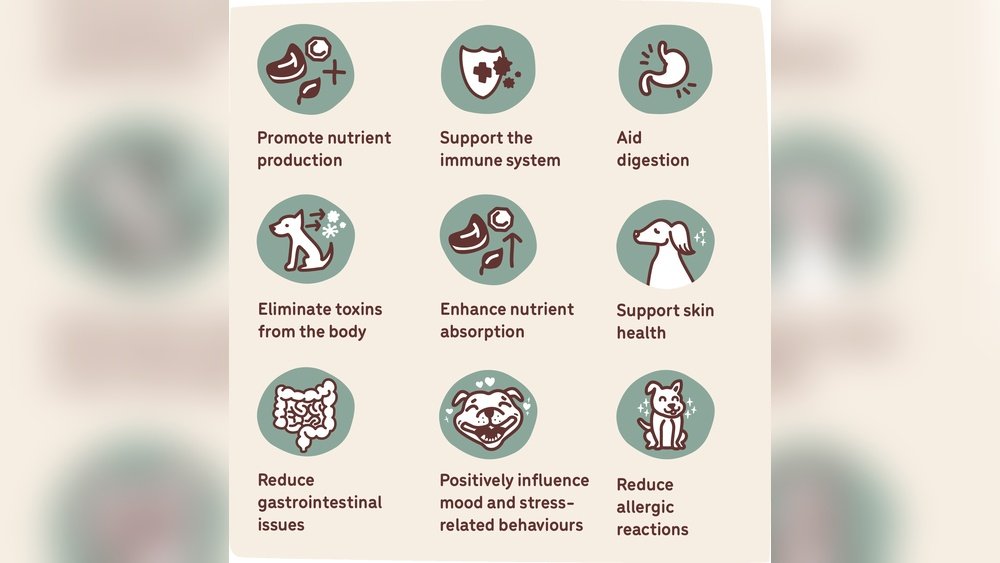
Many dog owners today want to help their pets live longer, healthier lives. You may have heard about prebiotics and probiotics for dogs, but what do they really mean? Are they the same thing? More importantly, which one does your dog actually need? It’s easy to get confused because both sound similar and are often discussed together. But understanding the difference can help you make smarter choices for your dog’s gut health, digestion, immune system, and overall well-being.
Gut health is not just a trend. In recent years, scientists have discovered how important the gut is for every part of a dog’s body. The right balance in the digestive system can affect energy, skin, allergies, mood, and even how your dog fights off sickness. But how do you support that balance? Should you give your dog a supplement, change their diet, or do both? This guide will break down everything you need to know about prebiotics vs probiotics for dogs, with clear answers, real examples, and science-backed advice.
If you’re ready to learn which one to choose, how to use them, and what mistakes to avoid, keep reading. By the end, you’ll understand exactly how prebiotics and probiotics work, why they matter, and the best way to give your dog the happiest, healthiest gut possible.
What Are Prebiotics And Probiotics?
Before you can decide which is better for your dog, it’s important to know what prebiotics and probiotics actually are. They sound alike, but they play very different roles in your dog’s digestive system.
What Are Probiotics?
Probiotics are live, good bacteria that help your dog’s gut stay healthy. These bacteria live naturally in your dog’s stomach and intestines. When you give your dog probiotics (in food or supplements), you add more of these helpful bacteria to their system.
Think of probiotics like “friendly guests” who help keep your dog’s digestive system running smoothly. They fight off bad bacteria, help break down food, and even support your dog’s immune system. Common types of probiotic bacteria for dogs include:
- Lactobacillus acidophilus
- Bifidobacterium animalis
- Enterococcus faecium
These names can sound strange, but each kind has a special job. For example, Lactobacillus can help with diarrhea, while Bifidobacterium may boost the immune system.
What Are Prebiotics?
Prebiotics are not bacteria. Instead, they are special plant fibers that feed the good bacteria already living in your dog’s gut. These fibers cannot be digested by your dog, but the probiotics can eat them.
Imagine prebiotics as “fertilizer” for your dog’s gut. They help the good bacteria grow and stay strong. Common prebiotic ingredients for dogs include:
- Inulin (from chicory root)
- Fructooligosaccharides (FOS)
- Mannanoligosaccharides (MOS)
- Beet pulp
Prebiotics are found in some high-fiber foods and in special supplements. Without prebiotics, the good bacteria (probiotics) may not survive or work as well.
How Are They Different?
The key difference is simple:
- Probiotics add new good bacteria to your dog’s gut.
- Prebiotics feed and support the good bacteria that are already there.
Some products combine both, and these are called synbiotics.
How Prebiotics Work In Dogs
To really understand the power of prebiotics, you need to see what they do inside your dog’s body.
Feeding The Good Bacteria
Dogs, just like humans, have trillions of bacteria in their intestines. Most are helpful, but some can cause problems. Prebiotics are special because your dog’s body cannot break them down. Instead, they travel to the large intestine, where the good bacteria “eat” them.
This helps the good bacteria grow in number and become stronger.
When the good bacteria are well-fed, they can:
- Crowd out harmful bacteria
- Make the gut less friendly for bad bacteria
- Support healthy digestion
Producing Short-chain Fatty Acids
When good bacteria eat prebiotics, they produce things called short-chain fatty acids (SCFAs). These are very important for your dog. SCFAs can:
- Lower inflammation in the gut
- Help the gut wall heal after sickness or diarrhea
- Support the immune system
Some research shows that SCFAs may even help prevent colon cancer and other diseases in dogs.
Improving Stool And Digestion
Dogs that get enough prebiotics often have firmer, more regular stools. This happens because prebiotics help balance water in the colon and support muscle movement in the digestive tract.
Example: Inulin From Chicory Root
One of the most common prebiotics in dog food is inulin, which comes from chicory root. Studies show that adding inulin to a dog’s diet can increase healthy bacteria like Bifidobacterium and reduce odor in a dog’s stool.
Two Insights Many Owners Miss
- Not All Fiber Is a Prebiotic: While many dog foods contain fiber, only special types (like inulin or FOS) count as true prebiotics. Ordinary fiber (like cellulose) passes through the gut but does not feed good bacteria.
- Prebiotics Can Work Without Probiotics: Even if you do not add extra bacteria (probiotics), prebiotics can still help the healthy bacteria that naturally live in your dog’s gut. This makes them useful even if your dog cannot take probiotics.
How Probiotics Work In Dogs
Probiotics are popular, but how do they actually help your dog? Let’s look at the science and real-world results.
Adding Good Bacteria
Probiotics are live bacteria, so when you give them to your dog, you add new “helpers” to the gut. This can be important after your dog has been sick, taken antibiotics, or had diarrhea. These situations can destroy the good bacteria, leaving your dog’s gut open to problems.
By adding probiotics, you can:
- Restore healthy bacteria balance
- Reduce the number of bad bacteria
- Improve recovery after illness
Supporting Digestion
Probiotics help break down food, especially fats and carbohydrates. This means your dog can absorb more nutrients from their diet. For dogs with sensitive stomachs or food allergies, probiotics may reduce bloating, gas, or loose stools.
Boosting The Immune System
About 70% of a dog’s immune system lives in the gut. Probiotics can help:
- Increase antibodies that fight infection
- Train the immune system to react properly (not too much or too little)
- Reduce inflammation
This is one reason why some veterinarians recommend probiotics for dogs with allergies, skin problems, or autoimmune diseases.
Reducing Stress Reactions
Research shows that probiotics may help dogs handle stress better. For example, dogs in shelters or boarding kennels often get diarrhea because stress hurts their gut. Probiotics can help prevent or shorten this problem.
Example: Enterococcus Faecium
One common probiotic for dogs is Enterococcus faecium. Studies have shown that dogs given this probiotic after antibiotics recovered their healthy gut bacteria faster and had fewer digestive upsets.
Two Insights Many Owners Miss
- Probiotics Must Survive the Stomach: Not all probiotics are strong enough to survive your dog’s stomach acid. If they die before reaching the intestines, they are useless. Look for products that guarantee “live and active” cultures.
- Strain Matters: Each probiotic strain does something different. For example, Lactobacillus rhamnosus helps with diarrhea, but Bifidobacterium animalis is better for allergies. Always check which strains are used.
Comparing Prebiotics And Probiotics For Dogs
It’s common to wonder if one is “better” than the other. The truth is, they work best together, but each has unique strengths.
| Feature | Prebiotics | Probiotics |
|---|---|---|
| What are they? | Plant fibers that feed good bacteria | Live good bacteria |
| Main action | Support existing bacteria | Add new bacteria |
| Found in | Some fibers, supplements | Supplements, fermented foods |
| Survival in gut | Not destroyed by stomach acid | Some strains die in acid |
| Best for | Daily support, long-term health | After sickness, antibiotics, stress |
| Side effects | Rare, mild gas or bloating | Occasional loose stool or gas |
When To Use Prebiotics
- Your dog is healthy and you want to support gut health.
- You want to prevent future problems.
- Your dog eats a low-fiber or highly processed diet.
When To Use Probiotics
- Your dog has just taken antibiotics.
- Your dog has diarrhea or loose stool.
- Your dog is under stress (travel, new home, kennel).
- Your dog has allergies or immune issues.
Should You Use Both?
Many experts suggest combining prebiotics and probiotics, especially after illness or during stressful times. Together, they create a “team” that keeps your dog’s gut strong.
Health Benefits Of Prebiotics For Dogs
Prebiotics do more than feed good bacteria. Here’s how they help your dog in real life:
1. Improved Stool Quality
Dogs that eat prebiotics often have better-formed stools. This is helpful for dogs with loose stools or small, hard poops. Prebiotics help balance water in the colon, making stools neither too hard nor too soft.
2. Stronger Immune System
A well-fed gut supports the immune system. Studies show dogs getting prebiotics may get fewer infections, and their bodies fight illness faster.
3. Less Smelly Poop
Some prebiotics, like beet pulp, can reduce the odor of dog poop. This is a nice bonus for owners.
4. Better Mineral Absorption
Prebiotics help the gut absorb minerals like calcium and magnesium. This is important for puppies, old dogs, or dogs with special needs.
5. Lower Risk Of Disease
Healthy gut bacteria (supported by prebiotics) can lower inflammation and help prevent problems like:
- Colitis (gut inflammation)
- Allergies
- Obesity
- Diabetes
6. Support During Diet Changes
If you switch your dog’s food, adding prebiotics can help prevent digestive upset.
Example: Fructooligosaccharides (fos)
One study showed that dogs given FOS had higher numbers of healthy gut bacteria, more regular stools, and less gut inflammation.
Non-obvious Insights
- Prebiotics Take Time: You may not see results overnight. It can take days or weeks for the gut bacteria to grow and balance.
- Dose Matters: Too much prebiotic can cause gas or loose stool. Always start slow and follow your vet’s advice.
Health Benefits Of Probiotics For Dogs
Probiotics are not just for sick dogs. They have many benefits for healthy dogs too.
1. Faster Recovery From Diarrhea
Probiotics are proven to help dogs recover from diarrhea, especially after antibiotics or infections. They restore balance and shorten sickness.
2. Support For Allergies And Skin Problems
Because the gut and immune system are connected, probiotics can help reduce allergy symptoms and improve skin health.
3. Less Gas And Bloating
Dogs with sensitive stomachs often have less gas and bloating when they get the right probiotics.
4. Better Digestion Of Food
Probiotics help break down food, so your dog gets more vitamins and nutrients. This is important for puppies, seniors, or dogs with poor appetite.
5. Calmer Mood And Less Stress
New research shows that gut bacteria can affect a dog’s brain and mood. Probiotics may help dogs feel calmer, especially during stressful events.
6. Protection During Kennel Stays Or Travel
Dogs in kennels or traveling often get diarrhea from stress. Probiotics can protect the gut and lower the risk of sickness.
Example: Lactobacillus Acidophilus
Studies have found that dogs given Lactobacillus acidophilus have less diarrhea and recover faster after stomach problems.
Non-obvious Insights
- Not All Dogs Need Daily Probiotics: If your dog is healthy and eats a good diet, probiotics may not be needed every day. They are most useful during stress or after sickness.
- Mixing With Antibiotics: If your dog is on antibiotics, give probiotics a few hours apart from the medicine. Antibiotics can kill probiotics if given together.
Best Natural Sources Of Prebiotics For Dogs
While many dog foods now add prebiotics, some natural foods are also great sources. These can be given as treats or mixed into meals (always check with your vet first).
- Chicory Root – One of the richest sources of inulin.
- Bananas – Contain small amounts of prebiotics.
- Asparagus – High in inulin and fiber.
- Jerusalem Artichoke – Packed with prebiotic fiber.
- Dandelion Greens – Good for gut health (use only pesticide-free).
- Beet Pulp – Often found in quality dog foods.
Not all dogs tolerate these foods, so introduce slowly and watch for any stomach upset.
Best Natural Sources Of Probiotics For Dogs
Probiotic supplements are common, but some foods naturally contain beneficial bacteria. Not all are safe for dogs, but the following are generally considered good choices (in small amounts):
- Plain, Unsweetened Yogurt – Contains live cultures; choose low-fat and avoid xylitol.
- Kefir – A fermented milk drink with many probiotic strains.
- Fermented Vegetables – Like sauerkraut (unsalted, no onion/garlic).
- Green Tripe – Raw, unwashed cow stomach, packed with natural probiotics.
Never give your dog processed or flavored probiotic foods meant for humans, as they can contain harmful ingredients.
Risks And Side Effects: What Dog Owners Should Know
While prebiotics and probiotics are safe for most dogs, there are some risks and things to watch for.
Prebiotics: Common Issues
- Gas or Bloating: Too much prebiotic fiber can cause extra gas.
- Loose Stool: High doses can lead to diarrhea, especially if added suddenly.
- Food Allergies: Rare, but some dogs may react to certain plants (like chicory or beet pulp).
Probiotics: Common Issues
- Mild Digestive Upset: Some dogs may have gas, bloating, or soft stools when starting probiotics.
- Infection Risk: Dogs with weak immune systems (from illness or medications) should only take vet-approved probiotics. Rarely, probiotics can cause infection in these dogs.
- Dead Probiotics: Some products contain dead bacteria, which have no benefit.
How To Start Safely
- Always introduce new supplements or foods slowly.
- Watch for changes in stool, appetite, or behavior.
- If your dog is sick, pregnant, or has a weak immune system, talk to your vet before using prebiotics or probiotics.
Choosing The Right Prebiotic Or Probiotic Supplement
The market for dog supplements is huge, and not all products are created equal. Here’s how to choose wisely.
For Prebiotic Supplements
- Look for named fibers (like inulin, FOS, or MOS), not just “fiber blend.”
- Choose products made for dogs (not humans).
- Check for third-party testing or vet recommendations.
For Probiotic Supplements
- Pick products with named strains (like L. acidophilus, B. animalis).
- Look for a guaranteed number of live bacteria (CFUs), at least 1 billion CFU per dose.
- Avoid products with lots of fillers or artificial flavors.
- Choose a supplement that is shelf-stable and does not need refrigeration (unless you can store it properly).
Example: Label Comparison
Here’s a side-by-side look at what to check on a supplement label:
| Label Feature | Good Prebiotic | Good Probiotic |
|---|---|---|
| Main Ingredient | Inulin from chicory root | Lactobacillus acidophilus (2 billion CFU) |
| Other Ingredients | No artificial colors | No sugar, natural flavors only |
| Directions | Start with small dose, increase slowly | Give with meals, a few hours from antibiotics |
| Storage | Keep in cool, dry place | Refrigerate if required |

Credit: lolahemp.com
When To Use Prebiotics, Probiotics, Or Both
Every dog is unique. Here’s when each option makes sense:
Use Prebiotics When:
- Your dog is healthy and you want to support daily gut health.
- You want to prevent future tummy troubles.
- Your dog’s diet is low in fiber or is highly processed.
Use Probiotics When:
- Your dog is on antibiotics or has just finished a course.
- Your dog has diarrhea, upset stomach, or loose stool.
- Your dog is in a stressful situation (moving, travel, new pet).
- Your dog has allergies, skin issues, or immune problems.
Use Both When:
- Your dog has had a serious gut problem (like colitis or giardia).
- Your vet recommends both after illness or surgery.
- You want to give extra support during diet changes, travel, or stressful events.
Common Mistakes Dog Owners Make
Even the best intentions can go wrong. Here are common mistakes to avoid:
- Choosing the Wrong Product: Not all supplements are made for dogs. Human products can be unsafe or useless.
- Overdosing: Too much prebiotic or probiotic can cause stomach upset. Always follow the directions.
- Ignoring Ingredient Quality: Cheap fillers or artificial flavors can cause allergies or lower the benefit.
- Expecting Fast Results: Gut health changes slowly. It may take weeks to see full benefits.
- Not Consulting a Vet: Dogs with special needs, puppies, or pregnant dogs should get vet advice before using supplements.
Real-life Stories: How Prebiotics And Probiotics Helped Dogs
Sometimes, the best way to understand is through real examples.
Case 1: Bella’s Diarrhea After Antibiotics
Bella, a 4-year-old Labrador, had a bad skin infection and took antibiotics for 2 weeks. Soon after, she developed diarrhea. Her owner added a probiotic supplement with Lactobacillus and Bifidobacterium strains, along with a small amount of inulin. Bella’s stool improved within a week, and she returned to her normal, happy self.
Case 2: Max’s Gas And Smelly Poop
Max, a 6-year-old bulldog, always had bad-smelling poop and a lot of gas. His owner switched to a dog food with beet pulp and FOS (prebiotics). In 2 weeks, Max’s stools were firmer, and the smell improved. The vet confirmed his gut bacteria were healthier.
Case 3: Daisy’s Stress During Boarding
Daisy, a 7-year-old poodle, got diarrhea every time she stayed in a kennel. Her owner started giving her a probiotic supplement a week before boarding and continued during her stay. Daisy had no diarrhea and was less anxious.
The Science: What Research Says
Many studies support the use of prebiotics and probiotics for dogs.
- A 2015 study in the Journal of Animal Science found that dogs given chicory root inulin had more healthy bacteria and firmer stools.
- Another study showed that dogs with diarrhea who received Enterococcus faecium recovered up to 3 days faster than those without probiotics.
- Research also suggests that prebiotics can help dogs absorb calcium better, supporting bone health in puppies and seniors.
For more scientific background, visit the Wikipedia probiotics article.
Credit: lolahemp.com
What To Ask Your Vet
Before adding anything new to your dog’s diet, ask your veterinarian:
- Is my dog’s current diet enough for gut health?
- Does my dog need more fiber, prebiotics, or probiotics?
- What product brands do you recommend?
- How much should I give, and for how long?
- Are there any risks for my dog’s breed, age, or health problems?
Frequently Asked Questions
What’s The Main Difference Between Prebiotics And Probiotics For Dogs?
Prebiotics are special plant fibers that feed the good bacteria in your dog’s gut. Probiotics are live, healthy bacteria added to support digestion and immune health. Both work together but do different jobs.
Can I Give My Dog Both Prebiotics And Probiotics At The Same Time?
Yes, many products combine both (called synbiotics). Giving both can boost the benefits, especially after illness, antibiotics, or stress. Always follow your vet’s advice for the right balance.
How Long Does It Take To See Results With Prebiotics Or Probiotics?
Most dogs show improvement in 1–3 weeks. Some changes (like better stools or less gas) can happen in days, while immune or allergy support may take longer. Consistency is key.
Are There Any Side Effects From Giving Prebiotics Or Probiotics?
Side effects are rare but can include gas, bloating, or loose stool, especially if started too quickly or given in high doses. Reduce the dose or stop and check with your vet if problems continue.
How Do I Choose A Good Supplement For My Dog?
Look for dog-specific products with clear labels, named prebiotic fibers or probiotic strains, and guaranteed live cultures. Avoid human supplements, artificial additives, and check for third-party testing.
—
Supporting your dog’s gut health is one of the best gifts you can give. Whether you choose prebiotics, probiotics, or both, remember that each dog is unique. Start slow, watch for changes, and work closely with your veterinarian. With the right approach, you’ll help your dog enjoy better digestion, stronger immunity, and a happier life for years to come.

Credit: www.protexinpet.com