Many people think of dogs as tough eaters who can digest almost anything. But sometimes, your dog may start scratching, licking, or losing fur—and the reason might surprise you. Many owners ask, “Can dogs be allergic to grain?” The idea of grain allergies in dogs has become a hot topic among pet owners and veterinarians. Some say grains are safe; others warn against them. With so much confusion, it’s easy to feel lost about what’s best for your dog.
This article will clear up the facts about grain allergies in dogs. We’ll look at what a grain allergy really is, what causes it, and how you can spot the signs. You’ll also learn how grain allergies are diagnosed, how to choose the right food, and what to do if your dog is affected.
By the end, you’ll know exactly how to help your dog live a happier, healthier life—grain or no grain.
What Is A Grain Allergy In Dogs?
Before you can help your dog, it’s important to understand what a grain allergy really means. Many people confuse allergies with intolerances or simple digestive upsets. These are not the same.
A grain allergy is when a dog’s immune system overreacts to proteins found in grains. Grains like wheat, corn, rice, barley, and oats are common in dog food. When a dog with a grain allergy eats these, its immune system treats the grain as a threat. This triggers a reaction, often seen as itchy skin, stomach problems, or even ear infections.
Grain allergies are less common than many think. Research shows that true food allergies only affect about 1-2% of all dogs. And among those, proteins from beef, chicken, or dairy are more likely to cause problems than grains. Still, for some dogs, grains are the real issue.
One thing beginners often miss: Allergy symptoms don’t usually happen right away. It can take months or even years for your dog to develop signs, even if they’ve eaten the same food for a long time.
It’s also important to mention that allergies can develop at any age. Some dogs show signs as puppies, while others don’t react until they are adults or even seniors. This means that a food your dog has eaten for years without problems can suddenly start causing issues.
This delayed reaction often confuses owners, who may not think to blame the food right away.
Another detail that’s easy to overlook is that dogs may be allergic to more than one thing. Sometimes, a dog with a grain allergy might also react to certain meats, dairy, or even environmental triggers like pollen or dust. This can make it harder to pinpoint the exact cause, and it’s why working closely with your vet is so important.
Grains Most Likely To Cause Allergies
Not all grains are equal when it comes to triggering allergies. Some are used more often in commercial dog food, making them more likely to cause problems simply by exposure.
Here are the grains most commonly linked with allergies in dogs:
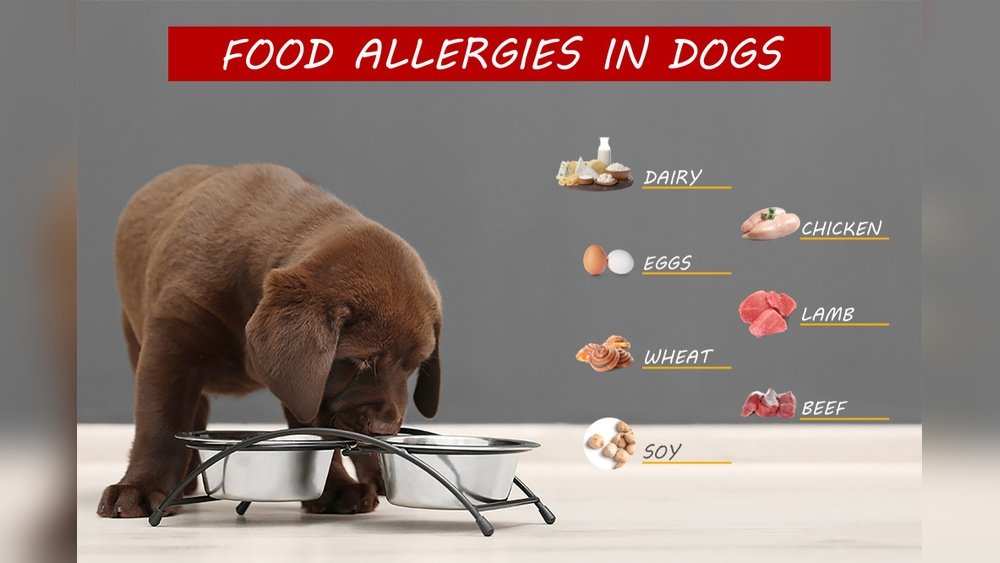
- Wheat: Contains many proteins that can trigger reactions.
- Corn: A cheap filler in dog food, sometimes linked to allergies.
- Soy: While not a grain, it is included in this group and is a common allergen.
- Barley: Less common, but still a possible trigger.
- Oats: Rare, but can cause issues in sensitive dogs.
- Rice: Often thought to be safe, but some dogs can react.
- Rye: Used less often, but still a potential problem.
It’s important to note: A dog allergic to one grain isn’t automatically allergic to all grains. Sometimes, only one type is the problem.
For example, a dog might react badly to wheat but do fine with rice or oats. This is why careful testing and diagnosis are needed. Some commercial dog foods mix many grains together, so reading labels becomes essential if your dog shows signs of allergies.
Another point: Soy is often grouped with grains, but it’s technically a legume. However, it appears in many grain-inclusive dog foods, so it’s often considered alongside true grains when talking about allergies.
How Do Grain Allergies Develop In Dogs?
Grain allergies don’t appear overnight. They develop over time, usually after repeated exposure to the same protein in a dog’s diet. Here’s how it happens:
- Exposure: The dog eats food containing a certain grain.
- Sensitization: The immune system starts to see the grain protein as a threat.
- Reaction: Over time, the immune system attacks the protein, causing symptoms.
This process can be slow. Many dogs eat the same food for years before reacting. Some breeds are more likely to develop food allergies than others. West Highland White Terriers, Cocker Spaniels, and Labrador Retrievers are among the breeds that seem more prone to allergies.
Non-obvious insight: Stress, illness, or even antibiotics can sometimes trigger or worsen allergies by changing how the immune system works.
Many owners do not realize that repeated exposure is a big factor. Feeding the same brand and flavor of food for years increases the chance that a dog’s immune system will see one of the ingredients as an enemy. Rotating between different formulas and proteins can help reduce this risk, especially if you start when your dog is young.
Also, environmental factors such as living in a dusty or moldy house, or exposure to strong cleaning chemicals, can put extra stress on your dog’s immune system. This “background stress” can make allergies more likely to show up or become worse over time.
Common Symptoms Of Grain Allergies In Dogs
The signs of a grain allergy can look like many other problems. This is why many cases are missed or misdiagnosed. Here are the most common symptoms:
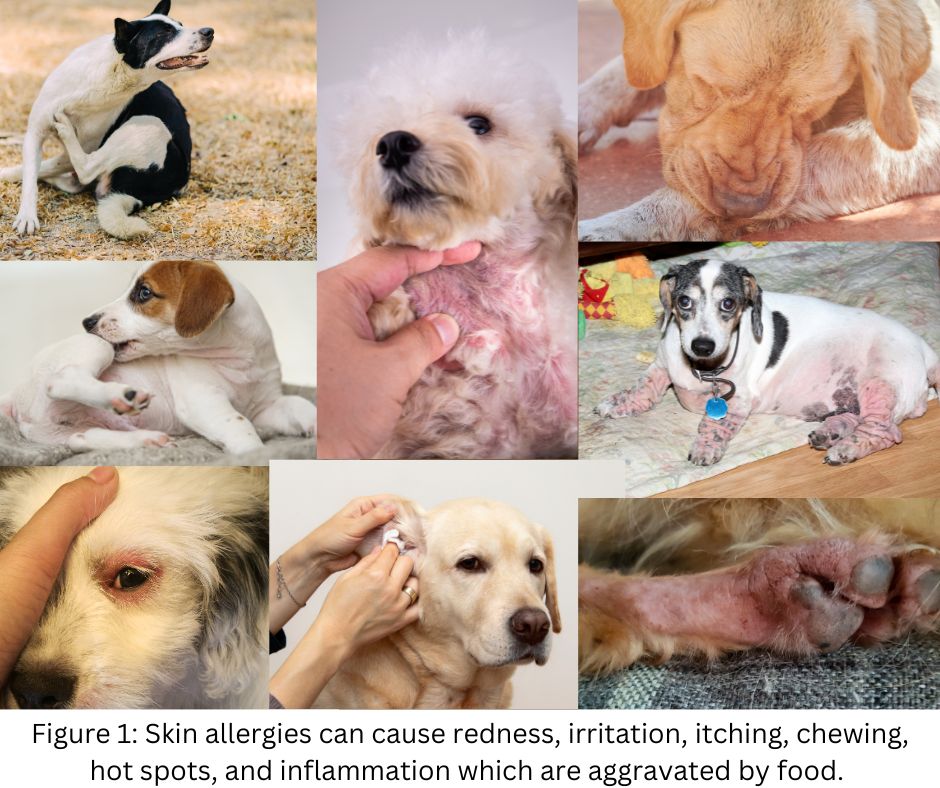
- Itchy skin: Often on the face, paws, belly, or ears.
- Chronic ear infections: Frequent or stubborn ear problems.
- Hair loss: Patches of missing fur or thinning hair.
- Red, inflamed skin: Sometimes with sores or scabs.
- Licking or chewing paws: Dogs may chew or lick their feet constantly.
- Digestive upset: Vomiting, diarrhea, or gas.
- Frequent scratching: More than normal grooming.
It’s easy to think these symptoms are from fleas, dry skin, or another allergy. That’s why a careful diagnosis is needed.
Second non-obvious insight: Some dogs with grain allergies only show digestive signs, with no itching or skin problems at all. This can lead owners to suspect only a sensitive stomach, not a true allergy.
Another detail is that symptoms can be seasonal or come and go. For example, a dog may seem fine most of the year but get worse during spring or fall, when environmental allergies also flare up. This can confuse owners and delay a correct diagnosis.
Sometimes, dogs with chronic ear infections are treated with ear drops and antibiotics over and over, but the real problem is hidden in their food. If your dog’s ear problems or itching return every few months, it’s worth looking at what they eat.
How Grain Allergies Differ From Grain Intolerances
People often mix up allergies and intolerances. Both can cause problems, but they’re not the same thing.
A grain allergy is an immune system reaction. Even a small amount can trigger symptoms.
A grain intolerance doesn’t involve the immune system. It usually means your dog’s body can’t digest certain grains well. This often causes gas, loose stools, or mild tummy trouble—but not the skin or ear problems seen with allergies.
Here’s a quick comparison for clarity:
| Feature | Grain Allergy | Grain Intolerance |
|---|---|---|
| Immune Response | Yes | No |
| Symptoms | Itching, skin, ears, stomach | Mostly digestive issues |
| Amount Needed for Reaction | Very small | Larger amounts |
| Onset | Can be delayed | Usually quick |
Knowing the difference can help you and your vet choose the right treatment and diet.
It’s also important to know that grain intolerance is more common than true grain allergies. Many dogs who have loose stool or mild gas after eating a new food are not allergic—they just can’t digest that ingredient well. Switching to a food with more digestible carbs, like sweet potato, can often solve the problem without needing a full allergy workup.
How Veterinarians Diagnose Grain Allergies
Finding out if your dog is allergic to grains isn’t easy. There’s no single test that gives a quick answer. Instead, vets use a method called an elimination diet trial.
Here’s how the process works:
- Detailed history: Your vet will ask about your dog’s food, treats, and all symptoms.
- Rule out other causes: Fleas, parasites, and infections must be checked first.
- Elimination diet: You feed your dog a special diet with proteins and carbs they’ve never eaten before. This usually lasts 8-12 weeks.
- Monitor symptoms: If symptoms improve, it’s likely a food allergy.
- Re-challenge: Grains are slowly added back one at a time to see if symptoms return.
Blood or skin tests can sometimes help, but they are not always accurate for food allergies. The elimination diet is the gold standard.
Practical tip: Be very strict during the trial. Even small treats or flavored medicines can ruin results.
It’s also helpful to keep a daily diary of your dog’s symptoms and what they eat. This can help your vet spot patterns and make better recommendations. If you have more than one pet, make sure only the dog on the trial gets the special food—shared food bowls can lead to mistakes.
Some owners find it hard to stick to the trial for so many weeks, but it’s the only reliable way to get a clear answer. After the re-challenge, you’ll know exactly which grains (if any) cause trouble. This helps you pick the right food for the long term.
Credit: aeroclubcomo.com
Grain-free Diets: Do They Help?
You might think switching to a grain-free dog food is the answer. After all, these foods are everywhere. But is grain-free really better?
For most dogs, grain-free diets aren’t needed. In fact, some studies show that grains like rice and oats are well-tolerated by most dogs. Grain-free foods became popular after the idea spread that grains were a common cause of allergies, but as you’ve learned, this isn’t always true.
There’s another issue: Some grain-free foods use lentils, peas, or potatoes instead. In recent years, the FDA has looked into a possible link between grain-free diets and a heart condition called canine dilated cardiomyopathy (DCM). While the research is ongoing, it’s a reminder that removing grains isn’t always the safest solution.
Key point: Only use grain-free food if your dog is truly allergic to grains, not just because it sounds healthier.
Many pet owners switch to grain-free food hoping for shinier fur, better digestion, or fewer allergies. But dogs without allergies usually do fine with grains, and removing them can sometimes cause more problems than it solves. For example, some grain-free diets are lower in certain vitamins and minerals that come from grains.
This can lead to nutritional gaps if you’re not careful.
It’s best to focus on overall food quality, not just one ingredient. Look for foods with real meat as the first ingredient, clear labeling, and a good balance of nutrients. If your dog truly needs a grain-free diet, there are safe options, but always check with your vet first.
How To Choose Food For A Dog With Grain Allergy
Selecting the right food is crucial if your dog has a true grain allergy. Here are steps to help you choose wisely:
1. Read Ingredient Labels Carefully
Look for foods labeled as grain-free or “limited ingredient.” But don’t stop at the front label. Check the full ingredient list for hidden grains. Terms like “cereal by-products” or “gluten meal” can be sources of grains.
Remember, some ingredients sound less familiar but are still grains. Brewer’s rice, wheat middlings, and maltodextrin can all come from grains and may cause reactions.
2. Pick A Novel Protein And Carb Source
Choose proteins and carbs your dog hasn’t eaten before. For example, if your dog has always had chicken and rice, try a food with duck and sweet potato.
Novel proteins like venison, rabbit, or even fish can help reduce the chance of a reaction. Rotating proteins every few months can also help prevent new allergies from forming.
3. Avoid Cross-contamination
Even small traces of grain can cause problems for allergic dogs. Choose brands with strong quality controls.
Some companies make their grain-free foods in the same factory as grain-based foods, which can lead to contamination. If your dog is highly sensitive, contact the company to ask about their cleaning processes.
4. Consider Home-cooked Diets
Making your own dog food allows full control. Work with a veterinary nutritionist to ensure the diet is balanced.
Home-cooked diets are especially helpful for dogs with multiple allergies. You can prepare a week’s worth of food in advance and freeze single portions for easy use.
5. Monitor For Improvements
Give any new diet at least 8-12 weeks. Take notes on your dog’s symptoms and energy.
Sudden changes in your dog’s condition—like new itching or diarrhea—can sometimes mean another allergy has developed or the new food isn’t right. If you’re not seeing improvement, go back to your vet for more help.
Beginner mistake: Switching foods too often or not giving the new diet enough time to work.
Another common mistake is adding treats or table scraps during the trial. Even a little bit can bring back allergy symptoms, making it hard to know if the main food is working.

Credit: www.suyogrubber.com
Homemade Diets For Dogs With Grain Allergies
Some owners prefer making food at home to avoid hidden ingredients. Here’s a simple, balanced recipe you can discuss with your vet:
- Protein: 1 pound ground turkey or lean beef
- Carbohydrate: 1 cup cooked sweet potato
- Vegetables: 1/2 cup chopped green beans, 1/2 cup carrots
- Oil: 1 tablespoon olive oil
- Calcium: 1/2 teaspoon ground eggshell or a canine calcium supplement
Cook the meat thoroughly. Steam or boil the vegetables. Mix all ingredients and let cool. This recipe makes about 4 servings for a medium-sized dog.
Essential tip: Home-cooked diets must be balanced. Dogs need the right mix of protein, fat, vitamins, and minerals. Never feed a homemade diet long-term without guidance from a vet or nutritionist.
If you want to add variety, you can also use fish (like salmon) or lamb as the protein, and try pumpkin or butternut squash instead of sweet potato. Adding a canine multivitamin (approved by your vet) will help fill any nutrient gaps.
Commercial Grain-free Dog Food Brands
If you prefer ready-made dog food, here are some brands known for quality grain-free formulas. Always double-check for recalls and ingredient changes.
| Brand | Main Protein | Main Carb Source | Special Features |
|---|---|---|---|
| Wellness CORE | Turkey & Chicken | Peas, Potatoes | High-protein, no grains |
| Blue Buffalo Basics | Salmon, Duck | Pumpkin, Potato | Limited ingredients |
| Zignature | Lamb, Trout | Chickpeas | Single protein source |
| Natural Balance L.I.D. | Duck, Salmon | Potato, Pea | Grain-free, limited ingredients |
| Merrick Grain Free | Beef, Chicken | Sweet Potato | High-quality, no fillers |
Remember, the best food is the one that works for your dog. There is no single “perfect” brand for every allergic pet.
Another tip: Always introduce a new brand slowly, especially if your dog is very sensitive. And, check recent reviews or recalls online, as formulas can change without warning.
Are Ancient Grains Safer For Allergic Dogs?
Recently, some brands use ancient grains like quinoa, amaranth, or millet in their foods. Are these safer?
Ancient grains are less processed and sometimes easier to digest. But, a dog allergic to one grain may also react to another. Some dogs with wheat allergies can eat oats or barley, but not always. If you want to try ancient grains, do so with your vet’s guidance.
It’s also worth noting that ancient grains can provide extra nutrients like fiber, magnesium, and B vitamins. But for a dog with a true grain allergy, even ancient grains can trigger symptoms. Always introduce new grains one at a time, and watch your dog closely for any sign of trouble.
Possible Risks Of Grain-free Diets
Grain-free isn’t always risk-free. Here are things to watch for:
- Nutritional gaps: Some grain-free foods lack important nutrients.
- Heart disease risk: As mentioned earlier, there may be a link between certain grain-free diets and heart problems like DCM.
- Cost: Grain-free foods are often more expensive, but not always better.
Non-obvious insight: Some “grain-free” foods replace grains with ingredients that are even more likely to cause intolerances, such as peas or potatoes.
Another risk is that removing grains can sometimes increase the fat or calorie content, which can lead to weight gain if you’re not careful. Always check the feeding guidelines and adjust portion sizes as needed. If you notice your dog gaining or losing weight after switching foods, talk to your vet.

Credit: www.houndsy.com
How To Transition Your Dog To A New Diet
Switching your dog to a new food—especially after a diagnosis—must be done slowly. A sudden change can cause stomach upset, even if the new food is better.
Here’s a safe way to transition:
- Days 1–3: Mix 75% old food with 25% new food.
- Days 4–6: Mix 50% old with 50% new.
- Days 7–9: Mix 25% old with 75% new.
- Day 10 onwards: 100% new food.
Watch for vomiting, diarrhea, or refusal to eat. Go slower if problems appear.
Also, make sure to keep your dog’s water bowl clean and full at all times during a diet change. Some dogs may drink more or less, depending on the new food’s salt or protein content.
If your dog is very sensitive or has a history of stomach problems, you can stretch the transition over two full weeks. The main goal is to keep your dog comfortable and healthy during the change.
What To Do If Your Dog Accidentally Eats Grain
Accidents happen. If your allergic dog eats grain, watch them closely. Mild cases may only need observation. Severe reactions (like swelling, hives, or trouble breathing) are rare but require an urgent trip to the vet.
For most dogs, you may see increased itching or stomach upset for a few days. Contact your vet if you’re unsure.
To help your dog recover, keep them on a bland diet (such as boiled chicken and sweet potato) for a day or two, and avoid giving any treats or extras. Resume their regular grain-free food as soon as they’re feeling better.
If your dog has a known history of severe reactions, ask your vet if you should keep an emergency medication (like an antihistamine) at home.
Other Causes Of Itching And Digestive Issues
Many things can mimic grain allergies:
- Fleas: Even one bite can cause severe itching.
- Environmental allergies: Pollen, dust, mold, or grass can all trigger symptoms.
- Food allergies to other ingredients: Chicken, beef, or dairy are actually more common than grains.
- Parasites: Mites or worms can lead to itching or stomach trouble.
Always rule out these problems before blaming grains.
It’s a good idea to treat your dog with a high-quality flea preventive and keep their living area clean. Regular vet visits, stool checks for parasites, and watching for seasonal changes in symptoms can help you and your vet identify the true cause.
The Debate: Do Dogs Really Need Grain?
Some pet food ads suggest that dogs are “wolf descendants” and don’t need grains. While dogs evolved from wolves, their digestive systems have changed. Modern dogs can digest starches better than their wild cousins.
Research shows that most dogs do fine with grains like rice and oats. Grains can be a healthy source of energy, fiber, and nutrients. Only dogs with true allergies or intolerances need to avoid them.
In fact, some grains provide important antioxidants, vitamins, and minerals. For active dogs, grains can be a steady energy source without overloading the diet with fat or protein.
Myths And Facts About Grain Allergies In Dogs
Let’s clear up some common myths:
- Myth: All dogs should eat grain-free food.
- Fact: Only dogs with a true allergy or intolerance need grain-free diets.
- Myth: Grain allergies are very common.
- Fact: True grain allergies are rare. Most food allergies are caused by animal proteins.
- Myth: Grains are just fillers.
- Fact: Quality grains provide nutrients and energy.
- Myth: Grain-free diets are always healthier.
- Fact: Grain-free isn’t automatically better and may pose other risks.
Also, some people believe that “gluten-free” means the same as “grain-free. ” In reality, gluten is just one protein found in some grains. Many grains are gluten-free but can still cause allergies.
How To Prevent Grain Allergies In Dogs
There’s no sure way to prevent allergies, but you can lower the risk:
- Rotate proteins and carbs: Don’t feed the same food for years.
- Feed high-quality diets: Choose foods with named proteins and grains.
- Avoid overuse of antibiotics: These can change your dog’s gut health.
- Keep your dog at a healthy weight: Obesity can worsen allergy risks.
Pro tip: Early exposure to many foods may help prevent allergies, but always introduce new foods slowly.
Regular grooming and skin care can also help. Clean ears and healthy skin are less likely to develop secondary infections if your dog does have a mild allergy.
Treatment Options For Dogs With Grain Allergies
The main treatment for a grain allergy is to avoid all offending grains. But what if your dog is already itchy or suffering?
- Medications: In some cases, vets may prescribe antihistamines, steroids, or special shampoos to control itching while the diet changes take effect.
- Supplements: Omega-3 fatty acids (like fish oil) can help soothe skin.
- Topical sprays: These can give temporary relief for sore, itchy spots.
But remember: Medication alone won’t solve the problem if grains are still in the diet.
For dogs with severe skin problems, your vet might also recommend special baths or prescription creams. These treatments help reduce inflammation and make your dog more comfortable while you wait for the diet change to work.
Long-term Outlook For Dogs With Grain Allergies
With good management, most dogs with grain allergies live long, happy lives. Once the right diet is found, symptoms often disappear within weeks. Some dogs may need lifelong special diets, while others outgrow their allergies over time.
Regular vet check-ups are important. Allergies can change, and new ones can appear, so keep your vet updated on any new symptoms.
You’ll also want to keep a list of safe treats, chews, and table scraps your dog can have, as even a small amount of grain can bring symptoms back. Some owners find it helpful to prepare homemade treats in batches and freeze them for later.
Real-life Example: Max’s Story
Max, a four-year-old Golden Retriever, started losing hair and scratching his ears all the time. His owner tried new shampoos and flea treatments but nothing worked. The vet recommended an elimination diet. After eight weeks of a duck and potato food, Max’s itching stopped.
When wheat was added back, his symptoms returned in days. Max now eats a grain-free diet and is back to his happy, playful self.
This shows how a careful approach can solve even tough allergy problems.
Another example: Bella, a small mixed breed, had constant diarrhea and upset stomach. Her owner thought it was just a sensitive stomach, but after switching her to a homemade diet with no grains, Bella’s symptoms disappeared. This highlights how digestive problems alone can sometimes be a sign of a grain allergy, even without skin symptoms.
The Role Of Veterinary Nutritionists
If you’re struggling with what to feed your allergic dog, a veterinary nutritionist can help. They can design a balanced, safe diet, especially if you want to cook at home. Some nutritionists can even work with your regular vet to create recipes tailored to your dog’s needs.
Tip: Look for board-certified veterinary nutritionists for the best advice.
Nutritionists can also check for any missing nutrients in your dog’s current food and suggest safe supplements if needed. This is especially useful for dogs with more than one allergy or a sensitive stomach.
Key Takeaways
- Dogs can be allergic to grains, but it’s rare compared to other allergies.
- True grain allergies cause immune reactions, not just mild stomach upset.
- Symptoms can include itching, ear infections, and digestive issues.
- Diagnosis requires strict elimination diets.
- Only feed grain-free food if your dog is truly allergic.
- Work with your vet for diagnosis and diet planning.
If you want more scientific detail, you can check this research summary on the American Veterinary Medical Association website.
Frequently Asked Questions
Can Dogs Really Be Allergic To Grains?
Yes, but it’s rare. Most food allergies in dogs are caused by animal proteins like beef or chicken. Only a small number of dogs have true grain allergies.
What Are The Symptoms Of A Grain Allergy In Dogs?
Common signs include itchy skin, chronic ear infections, hair loss, red or inflamed skin, licking or chewing of paws, and digestive upset. These can look like other problems, so a proper diagnosis is needed.
How Do I Know If My Dog Has A Grain Allergy Or Just An Intolerance?
A grain allergy involves the immune system and can cause skin, ear, and stomach problems. An intolerance usually only affects the digestive system and doesn’t cause itching or ear infections. An elimination diet is the best way to tell.
Should All Dogs Eat Grain-free Food?
No. Only dogs with a confirmed grain allergy or intolerance need grain-free food. Most dogs do well with grains, and grain-free diets can carry other risks.
How Long Does It Take For A Dog To Improve On A Grain-free Diet?
It can take 8-12 weeks to see full improvement after switching to a grain-free diet, if your dog is truly allergic. Be patient and follow your vet’s guidance.
Helping your dog live well with a grain allergy takes patience, observation, and teamwork with your vet. With the right approach, you can keep your dog happy, healthy, and itch-free for years to come.