Traveling with your pet can be exciting but also stressful, especially when it comes to meeting airline rules. Many pet owners find airline pet carrier requirements confusing. There are size restrictions, material preferences, ventilation needs, and different rules for cabin or cargo. Missing one detail can mean your pet is denied boarding or put at risk. This guide explains everything you need to know about airline pet carrier requirements so you and your furry friend can travel safely and confidently.
Why Airlines Have Strict Pet Carrier Rules
Airlines do not make pet carrier rules just to be difficult. The main reason is safety—for your pet, for passengers, and for airline staff. During a flight, pets need to be secure so they do not escape or get hurt. A good carrier also keeps the pet calm by limiting outside distractions. For the airline, clear rules mean less risk and smoother travel for everyone.
Some people think airlines only care about size, but there is much more to it. Regulations focus on ventilation, strength, security, and comfort. Poorly designed carriers can collapse, leak, or let pets escape. In some sad cases, pets have even been injured or lost because of bad carriers or ignoring requirements. Understanding the full picture is essential for a safe trip.
Types Of Airline Pet Travel: Cabin Vs. Cargo
Before buying a carrier, you need to know how your pet will travel. Airlines usually allow pets in one of two ways:
- Cabin: Smaller pets travel with you under the seat in front.
- Cargo: Larger pets travel in the cargo hold in a special pet compartment.
Each option has very different carrier requirements. Some airlines also offer “excess baggage” options or special animal transport services, but these are less common for pets.
What Determines Cabin Or Cargo?
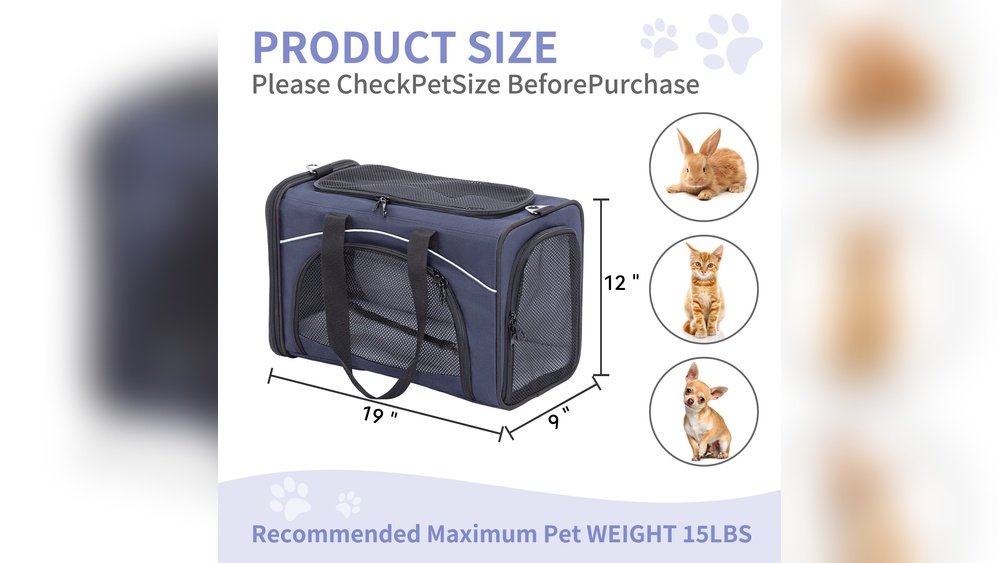
- Pet size and weight: Cabin travel is for pets that fit under the seat, usually under 15-20 lbs (about 7-9 kg) with the carrier.
- Airline policy: Some airlines do not allow pets in the cabin at all. Others only allow certain species.
- Flight duration and destination: Long international flights or certain countries may require cargo travel.
It is crucial to check your specific airline’s rules before booking.
Credit: www.roverlund.com
General Airline Pet Carrier Requirements
While every airline has its own rules, many follow common guidelines set by organizations like the International Air Transport Association (IATA) and national aviation authorities. Here are the most important general requirements:
- The carrier must be well-ventilated on at least two sides (usually more).
- It must be secure—no parts that can pop open or break easily.
- The pet must be able to stand up, turn around, and lie down comfortably.
- The carrier must prevent leaks (especially for dogs and cats).
- No part of the pet (tail, paw, nose) should stick out.
- Carriers must fit under the seat for cabin travel.
Let’s go deeper into each requirement and see how they are applied in real situations.
Size And Dimension Limits
Probably the most confusing part of airline pet carrier requirements is the size limit. There is no “one size fits all” because every airline—and sometimes every aircraft model—has different under-seat space.
Typical Cabin Carrier Size Limits
Most airlines set a maximum for height, width, and length. Here are sample limits from several major carriers:
| Airline | Max Length (in/cm) | Max Width (in/cm) | Max Height (in/cm) |
|---|---|---|---|
| American Airlines | 18 / 45 | 11 / 28 | 11 / 28 |
| Delta | 18 / 46 | 11 / 28 | 11 / 28 |
| United | 18 / 46 | 11 / 28 | 11 / 28 |
| Lufthansa | 22 / 55 | 16 / 40 | 9 / 23 |
| Air Canada | 21.5 / 55 | 15.5 / 40 | 10 / 27 |
Key Insight: The *actual* space under the seat may be smaller than the published maximums, especially on smaller planes. Some carriers may have different limits for hard-sided and soft-sided carriers.
Cargo Carrier Size Requirements
Cargo carriers must be larger so pets can move more. They are measured by the pet’s size—not just a fixed box size. IATA recommends:
- Your pet should be able to stand, turn, and lie in a natural position.
- Add at least 3-4 inches (7-10 cm) to your pet’s length and height to find the right carrier size.
Common Mistake: Many owners pick a carrier that “just fits” their pet. This can cause stress or even injury during the flight. Always choose a slightly larger carrier if possible (but not too big that the pet slides around).
Material And Construction Standards
Not all carriers are accepted. Airlines require specific materials to ensure safety and hygiene.
Cabin Carrier Materials
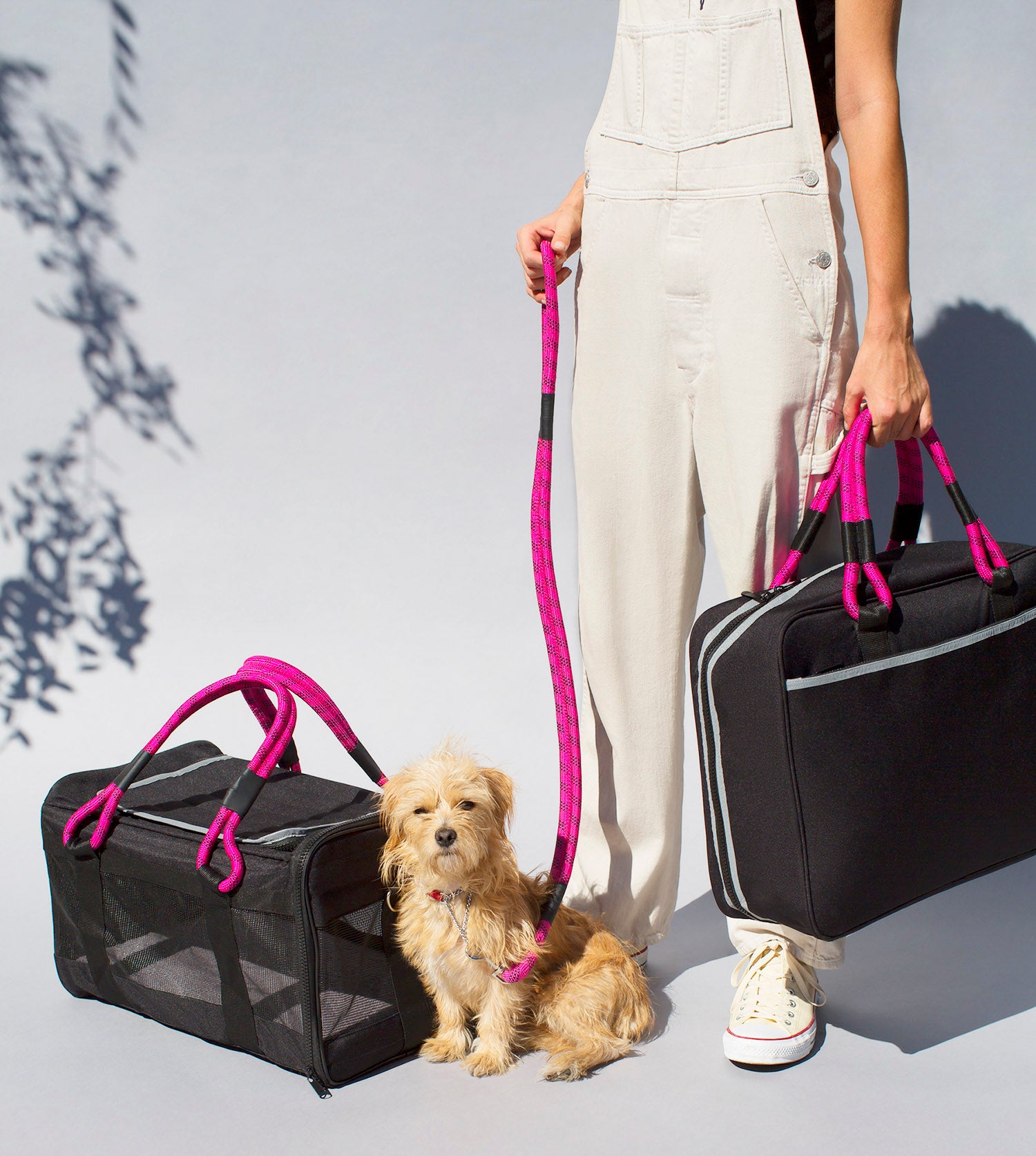
- Soft-sided carriers: Often made from durable nylon or polyester. Must keep their shape but also fit under the seat when squished a bit.
- Hard-sided carriers: Made from plastic or fiberglass. Generally more protective but less flexible for fitting under seats.
Cargo Carrier Materials
- Must be hard-sided—usually tough plastic or fiberglass.
- No metal mesh or wire crates allowed.
- The door must be metal, not plastic, and close securely.
- No wheels (or must be removed/taped so the crate cannot roll).
Non-Obvious Insight: Some owners use modified carriers (e.g., add wheels or zip ties). Airlines can reject these if they do not match the official standard. Always use IATA-approved crates for cargo.
Ventilation And Airflow
A well-ventilated carrier is vital. Lack of air can make pets anxious or even lead to health problems.
- Cabin carriers must have ventilation on at least two sides.
- Cargo carriers usually need ventilation on three or four sides.
- Openings must be small enough so pets cannot escape or get paws stuck.
Some airlines want at least 16% of the carrier’s surface to be open for airflow. Check for mesh panels or holes.
Tip: If traveling to a hot climate, extra ventilation is better. But avoid carriers with large holes that make pets feel unsafe.
Secure Closures And Fastenings
A carrier must stay shut—no matter what. Airlines will inspect the carrier door and zippers.
- Cabin carriers: Zippers must close fully with no gaps. Some airlines require double zippers that can be locked together.
- Cargo carriers: The door must have a strong locking mechanism. Some airlines require extra cable ties or fasteners at the corners.
Beginner Mistake: Using a worn-out carrier with loose zippers or broken latches. Always check closures before your trip.
Leak-proof And Cleanable Base
Pets can have accidents during flights, especially if stressed or on long trips.
- The base must be waterproof and not allow leaks.
- Many airlines require an absorbent pad or liner inside.
- The carrier must be easy to clean in case of accidents.
Pro Tip: Bring extra pads or liners, and never use loose towels (they can bunch up and block ventilation).
Comfort And Space For Your Pet
Airlines say the pet must be able to “stand, turn, and lie down comfortably. ” But what does that really mean?
- Measure your pet from the nose to the base of the tail, and from the floor to the top of the head.
- Add a few inches to each to get the minimum carrier size.
- Your pet should not touch the roof of the carrier when standing.
- There must be enough room to lie down without being curled up tightly.
Real Example: A dog that is 12 inches tall and 18 inches long needs a carrier at least 14 inches high and 20-22 inches long.
Airline-specific Pet Carrier Policies
Airlines often have their own detailed rules. Here are some examples from popular carriers:
American Airlines
- Only one pet per carrier.
- Carrier must fit under the seat in front.
- Maximum carrier size: 18” x 11” x 11” (45 x 28 x 28 cm).
- Soft-sided carriers are allowed but must not be larger than the space under the seat.
Delta
- Similar limits: 18” x 11” x 11” (46 x 28 x 28 cm).
- Soft or hard carriers accepted.
- Only certain aircraft allow pets in the cabin.
United Airlines
- Same basic size limits for cabin.
- Requires proof that the pet can stand and turn around.
- Cargo carriers must meet IATA standards.
Lufthansa
- Cabin carrier: 22” x 16” x 9” (55 x 40 x 23 cm).
- Pet and carrier together must not weigh more than 17 lbs (8 kg).
- Pets in cargo must have a hard-sided crate.
Air Canada
- Soft-sided or hard-sided carriers.
- Carrier must be leak-proof and well-ventilated.
- Size: Up to 21.5” x 15.5” x 10” (55 x 40 x 27 cm).
Non-Obvious Insight: Some airlines limit the number of pets in the cabin per flight. Book early, especially on busy travel days.
Country And Destination Rules
Your destination may have extra rules for pet carriers, especially for international travel.
- Many countries require IATA-compliant carriers for all flights.
- Some require extra labeling (pet’s name, your contact info, feeding instructions).
- Certain countries, like Australia and the UK, do not allow pets in the cabin at all.
- For some destinations, pets must arrive as manifest cargo, not excess baggage.
Important: Always check both the airline and destination country rules. Not doing so can mean your pet is refused entry.
Documentation And Carrier Labeling
Airlines require more than just the right carrier. You will need:
- Proof of vaccination and health certificates.
- Carrier labeled with your name, address, phone number, and pet’s name.
- Some airlines want feeding and care instructions attached to the carrier.
For cargo, you may also need:
- Photo of your pet taped to the carrier.
- Emergency contact information.
- “Live Animal” stickers on all sides.
Beginner Mistake: Using only a luggage tag. Airlines want detailed labeling, and losing a tag can cause problems.

Credit: arloskye.com
Carrier Training And Preparation
Even if your carrier is perfect, your pet will not be happy if it is not used to being inside.
Tips for carrier training:
- Start weeks before your trip.
- Let your pet explore the carrier at home, with treats and toys.
- Take short car rides with your pet in the carrier.
- Feed your pet in the carrier to build positive feelings.
- Never use the carrier as punishment.
Pro Insight: Airlines sometimes deny boarding to pets that bark, yowl, or panic in the carrier. Proper training can prevent this.
Special Requirements For Service And Emotional Support Animals
Service animals usually do not need a carrier if they travel in the cabin. But you must provide documentation, and the animal must fit at your feet without blocking aisles.
Emotional support animals (ESAs) are now treated as pets by most airlines, meaning they must travel in a carrier and meet all normal requirements.
Always check your airline’s current policy—rules for ESAs and service animals have changed recently.
Breed And Species Restrictions
Not all pets are allowed on planes. Airlines often ban:
- Snub-nosed (brachycephalic) breeds: Bulldogs, pugs, Persian cats, etc. These breeds have trouble breathing and are at higher risk in flight.
- Aggressive breeds: Some airlines ban certain dog breeds considered aggressive.
- Exotic pets: Reptiles, rodents, and birds are often not allowed in the cabin.
Some airlines refuse to carry certain species or breeds in cargo, especially during hot or cold weather.
Pet Carrier Comparison: Soft-sided Vs. Hard-sided
Choosing between a soft-sided and hard-sided carrier is not just about airline rules. It affects your pet’s comfort and safety.
| Feature | Soft-Sided Carrier | Hard-Sided Carrier |
|---|---|---|
| Airline Cabin Accepted | Yes (most airlines) | Yes (some airlines) |
| Cargo Accepted | No | Yes (IATA required) |
| Flexibility | Can squeeze under seat | No flexibility |
| Protection | Moderate | High |
| Weight | Lighter | Heavier |
| Cleaning | Usually machine washable | Easy to wipe down |
| Price | Lower | Higher |
Non-Obvious Insight: For short flights, soft-sided carriers may be more comfortable and less stressful for pets. For long international cargo travel, always choose a hard-sided crate.
Choosing The Right Carrier: Step-by-step
Many pet owners feel lost when shopping for a carrier. Here’s a practical way to make the right choice:
- Check your airline’s rules: Get the specific measurements and requirements for your flight and aircraft type.
- Measure your pet: From nose to tail and floor to head. Add a few inches.
- Decide cabin or cargo: Based on your pet’s size and airline policy.
- Choose material: Soft-sided for cabin, hard-sided for cargo.
- Inspect ventilation: At least two sides for cabin, three or four for cargo.
- Test the fit: Your pet should be able to stand, turn, and lie down.
- Check zippers and locks: Must close securely.
- Leak-proof base: Always use an absorbent liner or pad.
- Practice with your pet: Let them get used to the carrier before flying.
Pro Tip: Bring your own measuring tape to the airport. Airline staff sometimes check carrier size at the gate.
What Not To Do: Common Mistakes
Over the years, travelers have made many mistakes when flying with pets. Avoid these to keep your trip smooth:
- Buying a carrier that is too small or too large.
- Ignoring weight limits for pet plus carrier.
- Using a carrier with broken parts or poor ventilation.
- Forgetting to label the carrier clearly.
- Assuming all airlines have the same rules.
- Not preparing your pet for the carrier experience.
- Skipping the health check before flying.
Weather And Temperature Considerations
Airlines may refuse to transport pets in cargo if the outside temperature is too hot or cold. Most airlines have limits, such as:
- No pets in cargo if temperatures are above 85°F (29°C) or below 45°F (7°C) at any airport on your route.
- Some airlines provide “heat embargoes” or “cold embargoes” for certain months.
Key Insight: Cabin travel is less affected by weather, but always check for exceptions.
Additional Airline Fees And Booking Process
Most airlines charge extra fees for pets, both in the cabin and cargo. These fees can range from $75 to $500 one way, depending on the airline and route.
- You must usually reserve a space for your pet in advance.
- Some airlines limit the number of pets per flight.
- Fees are often non-refundable, even if your pet is denied boarding.
Pro Tip: Book your own seat first, then call the airline to add your pet. Last-minute bookings are risky.
Health And Safety Preparation
Before your flight, make sure your pet is ready:
- Visit a vet for a health check and required vaccinations.
- Do not feed your pet a large meal right before the flight.
- Provide water but avoid overfilling bowls (can spill).
- Consider a calming pheromone spray or familiar blanket.
- For long flights, discuss with your vet if a mild sedative is needed (never sedate without vet advice).
Non-Obvious Insight: Some airlines ban sedated pets in cargo, as sedation can cause breathing problems at altitude.
Special Situations: Multi-pet Travel, Puppies, And Kittens
- Multiple pets: Most airlines allow only one pet per carrier. Sometimes two small animals of the same species and similar size can share a carrier if they fit comfortably (check airline rules).
- Young animals: Many airlines ban puppies or kittens under 8–12 weeks old from flying.
- Pregnant animals: Usually not allowed to travel by air.
Pro Tip: If you must travel with more than one pet, contact the airline for special arrangements.
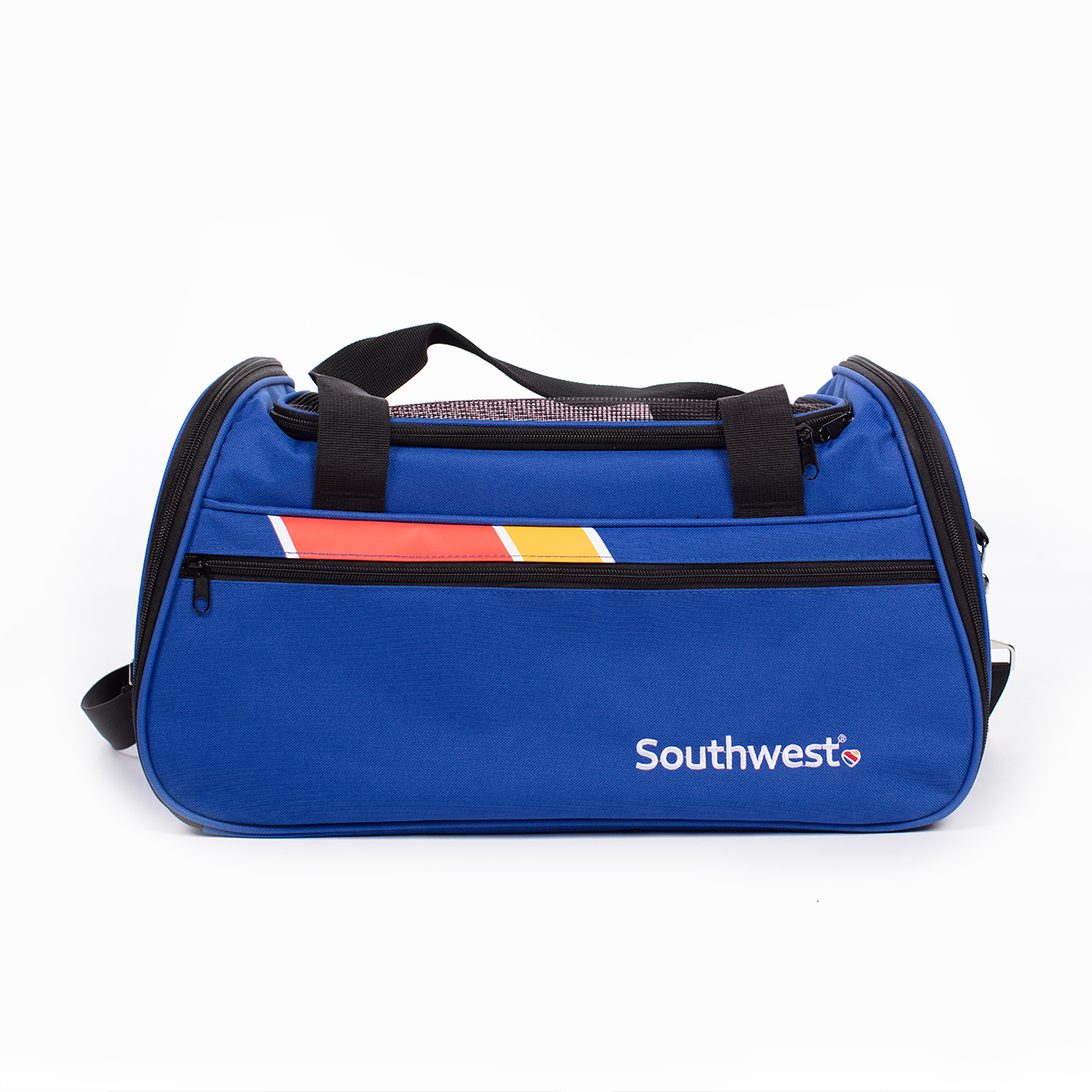
Credit: www.swathestore.com
What Happens At The Airport
On travel day, here’s what to expect:
- Check-in: Show documents and carrier for inspection.
- Security: Remove your pet from the carrier and carry them through the metal detector. The carrier is X-rayed separately.
- Boarding: Place the carrier under the seat (cabin) or hand over for cargo.
- Arrival: Pick up your pet at baggage claim (cargo) or carry out as normal (cabin).
Key Insight: Some airports have pet relief areas. Know their locations in advance, especially for layovers.
International Travel: Extra Steps
Traveling internationally with your pet is more complex:
- Research destination country rules (quarantine, banned breeds, etc. ).
- Get an international health certificate, usually within 10 days of travel.
- Microchipping may be required.
- Some countries have long quarantine periods, even with the right carrier.
Check the latest information on the destination country’s government or embassy website. For up-to-date airline and international pet travel guidelines, see the IATA Live Animals Regulations.
Airline Cargo Pet Carrier Standards: Extra Detail
For pets flying as cargo, the IATA has strict requirements:
- The crate must be made of rigid plastic, wood, or metal (no cardboard or soft sides).
- No part of the pet should touch the top of the crate when standing.
- The crate must have handles for safe lifting.
- Doors must be metal and lock securely.
- Food and water bowls must be attached to the inside of the door and accessible from outside.
- No toys or loose objects inside that could choke the animal.
Airlines can refuse any crate that does not meet these standards—even if it is sold as “airline approved. ”
Preparing For The Unexpected
Travel can bring surprises. Always have a backup plan:
- Bring extra food, water, and a leash.
- Have digital and paper copies of your pet’s documents.
- Know the nearest vet at your destination.
- If your pet is denied boarding, have a friend or kennel ready to help.
Non-Obvious Insight: Some airports have pet hotels or holding areas if your flight is delayed or canceled.
Frequently Asked Questions
What Happens If My Pet Carrier Is A Little Bigger Than The Airline’s Size Limit?
Most airlines are strict. If the carrier cannot fit under the seat, you may be denied boarding or forced to put your pet in cargo. Always follow the published limits exactly.
Can I Use A Backpack-style Pet Carrier On A Flight?
Some airlines allow backpack carriers if they meet all size and ventilation rules. However, they must fit under the seat and be leak-proof. Double-check with your airline before traveling.
Are There Any “universal” Airline-approved Pet Carriers?
No. There is no single carrier that fits every airline’s requirements. Always check your specific airline’s measurements and rules for each flight.
Can I Sedate My Pet For A Flight?
You should never sedate your pet unless your vet specifically recommends it. Sedation can cause breathing problems at altitude. Many airlines forbid sedated pets in cargo.
How Early Should I Arrive At The Airport When Flying With A Pet?
Arrive at least 2–3 hours before departure for domestic flights, and 3–4 hours for international flights. Pet check-in and inspection take extra time.
Traveling with your pet is possible when you follow all airline pet carrier requirements carefully. Each detail—size, material, ventilation, security—matters for your pet’s safety and comfort. Start preparing early, double-check every rule, and choose your carrier wisely. This way, you and your pet can enjoy a smoother, less stressful trip together.