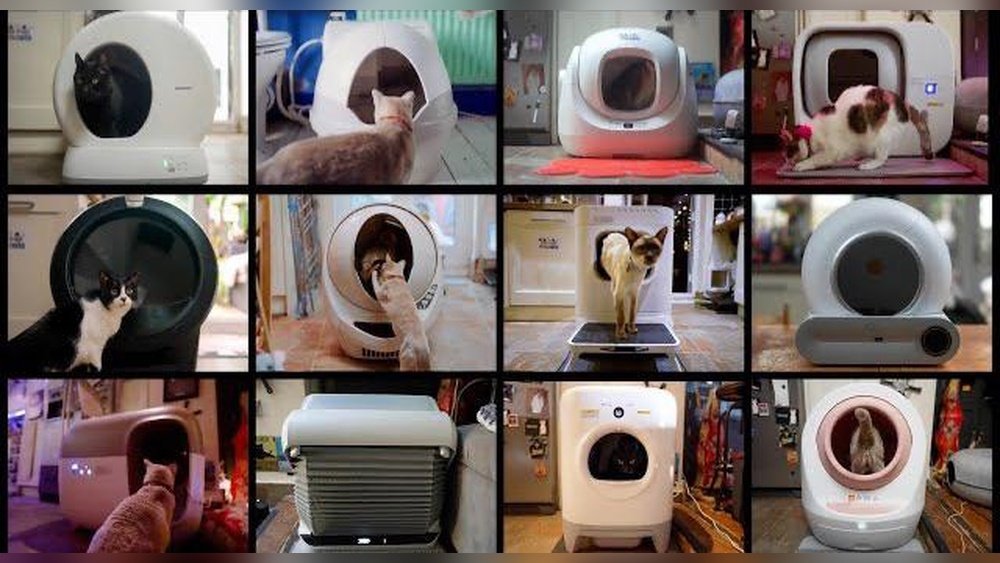
Every cat owner knows the daily struggle with the litter box. Cleaning, scooping, and dealing with smells are not the most enjoyable tasks. With busy lives and higher expectations for pet care, many people look for a solution that saves time and keeps their homes cleaner. That’s where automatic litter boxes come in. These smart devices promise to handle the dirty work for you, but are they really worth the price and hype? Let’s dive deep into the facts, advantages, drawbacks, and real-world experiences to help you decide if an automatic litter box is a smart investment for you and your feline friend.
What Is An Automatic Litter Box?
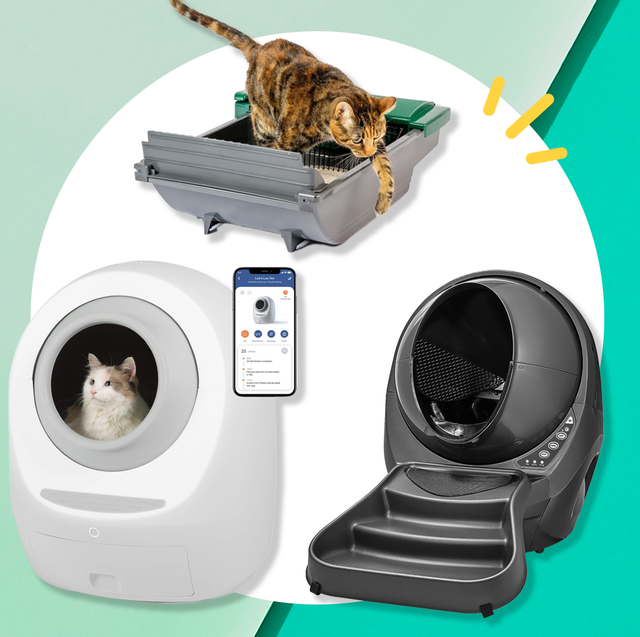
An automatic litter box is a self-cleaning device designed to reduce or eliminate the need for manual scooping. These boxes use sensors, timers, or mechanical rakes to detect when your cat has used the litter and then clean the waste into a separate compartment. Most units need you to empty this compartment every few days, but the actual scooping is done by the machine.
There are several types:
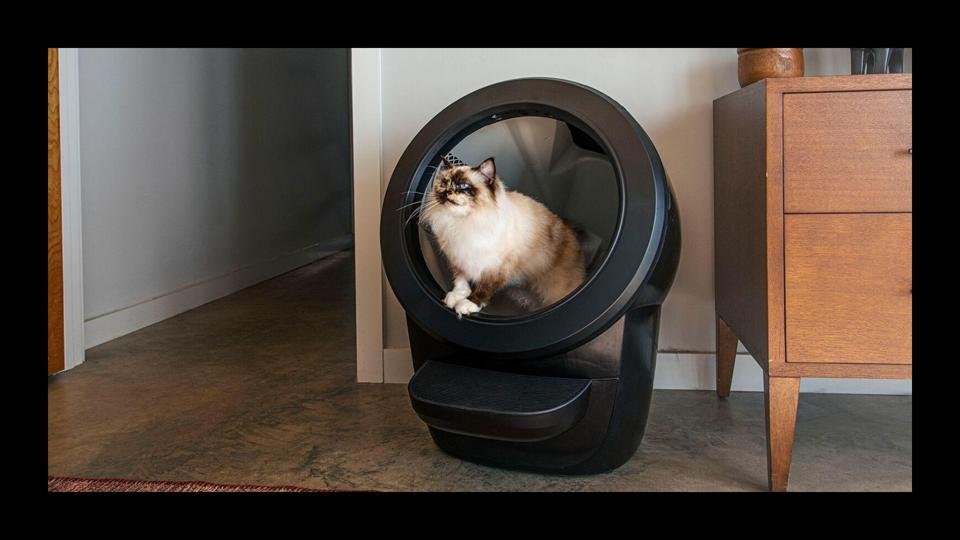
- Rake-based: A mechanical rake moves through the litter, collecting clumps into a waste bin.
- Rotating sifter: The whole box rotates or tilts, sifting clean litter from waste.
- Flushable: Some advanced boxes connect to your plumbing and flush waste directly.
- Conveyor: A belt moves waste away after the cat leaves.
These devices use sensors to ensure the cat is not inside during cleaning, and some even have smartphone apps for remote monitoring.
The Benefits Of Automatic Litter Boxes
1. Less Manual Scooping
The main reason people buy automatic litter boxes is to avoid daily scooping. For busy owners, elderly people, or those with mobility issues, this is a big advantage. Most units only need emptying once or twice a week instead of daily scooping.
2. Odor Control
Automatic litter boxes often seal waste in a closed compartment, which reduces bad smells in your home. Many also use carbon filters or deodorizing technology. For people living in small apartments or sensitive to smells, this can be a big upgrade.
3. Cleaner Environment
Because waste is removed quickly, the litter box stays cleaner. This means fewer bacteria and less chance of your cat stepping on dirty litter. It can also reduce the spread of germs, especially in homes with multiple cats.
4. Time Savings
An average cat owner spends 5–10 minutes daily cleaning the litter box. Over a year, that’s more than 30 hours. Automatic boxes give you this time back, especially if you have more than one cat.
5. Convenience For Multi-cat Homes
Manual scooping gets much harder with more cats. Automatic boxes are often rated for two or three cats and can keep up with higher usage, making life easier for multi-cat households.
6. Health Monitoring
Some smart litter boxes track your cat’s visits, weight, and bathroom habits. This data can help spot health problems early, such as urinary issues or sudden changes in behavior.
7. Less Litter Tracking
Some models have covered entries or built-in mats to reduce the litter that sticks to your cat’s paws. This means less cleaning around the box.
Potential Drawbacks And Concerns
1. High Upfront Cost
Automatic litter boxes are expensive. Most models cost between $150 and $700, compared to $10–$40 for a manual box. This is a serious investment, especially for first-time buyers.
2. Ongoing Costs
You may need to buy special waste trays, liners, or branded litter. Some boxes only work with their own supplies, which are more expensive than standard litter.
3. Noise And Cat Acceptance
The cleaning mechanisms can be noisy. Some cats are scared of the sounds and moving parts, especially at first. Timid cats might refuse to use the box or take time to adjust.
4. Maintenance And Cleaning
While you scoop less, you still need to clean sensors, rakes, and compartments. These parts can get clogged with litter dust and need regular cleaning to work well.
5. Potential For Breakdowns
Automatic boxes have electronics and moving parts that can fail. Common issues include stuck rakes, sensor problems, or full waste bins that don’t trigger alerts. Warranty and customer service quality varies by brand.
6. Size And Placement
These boxes are usually larger than manual ones and need space for the motor and waste compartment. Finding a spot in a small apartment can be tricky.
7. Not Always Suitable For All Cats
Kittens under six months, very small or large cats, or cats with certain health issues may not be a good fit for some models. For example, very large cats might not fit inside, while light kittens may not trigger the sensors properly.
How Automatic Litter Boxes Compare To Manual Boxes
To see the differences clearly, here’s a comparison of key factors:
| Feature | Automatic Litter Box | Manual Litter Box |
|---|---|---|
| Cleaning Frequency | Every few days (empty bin) | Daily scooping required |
| Odor Control | Sealed, often with filters | Depends on owner’s routine |
| Cost | High upfront + possible ongoing | Low upfront, minimal ongoing |
| Space Needed | Larger, needs power supply | Smaller, fits anywhere |
| Noise | Moderate to loud | Silent |
| Suitability | May not fit all cats | Universal |
Who Should Consider Buying An Automatic Litter Box?
Automatic litter boxes are not for everyone. Here are the types of owners who may benefit most:
- Busy professionals: Little time for daily scooping.
- Elderly or disabled owners: Hard to bend or lift heavy litter.
- Multi-cat households: Manual cleaning is overwhelming.
- Tech-savvy pet parents: Appreciate smart features and remote monitoring.
- Travelers: Leave home for short trips without worrying about waste buildup.
- People sensitive to odor: Need better smell control.
If you fit into one or more of these categories, an automatic litter box could make life easier.
Who Might Not Benefit?
You may want to avoid automatic litter boxes if:
- Your cat is very skittish or easily stressed by noise.
- You have kittens or extremely large/elderly cats with mobility problems.
- Your budget is tight and you can clean daily.
- You have little space for a large device.
- You prefer simple, mechanical solutions over electronics.
:strip_icc()/sps-litter-robot-4-taylor-fox-11-d002b9f5fea749f8b0a46a55434242ed.jpeg)
Credit: www.thesprucepets.com
What To Look For When Choosing An Automatic Litter Box
Not all automatic litter boxes are equal. Here are the most important things to consider before buying:
1. Type Of Cleaning Mechanism
- Rake-based: Good for clumping litter, but can jam with larger clumps or sticky waste.
- Rotating: Effective, but sometimes noisy and heavy.
- Flushable: Most advanced, but needs installation and plumbing.
2. Cat Size And Box Size
Check the entry size, overall space, and weight limits. Large cats need spacious boxes, while some sensors may not work for kittens or small breeds.
3. Litter Compatibility
Some boxes need special litter (crystal, clumping, or their own brand). Make sure the box works with your preferred litter, or factor the cost of switching.
4. Waste Storage And Odor Control
Look for a box with a large, sealed waste compartment and quality filters. Small bins fill quickly and leak odors.
5. Ease Of Cleaning And Maintenance
Removable trays, washable parts, and accessible sensors are important. Complicated designs are harder to clean.
6. Noise Level
If your cat is easily scared, look for quieter models or those with delayed cleaning cycles.
7. Reliability And Warranty
Check reviews for reliability and customer service. A good warranty (1 year or more) is important for expensive devices.
8. Smart Features
Wi-Fi connectivity, app alerts, and health monitoring are useful but not necessary for everyone. They add cost but can be valuable for some owners.
9. Power Source
Most need to be plugged in, but some have battery backup. Make sure you have a suitable location.
10. Price And Ongoing Costs
Don’t just look at the upfront price. Consider the cost of consumables like trays, liners, or special litter over time.
Real-world Experiences: What Owners Say
Positive Experiences
Many owners say that automatic litter boxes have changed their daily routine for the better. They mention:
- Less time spent cleaning and no more arguments about “whose turn” it is to scoop.
- Homes smell fresher, and guests are less likely to notice a litter box.
- Multi-cat homes are much easier to manage.
- Some report their cats adapted quickly, especially if introduced slowly.
Challenges And Complaints
However, not everyone is satisfied. Common complaints include:
- Sensors not working with light cats or kittens.
- Rakes getting stuck, especially with sticky or wet waste.
- Needing to replace expensive trays or filters often.
- Some cats refusing to use the box, especially timid ones.
- The device taking up a lot of space.
A non-obvious insight: cats that are used to a covered box may adapt more easily to automatic boxes, as most are also enclosed. Also, gradual introduction—leaving the old box next to the new one for a week—helps with acceptance.
Credit: www.forbes.com
Cost Breakdown: Is It Worth The Money?
Let’s look at a typical cost comparison over one year for a single cat:
| Item | Automatic Litter Box | Manual Litter Box |
|---|---|---|
| Upfront Cost | $350 (average) | $25 |
| Litter (12 months) | $120 (special litter) | $80 (clumping litter) |
| Waste Trays/Filters | $60 | $0 |
| Total 1st Year | $530 | $105 |
The first year is much more expensive with an automatic box. In later years, the cost is lower but usually still higher than manual.
However, if you value your time (30+ hours saved yearly), reduced odor, and convenience, many owners feel the higher price is justified. For people with physical limitations, the cost may be secondary to quality of life improvements.
Common Mistakes When Using Or Buying Automatic Litter Boxes
- Not considering cat size or age: Always check specifications.
- Ignoring ongoing supply costs: Trays, filters, and special litter add up.
- Placing the box in a noisy or high-traffic spot: This can scare cats away.
- Not cleaning the device parts regularly: Even “self-cleaning” units need maintenance.
- Switching too fast: Cats need time to adjust; sudden changes may lead to accidents.
- Assuming all cats will accept it: Some cats simply won’t use a noisy or moving box.
- Overloading with too many cats: Most units have a maximum cat rating; overuse can cause malfunctions.
Are Automatic Litter Boxes Good For Cats?
A major question is whether cats actually like automatic litter boxes. The answer depends on your cat’s personality.
- Confident, curious cats usually adapt well.
- Timid, anxious cats may avoid the box, especially if it makes noise while they’re nearby.
- Older cats or those with arthritis may find high entry points difficult.
Some boxes have adjustable cleaning schedules, so you can set them to run when your cat is less likely to be near. It’s important to watch your cat’s behavior after you switch and give them a backup manual box if needed.
Cats prefer clean litter boxes. Because automatic boxes remove waste quickly, many cats use them more often and have fewer accidents around the house.
Are They Safe?
Modern automatic litter boxes have safety features such as motion sensors, weight sensors, or delayed cleaning cycles. These features prevent the device from working while your cat is inside.
Still, it’s important to:
- Buy from a reputable brand with safety certifications.
- Read the manual and set up the box correctly.
- Check that sensors work, especially if you have lightweight cats.
There are rare reports of cats getting startled, but injuries are extremely rare if used as directed.
Environmental Impact
Automatic litter boxes use electricity and often need special plastic trays or liners. This can create more waste than a basic, reusable manual box. On the other hand, some models use less litter overall, and advanced models can help you spot health problems early, which may reduce vet visits.
If you want an eco-friendly option, look for boxes that use standard clumping litter and have reusable waste bins. Also, unplugging when not in use can reduce energy use.
Practical Tips For Success
If you decide to buy an automatic litter box, these tips can help you get the best results:
- Introduce slowly: Place the new box next to the old one. Only remove the old box once your cat is using the new one regularly.
- Keep the box clean: Wipe sensors, trays, and moving parts weekly.
- Check waste bin often: Don’t let it overflow, or the box may stop working.
- Use the right litter: Only use what the manufacturer recommends.
- Watch for signs of stress: If your cat avoids the box, try moving it to a quieter area or switching back to manual.
A non-obvious tip: For multi-cat homes, consider having one more box than the number of cats—even with automatic models. This follows the “one box per cat plus one” rule and reduces territorial disputes.
Do Vets Recommend Automatic Litter Boxes?
Many veterinarians see the benefits for owners who struggle with regular cleaning. Clean litter boxes mean healthier cats and fewer urinary problems. However, vets caution that owners still need to check for changes in waste, as some medical issues can be missed if you never see the litter.
Smart boxes with health tracking can help, but nothing replaces paying attention to your cat’s habits and health.
For more information on feline health and litter box habits, you can visit the ASPCA’s guide.
Frequently Asked Questions
What Happens If The Automatic Litter Box Breaks Down?
Most automatic litter boxes are built to last, but all electronics can fail. If the device breaks, you’ll need a backup manual box until it’s fixed. Many brands offer warranties or customer support, but repairs can take time. It’s wise to keep a simple litter box as a backup just in case.
Can Kittens Use Automatic Litter Boxes?
Most manufacturers recommend waiting until your kitten is at least 6 months old and weighs over 5 pounds. Lighter kittens might not trigger the sensors, and some parts can be too big for them to use safely. Always check the age and weight guidelines before buying.
How Do I Get My Cat To Use An Automatic Litter Box?
Transition slowly. Place the automatic box next to your cat’s current box. Put a bit of used litter in the new box to make it smell familiar. Don’t remove the old box until your cat is using the new one regularly.
Reward your cat with treats for using the new box.
Are Automatic Litter Boxes Noisy?
Some models are louder than others, especially when cleaning. Most make a mechanical sound that lasts 30 seconds to a minute. If your cat is sensitive to noise, choose a model with quieter operation or an adjustable cleaning schedule.
Do Automatic Litter Boxes Use A Lot Of Electricity?
No, they use very little power—usually less than a nightlight. The biggest cost is not electricity but the price of the box and ongoing supplies.
Automatic litter boxes promise a cleaner, easier life for cat owners, but they are not for everyone. If you value convenience, have a busy schedule, or want the latest in pet technology, they can be a great investment. But you must consider your cat’s personality, your budget, and the space you have.
With the right preparation and expectations, an automatic litter box can make a real difference in how you care for your pet—and how much you enjoy your home.
Credit: www.womenshealthmag.com