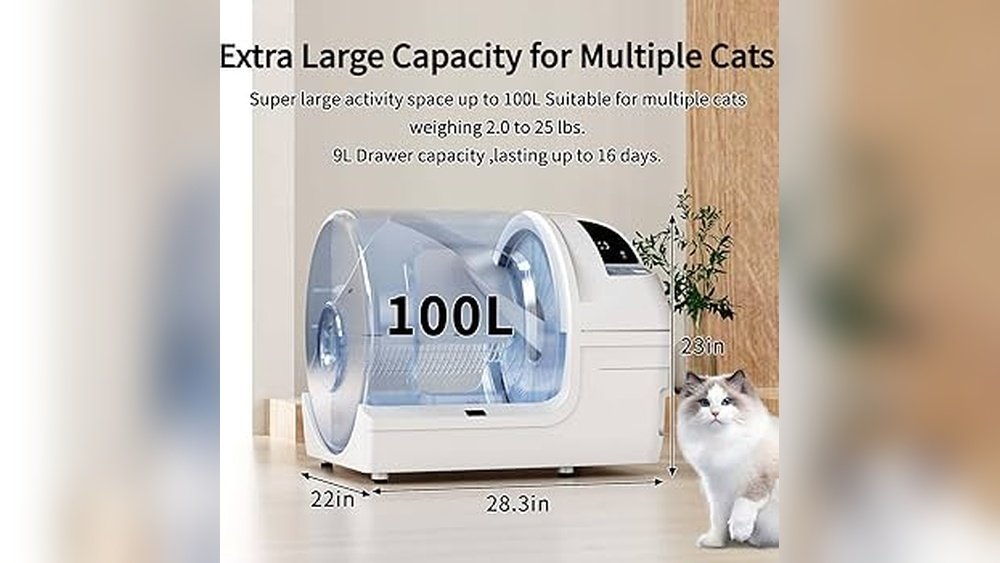
If you share your home with a big, fluffy feline, you know that litter box time isn’t always simple. Large cats need more space, stronger construction, and smart features in their litter boxes. If you’re tired of constant scooping and messy clean-ups, it might be time to try an automatic litter box for large cats. But with so many options, how do you choose the right one? Let’s break down everything you need to know—what matters, what to avoid, and how to pick the perfect fit for your oversized kitty.
Why Large Cats Need Special Litter Boxes
Most standard litter boxes are made for average-sized cats. Large breeds like Maine Coons, Ragdolls, or Norwegian Forest Cats can easily outgrow these options. When a box is too small, cats may feel cramped, which can lead to accidents outside the box. A tight fit also makes it harder for the automatic cleaning features to work properly.
A box that’s too flimsy might break under a heavy cat’s weight or get tipped over during use. Large cats also tend to dig more, so you need a design that keeps litter inside instead of on your floor. Standard automatic boxes may jam, overflow, or stop working if not built for big cats.
What Makes An Automatic Litter Box Suitable For Large Cats
Choosing the right litter box isn’t just about size. Here’s what to look for if you want a box that can handle both your cat and your busy life:
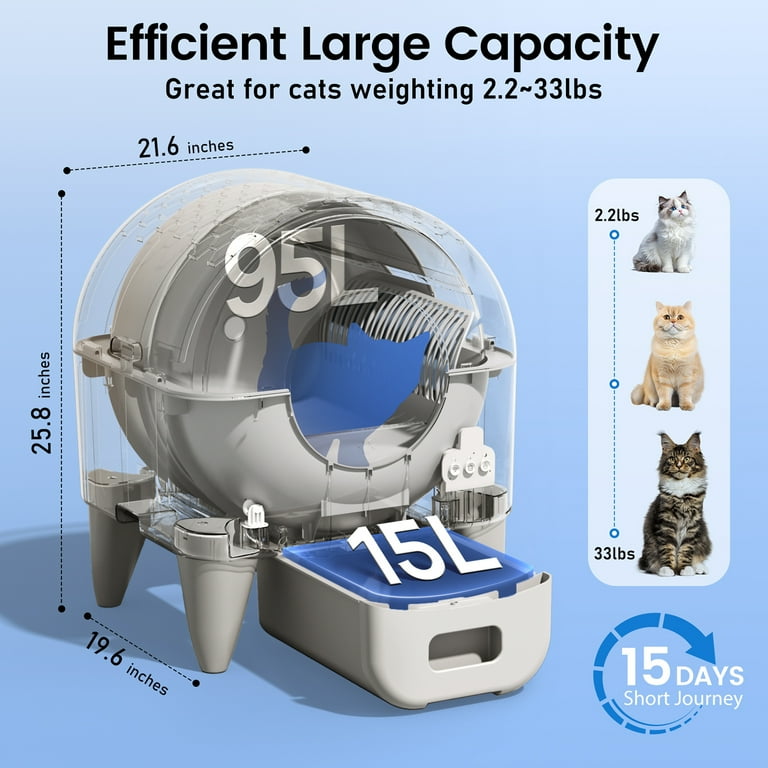
- Spacious Interior: The usable area inside should be wide and long enough for your cat to turn, dig, and squat comfortably. Some boxes look big on the outside but are small inside.
- High Weight Capacity: Large cats can weigh 15-25 pounds or more. The motor, sensors, and moving parts must handle this weight without error.
- Strong Materials: Thicker plastic, sturdy bases, and well-designed entry points prevent cracks, tipping, and breakage.
- Low Entry: Older or heavy cats may have trouble jumping into a high-sided box. Look for one with a low entry or ramp.
- Odor Control: Large cats produce more waste, so good odor-trapping features are a must.
- Easy Cleaning: Even the best automatic box needs some human help. Make sure you can easily empty the waste bin and clean all parts.
- Quiet Operation: Some boxes are noisy, which can scare cats away. Look for models known for being quiet.
- Reliable Sensors: Cats shouldn’t be caught in the cleaning cycle. Good boxes have reliable sensors that detect the cat’s presence and size.
- Litter Compatibility: Some boxes only work with certain clumping litters or crystal types. Make sure your preferred litter is compatible.
Credit: www.walmart.com
Top Benefits Of Using An Automatic Litter Box For Large Cats
Switching to an automatic litter box offers more than convenience. Here’s how it helps both you and your cat:
- Less Scooping: Spend less time cleaning up, especially in multi-cat homes.
- Cleaner Environment: Waste is removed quickly, reducing odors and bacteria.
- Happier Cats: Many cats avoid dirty boxes. Automatic cleaning encourages regular use.
- Better for Health: Fast waste removal limits the spread of germs and ammonia.
- Saves Litter: Some boxes sift litter efficiently, cutting waste.
- Monitors Cat Health: Advanced models track usage, helping spot health problems early.
Common Challenges Faced By Owners Of Large Cats
Owners of big cats often face unique problems with litter boxes:
- Frequent Overflows: More waste means bins fill up fast.
- Messy Floors: Large cats can kick litter far outside the box.
- Box Avoidance: If the box feels cramped, cats may go elsewhere.
- Jammed Mechanisms: Heavy cats can trigger errors in poorly designed boxes.
- Odor Issues: Larger deposits need better odor control.
Understanding these challenges helps you avoid common mistakes and pick a box that actually works.
:strip_icc()/sps-litter-boxes-apr-24-test-neakasa-m1-open-top-self-cleaning-cat-jennifer-joanning-28-b1acae05c3134bee936e563d0203e191.jpeg)
Credit: sigra.com
Key Features To Consider When Buying
Let’s look at the most important features in detail:
Size And Entry
Measure your cat from nose to tail when standing. The box should be at least this long and wide. Entry height matters too—ramps or low doors help older cats or those with arthritis.
Weight Capacity
Check the manufacturer’s listed maximum weight. For large breeds, aim for at least 20-25 pounds. If your cat is extra-large, don’t risk a box that might break.
Cleaning Mechanism
Automatic boxes use different cleaning systems: rotating, raking, or conveyor belts. Rotating globes often offer the most space, while rakes can jam if overloaded. Look for a proven, jam-resistant system.
Waste Storage
A small waste drawer fills up quickly, especially with multiple or large cats. Choose a box with a large, sealed bin.
Odor Control
Some boxes have carbon filters, sealed lids, or even connected air purifiers. For homes with sensitive noses, this matters a lot.
Noise Level
Check reviews for noise complaints. Many cats are scared by loud motors, which can lead to box avoidance.
Maintenance
No box is 100% maintenance-free. Choose one with easily removable parts and clear instructions.
Price And Value
Automatic litter boxes are an investment. Cheaper models may break faster, while high-end boxes offer more features and reliability. Think long-term.
Litter Type
Some automatic boxes only work with specific litters. If your cat has a preference, make sure it’s compatible.
Comparison Of Popular Automatic Litter Boxes For Large Cats
Here’s a side-by-side look at some of the most recommended models:
| Model | Max Cat Weight | Box Size (inches) | Cleaning System | Odor Control | Noise Level |
|---|---|---|---|---|---|
| Litter-Robot 4 | 25 lbs | 22 x 27 x 29 | Rotating Globe | Carbon Filter + Sealed Bin | Low |
| PetSafe ScoopFree Ultra | 20 lbs | 19 x 27 x 17 | Raking | Crystal Tray + Lid | Medium |
| ChillX AutoEgg | 18 lbs | 19 x 23 x 17 | Raking | Sealed Bin | Low |
| CatGenie A.I. | Up to 25 lbs | 19.25 x 24.5 x 21 | Washable Granules/Flushing | Dryer + SaniSolution | High |
| Leo’s Loo Too | 20 lbs | 24 x 22 x 27 | Rotating Globe | UV Sterilizer + Sealed Bin | Low |
In-depth Review: Top 5 Automatic Litter Boxes For Large Cats
Let’s examine the most popular models in detail, focusing on what matters most for big cats.
Litter-robot 4
This model is often called the “gold standard” for automatic litter boxes. With a rotating globe design, it offers a spacious interior and a low entry point, making it ideal for large and older cats. The bin is sealed, and a carbon filter keeps odors in check.
The sensors are advanced, detecting your cat’s weight and movement to avoid mid-cycle cleaning. The waste drawer is large, so you can go several days without emptying it. The box is also WiFi-enabled, so you can monitor usage through an app.
Maintenance is simple, with removable parts and easy access.
Two drawbacks: it’s expensive, and some cats need a little time to adjust to the moving globe. However, most owners report high satisfaction, especially for multi-cat homes.
Petsafe Scoopfree Ultra
This box uses a raking system with disposable crystal litter trays. It’s less spacious than the Litter-Robot but still works for most large cats. The entry is easy to access, and the tray slides out for quick changes.
Crystal litter absorbs moisture and odors well, but some cats dislike the texture. The raking system is reliable but can jam with very large, heavy waste. The waste compartment is covered, which helps with odor.
A unique feature is the health counter, which tracks how often your cat uses the box. This can be useful for spotting urinary issues early.
Chillx Autoegg
The AutoEgg stands out for its ultra-quiet operation and compact design. While the space is tight for giant breeds, it fits most large cats up to 18 pounds. The raking mechanism is gentle and rarely jams.
This box uses a horizontal entry and a covered waste bin. The display shows recent activity, helping you spot changes in your cat’s routine. The main downside is the smaller size—if your cat is particularly big, it might feel cramped.
Catgenie A.i.
CatGenie is unique because it uses washable granules instead of standard litter. The box connects to your water line and flushes waste away, then uses a sanitizer and dryer to clean the granules. It’s a great option for people who want a fully hands-off experience.
The bowl is large and open, suitable for big cats. However, the cleaning cycle is noisy and takes longer than other boxes. The initial setup is more complicated, and you need to buy special granules and cleaning solution.
Leo’s Loo Too
This newer model uses a rotating globe similar to the Litter-Robot but adds a UV sterilizer for extra hygiene. The entry is spacious and low, and the waste bin is well-sealed. The app offers activity tracking and maintenance alerts.
Owners praise the quiet operation and sturdy design. It’s one of the most tech-forward boxes on the market, though the price is high. The UV feature is not a must-have for everyone but adds peace of mind for some.
How To Train Your Cat To Use An Automatic Litter Box
Switching from a standard box to an automatic one can be a big change for your cat, especially if they’re sensitive to new things. Here’s how to make the transition smooth:
- Place the new box next to the old one. Let your cat explore it at their own pace.
- Do not turn on automatic cleaning at first. Allow your cat to use the new box manually for a few days.
- Mix old litter with new. If the box allows, use some of your cat’s familiar litter to encourage use.
- Add a favorite scent. Place a used, unwashed item (like a blanket) near the box.
- Praise your cat after they use the new box.
- Gradually activate the automatic features. Once your cat is comfortable, turn on cleaning cycles.
If your cat avoids the box, return to the manual mode and go slower. Patience is key.
Maintenance Tips And Common Pitfalls
Even the best automatic litter box isn’t “set and forget.” To keep it working well and your cat happy:
- Empty the waste bin regularly. If it fills up, the box may stop working.
- Clean sensors and moving parts monthly. Dust and litter can block sensors.
- Replace filters as recommended. Odor control depends on fresh filters.
- Use the right litter. Wrong types can cause jams or poor cleaning.
- Check for stuck waste. Occasionally, large clumps can get stuck and need manual removal.
Two common mistakes: letting the bin overfill (which can cause error lights), and not cleaning hair or dust from sensors, which may lead to false readings.
How Multiple Large Cats Affect Your Choice
If you have more than one large cat, automatic boxes are even more useful—but you need to consider capacity and speed. Some boxes can only handle a certain number of uses per day. Others have smaller waste bins that fill up quickly.
For homes with two or more large cats:
- Choose a box with a big waste bin.
- Opt for a model with fast cleaning cycles.
- Consider buying two boxes if your cats are territorial.
Here’s a quick look at models suited for multi-cat homes:
| Model | Best For # of Large Cats | Special Multi-Cat Features |
|---|---|---|
| Litter-Robot 4 | 3-4 | Fast cycle; app usage tracking |
| Leo’s Loo Too | 2-3 | Large bin; UV sterilizer |
| PetSafe ScoopFree Ultra | 2 | Disposable trays for quick changes |
Real-world User Experiences
Hearing from other cat owners can give you valuable insight. Most users of automatic litter boxes for large cats say the biggest benefits are less odor, less scooping, and a cleaner home. However, some mention that the initial setup can be confusing, and the cost is higher than regular boxes.
Some owners reported that their big cats took a few days to get comfortable with the movement and noise of automatic boxes, but treats and slow introductions helped. A few users with extra-large cats (over 25 pounds) found that only the most spacious models fit comfortably.
Non-obvious tip: Cleaning the box at least once a month—even if it’s automatic—keeps moving parts in good shape. Also, check that your home’s WiFi is strong if you buy a smart box, as poor connections can cause app errors.
Environmental Impact And Sustainability
Automatic litter boxes use electricity and, sometimes, special disposable trays or granules. If you’re concerned about the environment:
- Choose models with reusable bins rather than single-use trays.
- Look for boxes that work with biodegradable or natural litter.
- Check power usage; most boxes use less than a few dollars’ worth of electricity per year.
- Dispose of used litter and filters responsibly.
Some companies are now offering recycling programs for used parts or eco-friendly packaging. If this matters to you, check the manufacturer’s website or contact customer service.
Cost Breakdown: What To Expect
Automatic litter boxes are a significant investment. Here’s what you should expect:
- Purchase Price: $200–$700 depending on features and brand.
- Ongoing Costs: Filters ($10–$30 every few months), special litter or granules ($20–$40/month), replacement parts ($20–$50/year).
- Electricity: Usually less than $10/year.
While the initial price is high, many owners find that they save time, use less litter, and have fewer odor problems, which balances out the cost.
A common beginner’s mistake is not budgeting for ongoing supplies like filters or special litter. Check what’s required before you buy, and compare total yearly costs.
Smart Features And The Role Of Technology
Modern automatic litter boxes aren’t just about cleaning. Many now include smart features such as:
- App notifications for full bins or errors
- Usage tracking for health monitoring
- Remote control of cleaning cycles
- Integration with smart home systems
These features can help you spot problems early. For example, if your cat suddenly uses the box much more or less, you might catch a urinary issue before it becomes serious.
One non-obvious insight: Some smart boxes need regular software updates. Set reminders to check for updates every few months to ensure everything works smoothly.
:strip_icc()/sps-litter-robot-4-taylor-fox-11-d002b9f5fea749f8b0a46a55434242ed.jpeg)
Credit: www.thesprucepets.com
Installation And Setup: What To Expect
Setting up an automatic litter box is usually straightforward, but a few details can save you trouble:
- Choose the right location: Place the box on a flat, stable surface, away from high-traffic areas.
- Access to power: Most boxes need an outlet nearby.
- Room for movement: Make sure there’s space for the entry door or globe to move freely.
- Initial assembly: Follow the manual carefully; rushing can lead to mistakes.
- Test before first use: Run a cycle with no litter to make sure everything moves correctly.
If the box needs to be plumbed (like CatGenie), allow extra time for installation.
A small but important tip: Use a surge protector to avoid damage from power spikes.
How To Handle Common Issues And Troubleshooting
Even the best boxes can have problems. Here’s how to handle the most common ones:
- Error lights or beeping: Usually means a sensor is dirty or the waste bin is full.
- Stuck cleaning mechanism: Remove large clumps or check for jammed litter.
- Bad odor: Replace the filter or check for missed waste in corners.
- Cat won’t use it: Go back to manual mode and reintroduce slowly.
Most manufacturers have good customer support and troubleshooting guides. Don’t be afraid to call or email if you’re stuck.
Cleaning And Hygiene: Best Practices
Automatic doesn’t mean “never clean.” For best results:
- Wipe down surfaces weekly with a pet-safe cleaner.
- Deep clean monthly: Disassemble parts and wash with mild soap.
- Change waste bags and filters as recommended.
- Keep the area around the box clean to prevent tracking.
A non-obvious tip: Use unscented cleaners. Strong smells can discourage sensitive cats from using the box.
Pros And Cons Summary
To help you decide quickly, here’s a balanced look at automatic litter boxes for large cats:
Pros:
- Less daily scooping
- Better odor control
- Cleaner home
- Monitors health (with smart features)
- Suited for multi-cat homes
Cons:
- Expensive upfront
- Requires regular maintenance
- Some cats need time to adjust
- Ongoing supply costs
- Not always “set and forget”
Making The Right Choice For Your Cat
Every cat is different. Some love the new box right away, while others need weeks to adjust. Consider your cat’s size, age, and habits. If you have an older or anxious cat, choose a quiet, low-entry model and introduce it slowly.
If you have multiple large cats, buy a box with a big bin and fast cleaning cycles—or consider getting two boxes to avoid territorial disputes.
Read reviews, check user photos, and look at return policies before you buy. Remember, what works for one cat may not work for another.
Where To Buy And What To Avoid
Buy from trusted retailers or directly from the manufacturer. Avoid used boxes unless they’re certified and sanitized. Watch out for:
- Cheap knockoffs that may break quickly
- Limited warranties
- No customer support
A good warranty and customer service can save you time and money if something goes wrong.
For more technical specs and comparisons, check out Consumer Reports.
Frequently Asked Questions
What Size Should An Automatic Litter Box Be For A Large Cat?
A good automatic litter box for a large cat should be at least 22 inches long and 17 inches wide inside. The entry should be low enough for easy access. Always check the internal dimensions, not just the outside.
Can Two Large Cats Share One Automatic Litter Box?
Yes, if the box is designed for multi-cat homes and has a large waste bin. However, some cats prefer their own space. If you notice fighting or box avoidance, consider adding a second box.
Are Automatic Litter Boxes Safe For Big Cats?
Most modern automatic litter boxes have advanced sensors that stop the cleaning cycle if a cat is inside. Check the weight rating and always follow the manufacturer’s instructions for safe use.
Do Automatic Litter Boxes Work With All Types Of Litter?
No, some boxes require specific clumping or crystal litter. Using the wrong type can cause jams or poor cleaning. Always check the manual before switching litter.
How Often Do I Need To Clean An Automatic Litter Box?
You should empty the waste bin every 2–4 days for one large cat, or more often for multiple cats. Deep clean the box at least once a month and replace filters as recommended.
If you’re looking for less mess, less odor, and more time to enjoy your big, beautiful cat, an automatic litter box designed for large cats is worth considering. With the right model, you’ll have a cleaner home and a happier, healthier feline companion.