Many dog owners today want to do more than just feed their pets and take them for walks. They look for ways to keep their dogs healthy, happy, and full of energy. One topic that gets a lot of attention is probiotics for dogs. You may have seen probiotic supplements at your local pet store or heard vets talk about them. But what are probiotics, and why are they considered so important?
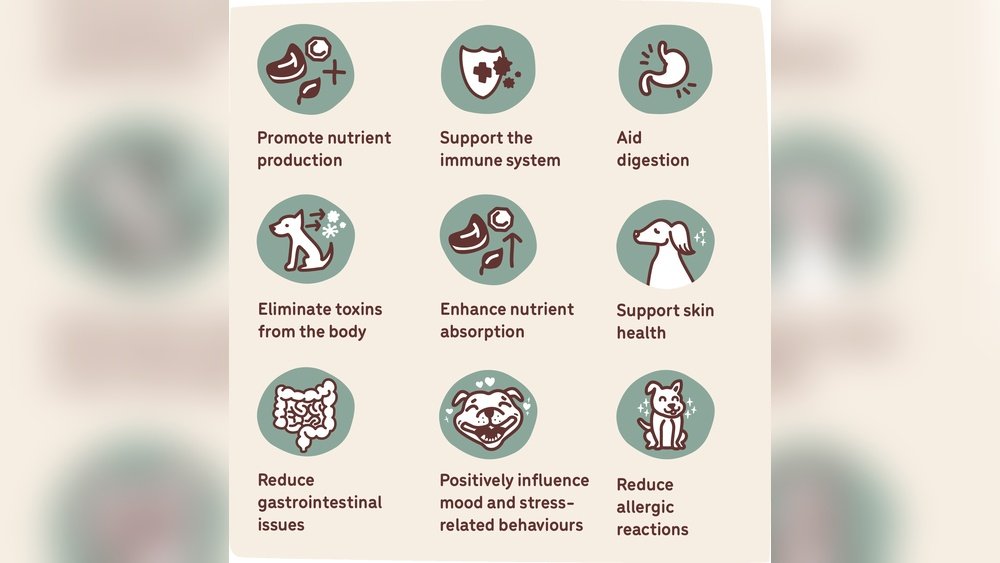
Probiotics are live microorganisms, often called good bacteria, that can help support your dog’s health, mainly by improving their digestive system. But the benefits go far beyond the gut. From helping with allergies to supporting the immune system and even balancing mood, probiotics play many roles in a dog’s body. Let’s explore how these tiny helpers can make a big difference in your dog’s life, and what you need to know before giving them.
What Are Probiotics For Dogs?
Probiotics are living bacteria and yeasts that are good for your dog’s health, especially their digestive tract. Dogs, like people, have a complex mix of bacteria in their intestines called the gut microbiome. When this balance is right, your dog digests food well, absorbs nutrients, and resists disease. If something disturbs this balance—like illness, antibiotics, or stress—problems can start.
Some common probiotic strains for dogs include:
- Lactobacillus acidophilus
- Bifidobacterium animalis
- Enterococcus faecium
- Bacillus coagulans
These strains are chosen because they are safe for dogs and can survive the journey through the stomach’s acids to reach the intestines.
Not all probiotics are the same. Some are made for humans, and others are specially designed for pets. Dogs need their own types and dosages, so never give your dog human supplements unless your vet says it’s safe.
How Probiotics Work In A Dog’s Body
When you give your dog a probiotic, the good bacteria travel through the digestive system. If they survive stomach acid, they reach the intestines, where they multiply and start to work. Here’s what they do:
- Compete with bad bacteria for space and food, stopping harmful germs from growing.
- Produce helpful substances like short-chain fatty acids that fight off bad bacteria and reduce inflammation.
- Support the gut lining, making it harder for toxins or allergens to pass into the bloodstream.
- Interact with immune cells, helping the body recognize and fight off disease.
It’s like having an army of helpers working inside your dog, keeping things balanced and healthy.

Credit: todaysveterinarynurse.com
Top Benefits Of Probiotics For Dogs
1. Supports Digestive Health
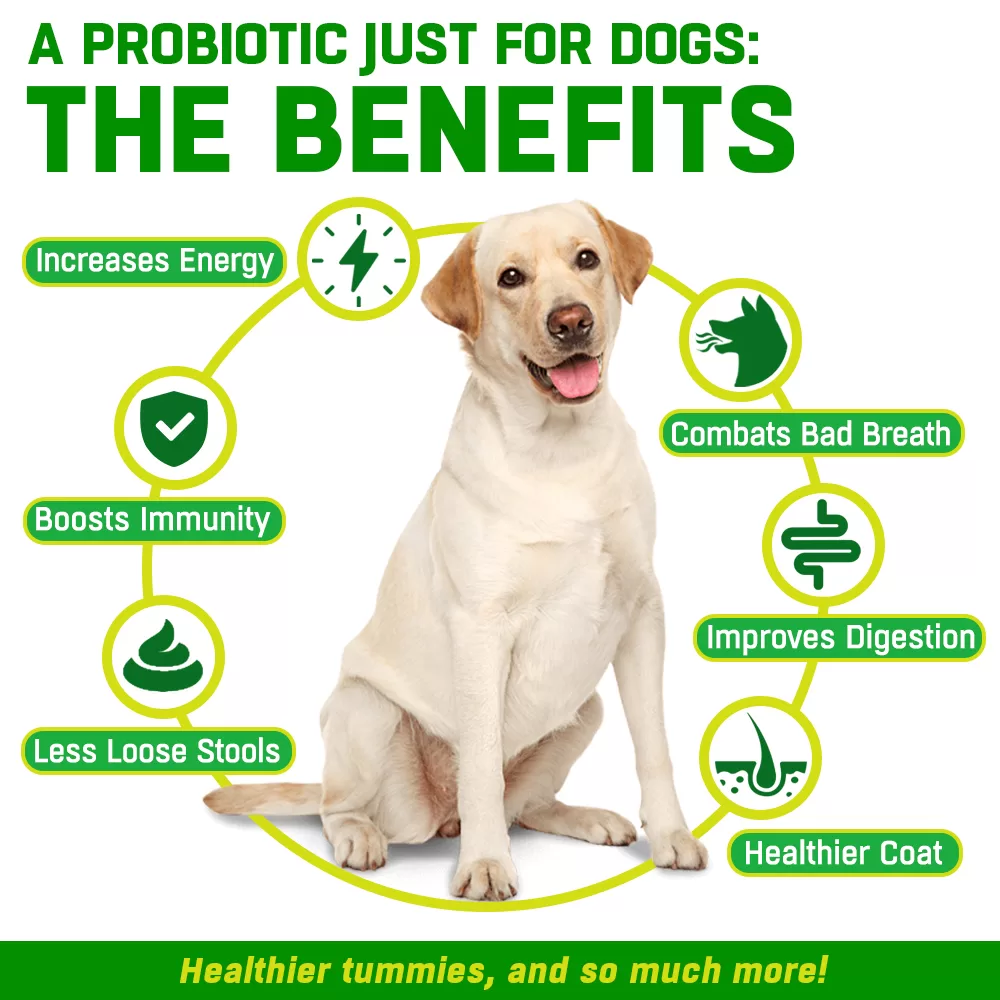
Digestive issues are one of the main reasons vets recommend probiotics for dogs. Problems like diarrhea, constipation, bloating, and gas are often linked to unbalanced gut bacteria.
Probiotics can:
- Help restore normal digestion after antibiotics, which kill both good and bad bacteria.
- Reduce the severity and duration of diarrhea, especially after stress, diet change, or illness.
- Improve stool quality and regularity.
- Aid in breaking down food, making it easier for dogs to absorb nutrients.
For example, studies have shown that dogs given Bifidobacterium animalis had less diarrhea and recovered faster after stress.
2. Strengthens The Immune System
About 70% of a dog’s immune system is found in the gut. Healthy gut bacteria teach the immune cells how to work properly—fighting off harmful germs but not overreacting to safe things like food or pollen.
Probiotics can:
- Decrease the risk of infections by balancing immune responses.
- Help reduce overactive immune reactions, which can lead to allergies.
- Support recovery from illness and speed up healing.
Dogs that get probiotics often have fewer sick days and bounce back faster from minor infections.
3. Reduces Allergies And Skin Problems
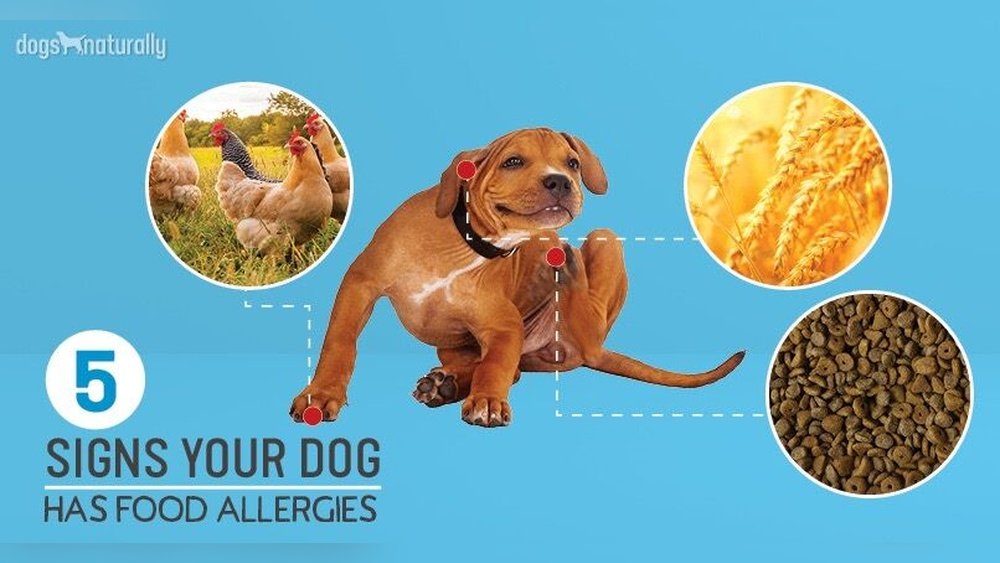
Many dogs suffer from itchy skin, hot spots, or allergies to food or the environment. Surprisingly, the gut plays a big role in these problems. If the gut is unhealthy, the immune system can overreact, leading to red, itchy skin and ear infections.
Probiotics may:
- Lower inflammation throughout the body, including the skin.
- Help calm allergic reactions and reduce symptoms.
- Support a healthy skin barrier, making it harder for irritants to cause problems.
For example, dogs with atopic dermatitis (a common skin allergy) often see fewer symptoms after taking probiotics for several weeks.
4. Helps With Stress And Anxiety
Dogs can become stressed by changes in routine, travel, boarding, or loud noises like fireworks. Stress can upset the gut, causing diarrhea or poor appetite.
But there’s a surprising connection called the gut-brain axis. This means the gut bacteria can send signals to the brain, affecting mood and behavior.
Probiotics can:
- Reduce signs of stress, like shaking, hiding, or barking.
- Improve appetite and energy in anxious dogs.
- Help with mild behavior problems related to gut imbalance.
Some studies have found that certain probiotics, like Lactobacillus rhamnosus, can make dogs feel calmer in stressful situations.
5. Improves Nutrient Absorption
Even the best dog food can be wasted if your pet’s gut isn’t working well. Probiotics help break down food, making important nutrients—like vitamins, minerals, and amino acids—easier to absorb.
This is especially helpful for:
- Puppies or senior dogs, who may not digest food as well.
- Dogs recovering from illness, surgery, or poor nutrition.
- Dogs with chronic digestive issues.
Better absorption means more energy, a shinier coat, and stronger muscles.
6. Aids Recovery After Antibiotics
Antibiotics are sometimes necessary, but they kill both harmful and helpful bacteria. This can lead to diarrhea, poor appetite, or yeast infections.
Probiotics can:
- Replace lost good bacteria quickly.
- Shorten the time it takes to get back to normal digestion.
- Reduce the risk of side effects from antibiotics.
Vets often recommend starting probiotics at the same time as antibiotics and continuing for a few weeks afterward.
7. Supports Healthy Weight
Obesity is a growing problem for pets. Gut bacteria play a role in how the body stores fat and uses energy.
Probiotics may:
- Help keep your dog’s weight stable by improving metabolism.
- Reduce unhealthy cravings and begging for food.
- Lower the risk of obesity-related diseases, like diabetes and joint problems.
Research is still new, but studies suggest that dogs with a balanced microbiome are less likely to gain excess weight.
8. Eases Symptoms Of Food Intolerance
Some dogs have trouble digesting certain ingredients, like grains, dairy, or specific proteins. This can cause loose stools, vomiting, or itchy skin.
Probiotics can:
- Break down difficult foods more completely.
- Reduce symptoms like gas, bloating, and diarrhea.
- Help the body adjust to new diets or treats.
For dogs with sensitive stomachs, probiotics can make mealtime much easier.
9. May Help With Bad Breath
Bad breath (halitosis) is often a sign of digestive or dental problems. Sometimes, the cause is bacteria in the mouth or gut.
Probiotics can:
- Reduce the number of odor-causing bacteria.
- Help balance the bacteria in both the mouth and intestines.
- Support healthy gums and teeth, especially when used with dental chews and brushing.
A better-smelling mouth is a nice bonus for both dogs and owners.
10. Reduces Risk Of Yeast Infections
Yeast is a type of fungus that can grow out of control when the balance of bacteria is off—often after antibiotics, allergies, or high-carb diets.
Probiotics can:
- Compete with yeast for space and resources, keeping it in check.
- Lower the risk of ear infections, itchy skin, and paw licking.
- Help dogs prone to chronic yeast problems stay healthier.
A balanced gut often means fewer yeast flare-ups.
11. Promotes Healthy Aging
As dogs get older, their gut bacteria change. This can lead to less energy, weaker immunity, and slower recovery from illness.
Probiotics can:
- Support the gut as it ages, keeping digestion strong.
- Help older dogs stay active and alert.
- Lower the risk of age-related diseases by supporting the immune system.
Adding probiotics is a simple way to help your senior dog enjoy their golden years.
12. May Reduce Shedding And Improve Coat Quality
A healthy gut means better nutrient absorption, which can show on the outside as a shinier coat and less shedding.
Probiotics can:
- Deliver more fatty acids and vitamins to the skin and fur.
- Reduce dry, flaky skin and dull coats.
- Help with seasonal or stress-related shedding.
This benefit takes a few weeks to show but is often noticed by owners who start probiotics.
13. Helps Dogs With Chronic Illnesses
Dogs with long-term illnesses like inflammatory bowel disease (IBD), kidney disease, or diabetes often have unbalanced gut bacteria.
Probiotics may:
- Ease digestive symptoms, like vomiting or diarrhea.
- Support the immune system during flare-ups.
- Make other treatments work better by improving overall health.
Always work with a vet if your dog has a serious condition, but probiotics can be a useful part of the treatment plan.
14. Makes Transition To New Foods Easier
Changing dog food suddenly can upset the stomach, causing gas, loose stools, or loss of appetite.
Probiotics can:
- Help your dog’s gut adjust to new ingredients.
- Shorten the period of digestive upset.
- Make food switches smoother, especially for sensitive dogs.
This is helpful when bringing home a new puppy, adopting a rescue, or switching to a new diet.
15. Natural Defense Against Parasites
Some studies suggest that a healthy gut microbiome can help protect dogs from certain gut parasites, like giardia.
Probiotics may:
- Make it harder for parasites to survive and multiply.
- Support the gut lining, which acts as a barrier.
- Help dogs recover faster from parasite infections.
While not a replacement for deworming, probiotics add another layer of defense.
How To Choose The Best Probiotic For Your Dog
With so many options on the market, picking the right probiotic can feel overwhelming. Here’s how to make a smart choice.
Look For Dog-specific Products
Choose probiotics made for dogs, not humans. Dogs have different gut bacteria, so their needs are unique.
Check The Strain And Cfu Count
- The strain is the specific type of bacteria, like Lactobacillus acidophilus.
- The CFU (colony-forming units) is the number of live bacteria per dose. Most products range from 1 to 10 billion CFUs.
More isn’t always better, but you want enough to make a difference.
Choose Products With Multiple Strains
Multi-strain formulas cover more ground and offer broader benefits.
Watch For Expiry Dates And Storage
Live bacteria can die over time. Make sure the product is fresh and stored properly—some need refrigeration.
Avoid Fillers And Artificial Ingredients
Look for products without sugar, artificial flavors, or unnecessary fillers.
Consider The Form
Probiotics come as powders, chews, capsules, or in some foods. Pick one your dog will actually eat.
Ask Your Vet
Your vet can recommend trusted brands and help you choose the best option for your dog’s age, size, and health needs.
Compare Key Factors
Below is a comparison of common forms of probiotics for dogs:
| Form | Pros | Cons | Best For |
|---|---|---|---|
| Powder | Easy to mix, precise dosing | Some dogs dislike taste | Mixing with food |
| Chews | Tasty, easy to give | Extra calories, fillers | Picky eaters |
| Capsules | High potency, no flavor | Hard to give directly | Dogs used to pills |
| Yogurt/Kefir | Natural source, added nutrients | Lactose may cause issues | Occasional treat |
When To Give Your Dog Probiotics
Probiotics can be used in different ways, depending on your dog’s needs.
For Everyday Health
Many owners give a daily probiotic to keep their dog’s gut in balance, just like a vitamin.
During Or After Antibiotics
Start probiotics when antibiotics are prescribed, and continue for at least 2-4 weeks.
During Stressful Times
If your dog is traveling, boarding, or facing a change, probiotics can help prevent digestive upset.
After Illness Or Surgery
Probiotics support recovery and boost the immune system during healing.
With Diet Changes
Start probiotics a few days before and after switching foods.
Short-term Use For Acute Issues
For diarrhea or after eating something unusual, a short course of probiotics can speed recovery.
Are There Risks Or Side Effects?
Probiotics are generally safe for most dogs, but there are a few things to watch for.
Mild Side Effects
Some dogs may have:
- Gas or bloating in the first few days.
- Changes in stool, usually temporary.
- Appetite changes.
These usually go away as the gut adjusts.
When To Be Careful
Avoid giving probiotics if your dog:
- Has a very weak immune system (like on chemotherapy).
- Is very sick or has a high fever, unless your vet says it’s OK.
Rarely, dogs may have allergic reactions or other problems. Always start with small doses and watch for changes.
Quality Matters
Poor-quality probiotics may not contain live bacteria or could be contaminated. Buy from trusted brands and store as directed.
Credit: tlcpetfood.com
Signs Your Dog May Benefit From Probiotics
Wondering if your dog needs a probiotic? Look for these signs:
- Frequent diarrhea or soft stools
- Lots of gas or bloating
- Itchy skin or ears
- Bad breath not linked to dental problems
- Stress-related digestive issues
- History of antibiotics or illness
- Changes in appetite or energy
If you notice these, ask your vet if probiotics might help.
How Fast Do Probiotics Work In Dogs?
Some benefits, like firmer stools, can appear in a few days. Other changes, like better skin or less shedding, may take 4-8 weeks.
Here’s a general timeline:
| Time After Starting | Expected Changes |
|---|---|
| 1-3 days | Less diarrhea, firmer stools |
| 1-2 weeks | Improved appetite, less gas, better mood |
| 4-8 weeks | Shinier coat, fewer allergies, stronger immunity |
Consistency is key. Don’t stop after a few days if you don’t see results—give probiotics time to work.
Real-world Examples And Research
- In one study, shelter dogs given Bifidobacterium animalis had 40% less diarrhea during stressful times.
- Dogs with chronic digestive problems improved stool consistency and appetite after 4 weeks of multi-strain probiotics.
- Dogs recovering from antibiotics returned to normal stools 2 days faster with probiotics than those who did not receive them.
- Owners report that dogs with itchy skin or allergies often scratch less after adding probiotics.
For those who want to see the science, the American Kennel Club offers a summary of probiotic research at AKC.org.
Non-obvious Insights Most Dog Owners Miss
- The right strain matters: Not all probiotics have the same effects. For example, Enterococcus faecium is best for diarrhea, while Lactobacillus rhamnosus can help with anxiety. Always check which strains are included.
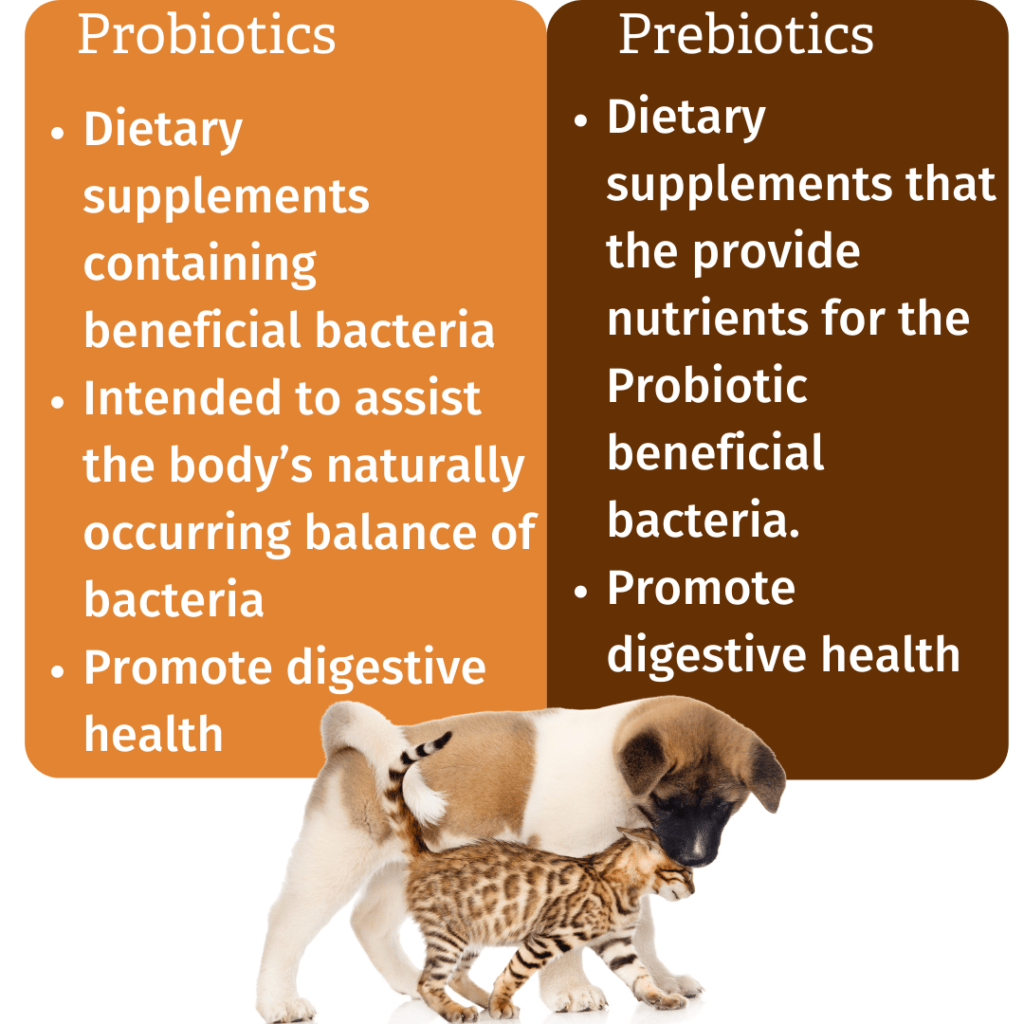
- Probiotics need prebiotics: Prebiotics are fibers that feed good bacteria. Products with both (sometimes called “synbiotics”) work better because they help the probiotics grow and survive in the gut. Look for ingredients like inulin or FOS.
Common Mistakes When Using Probiotics For Dogs
- Using human probiotics: These may not be safe or effective for dogs.
- Stopping too soon: Gut health takes time to improve. Give probiotics for at least 4-8 weeks to see full benefits.
- Ignoring other health problems: If your dog’s symptoms are severe or don’t improve, always see a vet. Probiotics are not a cure-all.
- Choosing cheap, low-quality products: These may not contain enough live bacteria to make a difference.
Frequently Asked Questions
What Are The Best Probiotic Strains For Dogs?
The most common and researched strains for dogs are Lactobacillus acidophilus, Bifidobacterium animalis, Enterococcus faecium, and Bacillus coagulans. These strains are proven to survive stomach acid and reach the gut, where they can do their work. Always choose a product that lists the specific strains and their CFU count.
Can I Give My Dog Yogurt Instead Of A Probiotic Supplement?
Plain, unsweetened yogurt with live cultures can offer some benefits, but it’s not always strong enough for serious gut problems. Many dogs are also lactose intolerant, so too much dairy can upset their stomach. For best results, use a probiotic designed for dogs.
Credit: www.canivet.co.uk
How Do I Know If Probiotics Are Working For My Dog?
Look for signs like firmer stools, less gas, better appetite, more energy, and fewer allergy symptoms. Changes in coat quality or mood may take a few weeks. If you see no improvement after 8 weeks, talk to your vet about changing the product or dose.
Are There Dogs Who Should Not Take Probiotics?
Most healthy dogs can take probiotics safely. Dogs with severe immune problems or those on chemotherapy should only take probiotics under a vet’s care. If your dog is very sick, always ask your vet before starting any supplement.
How Long Should My Dog Stay On Probiotics?
Some dogs benefit from long-term, daily probiotics, especially if they have ongoing digestive, allergy, or immune issues. Others may only need probiotics during stressful times or after antibiotics. Your vet can suggest the best plan for your dog’s needs.
Giving your dog probiotics is a simple way to support their health from the inside out. When you choose the right product and use it correctly, you may see big improvements in digestion, energy, skin, and mood. Every dog is different, so watch your pet closely and work with your vet for the best results.
With a little help from good bacteria, your dog can live a happier, healthier life.