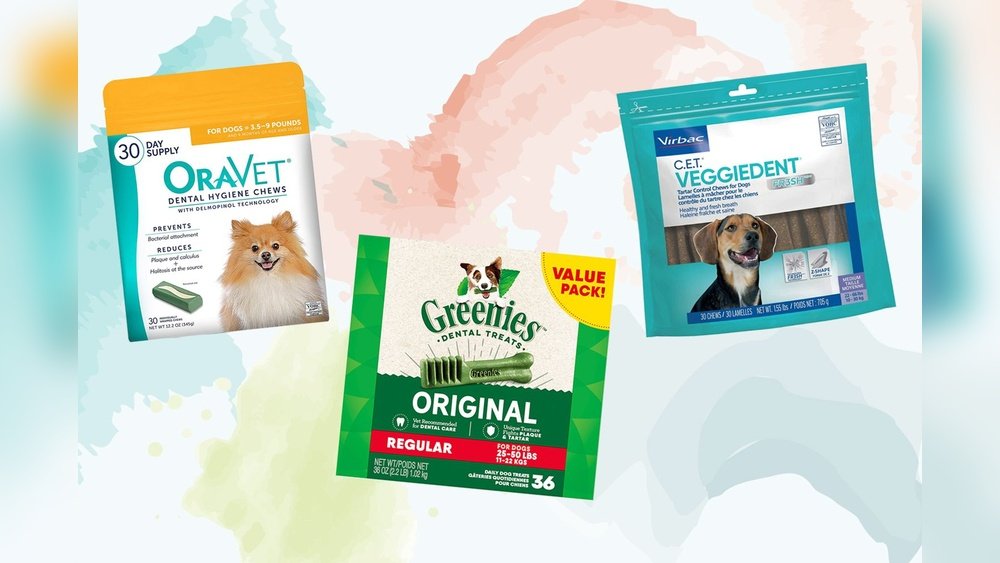
If you care about your dog’s health, you know how important a clean mouth is. Bad breath, plaque, and gum problems can make your furry friend uncomfortable and even sick.
But brushing your dog’s teeth every day isn’t always easy. That’s where the best dental chews for dogs come in. These tasty treats help keep your dog’s teeth clean and gums healthy, without any hassle for you. You’ll discover which dental chews really work, how to choose the right one for your dog, and tips to make dental care simple and effective.
Keep reading to find the perfect chew that will keep your dog’s smile bright and fresh!
Credit: www.kokido.com
Benefits Of Dental Chews
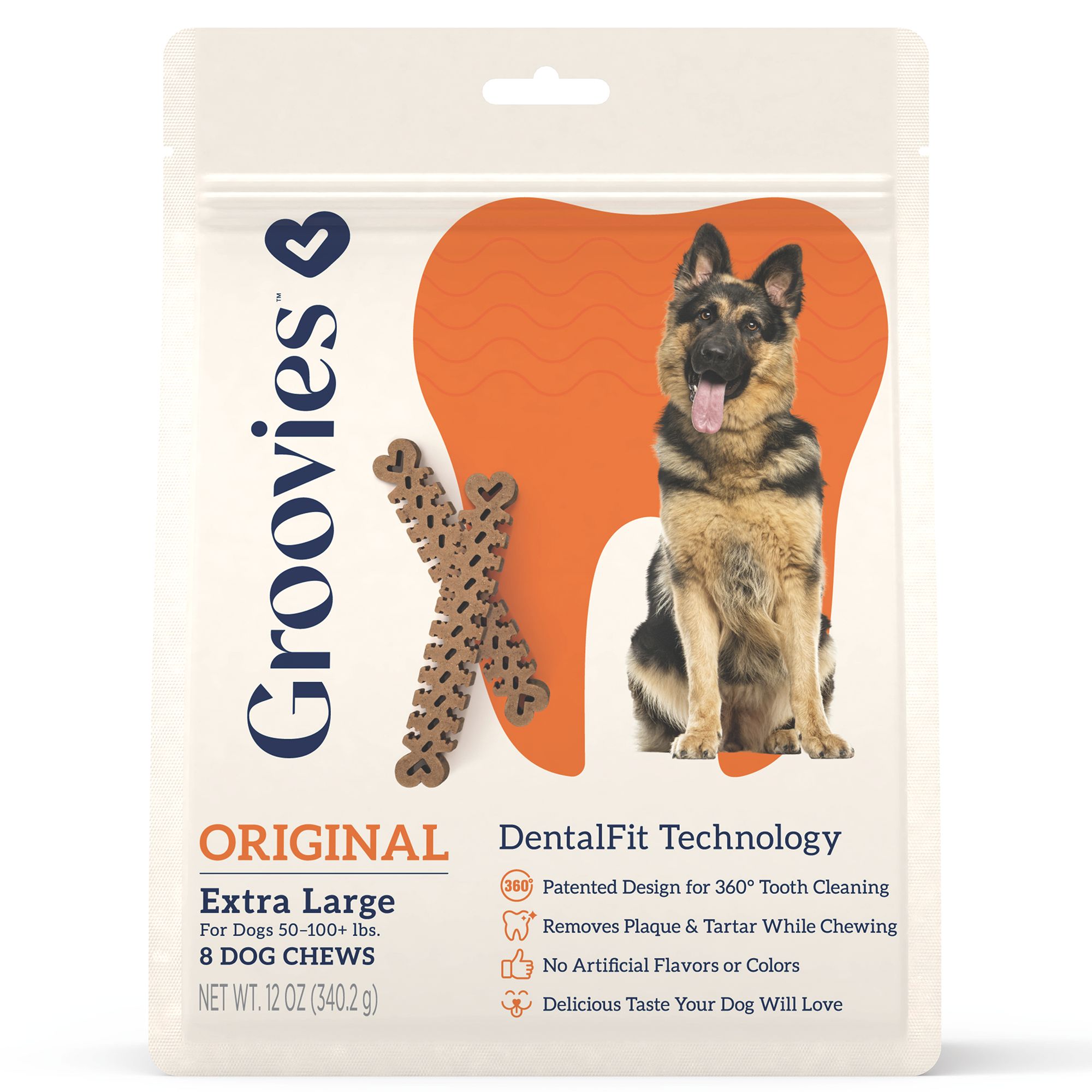
Dental chews offer many benefits for dogs. They help keep teeth clean and gums healthy. Chewing on these treats can reduce plaque and tartar build-up. Regular use supports fresh breath and stronger teeth.
Dogs enjoy chewing, making dental chews a fun way to care for their mouths. These chews also promote better oral hygiene without the stress of brushing. They are a simple addition to your dog’s routine.
Reduces Plaque And Tartar
Dental chews scrub the teeth as dogs chew. This action removes food particles and plaque. Less plaque means less tartar buildup over time. Cleaner teeth reduce the risk of gum disease.
Freshens Breath
Chewing dental treats helps fight bad breath. They remove bacteria that cause odor. Your dog’s mouth stays fresher longer. This makes close moments more pleasant for both of you.
Strengthens Teeth And Gums
Chewing stimulates blood flow in the gums. Strong gums hold teeth firmly in place. Healthy teeth help dogs chew food properly. This supports their overall health and nutrition.
Supports Mental Stimulation
Chewing dental chews keeps dogs busy and engaged. It provides a healthy outlet for natural chewing instincts. This reduces boredom and destructive behavior. A happy dog is a well-behaved dog.
Types Of Dental Chews
Dental chews help keep dogs’ teeth clean and healthy. Different types serve various needs. Choosing the right one supports your dog’s dental care routine. Understanding the types helps pick the best option for your pet.
Natural Dental Chews
Natural chews come from real animal parts like bones or tendons. They are often free of artificial ingredients. These chews help scrape plaque and massage gums gently. Dogs usually enjoy their taste and texture. Always supervise your dog to avoid choking risks.
Edible Dental Chews
Edible chews dissolve as dogs chew. They contain enzymes or ingredients that fight bacteria. These treats freshen breath and reduce tartar buildup. Many brands add vitamins to support overall health. Perfect for dogs who prefer softer chews.
Rawhide Dental Chews
Rawhide chews are made from animal hides. They offer a tough texture that removes plaque effectively. Choose rawhide with no harmful chemicals or additives. Some dogs may digest them slowly, so monitor chewing time. Not suitable for aggressive chewers.
Rubber Or Nylon Chews
These chews are durable and last longer. Made from safe synthetic materials, they resist heavy chewing. They help clean teeth by scraping and massaging gums. Many have ridges or textures to enhance cleaning. Ideal for dogs who chew hard and often.
Prescription Dental Chews
Vet-approved chews target specific dental issues. They often contain special enzymes or medicines. These chews support oral health beyond regular cleaning. Use only under veterinary guidance for best results. Good for dogs with sensitive teeth or gum problems.
Key Ingredients To Look For
Choosing the right dental chews for dogs means checking the ingredients carefully. Good ingredients help clean teeth and keep gums healthy. Some ingredients fight bad breath and reduce plaque. Others support overall oral health.
Knowing which ingredients to prefer makes picking dental chews easier. This helps dogs enjoy tasty treats that also protect their mouths. Let’s explore the key ingredients to look for in dental chews.
Natural Enzymes
Natural enzymes break down plaque and tartar on teeth. They help reduce bacteria that cause bad breath. Enzymes like papain and bromelain are common choices. These ingredients work gently and support healthy teeth.
Calcium And Phosphorus
Calcium and phosphorus strengthen teeth and bones. They keep teeth hard and less likely to break. These minerals also support healthy gums. A good dental chew contains balanced amounts of both.
Fiber
Fiber helps clean teeth by scrubbing them during chewing. It also aids digestion and keeps dogs full longer. Ingredients like cellulose or beet pulp add fiber to dental chews. Fiber adds texture that helps remove plaque naturally.
Antioxidants
Antioxidants fight harmful molecules that damage cells in the mouth. Vitamins C and E are common antioxidants in dental chews. They support gum health and reduce inflammation. Antioxidants keep a dog’s mouth healthier over time.
Herbs And Natural Extracts
Herbs like parsley and mint freshen breath naturally. Natural extracts such as green tea have antibacterial properties. These ingredients improve breath and reduce harmful bacteria. They make dental chews more effective and tasty.
Size And Texture Considerations
Choosing the right size and texture of dental chews is key for your dog’s oral health. The chew must match your dog’s size to be safe and effective. The texture affects how well it cleans teeth and how much your dog enjoys chewing.
Picking the wrong size or texture can cause choking or hurt your dog’s teeth. Some dogs prefer softer chews, while others like harder ones. Understanding these factors helps keep your dog happy and healthy.
Size Matters For Safety
Small dogs need smaller chews to avoid choking. Large dogs require bigger chews that last longer. Always check the package for size recommendations. Too big or too small can be dangerous during chewing time.
Soft Vs. Hard Textures
Soft chews suit puppies and older dogs with weak teeth. Hard chews clean better but may break fragile teeth. Watch your dog’s chewing habits to choose the right texture.
Durability And Chewing Style
Heavy chewers need durable chews that don’t break easily. Light chewers may prefer chews that dissolve quickly. Match the chew’s durability to your dog’s chewing strength.
Top Brands For Dental Health
Choosing the right dental chew helps keep dogs’ teeth clean. Some brands focus on ingredients that fight plaque. Others design chews that reach hard-to-clean areas. Quality matters for your dog’s dental health.
These top brands have proven results. They combine safety, taste, and effectiveness. Dog owners trust them for daily dental care. Here are the best options to consider.
Greenies Dental Chews
Greenies are popular for fresh breath and plaque control. They use natural ingredients safe for dogs. Their texture helps clean teeth and massage gums. Many vets recommend Greenies for regular use.
Virbac C.e.t. Enzymatic Chews
Virbac chews contain enzymes that break down plaque. They support healthy gums and reduce tartar buildup. The chews come in different sizes for all dogs. Ideal for dogs with sensitive teeth.
Whimzees Natural Dental Chews
Whimzees use plant-based ingredients that dogs love. Their unique shapes clean teeth well. These chews are grain-free and low in fat. A good choice for dogs with allergies.
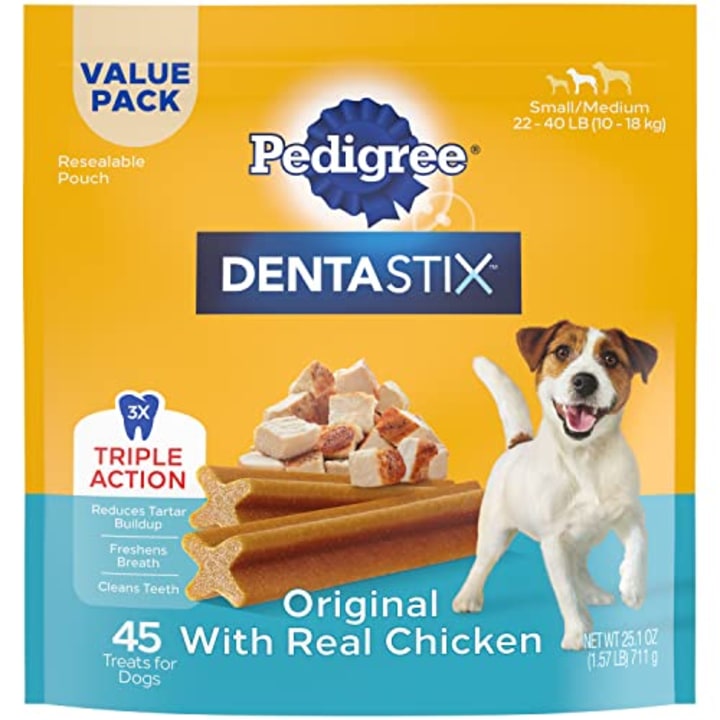
Pedigree Dentastix
Pedigree Dentastix offer a chewy texture that fights tartar. They have a fresh mint flavor dogs enjoy. Affordable and easy to find in stores. Suitable for daily dental care routines.
Natural Vs. Synthetic Chews
Choosing the best dental chews for dogs involves understanding the difference between natural and synthetic options. Both types help clean teeth and freshen breath. Each has unique benefits and drawbacks to consider. This section breaks down key points to help decide what suits your dog best.
Natural Dental Chews
Natural chews come from real animal parts or plant materials. They usually contain no artificial colors or flavors. Many dogs enjoy the taste and texture of natural chews. These chews often offer vitamins and minerals that support health. They can be softer or harder depending on the source. Some natural chews break down safely in the stomach. Always watch for choking hazards with natural options.
Synthetic Dental Chews
Synthetic chews are made in a lab using safe ingredients. They often have a consistent texture and shape. These chews usually contain added ingredients that fight plaque and tartar. Many synthetic chews dissolve slowly to clean teeth well. They can be easier to digest than some natural chews. Synthetic options often undergo strict quality control. This reduces the risk of harmful bacteria or parasites.
Choosing The Right Chew
Consider your dog’s chewing style and health needs. Some dogs prefer the taste of natural chews. Others do better with synthetic chews that last longer. Size and texture matter to avoid choking or tooth damage. Check ingredient lists for any allergens or additives. Consult your vet for personalized advice on dental care products. Regular use of dental chews supports a healthy mouth.
Choosing Chews For Different Dog Breeds
Choosing the right dental chew depends on your dog’s breed. Each breed has unique needs. Size, jaw strength, and chewing habits play a big role. Some chews suit small dogs better. Others are made for bigger breeds with strong bites.
Picking the best chew helps keep teeth clean and gums healthy. It also prevents choking or chewing frustration. Let’s explore dental chews for different dog breeds.
Dental Chews For Small Breeds
Small dogs need soft and small-sized chews. Hard chews can hurt their teeth or be too big to chew. Look for gentle formulas that clean teeth without breaking them. Small, easy-to-hold shapes work best for little paws.
Dental Chews For Medium Breeds
Medium dogs have stronger jaws and need tougher chews. They need a balance of durability and softness. Chews that last longer help reduce plaque and tartar. Choose chews that fit their mouth size comfortably.
Dental Chews For Large Breeds
Large breeds require extra tough and big chews. Their strong bite can destroy soft chews quickly. Durable chews help clean deep between teeth. Bigger sizes prevent choking and keep them busy for longer.
Credit: www.pgspca.org
How Often To Give Dental Chews
Dental chews help keep your dog’s teeth clean and breath fresh. Giving them too often or too little can affect their health. Knowing how often to give dental chews is key for good dental care.
Chewing helps remove plaque and tartar build-up. It also massages gums, keeping them strong. But balance is important. Too many chews might upset your dog’s stomach or add extra calories.
Daily Use For Best Results
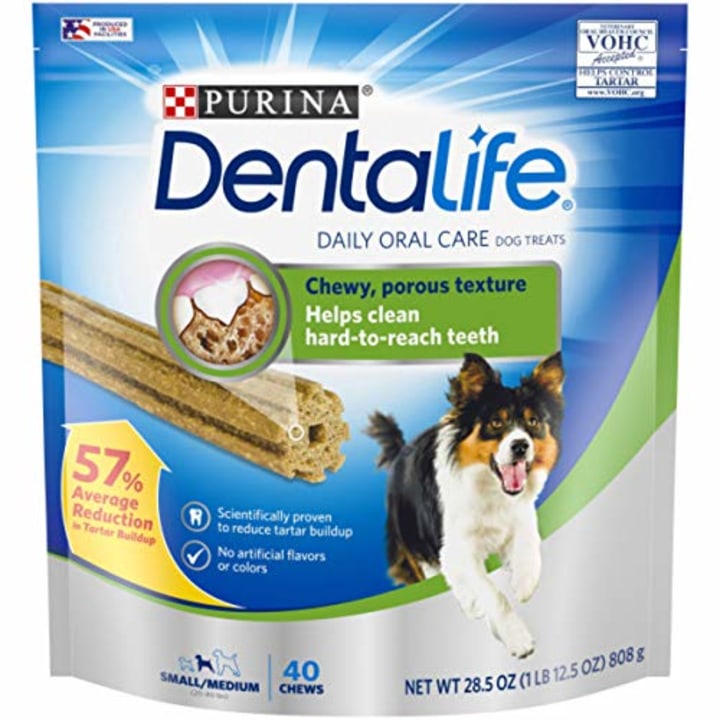
Many vets suggest giving dental chews once every day. This frequency helps reduce plaque build-up effectively. Daily use supports healthy teeth and gums consistently.
Choose chews designed for daily use. Read the package instructions carefully. Some chews are made for occasional use only.
Adjust Frequency Based On Your Dog’s Size
Smaller dogs may need fewer chews. Large dogs often require more to clean all teeth. Tailor the number of chews to your dog’s size and breed.
Consult your vet to find the right amount. Overfeeding chews can cause digestive problems and weight gain.
Consider Your Dog’s Overall Diet
Dental chews add calories to your dog’s diet. Adjust their regular food intake to avoid weight issues. Balance treats and meals carefully for healthy weight maintenance.
If your dog eats many treats, reduce dental chews. Keeping a balanced diet helps dental health too.
Safety Tips And Precautions
Choosing the best dental chews for dogs helps keep their teeth clean and healthy. Safety is important to avoid any harm. Follow simple rules to protect your dog while using dental chews.
Dental chews come in many shapes and sizes. Some dogs may bite off large pieces that can cause choking or blockages. Watch your dog closely during chewing time. Always pick the right size chew for your dog’s breed and weight.
Choose The Right Size And Type
Select chews that match your dog’s size. Small dogs need smaller chews, large dogs need bigger ones. Hard chews can break teeth, so choose softer options for dogs with sensitive teeth. Read product labels carefully to avoid harmful ingredients.
Supervise Your Dog While Chewing
Never leave your dog alone with dental chews. Supervise to stop choking or swallowing large pieces. Take the chew away if it gets too small or breaks apart. This reduces risks and keeps your dog safe during chewing.
Watch For Allergies And Sensitivities
Some dogs may react to certain ingredients in chews. Look for signs like itching, swelling, or upset stomach. Stop using the chew if your dog shows any allergic reaction. Consult your vet for safe alternatives.
Limit Chew Time And Frequency
Too much chewing can cause stomach upset or dental damage. Follow the recommended chew time on the package. Offer dental chews a few times a week, not daily. Balance chew treats with regular dental care like brushing.
Alternatives To Dental Chews
Dental chews help keep dogs’ teeth clean. But some dogs do not like chews. Others have allergies or digestion problems. Alternatives to dental chews can still protect your dog’s oral health. These options support clean teeth and fresh breath without chewing treats.
Regular Brushing
Brushing your dog’s teeth is the best way to fight plaque. Use a toothbrush made for dogs. A dog-friendly toothpaste is safer than human toothpaste. Brush gently in small circles. Aim for two to three times each week. This keeps teeth clean and gums healthy.
Dental Toys
Dental toys help clean teeth while dogs play. These toys have ridges and bumps that remove plaque. Chewing toys also massage gums and reduce tartar. Choose toys that are safe and the right size. Rotate toys often to keep your dog interested.
Raw Bones
Raw bones can help scrape off plaque naturally. Avoid cooked bones as they can splinter and harm dogs. Raw bones are harder and safer for chewing. Always supervise your dog while chewing bones. Consult your vet before giving bones to your dog.
Water Additives
Water additives mix with your dog’s drinking water. They reduce bacteria and freshen breath. These additives are easy to use and taste good to dogs. Use daily for best results. Check the product ingredients for safety.
Credit: www.eecusa.com
Frequently Asked Questions
What Are Dental Chews For Dogs?
Dental chews are treats designed to clean dogs’ teeth. They help remove plaque and freshen breath.
How Do Dental Chews Improve My Dog’s Oral Health?
Chewing dental treats reduces plaque and tartar build-up. This supports healthier gums and stronger teeth.
Which Ingredients Make Dental Chews Effective?
Look for chews with natural enzymes and fibers. Avoid artificial additives or high sugar content.
Can All Dog Breeds Use Dental Chews Safely?
Most dogs can benefit, but size matters. Choose chews suitable for your dog’s breed and age.
How Often Should I Give My Dog Dental Chews?
Giving dental chews daily is best for oral care. Always follow product instructions for safety.
Are Dental Chews Better Than Brushing My Dog’s Teeth?
Dental chews help but do not replace brushing. Both methods together improve dental health most.
Can Dental Chews Cause Any Health Problems?
Chews can cause choking if not supervised. Pick the right size and watch your dog while chewing.
When Should I Avoid Giving Dental Chews To My Dog?
Avoid chews if your dog has dental pain or broken teeth. Consult a vet for advice.
Conclusion
Choosing the right dental chew helps keep dogs’ teeth clean. It supports fresh breath and healthy gums. Chews also reduce plaque buildup and prevent cavities. Pick a chew that suits your dog’s size and taste. Regular use can improve your dog’s dental health.
Healthy teeth mean a happier, more comfortable pet. Remember, dental care is part of overall wellness. Simple steps like this protect dogs from pain and illness. Start today for a brighter smile and better health. Your dog will thank you with wagging tails.