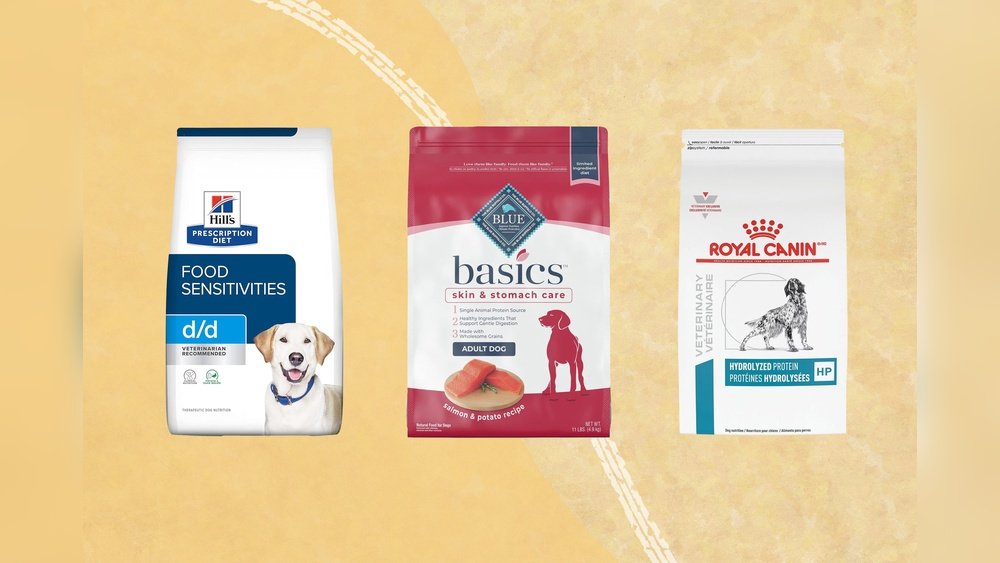
If your dog is scratching more than usual or showing signs of discomfort, allergies might be the cause. Finding the best dog food for allergies can feel overwhelming, but it’s one of the most important steps you can take to help your furry friend feel better.
You want a diet that soothes their sensitive system without sacrificing taste or nutrition. You’ll discover simple, effective options that can reduce allergic reactions and keep your dog happy and healthy. Keep reading—your dog’s comfort is closer than you think.
Common Allergies In Dogs
Allergies in dogs cause many health problems. They can affect your dog’s skin, digestion, and overall happiness. Knowing common allergies helps you find the best dog food for allergies. This protects your dog from discomfort and illness.
Food Allergies
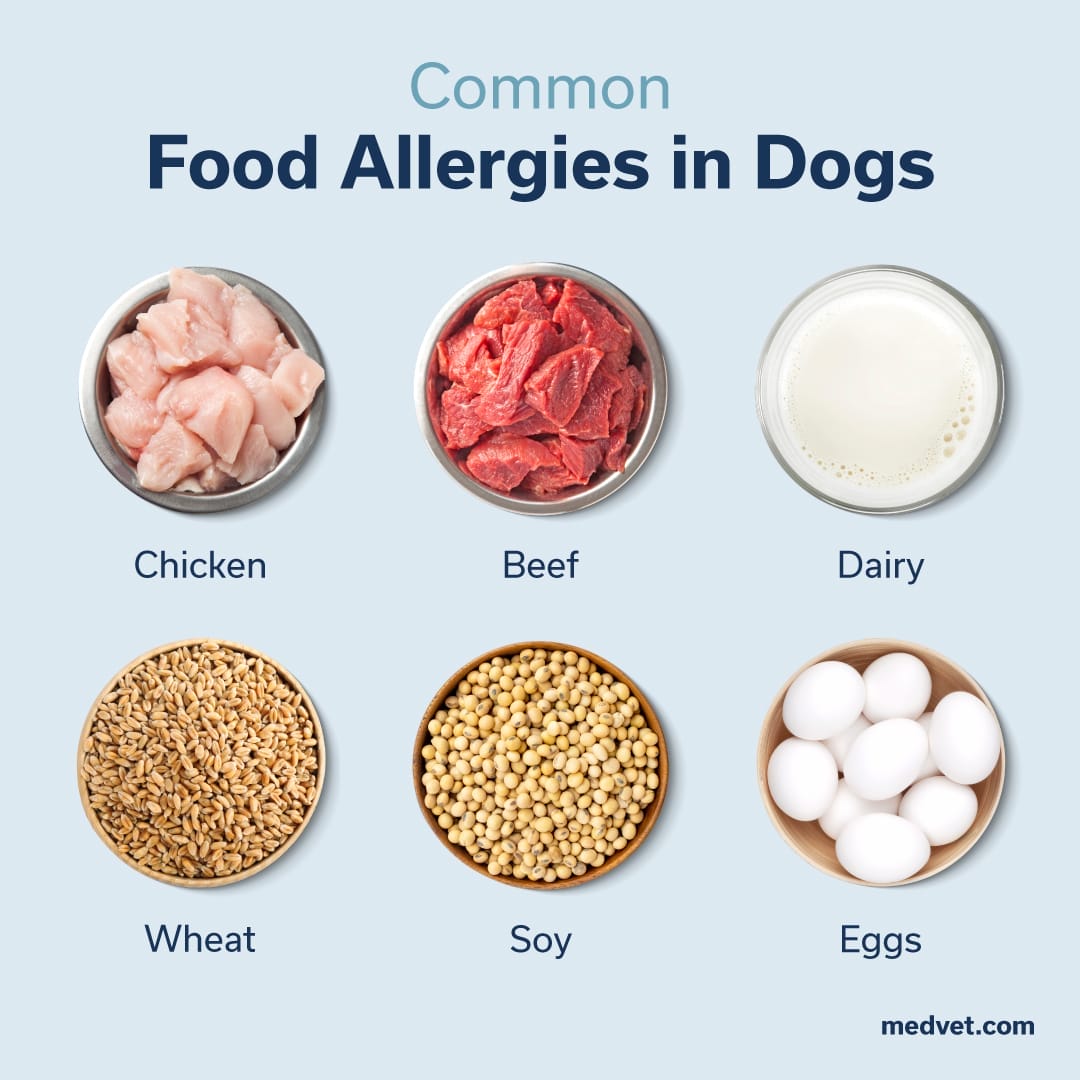
Food allergies happen when a dog’s body reacts to certain ingredients. Common triggers include beef, chicken, dairy, and wheat. Dogs with food allergies may itch, vomit, or have diarrhea. Choosing hypoallergenic food can reduce these symptoms.
Environmental Allergies
Dogs also react to things in their environment. Pollen, dust mites, and mold often cause allergies. These can lead to sneezing, itching, and watery eyes. Special diets can support dogs with environmental allergies too.
Flea Allergy Dermatitis
Some dogs are allergic to flea bites. This causes intense itching and hair loss. Even a few flea bites can cause big problems. Flea control and proper nutrition help manage this allergy.
Contact Allergies
Contact allergies happen when the skin touches irritants. Chemicals, plants, or certain fabrics may cause reactions. Dogs with contact allergies scratch and bite their skin. Avoiding triggers and feeding gentle food helps healing.
Symptoms Of Food Allergies
Food allergies in dogs can cause many health problems. Recognizing the symptoms early helps protect your pet. Allergies often affect the skin, digestion, or behavior. Watch your dog closely for changes after eating.
Itchy Skin And Redness
One common sign is itchy skin. Dogs may scratch or bite their skin more than usual. Red or inflamed patches often appear on the ears, paws, or belly. These areas can become irritated and sore.
Digestive Issues
Food allergies can upset your dog’s stomach. Symptoms include vomiting, diarrhea, or gas. Your dog may also have a poor appetite or lose weight. These signs show the body struggles to digest certain foods.
Ear Infections
Repeated ear infections often link to food allergies. The ears may look red, swollen, or have a bad smell. Your dog might shake its head or scratch the ears often. These infections can be painful and need attention.
Swelling And Hives
Swelling on the face, paws, or body can happen. Hives are raised, red bumps on the skin. These reactions may appear suddenly after eating. Swelling can cause discomfort and may need quick care.
Behavioral Changes
Allergies can affect how your dog acts. Your pet may become restless or irritable. Scratching and discomfort can make them less playful. Notice any unusual behavior or mood changes after meals.
Ingredients To Avoid
Choosing the right dog food is key for dogs with allergies. Avoiding certain ingredients helps reduce allergic reactions. Some common ingredients trigger itching, redness, and upset stomach. Knowing what to avoid keeps your dog healthy and happy.
Artificial Colors And Flavors
Artificial colors and flavors can cause allergies in dogs. These chemicals do not add nutrition. They may lead to skin problems and digestive issues. It is best to pick foods without these additives.
Common Protein Sources
Chicken, beef, and dairy are common allergens for dogs. Many dogs react to these proteins. Try to avoid dog foods with these ingredients if allergies occur. Limited ingredient diets may help find safer proteins.
Grains And Fillers
Wheat, corn, and soy often cause allergic reactions. These grains are hard to digest for some dogs. Avoid dog foods with these fillers to reduce allergy symptoms. Look for grain-free or single grain options.
By-products And Fillers
Meat by-products are lower-quality ingredients. They can trigger allergies and cause digestive problems. Fillers add no nutrition and may irritate your dog’s system. Choose dog food with whole, named ingredients instead.
Benefits Of Hypoallergenic Dog Food
Hypoallergenic dog food helps dogs with allergies feel better. It contains simple ingredients that rarely cause reactions. This type of food supports sensitive stomachs and itchy skin. Many dogs show quick improvement after switching to hypoallergenic diets.
Choosing the right hypoallergenic food can reduce allergy symptoms. It also promotes healthier skin and a shinier coat. Dogs often enjoy better digestion and more energy on these diets. Owners find fewer vet visits and less worry about food issues.
Reduced Allergic Reactions
Hypoallergenic dog food uses limited ingredients to avoid allergens. This lowers the chance of skin rashes and itching. Dogs experience less sneezing and watery eyes too. The food helps calm the immune system’s response.
Improved Digestion
These foods often include easily digestible proteins and carbs. They reduce stomach upset, gas, and diarrhea. Dogs feel more comfortable after meals. This supports better nutrient absorption and overall health.
Healthier Skin And Coat
Hypoallergenic diets provide essential fatty acids and vitamins. These nutrients repair skin and reduce inflammation. Dogs develop softer skin and less hair loss. Their coats become glossier and smoother over time.
Less Vet Visits And Lower Costs
Managing allergies with the right food cuts vet visits. Owners spend less on medications and treatments. This makes caring for allergic dogs easier and more affordable. Consistent diet helps maintain long-term wellness.
Limited Ingredient Diets
Limited ingredient diets help dogs with allergies by reducing the number of ingredients they eat. This lowers the chance of allergic reactions. These diets focus on simple recipes with fewer components.
Dogs with food allergies often react to common ingredients like wheat, soy, or certain proteins. Limited ingredient diets avoid these triggers by using one protein source and a few other ingredients. This makes it easier to identify the cause of allergies.
What Are Limited Ingredient Diets?
Limited ingredient diets contain a small number of ingredients. Usually, they have one main protein and one or two carbohydrates. This simplicity helps reduce allergic reactions and digestive issues.
Benefits For Dogs With Allergies
These diets help reduce itching, redness, and stomach problems. They also make allergy testing easier. Many dogs feel better and have healthier skin after switching.
Choosing The Right Limited Ingredient Diet
Pick diets with novel proteins your dog has never eaten. This lowers allergy risks. Check ingredient labels carefully. Avoid artificial additives and fillers that can cause reactions.
Common Ingredients In Limited Ingredient Diets
Common proteins include duck, venison, or fish. Carbohydrates may be sweet potatoes or peas. These ingredients are less likely to cause allergies.
Grain-free Options
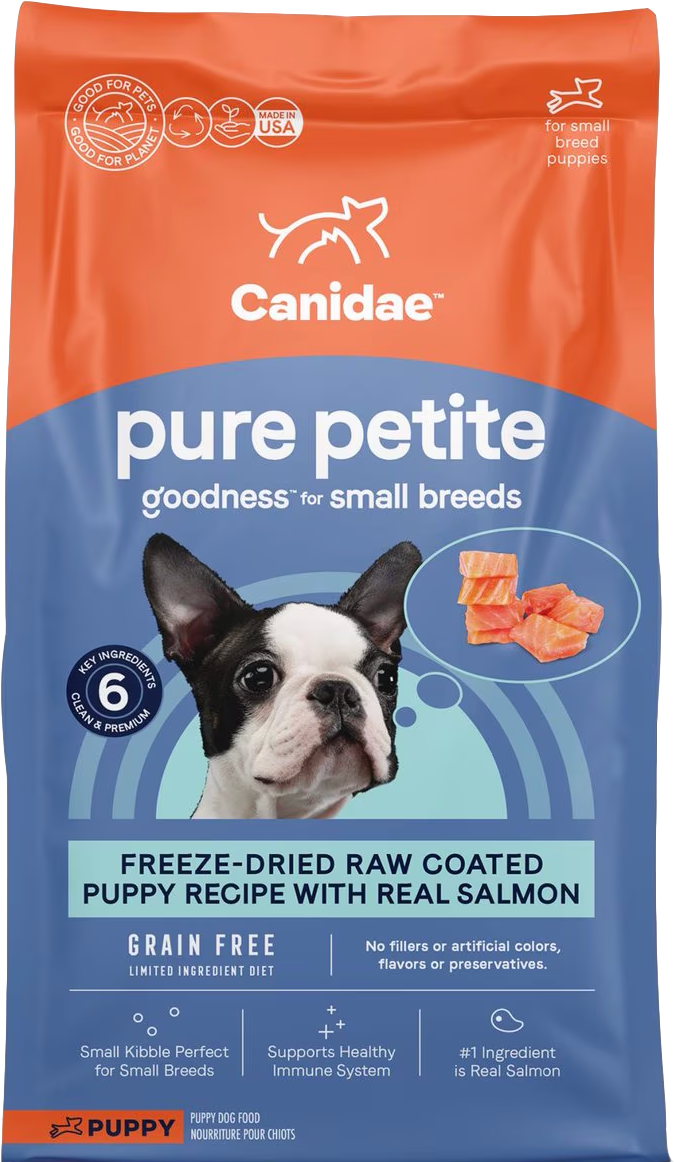
Grain-free dog food options help pets with allergies feel better. Many dogs react to grains like wheat, corn, or soy. Grain-free diets skip these ingredients. They focus on proteins and vegetables that are easier to digest.
This type of food can reduce itching, redness, and stomach problems. It provides essential nutrients without causing allergic reactions. Grain-free options often use potatoes, peas, or lentils as carbohydrate sources.
What Makes Grain-free Dog Food Better For Allergies?
Grains can trigger allergic reactions in some dogs. Removing grains lowers the chance of flare-ups. Grain-free foods rely on alternative ingredients. These are less likely to cause allergies.
Proteins like lamb, fish, or duck replace common allergens. This supports healthy skin and coat. The food stays rich in vitamins and minerals without grains.
Common Ingredients In Grain-free Dog Food
Grain-free dog food uses ingredients like sweet potatoes, peas, and chickpeas. These provide energy and fiber. Meat sources include salmon, turkey, and venison. These proteins help build strong muscles.
Many recipes add fruits like blueberries for antioxidants. They also include healthy fats like fish oil. These support brain health and reduce inflammation.
Choosing The Right Grain-free Dog Food
Check the label for real meat as the first ingredient. Avoid foods with artificial colors or preservatives. Look for products made for sensitive skin or allergies.
Talk to your vet before changing your dog’s diet. They can help pick the best grain-free option. Watch your dog’s reaction after switching foods. This helps find the perfect match for their needs.
Novel Protein Sources
Novel protein sources offer new options for dogs with allergies. These proteins are less common in dog foods. They help reduce allergic reactions.
Choosing novel proteins can improve your dog’s skin and coat health. These proteins come from animals rarely used in pet food. They provide essential nutrients without triggering allergies.
What Are Novel Protein Sources?
Novel protein sources come from unusual animals or fish. Examples include duck, rabbit, venison, and kangaroo. These proteins are new to your dog’s diet. They help avoid reactions to common proteins like chicken or beef.
Benefits Of Novel Protein Sources
Novel proteins reduce the risk of allergic reactions. They support healthy digestion and nutrient absorption. These proteins can also improve your dog’s energy levels and mood.
Popular Novel Protein Options
Duck and rabbit are popular choices for allergy-sensitive dogs. Venison offers a rich, lean protein source. Fish like salmon or whitefish provides omega-3 fatty acids. These options help keep your dog healthy and happy.
How To Introduce Novel Proteins
Switch to novel proteins gradually. Start by mixing small amounts with your dog’s current food. Watch for any signs of allergies or discomfort. Consult your vet for the best transition plan.
Credit: www.icecreamfactoryny.com
Top Dry Dog Foods For Allergies
Choosing the right dry dog food can help reduce allergy symptoms in dogs. Dogs with allergies need foods that avoid common triggers. These dry foods use limited ingredients to keep allergies down.
Many dry dog foods for allergies focus on high-quality proteins and grains that are easy to digest. They avoid artificial additives and fillers. This helps dogs feel better and stay healthy.
Limited Ingredient Dry Dog Foods
Limited ingredient foods contain fewer ingredients. This lowers the chance of allergic reactions. They often use one protein source and simple carbohydrates. These foods are good for dogs with sensitive stomachs.
Grain-free Dry Dog Foods
Grain-free foods remove wheat, corn, and soy. These grains often cause allergies. Grain-free dry dog foods use potatoes or peas instead. They can help reduce itching and skin problems.
Hypoallergenic Dry Dog Foods
Hypoallergenic foods use special protein sources like duck or venison. These proteins are less common in dog food. They help dogs who react to regular meats. Hypoallergenic foods also avoid common allergens like dairy and eggs.
Omega-3 Rich Dry Dog Foods
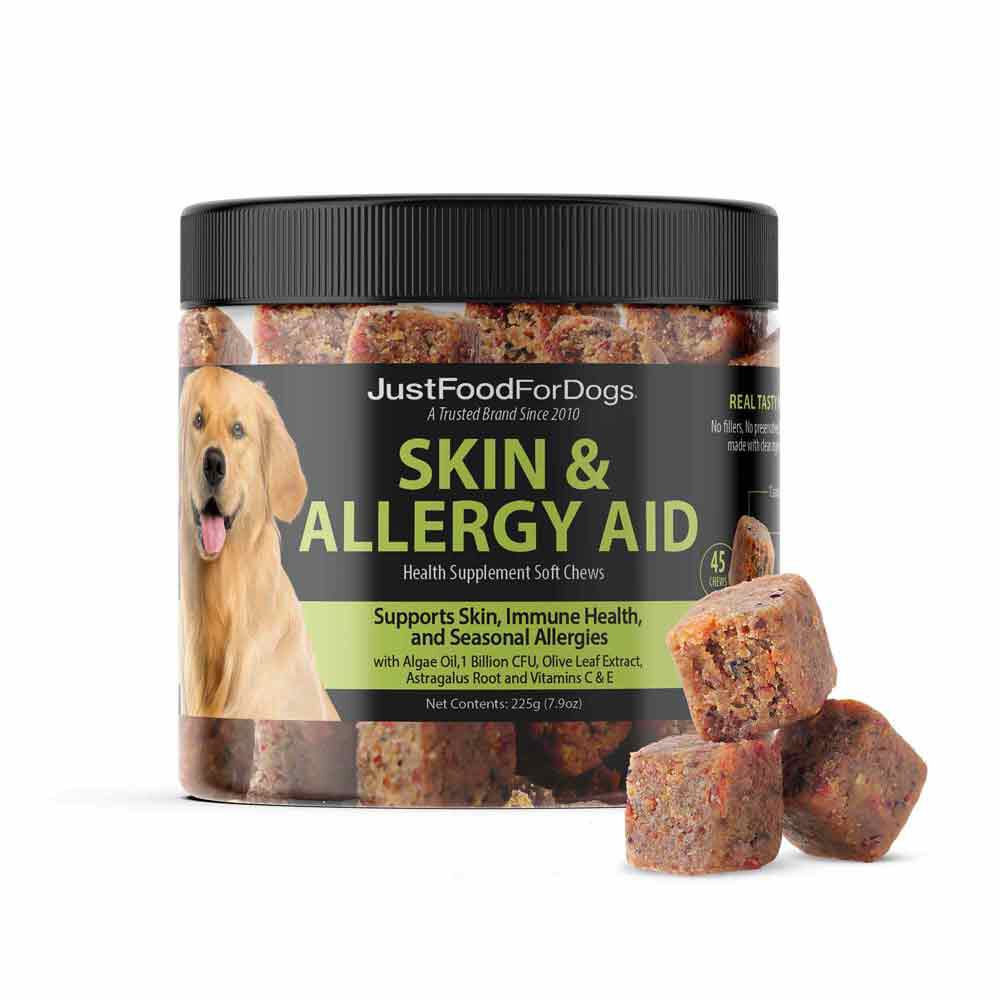
Omega-3 fatty acids reduce inflammation and support skin health. Dry dog foods with fish oil or flaxseed help calm allergies. These foods improve coat shine and reduce itching.
Best Wet Dog Foods For Sensitive Pups
Wet dog food can be easier on sensitive pups. It has more moisture, which helps with digestion and hydration. Wet food often contains fewer fillers and artificial ingredients. This makes it a good choice for dogs with allergies or food sensitivities.
Choosing the right wet dog food helps reduce allergic reactions. It supports your pup’s health and comfort. Here are some top options to consider.
Limited Ingredient Wet Dog Foods
These foods use few ingredients to lower allergy risks. They focus on simple recipes with one protein source. This helps identify and avoid trigger allergens. Limited ingredient diets are gentle on sensitive stomachs.
Grain-free Wet Dog Foods
Grain-free options avoid wheat, corn, and soy. These grains often cause allergies in dogs. Grain-free wet food uses alternative carbs like peas or sweet potatoes. This can reduce itching and skin problems.
Novel Protein Wet Dog Foods
Novel proteins come from uncommon meat sources. Examples are duck, venison, or rabbit. These proteins are less likely to cause allergies. Using novel proteins helps sensitive pups get needed nutrients.
Wet Dog Foods With Added Omega Fatty Acids
Omega fatty acids support healthy skin and coat. They reduce inflammation and soothe irritation. Foods rich in omega-3 and omega-6 improve allergy symptoms. Look for fish oils or flaxseed in wet dog food.
Credit: www.justfoodfordogs.com
Homemade Recipes For Allergic Dogs
Homemade recipes for allergic dogs offer a safe and healthy way to feed pets. These recipes avoid common allergens like wheat, soy, and certain proteins. Preparing meals at home lets you control every ingredient your dog eats. This control helps reduce allergy symptoms and improves your dog’s overall health.
Fresh, natural ingredients make homemade meals tasty and nutritious. Simple recipes with limited ingredients work best. They help identify which foods cause allergies. Homemade dog food also supports a strong immune system and better digestion.
Choosing Safe Ingredients For Allergic Dogs
Select ingredients free from common allergens. Use novel proteins like duck, rabbit, or venison. Include vegetables such as sweet potatoes, green beans, and carrots. Avoid grains like wheat, corn, and soy, which often trigger allergies. Use healthy fats like fish oil or coconut oil for skin and coat health.
Simple Homemade Dog Food Recipe For Allergies
Cook one cup of ground turkey thoroughly. Mix with half a cup of cooked sweet potatoes. Add a quarter cup of steamed green beans. Include one teaspoon of fish oil for omega-3 benefits. Let the food cool before serving to your dog. Store leftovers in the fridge for up to three days.
Tips For Feeding Homemade Food To Allergic Dogs
Introduce homemade food slowly over one week. Watch for any signs of allergic reactions. Consult your vet before changing your dog’s diet. Keep a food diary to track ingredients and symptoms. Rotate proteins and vegetables to prevent new allergies.
Transitioning To New Dog Food
Switching your dog to a new food for allergies requires care. Sudden changes can upset their stomach. A slow, steady transition helps your dog adjust. This process reduces risks of diarrhea or vomiting. It also gives you time to watch for any allergic reactions. Follow simple steps to make the switch smooth.
Gradually Mixing Old And New Food
Start by mixing 25% new food with 75% old food. Feed this mix for three days. Then change to 50% new and 50% old food for the next three days. After that, try 75% new food with 25% old food. Finally, feed 100% new food. This slow change helps your dog’s digestive system adapt.
Watching For Allergic Reactions
Monitor your dog closely during the transition. Look for itching, redness, or swelling. Notice any vomiting or diarrhea. These signs may show a bad reaction to the new food. Contact your vet if you see these symptoms. Early action can prevent serious problems.
Keeping Your Dog Hydrated
New food might change your dog’s water needs. Make sure fresh water is always available. Proper hydration helps digestion and overall health. Encourage your dog to drink more if needed. This support makes the transition easier on your dog.
Consulting Your Vet For Allergies
Consulting your vet is a key step in managing your dog’s allergies. Vets have the training to identify allergy symptoms and causes. They can suggest the best diet and treatments for your dog’s needs.
Allergies can be tricky. Some signs look like other illnesses. Vets use tests to find the exact allergens affecting your pet. These tests help avoid guesswork and unnecessary diet changes.
Understanding Allergy Symptoms
Your vet will check for common allergy signs. These include itching, redness, ear infections, and digestive problems. Spotting symptoms early helps protect your dog’s health and comfort.
Testing For Allergens
Vets may perform skin or blood tests. These tests reveal specific allergens causing reactions. Knowing these allergens guides the choice of safe dog food options.
Choosing The Right Dog Food
Based on test results, your vet recommends hypoallergenic or limited-ingredient foods. These diets reduce exposure to allergens and ease symptoms. Your vet will also advise on food transition steps.
Follow-up And Monitoring
Regular vet visits track your dog’s progress. Adjustments to diet or medication may be needed. Ongoing care ensures your dog stays healthy and happy.
Credit: eecusa.com
Frequently Asked Questions
What Ingredients Cause Dog Food Allergies Most Often?
Common allergens include beef, dairy, wheat, chicken, and soy. Dogs can react to proteins and grains in their food.
How Can I Tell If My Dog Has A Food Allergy?
Look for itching, redness, vomiting, or diarrhea. These signs often mean a food allergy or intolerance.
What Type Of Dog Food Is Best For Allergies?
Limited ingredient diets or hypoallergenic foods usually work best. They reduce exposure to common allergens.
Can Homemade Dog Food Help With Allergies?
Yes, homemade meals control ingredients and avoid allergens. Always consult a vet to ensure balanced nutrition.
Are Grain-free Dog Foods Better For Allergic Dogs?
Not always. Some dogs react to grains, but others do not. Grain-free diets can help specific allergies only.
How Long Does It Take To See Allergy Improvement?
Improvement can show in 2 to 4 weeks. Consistency in feeding the new diet is key.
Should I Give My Dog Supplements For Allergies?
Supplements like omega-3 fatty acids can reduce inflammation. Always check with your vet before adding them.
Can Dog Food Allergies Cause Skin Problems?
Yes, allergies often cause itchy skin, rashes, and hair loss. Skin is a common allergy symptom in dogs.
Is It Safe To Switch Dog Food For Allergies Suddenly?
Sudden changes can upset your dog’s stomach. Gradual switching over 7 to 10 days is safer.
How Do Vets Diagnose Dog Food Allergies?
Vets use elimination diets and food trials. They remove suspected allergens and watch for symptom changes.
Conclusion
Choosing the best dog food for allergies helps your pet stay happy and healthy. Foods with limited ingredients often reduce allergic reactions. Always check labels for common allergens like wheat, soy, and dairy. Consult your vet to find the right diet for your dog’s needs.
Watch for signs of improvement after changing food. Patience is key; allergies take time to manage well. Healthy food supports your dog’s skin, coat, and overall wellness. A good diet means fewer vet visits and a happier dog. Keep your dog comfortable with the right food every day.