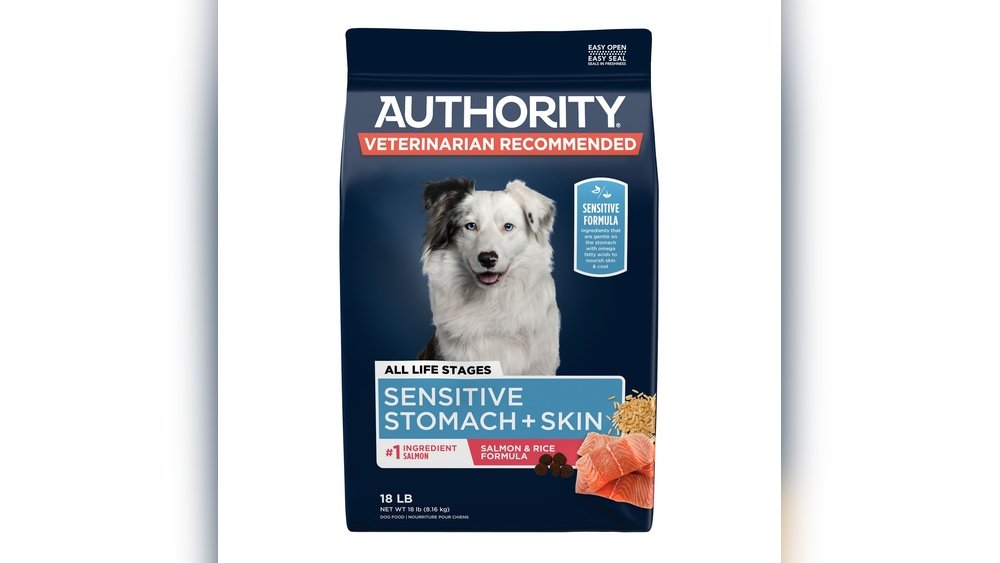
If your dog often suffers from upset stomachs, you know how tough it can be to find the right food. Choosing the best dog food for a sensitive stomach isn’t just about avoiding discomfort—it’s about giving your furry friend the nutrition they need to thrive.
You want to see your dog happy, energetic, and free from digestive troubles. This guide will help you understand what ingredients to look for, which foods to avoid, and how to make the best choice for your dog’s unique needs.
Keep reading to discover how you can make mealtime easier and healthier for your beloved pet.
Credit: www.petcarerx.com
Causes Of Sensitive Stomachs In Dogs
Dogs with sensitive stomachs often face discomfort and digestive issues. Understanding the causes helps in choosing the right food. Various factors can trigger stomach sensitivity in dogs.
Dietary Intolerances And Allergies
Some dogs cannot tolerate certain ingredients. Common offenders include grains, dairy, and certain proteins. Allergies cause inflammation and upset stomachs. Identifying these ingredients is key to avoiding problems.
Sudden Diet Changes
Switching dog food too quickly can upset digestion. Dogs need time to adjust to new ingredients. Rapid changes lead to diarrhea, vomiting, or gas. Gradual transitions help maintain stomach health.
Infections And Parasites
Bacterial, viral, or parasitic infections can cause stomach issues. Parasites like worms disrupt digestion and nutrient absorption. Infections often cause vomiting and diarrhea. Proper veterinary care is important to treat these.
Stress And Anxiety
Stress affects dogs’ digestive systems. Changes in environment or routine can trigger upset stomachs. Nervous dogs may refuse food or vomit. Reducing stress supports better digestion.
Underlying Health Conditions
Chronic illnesses like pancreatitis or inflammatory bowel disease cause sensitivity. These conditions require special diets and care. Early diagnosis helps manage symptoms effectively. Regular vet check-ups support long-term health.
Signs Your Dog Has A Sensitive Stomach
Dogs with sensitive stomachs often show clear signs. These signs help you notice their discomfort early. Understanding these symptoms can guide you to choose the best dog food for sensitive stomachs.
Watch your dog’s daily habits and health closely. Small changes can mean a big problem inside. Acting fast helps your dog feel better sooner.
Frequent Vomiting Or Gagging
Vomiting is a common sign of a sensitive stomach. Dogs may gag or retch often. This shows their stomach struggles to handle certain foods.
Loose Or Watery Stool
Loose stool or diarrhea happens when digestion is weak. This can occur after eating or anytime. It means your dog’s stomach lining is irritated.
Excessive Gas And Bloating
Gas and bloating cause discomfort and restlessness. Your dog may appear swollen around the belly. This happens when food is not digesting well.
Loss Of Appetite
A dog with a sensitive stomach may refuse food. Loss of appetite signals pain or nausea. This is a clear warning to change their diet.
Lethargy And Weakness
Feeling tired or weak can connect to stomach issues. Poor digestion reduces nutrient absorption. Your dog may seem less active or playful.
Key Nutrients For Gentle Digestion
Choosing the right nutrients is vital for dogs with sensitive stomachs. Gentle digestion needs special care. The food must support the digestive system and avoid irritation.
Certain nutrients help soothe the stomach and improve digestion. These ingredients reduce discomfort and keep your dog feeling good. Understanding these key nutrients helps pick the best food for your dog.
Protein Sources Easy On The Stomach
Protein is important for muscle and tissue health. Gentle proteins like chicken, turkey, or fish are easier to digest. Avoid proteins that cause allergies or upset the stomach. Limited protein variety can reduce digestion problems.
Digestive Enzymes For Better Nutrient Absorption
Digestive enzymes help break down food into nutrients. They support the stomach and intestines in processing food. Enzymes like protease and amylase improve digestion and reduce gas or bloating.
Prebiotics And Probiotics For Gut Health
Prebiotics feed good bacteria in the gut. Probiotics add healthy bacteria to the digestive system. Together, they balance the gut flora and improve digestion. This balance reduces stomach upset and supports immune health.
Fiber For Gentle Digestion
Fiber regulates bowel movements and stool quality. Soluble fiber, such as pumpkin or oats, soothes the digestive tract. It slows digestion and helps absorb water. Fiber prevents constipation and diarrhea in sensitive dogs.
Fat Content And Quality
Fats provide energy and support cell function. Healthy fats like omega-3 and omega-6 oils reduce inflammation. Low to moderate fat levels avoid strain on the stomach. Good fat sources include fish oil and flaxseed.

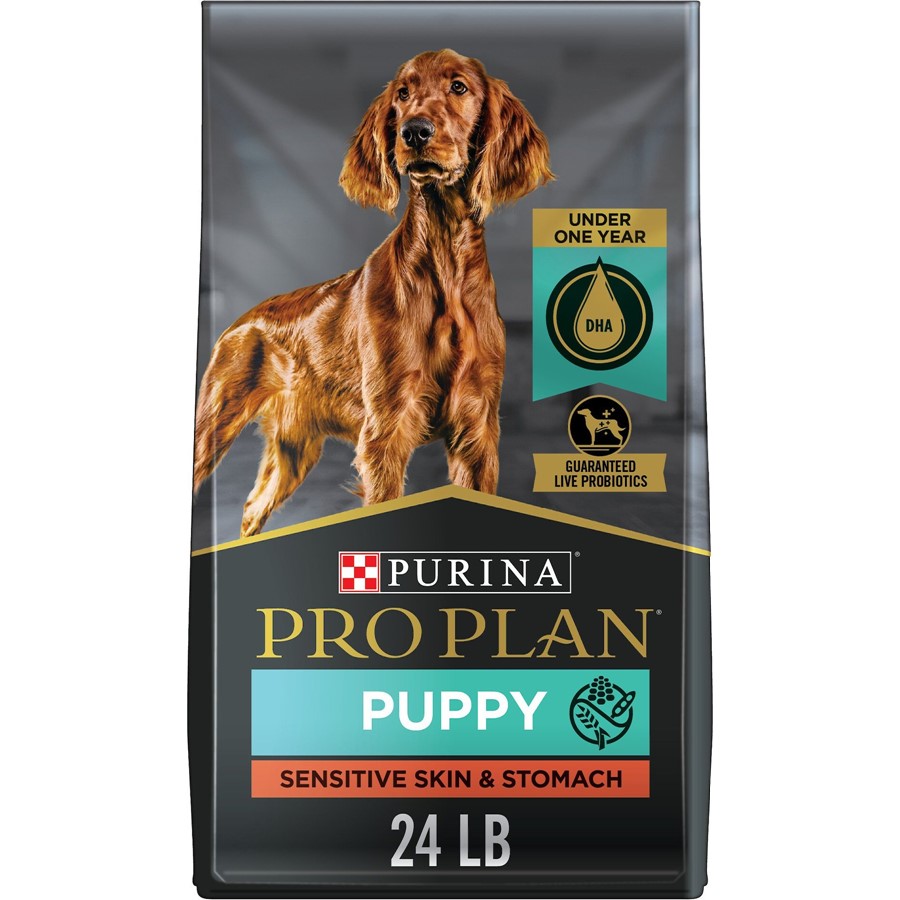
Credit: www.walmart.com
Common Ingredients To Avoid
Choosing the right dog food for a sensitive stomach means avoiding certain ingredients. Some additives and fillers can upset your dog’s digestion. These ingredients often cause gas, diarrhea, or vomiting. Knowing which ingredients to skip helps keep your dog healthy and happy.
Grains And Fillers
Grains like corn, wheat, and soy can irritate sensitive stomachs. They are hard to digest and provide little nutrition. Many dogs react with allergies or digestive problems. Avoid dog food with these cheap fillers for better gut health.
Artificial Additives
Artificial colors, flavors, and preservatives often cause stomach upset. These chemicals do not add nutrition. They may trigger allergic reactions or inflammation. Choose dog foods free from artificial additives to protect your pet’s digestion.
Dairy Products
Many dogs are lactose intolerant. Dairy can cause stomach cramps and diarrhea. Avoid dog food with milk, cheese, or whey. Look for dairy-free formulas to keep your dog comfortable.
High-fat Ingredients
Too much fat can stress your dog’s digestive system. It may cause pancreatitis or loose stools. Foods with excessive oils or fats should be avoided. Opt for balanced fat levels for easy digestion.
By-products And Fillers
Animal by-products and low-quality fillers offer little nutrition. These ingredients may cause allergies or digestive issues. Select dog food with clear, quality protein sources instead.
Benefits Of Limited Ingredient Diets
Limited ingredient diets offer clear benefits for dogs with sensitive stomachs. These diets reduce the number of ingredients, making digestion easier. They help identify and avoid allergens or irritants. This approach supports better gut health and overall well-being.
By limiting ingredients, these diets focus on high-quality, simple nutrition. They reduce the chance of stomach upset, vomiting, or diarrhea. Dogs often feel more comfortable and energetic on these diets.
Improved Digestibility
Limited ingredient diets use fewer, simpler ingredients. This makes it easier for dogs to digest their food. Sensitive stomachs handle these diets better than complex meals. Better digestion means less discomfort and fewer digestive issues.
Reduced Risk Of Allergies
Fewer ingredients mean fewer chances of allergic reactions. Common allergens like wheat, corn, or soy are often removed. This reduces skin problems and itching caused by allergies. Dogs can enjoy meals without the risk of flare-ups.
Easy Identification Of Problem Ingredients
When a dog has a reaction, it is easier to find the cause. Limited ingredient diets help pinpoint which ingredient causes problems. This helps owners and vets make better food choices. It leads to quicker relief and less trial and error.
Supports Gut Health
Simple ingredients support healthy gut bacteria and digestion. This strengthens the immune system naturally. A healthy gut helps dogs absorb nutrients better. It promotes overall health and reduces stomach sensitivity.
Top Grain-free Dog Foods
Choosing the right grain-free dog food helps pets with sensitive stomachs. Grain-free diets reduce allergies and digestive issues. These foods often use alternative ingredients like sweet potatoes or peas. They provide essential nutrients without common irritants.
Here are some top grain-free dog foods designed for sensitive stomachs. Each brand focuses on gentle digestion and high-quality ingredients.
Blue Buffalo Basics Grain-free Formula
Blue Buffalo Basics uses limited ingredients to avoid allergies. It includes real turkey and easily digestible carbohydrates. The formula contains no chicken, corn, wheat, or soy. It supports healthy digestion and skin.
Wellness Core Grain-free Original
Wellness CORE offers a high-protein, grain-free recipe. It uses deboned turkey and chicken for strong muscles. The food contains probiotics to aid digestion. No artificial colors or preservatives are added.
Merrick Grain-free Real Chicken & Sweet Potato
Merrick’s recipe has real chicken and sweet potatoes. It provides balanced nutrition for sensitive stomachs. The grain-free formula avoids common allergens. It also includes omega fatty acids for a shiny coat.
Natural Balance L.i.d. Limited Ingredient Diets
Natural Balance L.I.D. uses limited ingredients for easy digestion. It features a single protein source with no grains. The food supports digestive health and reduces stomach upset. It is suitable for dogs with food sensitivities.
Best Hypoallergenic Dog Food Options
Dogs with sensitive stomachs often need special food. Hypoallergenic dog food helps reduce allergies and digestion issues. These foods use limited ingredients to avoid common triggers.
Choosing the right hypoallergenic food can ease your dog’s discomfort. It supports better digestion and overall health. Here are some top options to consider for your dog’s sensitive stomach.
Limited Ingredient Diets
Limited ingredient diets contain fewer ingredients to reduce allergy risk. These foods focus on one protein and one carbohydrate source. They make it easier to identify any food triggers.
Common proteins include lamb, duck, or fish. Carbohydrates like sweet potatoes or rice are gentle on the stomach. These diets improve digestion and skin health.
Novel Protein Formulas
Novel protein formulas use rare proteins dogs rarely eat. Examples are kangaroo, venison, or rabbit. These proteins lower the chance of allergic reactions.
Dogs with food sensitivities often respond well to these formulas. They provide essential nutrients while avoiding common allergens. Novel proteins keep your dog’s stomach calm.
Grain-free Hypoallergenic Food
Grain-free hypoallergenic foods remove wheat, corn, and soy. These grains can cause allergies and stomach upset in some dogs. Grain-free options often use potatoes or peas as carbs.
This type of food supports dogs with grain sensitivities. It helps reduce inflammation and improves digestion. Grain-free hypoallergenic food keeps your dog comfortable.
High-quality Protein Sources For Sensitive Dogs
Choosing the right protein source is key for dogs with sensitive stomachs. High-quality proteins help support digestion and provide essential nutrients. These proteins are easier to digest and less likely to cause stomach upset. Many dog foods use common proteins that can trigger allergies or sensitivities. Selecting novel or limited proteins can reduce these risks and improve your dog’s comfort.
Proteins are the building blocks for muscles, skin, and coat health. Sensitive dogs need proteins that promote healing and reduce inflammation. Quality proteins also support energy levels and overall well-being. Pay attention to the source and quality of protein in your dog’s food. This helps maintain digestive health and keeps your dog happy.
Single-source Proteins
Single-source proteins come from one animal or plant type. These reduce the chance of allergies and digestive issues. Common single proteins include chicken, lamb, and fish. Using one protein helps you identify any food sensitivities. Dogs with sensitive stomachs often do better with single-source diets.
Novel Proteins
Novel proteins are new or uncommon protein types for your dog. Examples include duck, venison, and bison. These proteins are less likely to cause allergic reactions. Novel proteins give sensitive dogs a fresh option to avoid common allergens. They offer good nutrition and support digestive health.
Hydrolyzed Proteins
Hydrolyzed proteins are broken down into tiny pieces. This makes them easier to digest and less likely to cause allergies. Foods with hydrolyzed proteins are ideal for dogs with severe sensitivities. These proteins help calm the digestive system and improve nutrient absorption.
Role Of Probiotics And Prebiotics
Probiotics and prebiotics play a key role in managing sensitive stomachs in dogs. They help keep the digestive system balanced and healthy. These ingredients support good bacteria that aid digestion and reduce tummy problems.
Including probiotics and prebiotics in dog food can improve nutrient absorption. They also help reduce diarrhea, gas, and bloating. This support makes meals easier on your dog’s stomach.
What Are Probiotics?
Probiotics are live good bacteria. They live naturally in the gut and help break down food. These friendly bacteria fight harmful germs and keep the gut healthy. They improve digestion and boost the immune system.
What Are Prebiotics?
Prebiotics are fibers that feed good bacteria. They are not digested by dogs but help probiotics grow. Prebiotics create a healthy environment in the gut. They support the balance of gut bacteria and improve digestion.
How Probiotics And Prebiotics Help Sensitive Stomachs
Probiotics restore good bacteria after illness or antibiotics. Prebiotics feed these bacteria to keep them strong. Together, they reduce gut inflammation and improve stool quality. This makes food easier to digest and helps sensitive dogs feel better.

Credit: schilo.fr
How To Transition To A New Dog Food
Changing your dog’s food can be tricky, especially for dogs with sensitive stomachs. A sudden switch might upset their digestion. A smooth transition helps avoid stomach problems and keeps your dog happy.
Take time to change the food. Introduce the new food slowly over several days. This process allows your dog’s stomach to adjust without stress.
Gradual Mixing Of Old And New Food
Start by mixing a small amount of new food with the old food. Use about 25% new food and 75% old food. Feed this mix for two to three days. Watch your dog’s reaction closely.
Increase New Food Amount Step-by-step
After a few days, raise the new food to 50%. Lower the old food to 50%. Keep this ratio for another two to three days. Then, increase new food to 75% and old food to 25% for the next days.
Complete Switch To New Food
After about 7 to 10 days, your dog should eat 100% new food. Observe any changes in digestion or behavior. If problems appear, slow down the transition.
Watch For Signs Of Digestive Trouble
Look for vomiting, diarrhea, or constipation. Also, check for lack of appetite or lethargy. If these occur, pause the switch and consult your vet.
Tips For Feeding Dogs With Sensitive Stomachs
Feeding a dog with a sensitive stomach needs care and attention. Choosing the right food helps avoid tummy troubles. Small changes can make a big difference in your pet’s health.
Understanding your dog’s needs is key. This section shares easy tips to help your dog eat well and feel better.
Keep Meals Small And Frequent
Feeding small portions several times a day reduces stomach stress. It helps digestion and prevents bloating. Your dog will feel more comfortable and less likely to vomit.
Choose Easily Digestible Ingredients
Pick dog food with simple ingredients that are gentle on the stomach. Foods with chicken, rice, or sweet potatoes work well. Avoid fillers and artificial additives that can cause upset.
Introduce New Foods Slowly
Change your dog’s diet gradually over 7 to 10 days. Mix new food with the old one to avoid sudden upset. Watch for any signs of discomfort or allergies during this time.
Provide Plenty Of Fresh Water
Water helps digestion and keeps your dog hydrated. Always keep fresh water available. This supports overall health and eases stomach issues.
Consult Your Vet For Special Needs
Your vet can recommend the best diet for sensitive stomachs. They may suggest supplements or prescription food. Follow their advice for your dog’s well-being.
When To Consult A Veterinarian
Knowing when to consult a veterinarian is very important for dogs with sensitive stomachs. Some symptoms can be mild, but others need quick attention. A vet can find the cause and give the right treatment.
Trust your instincts if your dog acts differently. Early advice can prevent serious problems. This section helps you understand the signs that need professional care.
Signs Of Persistent Digestive Issues
Watch for vomiting or diarrhea lasting more than two days. Loss of appetite and weight loss are also warning signs. These symptoms may mean an underlying problem needs a vet’s help.
Changes In Behavior Or Energy
If your dog becomes very tired or less playful, it might signal illness. Sudden restlessness or discomfort can also indicate pain. A vet can assess these changes and suggest tests or treatments.
Blood Or Mucus In Stool
Finding blood or mucus in your dog’s stool is serious. This can point to infections, parasites, or allergies. Immediate veterinary advice is important to protect your dog’s health.
Severe Or Sudden Stomach Pain
Signs like whining, pacing, or a hunched posture show pain. Sudden stomach pain needs urgent vet care to avoid complications. Do not wait to seek help in these cases.
Failure To Respond To Diet Changes
Switching to special dog food might not always solve stomach problems. If symptoms stay the same or get worse, a vet should check your dog. This ensures proper diagnosis and treatment.
Frequently Asked Questions
What Ingredients Help Dogs With Sensitive Stomachs?
Simple, natural ingredients like rice, chicken, and pumpkin soothe digestion. Avoid fillers and artificial additives for better stomach health.
How To Choose Dog Food For Sensitive Digestion?
Look for limited ingredients and easily digestible proteins. Avoid common allergens like wheat, soy, and corn.
Can Grain-free Dog Food Help Sensitive Stomachs?
Grain-free dog food may reduce irritation for some dogs. Yet, consult your vet as not all dogs benefit from grain-free diets.
How Does Fiber Affect Sensitive Stomachs In Dogs?
Fiber helps regulate digestion and prevents constipation. Choose dog food with moderate fiber from natural sources.
Is Homemade Dog Food Good For Sensitive Stomachs?
Homemade food allows control over ingredients and freshness. Ensure balanced nutrition by consulting a vet or pet nutritionist.
How Often Should I Feed A Dog With A Sensitive Stomach?
Smaller, frequent meals ease digestion and reduce stomach upset. Divide daily food into two or three portions for best results.
Can Probiotics Improve My Dog’s Sensitive Stomach?
Probiotics support healthy gut bacteria and improve digestion. Look for dog foods with added probiotics or supplements.
What Are Common Signs Of A Sensitive Stomach In Dogs?
Vomiting, diarrhea, gas, and loss of appetite often signal stomach sensitivity. Watch for these signs to adjust diet promptly.
Should I Switch Dog Food Gradually For Sensitive Stomachs?
Yes, switch food slowly over 7-10 days to avoid digestive upset. Mix old and new food, increasing new food daily.
Can Sensitive Stomach Dog Food Help With Allergies?
Sensitive stomach diets often reduce exposure to allergens. Limited ingredient foods can also lessen allergic reactions in some dogs.
Conclusion
Choosing the best dog food for a sensitive stomach helps your pet stay healthy. Gentle ingredients support digestion and reduce tummy troubles. Feeding the right food can improve energy and mood. Always watch how your dog reacts to new meals.
Consult your vet if issues continue. Finding the right diet takes time but is worth it. Your dog deserves comfort and good nutrition every day. Keep learning and adjust meals as needed. Care and patience make a big difference.