
If you want your dog to stay healthy, happy, and full of energy, choosing the best fish oil for dogs can make a big difference. Fish oil is packed with nutrients that support your dog’s skin, coat, joints, and overall well-being.
But with so many options out there, how do you know which one is right for your furry friend? You’ll discover exactly what to look for, which brands stand out, and how fish oil can transform your dog’s health. Keep reading to find the perfect supplement your dog deserves!
Benefits Of Fish Oil For Dogs
Fish oil offers many health benefits for dogs. It supports their body in many ways. Regular use helps keep dogs healthy and active.
Fish oil contains omega-3 fatty acids. These are important for a dog’s overall well-being. They help with skin, coat, joints, and more.
Improves Skin And Coat Health
Omega-3s reduce dryness and itchiness. Dogs with fish oil have shiny, soft coats. Fish oil helps fight skin allergies and inflammation.
Supports Joint Health
Fish oil reduces joint pain and stiffness. It helps dogs with arthritis move more easily. The omega-3s lower inflammation in joints.
Boosts Heart Health
Fish oil supports a strong, healthy heart. It helps regulate heart rhythms and blood pressure. This keeps dogs active and energetic.
Enhances Brain Function
Omega-3 fatty acids support brain development and function. They improve memory and learning in dogs. Fish oil is good for puppies and older dogs.
Supports Immune System
Fish oil helps the immune system fight illness. It reduces inflammation throughout the body. A strong immune system keeps dogs healthy longer.
Key Nutrients In Fish Oil
Fish oil contains important nutrients that support your dog’s health. These nutrients help with the skin, joints, heart, and brain. Knowing the key nutrients can help you choose the best fish oil for your dog.
Omega-3 Fatty Acids
Omega-3 fatty acids are the most important part of fish oil. They include EPA and DHA. These fats reduce inflammation and support the brain and eyes. They also help keep your dog’s coat shiny and skin healthy.
Vitamin D
Vitamin D helps with strong bones and teeth. It also supports the immune system. Fish oil is a natural source of vitamin D, which many dogs need in their diet.
Vitamin A
Vitamin A is good for vision and skin health. It also helps the immune system fight germs. Fish oil provides vitamin A in a form that dogs can use easily.
Antioxidants
Fish oil contains antioxidants that protect cells from damage. These antioxidants help slow aging and support overall health. They keep your dog feeling energetic and well.
Choosing The Right Fish Oil
Choosing the right fish oil for dogs is important for their health. Fish oil supports their skin, coat, and joints. It also helps with heart and brain function. Not all fish oils are the same. Some have more benefits and better quality than others. Knowing what to check makes a big difference.
Focus on purity, ingredients, and dosage. This helps find fish oil that is safe and effective. Understanding these points can protect your dog and give the best results.
Check For Purity And Safety
Choose fish oil that is free from toxins like mercury and heavy metals. Look for products tested by third parties. These tests confirm the fish oil is clean and safe. Avoid oils with fillers or artificial additives. Pure fish oil helps your dog without risks.
Look For High Omega-3 Content
Fish oil should have high levels of EPA and DHA. These are the main omega-3 fatty acids that help dogs. Check the label for the amount per serving. Higher omega-3 means better support for your dog’s health.
Choose The Right Form
Fish oil comes in liquid and capsule forms. Liquids are easy to mix with food. Capsules are convenient for travel or precise dosing. Pick the form that fits your dog’s needs and your routine.
Consider The Source Of Fish
Fish oil made from wild-caught fish is often better than farmed fish. Wild fish tend to have fewer contaminants. Common sources include salmon, anchovies, and sardines. These provide good omega-3 levels and quality.
Check Dosage Guidelines
Follow the recommended dose based on your dog’s weight. Too little fish oil may not help much. Too much can cause side effects. Start with a small amount and adjust if needed. Consult a vet for the best advice.

Credit: www.simonvetsurgical.com
Top Fish Oil Brands For Dogs
Choosing the right fish oil for dogs is important for their health. Fish oil helps with skin, coat, joints, and heart. Many brands offer quality fish oil, but some stand out. These brands use pure ingredients and are safe for pets. Below are some top fish oil brands for dogs.
Nordic Naturals Omega-3 Pet
Nordic Naturals is known for high-quality omega-3 supplements. Their pet fish oil is made from wild-caught fish. It is rich in EPA and DHA, which support dog health. The oil is fresh and has no strong fishy smell.
Grizzly Omega Health
Grizzly Omega Health uses wild Alaskan salmon oil. It contains natural antioxidants to keep the oil fresh. This brand offers good omega-3 levels for dogs of all sizes. The product supports skin, coat, and joint health.
Zesty Paws Omega Bites
Zesty Paws offers omega-3 in tasty bite form. These bites are easy to give to picky dogs. They include fish oil plus other healthy ingredients. The bites promote shiny coats and reduce inflammation.
Welactin Fish Oil For Dogs
Welactin fish oil is made for pets and contains high omega-3 levels. It helps with dry skin and joint problems. The oil is tested for purity and safety. It comes in easy-to-use bottles with measured doses.
Vetriscience Laboratories Omega-3
VetriScience makes omega-3 supplements that support overall dog health. Their fish oil comes from sustainable fish sources. The supplement helps improve heart function and skin condition. It is well-absorbed and gentle on the stomach.
Liquid Vs. Capsule Fish Oil
Choosing the best fish oil for dogs often means deciding between liquid and capsule forms. Each type has clear benefits and small drawbacks. Understanding these can help you pick the right one for your dog’s needs.
Liquid Fish Oil
Liquid fish oil is easy to mix with your dog’s food. It often absorbs faster in the body. You can adjust the dose easily for dogs of all sizes. Some dogs enjoy the taste, while others might not. Storing liquid fish oil usually means keeping it in the fridge. It may lose freshness if left out too long.
Capsule Fish Oil
Capsules are simple to give, especially for dogs that swallow pills. They keep the oil fresh for a long time. Capsules hide the fishy smell and taste well. You cannot change the dose easily with capsules. Some dogs may not like swallowing pills or capsules.
Which One Is Better?
Both liquid and capsules provide omega-3 fatty acids. The best choice depends on your dog’s preferences. Also, consider ease of use and storage. Liquid is flexible but needs careful storage. Capsules are neat but less adjustable. Think about what fits your routine and your dog’s likes.
Credit: www.businessinsider.com
Dosage Guidelines For Dogs
Proper fish oil dosage depends on your dog’s weight and health needs. Start with a small amount and increase gradually. Always follow your vet’s advice for safe use.
Understanding The Right Dosage
Giving the right amount of fish oil to your dog is very important. Too little may not help, and too much can cause problems. Dosage depends on your dog’s size, age, and health needs. Always check the label on the fish oil product for specific advice.
Dosage By Weight
Small dogs usually need about 100 mg of EPA and DHA per 10 pounds of body weight. Medium dogs need around 200 mg per 20 pounds. Large dogs require about 300 mg per 30 pounds. These numbers help give a safe starting point for most dogs.
Consulting Your Vet
Your vet knows your dog’s health best. They can suggest the right fish oil amount. This is especially true for dogs with health issues or those on other medicines. A vet’s advice helps avoid any side effects or interactions.
Adjusting Dosage Over Time
Start with a small dose and watch your dog. If they show good signs, you can keep or adjust the dose. Look for better coat, skin, and energy levels. If problems appear, reduce or stop the fish oil and talk to your vet.
Potential Side Effects
Fish oil can be very good for dogs. It helps their skin, coat, and joints. But like any supplement, it can cause some problems. Knowing the possible side effects helps keep your dog safe. Watch your dog closely when you start fish oil.
Digestive Issues
Some dogs may have upset stomachs. They might vomit or have diarrhea. This usually happens if the dose is too high. Try giving fish oil with food to reduce this problem.
Allergic Reactions
Rarely, dogs can be allergic to fish oil. Signs include itching, swelling, or redness. If you see these, stop giving the oil and see a vet. Allergies need quick attention to avoid serious issues.
Blood Thinning
Fish oil can make blood thinner. This slows clotting and may cause bleeding. Avoid giving fish oil before surgery. Talk to your vet if your dog takes blood-thinning medicine.
Vitamin Overdose
Some fish oils have added vitamins A and D. Too much can be harmful. Watch the amount you give your dog. Follow the label and vet advice carefully.
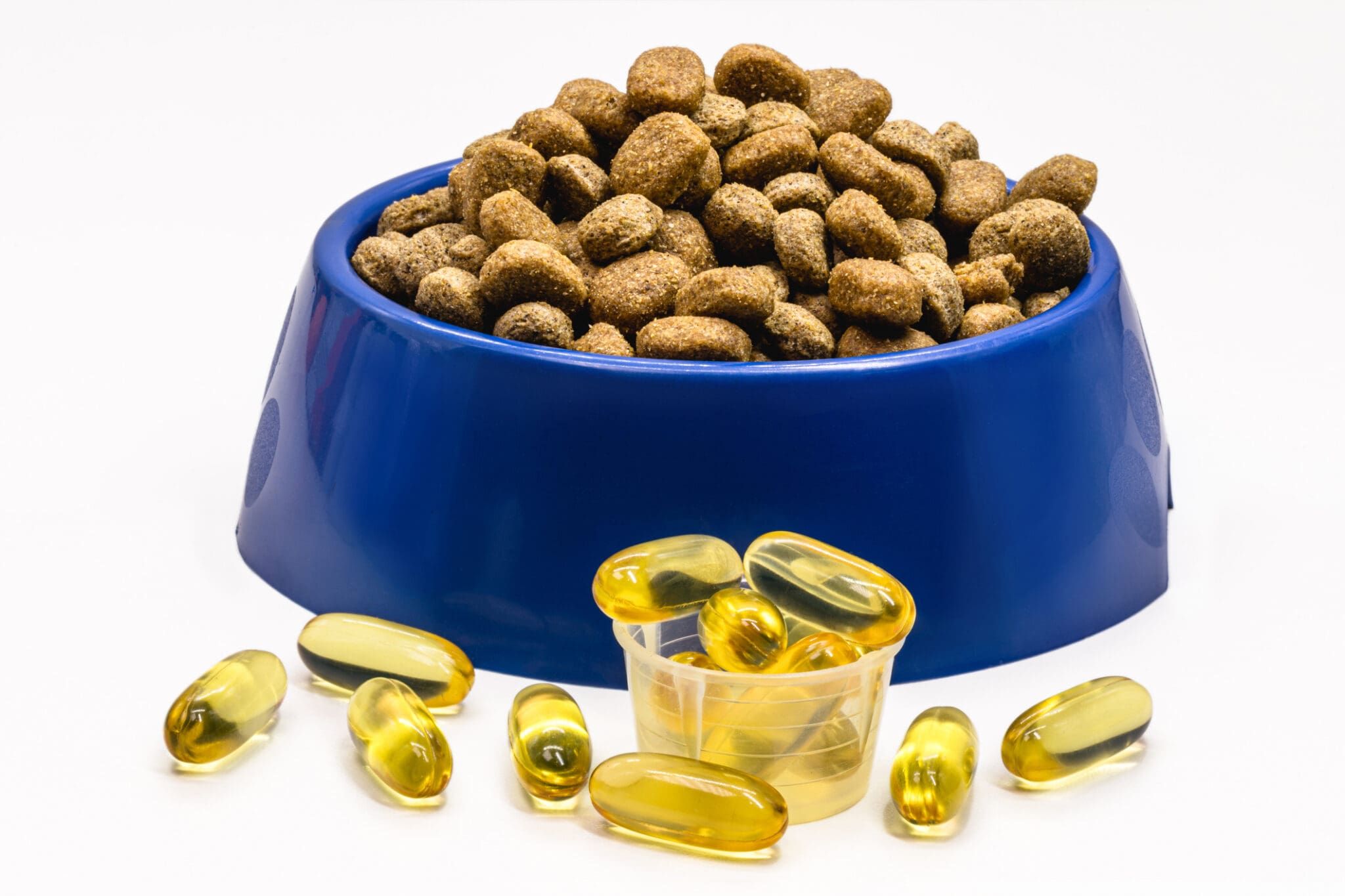
Credit: www.whole-dog-journal.com
Fish Oil For Different Dog Breeds
Fish oil offers many benefits for dogs, but needs vary by breed. Different dogs have unique health needs and body types. Choosing the right fish oil depends on these factors. This guide explains how fish oil helps various dog breeds stay healthy and happy.
Smaller breeds may need less dosage but still benefit greatly. Larger breeds often require higher amounts for joint and heart support. Breed-specific concerns affect the choice of fish oil supplements. Understanding these differences helps pet owners make smart choices.
Fish Oil For Small Dog Breeds
Small dogs like Chihuahuas and Pomeranians have fast metabolisms. They benefit from fish oil that supports skin and coat health. A lower dose works well to avoid digestive upset. Look for products with balanced EPA and DHA for best results.
Fish Oil For Large Dog Breeds
Large breeds such as Labradors and Great Danes face joint stress. Fish oil helps reduce inflammation and supports joint health. Higher doses are often needed for these dogs. Choose fish oil rich in omega-3 fatty acids for strong bones.
Fish Oil For Active And Working Dogs
Active dogs require extra support for muscles and recovery. Fish oil aids in reducing muscle soreness and boosts energy levels. Breeds like Border Collies and German Shepherds benefit from consistent supplementation. Look for high-quality fish oil with pure ingredients.
Fish Oil For Senior Dogs
Older dogs experience joint pain and weaker immune systems. Fish oil helps improve mobility and supports brain health. Dosage should be adjusted based on size and health status. Gentle formulas with added antioxidants work well for seniors.
Incorporating Fish Oil Into Dog Food
Incorporating fish oil into your dog’s food can improve health and well-being. Fish oil contains omega-3 fatty acids that support the skin, coat, joints, and heart. Adding it to meals is a simple way to give your dog these benefits.
It is important to introduce fish oil carefully. Start with small amounts and watch for any changes. Mixing fish oil with food helps dogs enjoy the taste and get their daily dose easily.
Select fish oil made for dogs. Human supplements may have different ingredients. Look for products with clear labels and trusted sources. High-quality fish oil has less odor and is free from harmful additives.
How To Add Fish Oil To Dog Food
Measure the right amount based on your dog’s weight. Pour fish oil over their regular food. Mix well to spread the oil evenly. Some dogs prefer it chilled or mixed with wet food for better taste.
Signs Your Dog Likes Fish Oil
Watch if your dog eagerly eats the food with fish oil. Healthy skin and a shiny coat are good signs. Improved energy and less itching show positive effects too. If your dog refuses the food, try a smaller dose or different brand.
Signs Of Improved Health
Adding fish oil to your dog’s diet can lead to many health benefits. It is rich in omega-3 fatty acids, which support the body in many ways. After a few weeks of use, you may notice clear signs of improved health in your dog.
These signs show that the fish oil is working well. They include better skin, shinier coat, and more energy. Watching for these changes helps you see the difference fish oil makes.
Improved Skin And Coat
Fish oil helps reduce dry, itchy skin. Dogs with skin problems often feel more comfortable. Their coats become softer and shinier. Less scratching means healthier skin and less irritation.
Increased Energy And Mobility
Omega-3 fatty acids support joint health. Dogs may move more easily and with less pain. They often show more energy during play and walks. This is a good sign that their joints feel better.
Better Heart And Brain Health
Fish oil supports heart function and brain activity. Dogs may stay alert and active longer. Improved heart health helps dogs live a fuller life. These benefits often show up in their behavior.
Reduced Inflammation
Inflammation can cause many health issues in dogs. Fish oil helps reduce swelling and discomfort. This can improve overall wellbeing and ease chronic conditions. Your dog may seem more relaxed and happy.
Frequently Asked Questions
What Are The Benefits Of Fish Oil For Dogs?
Fish oil supports healthy skin, shiny coats, and joint health in dogs. It also helps reduce inflammation and supports heart health.
How Much Fish Oil Should I Give My Dog Daily?
The amount depends on your dog’s size and weight. A common dose is 20-55 mg of EPA and DHA per pound.
Can Fish Oil Improve My Dog’s Coat Condition?
Yes, fish oil can reduce dryness and itching. It helps make your dog’s coat soft and shiny.
Is Fish Oil Safe For All Dog Breeds?
Fish oil is generally safe for most breeds. Always check with your vet, especially for dogs with health issues.
What Type Of Fish Oil Is Best For Dogs?
Look for high-quality, purified fish oil rich in EPA and DHA. Products with no added fillers are best.
Can Fish Oil Help With My Dog’s Joint Pain?
Yes, fish oil can reduce joint inflammation and improve mobility. It may help dogs with arthritis feel better.
How Long Does It Take To See Results From Fish Oil?
Most dogs show improvements in skin and coat within 4-6 weeks. Joint benefits may take longer, up to 3 months.
Are There Any Side Effects Of Fish Oil For Dogs?
Side effects are rare but may include upset stomach or loose stools. Always start with a small dose and monitor your dog.
Conclusion
Choosing the right fish oil can help your dog stay healthy and happy. Good fish oil supports their skin, coat, and joints. Always check the label for quality and purity. Start with a small dose and watch for any changes.
Talk to your vet before adding supplements. With the best fish oil, your dog can enjoy a better life every day. Simple steps make a big difference. Keep your dog’s health a top priority.