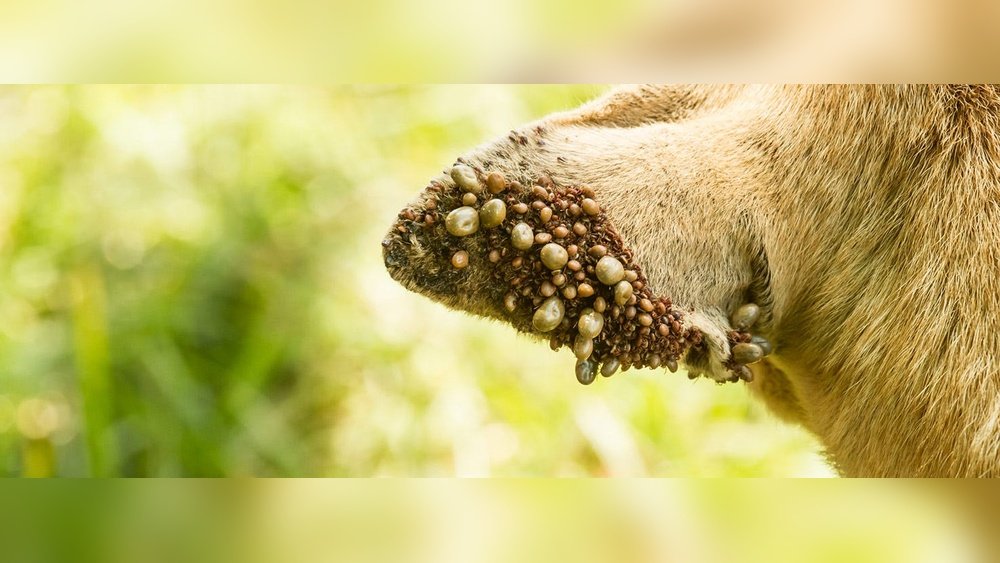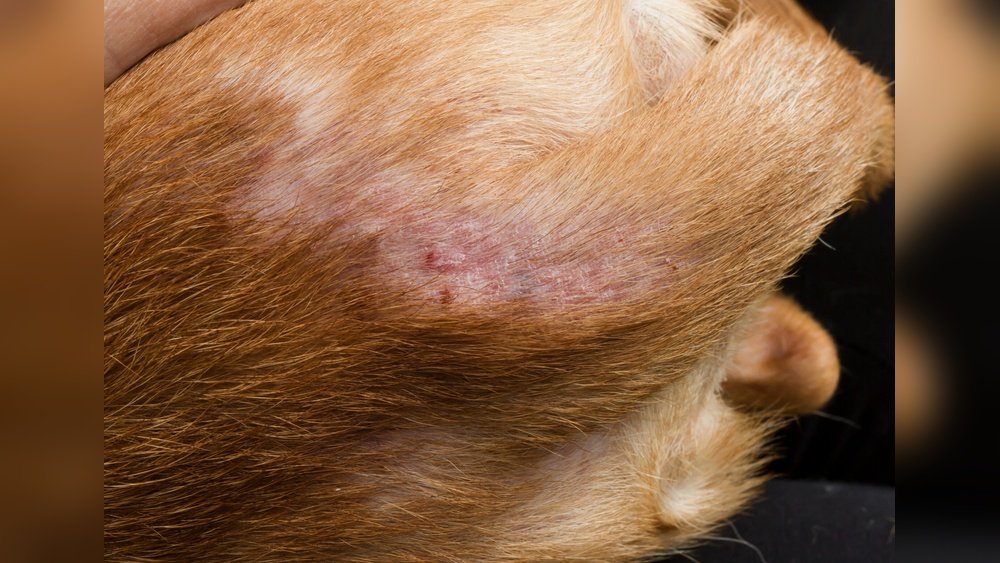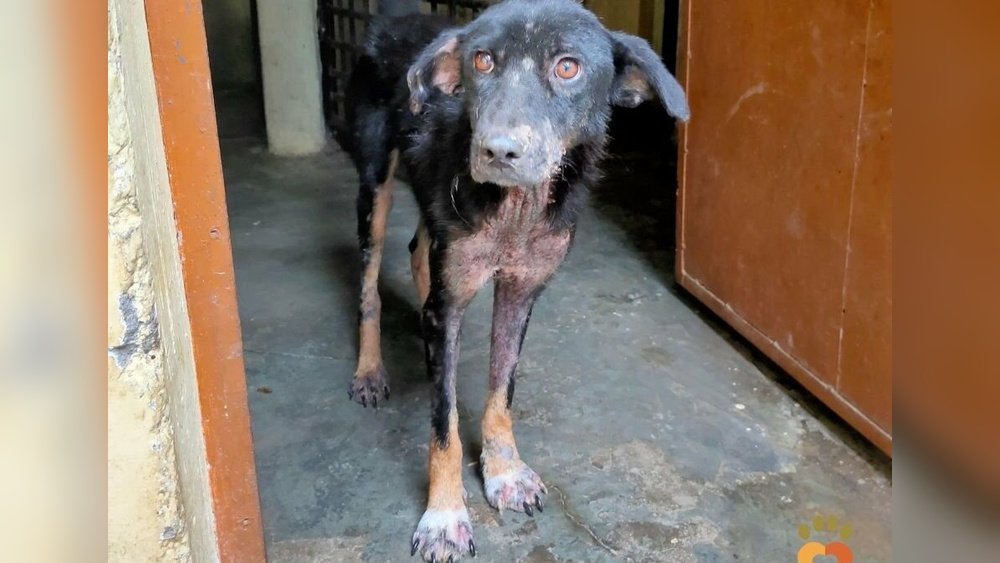
Many dog owners notice their pets scratching more than usual or see red patches on the skin. You may wonder: Can dog food cause skin problems? This is a common question, especially if your dog’s skin suddenly gets dry, flaky, or irritated. The truth is, what your dog eats can have a strong impact on their skin health. But the reasons are not always simple. Skin problems in dogs can develop from several factors, but diet is often a key part of the puzzle.
In this article, you’ll discover how ingredients in dog food might lead to skin issues, what signs to look for, and how to choose food that supports healthy skin. We’ll also explore mistakes owners make, how to work with your vet, and steps to keep your dog comfortable.
Whether you have a purebred or a mixed breed, this guide aims to give you the knowledge you need to make the best choices for your dog’s skin and overall well-being.
How Dog Food Affects Skin Health
A dog’s skin is like a mirror that reflects their inner health. Nutrition plays a direct role in keeping the skin strong, flexible, and resistant to irritation. Poor quality food or the wrong kind of ingredients can break this balance.
The Connection Between Diet And Skin
The skin is a barrier that protects dogs from germs, allergens, and injury. It needs nutrients to stay healthy. If the diet is missing essential fatty acids, vitamins, or minerals, the skin can become dry, flaky, or inflamed. Some ingredients, like common allergens, can trigger reactions that show up on the skin.
Essential Nutrients For Healthy Skin
Dogs need certain nutrients to keep their skin and coat in good condition:
- Omega-3 and Omega-6 fatty acids: Help maintain skin moisture and reduce inflammation.
- Protein: Necessary for repairing and building new skin cells.
- Zinc: Supports the healing of wounds and prevents dryness.
- Vitamin E and B vitamins: Act as antioxidants and support cell function.
A lack of these nutrients can lead to dull fur, itching, or even hair loss.
How Food Ingredients Cause Skin Issues
Some dogs are sensitive or allergic to certain ingredients in food. When their immune system reacts, it often shows as skin problems. Two common issues are:
- Food allergies: The immune system attacks a harmless food protein, causing itching, redness, and sometimes ear infections.
- Food intolerances: The gut reacts badly to certain foods, leading to poor skin health over time.
These reactions may take weeks or months to appear, making it hard to link the problem to a specific food.
Signs Your Dog’s Skin Problems May Be Caused By Food
Dogs scratch for many reasons, but when food is the cause, there are often some clear signs. Recognizing these early can help you act fast and prevent long-term discomfort.
Common Symptoms
Watch for these signs if you think your dog’s food might be to blame:
- Persistent itching (especially around the face, paws, ears, or belly)
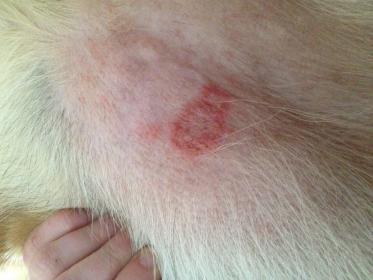
- Red, inflamed skin
- Chronic ear infections
- Hair loss or bald patches
- Frequent licking or chewing at the skin
- Dry, flaky, or scaly skin
- Hot spots (areas of moist, irritated skin)
- Dull or brittle coat
How Symptoms Differ From Other Skin Problems
Food-related skin issues often:
- Do not respond to flea treatments.
- Occur year-round, not just in certain seasons.
- May improve when the diet changes, then return if the old food is given again.
But, these signs can overlap with other problems like environmental allergies or parasites. That’s why it’s important to consider your dog’s history, recent changes, and speak with a vet.
When To Be Concerned
If your dog’s skin issues are severe, last more than a few weeks, or get worse, see your vet. Fast action can prevent infections or deeper health issues.
Common Dog Food Ingredients Linked To Skin Problems
Some ingredients are more likely than others to cause trouble for sensitive dogs. Not all dogs react to the same things, but here are the usual suspects.
Proteins
The most common food allergens in dogs are proteins. These include:
- Beef
- Chicken
- Dairy
- Eggs
- Fish
- Lamb
- Soy
Beef, chicken, and dairy are responsible for most food allergies in dogs. Some dogs may react to one protein but not another.
Grains
Grains like wheat, corn, and soy can also cause reactions in some dogs, though true grain allergies are less common than protein allergies.
Artificial Additives
Dogs can be sensitive to artificial colors, flavors, or preservatives, such as:
- BHA and BHT (preservatives)
- Ethoxyquin
- Artificial dyes
These may not cause allergies, but they can irritate the skin or gut in some dogs.
Fillers And By-products
Low-quality dog foods often use fillers like corn gluten meal, meat by-products, or soy meal. These ingredients may be harder to digest and can trigger reactions in sensitive dogs.
Fats And Oils
Some dogs react to certain fat sources, especially if the oils are of poor quality or have become rancid.
Real-life Example
A Labrador named Max developed red, itchy skin soon after switching to a cheaper dog food. The new food listed chicken by-product meal and artificial color as main ingredients. After returning to his original diet, Max’s skin cleared up in two weeks.
Comparison Of Common Allergens In Dog Food
Here is a simple comparison of how often dogs react to different food ingredients:
| Ingredient | Chance of Causing Allergy | Notes |
|---|---|---|
| Beef | High | Most common protein allergen |
| Dairy | High | Often causes digestive & skin issues |
| Chicken | Medium-High | Common in many foods |
| Wheat | Low-Medium | Grain allergies are less common |
| Soy | Low | Sometimes used as a filler |
The Science Behind Food Allergies And Intolerances In Dogs
Understanding how food affects your dog’s skin starts with knowing how allergies and intolerances work.
What Happens During A Food Allergy?
A food allergy is when a dog’s immune system mistakes a food protein for a threat. The body releases chemicals like histamine, which cause itching, redness, and swelling. This reaction can develop suddenly, even if your dog has eaten the food for years without trouble.
What About Food Intolerance?
A food intolerance does not involve the immune system. Instead, your dog may have trouble digesting a certain ingredient. This often leads to stomach problems (like diarrhea or gas) but can also cause poor skin health, as the body does not absorb nutrients well.
Why Do Some Dogs React?
It’s not clear why some dogs develop allergies while others do not. Genetics, early diet, and the health of the gut all play a role. Some breeds, like West Highland White Terriers, Boxers, and Cocker Spaniels, are more at risk.
Statistics And Research
Studies show that 10–15% of all dog allergies are food-related. Most dogs develop symptoms between 1 and 5 years old, but it can happen at any age.
Example: How The Immune System Reacts
Imagine your dog eats a bowl of food with chicken protein. If allergic, their immune system sees the chicken as an enemy and sends out cells to attack. The result: itching, swelling, and sometimes even vomiting.
Diagnosing Food-related Skin Problems
It can be hard to tell if food is causing your dog’s skin problems. Vets use several steps to find out.
Step 1: Rule Out Other Causes
First, your vet will check for other problems like fleas, mites, or infections. They may do skin scrapings, blood tests, or check for parasites.
Step 2: Try A Food Elimination Trial
The gold standard for diagnosis is a food elimination trial:
- Feed your dog a special diet with proteins and carbs they have never eaten before (for example, duck and potato).
- Keep your dog on this new food for 8–12 weeks with no other treats or table scraps.
- If the symptoms improve, go back to the old food to see if problems return.
If symptoms come back, food is likely the cause.
Step 3: Blood Or Skin Tests
Some vets offer blood or skin tests for food allergies, but these are not always reliable. The elimination diet is still the best method.
Step 4: Track Symptoms
Keep a diary of your dog’s symptoms, food, and any changes. This can help spot patterns and make diagnosis easier.
Common Mistakes During Diagnosis
- Stopping the diet trial too soon (it takes weeks to see results)
- Giving treats or flavored medications during the trial
- Not checking for fleas or other parasites first
Data: How Often Is Food To Blame?
In a group of dogs with itchy skin, only about 10% are found to have food allergies. The rest often have environmental allergies or other problems.
How To Choose Dog Food For Sensitive Skin
If you suspect your dog’s food is causing skin trouble, changing their diet can help. But not all “hypoallergenic” or “sensitive skin” foods are equal.
What To Look For In Dog Food
- Single protein source: Fewer ingredients make it easier to spot triggers.
- Limited ingredients: Shorter ingredient lists reduce the risk of reactions.
- No artificial additives: Avoid colors, flavors, and preservatives.
- High-quality fats: Look for omega-3 and omega-6 fatty acids from sources like fish oil.
- Complete and balanced: The food should meet AAFCO (Association of American Feed Control Officials) standards.
Types Of Special Diets
- Novel protein diets: Use rare meats like venison or duck your dog has never eaten before.
- Hydrolyzed protein diets: Proteins are broken into small pieces, so the immune system does not react.
- Grain-free diets: Useful only if your dog has a proven grain allergy.
Table: Comparing Dog Food Types For Sensitive Skin
| Type of Diet | Main Feature | Best For |
|---|---|---|
| Novel Protein | Uses uncommon meats | Dogs with protein allergies |
| Hydrolyzed Protein | Proteins broken down | Severe allergies |
| Limited Ingredient | Few ingredients | Mild sensitivities |
| Grain-Free | No wheat, corn, or soy | Grain allergies (rare) |
Reading The Ingredient List
Check the first five ingredients. Avoid foods that list by-products or fillers at the top. Look for named meats (like “salmon” or “lamb”) rather than vague terms (“meat meal”).
Real-life Insight
Many owners switch foods too quickly. It can take at least 6 weeks to see improvement in your dog’s skin after changing their food. Patience is key.
Home-cooked Diets And Skin Health
Some owners choose to cook for their dogs, especially if commercial diets fail. This approach has benefits and risks.
Pros
- Full control over ingredients
- Easy to avoid known allergens
- Can be more palatable for picky eaters
Cons
- Risk of missing key nutrients if not well-planned
- Takes more time and effort
- Recipes should be approved by a vet or pet nutritionist
Key Ingredients For Skin Health
If you go this route, include:
- Lean proteins (turkey, fish, rabbit)
- Complex carbs (sweet potato, brown rice)
- Healthy fats (fish oil, flaxseed oil)
- Fresh vegetables (carrots, spinach)
Example Home-cooked Meal
- 1 cup cooked turkey breast (skinless)
- 1/2 cup cooked sweet potato
- 1 tablespoon fish oil
- 1/4 cup chopped spinach
Feed with your vet’s guidance to ensure balance.
Non-obvious Tip
If you switch to home-cooked, rotate protein sources every few weeks to reduce the risk of developing new allergies.
Supplements That Support Healthy Skin
Sometimes, adding the right supplements can help your dog’s skin recover faster.
Common Supplements
- Omega-3 fatty acids: Found in fish oil, reduce inflammation and itching.
- Probiotics: Support the gut, which may improve skin health.
- Vitamin E: Helps repair skin cells.
- Zinc: Needed for skin healing.
How To Use Supplements Safely
Always check with your vet before starting supplements. Too much can cause problems (for example, too much zinc can upset the stomach).
Data: Effectiveness Of Supplements
A study found that over 60% of dogs with itchy skin improved after adding fish oil to their diet for 8 weeks.
When To See A Vet
Not all skin problems can be solved by changing food. Sometimes, medical treatment is needed.
Signs You Need Professional Help
- Skin is bleeding, oozing, or has open sores
- Dog is losing weight, vomiting, or seems very tired
- Symptoms get worse after changing food
- Home treatments do not work after 2 months
A vet can prescribe medication, recommend special diets, or test for other diseases.
Working With Your Vet
Bring a record of what your dog eats, symptoms, and any changes. This helps your vet find the cause faster.
Hidden Insight
Some dogs have multiple allergies (food plus environmental). Treating only one may not solve the problem. A full health plan is often needed.
Mistakes Dog Owners Make With Food And Skin Problems
Trying to help your itchy dog can lead to mistakes. Here’s what to watch out for:
1. Switching Foods Too Quickly
Rapid changes can upset your dog’s stomach. Always transition over 7–10 days.
2. Falling For Marketing Claims
Not all “hypoallergenic” foods are right for your dog. Some still contain common triggers.
3. Not Reading Ingredient Lists
Check for hidden allergens in treats, table scraps, and chews.
4. Ignoring Flea Control
Even with perfect food, fleas can cause major skin problems.
5. Stopping Treatment Too Soon
It can take months to see improvement. Stick with the plan your vet recommends.
6. Overusing Supplements
Too many supplements can throw off your dog’s balance and cause new issues.
7. Not Considering Environmental Factors
Pollen, dust, and mold can all affect your dog’s skin. Don’t focus only on food.
How To Prevent Food-related Skin Problems
While you can’t control everything, you can lower your dog’s risk of skin issues from food.
Steps For Prevention
- Feed high-quality food: Choose reputable brands with named ingredients.
- Rotate proteins: This may help prevent new allergies.
- Limit treats and table scraps: Too many extras can confuse the diet.
- Keep a food diary: Track what your dog eats and any symptoms.
- Regular vet check-ups: Early action can prevent bigger problems.
Table: Tips For Keeping Your Dog’s Skin Healthy
| Tip | Why It Matters |
|---|---|
| Choose food with real meat as the first ingredient | Better protein quality for skin repair |
| Add fish oil (if vet approves) | Supports skin moisture and reduces itchiness |
| Bathe with gentle shampoo | Removes allergens without drying the skin |
| Brush regularly | Removes dead hair and improves circulation |
| Avoid sudden diet changes | Prevents digestive upset and flare-ups |
Less-known Prevention Tip
Check the water bowl. Some dogs react to minerals or additives in tap water. Try filtered water if skin issues persist.
The Role Of Breed, Age, And Environment
Not all dogs react to food in the same way. Understanding your dog’s unique risks can help you make better choices.
Breeds More Likely To Have Food Allergies
Some breeds are at higher risk, including:
- Labrador Retrievers
- West Highland White Terriers
- Cocker Spaniels
- Boxers
- Dachshunds
- Shar-Peis
If your dog is one of these breeds, be extra cautious with new foods.
Puppies Vs. Adults
Young puppies are less likely to have food allergies, but they can still develop them later. Most cases appear in dogs aged 1–5 years.
Environmental Factors
Seasonal allergies, stress, and even humidity can make skin problems worse. Sometimes, what looks like a food allergy is made worse by pollen, dust, or mold.

Credit: www.houndsy.com
Myths About Dog Food And Skin Problems
There are many myths about what causes skin problems in dogs. Let’s clear up some common misunderstandings.
Myth 1: Grain-free Is Always Better
Most dogs do not need a grain-free diet. Grain allergies are rare. Switching to grain-free food without a reason can even cause other health issues.
Myth 2: Raw Diets Cure All Skin Problems
Raw diets can help some dogs, but they also carry risks like bacteria and unbalanced nutrition. They are not a cure-all.
Myth 3: Expensive Food Means Healthier Skin
Price does not always equal quality. Read the ingredient list, not just the label.
Myth 4: Only Purebred Dogs Get Food Allergies
Any dog can have a food allergy, purebred or mixed breed. Genetics do play a role, but all dogs can be affected.
Myth 5: Allergies Appear Overnight
It usually takes months (sometimes years) for food allergies to develop. Sudden symptoms are often due to another cause.
Real-world Case Studies
Learning from real cases can help you see how complex food-related skin issues can be.
Case 1: Chronic Itching In A Golden Retriever
Bella, a 3-year-old Golden Retriever, had red, itchy skin for over a year. Flea and environmental allergies were ruled out. After a 12-week food elimination trial on a hydrolyzed diet, Bella’s skin improved. When her old food was reintroduced, the itching returned.
A switch to a novel protein diet solved the problem.
Case 2: Recurrent Ear Infections In A Bulldog
Jake, a Bulldog, had ongoing ear infections and red paws. His owner switched to grain-free food, but the problem persisted. After a vet visit, a limited ingredient diet with duck and potato was tried. The ear infections stopped, and the redness faded after six weeks.
Case 3: Dry Skin In A Mixed Breed
Lily, a mixed breed, had dry, flaky skin despite eating “premium” food. The ingredient list showed chicken by-product as the main protein. After switching to a salmon and sweet potato food with added fish oil, her coat became shiny and the flakiness disappeared.
Credit: www.asgoodasgold.org
How To Monitor Your Dog’s Skin And Coat
Regular checks can catch problems early. Here’s how to monitor your dog at home.
Weekly Checks
- Look for red patches, scabs, or hair loss.
- Feel for bumps or dry spots.
- Check ears for redness or odor.
- Note any changes in scratching or licking.
Monthly Checks
- Examine the coat for shine and thickness.
- Record any changes in diet or treats.
- Take photos if you see changes, to track progress.
What To Do If You Notice Problems
- Review recent diet changes.
- Stop any new treats or foods.
- Call your vet if symptoms are severe or last more than a week.
Working With A Veterinary Nutritionist
If your dog’s skin issues are severe or do not improve, a veterinary nutritionist can help. These experts design custom diets for dogs with allergies or sensitivities.
Benefits
- Custom meal plans tailored to your dog’s needs.
- Guidance on supplements and safe treats.
- Support during challenging elimination trials.
How To Find One
Ask your vet for a referral, or visit the American College of Veterinary Nutrition website.
When Food Is Not The Only Issue
Sometimes, fixing the diet is not enough. Other health problems can cause or worsen skin issues.
Common Non-food Causes
- Fleas: Even one bite can cause months of itching.
- Environmental allergies: Pollen, dust, or mold.
- Hormone problems: Like hypothyroidism or Cushing’s disease.
- Infections: Bacteria, yeast, or mites.
Why This Matters
If your dog does not improve with a new diet, do not give up. Work with your vet to explore other causes.
The Importance Of Patience And Consistency
Food-related skin problems can be frustrating. Improvement often takes time.
What To Expect
- Itching may get worse before it gets better in the first few weeks of a new diet.
- Full results can take up to 12 weeks.
- Stick to one diet and avoid all extras during trials.
Supporting Your Dog
- Use gentle shampoos to soothe the skin.
- Keep nails trimmed to reduce injury from scratching.
- Offer toys to distract from licking or chewing.
)
Credit: lyka.com.au
Summary: Can Dog Food Cause Skin Problems?
Dog food can absolutely cause skin problems, but it is only one piece of the puzzle. If your dog is itchy, red, or has hair loss, consider their diet—but also rule out other causes. The best approach is to feed high-quality food, avoid known triggers, and work with your vet.
Patience, careful monitoring, and consistent routines are key. Remember, every dog is unique, and what works for one may not work for another.
For more in-depth scientific information, check out this resource from the VCA Animal Hospitals.
Frequently Asked Questions
What Are The Most Common Symptoms Of Food Allergies In Dogs?
The most common symptoms are itching, red skin, hair loss, and chronic ear infections. Dogs may also lick or chew their paws, develop hot spots, or have dull, flaky coats. Symptoms can affect any part of the body but often show up around the face, ears, feet, and belly.
How Long Does It Take For A Dog’s Skin To Improve After Switching Foods?
It usually takes 6 to 12 weeks to see clear improvement. The skin and coat need time to heal, and allergic reactions can linger even after the trigger is removed. Patience is important. If there’s no change after 12 weeks, talk to your vet.
Can Grain-free Diets Help Dogs With Skin Problems?
Grain-free diets help only if your dog has a true grain allergy, which is rare. Most dogs with skin problems react to protein sources like beef or chicken. Removing grains without a confirmed allergy is not usually helpful and may cause other health issues.
Are Home-cooked Diets Safer For Dogs With Skin Allergies?
Home-cooked diets give you full control over ingredients, which can help avoid allergens. However, without proper planning, they can lack important nutrients. Always consult your vet or a veterinary nutritionist before switching to home-cooked meals.
Can Supplements Like Fish Oil Really Help My Dog’s Skin?
Yes, fish oil and other omega-3 supplements can reduce inflammation and itching for many dogs. Studies show that more than half of dogs with skin problems improve with fish oil. Always use the dose your vet recommends to avoid side effects.