Many dog owners want the best for their pets, especially when it comes to food. But what if the protein you are feeding your dog is actually causing problems? The idea that dogs can be allergic to beef surprises many people. Beef is a common ingredient in many commercial dog foods and treats. Yet, some dogs develop signs like itching, stomach problems, or even ear infections after eating it. Understanding beef allergies in dogs is not only important for their comfort, but also for their health and happiness.
Food allergies in dogs are not as rare as some think. In fact, beef is often listed among the top triggers for canine food allergies. But how do you know if your dog is allergic to beef? What causes this reaction, and what can you do about it?
This article will answer these questions and more. We’ll cover how beef allergies work, the symptoms to watch for, how vets diagnose the problem, and what you can do to help your dog live a happy, itch-free life. If you suspect your dog is reacting badly to beef, or just want to keep your pet healthy, the information here will help you make smart choices.
Understanding Food Allergies In Dogs
Allergies happen when the immune system overreacts to something harmless. In dogs, a food allergy means the immune system sees a certain food protein as a threat. It attacks that protein, causing symptoms like itching or stomach upset.
How Common Are Food Allergies In Dogs?
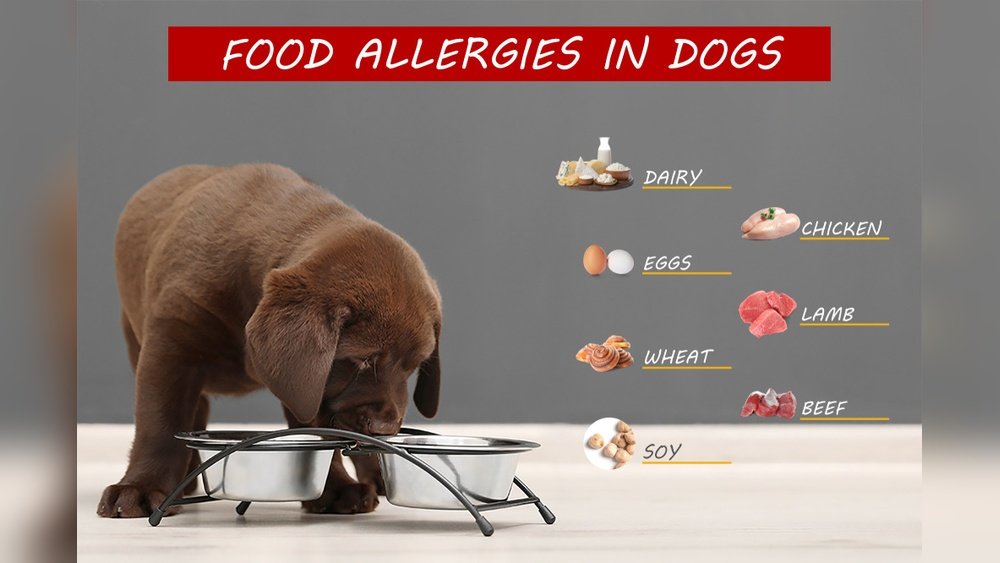
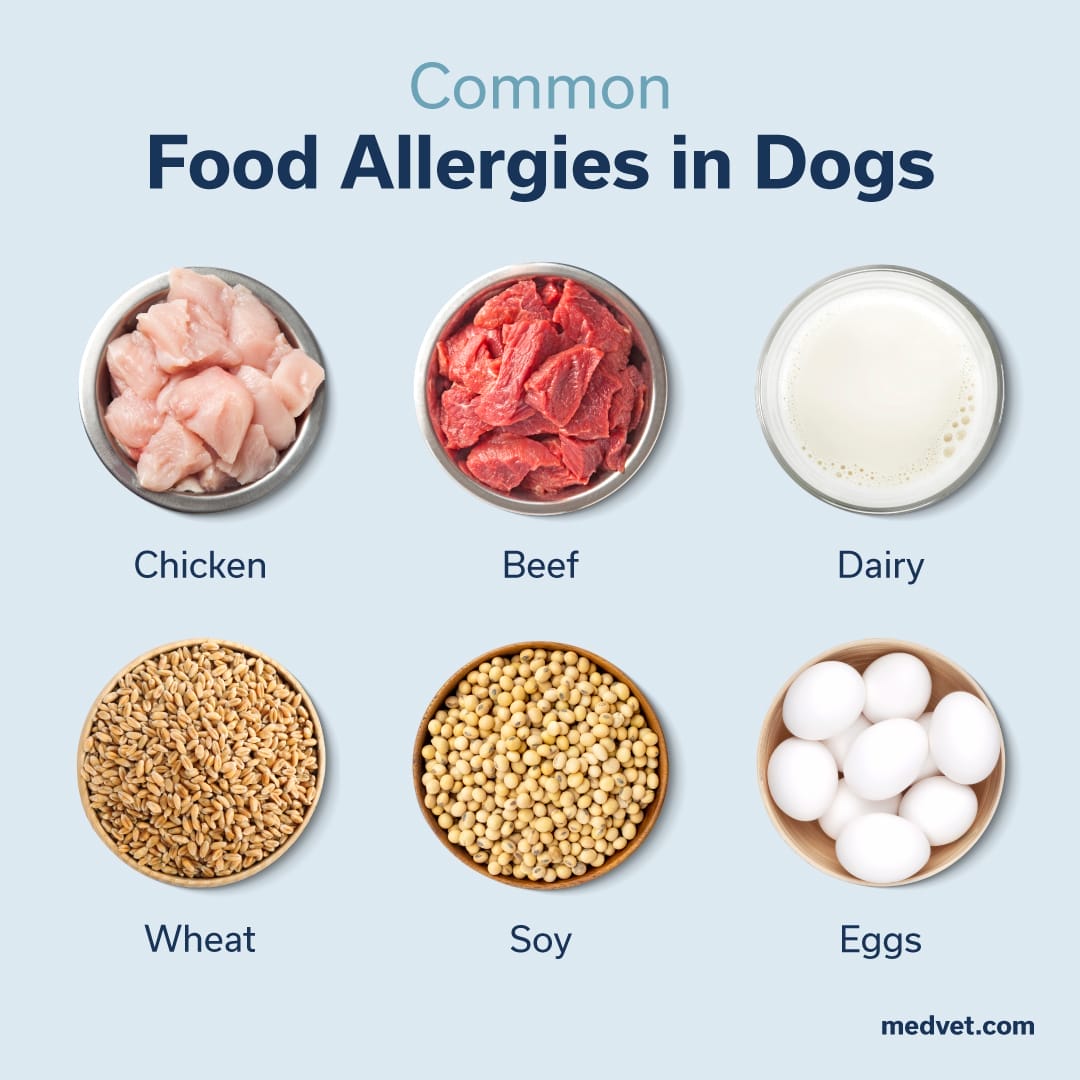
Food allergies are not the most common type of allergy in dogs. Environmental allergies (like pollen) are more frequent. But food allergies still affect about 10% of dogs with skin problems. Of all the foods that cause allergies, beef, dairy, chicken, wheat, and lamb are the most common.
How Do Food Allergies Develop?
A dog’s immune system must be exposed to a protein before it becomes allergic. This means dogs usually develop allergies to foods they have eaten for a long time. The allergy does not happen overnight. It can take months or even years.
This is why older dogs sometimes become allergic to foods they have eaten all their lives.
Food Allergy Vs. Food Intolerance
It is important to know the difference between an allergy and an intolerance. An allergy involves the immune system and often causes skin, ear, or stomach symptoms. An intolerance does not involve the immune system. It usually causes only digestive issues, like gas or diarrhea. Both can make your dog uncomfortable, but only allergies cause the immune system to attack the food.
Can Dogs Be Allergic To Beef?
The simple answer is yes. Dogs can be allergic to beef, just as they can be allergic to other proteins. In fact, beef is one of the most common food allergens for dogs.
Why Is Beef A Common Allergen?
Beef is used in many dog foods and treats because it is cheap, widely available, and most dogs like it. But because many dogs eat beef often, their bodies are exposed to it over and over. The immune system of some dogs starts to see beef protein as an enemy. Over time, this can lead to a beef allergy.
What Happens When A Dog Is Allergic To Beef?
When a dog with a beef allergy eats beef, its immune system reacts. This reaction can cause many different symptoms, from itchy skin to stomach problems. These symptoms can be mild or severe. Sometimes, the signs are not easy to connect with food, which makes diagnosis harder.
Is Beef Allergy Genetic?
Some dog breeds are more likely to have allergies in general, but there is no proof that beef allergy is passed directly from parent to puppy. However, if a dog is prone to allergies, it may react to beef, chicken, or other common proteins.

Credit: dogsfirst.ie
Symptoms Of Beef Allergy In Dogs
Dogs can show many different signs if they are allergic to beef. These signs often look like other problems, so it is important to pay attention and talk to a vet if you notice them.
Common Signs To Watch For
- Itchy Skin (Pruritus): The most common sign. Dogs may scratch, bite, or lick their feet, belly, or ears.
- Ear Infections: Chronic or repeated ear infections are often linked to food allergies.
- Stomach Problems: Diarrhea, vomiting, gas, or a noisy stomach can be signs.
- Red or Inflamed Skin: Skin may become red, thickened, or develop sores.
- Hair Loss: Dogs may lose fur in patches, especially from scratching.
- Hot Spots: These are wet, sore patches caused by licking and biting.
- Face Rubbing: Some dogs rub their face on the floor or furniture because of itchiness.
- Chronic Paw Licking: Dogs with food allergies often lick their paws, sometimes until they turn brown or red.
Less Common Symptoms
- Swelling of the face or lips
- Coughing or sneezing
- Hives or raised bumps
- Eye discharge
When Do Symptoms Show Up?
Symptoms can appear hours or even days after a dog eats beef. This delay can make it hard to connect the symptoms with food. Some dogs have mild symptoms, while others may develop severe reactions after eating even a small amount of beef.
How Severe Can The Reactions Be?
Most dogs with beef allergies have skin or stomach issues, but severe allergic reactions (like anaphylaxis) are rare. Anaphylaxis is a sudden, life-threatening reaction with swelling, vomiting, or trouble breathing. If you ever see these signs, seek emergency help right away.
Diagnosing Beef Allergy In Dogs
Finding out if your dog is allergic to beef is not easy. There is no fast blood test or skin test that can confirm a food allergy in dogs. Instead, vets use a process of elimination to find the cause.
The Elimination Diet
The elimination diet is the gold standard for food allergy diagnosis. Here’s how it works:
- All current foods and treats are stopped.
- The dog eats a special diet with proteins and carbohydrates they have never eaten before (like duck and potato).
- This diet lasts for 8-12 weeks. No other foods or treats are allowed.
- If the symptoms go away, beef is added back to the diet (a “food challenge”).
- If symptoms return after eating beef, the allergy is confirmed.
This process takes time and patience, but it is the most reliable way to find food allergies.
Other Diagnostic Tools
- Blood tests: Some tests claim to find food allergies, but they are not reliable for dogs. They often give false results.
- Skin tests: These are useful for environmental allergies, but not for food allergies.
- Response to treatment: If symptoms improve when beef is removed from the diet, this can also suggest an allergy.
Common Mistakes In Diagnosis
Many owners make mistakes during the elimination diet. Even a small treat or flavored pill can ruin the test. All family members must follow the plan. Also, many commercial foods labeled as “beef-free” may still contain beef as a hidden ingredient.
Risk Factors For Beef Allergy In Dogs
Not every dog who eats beef will become allergic, but some are more at risk than others. Knowing the risk factors can help owners be more watchful.
Age
Dogs of any age can develop allergies, but most start between 1 and 5 years old. Puppies are less likely to show food allergies, but it can still happen.
Breed
Some breeds are more likely to develop allergies, including:
- Labrador Retrievers
- West Highland White Terriers
- Cocker Spaniels
- Boxers
- Dachshunds
But any breed, including mixed breeds, can have beef allergies.
Previous Allergies
Dogs with other allergies (like to pollen, dust, or fleas) are more likely to develop food allergies later.
Diet History
Dogs who eat the same protein for months or years are more likely to become allergic to it. Rotating proteins may help lower the risk, but it is not a guarantee.
Beef Allergy Vs. Other Protein Allergies
Beef is not the only protein that can cause allergies in dogs. Chicken, lamb, dairy, and eggs are also common triggers. Some dogs are allergic to more than one protein.
Below is a comparison of how often different proteins cause allergies in dogs.
| Protein Source | Chance of Allergy (Approximate % of food-allergic dogs) |
|---|---|
| Beef | 34% |
| Dairy | 17% |
| Chicken | 15% |
| Lamb | 13% |
| Wheat | 13% |
| Soy | 6% |
| Egg | 4% |
| Corn | 2% |
Why Are Some Proteins More Allergenic?
The reason why some proteins cause more allergies is not fully known. However, common proteins that dogs eat often are more likely to cause problems. The immune system must see a protein many times before becoming allergic.
Can Dogs Be Allergic To More Than One Protein?
Yes, some dogs are allergic to several proteins. If a dog reacts to beef, it may also react to lamb or dairy because these proteins are somewhat similar.
How Vets Treat Beef Allergy
Once your dog is diagnosed with a beef allergy, the main treatment is simple: avoid beef. There is no cure for the allergy, but symptoms can be controlled by changing the diet.
Steps To Treat Beef Allergy
- Remove All Beef: This includes beef-based foods, treats, chews, and even flavored medications.
- Feed a Novel Protein Diet: Use a protein your dog has never eaten before, such as venison, rabbit, duck, or fish.
- Try Hydrolyzed Protein Diets: These are special diets where proteins are broken into tiny pieces, so the immune system does not react.
- Manage Symptoms: If your dog has itchy skin or infections, your vet may give medicine to control the symptoms while the diet change takes effect.
- Prevent Future Exposure: Read food labels carefully and ask your vet before giving new foods or treats.
How Long Until Symptoms Improve?
Most dogs start to feel better within 4 to 8 weeks of removing beef from their diet. Skin problems may take longer to clear up fully, especially if there are secondary infections.
Is Medicine Needed?
Medicine is sometimes used to help with itching or infections, but it does not cure the allergy. Only removing beef from the diet will keep the symptoms away for good.
Reading Dog Food Labels For Beef Allergens
If your dog has a beef allergy, reading food labels is critical. However, finding hidden beef ingredients is not always easy.
Common Names For Beef On Labels
- Beef meal
- Beef by-products
- Animal fat (can include beef)
- Natural flavor (sometimes from beef)
- Meat and bone meal
- Tallow (beef fat)
Ingredients To Watch Out For
Some ingredients may sound harmless but can contain beef. For example, “animal digest” or “meat meal” can be made from beef, pork, or other meats. If you are not sure, ask the company or your vet.
Cross-contamination
Dog food factories may make many flavors in the same machines. This can lead to small traces of beef in “beef-free” foods. If your dog is very sensitive, look for brands with strict cleaning policies or single-protein diets.
Alternative Protein Sources For Dogs With Beef Allergy
If your dog cannot eat beef, you have many other protein options. The goal is to find a novel protein—one your dog has never eaten before.
Common Alternative Proteins
- Fish: Salmon, whitefish, trout, and cod are good choices.
- Duck: Less common and often well-tolerated.
- Rabbit: A rare protein, usually safe for allergic dogs.
- Venison: Another novel protein, but becoming more popular in foods.
- Kangaroo: Used in special diets for severe allergies.
- Turkey: Less likely to cause a reaction than chicken.
Plant-based Proteins
Some vegetarian dog foods use soy, peas, or potato protein. These can work for some dogs but are not always complete nutrition for all breeds or life stages.
Home-cooked Diets
For dogs with many allergies, some owners cook food at home. This can be safe if you work with a vet or pet nutritionist to ensure the diet is balanced.
Comparing Protein Choices
Below is a comparison of some alternative protein sources.
| Protein Source | Common Allergen? | Cost (Compared to Beef) | Availability |
|---|---|---|---|
| Duck | No | High | Medium |
| Rabbit | Rare | Very High | Low |
| Venison | Rare | High | Medium |
| Fish | Sometimes | Medium | High |
| Kangaroo | Very Rare | Very High | Low |
| Turkey | No | Medium | High |
Preventing Beef Allergies In Dogs
While not every allergy can be prevented, there are steps you can take to lower the risk for your dog.
Rotate Proteins
Feed your dog different proteins over time (for example, fish one month, turkey the next). This may help the immune system avoid seeing one protein too often.
Use High-quality Foods
Low-quality foods may have hidden ingredients or low-grade proteins that can irritate the gut. Choose foods with clear labeling and trusted sources.
Watch For Early Signs
If your dog starts licking its paws, scratching, or having stomach problems, talk to your vet early. Quick action can prevent long-term problems.
Avoid Over-treating
Giving too many treats, chews, or table scraps can expose your dog to more allergens. Keep treats simple and check their ingredients.
Living With A Dog Allergic To Beef
Once you know your dog has a beef allergy, daily life changes a little. You need to be careful about everything your dog eats, but most dogs can live full, happy lives with the right care.
Practical Tips For Managing Beef Allergy
- Plan Meals Ahead: Make sure you always have safe food on hand.
- Inform Everyone: Tell friends, family, groomers, and pet sitters about the allergy.
- Safe Treats: Find treats with novel proteins or simple ingredients.
- Medication Caution: Some pills or chews contain beef flavor. Ask your vet for safe options.
- Birthday Cakes and Special Events: Many dog bakeries use beef or beef fat. Always ask before buying special treats.
Dealing With Accidental Exposure
Even with care, accidents can happen. If your dog eats beef by mistake:
- Watch for allergic symptoms.
- Give any medicine your vet has prescribed for emergencies.
- Call your vet if you see severe symptoms (swelling, trouble breathing).
Social Situations
Dog parks, parties, or visits to friends can be tricky. Politely ask others not to give your dog food, and bring your own treats.
Traveling
Bring enough safe food and treats for your trip. Research dog-friendly restaurants or stores ahead of time if traveling far.
The Science Behind Canine Beef Allergy
Understanding how and why dogs develop beef allergies can help owners manage the condition better.
What Happens In The Immune System?
When a dog with a beef allergy eats beef, the immune system produces IgE antibodies. These attach to cells in the skin and gut. The next time the dog eats beef, these cells release chemicals that cause itching, redness, and swelling.
Why Do Only Some Dogs React?
There are many factors—genetics, gut health, early diet, and even the environment. Some dogs seem to have a stronger immune response to certain proteins.
Can Dogs Outgrow Beef Allergy?
It is rare, but possible. Some dogs become less sensitive as they get older, but most stay allergic for life. If you want to try beef again, always do so under your vet’s supervision.
New Research
Scientists are studying the role of the gut microbiome (the bacteria in the intestines) in food allergies. A healthy gut may lower the chance of allergies, but more research is needed.
For more scientific details on food allergies in pets, you can visit the VCA Animal Hospitals website.
Special Considerations: Puppies, Seniors, And Multiple Pets
Managing a beef allergy is different for puppies, older dogs, and homes with more than one pet.
Puppies
Diagnosing food allergies in puppies is tricky because they can have other issues like parasites or infections. If your puppy is not gaining weight, has diarrhea, or scratches a lot, see your vet. Always feed puppy-safe, balanced diets.
Senior Dogs
Older dogs may develop new allergies. They may also have other health problems (like kidney disease) that affect food choices. Work closely with your vet to balance all needs.
Multiple Pets
If you have more than one dog or a cat, make sure all pets eat the correct food. Feed allergic dogs separately. Store foods in closed containers and clean bowls well.
Common Myths About Beef Allergy In Dogs
With so much information online, it is easy to be misled. Here are some myths and the real facts.
Myth 1: Grain-free Food Prevents Allergies
Fact: Most dog food allergies are to proteins, not grains. Beef is more likely to cause an allergy than rice or oats.
Myth 2: Hypoallergenic Foods Are Always Safe
Fact: Some “hypoallergenic” foods still contain common allergens. Always read labels and check with your vet.
Myth 3: Only Purebred Dogs Get Allergies
Fact: Any dog can develop a beef allergy, purebred or mixed.
Myth 4: Food Allergies Show Up Right Away
Fact: Symptoms can take months or years to develop, even if your dog has been eating beef for a long time.
Myth 5: Blood Tests Alone Can Diagnose Food Allergies
Fact: Blood tests are not reliable for food allergies. The elimination diet is the only true test.
Credit: www.medvet.com
Costs Of Managing Beef Allergy
Living with a beef-allergic dog can add some costs. Here’s a look at what to expect.
| Expense | Estimated Cost (USD) | Frequency |
|---|---|---|
| Vet Visits | $50 – $150 | Per visit |
| Elimination Diet Food | $30 – $100 | Per month |
| Novel Protein Food | $40 – $120 | Per month |
| Medications | $10 – $50 | As needed |
| Special Treats | $5 – $20 | Per month |
While these costs can add up, most owners find their dogs are healthier and happier on the right diet.
When To See The Vet
If you think your dog has a beef allergy, or if you see any of the symptoms below, call your vet:
- Itchy, red, or inflamed skin
- Repeated ear infections
- Vomiting or diarrhea that does not go away
- Swelling, hives, or trouble breathing (emergency)
Early diagnosis and treatment can prevent bigger problems later.
Non-obvious Insights For Owners
Most owners know to avoid beef if their dog is allergic, but here are some insights many miss:
- Beef Hides in Supplements: Some joint or skin supplements have beef flavoring. Always ask your vet before starting new supplements.
- Pet Store Chews: Chews made from cow hooves, bones, or rawhide are all beef-based. Look for fish skin or plant-based alternatives.
- Flavored Medications: Heartworm or flea pills often use beef flavor. Ask for unflavored or novel-protein versions.
- Grooming Products: Some shampoos or sprays use animal-based ingredients.
- Dog Parks: Dogs may steal another pet’s treat, leading to accidental exposure.
Planning ahead and being alert in these situations can prevent many problems.
Frequently Asked Questions
What Is The Difference Between Beef Allergy And Beef Intolerance In Dogs?
A beef allergy involves the immune system and can cause skin, ear, or stomach symptoms. A beef intolerance does not involve the immune system and usually causes only digestive upset, like gas or diarrhea. Both are uncomfortable, but allergies can be more serious.
How Long Does It Take For Beef Allergy Symptoms To Go Away After Stopping Beef?
Most dogs show improvement in 4 to 8 weeks after beef is removed from their diet. Some skin issues may take longer if there are secondary infections. Always follow your vet’s advice and do not give any beef during this time.
Can A Dog Develop A Beef Allergy Later In Life?
Yes, dogs can become allergic to beef at any age, even after eating it for years without problems. Most allergies develop between 1 and 5 years of age, but older dogs can develop new allergies too.
Are There Any Cures For Beef Allergy In Dogs?
There is no cure for a beef allergy. The only treatment is to completely avoid beef and any foods or treats that contain it. With good management, most dogs live normal, happy lives.
Can Beef Allergy Cause Behavior Changes In Dogs?
Yes, allergies can cause dogs to feel itchy, uncomfortable, or sick, which may lead to changes in behavior. They may become less playful, more irritable, or seem depressed. Once the allergy is under control, behavior usually returns to normal.
Every dog is unique, and beef allergies can be managed with knowledge, care, and the help of your vet. By staying informed and alert, you can help your dog enjoy life to the fullest—without the itch and discomfort.

Credit: tidmorevet.com