Can Dogs Be Allergic To Chicken
If you have a dog, you want to make sure every meal is safe and healthy. Chicken is one of the most common ingredients in commercial dog food and treats. It is cheap, easy to find, and full of protein.
But what if your dog starts scratching, losing fur, or having stomach problems after eating chicken? Is it possible for dogs to be allergic to chicken? The short answer is yes—dogs can develop allergies to chicken, just like they can react to beef, dairy, or other proteins.
But the real story is more complex and surprising than most pet owners realize.
This article explores everything you need to know about chicken allergies in dogs. You will learn how and why these allergies happen, what symptoms to watch for, how to confirm the diagnosis, and what to do if your dog cannot tolerate chicken.
You will also see how chicken allergies compare to other food allergies, and discover options for safe, healthy diets. Even if you think your dog is fine with chicken, some facts may surprise you—so read on to become a better, more informed pet parent.
What Is A Chicken Allergy In Dogs?
A chicken allergy in dogs is an abnormal response from the immune system. Normally, the immune system protects the body from harmful invaders like bacteria or viruses. In some dogs, the immune system mistakes chicken protein for a threat. This triggers an allergic reaction.
Every time the dog eats chicken, their body reacts as if fighting an infection, causing uncomfortable symptoms.
How Allergies Work In Dogs
When a dog eats chicken and is allergic, their immune system produces antibodies against the chicken protein. These antibodies attach to cells that release histamine and other chemicals. This process causes visible signs like itching, swelling, or stomach upset.
Not all dogs develop allergies. Some may eat chicken for years with no issues, then suddenly become allergic. Scientists are not sure why this happens, but genetics, previous illnesses, and overexposure to one type of protein may play a role.
Chicken Allergy Vs. Chicken Intolerance
It is important to know the difference between a food allergy and a food intolerance:
- Chicken Allergy: Involves the immune system. Even a small amount of chicken can trigger symptoms.
- Chicken Intolerance: Does not involve the immune system. The dog’s digestive system simply cannot process chicken well. Symptoms are usually only digestive (gas, diarrhea), not skin or breathing problems.
Allergies are usually more serious and can affect multiple organs, while intolerance is limited to the gut.
How Common Are Chicken Allergies In Dogs?
You may wonder if chicken allergies are rare or common. Studies show that chicken is one of the top food allergens in dogs, but not the most common one. According to research published in BMC Veterinary Research, the most frequent food allergens for dogs are:
- Beef
- Dairy products
- Chicken
- Wheat
- Lamb
- Soy
This means chicken is a leading cause, but not the very top. About 15-20% of dogs with food allergies react to chicken. However, only a small percentage of all dogs have food allergies. Most dogs can eat chicken with no problem.
Why Is Chicken A Common Allergen?
There are a few reasons why chicken is a frequent cause of food allergies in dogs:
- High Exposure: Chicken is used in many dog foods. Repeated exposure increases the risk of developing an allergy.
- Similar Proteins: Proteins in chicken can be similar to those in other meats (like turkey), so dogs allergic to chicken may react to related foods.
- Genetics: Some breeds (like Boxers, Cocker Spaniels, and German Shepherds) may have a higher risk of food allergies in general.
Signs And Symptoms Of Chicken Allergy In Dogs
Chicken allergy symptoms in dogs can vary from mild to severe. Often, the symptoms are similar to other types of food allergies, so it is not always obvious that chicken is the cause.
Common Symptoms
Dogs with a chicken allergy often show:
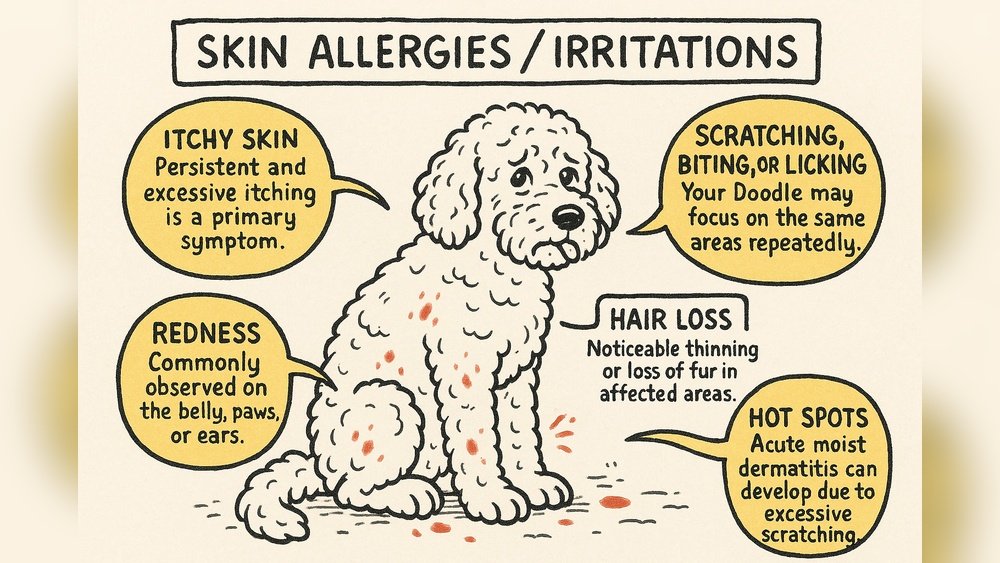
- Itchy skin (especially face, ears, feet, belly)
- Red, inflamed skin
- Chronic ear infections
- Hair loss or bald spots
- Frequent licking or chewing at paws
- Rashes or hives
- Vomiting or diarrhea
- Excessive scratching
- Scooting (dragging bottom on the floor)
- Hot spots (painful, wet skin sores)
Some dogs show only skin symptoms; others have mostly digestive problems. It depends on the individual dog.
Less Obvious Symptoms
Some signs are easy to miss or may look like other health problems:
- Chronic ear infections: Many owners treat ear infections with drops, but recurring infections can be a sign of food allergy.
- Eye discharge: Watery or goopy eyes can sometimes be linked to food allergies.
- Behavior changes: A dog who is itchy or uncomfortable might be less playful or seem irritable.
Severe Reactions
Very rarely, a dog may have a severe allergic reaction (anaphylaxis) to chicken. Symptoms include sudden swelling, difficulty breathing, vomiting, collapse, or shock. This is an emergency and needs a vet right away. Most chicken allergies in dogs are not this extreme.
Chicken Allergy Vs. Other Food Allergies
You might wonder how chicken allergy compares to other common food allergies in dogs. Here is a simple comparison:
| Allergen | Common Symptoms | Frequency (in allergic dogs) |
|---|---|---|
| Beef | Itching, ear infections, digestive upset | Most common (20-30%) |
| Dairy | Stomach issues, gas, itching | Very common (15-20%) |
| Chicken | Itching, paw licking, diarrhea | Common (15-20%) |
| Wheat | Skin problems, ear infections | Less common (10-15%) |
| Lamb | Digestive upset, skin issues | Rare (5-10%) |
| Soy | Skin and digestive symptoms | Rare (5-10%) |
As you can see, chicken is a leading cause, but not the only one. Dogs allergic to chicken may also react to turkey or duck, though this is less common.
Diagnosing Chicken Allergy In Dogs
If your dog is showing signs of allergy, you may want to know how a vet diagnoses the problem. There is no simple blood test or saliva test that can confirm a chicken allergy. The gold standard is an elimination diet trial.
How An Elimination Diet Works
- Choose a novel protein and carb: Feed your dog a diet with proteins and carbohydrates they have never eaten before (like venison and sweet potato).
- Feed for 8-12 weeks: Your dog eats only this diet—no treats, table scraps, or flavored medications.
- Monitor symptoms: If symptoms improve, this suggests a food allergy.
- Re-challenge with chicken: After the trial, add chicken back to the diet. If symptoms return, this confirms a chicken allergy.
Tips For Accurate Diagnosis
- Be strict about avoiding hidden sources of chicken (even some supplements and treats contain chicken).
- Check ingredient labels carefully.
- Keep a symptom diary to track changes over time.
Why Blood Or Skin Tests Are Not Enough
Some companies offer blood or skin tests for dog food allergies. These tests are not reliable for food allergies in dogs. They often give false positives or negatives. Vets and scientists agree that the elimination diet is the best method.
Chicken Allergies And Dog Breeds
Certain breeds are more likely to develop food allergies in general, including chicken allergy. Here are some breeds with higher risk:
- Boxers
- Cocker Spaniels
- Labrador Retrievers
- German Shepherds
- West Highland White Terriers
- Dachshunds
- Golden Retrievers
These breeds do not have a special risk for chicken allergy alone, but their immune systems may be more sensitive to food proteins. However, any breed, including mixed breeds, can develop a chicken allergy.

Credit: larizasqueff.com.br
Why Do Some Dogs Become Allergic To Chicken?
It is natural to ask: Why would a dog suddenly become allergic to chicken, especially if they ate it for years with no trouble?
Possible Causes
- Genetic factors: Some dogs have genes that make their immune system more reactive.
- Overexposure: Feeding the same protein for a long time may increase the risk of allergy.
- Digestive problems: Dogs with gut issues (like parasites or infections) may develop allergies more easily.
- Immune system changes: Illness, stress, or medications can affect immune function.
Non-obvious Insights
- Puppies rarely have food allergies. Most food allergies start in adult dogs, often between 1 and 5 years old.
- Rotating proteins in your dog’s diet (instead of feeding chicken every day) may reduce the risk of developing an allergy.
What Foods To Avoid If Your Dog Has A Chicken Allergy
If your dog is allergic to chicken, you must avoid all products that contain chicken or chicken-derived ingredients. This can be harder than it sounds, because chicken is hidden in many foods and treats.
Common Sources Of Chicken
- Chicken meat (raw, cooked, canned)
- Chicken fat or oil
- Chicken liver or organs
- Chicken broth or stock
- Chicken meal
- Chicken by-product
- Hydrolyzed chicken protein
- Chicken flavoring
Hidden Sources
- Some dog treats (even those labeled as “beef” or “lamb”) may use chicken as a secondary ingredient.
- Dental chews, flavored medications, or supplements.
- Table scraps or leftovers with chicken.
Always check ingredient lists and ask your vet if you are unsure.

Credit: everestkitchennc.com
Safe Protein Alternatives For Dogs With Chicken Allergy
If your dog cannot eat chicken, there are many other protein options. Here is a comparison of common alternatives:
| Protein Source | Pros | Cons |
|---|---|---|
| Beef | Widely available, high in protein | Common allergen, not suitable if dog is allergic |
| Lamb | Good for sensitive stomachs, less common allergen | Some dogs are allergic, more expensive |
| Fish (Salmon, Whitefish) | Omega-3s for skin and coat, rare allergen | Some dogs dislike taste, can be costly |
| Venison | Novel protein, rarely causes allergies | Hard to find, expensive |
| Duck | Good taste, novel protein for many dogs | Sometimes cross-reacts with chicken allergy |
| Kangaroo | Very rare allergen | Expensive, not always available |
| Pork | High in protein, tasty for dogs | Some dogs sensitive, can be fatty |
Non-obvious Insight
- Duck and turkey: Proteins in duck and turkey are similar to chicken. About 20-30% of dogs allergic to chicken may also react to these meats.
- Hydrolyzed protein diets: Some prescription foods use hydrolyzed proteins (proteins broken into tiny pieces), which are less likely to cause allergies, even if made from chicken.
Nutrition Tips For Dogs With Chicken Allergy
Switching your dog’s food can feel overwhelming. Here are some practical tips to keep your dog healthy and happy:
- Choose limited ingredient diets: Foods with fewer ingredients make it easier to spot allergens.
- Rotate proteins: Use a rotation of safe proteins (with your vet’s advice) to reduce allergy risk.
- Read labels: Look out for hidden sources of chicken.
- Consider home cooking: Cooking for your dog gives you full control over ingredients, but always follow a balanced recipe or consult a vet.
- Add supplements: Dogs with food allergies sometimes need extra omega-3s (from fish oil) or probiotics for gut health.
- Avoid treats with chicken: Even small amounts in treats can trigger symptoms.
Example Of A Chicken-free Meal
A simple, balanced meal for a medium-sized dog (consult your vet for exact quantities):
- Protein: Cooked salmon or venison (no bones)
- Carbohydrate: Cooked sweet potato or brown rice
- Vegetable: Steamed green beans or peas
- Fat: Small amount of olive oil or fish oil
Mix the ingredients and serve. Adjust amounts based on your dog’s size and needs.
What To Do If Your Dog Accidentally Eats Chicken
Mistakes can happen. If your dog eats chicken by accident, watch for symptoms:
- Mild symptoms (itching, soft stool): Bathe the dog, give extra water, and monitor. Symptoms usually pass in 24-48 hours.
- Severe symptoms (vomiting, swelling, trouble breathing): Go to the vet immediately.
Do not try to make your dog vomit unless your vet tells you to. Keep a record of what happened to help your vet track patterns.
When To See The Vet
You should always consult your vet if your dog:
- Has ongoing skin problems, ear infections, or digestive issues
- Loses weight or acts very tired
- Has symptoms that do not improve with basic care
Your vet can help with diet trials, symptom management, and finding safe foods.
Long-term Management Of Chicken Allergy In Dogs
Chicken allergies cannot be cured, but with the right management, your dog can live a normal, happy life.
Key Steps
- Strict avoidance: Do not feed any chicken or chicken-based products.
- Regular vet checkups: Monitor weight, skin, and overall health.
- Symptom management: Use medications (like antihistamines or medicated shampoos) if needed.
- Educate family and friends: Make sure everyone knows your dog cannot have chicken.
Tips For A Happy, Healthy Allergic Dog
- Try new safe treats and toys for enrichment.
- Teach your dog commands like “leave it” to avoid food accidents.
- Join online forums or groups for pet owners managing food allergies (for support and recipe ideas).
Chicken Allergy And Commercial Dog Food
Many commercial dog foods use chicken, even if it is not the main flavor. Always check the ingredient list. Some brands make chicken-free or limited ingredient foods for sensitive dogs.
Popular Chicken-free Dog Food Brands
- Natural Balance Limited Ingredient (with fish, lamb, or venison)
- Zignature (kangaroo, trout, lamb, duck)
- Merrick Limited Ingredient (salmon, lamb, turkey)
- Hill’s Prescription Diet z/d (hydrolyzed protein, prescription only)
Talk to your vet before switching foods. Some “grain-free” foods still contain chicken, so check labels carefully.
Real-life Example: Bella’s Story
Bella, a 3-year-old Labrador, started scratching and licking her paws after meals. Her owner tried changing shampoos and cleaning the house more, but nothing worked. The vet suggested an elimination diet with venison and sweet potato. After 8 weeks, Bella’s symptoms disappeared.
When chicken was added back, the scratching returned within 24 hours. Now, Bella eats only chicken-free foods and her skin is healthy again.
This story shows that chicken allergy can appear suddenly and cause confusing symptoms. A careful diet trial made all the difference.
Chicken Allergy Myths And Facts
You may hear many opinions about chicken allergies in dogs. Here are some common myths and the truth:
- Myth: Only purebred dogs get food allergies.
- Fact: Any dog, purebred or mixed, can develop allergies.
- Myth: Cooking chicken removes the allergen.
- Fact: Cooking does not destroy the proteins that cause allergies.
- Myth: Dogs are only allergic to chicken meat, not fat or by-products.
- Fact: Some dogs react to any chicken part, including fat, organs, or flavorings.
- Myth: If a dog is allergic to chicken, they are always allergic to eggs.
- Fact: Most dogs with chicken allergy can eat eggs, but not always. The proteins are different.
How To Prevent Chicken Allergies In Dogs
There is no guaranteed way to prevent food allergies, but you can lower the risk:
- Rotate proteins: Do not feed the same protein every day for years.
- Choose high-quality foods: Avoid fillers and artificial additives.
- Support gut health: Probiotics and a balanced diet may help keep the immune system healthy.
Feeding puppies a variety of safe proteins (after weaning) may help reduce the risk of developing allergies later.
The Cost Of Managing Chicken Allergies
Feeding a dog with chicken allergy can be more expensive. Novel protein diets and prescription foods cost more. Vet visits for diagnosis may add up. But, with planning, most owners find a routine that works.
Estimated Monthly Costs
| Expense | Typical Cost (USD) | Notes |
|---|---|---|
| Special dog food | $60-$120 | Depends on protein source |
| Supplements | $10-$30 | Fish oil, probiotics |
| Vet visits | $50-$150 | Only during diagnosis or flare-ups |
| Treats | $10-$40 | Chicken-free options |
Prices vary by location and brand.
Key Takeaways For Dog Owners
- Chicken allergy is real and can cause skin, ear, and digestive problems in dogs.
- Diagnosis requires patience and a strict elimination diet—not just a quick test.
- Many safe protein alternatives are available, but labels must be checked carefully.
- Management is lifelong, but most dogs thrive with the right diet and care.
- Support and education are important. Talk to your vet and connect with other owners for help.
Frequently Asked Questions
Credit: www.petcarerx.com
Can Dogs Be Allergic To Chicken And Not Other Meats?
Yes, some dogs are allergic only to chicken and can eat other meats like beef, lamb, or fish. However, about 20-30% of dogs with chicken allergy may also react to similar meats like turkey or duck. Always introduce new proteins carefully and watch for symptoms.
How Long Does It Take For Chicken Allergy Symptoms To Appear In Dogs?
Symptoms may appear within a few hours or up to a few days after eating chicken. Skin symptoms (like itching) often develop more slowly, while digestive problems (vomiting, diarrhea) can happen within hours. Sometimes, symptoms build up after repeated exposure.
Will My Dog Outgrow A Chicken Allergy?
Most dogs do not outgrow food allergies. Once a dog’s immune system starts reacting to chicken, the allergy usually lasts for life. Some dogs may tolerate small amounts over time, but it is safest to avoid chicken completely.
Can I Feed My Dog Chicken Broth If They Are Allergic To Chicken?
No, chicken broth usually contains chicken protein—even if strained. Even small amounts can trigger an allergic reaction. Instead, choose broths made from other meats (like beef or fish) or make your own with safe ingredients.
Are There Any Tests To Confirm Chicken Allergy In Dogs?
Blood and saliva tests are not reliable for food allergies in dogs. The best way to confirm a chicken allergy is an elimination diet followed by a food challenge. This process takes 8-12 weeks but gives the most accurate results. Learn more from the Wikipedia entry on food allergy.
If you suspect your dog has a chicken allergy, do not panic. With the right information and support, your dog can live a long, healthy, and happy life—chicken free. Always work with your veterinarian to develop the best plan for your furry friend.