Millions of dog owners are careful about what their pets eat. You might have heard about “grain-free” dog food. Some say grains are bad for dogs. Others believe grains are safe, even healthy. But can dogs actually be allergic to grain? This question is more common now, as pet food choices grow and concerns about pet allergies increase. Understanding the facts about grain allergies in dogs is important for your dog’s health and happiness.
Dog food labels are full of claims: gluten-free, grain-free, hypoallergenic. But separating real science from marketing can be hard. Many owners worry if their dog has skin problems or stomach troubles—are grains the cause? This guide will help you understand what grain allergies are, how common they are, their signs, and how to help your dog if you think grains might be a problem. You’ll also learn the difference between allergies and sensitivities, what tests can (and cannot) tell you, and if grain-free diets are always best.
Let’s break down the facts about dogs and grain allergies so you can make the best choice for your furry friend.
What Is A Grain Allergy In Dogs?
A grain allergy in dogs happens when a dog’s immune system overreacts to proteins found in grains like wheat, corn, rice, barley, or oats. The body treats these proteins as threats, even though they are normally safe. This immune reaction can cause skin problems, stomach upset, or other symptoms.
It’s important to understand that not all reactions to food are true allergies. There are two main types of bad reactions to food:
- Food Allergy: The dog’s immune system attacks a certain food protein. This can cause itching, ear infections, and sometimes stomach issues.
- Food Intolerance (Sensitivity): The dog’s body has trouble digesting a certain food. This causes stomach symptoms (like diarrhea or gas) but does not involve the immune system.
Many owners confuse these two. True grain allergies are rare compared to sensitivities.
How Common Are Grain Allergies In Dogs?
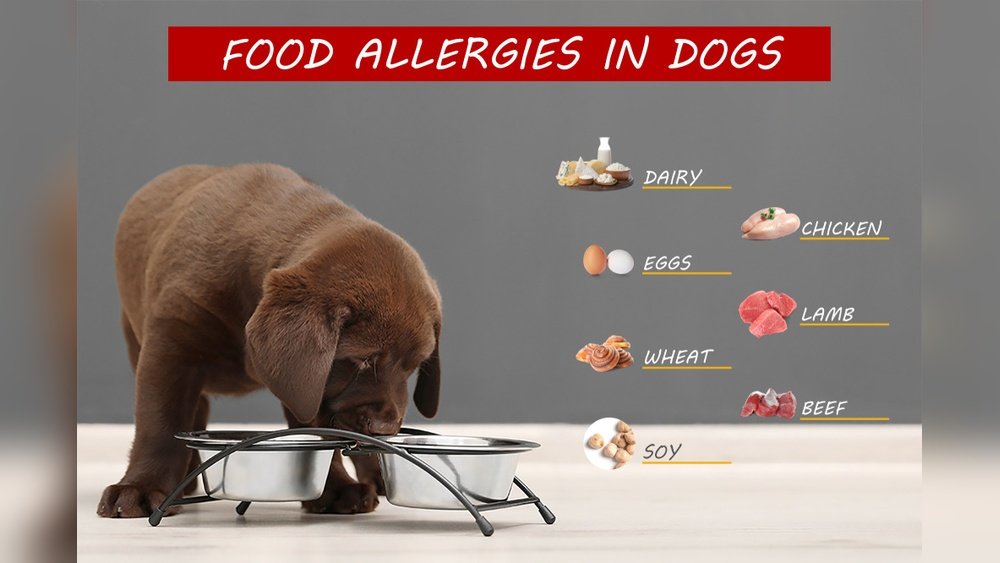
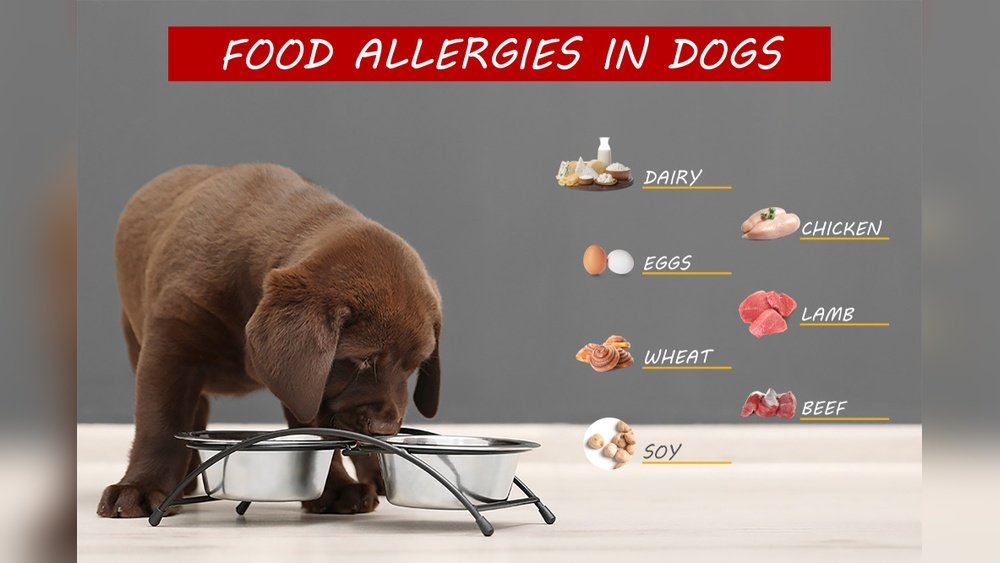
Grain allergies in dogs are actually very uncommon. Research shows that most dog food allergies are caused by animal proteins, not grains. For example, a study published in the journal BMC Veterinary Research found that:
- Beef, dairy, and chicken cause most dog food allergies.
- Grains like wheat are much less common allergy triggers.
Here’s a comparison of common dog food allergens:
| Food Ingredient | Percentage of Allergic Dogs |
|---|---|
| Beef | 34% |
| Dairy | 17% |
| Chicken | 15% |
| Wheat (a grain) | 13% |
| Lamb | 5% |
| Maize/Corn (a grain) | 2% |
| Soy | 6% |
| Egg | 4% |
This data shows that while wheat allergies do happen, they are not the most common. Corn and rice allergies are even less common.
Why Do Some Dogs Develop Grain Allergies?
A dog’s immune system is designed to protect the body from real dangers, like bacteria or viruses. But sometimes, it makes a mistake. In a food allergy, the immune system sees a protein (for example, from wheat or corn) as a threat.
It then makes antibodies to attack this harmless protein.
The exact cause of food allergies is not fully understood. Some dogs are born with a higher risk. Others develop allergies after eating the same food for a long time. There are a few possible reasons:
- Genetics: Some breeds are more likely to have allergies. For example, Boxers, West Highland White Terriers, and Cocker Spaniels may be at higher risk.
- Repeated Exposure: Dogs fed the same food for years may develop allergies to that food. The immune system can become “sensitized” over time.
- Immune System Problems: Dogs with weaker or “confused” immune systems are more likely to react to normal foods.
- Gut Health: Poor gut health can make allergies more likely. The gut’s job is to help the immune system know what is safe.
It’s important to know that some dogs may have allergies to several foods, not just grains.
Which Grains Can Cause Allergies In Dogs?
Not all grains are the same. A dog can be allergic to one grain but fine with others. The most common grains linked to dog allergies are:
- Wheat: The most likely grain to cause an allergy. Wheat contains gluten, which is a protein that can cause problems in some dogs.
- Corn: Rare, but possible. Corn allergies are less common than wheat.
- Rice: Very rare. Rice is considered one of the most digestible grains for dogs.
- Barley and Oats: Allergies to these grains do happen but are even less common.
Some dogs can be allergic to more than one grain. Others may react only to one type.

Credit: www.houndsy.com
Symptoms Of Grain Allergies In Dogs
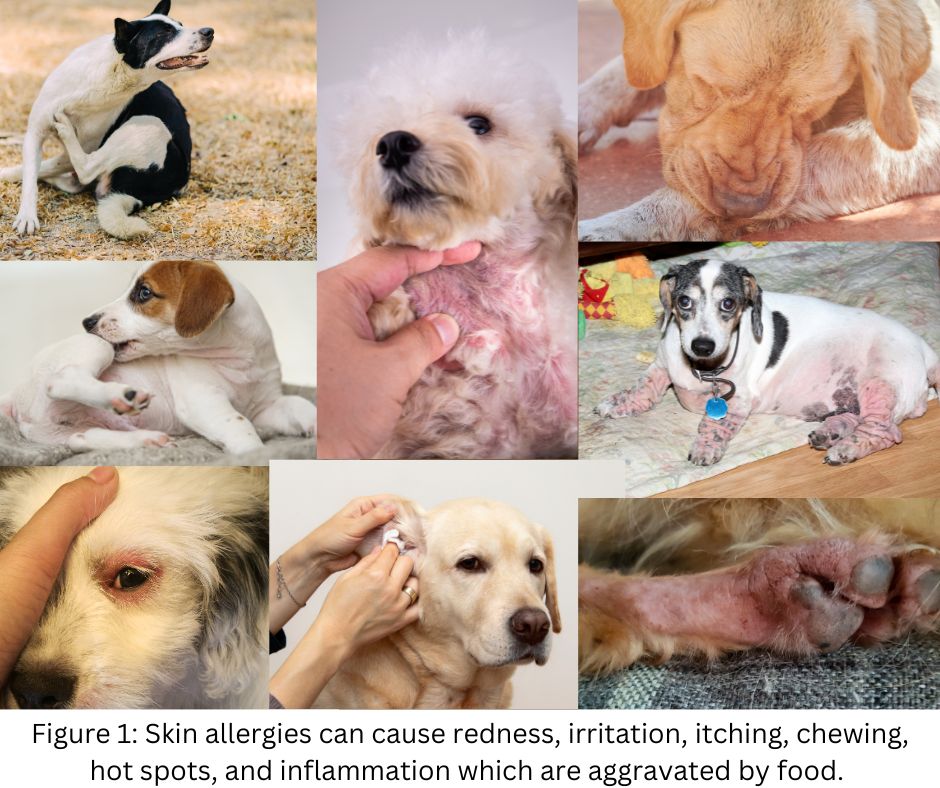
The signs of a grain allergy in dogs are similar to other food allergies. They can be mild or more serious. You may notice:
- Itchy skin: Dogs often scratch, lick, or chew their paws, belly, or ears.
- Red, inflamed skin: Skin may look pink, red, or even have sores.
- Ear infections: Repeated ear problems are a common sign of food allergy.
- Digestive problems: Diarrhea, vomiting, gas, or soft stools can happen, but are less common with grain allergies than with protein allergies.
- Hair loss: Dogs may lose fur in places they scratch or lick a lot.
- Chronic licking: Especially of the paws.
- Hot spots: Wet, infected patches of skin.
Here’s a quick look at common symptoms:
| Symptom | How Often With Grain Allergy? |
|---|---|
| Itching (Pruritus) | Very Common |
| Ear Infections | Common |
| Red Skin | Common |
| Digestive Upset | Sometimes |
| Hair Loss | Occasional |
| Hot Spots | Occasional |
Most dogs with grain allergies show skin symptoms first. Digestive signs can happen, but are less frequent.
Grain Allergy Vs. Grain Sensitivity
Dog owners often use the words “allergy” and “sensitivity” as if they mean the same thing. But they are different.
- Allergy: The immune system attacks a protein in the grain. This triggers inflammation, itching, and possibly stomach symptoms.
- Sensitivity (Intolerance): The dog’s body just cannot digest the grain well. This causes gas, diarrhea, or loose stools. There is no immune response.
Most dogs who “don’t do well” with grains have a sensitivity, not a true allergy. For example, some dogs get gassy from corn or wheat, but do not get itchy skin or ear infections.
Non-obvious insight: Many dogs labeled as “grain allergic” are actually sensitive to another ingredient in their food. The problem could be a protein, fat, or even a chemical additive—not the grain itself.
How Are Grain Allergies Diagnosed?
Diagnosing a grain allergy is not as simple as a blood test or a quick visit to the vet. There is no quick, 100% reliable test for food allergies in dogs. The process takes time and patience.
The Gold Standard: Elimination Diet
The best way to find a food allergy is an elimination diet trial. Here’s how it works:
- Choose a new diet: Feed your dog a food with proteins and carbohydrates they have never eaten before (for example, duck and potato, or venison and pea).
- Feed only this food: No treats, table scraps, flavored medications, or chews for 8–12 weeks.
- Watch for symptoms: If symptoms improve, a food allergy is likely.
- Challenge: After 8–12 weeks, slowly add back old foods (one at a time). If symptoms return, you have found the allergen.
Some vets use hydrolyzed protein diets, where the protein is broken into tiny pieces so the immune system cannot recognize it.
Why Not Just Use A Test?
There are blood and skin tests for dog allergies. But they are not very reliable for food allergies. These tests can give false positives and false negatives. They are better for diagnosing environmental allergies (like pollen or dust mites).
Non-obvious insight: Many online dog food allergy tests are not backed by science. They may waste your money and give confusing results.
Treatment: What If Your Dog Has A Grain Allergy?
If your dog is truly allergic to a grain, the answer is simple: avoid that grain. Here’s how to do it safely:
- Choose a grain-free dog food: Read labels carefully. Make sure there is no wheat, corn, rice, barley, or oat if your dog is allergic to those.
- Watch for hidden grains: Grains can hide in treats, table scraps, and even some medications.
- Check for cross-contamination: Some cheaper dog foods are made in factories that handle many ingredients. Call the company if you are unsure.
- Add variety: Rotate safe foods, so your dog is less likely to develop allergies to another food.
- Monitor symptoms: Keep a diary. Watch if symptoms get better, worse, or stay the same.
If your dog has a sensitivity (not a true allergy), you may only need to reduce or avoid certain grains, not all.

Credit: www.suyogrubber.com
Are Grain-free Diets Always Better?
Many pet owners choose grain-free diets, thinking they are healthier or safer. But grain-free is not always better for every dog.
Pros Of Grain-free Diets
- Good for dogs with proven grain allergies or sensitivities.
- May help with some skin or digestive problems.
- Sometimes easier to digest for certain dogs.
Cons Of Grain-free Diets
- May be higher in fat or calories, leading to weight gain.
- Some use “filler” ingredients like potatoes or peas, which may not be ideal for all dogs.
- Linked in some research to heart disease (dilated cardiomyopathy) in some breeds, possibly from low taurine levels.
- More expensive.
Non-obvious insight: Grains like rice and oats can actually be gentle on the stomach for many dogs. Whole grains add fiber, vitamins, and minerals. Unless your dog has a true allergy, grains are often safe.
How To Choose The Right Dog Food If You Suspect Grain Allergy
Choosing a safe food for your dog can feel overwhelming. Here are steps to make it easier:
- Read the ingredient list: Ingredients are listed from most to least. Look for any grains your dog must avoid.
- Pick a novel protein: If your dog has had chicken, try fish or duck. New proteins lower the risk of another allergy.
- Watch for “hidden” grains: Some foods use barley, millet, or brewer’s rice instead of wheat or corn.
- Ask your vet: Get advice on which brands are best. Some brands have better quality control.
- Try single-ingredient treats: Use treats with just one ingredient (like freeze-dried liver) to avoid hidden allergens.
- Keep a food diary: Write down what your dog eats and any symptoms.
Here’s a quick comparison of grain-free versus grain-inclusive dog foods:
| Type | Main Ingredients | Best For | Possible Concerns |
|---|---|---|---|
| Grain-Inclusive | Wheat, rice, corn, oats, barley + meat | Most healthy dogs | Not for dogs with grain allergy |
| Grain-Free | Potato, pea, lentil, chickpea + meat | Dogs with proven grain allergy or sensitivity | Possible heart risk, more expensive |
Common Myths About Grains And Dogs
There are many myths about grains in dog food. Let’s clear up some of the most common:
- Myth 1: All dogs are better on grain-free diets. False. Most dogs digest grains well and get important nutrients from them.
- Myth 2: Grains always cause allergies. False. Animal proteins (like beef and chicken) are much more likely to cause allergies.
- Myth 3: Dogs are “carnivores” and should not eat grains. Partly false. Dogs are actually “omnivores”—they can eat both meat and plants.
- Myth 4: Grain-free dog food is always healthier. Not true. Grain-free diets can be less balanced if not made carefully.
Non-obvious insight: Some “grain-free” foods use high amounts of peas or potatoes, which can cause digestive upset in some dogs.
When Should You Suspect A Grain Allergy?
You should only suspect a grain allergy if your dog has:
- Ongoing itchy skin, especially if other allergy causes (like fleas) are ruled out
- Repeated ear infections without another cause
- Skin problems that do not get better with basic treatment
- Digestive problems that improve when grains are removed
Remember, many dogs with these problems are actually allergic to something else.
What To Do If You Think Your Dog Has A Grain Allergy
If you are worried about grains in your dog’s diet:
- See your vet first: Rule out other causes (like fleas or infections).
- Discuss an elimination diet: Your vet can help you plan the right food trial.
- Be patient: It can take 8–12 weeks to see improvement.
- Avoid treats and table scraps: These may contain hidden grains.
- Re-challenge: Only after your vet says it’s safe, try adding a grain back to see if symptoms return.
Do not change your dog’s food without a plan. Sudden changes can cause stomach upset.
Practical Tips For Managing A Grain Allergy
If your dog is diagnosed with a grain allergy, managing it becomes part of daily life. Here are some practical tips:
- Double-check all foods: Even dental chews, supplements, and medications can have grains.
- Educate family and friends: Make sure everyone who feeds your dog knows about the allergy.
- Keep a list of safe foods: This makes shopping easier.
- Watch for accidental exposure: If your dog gets an allergy flare-up, check for hidden sources of grain.
- Regular vet check-ups: Your vet can help spot problems early.
Non-obvious insight: Sometimes, dogs with grain allergies also react to grass pollen, since the proteins can be similar. This is called “cross-reactivity.”
Credit: aeroclubcomo.com
Is Grain-free Always Safe? The Heart Disease Question
In recent years, there have been reports of dogs on grain-free diets developing a heart condition called dilated cardiomyopathy (DCM). The U.S. Food and Drug Administration (FDA) investigated this link.
- DCM is more common in certain breeds (like Dobermans, Great Danes, and Boxers), but has been seen in other breeds eating grain-free diets.
- Some grain-free foods use a lot of peas, lentils, or potatoes. These may affect heart health by lowering taurine, an important amino acid.
- The link is not fully proven, but it’s important to choose dog food from a trusted company.
If your dog needs a grain-free diet, talk to your vet about how to avoid this risk.
To learn more about the FDA’s research, see their official report.
Alternatives To Grains In Dog Food
If your dog can’t eat grains, there are many safe alternatives for carbohydrates and fiber. Here are some common options:
- Potatoes: Easy to digest, but high in starch.
- Sweet potatoes: Provide fiber, vitamins, and are gentle on the stomach.
- Peas and lentils: Used in many grain-free foods, but large amounts may not be ideal for every dog.
- Chickpeas: Another source of protein and fiber.
- Tapioca: Used in some limited-ingredient diets.
Remember, dogs need a balanced diet. Too much of any one ingredient can cause problems.
What About Gluten?
Some people ask if dogs can have gluten intolerance like humans with celiac disease. True celiac disease is extremely rare in dogs. Only a few cases (mostly in Irish Setters) are reported. Most dogs who have trouble with wheat are not reacting to gluten, but other proteins.
Breeds More Likely To Have Food Allergies
While any dog can develop a food allergy, some breeds are more prone:
- West Highland White Terrier
- Boxer
- Cocker Spaniel
- Dalmatian
- German Shepherd
- Golden Retriever
- Labrador Retriever
- Miniature Schnauzer
This does not mean all dogs of these breeds will have allergies, but it is something to watch for.
Grain Allergies In Puppies Vs. Adult Dogs
Food allergies can develop at any age. Some puppies show allergies before they are one year old. Others do not have problems until they are adults. If your puppy has itchy skin, talk to your vet about possible causes.
Puppies need balanced nutrition for growth. Do not remove grains or other foods without your vet’s advice.
Homemade Diets For Dogs With Grain Allergies
Some owners choose to cook for their dogs to avoid allergens. This can be safe, but it takes planning.
- Work with a veterinary nutritionist: Homemade diets can easily miss important vitamins and minerals.
- Include a protein source: Like fish, duck, or lamb.
- Use safe carbohydrates: Like sweet potato, pumpkin, or peas (if your dog is not allergic).
- Add vegetables: Carrots, green beans, and spinach are good choices.
- Use a supplement: Dogs need calcium, vitamins, and other minerals.
Non-obvious insight: Even homemade diets can have “hidden” allergens, especially if you use store-bought treats or add-ons.
The Role Of Veterinary Dermatologists
If your dog has ongoing skin or ear problems, a veterinary dermatologist can help. These specialists can guide you through food trials and allergy testing. They can also check for other causes, like mites or infections.
Environmental Allergies Vs. Food Allergies
Many dogs with itchy skin have environmental allergies (to pollen, dust, or mold), not food allergies. These can look the same. Food allergies are less common than most owners think. If your dog’s symptoms change with the seasons, food is probably not the main cause.
Keeping A Symptom Diary
A symptom diary can be very helpful if your dog might have a grain allergy. Write down:
- What your dog eats each day
- Any symptoms (itching, ear problems, diarrhea)
- When symptoms get better or worse
This information helps your vet find patterns and choose the best treatment.
Is Grain Allergy Life-threatening?
Most grain allergies are not dangerous if you avoid the trigger. Severe allergic reactions (like anaphylaxis) are very rare in dogs. The main problem is ongoing discomfort: itching, infections, and poor quality of life.
Untreated, repeated skin infections can become serious. Always talk to your vet if symptoms are not improving.
How To Prevent Grain Allergies In Dogs
There is no sure way to prevent food allergies. But some steps may help:
- Feed a variety of foods: Rotating proteins and carbohydrates may lower the risk of developing an allergy.
- Support gut health: Probiotics and high-quality food support the immune system.
- Avoid overuse of antibiotics: These can disrupt gut health and may increase allergy risk.
What To Do If Grain-free Food Is Not Helping
If you switch to a grain-free diet and your dog does not get better, consider:
- Your dog may be allergic to another ingredient (like chicken or beef).
- Environmental allergies may be the real cause.
- Your dog may have a health problem that looks like an allergy (like mange or a hormone disorder).
Talk to your vet before making more changes.
Cost Of Managing Grain Allergies
Grain-free and limited-ingredient diets often cost more than regular dog food. Homemade diets can also be expensive and time-consuming. Veterinary visits and allergy testing add to the cost. But managing your dog’s allergy is worth it for their comfort and health.
Grain Allergy And Commercial Treats
Many dog treats contain grains, even if the main food does not. Read all labels carefully. Choose treats that match your dog’s diet. Single-ingredient treats (like dried liver) are safest for allergic dogs.
Real-life Example: Bella’s Story
Bella, a four-year-old West Highland White Terrier, had itchy skin and frequent ear infections. Her owner tried several shampoos and flea treatments, but nothing helped. The vet suggested a food trial, starting with a grain-free, fish-based diet. After eight weeks, Bella’s symptoms improved.
When wheat was added back, the itching returned within days. Now, Bella is healthy and itch-free on a diet without wheat.
Key lesson: A careful food trial can help find the real cause of allergy symptoms.
Supporting Your Dog’s Health Beyond Diet
Diet is important, but so are other factors for managing allergies:
- Regular grooming: Keeps skin healthy and removes allergens.
- Flea control: Fleas can make allergy symptoms worse.
- Clean bedding: Reduces exposure to dust and pollen.
- Good exercise: Supports overall health and immune function.
Summary Of Key Points
- Grain allergies in dogs are rare; animal proteins cause most food allergies.
- Symptoms often include itchy skin, ear infections, and sometimes digestive upset.
- True diagnosis requires an elimination diet trial—not just a quick test.
- Grain-free diets are only necessary for dogs with proven grain allergies.
- Always work with your veterinarian for the best results.
Frequently Asked Questions
What Is The Difference Between A Grain Allergy And A Grain Sensitivity In Dogs?
A grain allergy involves the immune system reacting to proteins in grains, causing skin or digestive symptoms. A grain sensitivity (intolerance) means the dog cannot digest grains well, leading mainly to stomach problems, but does not involve the immune system.
How Can I Tell If My Dog Is Allergic To Grains Or Something Else?
The only way to know for sure is to do an elimination diet trial. Remove grains from your dog’s diet for 8–12 weeks and watch for improvement. Reintroduce grains later. If symptoms return, grains may be the cause. Always work with your vet.
Are Certain Dog Breeds More Likely To Have Grain Allergies?
Some breeds, like West Highland White Terriers, Boxers, and Cocker Spaniels, have a higher risk for food allergies, but grain allergies are still rare in all breeds.
Is It Safe To Feed My Dog A Grain-free Diet Even If They Are Not Allergic?
Most healthy dogs can eat grains safely. Grain-free diets are not automatically better and may carry risks if not balanced. Only use grain-free food if your dog needs it for medical reasons.
What Should I Do If My Dog’s Symptoms Don’t Improve On A Grain-free Diet?
If your dog’s symptoms do not get better, they may be allergic to something else, or have a different health problem. Go back to your vet for more testing and advice. Do not keep changing foods without a plan.
Choosing the right food for your dog can be confusing, but knowing the facts about grain allergies helps you make the best choice. When in doubt, your veterinarian is your best partner for a happy, healthy dog.