Many dog owners believe food allergies show up only when pets are young. But the truth is, dogs can start showing food allergy symptoms at any age—even after years of eating the same food without problems. This can be confusing for both owners and vets. Your dog might suddenly get itchy, develop ear infections, or have digestive troubles, and you wonder, “Can dogs really develop food allergies later in life?” Understanding why this happens, what signs to watch for, and how to help your pet is essential for every dog lover.
This article explores everything you need to know about late-onset food allergies in dogs. We’ll look at what causes them, how to spot the signs, the difference between allergies and intolerances, and the best ways to manage your dog’s diet if allergies appear.
You’ll get detailed, practical advice based on science and real-life cases. You’ll also learn how to avoid common mistakes, what to expect during diagnosis, and how to support your dog’s long-term health.
What Is A Food Allergy In Dogs?
A food allergy happens when a dog’s immune system reacts to something in their food as if it’s a threat. Usually, the culprit is a protein (like chicken, beef, or dairy), but sometimes grains or other ingredients can also cause a reaction. The immune system tries to “fight” this protein, causing inflammation and other symptoms. This reaction can affect many areas of the body, not just the digestive tract.
For example, when a dog with a chicken allergy eats chicken, their body produces antibodies to attack the protein. This leads to skin redness, swelling, and sometimes even open sores. The reaction can also affect the gut, causing vomiting or diarrhea.
Food allergies are different from food intolerance. An intolerance means the body can’t digest a food properly, but the immune system is not involved. Allergies tend to cause skin and digestive problems, while intolerances mostly lead to stomach upset. For instance, a dog might be intolerant to lactose in milk but not allergic. The symptoms with intolerance are usually less severe and mostly limited to stomach upset, while allergies can cause itching, swelling, and chronic infections.
Most food allergies are IgE-mediated. This means the body makes special antibodies (called IgE) that react when the allergen is present. Over time, repeated exposure makes the reaction stronger. It’s important to know that not every immune reaction is immediate. Sometimes, the immune response is delayed, making it harder to spot which food is causing the problem.
Can Dogs Develop Food Allergies Later In Life?
Yes, dogs can develop food allergies at any age—even after years of eating the same food with no issues. This surprises many owners. You may see symptoms when your dog is 5, 8, or even 12 years old. In fact, many cases of food allergies first appear in middle-aged or older dogs, not just puppies.
Why does this happen? The immune system can change over time. Sometimes, a dog’s tolerance for a certain food breaks down. Other times, a dog’s body starts to see a common protein as dangerous. There’s no single cause, and research is still ongoing.
Life events, illness, or even a period of stress can act as triggers. Some dogs may have a mild sensitivity that only becomes a true allergy after several years.
Key Insights
- Late-onset allergies are not rare. Studies show that up to 30% of food allergy cases in dogs occur in older pets. This means owners should stay alert to new symptoms even in senior dogs.
- Long-term exposure sometimes increases risk. Eating the same protein for years can make the immune system more likely to react. This is called “sensitization,” and it can happen slowly.
- No breed, size, or age is immune. Any dog can develop a food allergy, but some breeds (like Labradors or West Highland White Terriers) are more likely to have them. Mixed breed dogs can also develop allergies; purebreds are not the only risk group.
What often surprises owners is that allergies can start after a dog has been exposed to the food for years with no problem. For example, a dog who has eaten chicken-based kibble for 8 years can suddenly react, seemingly out of nowhere.
This is why it’s important never to rule out food allergy just because a dog “has always eaten that. ”
How Common Are Food Allergies In Dogs?
Food allergies are less common than many owners think, but they are still a serious problem. Experts estimate that about 10% of all allergies in dogs are caused by food. The most common allergies are caused by fleas and the environment (like pollen or dust). Some owners may mistake other problems for food allergies, so it’s important to get a proper diagnosis.
About 1 in 5 dogs with chronic itching or skin problems may actually have a food allergy. Digestive symptoms are seen in about 20% of these dogs. Many dogs with food allergies have both skin and gut symptoms, which can make diagnosis tricky.
Dogs with food allergies often have symptoms that don’t respond well to common allergy medications, which is a clue for vets. If your dog has year-round itching, repeated ear infections, or digestive problems, food allergy is worth considering.
Which Foods Cause The Most Allergies?
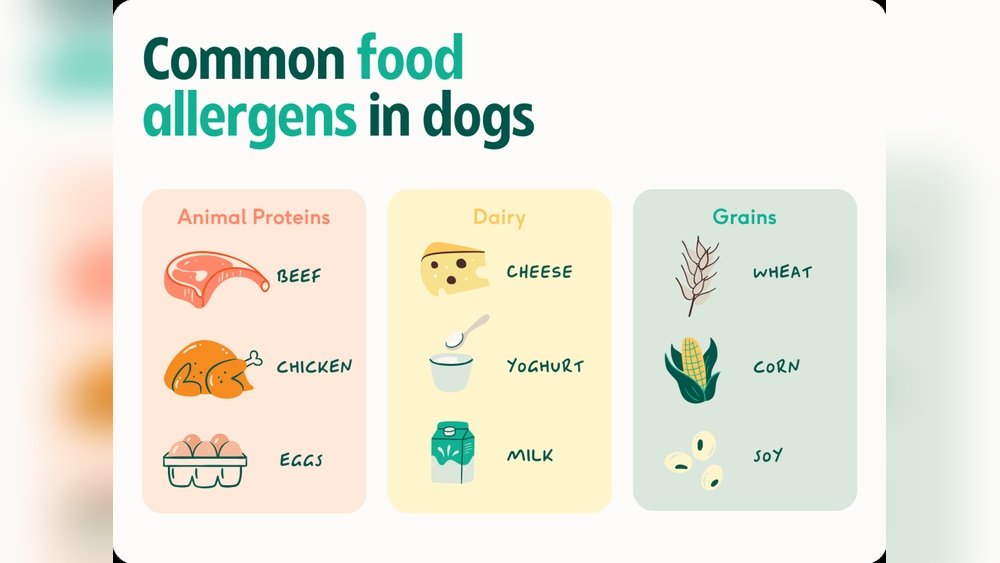
Research shows that certain foods are more likely to trigger allergies in dogs:
- Beef (most common)
- Dairy products
- Chicken
- Wheat
- Eggs
- Lamb
- Soy
- Corn
Rarely, additives or artificial colors can cause a reaction, but this is less common. Some owners worry about grains, but in reality, animal proteins like beef and chicken are the top culprits.
It’s also important to know that expensive or “premium” foods are not less likely to cause allergies if they contain common proteins. Grain-free diets are not guaranteed to prevent allergies either, as the main trigger is usually protein, not grain.
Why Do Food Allergies Develop In Older Dogs?
The answer is complex. Scientists are still studying why the immune system starts to see a familiar food as a threat. Several factors may play a role:
1. Immune System Changes
As dogs age, their immune systems can become less stable. This makes them more sensitive to things they used to tolerate. Sometimes, the immune system loses the ability to “ignore” certain proteins. For example, after a viral infection or a stressful event, the immune system may start to react differently.
Age-related changes are not always obvious. A senior dog might show subtle signs first, such as mild itching or soft stools, before more serious symptoms appear. Owners often overlook these early signs, thinking they’re just “old age problems. ”
2. Genetics
Some dogs have genes that make them more likely to develop allergies. If a parent had allergies, their puppies may too—even if the allergy appears late in life. Genetics can also affect how the immune system responds to repeated exposure to certain foods.
A family history of allergies means you should watch your dog closely for signs, especially if they start to change diet, experience stress, or get sick.
3. Environmental Triggers
If a dog’s environment changes (new house, new pets, new stress), the immune system can become overactive, which may trigger a food allergy. For example, moving to a new home or the loss of a family member can act as a trigger.
Even things like changes in household cleaning products or new plants in the yard can increase overall allergy risk. These don’t directly cause food allergies, but they can stress the immune system and make it more likely to react to food.
4. Overexposure To The Same Protein
Feeding the same food for years can sometimes “wear out” a dog’s tolerance. The immune system gets too much of one protein, and finally reacts. This is why some nutritionists recommend rotating proteins every few months if your dog does not have allergies.
However, rotation should be done with care. Switching foods too quickly can cause digestive upset, so changes should be gradual and under the guidance of your vet.
5. Gut Health
Changes in gut bacteria (from antibiotics, illness, or age) can make it easier for the immune system to see food proteins as threats. The gut acts as a barrier, and when it’s unhealthy, proteins can pass through more easily and trigger an immune response.
Common gut health problems include long-term diarrhea, recent antibiotic use, or chronic stress. Supporting gut health with probiotics or a high-quality diet may help reduce the risk, though it is not a guarantee.
A Real-world Example
“Bella,” a 7-year-old Labrador, ate the same chicken-based food for years. At age 8, she started scratching and losing fur. Tests found she was allergic to chicken. Her owner switched to a fish-based food and her symptoms disappeared.
Bella’s case shows that allergies can develop suddenly, even after years of tolerance. Her owner noticed subtle changes at first—like licking paws and mild ear redness—before the allergy became obvious. Acting quickly helped Bella recover faster.

Credit: missionmightyme.com
Common Symptoms Of Food Allergies In Dogs
Food allergies can look different in every dog. Symptoms usually appear on the skin or in the digestive system. Sometimes, both are affected. Some dogs show only mild signs, while others have severe reactions.
Skin Symptoms
- Itchy skin (especially feet, ears, armpits, groin): The most common sign. Dogs may chew or lick their feet, rub their faces on the carpet, or scratch constantly.
- Red or inflamed skin: Areas may look raw or swollen, often starting in the armpits, groin, or around the mouth.
- Bald patches or hair loss: Repeated licking and scratching can lead to patchy fur or even open wounds.
- Chronic ear infections: Food allergies are a leading cause of repeated ear problems. The ears may smell bad, ooze, or look red inside.
- Hot spots (wet, open sores): These develop quickly and are painful. They often need vet treatment.
Some dogs get secondary infections because they scratch so much. Bacteria or yeast can grow in broken skin, making the problem worse.
Digestive Symptoms
- Vomiting: Some dogs throw up soon after eating the trigger food. Others have off-and-on vomiting.
- Diarrhea: This can range from mild to severe, sometimes with mucus or blood.
- Gas: Excessive flatulence can be a sign, especially if it starts suddenly.
- Frequent bowel movements (more than 3 per day): A change in potty habits is often overlooked but can signal a problem.
- Soft or loose stools: Chronic soft stools can be a sign of a mild food allergy.
Many dogs with food allergies have both skin and digestive problems. Some may also lose weight or seem less active.
Less Obvious Signs
- Face rubbing: Dogs may rub their faces on furniture or the floor to relieve itch.
- Licking or biting paws: Even when skin looks normal, licking is a common allergy sign.
- Scooting (dragging rear on the floor): Anal gland irritation can result from allergies.
- Chronic anal gland problems: Repeated gland infections or blockages often have an allergy root.
Some dogs may develop behavior changes, such as restlessness or irritability, due to discomfort.
Table: Common Symptoms Compared
| Symptom Type | Allergy Likely | Other Causes Possible |
|---|---|---|
| Itchy ears | Yes | Ear mites, infection |
| Vomiting | Yes | Poor diet, infections |
| Red skin | Yes | Fleas, environmental allergy |
| Hair loss | Yes | Hormonal issues, mange |
Not every itchy dog has a food allergy, but chronic, year-round symptoms are a clue.
How Are Food Allergies Diagnosed In Dogs?
There is no instant test for food allergies in dogs. Blood tests and skin tests are not reliable for food allergies. The gold standard is the elimination diet trial.
Steps In Diagnosis
- Rule out other causes. Vets first check for fleas, infections, or environmental allergies. It’s common for dogs to have more than one allergy, so your vet may treat these problems first.
- Elimination diet. Feed a special diet with one new protein and one new carb (ones your dog hasn’t eaten before) for 8–12 weeks. This could be a prescription food or a carefully prepared homemade diet.
- Watch for improvement. If symptoms go away, the allergy is likely food-related. Some signs, like ear infections, may take longer to resolve.
- Challenge test. Add old foods back one at a time to see which causes symptoms to return. This step confirms which food is the trigger.
The elimination diet must be very strict. Even one flavored treat or pill can cause a setback, so all foods, treats, and chews must be checked.
Example Of An Elimination Diet
A dog who always ate chicken and rice might be switched to rabbit and potato. If symptoms improve, chicken or rice could be the problem. The process takes patience. Sometimes, two or three new diets are needed before the right one is found.
If you cook at home, the diet must be balanced with vitamins and minerals. Vets often recommend adding a supplement to prevent deficiencies.
Important Tips
- No treats, table scraps, or flavored medications during the trial.
- Homemade diets must be nutritionally balanced—ask your vet.
- Symptoms may take weeks to improve.
- Keep a journal of symptoms and changes. This helps your vet track progress.
Many owners find it hard to stick to the diet, but success depends on strict rules. In multi-pet homes, separate feeding is often needed.
Food Allergy Vs. Food Intolerance: What’s The Difference?
Both problems cause trouble after eating, but they are different.
- Food allergies involve the immune system. They often cause skin problems, itching, and sometimes gut symptoms. Allergic reactions can appear suddenly, even after years on the same diet.
- Food intolerance means the body can’t digest a food well. It mainly causes stomach upset, gas, or diarrhea, but not itching or ear infections.
Lactose intolerance is a good example: a dog eats cheese and gets diarrhea, but doesn’t itch. That is intolerance, not allergy.
Another example: a dog who eats fatty meat and gets diarrhea likely has an intolerance to fat, not an allergy.
Recognizing the difference helps avoid unnecessary diet changes and medical treatments.
Can A Dog Suddenly Become Allergic To A Food They Ate For Years?
Yes. This is one of the most confusing things for dog owners. Your dog may have eaten beef or chicken for years with no trouble. Suddenly, they start scratching or get sick. This happens because the immune system can change at any time.
Some dogs need months or years of exposure before an allergy develops. Others might react quickly. There is no way to predict exactly when it will happen.
It’s important to know that even a single episode of digestive upset or skin flare-up may be the start of an allergy. Early signs are often mild, so owners should pay attention to changes in behavior, appetite, or skin.
Factors That Increase The Risk Of Late-onset Allergies
1. Breed And Genetics
Some breeds are more likely to develop allergies. For example, West Highland White Terriers, Labrador Retrievers, and Boxers have higher allergy rates. Poodles, Cocker Spaniels, and German Shepherds are also at risk. However, any breed can develop allergies.
Genetics may affect how the immune system “learns” to tolerate foods. If your dog’s parents had allergies, your dog should be watched closely for symptoms.
2. Diet Variety
Dogs who eat the same food every day for years may develop an allergy more easily. Rotating proteins (like fish, duck, lamb) may lower risk. This gives the immune system a “break” and reduces the chance of reacting to one protein.
However, variety should be added slowly and with care. Sudden changes can cause digestive upset and make allergy diagnosis harder.
3. Gut Health
A healthy gut helps prevent allergies. Antibiotics, illness, or poor diet can upset gut bacteria and make allergies more likely. Probiotic supplements or diets high in fiber can support gut health, but check with your vet before adding anything new.
Dogs with chronic diarrhea, recent antibiotic use, or poor diet history are at higher risk.
4. Environmental Stress
Moving house, getting a new pet, or big life changes can stress the immune system, leading to allergy risk. Even changes in family routine, loud noises, or the loss of a companion can act as triggers.
Long-term stress weakens the immune system, making it more likely to overreact to food proteins.
5. Age
Senior dogs may lose some immune tolerance, making them more likely to develop allergies. Older dogs might also have more fragile skin or sensitive digestion, so allergy symptoms can be more severe.
Regular vet visits are important in senior dogs to catch new problems early.
How To Manage Food Allergies In Dogs
Once a food allergy is confirmed, the main solution is avoiding the trigger food. This often means changing your dog’s diet—sometimes more than once.
Steps To Take
- Work with your vet. Never change your dog’s diet on your own if a food allergy is suspected. Your vet will help choose the right diet and monitor for improvement.
- Choose a new protein and carb. For example, switch from chicken and rice to venison and sweet potato. Use foods your dog has never eaten before.
- Feed only the new diet. No treats, table scraps, or flavored supplements. All family members must follow the plan.
- Watch for improvement. Most dogs improve in 4–8 weeks. Skin takes longer to heal than the gut.
- Reintroduce foods one at a time. This helps find the exact trigger. If symptoms come back, you’ve found the culprit.
If your dog has a severe allergy, your vet may recommend a prescription diet or hydrolyzed protein diet.
Table: Novel Proteins And Carbohydrates
| Protein Source | Carbohydrate Source | Common Brands Offering This |
|---|---|---|
| Rabbit | Potato | Royal Canin, Hill’s |
| Kangaroo | Oats | Zignature |
| Duck | Pumpkin | Natural Balance |
| Venison | Sweet Potato | Blue Buffalo |
Other less common proteins include alligator, pheasant, or quail. These are sometimes used in severe allergy cases.
Home-cooked Vs. Commercial Diets
Both are options. Home-cooked diets offer control over ingredients but must be balanced. Commercial “limited ingredient” diets are convenient and nutritionally complete.
Talk to your vet or a veterinary nutritionist if you want to cook at home. They can design a diet with the right balance of protein, fat, vitamins, and minerals. Unbalanced diets can cause new health problems, especially in puppies or senior dogs.
If you choose commercial food, check the ingredient list carefully. Look for “single protein” or “limited ingredient” on the label.
What If My Dog Has Multiple Allergies?
Some dogs are allergic to more than one thing. In these cases:
- Work closely with your vet.
- Try hydrolyzed protein diets (proteins broken into tiny pieces so the immune system doesn’t react).
- Consider prescription foods made for allergies.
If your dog still has symptoms, check for environmental allergies or parasites. Sometimes, a combination of food and environmental allergies is present, making management more complex.
Dogs with multiple allergies may need regular checkups and skin care to avoid infections.
Can Food Allergies Be Cured?
There is no cure for food allergies. The only way to prevent symptoms is to avoid the trigger foods. Some dogs may outgrow their allergy, but this is rare.
Medications (like steroids or antihistamines) can help itching, but they do not solve the allergy. Long-term use is not ideal because of side effects, so these are used only when needed.
Allergy shots (immunotherapy) are not effective for food allergies—they are used for environmental allergies only.
How To Reduce Your Dog’s Risk
You can’t fully prevent food allergies, but you can lower the risk:
- Feed a variety of proteins if your dog has no history of allergies. Rotate proteins every few months.
- Use high-quality commercial foods with simple ingredients.
- Don’t overuse antibiotics, which can harm gut health.
- Keep your dog at a healthy weight.
- Visit your vet for regular checkups.
- Watch for early signs and act quickly if they appear.
Early management prevents severe problems later. If your dog needs antibiotics, ask about probiotics to support gut health.
Living With A Dog With Food Allergies
Caring for a dog with food allergies takes patience and attention. You need to:
- Read ingredient labels carefully. Many foods have “hidden” proteins.
- Avoid giving table scraps or unknown treats.
- Teach family members and friends about your dog’s diet.
- Check medications (some contain beef or chicken flavoring).
- Watch for signs of a reaction, especially after new foods.
Some owners find it helpful to keep a food diary. Write down everything your dog eats and note any symptoms.
Table: Comparing Food Allergy And Environmental Allergy
| Feature | Food Allergy | Environmental Allergy |
|---|---|---|
| Itching year-round? | Yes | Usually seasonal |
| Digestive symptoms? | Common | Rare |
| Response to diet change? | Improves | No change |
| Response to antihistamines? | Poor | Often helpful |
Knowing the difference helps your vet choose the right treatment.

Credit: anicira.org
Mistakes To Avoid
1. Assuming Only Young Dogs Get Allergies
Older dogs can and do develop allergies—even after years of eating the same food.
2. Not Following An Elimination Diet Strictly
Even a small treat or flavored pill can ruin a diet trial. Be sure everyone in the home understands the rules.
3. Self-diagnosing
Always work with your vet. Other diseases can mimic food allergies. Ruling out other causes prevents unnecessary diet changes.
4. Switching Foods Too Quickly
Changing diet too often can upset your dog’s stomach and make it hard to find the true cause. Make changes slowly and stick with one diet during testing.
5. Ignoring Environmental Allergies
Some dogs have both food and environmental allergies. Treating only one won’t solve all problems. Your vet can help with a complete allergy plan.
Real-life Stories: Late-onset Food Allergies
Max, Age 9
Max, a Golden Retriever, ate lamb and rice for 7 years. At age 9, he developed constant ear infections and red, itchy skin. After a strict elimination diet, lamb was found to be the cause. Switching to a fish-based diet solved his symptoms.
Max’s owner noticed he was scratching his ears more often and developed a strange smell. Over-the-counter ear drops didn’t help. Only after switching foods did his symptoms go away.
Ruby, Age 11
Ruby, a mixed breed, began having diarrhea and losing weight at 11 years old. She had eaten chicken her whole life. After switching to a kangaroo and oat diet, her digestive symptoms improved. Chicken was the confirmed trigger.
Ruby’s case shows that food allergies can mimic other illnesses. Her owner thought it was just “old age,” but after dietary changes, Ruby became more playful and healthy again.
How Vets Can Help
Your vet is your best partner in managing food allergies. They can:
- Suggest the right elimination diet
- Recommend prescription or hydrolyzed foods
- Treat secondary infections
- Give advice on supplements (like omega-3s for skin)
- Check for other medical issues
Vets can also help with regular checkups to catch new symptoms early. They may suggest allergy testing for environmental triggers if food allergy management does not solve all problems.
Supplements And Skin Care
Some dogs with food allergies have dry or itchy skin. Supplements may help:
- Omega-3 fatty acids (from fish oil) reduce inflammation and improve skin health.
- Probiotics improve gut health, support digestion, and may lower allergy risk.
- Medicated shampoos soothe skin and lower infection risk, especially if your dog has open sores or hot spots.
Ask your vet before adding supplements. Not all products are safe or effective, and the right dose matters.
For dogs with severe skin problems, regular baths with gentle, hypoallergenic shampoo can reduce bacteria and yeast growth.
When To See A Specialist
If your dog’s allergies are severe or don’t improve, see a veterinary dermatologist or nutritionist. They can do advanced testing and help with complex diets.
Some dogs need prescription diets only available through a vet. A specialist can also help with long-term management and advanced treatments if standard approaches do not work.
Non-obvious Insights
- Allergy symptoms can take weeks to improve. Owners often expect fast results, but it can take 8–12 weeks for skin to heal. Be patient and stick to the diet plan.
- Dogs can develop new allergies at any time. Even after years on a safe diet, a dog can become allergic to a new protein.
- Allergies can cause behavior changes. Dogs may become more irritable, restless, or less playful due to discomfort.
- Multiple allergies are common. If your dog improves but still has symptoms, more than one trigger may be present.
Common Questions From Owners
- “Can I just switch brands?” No. Allergies are usually to the protein, not the brand. You must switch the protein source.
- “Can dogs be allergic to grains?” Yes, but protein allergies are more common.
- “What about grain-free diets?” They do not prevent allergies and are not always healthier.
- “Can I use over-the-counter allergy tests?” No, they are not reliable for food allergies.
- “Will my dog be allergic to all proteins?” Rarely. Most dogs react to 1–2 proteins, not all.
- “Is raw food safer for allergies?” Not necessarily. Allergies depend on the protein, not whether it’s raw or cooked.
Preventing Accidental Exposure
- Store your dog’s food separately from other pets’ food.
- Wash food bowls and hands after preparing meals.
- Tell pet sitters or daycare about your dog’s allergy.
- Double-check treat labels—even dental chews can contain allergens.
- Ask your vet about safe alternatives for treats and chews.

Credit: health.clevelandclinic.org
The Role Of Regular Vet Visits
Annual or twice-yearly vet visits help catch allergy symptoms early. Blood work, skin checks, and weight monitoring are important for long-term health.
Vets can also help you adjust diet as your dog ages or if new symptoms appear. Early action prevents chronic infections and skin damage.
The Impact On Quality Of Life
Food allergies can make dogs miserable. Chronic itching, infections, and digestive upset lower quality of life. With good management, most dogs live happy, healthy lives.
Dogs with well-managed allergies are more playful, social, and active. Owners also feel less stress when symptoms are controlled.
New Research And Future Directions
Scientists are working on better allergy tests and treatments. DNA testing may one day predict which dogs will develop allergies. Probiotic therapy and gut health research are promising areas.
For more on current research, see this AVMA resource.
Future treatments may include personalized diets based on genetic testing or advanced supplements to support gut health.
Frequently Asked Questions
Can A Dog Become Allergic To A Food After Years Of Eating It?
Yes, dogs can develop allergies to foods they have eaten for years. The immune system may change, leading to a new reaction even after long-term exposure.
Are Some Breeds More Likely To Develop Food Allergies Later In Life?
Yes, some breeds such as Labrador Retrievers, West Highland White Terriers, and Boxers are more prone to food allergies. Genetics plays a big role.
How Long Does It Take For Food Allergy Symptoms To Improve After Changing Diet?
Most dogs show improvement in 4–8 weeks, but full recovery can take up to 12 weeks, especially for skin problems.
Can Food Allergies In Dogs Be Cured?
No, there is no cure. The only solution is to avoid the trigger food. Some dogs may outgrow their allergy, but this is rare.
What Is The Difference Between A Food Allergy And Food Intolerance?
Food allergy involves the immune system and causes skin and digestive symptoms. Food intolerance does not involve the immune system and mainly causes digestive upset.
Dogs can develop food allergies at any time in life, not just as puppies. Understanding the signs, working with your vet, and making careful diet changes can help your pet stay healthy and happy—even if allergies appear later in life.
Stay observant and proactive, and you can manage this challenge with confidence.