When winter arrives and temperatures drop, many dog owners feel relief from the constant worry about fleas. After all, isn’t cold weather supposed to kill these pesky parasites? The truth is more complex. Even during the chilliest months, dogs can still get fleas.
These tiny insects are tougher and more adaptable than many people imagine. Understanding how fleas survive in winter, and what that means for your pet, is important for every responsible owner.
Let’s explore the full picture: how fleas behave in cold weather, why they can still infest your dog, what signs to watch for, and how to keep your home and your pet safe throughout the year. Along the way, you’ll learn some surprising facts and get real-world tips that most guides miss.
How Fleas Survive In Winter
Many people believe that fleas die off in winter. This is only partly true. In nature, adult fleas and their eggs struggle to survive freezing temperatures. However, most domestic dogs do not live outdoors in extreme cold. Instead, they spend most of their time in heated homes, cars, or kennels. These warm environments are perfect for fleas to thrive all year round.
Fleas are masters of adaptation. They can shelter in places that provide warmth and humidity, like carpets, bedding, and cracks in the floor. Flea eggs, larvae, and pupae can remain dormant for weeks or even months, waiting for the right conditions to hatch.
When your dog comes indoors, he may bring fleas with him, allowing a small problem to become a full-blown infestation—even while snow piles up outside.
Real-world Example
A study in the journal Veterinary Parasitology found that in homes with central heating, fleas could complete their entire life cycle regardless of the weather outside. In fact, flea activity indoors actually increased in winter, as pets and people stayed inside more often. This means that winter is not a safe season to ignore flea prevention.
Flea Life Cycle: Why It Matters In Cold Weather
Understanding the flea life cycle helps explain how infestations persist through the winter.
| Stage | Duration | Winter Survival? |
|---|---|---|
| Egg | 2 days to 2 weeks | Survives indoors |
| Larva | 1 to 2 weeks | Survives in carpets/bedding |
| Pupa | 1 week to several months | Dormant until triggered |
| Adult | Up to several months (with host) | Active in warm environments |
Flea eggs and pupae can wait in your house for the right moment to hatch. When they sense warmth, vibration, or the presence of a host, they emerge. So, if you skip flea prevention during winter, you may face a sudden outbreak even if your dog hasn’t been outside much.
Common Myths About Fleas In Winter
There are several common myths that lead owners to let their guard down in cold weather.
- Fleas die in the cold. While some fleas outdoors die when temperatures drop below 37°F (3°C), indoor fleas are protected and continue to thrive.
- Winter means less risk. In reality, the risk shifts indoors. Central heating creates ideal flea conditions: Warm, stable temperatures and moderate humidity.
- My dog doesn’t go outside much. Fleas can enter on shoes, clothing, or other pets. Even indoor dogs are not completely safe.
- One cold snap kills them all. Flea eggs and pupae can survive cold periods by going dormant. They hatch when conditions improve.
How Dogs Get Fleas In Winter
Even if your dog spends most of his time inside during winter, he can still pick up fleas through several routes:
1. Contact With Other Animals
Other pets, like cats, can carry fleas indoors. Wildlife such as squirrels, raccoons, or stray animals may also bring fleas to your yard, which can then hitch a ride inside.
2. Human Transmission
Fleas or their eggs can cling to shoes, clothing, or bags. When you walk through an infested area, you can unknowingly bring fleas home.
3. Shared Environments
Dog parks, grooming salons, kennels, or pet-friendly hotels can harbor flea infestations even in winter. Fleas can jump onto your dog during these visits.
4. Existing Home Infestations
Many infestations start in the fall and survive inside through the winter, especially if you stop using flea preventives. Fleas in their dormant stages can activate weeks or months later.
Signs Your Dog Has Fleas In Winter
Spotting a flea problem in the cold months isn’t always easy. Fleas are small and fast, and winter coats on dogs can hide them. Here are the most important signs to watch for:
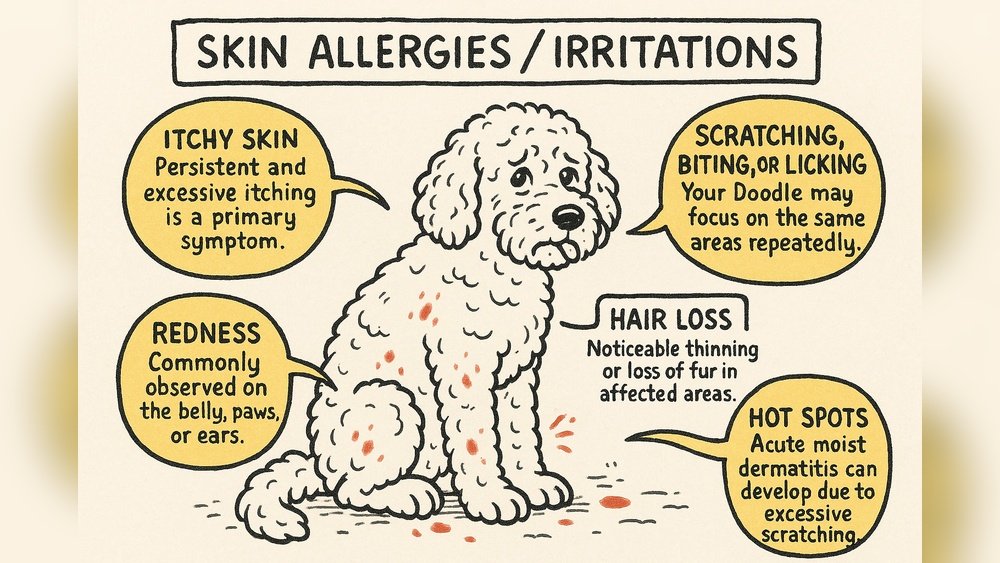
- Frequent scratching, biting, or licking: Especially around the tail, belly, or inner thighs.
- Red, irritated skin or hot spots: Small bumps, hair loss, or scabs may appear.
- Flea dirt: These are tiny black specks (flea feces) found in the fur, especially near the tail. When wet, they turn reddish-brown.
- Restlessness: Your dog may seem unable to get comfortable or sleep well.
- Visible fleas: In heavy infestations, you may see live fleas moving quickly through the fur.
Non-obvious Signs
Many owners miss subtle changes, like slight restlessness or small patches of thinning hair. Another missed sign is flea allergy dermatitis: some dogs are allergic to flea saliva, and even one bite can cause severe itching for weeks.
Why You Should Prevent Fleas Year-round
Stopping flea prevention in winter is a common mistake that can lead to bigger problems later. Here’s why year-round prevention is important:
Constant Risk Indoors
As long as your home is heated, fleas can survive. Eggs laid in late fall may not hatch until winter, causing surprise infestations.
Health Risks For Dogs
Fleas can transmit tapeworms, cause anemia (especially in puppies or small breeds), and lead to severe skin infections. Dogs with allergies suffer the most, but any dog can be affected.
Infestation Is Harder To Control
Once fleas get established indoors, they can be very hard to eliminate. They hide in carpets, sofas, and cracks, and their eggs are tough to kill. Prevention is much easier than getting rid of a full-blown infestation.
Human Health Concerns
Fleas can bite people, causing itchy red bumps. In rare cases, they can transmit diseases like murine typhus or tapeworms to humans.
How To Protect Your Dog From Fleas In Winter
Taking steps to prevent and control fleas throughout the winter is essential. Here’s how to keep your dog and home safe:
1. Use Year-round Flea Prevention
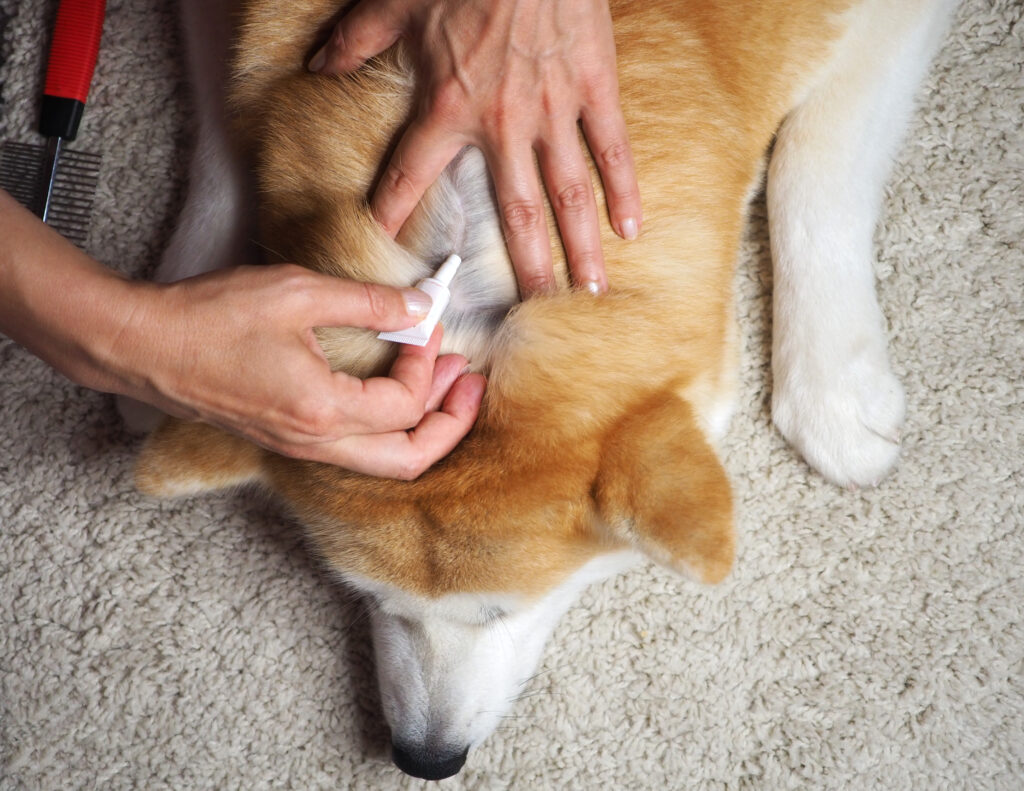
Most veterinarians recommend using a monthly flea preventive all year. These come in several forms:
- Topical spot-on treatments
- Oral chews or tablets
- Flea collars
Ask your vet for the best option for your dog’s size, age, and health. Skipping winter doses can break the protection cycle and allow fleas to thrive.
2. Keep Your Home Clean And Warm—but Not Humid
Fleas need warmth and humidity to develop. Regular vacuuming removes eggs and larvae from carpets and furniture. Wash your dog’s bedding weekly in hot water. Use a dehumidifier if your home feels damp, as lower humidity slows down flea development.
3. Check Your Dog Regularly
Comb your dog with a fine-toothed flea comb at least once a week, especially after walks or visits to other homes. Pay attention to the base of the tail, belly, and neck.
4. Treat All Pets
If you have cats or multiple dogs, treat them all at the same time. Fleas move easily between animals, and skipping one pet can keep the cycle going.
5. Watch For Signs Of Infestation
Be alert for scratching, hair loss, or flea dirt. Early detection makes control much easier.
6. Consider Professional Help
For severe infestations, or if DIY methods fail, call a pest control professional. They have access to stronger treatments and can target hidden areas in your home.
Flea Control Products: What Works Best In Winter?
Choosing the right flea control product is key. Not all products work the same way, and some are better suited for winter use.
| Product Type | How It Works | Best For | Winter Effectiveness |
|---|---|---|---|
| Topical Spot-On | Kills adult fleas on contact | Most dogs and cats | High |
| Oral Chews | Kills fleas after they bite | Dogs only | High |
| Flea Collars | Repels/kills fleas continuously | Long-term protection | Medium-High |
| Sprays & Powders | Direct application to coat or home | Spot treatment | Medium |
| Shampoos | Kills fleas present at bath time | Immediate relief | Low (no residual effect) |
Hidden Mistake: Skipping Doses
Missing just one month of flea prevention in winter can allow fleas to reproduce. Many owners forget a dose because they believe there is no risk in cold weather. Set a reminder to stay consistent.
Natural Flea Control: Myths And Facts
Many pet owners seek natural remedies to avoid chemicals. Some work, but most are not enough on their own—especially in winter when fleas are hiding indoors.
- Diatomaceous earth can kill fleas by drying them out, but it must be used carefully (avoid breathing the dust).
- Essential oils like tea tree or lavender are often promoted, but many are toxic to dogs and cats, even in small amounts.
- Vacuuming and laundry are natural and highly effective parts of any control plan.
- Homemade sprays (like vinegar solutions) are not proven to eliminate infestations.
For heavy infestations or allergic dogs, stick to vet-approved products. Use natural methods as extra help, not a replacement.
How Winter Flea Infestations Affect Dogs Differently
Winter can change how flea infestations look and feel for your dog. Because the air indoors is drier and many dogs grow thicker coats, fleas may cluster in warm, less visible areas like the groin or armpits. Dogs may scratch less at first, so owners often miss the problem.
More Subtle Signs
- Mild skin irritation instead of obvious sores
- Flaky skin or dandruff (often mistaken for dry winter skin)
- Small, hard-to-see hot spots
Increased Health Risks
Flea bites can trigger or worsen seasonal skin allergies. Some dogs develop “winter itch” that is actually caused by fleas, not just dry skin.
Fleas, Ticks, And Other Parasites: Winter Risks Compared
Fleas are not the only parasite that can survive winter indoors. Ticks, mites, and lice can also pose risks, but their survival patterns are different.
| Parasite | Winter Survival Outdoors | Winter Survival Indoors | Dog Risk in Winter |
|---|---|---|---|
| Fleas | Low | High | Yes |
| Ticks | Medium (some species) | Low | Low-Medium |
| Mites | Medium | Medium | Yes |
| Lice | Low | High | Yes |
Most modern flea prevention products also protect against other parasites. Ask your vet if your product offers broad-spectrum protection, especially if you live in an area with year-round tick activity.
Flea Infestation In Your Home: Winter Survival Strategies
If you suspect fleas are already in your home, a focused response is essential. Here’s how to tackle a winter flea infestation step-by-step:
1. Treat All Pets Simultaneously
Apply vet-recommended flea products to every dog and cat in your home, even if only one pet shows signs.
2. Deep Clean All Living Areas
Vacuum carpets, rugs, and upholstered furniture daily for at least two weeks. Immediately empty the vacuum bag or canister outside to prevent re-infestation.
3. Wash Bedding And Fabrics
Wash all pet bedding, blankets, and soft toys in hot water. Don’t forget your own bedding if your dog sleeps on your bed.
4. Target Hidden Areas
Fleas often hide in cracks, behind baseboards, or under furniture. Move furniture to vacuum beneath it. Use a flea spray approved for indoor use if needed.
5. Continue Prevention
Do not stop treatment after the first signs disappear. Flea eggs and pupae can hatch weeks later, so continue prevention for at least three months.
6. Seek Professional Help If Needed
If fleas persist after home treatment, a licensed pest control service can provide targeted solutions.

Credit: www.k9magazine.com
Special Cases: Puppies, Seniors, And Sensitive Dogs
Some dogs are more vulnerable to fleas and need extra protection:
- Puppies: Young puppies can become anemic from even small flea infestations. Always use products approved for your puppy’s age and weight.
- Senior dogs: Older dogs may have weaker immune systems and react more strongly to flea bites.
- Dogs with allergies or medical conditions: Consult your vet before using any flea products. Hypoallergenic or prescription options are available.
Climate And Regional Differences
Your risk of winter fleas depends partly on where you live:
- In mild climates (southern U.S., Mediterranean countries), fleas are active year-round, both inside and outside.
- In northern areas with harsh winters, indoor infestations are the main risk. Even here, modern heated homes create perfect flea environments.
- In rural areas, fleas can ride into your home on wild animals or livestock.
No matter your region, the safest bet is consistent, year-round flea control.
The Role Of Vets In Winter Flea Prevention
Veterinarians see the effects of winter flea outbreaks every year. They can recommend the best prevention for your dog’s lifestyle, health, and local risk. Regular checkups help spot problems early, before infestations get out of hand.
What To Ask Your Vet
- Which flea products work best in winter for my area?
- How can I tell if my dog is having an allergic reaction to fleas?
- Should I use combination products that protect against ticks and other parasites?
- How often should I check my dog for fleas?
Fleas And Your Family: Winter Considerations
Fleas do not only affect pets. They can bite humans, causing itchy welts. In rare cases, they transmit diseases. Children and elderly family members are more likely to react strongly to bites.
Reducing Human Risk
- Wash hands after handling pets
- Vacuum and mop regularly
- Do not allow pets to sleep in beds if you suspect fleas
- Seek medical advice if bites become infected or do not heal

Credit: www.hartz.com
Economic Costs Of Winter Flea Infestations
Dealing with fleas is not only a health issue—it can be expensive.
- Vet visits for flea allergy or secondary infections
- Prescription medications for pets
- Professional pest control services
- Replacement of infested bedding or rugs
Prevention is far cheaper than treatment. One study found that households with consistent flea prevention spent 60% less on related health problems and cleaning.
Environmental Effects Of Flea Control
Many owners worry about the environmental impact of flea control products. Most modern flea medications are designed to be safe for pets and people when used as directed. However, overuse or improper disposal can affect water sources and wildlife. Always follow package directions and dispose of packaging responsibly.
If using sprays or foggers indoors, ventilate well and keep pets and children away until safe.
Flea Prevention For Multi-pet Households
If you have more than one pet, your risk is higher. Fleas move quickly between animals and can hide in shared bedding or play areas.
- Treat all pets at the same time
- Separate infested from uninfested animals during treatment, if possible
- Regularly clean shared spaces
Missing one animal or spot can allow fleas to survive and restart the cycle.
Travel And Boarding: Winter Flea Risks
Traveling with your dog or boarding him during winter can increase flea risk:
- Boarding facilities may house many pets, increasing exposure risk
- Hotel rooms and vehicles can harbor dormant fleas or eggs
Always use flea prevention before and after travel. Inspect your dog carefully when returning home.
What To Do If You Find A Flea In Winter
Finding a single flea in winter is a warning sign, not something to ignore.
- Check your dog and all pets for more fleas or flea dirt.
- Begin or continue monthly flea prevention immediately.
- Vacuum your home and wash bedding.
- Monitor for further signs of infestation.
- If fleas persist, contact your vet for advice.
Quick action prevents a minor problem from becoming a major headache.
Common Mistakes Owners Make About Winter Fleas
- Stopping flea medication in cold weather
- Believing indoor pets cannot get fleas
- Using outdated or wrong products
- Not treating all pets at once
- Ignoring subtle signs of infestation
Awareness and consistency make all the difference.
Credit: harlingenveterinaryclinic.com
Flea-related Winter Skin Problems
Many winter skin issues in dogs are blamed on dry air, but fleas may be the real cause. If your dog develops dandruff, mild hair loss, or red bumps, check for fleas—even if you don’t see scratching.
Dogs with sensitive skin or allergies may need special shampoos or medications prescribed by a vet to heal completely.
The Future: Fleas And Warmer Winters
Climate change is affecting flea patterns. Warmer average temperatures mean fleas survive longer outdoors, even in areas that once had hard freezes. This trend makes year-round flea prevention even more important, as fleas become less limited by season.
For more information, see this in-depth article from the Centers for Disease Control and Prevention (CDC).
Frequently Asked Questions
Can My Dog Get Fleas If It Only Goes Outside For Short Walks In Winter?
Yes, even brief outdoor trips can expose your dog to fleas. Fleas may be present in grass, leaves, or other animals. They can quickly jump onto your dog and ride indoors. Since flea eggs and larvae can survive in your home, even limited exposure is enough to start an infestation.
Do I Need To Treat My Indoor-only Dog For Fleas In Winter?
Absolutely. Indoor dogs are still at risk, as fleas can enter your home on shoes, clothing, or other pets. Heated homes create ideal conditions for fleas to survive and reproduce in winter. Consistent prevention is important for all dogs, regardless of lifestyle.
Is It Safe To Use Flea Products On My Dog During The Winter Months?
Yes, modern flea preventives are designed for year-round use. Always choose products approved by your veterinarian and follow the instructions carefully. If your dog has allergies or health conditions, talk to your vet about the safest options.
What’s The Best Way To Check For Fleas On A Thick-coated Dog In Winter?
Use a fine-toothed flea comb and focus on warm, hidden areas: under the collar, around the tail base, and on the belly. Look for flea dirt (black specks) or red skin. If you’re unsure, ask your vet or groomer for help with a thorough check.
Can Fleas Survive In A Cold, Unheated Garage Or Shed?
Fleas struggle in freezing temperatures, but their eggs and pupae can survive in protected areas. Once brought back into a warm house, they can hatch and start a new infestation. It’s best to keep all pet areas clean, even those used less in winter.
Fleas may be small, but their impact on your dog’s comfort and health is big—no matter the season. By staying alert, using prevention all year, and responding quickly to any signs of trouble, you can keep your dog itch-free and your home flea-free, even through the coldest months.