Many dog owners want to give their pets the best care possible. They look for healthy foods, treats, and supplements that can help their dogs live longer, happier lives. One supplement that gets a lot of attention is probiotics. These are friendly bacteria that support gut health. But many people wonder: Can dogs take human probiotics? Is it safe to give your dog the same probiotic you take every morning? Will it actually help, or could it do harm?
This question isn’t as simple as it sounds. Dogs and humans have different digestive systems, but some bacteria overlap. At the same time, your dog’s gut has unique needs. Making the right choice can help with digestion, allergies, and even anxiety in your dog.
Making the wrong choice can waste money, or worse, make your dog sick.
Let’s look at what science says, what vets recommend, and what you should know before reaching for your own probiotic bottle when your dog has tummy troubles.
What Are Probiotics?
Probiotics are live microorganisms, mostly bacteria and sometimes yeast, that help keep the gut healthy. They are called “good” or “friendly” bacteria because they help control harmful bacteria, support digestion, and boost the immune system.
You’ll find probiotics in:
- Yogurt and fermented foods
- Supplements (capsules, powders, chews)
- Some dog foods and treats
For humans, probiotics can help with diarrhea, irritable bowel syndrome (IBS), and even skin issues. For dogs, they may help with diarrhea, allergies, and stress-related stomach problems.
How Probiotics Work
Inside the gut, billions of bacteria live. Some are good, some are bad. Probiotics add more good bacteria, which can:
- Out-compete harmful bacteria
- Improve digestion of food and absorption of nutrients
- Support the immune system by balancing gut bacteria
When the balance is thrown off (by stress, antibiotics, infections, or poor diet), stomach issues can appear.
Human Vs. Dog Digestive Systems: Key Differences
Dogs and humans are both mammals, but their digestive tracts are not the same. This is important when considering whether you can give your dog a human probiotic.
| Feature | Human | Dog |
|---|---|---|
| Stomach Acid | pH 1-3 (strong acid) | pH 1-2 (even stronger) |
| Digestive Tract Length | Longer (around 30 feet) | Shorter (about 2.5 times body length) |
| Gut Bacteria Types | Mostly Lactobacillus, Bifidobacterium | More Enterococcus, Lactobacillus, plus unique strains |
| Diet | Omnivore (plants & meat) | Carnivore (mostly meat) |
Because of these differences, not all human probiotics survive or work well in a dog’s gut. Some strains die in the stronger acid, while others simply don’t attach or grow the same way.
Types Of Probiotics: Human Vs. Dog Formulas
Not all probiotics are the same. The key difference is the strains of bacteria used.
- Human probiotics: Usually contain strains like *Lactobacillus acidophilus* and *Bifidobacterium bifidum*.
- Dog probiotics: Often include strains like *Enterococcus faecium*, *Bacillus coagulans*, and dog-specific *Lactobacillus*.
Some strains are found in both humans and dogs, but others are unique to each species. This matters, because the effectiveness of a probiotic depends on matching the right strain to the right host.
Example: Common Probiotic Strains
| Strain Name | Found in Human Probiotics? | Found in Dog Probiotics? |
|---|---|---|
| Lactobacillus acidophilus | Yes | Sometimes |
| Bifidobacterium bifidum | Yes | Rarely |
| Enterococcus faecium | Rarely | Yes (common) |
| Bacillus coagulans | Sometimes | Yes |
| Lactobacillus rhamnosus GG | Yes | Rarely |
Can Dogs Take Human Probiotics? What Science Says
This is the big question. The short answer: yes, but with caution. The longer answer depends on the type of probiotic, the health of your dog, and what you want to achieve.
What Studies Show
Some human probiotic strains will pass through a dog’s gut harmlessly. They may even offer some benefit. For example, *Lactobacillus acidophilus* is found in both species and is considered safe.
However, several studies show that dog-specific probiotics work better for dogs. They colonize the gut more effectively and are more likely to survive the journey through the digestive system.
One study found that *Enterococcus faecium* (a common dog probiotic) improved stool quality and immune function in dogs with diarrhea. Another study showed that *Lactobacillus rhamnosus GG* (a popular human strain) did not colonize the dog gut well, so the effect was limited.
Safety Concerns
Most human probiotics are unlikely to cause harm if given in small amounts. However, some risks include:
- Ineffectiveness: The probiotic may not survive or “stick” in the dog’s gut, so you see no benefit.
- Digestive upset: Some dogs may get gas, bloating, or loose stool when first trying a new probiotic.
- Added ingredients: Many human probiotic capsules contain sweeteners, flavors, or xylitol (which is toxic to dogs). Always check the label.
When Human Probiotics Are Used In Dogs
Vets sometimes suggest human probiotics in certain cases—often when a dog-specific option is not available. For example, during travel or after antibiotics, a vet may recommend a human probiotic with a well-known safety profile.
But for chronic issues, the best choice is a veterinary-approved probiotic made specifically for dogs.
Benefits Of Probiotics For Dogs
Giving the right probiotic can help your dog in many ways. Here’s what research and vets say:
- Digestive health: Probiotics can reduce diarrhea, especially after antibiotics or during stress.
- Improved stool: Dogs with loose or irregular stool may see firmer, more regular bowel movements.
- Allergy support: Some probiotics help reduce skin problems and itching by balancing the immune response.
- Reduced gas and bloating: Good bacteria can out-compete gas-producing bad bacteria.
- Better nutrient absorption: A healthy gut means more vitamins and minerals are absorbed from food.
- Support after antibiotics: Probiotics help restore healthy bacteria killed by antibiotics.
- Stress relief: Some studies show a link between gut bacteria and anxiety or behavior in dogs.
Not-so-obvious Insights
- Probiotic strains matter more than the total number of bacteria. Billions of the wrong strain do little, but the right strain—even in lower numbers—can have a big effect.
- Probiotics may work differently for each dog. Genetics, age, diet, and health all play a role. What helps one dog may not help another.
Risks And Side Effects Of Giving Human Probiotics To Dogs
While many human probiotics are generally safe, there are real risks that owners often miss.
Possible Side Effects
- Mild digestive upset: Temporary gas, bloating, or loose stool is possible, especially when starting a new supplement.
- Allergic reactions: Rare, but possible if your dog reacts to an ingredient in the capsule (like dairy or soy).
- No effect: The most common “side effect” is simply no change, because the probiotic doesn’t work in dogs.
Hidden Dangers
- Artificial sweeteners: Some capsules and chewable tablets contain xylitol, which is deadly for dogs, even in tiny amounts. Always check for xylitol and avoid products with it.
- Capsule size and choking: Human capsules can be large or hard for a dog to swallow. If you use them, open the capsule and mix the powder with food.
- Overdosing: Too much of any supplement can cause problems. Always start with a low dose and watch for side effects.
When To Call The Vet
If your dog develops vomiting, severe diarrhea, weakness, or any new symptoms after starting a probiotic, stop the supplement and call your vet. Dogs with immune system problems or very young puppies should not get probiotics without veterinary advice.
Choosing The Right Probiotic For Your Dog
If you want to help your dog’s gut health, choosing the right probiotic is key. Here’s what to look for:
- Dog-specific strains: Look for products listing strains tested in dogs, such as *Enterococcus faecium*, *Bacillus coagulans*, and *Lactobacillus plantarum*.
- Clear labeling: The product should list the species and strain (not just “probiotic blend”). Example: “Lactobacillus acidophilus NCFM.”
- Guaranteed potency: The label should say how many CFUs (“colony-forming units”) are in each dose, and guarantee potency through the expiration date.
- No harmful additives: Avoid artificial sweeteners (especially xylitol), colors, or flavors.
- Veterinary recommendation: Ask your vet for a product they trust.
Comparing Human And Dog Probiotics
Here’s a quick comparison to help you decide:
| Feature | Human Probiotics | Dog Probiotics |
|---|---|---|
| Strains | Mainly human-specific | Dog-specific, some overlap |
| Safety | Generally safe, but risk of added ingredients | Formulated for dogs, safer ingredients |
| Effectiveness | May help, often no effect | Proven strains for dogs, better results |
| Dosing | Not tailored for dogs | Correct dose for dog size/weight |
How To Give Probiotics To Dogs
If you and your vet decide to try probiotics for your dog, here’s how to do it safely.
Steps For Giving A Probiotic
- Choose the right product: Select a probiotic made for dogs, or a human probiotic with a safe, simple ingredient list and no xylitol.
- Start with a low dose: Too much bacteria at once can upset the stomach. Begin with half the recommended dose for a few days.
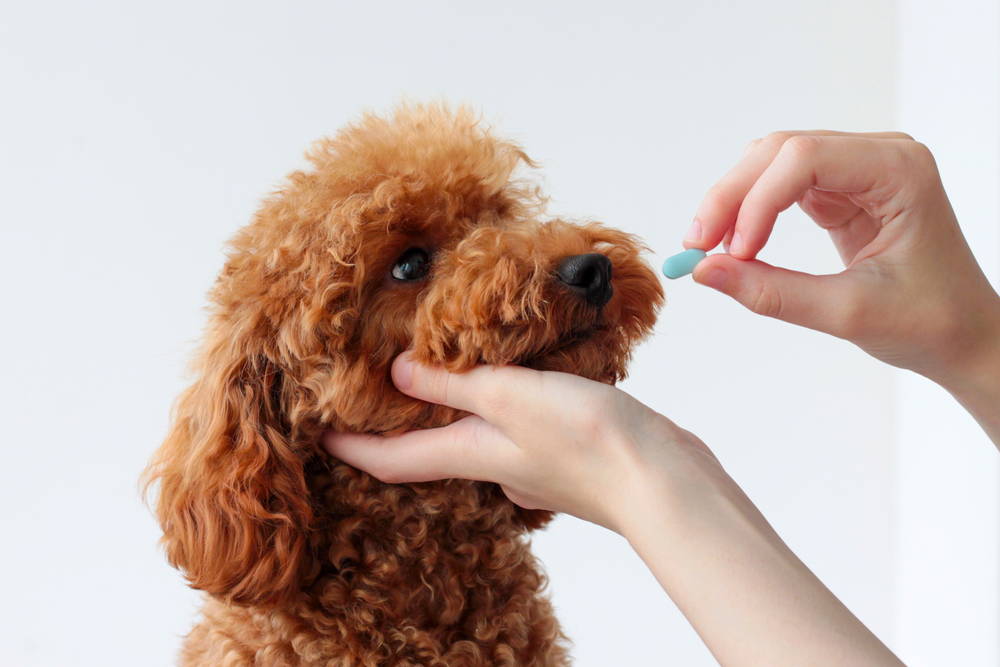
- Mix with food: Open capsules or sprinkle powder on your dog’s food. This helps avoid choking and improves absorption.
- Watch for side effects: Look for changes in stool, energy, or appetite. Stop if you notice vomiting, severe diarrhea, or other concerns.
- Give daily: Probiotics work best when given regularly, not just once.
- Store properly: Some probiotics need refrigeration to keep the bacteria alive. Check the label for storage instructions.
Special Cases
- After antibiotics: Probiotics should be given a few hours after antibiotics, not at the same time, so they are not killed by the medicine.
- During travel or stress: Start a few days before the stressful event to build up good bacteria.
- Chronic health issues: Discuss long-term use with your vet.
Credit: vetnique.com
Signs Your Dog May Need A Probiotic
How do you know if a probiotic could help your dog? Look for these signs:
- Diarrhea or loose stool
- Frequent gas or bloating
- Changes in appetite
- Itchy skin or allergies
- Recently took antibiotics
- Stressful events (boarding, moving, new pets)
Remember, probiotics are not a cure for every problem. Persistent symptoms should always be checked by a vet.
When You Should Not Give Human Probiotics To Dogs
Sometimes, it’s best to skip human probiotics altogether. Here are the main cases:
- If the product contains xylitol, chocolate, or artificial sweeteners
- If your dog has a weak immune system, cancer, or is very young
- If your vet advises against it
- If you see new or worsening symptoms after starting the probiotic
Never use probiotics as a substitute for proper veterinary care in sick dogs.

Credit: www.holistapet.com
Common Mistakes Owners Make
Even caring owners sometimes make mistakes with probiotics. Here are some to avoid:
- Assuming all probiotics are the same: The strain matters. The best human probiotic may do nothing for your dog.
- Ignoring the ingredient list: Some human probiotics contain harmful fillers for dogs.
- Skipping the vet: Some stomach problems need more than a probiotic. Always check with your vet if symptoms are severe or persistent.
- Stopping too soon: It can take days or weeks to see results. Give the probiotic time to work.
- Improper storage: Heat or moisture can kill the bacteria, making the supplement useless.
How To Choose A High-quality Dog Probiotic
Not all dog probiotics are created equal. Here’s what to look for in a trusted product:
Read The Label Carefully
- Look for products that clearly name the strains and list the number of CFUs.
- Prefer brands with clinical studies in dogs.
Check For Third-party Testing
Some companies have their probiotics tested for purity and potency by outside labs. This builds trust.
Ask For Veterinary Guidance
Veterinarians can recommend reputable brands and guide you on dosing.
Forms Of Probiotics
Dog probiotics come in:
- Powders: Easy to mix with food.
- Capsules: Can be opened and sprinkled.
- Chews or treats: Tasty but may have extra calories or flavors.
- Yogurt or kefir: Natural sources, but check for sugar and xylitol.
Natural Sources Of Probiotics For Dogs
Some foods contain natural probiotics. These can be a gentle way to support your dog’s gut.
- Plain yogurt: Unsweetened, with live cultures. Avoid xylitol or added sugar.
- Kefir: Fermented milk drink, has more strains than yogurt.
- Fermented vegetables: Small amounts of sauerkraut (no onions or garlic).
Always introduce new foods slowly to avoid stomach upset. Not all dogs tolerate dairy, so watch for signs of intolerance.
How Long Does It Take For Probiotics To Work In Dogs?
Most owners want quick results. But probiotics work slowly.
- Mild digestive problems: 2–5 days to see improvement.
- Chronic issues: 2–4 weeks for full effect.
- After antibiotics: May need several weeks to restore balance.
If you see no change after a month, talk to your vet about switching products or trying a different approach.

Credit: lignans.com
Probiotics Vs. Prebiotics: What’s The Difference?
Many supplements include both, but they’re not the same.
- Probiotics: Live bacteria that add to the gut.
- Prebiotics: Fibers that feed good bacteria already in the gut (examples: inulin, FOS).
Some products combine both, called a synbiotic. This can be more effective, but only if the strains and fibers are right for dogs.
Real-world Example: When A Human Probiotic Helped A Dog
Maggie, a 4-year-old Labrador, developed diarrhea after a round of antibiotics. Her owner only had a human probiotic at home (*Lactobacillus acidophilus* capsules). After checking with her vet, they gave Maggie a small dose mixed with food. Over a few days, her stool improved.
This worked because *Lactobacillus acidophilus* is found in both humans and dogs, and the capsule had no dangerous additives. But her vet still recommended switching to a dog-specific probiotic for ongoing use.
Key lesson: In a pinch, some human probiotics can help, but always check with your vet and switch to a dog-specific product when you can.
What Vets Say About Human Probiotics For Dogs
Veterinarians generally agree:
- Safety first: Most human probiotics are not dangerous, but there are better options for dogs.
- Better results with dog strains: Probiotics tested for dogs give the best results.
- Always check ingredients: Watch for xylitol and other toxins.
- Consult before use: Especially for puppies, seniors, or sick dogs.
Vets may use human probiotics when dog products are unavailable, but they prefer veterinary brands.
How To Talk To Your Vet About Probiotics
If you’re interested in probiotics for your dog, ask your vet:
- Which strains are best for my dog’s issues?
- Are there trusted brands you recommend?
- How much and how often should I give?
- Can I use a human probiotic if I don’t have a dog one?
Bring the label or package with you for review.
Research And Further Reading
If you want to dive deeper, check out clinical studies and veterinary recommendations. One helpful resource is the National Institutes of Health, which summarizes many studies on probiotics for dogs.
Frequently Asked Questions
Can I Give My Dog Yogurt Instead Of A Probiotic Supplement?
Plain, unsweetened yogurt with live cultures can be safe for many dogs and provides some probiotics. However, the types and amount of bacteria are much lower than in supplements, and some dogs are lactose intolerant. Always start with a small amount and watch for digestive upset.
How Do I Know If A Probiotic Is Working For My Dog?
Look for improvements in stool quality, less gas, reduced itching, or better appetite. Results may take days or weeks. If you see no changes after a month, talk to your vet about switching to a different product or addressing other causes.
Are There Any Dogs That Should Not Take Probiotics?
Dogs with weak immune systems (due to illness or medication), very young puppies, or those with certain gut problems should not take probiotics without veterinary advice. Probiotics are not a substitute for medical treatment.
Can I Use A Human Probiotic In An Emergency?
If you’re traveling or can’t get a dog-specific probiotic, some human probiotics (*Lactobacillus acidophilus*, *Bacillus coagulans*) are safe for short-term use. Always check the label for xylitol or toxic additives, start with a small dose, and ask your vet as soon as possible.
What’s The Best Way To Store Probiotics For Dogs?
Store probiotics in a cool, dry place. Some need refrigeration, especially powders and capsules with live bacteria. Check the package instructions. Heat and moisture can kill the bacteria, making the supplement less effective.
No matter what, remember that your dog’s health comes first. Probiotics can be a helpful tool, but they are just one part of a healthy lifestyle, good food, exercise, and regular vet care. When in doubt, ask your vet—which is the best way to make sure your dog gets the benefits without the risks.