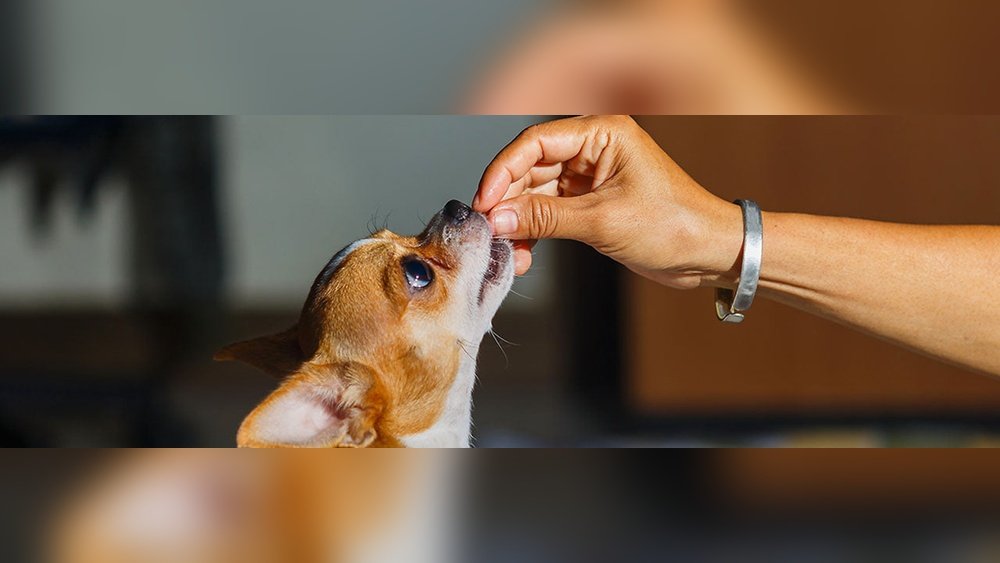
Most dog owners want to give their pets the best health possible. You may have heard about probiotics for humans—those friendly bacteria that help with digestion and immunity. Now, more products for dogs include probiotics too. But are probiotics really necessary for dogs? What benefits do they offer? Are they safe? Let’s explore the science, practical advice, and what every dog owner should know about giving their pet probiotics.
What Are Probiotics?
Probiotics are live microorganisms, mainly beneficial bacteria, that help keep the gut healthy. In simple terms, these are the “good bugs” that live in the digestive system. Dogs, just like humans, have trillions of bacteria and other microbes in their intestines. This mix of bacteria is called the gut microbiome.
A healthy gut microbiome is important. It helps digest food, absorbs nutrients, and protects against harmful bacteria. Probiotics help keep the balance of good and bad bacteria in check. If this balance is lost, problems like diarrhea, skin issues, or low immunity can appear.
Why Do Dogs Need Probiotics?
Not every dog needs probiotics all the time. However, there are situations where probiotics can really help. Common reasons include:
- Digestive upsets: Diarrhea, constipation, gas, or bloating can happen if the gut bacteria are out of balance.
- Antibiotic use: Antibiotics kill both good and bad bacteria. Probiotics can help restore the good ones.
- Stress: Changes like travel, moving house, or boarding can cause stomach problems in dogs.
- Diet changes: Switching food too quickly may upset your dog’s stomach.
- Chronic conditions: Allergies, skin problems, and even anxiety may have links to gut health.
Some dogs may never need probiotics, especially if they are healthy, eat a good diet, and are not under stress. But for others, probiotics can make a big difference.

Credit: drruthroberts.com
How Probiotics Work In Dogs
Probiotics work by adding more good bacteria to the dog’s gut. They compete with harmful bacteria, making it harder for the bad ones to grow. They also help make vitamins, support the immune system, and may reduce inflammation.
When you give your dog probiotics (either as food, powder, or pills), some of these bacteria survive the stomach acid and reach the intestines. There, they start to work. Not all probiotics are the same, and not all will survive the trip through the stomach.
Choosing the right type and brand matters.
Types Of Probiotics For Dogs
Different probiotics contain different strains of bacteria. The most common types used for dogs are:
- Lactobacillus: Often found in yogurt. Helps break down lactose and supports digestion.
- Bifidobacterium: Supports the immune system and gut barrier.
- Enterococcus faecium: Used in many dog products for gut health.
- Bacillus subtilis: Forms spores, making it strong enough to survive stomach acid.
Sometimes, yeasts like Saccharomyces boulardii are also used as probiotics for dogs, especially for diarrhea.
Benefits Of Probiotics For Dogs
1. Improved Digestion
Dogs with sensitive stomachs may benefit most. Probiotics help break down food, absorb nutrients, and keep stools regular. Studies show that dogs given probiotics have less diarrhea and better stool quality.
2. Boosted Immunity
Around 70% of a dog’s immune system is in the gut. Probiotics help train the immune cells to react properly, fighting infections but not overreacting (which can cause allergies).
3. Healthier Skin And Coat
Some skin problems and allergies in dogs may start in the gut. Probiotics can reduce inflammation and help with itchy skin, hot spots, and dull coats.
4. Reduced Gas And Bloating
If your dog often has gas or a noisy stomach, probiotics can help by balancing gut bacteria.
5. Support During Stress
Dogs may get stomach upsets when stressed. Probiotics can lower the risk of diarrhea after events like traveling, vet visits, or being left at a kennel.
6. Recovery After Antibiotics
Antibiotics can wipe out both good and bad bacteria. Probiotics help rebuild the healthy bacteria faster and prevent side effects like diarrhea.
7. Possible Help With Behavior
Early research suggests a link between gut bacteria and the brain (the “gut-brain axis”). Some dogs may be less anxious or fearful when their gut is healthy.
Scientific Evidence: What Do Studies Say?
Several studies support the use of probiotics in dogs, but the science is still growing. Here are some key findings:
- A 2019 study showed that dogs given Enterococcus faecium had better stool consistency and less diarrhea.
- Research in 2021 found that probiotics can reduce antibiotic-associated diarrhea by up to 47%.
- In a 2020 trial, shelter dogs who received probiotics had fewer digestive issues during their stay.
- However, not all studies agree. Some find small or no effect, especially if the probiotic strain is not right for dogs.
It’s important to choose probiotics tested for dogs, not just for humans.
Do All Dogs Need Probiotics?
Not every dog needs probiotics daily. Healthy dogs with strong digestion and no history of allergies or stress may not benefit much. Probiotics are most useful:
- During or after antibiotic treatment
- When changing diet or routine
- For dogs with frequent digestive upsets
- For older dogs with weaker immunity
Some vets recommend giving probiotics for 1-2 weeks during stressful times, or as a regular supplement for dogs with chronic problems.
When Should You Not Give Probiotics?
Probiotics are generally safe, but there are times to be careful:
- Severe illness: Dogs with a very weak immune system or serious illness should not get probiotics without a vet’s advice.
- Acute vomiting or bloody diarrhea: These may need urgent treatment, not just probiotics.
- Allergic reactions: Rare, but some dogs may react to ingredients in probiotic supplements.
Always check with your vet before starting any supplement, especially if your dog is already sick.

Credit: www.fish4dogs.com
Common Signs Your Dog May Benefit From Probiotics
How do you know if your dog needs probiotics? Watch for these signs:
- Loose stools or frequent diarrhea
- Constipation or straining
- Excessive gas
- Itchy, irritated skin
- Recurring ear infections
- Bad breath not related to dental issues
- Anxiety or behavior changes linked to gut upset
If your dog has one or more of these signs often, ask your vet if probiotics may help.
Forms Of Probiotics For Dogs
Probiotics for dogs come in several forms:
- Powders: Easy to mix into food. Good for picky eaters.
- Chews: Like treats, easy to give.
- Capsules/Tablets: May be swallowed whole or opened and sprinkled on food.
- Yogurt/Kefir: Some plain dairy products have live cultures, but too much dairy can upset some dogs.
Not all human probiotics are safe or effective for dogs. Choose products made for pets and check the label for active strains and live bacteria count (CFU).
How To Choose A Good Probiotic For Your Dog
Picking the right probiotic can be confusing. Here is a simple comparison of what to look for:
| Factor | What Matters | Why It’s Important |
|---|---|---|
| Number of CFUs | At least 1-5 billion CFUs per dose | Enough live bacteria to have an effect |
| Strains Included | Lactobacillus, Bifidobacterium, Enterococcus faecium | Tested strains for dogs give best results |
| Expiration Date | Clearly printed and not expired | Live bacteria die over time |
| Storage | Some need refrigeration, some do not | Improper storage kills bacteria |
| Other Ingredients | No artificial colors, flavors, or sugars | Some additives can upset dogs’ stomachs |
Tips For Choosing Wisely
- Look for brands with clinical testing or recommended by veterinarians.
- Avoid products with only “proprietary blends” and no strain names listed.
- If your dog has food allergies, check for common allergens in the product.
Giving Probiotics: How Much And How Often?
Follow the dosage on the package or as your vet recommends. Most probiotics for dogs are given once daily. For mild stomach upsets, a short course (1-2 weeks) may be enough. For chronic problems, longer use may be needed.
Don’t double the dose if you miss a day. Start slowly if your dog is sensitive—some dogs may get mild gas or loose stools at first, but this usually passes.
Are There Risks Or Side Effects?
Probiotics are considered safe for most dogs. Side effects are rare and usually mild. The most common are:
- Temporary gas
- Mild bloating
- Slightly loose stools
If your dog gets worse or shows signs like vomiting, blood in stool, or lethargy, stop the supplement and call your vet.
One less-known risk is giving the wrong type or too much. Not all bacteria help all dogs. Some products are poorly made and may contain harmful bacteria or none at all. Always choose reputable brands.
Probiotics Vs. Prebiotics: What’s The Difference?
Many people confuse probiotics with prebiotics. Here’s a quick comparison to clear things up:
| Feature | Probiotics | Prebiotics |
|---|---|---|
| What are they? | Live good bacteria | Fiber that feeds good bacteria |
| How do they work? | Add more good bacteria to the gut | Help existing good bacteria grow |
| Common sources | Supplements, yogurt, fermented foods | Inulin, chicory root, some fruits/veggies |
| Should you use both? | Often more effective together | Often more effective together |
Many top dog probiotics include prebiotics to boost their effect.
Real-world Example: Probiotics For Dogs With Diarrhea
Let’s look at a practical case. Bella, a 4-year-old Labrador, gets diarrhea whenever she goes to the kennel. Her vet recommends a probiotic with Enterococcus faecium. Bella starts the probiotic 3 days before her next kennel stay and continues for a week after. This time, her stools stay normal, and she has less stress. This is a common result, especially for dogs with stress-related stomach issues.
Non-obvious Insights Most Owners Miss
- Probiotics are not a cure-all. If your dog has a serious disease, probiotics alone won’t fix it. They work best as part of a healthy routine, not as a quick fix for big problems.
- Strain matters more than brand. Not all probiotics are the same. What helps one dog might not help another. Look for strains tested in dogs, not just general bacteria.
- Probiotic foods can be risky. Giving your dog plain yogurt or kefir seems easy, but some dogs are sensitive to dairy. Too much can cause more stomach upsets than it helps.

Credit: naturaldog.com
Comparing Human Vs. Dog Probiotics
Many owners wonder if they can just give their dog the same probiotic they take themselves. Here’s how they compare:
| Feature | Human Probiotics | Dog Probiotics |
|---|---|---|
| Strains included | Made for human gut | Tested for dog gut |
| Flavor | Unflavored or sweetened | Tasty for dogs, no sugar |
| Safety | Not always safe for pets | Formulated for dogs |
| Effectiveness | May not survive dog’s stomach acid | Designed to reach dog’s intestines |
In general, choose dog-specific probiotics for the best and safest results.
How Long Does It Take For Probiotics To Work?
Some dogs show improvement in a few days, especially with mild diarrhea. For skin, allergy, or immune benefits, it may take 2-4 weeks. Consistency is important—don’t skip doses or stop too soon. If you see no improvement after a month, talk to your vet about changing brands or strains.
Mistakes To Avoid When Using Probiotics
- Using expired products: Live bacteria lose strength over time.
- Ignoring storage instructions: Some need refrigeration, others don’t.
- Expecting instant results: Give it time, especially for chronic problems.
- Choosing based on price alone: Cheap brands may not work or could even be unsafe.
- Not checking for allergens: Some probiotics have flavorings, beef, chicken, or grains that may not suit every dog.
Questions To Ask Your Vet
Before starting probiotics, ask your vet:
- Is this probiotic tested for dogs?
- How long should my dog take it?
- Are there side effects I should watch for?
- Should I combine probiotics with other treatments?
- What results should I expect, and when?
Getting expert advice ensures you make the best choice for your dog’s unique needs.
The Future Of Probiotics In Dog Health
Research into the dog microbiome is growing fast. We now know that gut bacteria affect not just digestion, but also immunity, skin, weight, and even mood. In the future, we may see personalized probiotics for each dog, based on their DNA and microbiome.
For now, a good-quality probiotic can be a helpful part of many dogs’ health plans.
If you want to read more about current research, the American Kennel Club has an in-depth guide on dog probiotics: American Kennel Club.
Frequently Asked Questions
What Are The Best Probiotic Strains For Dogs?
The best strains are those tested for dogs, like Lactobacillus acidophilus, Enterococcus faecium, and Bifidobacterium animalis. Different strains help with different problems, so check the label and ask your vet.
Can Puppies Take Probiotics?
Yes, but always use a probiotic made for puppies or approved by your vet. Puppies sometimes have sensitive stomachs or stress after leaving their mother, and probiotics can help.
Are There Any Side Effects From Probiotics In Dogs?
Most dogs have no side effects. Mild gas or loose stools may happen in the first few days but usually go away. If your dog has vomiting, blood in the stool, or seems very unwell, stop the probiotic and see your vet.
Can I Give My Dog Yogurt As A Probiotic?
Plain yogurt with live cultures can help, but many dogs are lactose intolerant. Too much dairy can cause diarrhea. For best results and safety, choose a dog-specific probiotic supplement.
How Do I Know If A Probiotic Is Working For My Dog?
Look for better stool quality, less gas, improved skin, or higher energy. The changes may be slow. If you see no improvement after a month, talk to your vet about other options or different strains.
Your dog’s health starts in the gut, but not every dog needs a probiotic. If your pet has stomach upsets, allergies, or is often stressed, the right probiotic could help. Always choose quality, be patient, and check with your vet for the best results.