
Caring for a dog with arthritis is a journey that requires both knowledge and compassion. If you share your life with a senior dog or one struggling with joint pain, you’ve likely seen the small signs: slower walks, hesitation to jump, or a longing glance at the couch they once leapt onto with ease. Arthritis can take away the simple joys from your furry friend, but the right choices—especially a proper bed—can make a huge difference.
Many pet parents underestimate how much a dog’s bed affects comfort, pain levels, and even sleep quality. While medication and exercise play their parts, a supportive bed is often the “missing piece” for better mobility and a happier life. Choosing the best dog bed for arthritis is not just about buying something soft. It’s about understanding your dog’s unique needs and how the right materials, design, and features can help soothe aching joints.
This guide will lead you through everything you need to know. You’ll learn why a specialized bed matters, what features to look for, how to compare the top options, and how to help your dog adjust. Along the way, you’ll discover practical tips, key mistakes to avoid, and answers to the most common questions.
Whether you’re new to canine arthritis or searching for better solutions, this article will give you clear, actionable advice—so you can provide your dog with the comfort and relief they truly deserve.
Understanding Arthritis In Dogs
Arthritis is more than just “getting old.” It’s a complex condition affecting the joints, often causing pain, stiffness, and reduced movement. The most common form in dogs is osteoarthritis, where the cartilage inside the joint breaks down. This exposes bone, creates inflammation, and leads to discomfort.
Common Signs Of Arthritis
Recognizing arthritis early can help you intervene faster. Look for:
- Limping or favoring one leg
- Difficulty standing up or lying down
- Reluctance to climb stairs or jump
- Stiffness, especially after rest
- Less interest in walks or play
- Whining or changes in mood
These signs can be subtle, especially in the early stages. Many owners think their dog is just “slowing down,” but pain may be the real cause.
Why Dogs With Arthritis Need Special Beds
Hard floors and unsupportive beds put extra pressure on sore joints. Over time, this can worsen inflammation and pain. When a dog can’t find a comfortable position, their sleep suffers—making healing even harder. The right bed can:
- Distribute weight evenly to reduce pressure points
- Support the spine and joints
- Make getting up and down easier
- Help regulate body temperature (important for inflammation)
- Give a sense of safety and comfort
A regular fluffy bed may look cozy, but it often lacks true orthopedic support. That’s why choosing a dog bed for arthritis is more than a luxury—it’s a necessity for long-term wellbeing.
Key Features Of The Best Dog Bed For Arthritis
Not all beds are created equal. Before you buy, it’s important to know what separates a true orthopedic or arthritis-friendly bed from a standard one. Here are the features that matter most.
1. Orthopedic Memory Foam
Memory foam is the gold standard for arthritis because it molds to your dog’s body, supporting every curve. This reduces painful pressure on the hips, elbows, and shoulders. High-density foam (at least 4-5 inches thick for large breeds) is best, as thinner beds often “bottom out” under weight.
Some brands use shredded foam or low-density fillers—these may flatten quickly or shift, leaving joints unsupported. Solid slabs of memory foam hold their shape longer and provide consistent support.
2. Supportive Bolsters Or Raised Edges
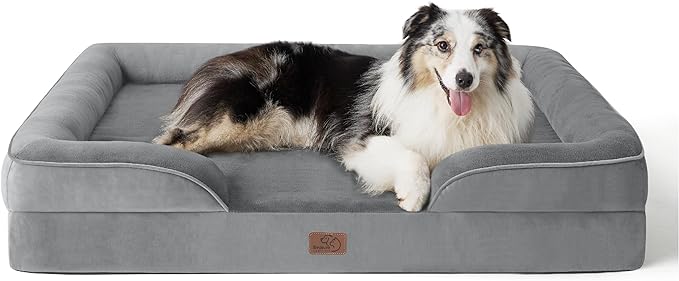
Dogs with arthritis often like to rest their heads or curl against something. Bolsters (raised sides) give a sense of security and a place to lean, which can help dogs relax their muscles. Just make sure the bolsters are firm but soft, and not so high that your dog struggles to climb in.
3. Low Entry Point
A high or deep bed can be difficult for stiff, sore dogs to enter. Look for beds with at least one low side (sometimes called an “easy entry” or “open front”) so your dog can step in easily. This is especially important for breeds with short legs or severe arthritis.
4. Non-slip Bottom
Dogs with arthritis may lose traction when getting up. A non-slip base keeps the bed in place, preventing slips or falls. This is critical on tile or hardwood floors.
5. Washable, Waterproof Cover
Accidents happen, especially with older dogs who may have bladder issues. A removable, machine-washable cover is a must. Waterproof linings protect the foam from moisture, odors, and bacteria—keeping the bed fresher and safer.
6. Temperature Regulation
Some dogs with arthritis feel worse when they’re cold or overheated. Cooling gel foams or breathable fabrics can help, especially in warm climates. For colder homes, consider beds with self-warming layers or room to add a blanket.
7. Size And Shape
The right size lets your dog stretch out fully. A bed that’s too small forces awkward positions, which can put stress on the joints. Rectangular beds suit sprawlers; oval or “nest” beds are good for dogs who like to curl.
Measure your dog from nose to tail and add a few inches for the perfect fit.

Credit: www.simonvetsurgical.com
Comparing Popular Types Of Dog Beds For Arthritis
There are many types of beds on the market. Here’s a side-by-side look at the main styles and their pros and cons for arthritic dogs.
| Bed Type | Pros | Cons | Best For |
|---|---|---|---|
| Orthopedic Memory Foam | Excellent support, relieves pressure, long-lasting | Heavier, can be expensive | Most arthritic dogs, especially medium/large breeds |
| Egg-Crate Foam | Affordable, some pressure relief | Flattens quickly, less durable | Small dogs, mild arthritis |
| Bolster Beds | Security, head support, cozy | May be harder to enter if bolsters are high | Nesters, dogs who like to lean |
| Heated Beds | Soothes joint pain, great for cold climates | Needs electricity, not for chewers | Seniors, very stiff dogs |
| Elevated Cots | Good airflow, keeps dogs off cold floors | Less cushioning, not for bony dogs | Hot climates, outdoor use |
Non-obvious Insights
- Dogs with elbow arthritis may benefit from beds with extra padding at the edges, since elbows often press against the sides.
- If your dog “digs” or turns in circles before lying down, choose a bed with a durable cover that resists tearing.
Top Orthopedic Dog Bed Brands And Their Standout Features
Choosing the right brand can be overwhelming. Here are some of the best-known orthopedic dog bed makers and what makes them popular for arthritis support.
| Brand | Key Features | What Makes It Stand Out |
|---|---|---|
| Big Barker | 7-inch thick memory foam, machine-washable suede cover | Designed for large/giant breeds, 10-year foam warranty |
| PetFusion | Solid 4-inch memory foam, water-resistant liner, bolsters | Low entry point, easy for arthritic dogs to access |
| BarksBar | Grooved orthopedic foam, cotton-padded rim, nonslip base | Affordable, good for medium/small breeds |
| FurHaven | Multiple foam options (gel, egg-crate, memory), L-shaped bolsters | Wide variety of sizes and shapes |
| K&H | Heated beds, memory foam, washable covers | Safe for seniors, temperature control |
Brands aren’t everything, but these companies have strong reputations for durability, safety, and real orthopedic support. Always check reviews, especially from owners with arthritic dogs of a similar breed or size.
Credit: caninearthritis.org
How To Choose The Right Dog Bed For Arthritis
With so many options, it’s easy to feel lost. Here’s a step-by-step approach to picking the perfect bed for your dog’s needs.
1. Assess Your Dog’s Size And Sleeping Style
Measure your dog from nose to tail and shoulder to ground. Add 6-12 inches for stretching room. Watch how your dog sleeps: do they curl up, sprawl out, or like to rest their head on something? Choose a shape and size that matches.
2. Prioritize Support Over Softness
Very soft beds may seem cozy but can worsen joint pain by letting your dog “sink” unevenly. Firm, orthopedic memory foam is best for even support. If your dog likes a soft feel, add a thin blanket on top of the foam.
3. Consider Entry Height And Bolsters
If your dog has trouble stepping in, look for beds with a low entry side. Bolsters are great for head support, but make sure they’re not too high or stiff.
4. Check For Washability And Waterproofing
Older dogs often have more accidents. Removable, machine-washable covers and waterproof inner liners protect your investment and keep your home cleaner.
5. Review Safety And Durability
Check the non-slip base, especially if your home has hard floors. If your dog chews, look for chew-resistant covers. Make sure there are no exposed zippers or loose threads.
6. Set A Realistic Budget
While the best orthopedic beds can cost more, they often last much longer and provide real health benefits. Don’t be tempted by cheap, fluffy beds that compress in weeks. Many quality beds offer multi-year warranties—an important value for long-term support.
Example: Choosing For A 70-pound Labrador
For a 70-pound Lab with moderate arthritis, a 6-7 inch solid memory foam bed with a low entry and supportive bolsters is ideal. Measure at least 40” long and 30” wide. Pick a machine-washable cover and non-slip base. Brands like Big Barker or PetFusion are strong choices.
Common Mistakes When Buying A Dog Bed For Arthritis
Even well-meaning owners make errors that reduce comfort and waste money. Watch out for these pitfalls:
- Choosing by appearance: A pretty bed isn’t always a supportive bed. Focus on structure, not just style.
- Too small or too big: A bed should fit your dog’s sleeping style without being cramped or too roomy (which can make some dogs anxious).
- Ignoring thickness: Beds under 3 inches often flatten fast, especially for large dogs. Go thicker for better support.
- Not checking entry height: High-sided beds or beds placed on furniture can be hard to access for stiff joints.
- Skipping waterproofing: Bodily fluids and drool can soak into foam, causing odors and bacteria.
- Forgetting the non-slip base: Beds that slide can scare or even injure arthritic dogs.
- Assuming all ‘orthopedic’ beds are equal: There’s no regulation on this term. Check for real memory foam, not just marketing language.

Credit: animalsmatter.com
How To Help Your Dog Adjust To A New Bed
Even the best bed can take time to get used to, especially for older dogs with arthritis. Here’s how to make the transition smooth:
- Place the new bed in a favorite spot: Dogs like routine. Put the bed where your dog already likes to rest.
- Introduce a familiar blanket or toy: This adds comforting smells and helps your dog feel safe.
- Use positive reinforcement: Encourage your dog onto the bed with treats or gentle praise. Never force them.
- Be patient: Some dogs may sniff or ignore the bed at first. Give them a few days to explore.
- Monitor for comfort: Watch how your dog sleeps. If they always avoid the bed, check if it’s too high, too hard, or too hot/cold.
- Adjust as needed: Add a blanket for extra warmth, or move the bed to a quieter location if your dog seems restless.
Dogs with arthritis may take longer to settle. If your dog still refuses the bed after a week, reconsider the size, thickness, or location. Sometimes small changes make a big difference.
Caring For Your Dog’s Arthritis Bed
A good bed is an investment in your dog’s health. Proper care extends its life and keeps your home cleaner.
Regular Cleaning
- Wash the cover weekly or as needed.
- Vacuum hair and dirt from the surface to reduce allergens.
- Wipe down waterproof liners with a gentle cleaner.
Inspect For Wear
- Check for sagging, lumps, or flattening foam.
- Look for torn seams or exposed stuffing—these can be choking hazards.
- Replace the bed if it no longer provides even support.
Rotate The Bed
- Flip or rotate the bed every few weeks to spread out wear.
- Move the bed to different rooms if your dog likes variety or if the weather changes (warmer/colder spots).
Address Accidents Quickly
- Blot up any accidents right away to prevent odors and bacteria.
- Remove and wash covers, and clean foam as directed by the manufacturer.
A well-maintained bed not only lasts longer but also stays inviting and healthy for your dog.
How A Good Bed Improves Quality Of Life For Arthritic Dogs
It’s easy to overlook the power of something as simple as a bed. But for dogs with arthritis, the right bed can change everything.
Better Sleep
Undisturbed, restful sleep helps the body heal. Dogs in pain often toss and turn, waking up stiff and tired. Orthopedic beds allow them to rest deeply, supporting natural healing and reducing inflammation.
Less Pain On Rising
A firm, supportive bed helps dogs rise without as much struggle or pain. This makes daily life—going outside, eating, playing—much easier.
Preventing Further Injury
Dogs with arthritis are prone to pressure sores or joint injuries from lying on hard surfaces. The right bed cushions these joints, preventing sores and calluses.
Improved Mobility And Mood
Many owners see a positive change in their dog’s mood and energy after switching to a proper bed. With less pain, dogs are more willing to move, play, and interact.
Real-world Example
A study published in the Journal of Veterinary Behavior showed that dogs with orthopedic beds moved more comfortably and rested longer than those with standard beds. Owners reported less limping and more willingness to climb stairs after just a few weeks.
Other Ways To Support Dogs With Arthritis
While a proper bed is essential, it’s just one part of a holistic care plan. Here are additional ways to help your arthritic dog:
- Weight management: Extra pounds put more stress on joints. Talk to your vet about a healthy diet and exercise plan.
- Gentle exercise: Regular, low-impact walks help keep joints moving.
- Medication and supplements: NSAIDs, glucosamine, and omega-3s can reduce inflammation (always follow your vet’s guidance).
- Physical therapy: Professional massage, swimming, or laser therapy can help.
- Ramps and stairs: Install ramps to make it easier to access beds, cars, or couches.
- Heated pads: Add a safe, low-wattage heating pad (with supervision) for extra comfort.
- Non-slip flooring: Rugs or mats help prevent slips around the home.
These approaches, combined with a high-quality dog bed for arthritis, can make a dramatic difference in your dog’s comfort and happiness.
Why Your Dog’s Bed Location Matters
Where you place your dog’s bed can impact comfort just as much as the bed itself. Consider these factors:
- Temperature: Avoid placing the bed directly on cold tile or next to drafty doors. Arthritic dogs are sensitive to cold.
- Noise: Quiet, low-traffic areas help dogs sleep more deeply.
- Sunlight: Some dogs love basking in the sun, but too much heat can worsen inflammation. Balance is key.
- Accessibility: Make sure your dog can easily reach their bed from their favorite spots in the house—without jumping or climbing stairs.
If possible, have more than one bed in the home, so your dog can choose the most comfortable spot as the day changes.
Personal Stories: Owners Share Their Experiences
Hearing from other dog owners can provide valuable perspective. Here are a few real-world stories:
Sarah, owner of an 11-year-old Golden Retriever:
“After switching to a 7-inch memory foam bed, Bailey started sleeping through the night again. She no longer whimpers when getting up, and she’s back to playing fetch in the yard—something we hadn’t seen in months. ”
Jorge, owner of a senior Dachshund:
“My dog struggled with stairs and always slept on the floor. We bought a low-entry bolster bed with a washable cover. Not only does she get up easier, but accidents are less stressful for us to clean. ”
Lisa, owner of a 90-pound Rottweiler:
“We tried three beds before finding one that didn’t flatten. The right orthopedic bed made a night-and-day difference. Max is less grumpy, and his vet noticed reduced pressure sores at his last checkup. ”
These stories highlight that every dog is unique. Sometimes it takes a bit of trial and error, but the right bed can truly change lives.
Can You Make An Arthritis-friendly Dog Bed At Home?
If you’re on a budget or enjoy DIY projects, it’s possible to make a supportive bed—but with care.
What You’ll Need
- High-density memory foam (at least 4 inches thick)
- Waterproof mattress protector (fitted to foam)
- Durable fabric or old duvet cover for the outer layer
- Non-slip rug pad for the base
Steps
- Cut the foam to your dog’s size.
- Encase foam in the waterproof protector.
- Place inside fabric cover or pillowcase.
- Set on non-slip pad for safety.
This DIY approach won’t have bolsters, but it can provide excellent joint support—especially compared to old blankets or cheap beds. Just be sure to wash covers regularly and check for signs of wear.
How To Tell If Your Dog’s Bed Is No Longer Helping
Over time, even the best beds lose support. Watch for these signs:
- Your dog avoids the bed or sleeps elsewhere
- You see sagging or compressed areas in the foam
- Your dog seems stiffer or more uncomfortable after using the bed
- The bed smells, even after washing
If you notice these issues, it’s time for a new bed. Continuing to use a worn-out bed can actually worsen arthritis symptoms.
When To Consult Your Veterinarian About Bedding
Always involve your vet in your dog’s arthritis care. Ask for bedding recommendations if:
- Your dog’s pain isn’t improving despite a good bed
- You see skin sores, calluses, or signs of pressure points
- Your dog has trouble lying down or rising, even with orthopedic support
- You’re unsure which type of bed is best for a specific medical condition (e.g., hip dysplasia, elbow arthritis)
Vets may have brand suggestions based on clinical experience and can help you avoid common mistakes.
The Science Behind Orthopedic Beds And Canine Arthritis
Research shows a clear link between proper bedding and joint health. According to a study published by the American College of Veterinary Surgeons, orthopedic beds reduce pressure on joints by up to 40% compared to standard foam beds. This can lead to:
- Less joint inflammation
- Fewer pressure sores
- Improved mobility scores
Another study in “Frontiers in Veterinary Science” reported that dogs with arthritis using memory foam beds had longer periods of restful sleep and less frequent waking.
If you want to dive deeper into scientific findings, the National Institutes of Health provides a comprehensive overview of how bedding affects canine musculoskeletal health.
Frequently Asked Questions
What Is The Best Type Of Dog Bed For Severe Arthritis?
The best bed for severe arthritis is a solid orthopedic memory foam bed that’s at least 4 inches thick (more for larger breeds). It should have a low entry, non-slip base, and a washable, waterproof cover. Bolsters are helpful if your dog likes head support. Avoid beds that are too soft, thin, or hard to enter.
How Often Should I Replace My Arthritic Dog’s Bed?
Most high-quality orthopedic beds last 3-5 years, but it depends on your dog’s size and how much they use it. Replace the bed if you notice sagging, lumps, or if your dog avoids it. Beds with warranties often last longer, but always check for signs of wear.
Can A Heated Bed Help With Arthritis Pain?
Yes, gentle heat can soothe sore joints and improve circulation. Choose beds with safe, low-wattage heating elements and always monitor for overheating. Heated beds are especially helpful in cold climates or for dogs who seem stiff in the mornings.
Are Elevated (cot-style) Beds Good For Dogs With Arthritis?
Elevated beds can be helpful for airflow and keeping dogs off cold floors, but they often lack the cushioning needed for sore joints. If you use a cot bed, add a thick orthopedic mattress on top, and make sure the height is easy for your dog to access.
What Should I Do If My Dog Refuses To Use The New Bed?
Try placing the bed in your dog’s favorite resting area. Add a familiar blanket or toy, and use treats or praise to encourage use. Check that the bed isn’t too high, too firm, or in a drafty/cold spot. If your dog still refuses after a week, consider a different size, shape, or location.
A good bed is more than just a place to sleep—it’s a vital part of your arthritic dog’s comfort, health, and happiness. Choosing the right dog bed for arthritis can mean less pain, better sleep, and a return to the joys your dog once loved. By focusing on true orthopedic support, ease of access, durability, and your dog’s unique needs, you give your loyal companion the best possible quality of life.
Remember, small changes in bedding can make big differences. Keep an eye on your dog’s comfort, stay proactive about care, and never hesitate to adjust your approach. Your dog’s gratitude will show in every wag, stretch, and peaceful night’s sleep.